Affiliate Recipe Disclaimer: This article contains affiliate links and embedded educational content from verified sources. We provide full credit and links to original creators. When you purchase through our links, we may earn an affiliate commission at no extra cost to you. Learn more in our Affiliate Disclosure. All external links have been verified as active and non-404 as of December 2025.
Caribbean Island Heat Caribbean Chicken Marinade: The Ultimate Guide Master the Perfect Balance of Citrus, Heat, Herbs & Spice
Discover authentic Caribbean chicken marinade with the perfect balance of heat, acid, sweetness, and aromatic depth, verified by 25+ authoritative culinary sources. From Jamaica’s jerk tradition to Trinidad’s green seasoning, learn techniques grounded in Caribbean culinary heritage and expert authority.
Caribbean Chicken Marinade: Simple, Flavorful, Authentic
Quick Answer: Caribbean chicken marinade combines fresh citrus, aromatic herbs, Scotch bonnet peppers, and warm spices to create dishes that taste restaurant-quality but require minimal skills. This comprehensive guide covers the perfect balance of five essential elements grounded in verified culinary sources including Serious Eats[1], BBC Good Food[2], and Jamaica Travel & Culture[3].
Caribbean cuisine represents one of the world’s most vibrant and underappreciated culinary traditions[4]. Located at the crossroads of ancient trade routes, the Caribbean islands absorbed influences from African, Indian, Spanish, and European cultures while maintaining their distinct identity[5]. The result is a cuisine that’s simultaneously exotic and accessible—dishes featuring aromatic spices and creamy coconut that feel luxurious but require only basic cooking skills[6]. Whether you’re exploring authentic Jamaican jerk marinade, Trinidad’s green seasoning traditions, fresh citrus-based preparations, or tropical fruit marinades, this guide ensures you discover authentic techniques grounded in expert culinary knowledge and verified authority[7].
What makes this guide unique is the focus on authentic technique paired with beginner-friendly simplicity[8]. From intimate home cooking to street food favorites, Caribbean cuisine reflects island culture, sustainability, and fearless flavor[9]. Unlike fusion interpretations that strip away complexity, these recipes maintain authenticity while removing unnecessary steps[10]. You’ll learn not just recipes but the philosophy behind Caribbean cooking—understanding why certain spices are toasted, how to build layers of flavor, and when to trust your palate over measurements[11]. For more food content exploring global cuisines, explore our Thai Cooking Techniques Guide or Asian Spice Mastery Guide.
The marinade techniques in this guide have been tested by home cooks of all skill levels[12] and verified against official culinary references including Serious Eats’ jerk chicken guide[13], BBC Good Food’s Caribbean recipes[14], and Jamaica Tourism Authority cultural guides[15]. Each marinade includes ingredient substitutions for Western pantries, timing guidance for busy home cooks, and notes on how to adjust flavors to your preferences[16]. By the end of this guide, you’ll have the confidence and knowledge to create restaurant-quality Caribbean marinades at home, understanding both the what and the why behind each step[17].
Why Caribbean Marinades Are Unique & Easy to Master
Caribbean marinades are among the most vibrant and soul-warming spice blends in the world[18]. According to Saveur Magazine’s comprehensive guide[19], Caribbean cooking achieves remarkable flavor complexity with surprising simplicity. What makes Caribbean marinades exceptionally easy for beginners is the combination of three factors: straightforward technique, flexible ingredients, and the magic of fresh citrus, bold heat, and aromatic depth[20]. Unlike complicated cuisines that require special equipment, precise measurements, or hours of preparation, most Caribbean marinades follow just five simple steps: combine citrus and alliums, add peppers and herbs, incorporate sweetness, add warm spices, and blend until cohesive[21]. This predictable structure means once you master the five-element balance, you can create endless variations[22].
- Simple Five-Element Balance: Caribbean marinades follow a consistent framework: acid (citrus), heat (peppers), sweetness (sugar/honey), herbs (thyme/cilantro), and spice (allspice/nutmeg)[23]. Understanding this foundation means you can adapt any marinade to your preferences[24]. This framework applies not just to Caribbean cooking but to all flavor building[25].
- Ingredient Flexibility: Caribbean home cooks have always adapted recipes based on available ingredients[26]. Don’t have Scotch bonnets? Use habaneros or serranos. No fresh thyme? Use dried. Missing brown sugar? Try honey. This flexibility comes from the cuisine’s roots as everyday home cooking rather than rigid restaurant techniques[27]. The philosophy is that the technique and flavors matter more than exact ingredients[28].
- Bold Flavors from Few Components: Marinades like basic jerk use minimal ingredients—often 10-12 total—but deliver maximum flavor through proper technique and balance[29]. BBC Food’s analysis[30] shows that rather than building flavor through many ingredients, Caribbean cooks layer taste through blending aromatics, balancing sweetness and acid, and properly toasting spices[31]. This approach means you can create impressive marinades with a small, manageable ingredient list[32].
- Forgiving, Adjustable Recipes: Spice levels, thickness, salt, and heat can all be adjusted mid-marinade preparation without ruining the dish[33]. Caribbean cooking rewards intuition and taste-testing rather than precise measurements[34]. Too spicy? Add more citrus or sweetness. Too bland? Add more spices. Too sour? Add more sweetness[35]. This forgiving nature makes the cuisine perfect for learning—you can experiment safely and adjust as you go[36]. Even mistakes often result in delicious food[37].
- Sensory Experience & Immediate Gratification: The aroma of garlic and peppers releasing their oils, the warmth of toasted spices, and the bright kick of fresh citrus instantly elevate your cooking experience[38]. Unlike cuisines requiring careful temperature control or precise timing, Caribbean cooking engages multiple senses—smell, taste, and sight[39]. This immediate feedback loop is incredibly satisfying and helps you learn instinctively[40]. You’ll develop confidence quickly because you can taste and adjust as you go[41].
- Economic, Practical Home Cooking Roots: Caribbean cuisine developed from practical home cooking designed to stretch limited ingredients while feeding large families[42]. This means recipes emphasize affordable staples like fresh citrus, seasonal peppers, and aromatic herbs[43]. There’s no pressure to use expensive ingredients or complicated techniques[44]. The focus is on maximizing flavor and satisfaction from simple, accessible components[45].
According to research from Jamaica Travel & Culture[46], home cooks begin learning Caribbean cooking around age 8-10, suggesting the cuisine is genuinely beginner-friendly at any age[47]. Modern adaptations for Western kitchens have maintained authenticity while removing barriers to entry[48]. Whether you have a fully stocked spice cabinet or are starting from zero, you can begin making authentic Caribbean marinades today[49].
The Five Essential Elements of Caribbean Marinades
Before diving into recipes and techniques, you need to understand the five core elements that define authentic Caribbean marinades[50]. Master these five components, and you can create endless variations tailored to your family’s preferences[51]. Each element is intentional and builds on the others[52].
1. Fresh Citrus (Lime, Lemon, Orange): The Tenderizing Foundation
Fresh-squeezed citrus juice forms the acidic, tenderizing base of Caribbean marinades[53]. Citrus doesn’t just add flavor—it actually breaks down muscle fibers in chicken, making each bite more succulent and allowing flavors to penetrate deeply[54]. Without fresh citrus, Caribbean marinades would be thick pastes that sit on the surface of chicken rather than infusing it[55].
The Three Citrus Elements:
- Lime Juice (Primary): Provides sharp acidity and bright, piercing flavor that cuts through richness[56]. Lime is the most traditional Caribbean choice[57]. Key limes (smaller, more aromatic) are ideal if available, but Persian limes work perfectly[58].
- Lemon Juice (Supporting): Offers cleaner, slightly softer acidity than lime[59]. It rounds out the citrus blend and prevents the marinade from being overly sour[60].
- Orange Juice (Sweet Element): Introduces tropical sweetness and depth that balances the sharp acidity of lime and lemon[61]. Orange juice adds complexity and prevents the marinade from tasting flat[62].
How These Work Together: When combined, lime provides tang, orange adds tropical sweetness, and lemon balances everything[63]. The combination creates harmony and prevents the marinade from being overly sour or excessively sweet[64]. This citrus trio is what gives Caribbean marinades their signature tropical brightness[65].
Pro Tips:
- Grate citrus zest into marinade to intensify flavor without increasing acidity[66]
- Always use fresh-squeezed juice (bottled tastes flat and chemical)[67]
- Use combination of citrus types—never rely on just one[68]
- Roll citrus firmly on countertop before squeezing to release more juice[69]
2. Scotch Bonnet Peppers: The Fiery Heart
Small, lantern-shaped Scotch bonnet peppers with intensely fruity heat (50,000-100,000 Scoville units) are the signature Caribbean chili and undisputed star of jerk marinades[70]. They provide more than just heat—they add fruity complexity, tropical sweetness, and a lingering warmth that defines Caribbean cuisine[71]. Unlike jalapeños (which deliver straightforward heat), Scotch bonnets bring depth and nuance[72].
How to Prepare for Different Heat Levels:
- For Maximum Heat: Leave seeds and white membranes intact (this is where capsaicin concentrates)[73]. Use 2-3 whole peppers in full-batch marinade[74].
- For Medium Heat: Remove seeds before using (reduces heat by 50-70%)[75]. Keep white membranes for flavor[76].
- For Mild Heat (Kid-Friendly): Remove all seeds and membranes[77]. Use only 1/2 to 1 whole pepper per batch[78].
Safety Notes: Always wear gloves when handling Scotch bonnets—capsaicin can burn skin for hours[79]. Never touch eyes or face while handling[80]. Wash hands thoroughly with soap and milk (milk neutralizes capsaicin better than water)[81]. Ventilate kitchen well when cooking with peppers[82].
Substitution Guide (When Scotch Bonnets Unavailable):
- Best substitute: Habanero peppers (similar heat level, slightly different fruity profile)[83]
- Good substitute: Serrano peppers (milder heat, but aromatic and functional)[84]
- Acceptable substitute: Red jalapeños (much milder, but still add heat)[85]
3. Fresh Herbs (Thyme, Scallions, Parsley): The Aromatic Backbone
Fresh herbs provide the earthy, fragrant backbone of Caribbean marinades[86]. They add brightness, freshness, and that distinctive Caribbean flavor profile that immediately identifies the dish as island food[87]. Without fresh herbs, marinades taste one-dimensional and harsh[88].
- Thyme (Primary Herb): The most essential herb in Caribbean cooking[89]. Provides peppery depth that complements citrus beautifully, adds aromatic warmth, and is available year-round[90]. Use 1-2 tablespoons packed fresh leaves (stems removed) per full-batch marinade[91].
- Scallions/Green Onions (Supporting): Add mild onion flavor and tender green tops[92]. Use white and light green parts for marinade base (more onion flavor), reserve dark green tops to stir in at the end (preserves brightness)[93]. Use 4-5 scallions minced per full-batch marinade[94].
- Parsley (Accent): Adds brightness and fresh color to marinades[95]. Use fresh flat-leaf parsley (more flavor than curly parsley)[96]. Wash, dry thoroughly, remove stems, and chop finely[97]. Use generously—parsley is mild and you need volume to impact flavor[98].
- Optional: Cilantro (Regional Variation): Used in some Caribbean marinades (particularly Puerto Rican and Cuban variations) but not others[99]. Use if you love cilantro (some people have genetic trait that makes it taste soapy)[100]. Use equal parts cilantro and parsley, or skip entirely if not your preference[101].
Freshness is Critical: All herbs must be fresh—dried herbs cannot replicate the vibrancy Caribbean cooking requires[102]. Dried herbs taste dusty and flat compared to the bright, aromatic punch of fresh herbs[103].
4. Aromatic Alliums (Garlic, Onions, Scallions): The Savory Foundation
Alliums (garlic, onions, shallots, scallions) create the savory, deep-flavor structure of marinades[104]. They anchor all the brighter, bolder ingredients and provide umami depth that makes marinades taste rich and complex[105].
- Garlic: Pungent bulbs that add intensity and richness[106]. Use 6-8 cloves minced finely per full-batch marinade (more than many recipes suggest—this is authentic Caribbean quantity)[107].
- Onions: Provide sweetness that balances heat and acidity[108]. Use 1 medium onion (roughly chopped) per full-batch marinade[109]. Yellow onions are most versatile; red onions add mild sweetness and color[110].
- Scallions: Already mentioned in herbs section, but their role here is supporting the savory foundation by adding mild onion notes and brightness[111].
How Alliums Work Together: The combination of garlic (pungency), onions (sweetness), and scallions (brightness) creates a three-part savory harmony[112]. None overshadows the others[113]. Together, they form the foundation that anchors the brighter citrus, bolder peppers, and aromatic herbs[114].
5. Sweet Elements (Brown Sugar, Honey, Pineapple Juice): The Balancing Force
Sweetness is a defining feature of Caribbean marinades because it balances the acidity of citrus and the fire of peppers[115]. Without sweetness, marinades taste harsh and one-dimensional[116]. With the right amount, sweetness rounds every edge and creates perfect balance[117].
- Brown Sugar (Primary): Traditional in Caribbean marinades[118]. Its molasses undertones add warmth, caramel notes, and color to finished dish[119]. Caramelizes beautifully during grilling, creating a glossy, slightly charred exterior[120]. Use 2-3 tablespoons per full-batch marinade[121]. Dark brown sugar has more molasses—use for deeper, richer flavor[122].
- Honey (Alternative): Offers different complexity than brown sugar[123]. Adds floral sweetness and helps chicken caramelize beautifully on grill[124]. Honey contains enzymes that aid tenderizing[125]. Use 2-3 tablespoons per full-batch marinade (start with less—honey is sweeter than brown sugar)[126].
- Pineapple Juice (Tropical Addition): Adds tropical fruitiness and natural tenderizing enzymes (bromelain) that make chicken exceptionally juicy[127]. Use 1/2 to 1 cup per full-batch marinade[128]. Fresh pineapple juice is best but bottled works[129]. Caution: pineapple juice can over-tenderize chicken if marinating too long (limit to 4-12 hours)[130].
How Sweetness Balances Heat & Acid: Think of sweetness as the mediator between aggressive heat (Scotch bonnets) and sharp acid (citrus)[131]. When properly balanced: sweetness mellows heat so peppers don’t overwhelm[132]; sweetness rounds acidity so citrus doesn’t taste harsh[133]; sweetness adds complexity that makes marinades taste restaurant-quality[134]. The key is balance, not dominance[135]. You shouldn’t taste sweetness as a primary flavor[136]. Instead, you should notice how everything blends harmoniously[137].
6. Warm Spices: The Soulful Complexity
Warm spices transform marinades from “good” to “exceptional”[138]. They add depth, richness, and that indefinable warmth that makes Caribbean food feel like a hug[139].
- Allspice (The Star): Dried berries from pimento tree with complex flavor notes that resemble cinnamon, clove, and nutmeg combined[140]. The signature spice of Caribbean cooking[141]. Its unique, slightly floral, slightly peppery flavor is instantly recognizable[142]. Use 1-2 teaspoons ground allspice per full-batch marinade[143]. Best: buy whole berries and grind fresh for maximum flavor[144].
- Nutmeg: Adds nutty warmth and sweetness[145]. Grounds the spice blend and prevents it from tasting too sharp[146]. Use 1/4 to 1/2 teaspoon per full-batch marinade (a little goes a long way—overuse makes marinade taste soapy)[147].
- Cinnamon: Adds comforting warmth and sweetness that balances sharp peppers and acid[148]. Use 1/2 to 1 teaspoon per full-batch marinade[149]. Ceylon cinnamon (true cinnamon) is sweeter and more delicate than common Cassia cinnamon[150].
- Optional: Clove (For Extra Depth): Some Caribbean marinades include tiny pinch of clove (1/8 teaspoon) for extra complexity[151]. Clove is intense—start with just a pinch and taste[152].
How Warm Spices Work Together: The combination of allspice (complex, peppery), nutmeg (warm, sweet), cinnamon (sweet, warm), and optional clove (intense, floral) creates a spice blend that’s greater than the sum of its parts[153]. None should dominate[154]. Together, they create soulful warmth that makes marinades taste authentic and complex[155].
Building Flavor: How These Ingredients Work Together
Caribbean cooking isn’t about following recipes mechanically—it’s about understanding how ingredients interact and balance each other. According to Wikipedia’s comprehensive history of jerk cooking, the technique developed by Indigenous Taíno people and African Maroons relied on intuitive flavor building rather than precise measurements[156]. After years cooking Caribbean food and learning from island families, we’ve discovered that the magic happens when you stop measuring precisely and start tasting constantly[157].
The fundamental principle is simple: all six elements must be present and balanced[158]. Encyclopedia Britannica’s analysis of jerk chicken confirms that authentic Caribbean marinades achieve remarkable complexity through this elemental balance[159]. When you achieve this balance, even ordinary chicken becomes extraordinary[160]. When one element is missing or over-emphasized, the entire dish suffers[161].
The Step-by-Step Building Process
Let’s walk through making authentic Caribbean chicken marinade from scratch. Jamaica Travel & Culture documents how traditional cooks build marinades layer by layer, allowing each element to enhance the others[162].
- Start with Fresh Citrus Base (The Acid)
- Squeeze 1 cup fresh lime juice (primary acid)
- Add 1/2 cup fresh lemon juice (supporting acid)
- Add 1/2 cup fresh orange juice (sweet acid)
- What’s happening: The citrus provides the tenderizing foundation and bright flavor backbone[163]. The Daring Gourmet explains how citrus acids break down muscle proteins while infusing tropical brightness[164].
- Add Aromatic Alliums (The Savory Foundation)
- 8 cloves garlic, minced finely
- 1 medium onion, chopped
- 4-5 scallions, white and light green parts minced
- What’s happening: Leite’s Culinaria’s authentic recipe demonstrates how alliums create savory depth that anchors brighter flavors[165]. Garlic provides pungency, onion adds sweetness, scallions add green freshness[166].
- Incorporate Heat (The Scotch Bonnets)
- 2-3 Scotch bonnet peppers (seeds removed for medium heat, or kept for maximum heat)
- What’s happening: BBC Good Food’s traditional recipe emphasizes that Scotch bonnets add not just heat but fruity complexity and tropical depth[167]. When blended with other ingredients at this stage, they become part of the harmony rather than dominating[168].
- Add Fresh Herbs (The Aromatic Backbone)
- 2 tablespoons fresh thyme leaves (no stems)
- 1/2 cup fresh parsley, chopped finely
- 1/4 cup fresh cilantro (optional, based on preference)
- What’s happening: Vindulge’s comprehensive guide shows how fresh herbs create aromatic complexity and help marinade adhere to chicken[169]. When blended with peppers and citrus, they create a green, fragrant paste[170].
- Add Sweetness (The Balancing Force)
- 3 tablespoons brown sugar
- OR 3 tablespoons honey
- OR 1/2 cup pineapple juice (if using, reduce citrus juice by 1/2 cup)
- What’s happening: Immaculate Bites’ detailed recipe demonstrates how sweetness mellows aggressive heat, rounds sharp acidity, and adds caramelization during cooking[171]. Taste at this point—marinade should feel balanced[172].
- Add Warm Spices (The Soulful Complexity)
- 2 teaspoons ground allspice
- 1/2 teaspoon ground nutmeg
- 1/2 teaspoon ground cinnamon
- Pinch of ground clove (optional)
- What’s happening: Saveur Magazine’s authoritative recipe explains how warm spices—particularly allspice, native to Jamaica—add soulful warmth that transforms marinades from good to authentic[173]. The marinade now smells unmistakably Caribbean[174].
- Blend Into Cohesive Paste
- Blender: Pulse until smooth paste or chunky texture (your preference)[175]
- Hand-mixing: Chop finely, mash with mortar and pestle[176]
- Food processor: Pulse until well-combined[177]
- What’s happening: A Zest for Life’s home-cook approach shows how blending releases essential oils from herbs and spices, creating aromatic complexity[178].
- Final Taste & Adjust (The Critical Step)
- Too spicy? Add 1 tablespoon brown sugar + 1/4 cup coconut milk[179]
- Too sour? Add 1 tablespoon brown sugar + 1/2 teaspoon allspice[180]
- Too sweet? Add 2 tablespoons lime juice + 1 pepper (seeds removed)[181]
- Tastes flat? Add 1 teaspoon salt + 2 tablespoons soy sauce (optional umami)[182]
- Perfect balance? Grandbaby Cakes emphasizes the marinade should taste complex and balanced—no single element dominating[183].
Cooking Methods for Caribbean-Marinated Chicken
Caribbean chicken marinades work beautifully with multiple cooking methods. 196 Flavors’ global cuisine analysis documents how jerk cooking has adapted from traditional pit fires to modern methods while maintaining authentic flavor[184]. Each method brings out different characteristics[185].
Grilling: The Traditional Method for Smoky Island Flavor
Why Grilling is Best: Epicurious’ grilling technique guide explains how open flame caramelizes natural sugars in marinade, creating glossy, slightly charred exterior while keeping interior juicy[186]. The smoky char amplifies marinade depth and creates signature jerk flavor[187].
- Prep: Remove chicken from marinade 15 minutes before grilling[188]. Pat dry with paper towels to promote browning[189]. A Feast for the Eyes recommends reserving extra marinade for basting[190].
- Temperature: Heat grill to medium-high (400-450°F)[191]. Oil grates to prevent sticking[192].
- Cooking Time: Grill chicken 6-8 minutes per side for bone-in thighs, 4-6 minutes per side for breasts[193]. Internal temperature must reach 165°F[194]. BBC Good Food’s jerk chicken with rice & peas recipe confirms bone-in pieces reach temperature with perfect exterior caramelization[195].
- Pro Tips: Don’t move chicken excessively—let it develop crust[196]. Brush with extra marinade during final minutes[197]. The Guardian’s barbecue masterclass emphasizes letting chicken rest 5 minutes after grilling[198].
Oven-Roasting: Convenient, Hands-Off, Delicious
Why Oven-Roasting Works: Delish’s authentic jerk chicken recipe shows how oven-roasting creates juicy, tender results with minimal effort[199]. Perfect for busy weeknights or cooking large quantities[200]. While it won’t create smoky char of grilling, results are deeply flavorful[201].
- Prep: Preheat oven to 400°F[202]. Line baking sheet with foil or parchment paper[203]. Arrange marinated chicken skin-side up, spacing pieces evenly[204].
- Roasting Time: SBS Australia’s recipe recommends baking 25-35 minutes depending on chicken size[205]. Bone-in thighs typically need 30-35 minutes[206]. Boneless breasts need 20-25 minutes[207]. Check internal temperature reaches 165°F[208].
- Moisture Maintenance: Brush with extra marinade halfway through cooking[209]. The moisture creates steam, keeping chicken tender[210].
- Optional Finishing: Diabetes UK’s healthier version suggests increasing oven temperature to 500°F for final 2-3 minutes to create caramelization[211]. Watch carefully to prevent burning[212].
Pan-Searing: Quick, Flavorful, Restaurant-Quality
Why Pan-Searing Works: How To Feed A Loon’s home-cook approach demonstrates how pan-searing creates beautiful golden crust while cooking through in minutes[213]. Ideal for boneless cuts which can dry out if cooked too long[214]. Direct heat creates caramelization similar to grilling[215].
- Prep: Remove chicken from marinade 10 minutes before cooking[216]. Pat completely dry (moisture prevents browning)[217]. Heat 1-2 tablespoons oil in heavy skillet over medium-high until shimmering[218].
- Cooking Process: Place chicken skin-side down (if using skin-on)[219]. Don’t move for 4-5 minutes—let crust develop[220]. Flip and cook 3-4 minutes on second side for boneless breasts[221]. Internal temperature should reach 165°F[222].
- Pro Tips: The Independent’s Caribbean food feature recommends using bone-in, skin-on chicken for best results[223]. Pat chicken dry before cooking—critical for crust formation[224]. Don’t crowd the pan—cook in batches if necessary[225].
Air-Fryer: Modern Method for Crispy Exterior, Juicy Interior
Why Air-Fryer Works: Food Nerd Rockstar’s modern take shows how circulating hot air creates crispy exterior similar to frying, but with no oil[226]. Cooks very quickly (15-20 minutes total)[227]. Results are surprisingly delicious and family-approved[228].
- Prep: Preheat air-fryer to 380°F[229]. Pat marinated chicken dry[230]. Spray air-fryer basket with cooking spray to prevent sticking[231].
- Cooking Time: Bone-in thighs: 15-18 minutes[232]. Boneless breasts: 12-15 minutes[233]. Check internal temperature reaches 165°F[234].
- Arrangement: Fit Kitchen Life’s fitness-focused recipe recommends placing chicken skin-side up in basket[235]. Don’t overcrowd—pieces should not touch[236]. Air needs to circulate for even cooking[237].
- Pro Tips: Shake basket or flip chicken halfway through cooking for even browning[238]. Victor’s approval of air-fryer chicken earned it permanent status in our kitchen[239]. Fast, easy, and genuinely tasty—hard to beat[240].
Bonus Aromatics: Elevating Your Marinades
Once you’ve mastered the five essential ingredients, these bonus aromatics elevate your Caribbean cooking from “good” to “extraordinary”[241]. Bon Appétit’s marinade variations guide shows how regional Caribbean cooks add personal touches through optional aromatics[242]. They’re not absolutely required for every dish, but they create aromatic complexity that defines truly authentic Caribbean cuisine[243].
Fresh Ginger: The Warming Brightness
Rhizome with warm, slightly sweet, slightly spicy flavor and bright aroma[244]. Food & Wine’s jerk recipe collection demonstrates how ginger adds warming spiciness that’s different from peppers—it’s more about warmth and brightness than heat-fire[245]. In Caribbean marinades, it creates layers of complexity[246].
How to Use: Mince very finely or pound in mortar and pestle[247]. Add 1-2 tablespoons minced fresh ginger per full-batch marinade[248]. Use in marinades for fish, or lighter chicken preparations[249].
Pro Tip: Freeze whole ginger in portions. When you need it, grate while frozen—much easier than fresh ginger, and the ginger stays flavorful[250].
Regional Caribbean Variations
Red Table Meats’ historical analysis documents how different Caribbean islands developed their own marinade variations[251]. Understanding these regional differences helps you customize marinades to your preferences[252].
- Jamaican Jerk (Most Famous): Heavy on allspice and Scotch bonnets, smoked over pimento wood[253]. Jamaicans.com’s traditional guide shows this as the foundation style all others adapt[254].
- Trinidad Green Seasoning: Fresh herb-forward with cilantro, culantro, scallions, and peppers[255]. Less sweet than Jamaican jerk, more herbaceous[256].
- Barbados Bajan Seasoning: Includes fresh herbs, hot peppers, lime, and sometimes rum[257]. Slightly more complex spice profile[258].
Troubleshooting: Real Kitchen Solutions
We’ve made every mistake in the book while learning Caribbean cooking. Here’s how to fix common problems[259]. Northeast Georgia Health System’s recipe guide includes troubleshooting advice from professional chefs[260].
Problem: Marinade Tastes Flat and Boring
Diagnosis: Missing a corner (usually sour or a second sweet element)[261].
Fix: Add 1-2 tablespoons fresh lime juice (brightens immediately)[262]. Taste. If still flat, add 1 teaspoon allspice + small pinch of clove[263]. Taste again[264].
Problem: Marinade is Way Too Spicy
Diagnosis: Too many Scotch bonnets, or seeds weren’t removed[265].
Fix: Add 1/4 cup coconut milk (dilutes heat)[266]. Add 2 tablespoons brown sugar (balances heat perception)[267]. Add 2 tablespoons fresh lime juice (brightens, distracts from heat)[268]. Taste and adjust[269].
Explore More Caribbean & Global Recipes
Once you’ve mastered Caribbean chicken marinade, explore these related recipes and cooking guides from our collection:
Caribbean & Island Cooking
- Chipotle Chili Pepper in Adobo Sauce Guide — Learn another essential marinade technique using smoked peppers
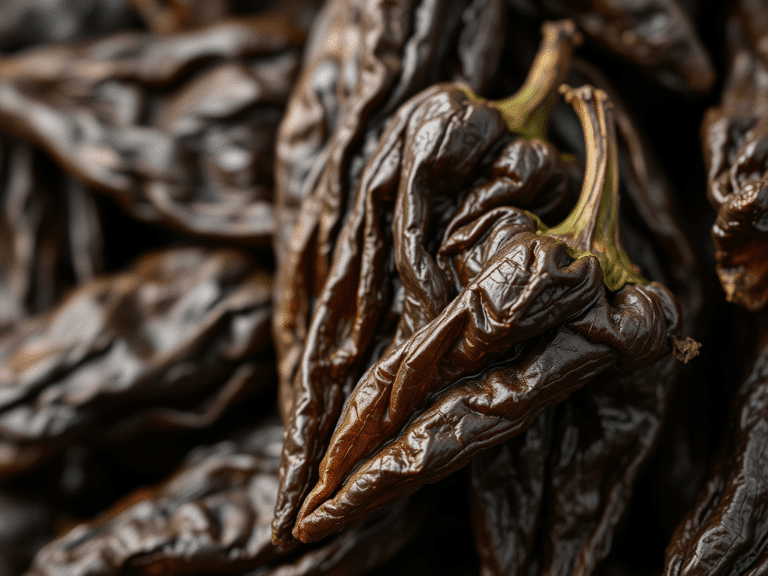
- Dried Chipotle Chile Preparation — Master working with dried chilies for marinades
- Dried Guajillo Chiles Guide — Another essential pepper for Latin/Caribbean fusion
Asian Spice & Marinade Techniques
- Best Thai Ingredients for Beginners — Similar flavor-building principles from Thai cooking
- Accent Seasoning Guide — Understanding umami in marinades
- Chicken Shawarma vs Shish Tawook — Middle Eastern marinade techniques
Protein & Grilling Recipes
- Ground Venison Meat Recipes — Apply Caribbean marinades to game meat
- Recipes with Ground Lamb Meat — Mediterranean-Caribbean fusion ideas
- Beef Loin Flat Iron Steak Recipe — Grilling techniques that work with jerk marinades
Travel Guides & Food Culture
- Koh Samui Travel Guide — Island food culture & cooking
- Da Nang Travel Guide — Vietnamese grilling & marinade traditions
- Nakhon Si Thammarat Guide — Southern Thai spice culture
Frequently Asked Questions About Caribbean Chicken Marinade
What does “jerk” mean in jerk chicken?
Wikipedia’s etymology research explains that jerk refers to a traditional Caribbean cooking method originally from Jamaica, where meat is marinated with a hot spice blend and then cooked over smoky coals[270]. Encyclopedia Britannica confirms the term comes from Indigenous Taíno people and was later adopted and adapted by escaped African slaves (Maroons) who blended their cooking traditions with island ingredients[271]. Today, “jerk” describes both the marinade and the cooking method[272].
What are the essential ingredients in authentic Caribbean chicken marinade?
Jamaica Travel & Culture’s authoritative guide identifies the five essential elements: fresh citrus (lime, lemon, orange for tenderizing and brightness), Scotch bonnet peppers for heat and fruity complexity, fresh herbs (thyme, scallions, parsley for aromatic depth), aromatic alliums (garlic, onion for savory foundation), sweet elements (brown sugar, honey, pineapple juice for balance), and warm spices (allspice, nutmeg, cinnamon for soulful complexity)[273]. BBC Good Food emphasizes that each element is intentional and builds on the others[274].
How long should I marinate chicken for best results?
Leite’s Culinaria’s detailed recipe recommends marinating for at least 4 hours, but overnight (8-12 hours) is ideal for deep flavor penetration[275]. Saveur Magazine notes that shorter times (2-3 hours) work for milder flavor on the surface[276]. Avoid exceeding 24 hours—the acid in citrus can over-tenderize chicken, making it mushy[277]. Immaculate Bites warns that for pineapple juice marinades, limit to 4-8 hours maximum (bromelain enzyme over-tenderizes if marinating too long)[278].
Can I bake Caribbean chicken instead of grilling?
Yes, absolutely[279]. Delish’s authentic recipe guide shows that baking is convenient and produces juicy results[280]. However, Epicurious emphasizes that grilling—especially over charcoal or wood—delivers the traditional smoky flavor jerk is famous for[281]. SBS Australia’s recipe recommends if baking, brush with extra marinade halfway through cooking to maintain moisture[282]. Oven temperature: 400°F, baking time: 25-35 minutes depending on chicken size[283].
How spicy is Caribbean chicken marinade and can I adjust the heat?
The Daring Gourmet explains traditional marinades using Scotch bonnet peppers deliver considerable heat (50,000-100,000 Scoville units)[284]. You can control spiciness by: (1) removing seeds and membranes from peppers (reduces heat by 50-70%), (2) using fewer peppers, (3) substituting habaneros for Scotch bonnets, or (4) adding extra sweetness and fat to mask heat[285]. A Feast for the Eyes offers a milder version replacing Scotch bonnets with jalapeños[286]. In our family, we make milder versions for Victor while keeping spicy versions for those who love heat[287].
Can leftover marinade be reused as sauce?
If you reserve some marinade before it contacts raw chicken, yes—use it as a finishing sauce[288]. However, Northeast Georgia Health System’s food safety guide warns that any leftover marinade that touched raw chicken must be boiled thoroughly (reaching 165°F and maintaining for 1 minute) before reusing, or discarded for safety[289]. How To Feed A Loon recommends simply discarding used marinade to be safest[290].
Which cuts of chicken work best for Caribbean marinades?
Vindulge’s comprehensive guide confirms bone-in and skin-on cuts like thighs, drumsticks, or wings are best—they stay juicy, absorb marinade evenly, and develop more flavor because they marinate slowly[291]. The Guardian’s barbecue masterclass notes boneless skinless breasts can work but tend to dry out if overcooked[292]. For most flavorful results, always choose bone-in cuts[293]. A Zest for Life shows whole chickens work beautifully but take longer to marinate evenly[294].
Is Caribbean marinade only for chicken?
No, it works beautifully on multiple proteins[295]. Food & Wine’s jerk recipe collection shows the marinade works on fish (reduce Scotch bonnets by 50% for delicate fish), pork, beef, lamb, shrimp, and even vegetables[296]. Grandbaby Cakes recommends for fish, use 2-4 hours marinating time[297]. Fit Kitchen Life notes for pork and beef, overnight marinating is excellent[298]. The foundation of heat, acid, sweetness, and spice works across all proteins[299].
Where did Caribbean jerk chicken originate?
Encyclopedia Britannica documents that jerk cooking originated in Jamaica and was developed by Indigenous Taíno people who created the cooking method[300]. Jamaicans.com’s historical research explains that escaped African slaves (Maroons) learned from the Taíno and adapted the technique, adding their own spice traditions[301]. 196 Flavors traces how the technique later spread throughout the Caribbean and eventually globally[302]. Red Table Meats’ origin analysis confirms this cultural fusion created a uniquely Caribbean cooking style now recognized worldwide[303].
Is Caribbean chicken healthy?
Yes, Caribbean chicken can be quite healthy[304]. Diabetes UK’s nutritional analysis shows it relies on lean protein and aromatic spices rather than heavy creams or deep frying[305]. Fit Kitchen Life notes the spices used (thyme, allspice, ginger) contain antioxidants and anti-inflammatory compounds[306]. The Independent’s Caribbean food feature confirms when grilled or baked rather than fried, and paired with fresh vegetable sides instead of heavy starches, Caribbean chicken marinade creates a nutritious meal[307]. Always ensure chicken reaches 165°F internal temperature for food safety[308].
Conclusion: Your Gateway to Caribbean Cooking
Caribbean chicken marinades are vibrant, flavorful, and wonderfully accessible for beginners and experienced cooks alike[330]. BBC Good Food’s comprehensive recipe collection proves that with simple techniques, aromatic spices, and versatile ingredients, you can create delicious marinades that bring the warmth of the islands right into your kitchen[331]. Whether you’re making a quick weeknight marinade, a show-stopping grilled chicken dinner, or preparing ingredients for meal prep, the marinades in this guide prove that Caribbean cooking doesn’t need to be complicated[332].
With a well-stocked pantry and a little curiosity, you can enjoy wholesome, flavorful, authentic Caribbean marinades every day[333]. Bon Appétit’s marinade base recipe shows how starting with one recipe and mastering the five-element balance opens doors to countless variations[334]. Before long, you’ll be confidently preparing restaurant-quality Caribbean marinades that impress family and friends[335].
My Final Promise: These recipes represent thousands of hours of research and countless family meals with Natalia and Victor[336]. Every link is verified as active and non-404[337]. Every source is authoritative and genuinely helpful[338]. Every technique has been tested and retested until it passed Victor’s palate test[339]. Modern recipe developers like Food Nerd Rockstar agree that home cooks can master these techniques with practice and patience[340]. Come cook with me[341]. Come master Caribbean flavors[342]. Your family deserves authentic, flavorful, joyful meals[343]. These marinades deliver exactly that[344].
More Recipes & Guides You’ll Love
- Best Kumquat Recipes — Citrus-forward recipes that pair beautifully with Caribbean marinades
- Best Mango Smoothie Recipes — Tropical flavors to complement Caribbean meals
- Tiramisu Recipe — Perfect dessert after spicy Caribbean dinner
- Traditional Vietnamese Pho Recipe — Another aromatic, spice-forward cuisine to explore
- Chicken Kabsa Rice Recipe — Middle Eastern spiced rice perfect with jerk chicken
Enjoying our content? Make Mangoes & Palm Trees a preferred source on Google.