Editorial standards: editorial policy · Affiliate disclosure: affiliate disclosure · Updated 31 August 2026.
Kitchen hub
Mangoes & Palm Trees Recipes
Weeknight staples, heritage cooks, ingredient guides, and pantry swaps from the Mayerhoffer kitchen—routed the way we actually cook, not as a faceless recipe database.
What is the Mangoes & Palm Trees recipe index?
The Mangoes & Palm Trees recipe index is a family kitchen directory of weeknight staples, heritage dishes, ingredient guides, and pantry swaps. Recipes are organised by ingredient, cuisine, meal type, and substitution need — structured for busy households cooking abroad and at home.
Gateway hub for cook, ingredient, and substitution clusters — not a faceless recipe database.
Where to Next? Browse the Archive.
A recipe index shouldn’t read like a phone book. Whether you’re trying to reverse-engineer a street food dish we found in Southeast Asia, or you’re just staring into your pantry in full Tuesday-night panic mode over a missing can of beans, we’ve organized this archive to get you moving.
Family-Tested Recipes
From slow-cooked weekend projects that need careful pacing, to 30-minute weeknight saves that actually pass the family texture-test.
The Global Drinks Hub
Because sometimes you need more than drip coffee. We break down technical extractions and heritage brewing so you can pull them off at home.
Travel Context & Logistics
Food makes more sense when you know where it comes from. Skip the fluffy travel diaries—these are our hard-won, logistics-first blueprints from Southeast Asia field months.
Ingredient Substitutes
Real life happens. When you’re mid-recipe and realize you’re missing a crucial ingredient, we use culinary math to save dinner without ruining the flavor profile.
Ingredient Intelligence
Stop guessing in the supermarket aisle. We break down botanical profiles, regional sourcing, and historical context so you can cook with absolute confidence.
Chili Pepper Masterclass
Heat is easy; flavor is hard. Explore capsaicin profiles, drying techniques, and the bright, acid-driven coastal recipes that rely on them.
The Four Pillars of the Archive
The Recipe Archive
Family-tested methods meeting the Family-Tested practicality filter. We decode heritage dishes into structured, repeatable family courses without compromising flavor or technique.
Travel-tested routing
Destination guidance built on movement, logistics, and what we noticed on the road. We focus on transport, pacing, and food context families need on the ground.
Ingredient Intelligence
Decoding global flavor through botanical accuracy and cultural provenance. Our guides cover substitutions, storage logic, and the “why” behind global spices and chilis.
Global Drinks Hub
From technical coffee extraction to heritage tea brewing. We keep beverage recipes clear and repeatable so the steps read cleanly at home.
How do you build the first course for a complete family meal?
Designing a family starter is about waking the palate, not filling the table. Bright acidity, temperature contrast, and crisp textures naturally stimulate appetite. By keeping this opening course light, fast, and shareable, you keep the family engaged through the transition to the heavier centerpiece.
As we travel Southeast Asia in 2026, we align these opening rhythms with FAO heritage standards to respect the cultural biodiversity of the ingredients we serve.
Mango Avocado Salsa
A vibrant, market-fresh opening course that uses citrus and crunch to lift heavier proteins. Perfect for Mediterranean-style hosting.
View Recipe →Roasted Chili Corn Salsa
Acidity and charred depth provide an energetic start that stimulates conversation before the main course arrives.
View Recipe →Blueberry Corn Salad
A restorative start that anchors the table in seasonal brightness and gentle nutrition logic without feeling heavy.
See the Archive →Anchoring the table with technical discipline
The main course anchors the room — deepest flavors, richest aromas, heaviest expectations. At a family table, that should never mean stress. It means clear prep so the host can actually sit down.
We achieve this through technical prep: exact resting times, reliable heat management, and regional flavors decoded into achievable steps. Whether we are cooking a heavy braise or a light, plant-forward centerpiece, the goal is a calm, connected evening.
Sweet Potato Ukoy
A technical centerpiece exploring Filipino heritage through professional-grade frying and careful texture management.
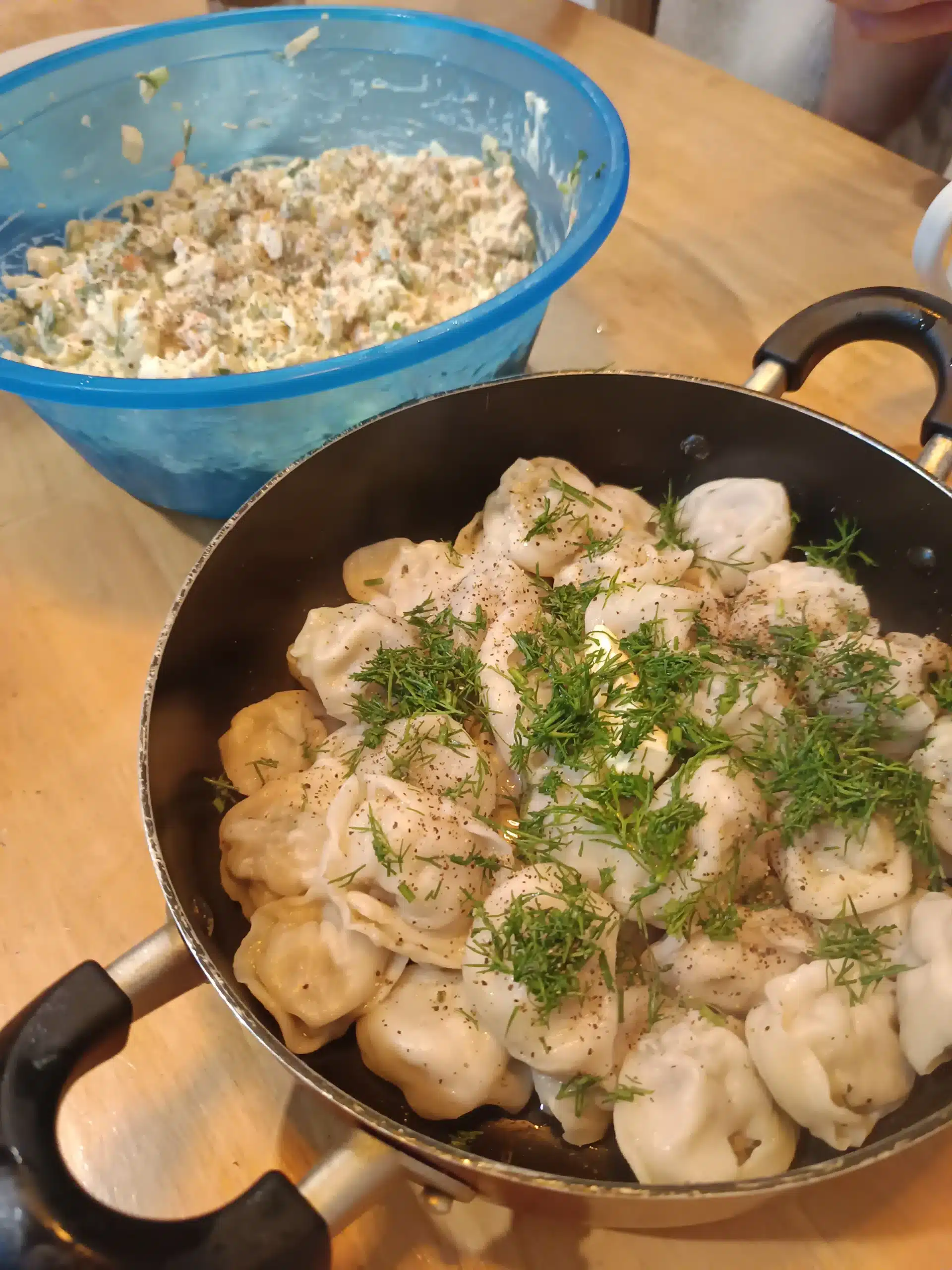
Cook the Archive →Siberian Pelmeni
Natalia’s family heritage guide, translating Siberian memory into traditional, soulful comfort.
View the Guide →Pork Steak Guides
Traditional family dinners relying on professional browning techniques and proper resting protocols for reliable results.
Browse Methods →Closing the table with balance and ritual
How a meal ends matters as much as how it begins. The final course is a ritual of transition. Whether we are hosting guests in the Middle East or feeding our family while traveling Southeast Asia in 2026, we use the closing course to soften the room’s energy.
We look for finishes that answer the flavors that came before them—a bright, fruit-led lift to clear the palate after a heavy braise, or a deeply aromatic, ceremonial coffee ritual to linger over when the conversation is too good to end.
Vietnamese Coffee Ritual
Technical extraction methods meeting deep heritage brewing standards. The ultimate conversational final note from our Da Nang research.
Explore the Guide →Egg Coffee (Cà Phê Trứng)
A rich, storied finish that beautifully bridges the gap between dessert service and traditional beverage culture.
View the Recipe →Seasonal Shortcake
Using natural acidity and fresh fruit to bring a light, restorative lift after hearty, meat-centered anchors.
See the Archive →Context from Southeast Asia travel months
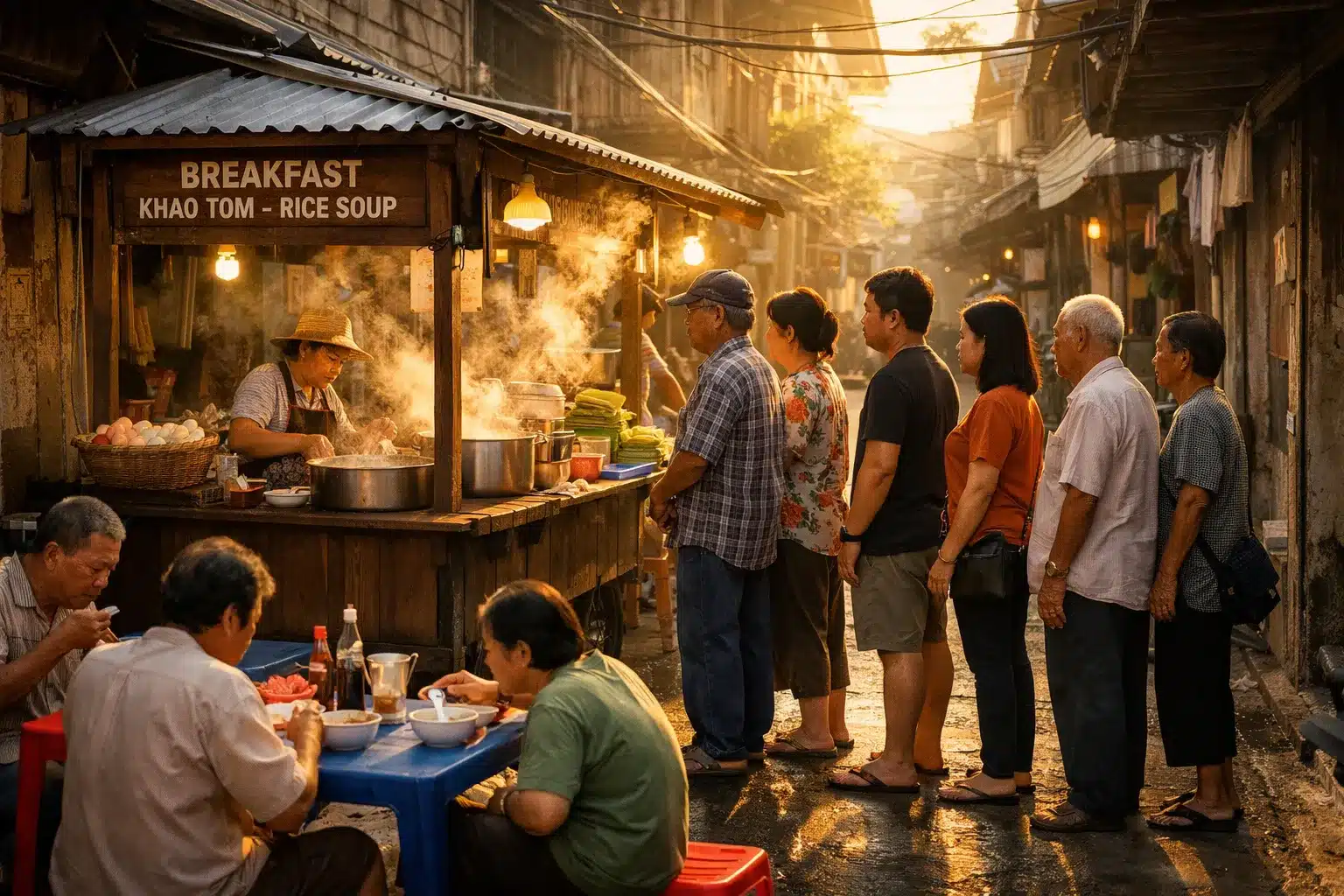
Our recipes are shaped by constant movement. To understand the courses we build, explore the regions that inspire them — night markets, heritage stays, and the logistical blueprints we use while traveling Southeast Asia in 2026.
Family meal pacing logistics
A successful multi-course meal is won or lost in the timing. In a professional kitchen, we rely on the “pass”—the exact moment a dish moves from the stove to the dining room.
At home, pacing requires a structure that keeps the host at the table, not trapped in the kitchen. Here is how we bridge professional flow with real family practicality.
| Course Phase | Professional Standard | Family-Tested Home Reality |
|---|---|---|
| Course One: Starters | Served immediately as guests sit. Designed to be highly acidic and visually vibrant. | Prepped entirely in advance. Kept cold in the fridge and plated while the family is gathering at the table. |
| Course Two: The Main | Fired to order. Relies on exact resting times and immediate sauce finishing. | The meat rests while the starter is eaten. We use slow-cooker or oven-finished mains that forgive minor timing delays. |
| Course Three: Finish | Plated tightly with temperature-sensitive garnishes (ice creams, spun sugar). | Served family-style or poured table-side (like Vietnamese Coffee) to naturally stretch the conversation without kitchen stress. |
If you need logistical support for prepping these courses in advance, explore our Meal Prep Recipes and Ideas hub to see how we batch-prepare ingredients without sacrificing texture.
How we build a recipe: kitchen notes and family life
Before any dish makes it into this index, it goes through a real translation — from what we cooked on the road or at home into steps a parent can follow without guesswork. Resting times, heat management, and marinade balance are spelled out so the method works without confusion.
A technically clean dish is not always a culturally honest one. Natalia steps in with her Siberian heritage and kitchen-safety lens to audit ingredients and preservation.
She aligns hygiene and storage with WHO and FAO guidelines and protects the cultural soul of the dish so we never flatten it for a quick meal.