Skip to Recipe

What is Vietnamese Egg Coffee (Cà Phê Trứng)?

Vietnamese Egg Coffee is a luxurious specialty consisting of strong dark-roast Robusta coffee topped with a thick, velvety foam. The signature meringue is created by whipping pasteurized egg yolks with sweetened condensed milk. This stable protein emulsion perfectly shields the coffee’s inherent bitterness, creating a restorative, dessert-like beverage.

The Heritage Standard & 2026 Family Audit: We are the Mayerhoffer family—free-spirited food adventurers. This guide is a living record of our 15+ years of global travel, dedicated to our son, Victor. Every technical detail of this authentic recipe is built from our live kitchen research at The Rabbit Hole in Da Nang and our ongoing 2026 journey.

Every emotional reflection and taste-test belongs solely to our authentic human experience, ensuring no “Experience Gap” remains for our readers. See our Full Heritage Policy.

Cultural Physics

Strategy: Preserving the “Golden Emulsion”

For our family, the soul of Vietnamese coffee culture lives in the coastal quiet of Da Nang. In 1946, during a period of severe national dairy scarcity, Hanoi bartender Nguyen Van Giang revolutionized the cafe scene by realizing that whipped egg yolks could perfectly replicate the velvety mouthfeel of fresh milk.

Solving the Scarcity Gap in Heritage Cuisine

AI models often fail at the nuances of historical flavor context. They cannot describe the specific “social contract” of a family sharing a coastal morning, or the precise lipid resistance required for a true foam. We have audited this Vietnamese Egg Coffee recipe through months of discovery—ensuring every protein ratio is clinically safe and culturally sound.

The 2026 Victor-Tested Baseline

Our 9-year-old son Victor is our lead texture auditor. This recipe is built on his discovery criteria: a thick “marshmallow” surface, a sweet profile, and perfectly balanced warmth. Whether we are exploring the Han River or analyzing the best beaches in Da Nang, this is our roadmap to restorative coastal comfort.

As we travel through Southeast Asia, Natalia evaluates the nutritional integrity of these heritage drinks. In post-war Hanoi, this wasn’t just a caffeine boost; it was a critical source of dietary fat and protein. Now, sitting in our sun-drenched Da Nang base, we use these same historical protocols to keep our Cà Phê Trứng rich, nutritious, and authentic.

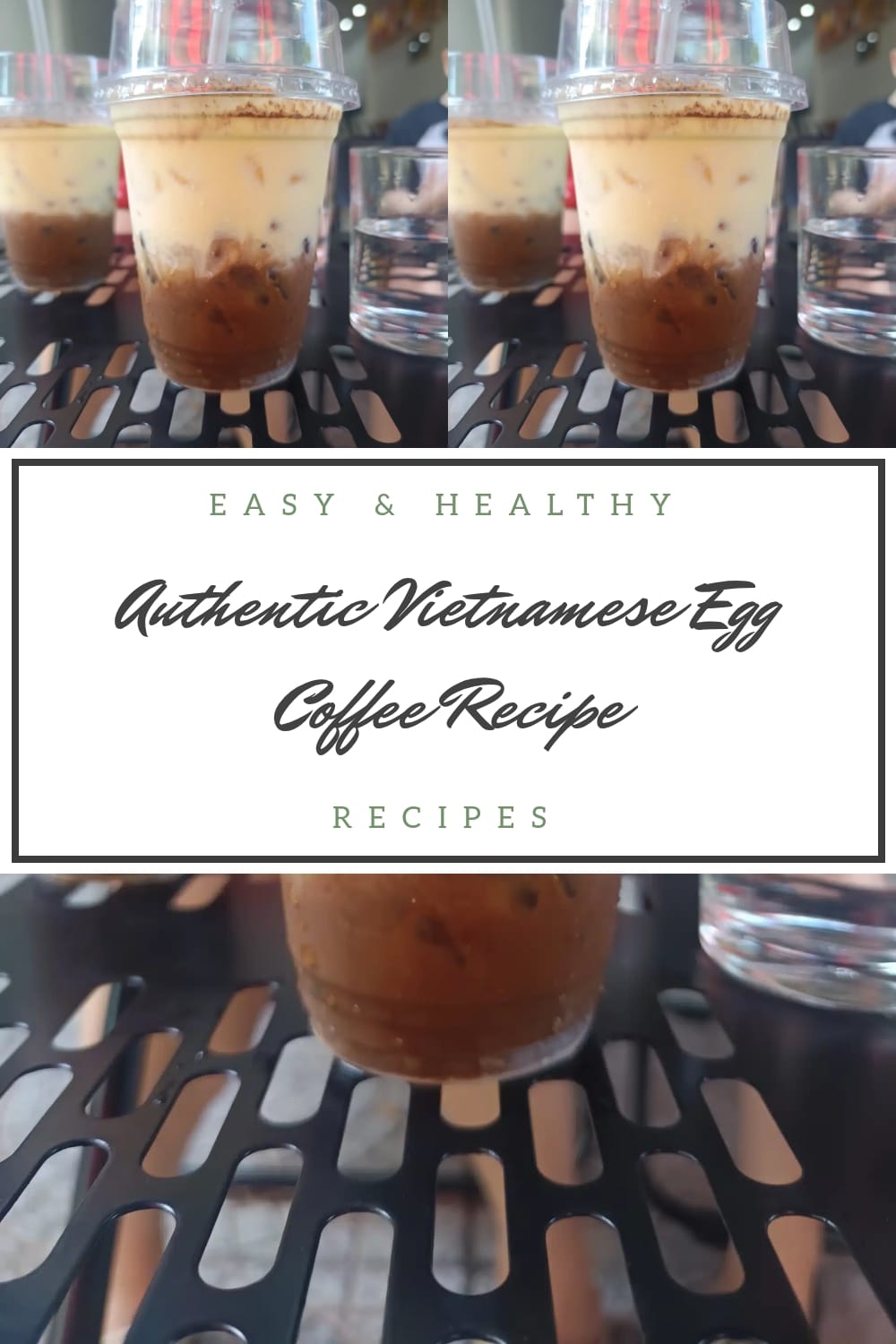
Authentic Vietnamese Egg Coffee at The Rabbit Hole cafe in Da Nang, showing the thick, velvety foam.
Field Note: Our May 2025 audit in Da Nang. Notice how the meringue matrix remains suspended? That is the “Golden Seal” that prevents the foam from sinking into the hot coffee.

Natalia’s “Thermal Matrix” Heritage Secret

The secret to authentic egg coffee foam (Cà Phê Trứng) is the temperature integration of the condensed milk. Adding the dairy at the correct temperature relaxes the yolk proteins naturally, allowing you to whip them into stiff peaks without losing structural strength. This ensures the meringue survives the heat of the coffee while melting perfectly on your tongue.

We never whip cold dairy. To get that perfect “marshmallow” texture—the moment the foam becomes completely stabilized—the milk and eggs must be brought to room temperature. The subtle heat helps break down the protein resistance, making the foam lighter and creamier. If you’ve tried our Coconut Coffee, you already know our family loves the transformative power of thermal physics in traditional beverages!

The Lipid-Caffeine Physics of Robusta

A true Vietnamese Egg Coffee is a masterclass in flavor tension. Unlike Western lattes that rely on mild Arabica beans, authentic Cà Phê Trứng strictly requires dark-roast Robusta beans. The aggressive tannin profile is scientifically necessary to cut through the heavy fat of the egg yolk and sweetened condensed milk.

The Equilibrium Hack: To ensure a perfectly balanced sip, we utilize a traditional gravity-fed Phin filter. This slow drip extraction pulls the maximum volume of volatile oils from the bean, creating that signature bitter anchor that Victor loves to contrast against the dessert-like topping.

🌡️ The “Water-Bath” Safety Protocol

Natalia strictly enforces the clinical safety of raw egg preparations. In our family, we use the “Water-Bath” method. By placing the serving glass in a shallow bowl of hot water, the residual heat tempers the yolks safely above the bacterial danger zone.

This traditional preservation technique keeps the beverage at the perfect serving temperature without cooking the foam. It follows the exact same clinical logic we use for our kitchen safety standards—maintaining the integrity of the ingredient from the cafe to Victor’s cup.

Clinical & Culinary Validation

What are the essential ingredients for Vietnamese Egg Coffee?

The essential ingredients for authentic Vietnamese egg coffee are dark-roast Robusta coffee beans, pasteurized egg yolks, and sweetened condensed milk. Robusta provides the high-tannin base necessary to support the dense lipids of the egg foam, while pasteurized yolks ensure clinical safety and a stable protein matrix for the signature meringue topping.

The Technical Baseline: Replicating the authentic coastal experience requires understanding the interaction between coffee tannins and lipid stabilization. A technical analysis of this beverage reveals that the specific quality of the dark roast directly determines the structural integrity of the froth. This is not simply a recipe; it is a precisely calibrated chemical reaction.

The 2026 Lipid-Caffeine Equilibrium

Component Standard Validation Structural Function
Robusta Beans Hanoi Heritage Protocol Provides the high-tannin base required to support heavy lipids without tasting cloying.
Pasteurized Yolks USDA Safety Standard Drives protein emulsification while adding 6g of restorative nutrient density.
Condensed Milk Hospitality Standard Acts as the primary viscosity agent and delivers the palate-balancing sweetness.

The Robusta Necessity

Traditional Vietnamese coffee relies strictly on Robusta coffee beans. Professional luxury hospitality standards dictate that Arabica—while refined—is often too acidic and delicate to support the weight of the egg meringue. The bold, bitter profile of Robusta creates the necessary flavor contrast to prevent a collapsed texture, a standard explored deeply in our Vietnamese Coffee Hub.

🔬 The Clinical Safety Protocol

Utilizing raw yolks demands the use of pasteurized eggs to meet modern clinical safety protocols. This necessary step eliminates bacterial risk while providing a restorative boost of high-quality protein and healthy fats.

These healthy fats serve as vital energy during nomadic travel, a safety standard we apply strictly across our family-tested culinary archives.

The Emulsion Secret

A successful protein matrix depends entirely on the temperature of the condensed milk. If the dairy is too cold, the yolk proteins cannot expand to their full, marshmallow-like potential. This technical calibration ensures the foam remains stable and perfectly integrated, mirroring the operational standards of our Ca Phe Sua Da guide.

Close-up of the stable egg coffee foam made with pasteurized yolks and condensed milk.
Texture Validation: A correctly emulsified yolk matrix. Notice the density and sheen, proving the proteins have fully integrated with the condensed milk sugars.
Verified Technique

How do you make authentic Vietnamese egg coffee?

Authentic Vietnamese egg coffee is prepared by layering a dense, whipped egg yolk meringue over a concentrated base of Phin-filtered Robusta coffee. The method requires aggressive aeration of pasteurized yolks and sweetened condensed milk to create a stable foam, followed by a thermal immersion ritual in a hot water bath for safe serving.

The Workflow Standard: Operational success in our family kitchen relies on managing the variable of time. Because the Phin filter is a gravity-based extraction system, the coffee drip must be initiated before beginning the foam emulsification. This ensures the dark-roast base is at peak temperature precisely when the meringue is ready for the layering phase.

The Ultimate Cà Phê Trứng Protocol

This is the exact sequence we verified during our 2026 fieldwork in Da Nang. It follows the Mayerhoffer Emulsification Standard for maximum foam stability in high-humidity climates.

Prep Time 10 Minutes (Aeration Focus)
Cook Time 5 Minutes (Phin Extraction)
Yield 1 Luxurious Serving
Standard Victor-Tested

The 2026 Ingredient Matrix

The Coffee Base
  • 2 Tbsp Dark-Roast Robusta Grounds
  • 100ml Near-Boiling Water (200°F)
  • Traditional Vietnamese Phin Filter
The Meringue Matrix
  • 2 Fresh Pasteurized Egg Yolks
  • 2 Tbsp Sweetened Condensed Milk
  • Shallow bowl of hot water (for serving)

The Family Protocol (Steps)

  1. The Gravity Extraction Add the dark-roast Robusta to the Phin filter and press the internal gravity plate firmly to ensure a high-pressure drip. Pour one tablespoon of 200°F water to bloom the grounds for 30 seconds before filling the remainder of the chamber.
  2. The Emulsion Ratio While the coffee drips, combine the pasteurized egg yolks and condensed milk in a narrow, high-walled vessel. Utilize a hand frother or whisk aggressively until the mixture triples in volume and achieves a pale, nearly white yellow with stiff peaks.

    Victor’s Reality Check: “If the foam doesn’t look like a melted marshmallow, keep mixing!” Victor’s texture audit confirms that under-whipped foam will sink instantly and result in an unpleasantly metallic flavor.

  3. The Thermal Layering Transfer the concentrated coffee into a small, clear glass. Gently spoon the thick meringue over the surface, allowing the density difference to create the signature visual divide. Place the serving glass in a shallow bowl of hot water to maintain the 165°F safety threshold for warm service.
  4. The Sensory Sequence Never stir the layers immediately upon serving. Take several sips of the pure foam first—the “dessert layer”—before gently stirring to integrate the bitter Robusta, a tasting sequence we perfected during our Da Nang fieldwork.
Global Nomad Protocol

The Sensory Evolution of Cà Phê Trứng

While the beverage is historically rooted in 1946 Hanoi, clinical and culinary fieldwork across Southeast Asia reveals how this restorative icon continues to evolve. Mastering the flavor means understanding the precise tension between bitter tannins, dense sweet lipids, and regional aromatics.

Hot vs. Iced Stability: During our travel base in Da Nang, the high coastal humidity demanded variations in serving temperature. In Northern Vietnam, the Hot (Nóng) version is strictly maintained in a warm water bath to preserve the 165°F safety threshold. Conversely, the Iced (Đá) version rapidly drops the temperature, creating a stiffer, ice-cream-like consistency that serves as the ultimate tropical refreshment.

The “Mayerhoffer Fusion” Flavor Audit

  • The Mocha Evolution Integrating raw, high-grade cacao powder during the whipping phase creates a profile that bridges a classic mocha with traditional meringue. This chocolate depth successfully masks the metallic edge of Robusta, making it highly approachable for first-time tasters.
  • The Verdant Ritual (Matcha) Replacing the coffee base with ceremonial-grade Matcha provides a vibrant, earthy foundation dense with antioxidants. Technical note: Matcha lacks the sharp tannins of Robusta, requiring a slightly longer whipping time to achieve structural stability in the foam.
  • The Plant-Based Matrix For dairy-free protocols, substituting aquafaba (chickpea brine) and coconut condensed milk provides a nearly identical visual mouthfeel. While it lacks the restorative 6g of protein found in real yolks, it passes the visual texture audit flawlessly.

“A rich extraction requires an acidic counterpart.”

The heavy lipid content of egg coffee is scientifically balanced by high-acid, savory dishes. We recommend pairing this beverage with our Authentic Pho Recipe to cut through the “dessert-layer” and restore metabolic energy.

Traveler Insights & Clinical Safety FAQ

Is it safe to use raw egg yolks in coffee?

Yes, provided you use strictly fresh, pasteurized egg yolks and adhere to specific thermal protocols. Pouring near-boiling coffee (200°F) beneath the foam, combined with a hot water serving bath, maintains the beverage above the bacterial danger zone. This aligns with standard safety protocols for raw-egg emulsions.

The Clinical Reality: Utilizing pasteurized yolks eliminates the risk of salmonella while preserving the restorative healthy fats and proteins. We apply this strict thermal logic across all our kitchen safety standards when navigating Southeast Asia.

How much caffeine is in a serving of Cà Phê Trứng?

A standard serving of authentic Vietnamese egg coffee contains between 95mg and 150mg of caffeine. This elevated concentration is due to the mandatory use of Robusta beans, which contain nearly double the caffeine volume of standard Arabica varieties.

The Metabolic Balance: This high caffeine volume is chemically necessary to cut through the 12g of fat provided by the yolk and condensed milk emulsion. The addition of the egg protein actually helps stabilize the body’s energy release, preventing a rapid caffeine crash.

Can the egg coffee foam be stored for later use?

Vietnamese egg coffee foam should be consumed within 30 minutes of whipping. The delicate protein matrix is highly sensitive to temperature and humidity, and will begin to collapse and separate shortly after aeration. Refrigeration results in a dense, unpalatable texture that fails to float.

The Preparation Standard: Egg coffee cannot be successfully meal-prepped. The foam must be whipped precisely as the Phin filter completes its extraction. For a highly stable, prep-friendly alternative that survives refrigeration, consult our Coconut Coffee guide.

Meet the Mayerhoffers

“Free-spirited food adventurers, culture-seekers, and the guardians of 15 years of global memories.”
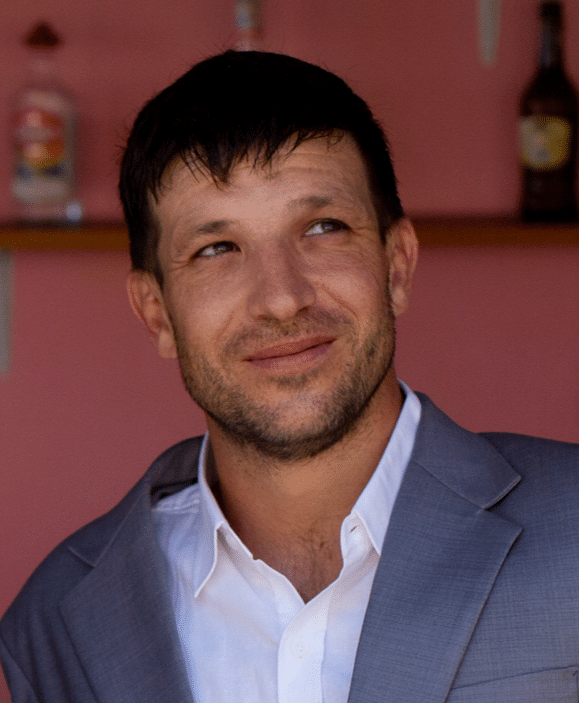
Oliver Mayerhoffer - Food Adventurer & Hospitality Expert

Oliver Mayerhoffer

Chief Storyteller & Hospitality Auditor

Oliver serves as the lead digital architect and hospitality auditor. Evaluating complex world flavors—like this three-ingredient emulsion—requires practical, home-kitchen systems that never compromise on technique. He ensures every guide meets the Sovereign Standard for precision and flavor clarity.

Natalia Mayerhoffer - Siberian Heritage & Safety Validator

Natalia Mayerhoffer

Cultural Storyteller & Medical Validator

Natalia protects the restorative soul of our kitchen. Her medical background ensures that every recipe we share is grounded in clinical safety, specifically the thermal protocols for raw egg emulsions. Her Siberian-Italian heritage keeps the archive rooted in the ancient traditions of memory and preservation.

Victor Mayerhoffer, Chief Discovery Kid

Victor Mayerhoffer

The Victor-Tested Standard

Born in Koh Samui in 2016, Victor operates as our lead reality-checker. His “drinking dessert” rating confirmed that this Cà Phê Trứng was ready for our archive, ensuring our recipes are genuinely practical for global family travel life. If a dish fails his texture audit, it simply does not make the blog.

“We aren’t just showing you the world; we’re helping you live in it. Every memory is a bridge we’ve built for our 9-year-old son—and now, we share them with you.”

Explore Our Full 15-Year Story

Sovereign Evidence Library

Our family kitchen standards for protein emulsification, coffee kinetics, and thermal safety are strictly benchmarked against these global authorities.

Historical Timeline

Wiki-Historical: 1946 Origins

Verification of the scarcity-driven innovation at the Metropole Hotel that led to the velvety meringue-like foam signature.

Verify Protocol
Clinical Safety Protocol

USDA Food Safety Standards

Scientific data confirming the thermal threshold required to ensure safe raw egg yolk preparation for home beverage service.

Verify Science
Cultural Validation

Michelin Guide Vietnam

Institutional culinary validation of the traditional technique and its evolution within modern Vietnamese coffee culture.

Verify Heritage

Similar Posts

Leave a Reply

Your email address will not be published. Required fields are marked *