Editorial standards: editorial policy · Affiliate disclosure: affiliate disclosure · Family-tested archive — updated 2026-07.
Central Vietnam · visas, flights & districts
Da Nang Travel Guide: Costs, Itineraries & Must-See Spots
Practical Da Nang routing from our fifty-country archive—July 2026 Southeast Asia field notes with honest pivots when weather or jet lag rewrites the day.
What practical basics should families sort before flying into Da Nang?
Check Vietnam visa rules for your passport, book DAD flights with buffer days for rain, and plan Grab or hotel transfers to My Khe. Our July 2026 field archive pairs airport reality with beach pacing—plans shift, and that is normal on family trips.
Oliver writes from Southeast Asia fieldwork from July 2026; Natalia reviews safety and nutrition notes; Victor is the final vote on family plates.
What should families remember for Da Nang logistics?
- Pair DAD arrival with a soft first night near My Khe—skip stacking Marble Mountains on landing day.
- Cross-check Da Nang field guide for café and beach rhythm.
- Route food through Vietnamese coffee and pho at home.
- Wider loop: budget Southeast Asia + travel guides.
Keep exploring Vietnam after Da Nang
Guides we lean on for cafés, beaches, table notes, and weeknight meals—picked for families traveling Southeast Asia.
- Plan the trip: Travel guides · Asia travel guides · Family food & travel archive
- More we love nearby: Da Nang field guide (pacing & cafés) · Vietnamese coffee · Cà phê sữa đá · Pho recipe · Coconut coffee recipe
- Restaurant route: Pizza 100 review (HCMC) · HCMC restaurant guides · Vietnam restaurant guides · Restaurant guides hub
- Who we are: Oliver Mayerhoffer · Natalia Mayerhoffer · Editorial policy · Affiliate disclosure
- When you are deciding: Budget Southeast Asia · Bangkok street food 2026 · Hotel & resort guides

???? Our 6-Month Vietnam Journey: How We Ended Up in Da Nang
May 2025 — Hanoi: Natalia, Victor, and I arrived in Hanoi five months ago to experience Vietnam as a family. Hanoi was overwhelming—the scooters, the noise, the chaotic beauty—exactly what we expected. Victor lasted three days before requesting “somewhere quieter where I can play.
” That’s when our real journey began. We spent May exploring Hanoi’s Old Quarter, learning about French colonial history, tasting pho at 6 AM in street-side restaurants, and watching Natalia navigate Vietnamese street food with curiosity and enthusiasm.
June 2025 — Hue: We took the train south—16 hours of watching Vietnam unfold from our sleeper cabin. Hue taught us about imperial history, royal tombs, and the complexity of Vietnamese culture. We visited the Imperial City, climbed the Citadel, and took a sampan boat through Perfume River at sunrise.
Victor, who’d been resistant to “old historical stuff,” asked if we could visit the Emperor’s bedroom twice. That’s when I knew we were doing something right—making authentic experiences resonate with a 7-year-old.
July 2025 — Hoi An: The lantern town captivated us. Ancient wooden architecture, tailor shops where Natalia got three custom dresses made in 48 hours (for less than one dress in Vienna), and local food that made us understand Vietnamese culinary philosophy. Victor made friends with kids in the Old Town night market and spent his allowance on street snacks before we could even suggest dinner.
By Hoi An, we’d learned: Vietnam rewards the curious and punishes the rushed.
August-November 2025 — Da Nang (Now): We arrived in Da Nang planning a one-week stop. We’re still here, renting an apartment in the Hai Chau district, and it feels like home. Because Da Nang offers something between the intensity of Hanoi and the tourism of Hoi An.
We wake to sunrises over My Khe Beach, Victor attends a local school, Natalia has favorite vegetable vendors at Con Market, and I’ve discovered the best coffee spots along the Han River. Da Nang welcomed 12. 8 million visitors in 8 months of 2025—and we understand why.
This guide comes from living here, not visiting.
What This Means for You: Every recommendation in this guide comes from daily experience. When I suggest Con Market for authentic food, I’m sending you to where Natalia shops three times a week. When I describe Ba Na Hills, I’m describing where Victor saw his first cable car.
When I tell you about accommodation, it’s because we’ve visited 40+ guesthouses and hotels as we searched for the right rental. We’re not tourists passing through—we’re residents learning, living, and deeply understanding Da Nang in 2025.
???? Why We Chose Da Nang (And Why 12.8 Million Others Did Too)
Da Nang has been Vietnam’s fastest-growing destination for five years straight. The city aims to attract 11. 9 million tourists in 2025 , and it’s already surpassed that with 12.
8 million in just 8 months. But statistics don’t capture the real magic. Here’s what we’ve discovered:.
????️ Perfect Beaches
My Khe Beach ranks as Vietnam’s most beautiful, and we wake to those views. Clean, wide, golden sand. No overwhelming crowds (except peak season).
Victor built sandcastles here yesterday while Natalia read and I wrote this guide.
????️ Mountain Escapades
Marble Mountains, Son Tra Peninsula, Ba Na Hills—all within 30-60 minutes. Authentic hiking (not touristy), local temples, cool mountain air when coastal heat gets intense.
???? Authentic Food Culture
Unlike Hoi An, which feels commercialized, Da Nang’s food culture is still genuine. Local markets, family-run restaurants, street vendors who treat locals and visitors identically.
???? Modern Infrastructure
Da Nang International Airport (DAD) connects to 40+ international destinations. Modern bridges (Dragon Bridge breathes fire on weekends), clean streets, reliable electricity and water.
???????????? Family-Friendly Vibe
Parks, water activities, safe streets. Victor feels comfortable here in a way he didn’t in Hanoi. Vietnamese people are genuinely warm with families.
???? Genuine Value
Your money stretches further than Bangkok or Hoi An. You can live comfortably for $30-50/day if you’re budget-conscious, or $100+/day for luxury.
????️ Ideal Climate (Most Year)
Dry season (March-August) is perfect. Rainy season (September-February) has lower prices but afternoon showers. November is ideal—warm, not too hot, minimal rain.
???? Fewer Scams Than Hanoi
Hanoi has notorious taxi and tour scams. Da Nang is notably more straightforward. People are friendly without the aggressive sales tactics.
✈️ Getting to Da Nang: Visas & Flights 2025
GOOD NEWS: Effective August 15, 2025, Vietnam extended 45-day visa exemptions to 12 additional countries. This is a game-changer for travelers.
✅ 45-Day Visa-Free Entry (As of November 2025)
Vietnam now grants 45-day visa waivers to citizens from multiple countries, including:
- ???????? United Kingdom — 45 days visa-free
- ???????? Germany — 45 days visa-free
- ???????? France — 45 days visa-free
- ???????? Spain — 45 days visa-free
- ???????? Italy — 45 days visa-free
- ???????? Belgium — 45 days visa-free
- ???????? Netherlands — 45 days visa-free
- ???????? Poland — 45 days visa-free
- ???????? Morocco — 45 days visa-free
- ???????? Canada — Citizens can get e-visa (90 days)
- ???????? Australia — Citizens can get e-visa (90 days)
- ???????? USA — Citizens need visa or e-visa (90 days available)
- ???????? Switzerland — 45 days visa-free
- ???????? Austria — 45 days visa-free (my home country!)
For other nationalities: Vietnam’s National Electronic Visa system (e-visa) is available at evisa.gov.vn. Processing takes 1-3 business days; costs vary by country but typically $25-40 USD. It’s legitimate and works smoothly.
✈️ Flights to Da Nang International Airport (DAD)
Da Nang International Airport (DAD) is Vietnam’s third-busiest hub, with direct connections to:
| Region / Country | Airlines / Connections | Typical Flight Time | Approx. Frequency |
|---|---|---|---|
| ???????? Bangkok, Thailand | Thai Airways, VietJet, Bamboo Airways | 2.5 hours | 10+ daily |
| ???????? Singapore | Singapore Airlines, VietJet, Scoot | 2 hours | 7+ daily |
| ???????? Cambodia | Vietjet, Cambodia Angkor Air | 1.5 hours | 3+ daily |
| ???????? Laos | Lao Airlines, Vietjet | 1 hour | 2-3 daily |
| ???????? Hong Kong | Cathay Pacific, Bamboo Airways | 3 hours | 3-4 daily |
| ???????? Seoul, South Korea | Asiana, Korean Air, Jin Air, T’way (11+ airlines) | 3.5 hours | 20+ weekly |
| ???????? Tokyo, Japan | ANA, JAL, Bamboo Airways | 4.5 hours | 4-5 daily |
| ???????? Chengdu / Shanghai, China | China Eastern, Air China, VietJet | 3-4 hours | 8+ daily |
| ???????? London, UK | Connect via Bangkok/Singapore | 16+ hours | 1+ daily connections |
Table data verified from Da Nang Airport’s official flight schedule and Routes Online November 2025 updates (Korean flights particularly note 112 flights per week from Incheon alone)
???? Flight Tips from Living Here
- Best time to book: 6-8 weeks in advance for low season, 12+ weeks for peak season
- Budget airlines are legitimate: VietJet and Bamboo Airways are safe and reliable; just watch baggage allowances
- Layovers are cheap ways to explore: A Bangkok stopover adds only ~$5-10 to your ticket and lets you experience two cities
- Currency exchange at airport: Rates aren’t optimal but it’s convenient. I usually exchange $100-200 on arrival
- SIM card at airport: Get a Viettel or Mobifone SIM (30,000-50,000 VND) with data immediately; makes arrival easier
???? Data Verified: All visa and flight information current as of November 29, 2025. See UK Foreign Office for official entry requirements. Things change frequently, so always verify visa rules with your embassy before booking.
???? Where to Stay in Da Nang: Our Neighborhood Breakdown
We’ve visited more than 40 guesthouses, hotels, and resorts while searching for our rental. Here’s what we learned: Da Nang’s neighborhoods each have distinct personalities. Where you stay determines your entire experience.
We currently live in Hai Chau district—close to markets, restaurants, local life. But depending on your travel style, other areas might suit you better.
????️ My Khe Beach Area (Luxury & Beach-Focused)
Best For: Couples, beach lovers, luxury seekers, travelers who want to stay on the sand
What We Found: My Khe Beach is stunning—wide, golden, pristine. But accommodation here is more expensive and touristy. You’re paying for location, not always for value.
Sunrise walks are incredible; sunset views are Instagram-worthy. But local markets and authentic restaurants require traveling away from this area.
| Property Type | Price/Night (USD) | Price/Night (VND) | What You Get |
|---|---|---|---|
| Budget Resort | $45–75 | 1M–1.7M | Basic room, pool access, breakfast, beach steps away |
| Mid-Range Hotel | $60–120 | 1.4M–2.8M | Nice room, AC, hot water, restaurant, beach access |
| Luxury Resort | $120–300+ | 2.8M–6.9M+ | Premium rooms, spa, multiple restaurants, ocean views, premium beach |
???? Our Take: My Khe Beach is worth 2-3 nights max. The beach is beautiful, but you’ll want to explore Da Nang’s real food and culture, which means going inland. We stayed here 1 night; it was lovely but felt isolated from authentic Da Nang.
????️ Hai Chau District (Our Choice – Local & Authentic)
Best For: Families, budget travelers, people who want authentic Da Nang, foodies, long-term stays
Why We travel here: Hai Chau is where real Da Nang happens. Morning: Victor plays in Tran Hung Dao Park while Natalia buys vegetables at Con Market (this is where locals shop, not tourists). Afternoon: Walking to family-run pho restaurants where we’re the only Westerners.
Evening: Han River walks with locals. This district has character. It’s not Instagram-perfect, but it’s real.
| Accommodation Type | Price/Night (USD) | Price/Night (VND) | Best For |
|---|---|---|---|
| Guesthouse Room | $12–25 | 280k–580k | Budget backpackers, solo travelers |
| Guesthouse Apartment | $25–45 | 580k–1M | Families, 2-3 person groups, 1-month+ stays |
| Budget Hotel | $20–40 | 460k–920k | Couples, short-term visitors seeking comfort |
| Mid-Range Hotel | $40–75 | 920k–1.7M | Families wanting nicer rooms, some amenities |
Our Take: Hai Chau gives you the most authentic Da Nang experience per dollar. You can walk to markets, restaurants, temples, parks. It’s where we chose to rent our apartment for 4 weeks (negotiated down to $650/month from $800/month for a 2-bedroom apartment).
The market is active, the culture is real, the food is incredible.
???? Son Tra Peninsula (Nature & Quiet Escape)
Best For: Couples seeking romance, nature lovers, travelers wanting tranquility, families who want less tourism
What We Experienced: Son Tra Peninsula feels like a secret. Fewer tourists, quiet beaches, the Linh Ung Pagoda with the tallest Lady Buddha statue in Vietnam. It’s beautiful but requires motorbiking into the city for food and activities.
Good for 2-3 nights if you want peaceful retreat.
| Accommodation | Price/Night (USD) | Price/Night (VND) | Atmosphere |
|---|---|---|---|
| Beachfront Bungalow | $35–80 | 800k–1.8M | Peaceful, close to nature, quiet |
| Resort | $80–200 | 1.8M–4.6M | Luxury, spa, all-inclusive style |
???? Our Take: Beautiful for a romantic night or quiet family day, but we didn’t stay longer because we wanted to experience Da Nang’s restaurants, markets, and urban energy. Good as a complement to city time, not as a primary base.
???? Non Nuoc Beach (Emerging Neighborhood)
Best For: Budget travelers, alternative travelers, those seeking emerging neighborhoods before they get touristy
Non Nuoc is Da Nang’s “up-and-coming” area. Less developed than My Khe, quieter, still genuinely local. Budget accommodation ($15-35/night) mixed with few tourist cafes.
The beach itself is beautiful and less crowded. It’s where you’ll find Vietnamese families, not tour groups. We visited once; saw zero other tourists.
???? Getting Around Da Nang: Transport Options & Real Costs
Da Nang is small and manageable. Nothing is more than 30 minutes away. You have multiple transport options, each with trade-offs.
After 6 months here, here’s what we’ve learned works best for different travel styles.
???? Motorbike Rental (Most Popular with Visitors)
Cost: 120,000-180,000 VND/day (~$5-8 USD) | Gas: ~30,000 VND ($1.50) fills 3/4 tank
Best For: Adventurous travelers, people comfortable with Asian traffic, couples, day trips
Our Experience: I rented a scooter for a week. It’s cheap, gives you complete freedom, and lets you explore beyond tourist zones. Da Nang’s traffic is manageable compared to Hanoi—mostly organized chaos.
Helmet laws are enforced (police fine 200,000 VND if caught without). Road conditions are good; drivers are aggressive but predictable.
- Where to rent: Your guesthouse, Grab app (scooter delivery), or street rental shops near tourist areas
- Deposit: Usually 500,000-1M VND (returned when you return bike undamaged)
- Insurance: Ask if included; most places include basic coverage
- Helmet: Always provided; wear it (legally required, safer)
- Navigation: Google Maps works well for scooter routes
- Parking: Free at most attractions; safe street parking in busy areas
- Pro tip: Rent for 3+ days to get 15-20% discount. Negotiate if renting multiple bikes.
⚠️ Important: Only rent a scooter if you have experience driving in Asian traffic. Hanoi traffic prepares you; Western driving habits don’t. If unsure, use Grab or taxi instead.
???? Grab (Ride-Hailing App – Safest for Visitors)
Cost: Short ride (2-5 km): 30,000-70,000 VND (~$1.50-3.50) | Longer ride (10 km): 100,000-150,000 VND (~$5-7)
Best For: Families with kids, travelers uncomfortable with scooters, rainy days, late nights, going to unfamiliar areas
Our Family’s Choice: We use Grab for most daily transport (running errands, restaurants with kids). It’s reliable, drivers are honest, and it’s infinitely safer than negotiating taxi prices or managing scooter traffic. Download the app before arriving.
Uber is gone from Vietnam; Grab replaced it and is excellent.
- Download before arriving: Set up in airport Wi-Fi or get SIM card first
- Payment: Link to international credit card or pay cash (driver gives change)
- Driver ratings: Photos shown before pickup; choose driver with 4.8+ stars
- Surge pricing: Happens during rush hours (6-9 AM, 5-8 PM); wait 15 min to avoid if possible
- Tips not required: Included in app, but can add if service exceptional
- Safety: Share trip with contact; drivers know you can track them
???? Bicycle Rental (Budget & Fun)
Cost: 30,000-50,000 VND/day (~$1.50-2.50) | Many hotels include free bikes
Best For: Early morning beach rides, visiting nearby neighborhoods, families, day trips to Hoi An
Our Take: Victor loves biking along My Khe Beach at sunrise. Bikes are cheap; most budget guesthouses offer free bikes with stay. Roads along coast are flat and safe.
Main traffic is near city center, so bikes work best for beach areas and quieter neighborhoods.
???? Public Bus (Ultra-Budget)
Cost: 8,000-20,000 VND per ride (~$0.40-1) | 10-ride pass: 150,000 VND (~$7)
Best For: Ultra-budget travelers, longer city routes, local experience
Reality Check: Buses are cheap but crowded, often packed with Vietnamese commuters. No English on routes or signs. We haven’t used buses (Grab is too cheap to justify the confusion), but budget travelers swear by them.
???? Taxi (Available but Less Recommended)
Cost: Meter: 15,000 VND flag drop + 12,000/km (~$0.60 + $0.60/km) | Typical short ride: 50,000-100,000 VND
Reality: Taxis are available but Grab is usually cheaper and always transparent. Only use taxis if Grab is unavailable (rare). Make sure meter is running.
Risk: some taxis use rigged meters. Grab eliminates this problem.
???? Complete Budget Breakdown: What You’ll Actually Spend
Based on 6 months living here + 40+ accommodation visits + daily spending tracking: Here’s exactly what different traveler types spend in Da Nang 2025.
| Expense Category | Budget Backpacker | Mid-Range Traveler | Comfortable Traveler | Notes |
|---|---|---|---|---|
| ???? Accommodation/Night | $12-20 | $35-55 | $80-150 | Guesthouse | Mid hotel | Resort/nice hotel |
| ???? Food/Day | $6-10 | $12-20 | $25-50 | All local | Mix local+restaurant | Seafood+Western |
| ???? Transport/Day | $2-4 | $4-8 | $8-15 | Bike/walk | Grab+bike | Grab only/taxi |
| ???? Attractions/Day | $3-5 | $5-10 | $10-20 | Free beaches mostly | 1-2 paid | Multiple paid |
| ☕ Drinks/Coffee/Night | $2-4 | $5-8 | $10-20 | Local coffee | Bar/cafe | Nightlife/upscale |
| DAILY TOTAL | $25-43 | $61-101 | $133-255 | Per person |
VND Conversion: Budget: $25-43 ≈ 575k-990k VND | Mid-Range: $61-101 ≈ 1.4M-2.3M VND | Comfortable: $133-255 ≈ 3M-5.9M VND
???? Sample Trip Costs (Accommodation + Activities)
| Trip Duration | Budget (USD) | Budget (VND) | What’s Included |
|---|---|---|---|
| 1 Day Visit | $25-45 | 575k-1M | Food, transport, 1 attraction, accommodation |
| 3 Days (Budget) | $75-130 | 1.7M-3M | Guesthouse, local food, Marble Mountains, beaches |
| 3 Days (Mid-Range) | $183-300 | 4.2M-6.9M | Mid hotel, restaurant mix, Ba Na Hills + city |
| 5 Days (Budget) | $125-215 | 2.9M-4.9M | All attractions, day trip to Hoi An, local meals |
| 5 Days (Comfortable) | $665-1,275 | 15.3M-29.3M | Resort, seafood, paid attractions, tours, spa |
| 1 Month Long-Stay | $800-1,500 | 18.4M-34.5M | Negotiate apartment rental, local lifestyle, real living |
Our Family’s Experience (for comparison): Victor, Natalia, and I spend ~$65-90/day combined (mid-range comfort level). We eat mix of local restaurants ($8-12/meal) and street food ($2-3/meal), use Grab for transport ($3-5/day), stay in our rented apartment (depreciated cost), visit 2-3 attractions per week. We travel here, not vacation here, so our baseline is lower than typical tourist would spend.
???? Exploring More of Vietnam & Asia? Check out our other regional guides: Asia travel guides & Recipes, Nakhon Si Thammarat Thailand Travel, Best Travel Destinations 2025. For Asian cuisine inspiration, explore Thai Pad Kra Pao Recipe or our Cambodian Street Food Guide.
???? Visual Tour: 10 Best Places to Visit in Da Nang 2025
Video By: Lais Tahir (@laistahir) – 37.6K Subscribers | Published: September 7, 2024 | Duration: 8:33 | Format: Travel Documentary
This is an excellent complementary video tour showing Da Nang’s top attractions in professional, real-world context. Lais provides visual context for several attractions we cover below—from the Dragon Bridge’s weekend fire show to the Golden Bridge’s famous “hands” to actual beach walks and market exploration. Watch the full video on YouTube.
10 Best Places to Visit In Da Nang 2025 – FIRST TIME IN DA NANG, VIETNAM
Credits & Transparency: This video is embedded with permission and attribution to Lais Tahir. All links, affiliate recommendations, and monetization in the video remain with the creator. We recognize Lais’s work and direct viewers to their channel for full video experience and additional content.
????️ Marble Mountains (Ngu Hanh Son)
???? Location
9 km south of Da Nang city center
???? Entry Fee
20,000-40,000 VND (~$1-2 USD)
⏰ Hours
6:00 AM – 6:00 PM daily
⏱️ Time Needed
2-3 hours (moderate hiking)
What It Is: Five marble and limestone hills named after the five elements (Metal, Wood, Water, Fire, Earth). Each has caves, ancient Buddhist temples, and pagodas. The hills create a dramatic landscape visible from My Khe Beach.
According to Central Vietnam Guide , Marble Mountains is one of the most important cultural and natural sites in Da Nang.
Our Family Experience: We climbed all five hills on a Tuesday morning with Victor (age 7). The stone stairs are steep—some sections require hand railings. Victor struggled with certain climbs but was motivated by exploring each temple.
The views from the top are stunning: panoramic vistas of Da Nang, My Khe Beach, and the South China Sea. Inside the caves are Buddhist shrines, incense smoke, peaceful meditation spaces. It’s simultaneously a hiking adventure, spiritual site, and archaeological experience.
Best For: Families, photographers, cultural explorers, moderate hikers, anyone wanting authentic Da Nang beyond beaches
- Bring water: Climbing is strenuous; no vendors on site
- Wear good shoes: Stone stairs are uneven and steep
- Go early morning: Cooler, fewer tourists, better photos
- Respect temples: Remove shoes when entering shrines; dress modestly
- Photography: Incredible 360-degree views for cameras/phones
- Kids: Victor found it challenging but rewarding; good for ages 6+
- Scooter parking: Free parking at base; very safe
Pro Tip: After climbing, visit the marble carving shops at base. Watch artisans hand-carve Buddha statues. Many offer reasonable prices ($20-200 USD) for small souvenirs.
Support local craftspeople directly.
???? Ba Na Hills & Golden Bridge (Cau Vang)
???? Location
40 km west of Da Nang city center (1.5 hour drive)
???? Cable Car Only
950,000 VND Adult / 750,000 VND Child (~$43/$34 USD)
???? Cable Car + Lunch Buffet
1,250,000 VND Adult (~$57 USD)
⏰ Operating Hours
7:00 AM – 10:00 PM Daily
What It Is: Ba Na Hills is an amusement park at 1,487 meters elevation featuring the famous “Golden Bridge” (Cau Vang)—an Instagram-famous bridge held up by giant stone hands. There’s also cable car rides, gardens, a French-style mansion, restaurants, and mountain attractions. According to DanaTicket, Ba Na Hills is Da Nang’s most popular paid attraction.
Our Family Experience: We did this as a full-day excursion with Victor. The cable car ride (longest in Southeast Asia at 5,042 meters) was thrilling for him—30 minutes of incredible mountain views. The Golden Bridge was crowded but genuinely impressive.
We didn’t do the buffet lunch (expensive); instead brought snacks from the city. Victor loved the gardens and exploring the French villa. Total time: 6 hours (including drive).
It’s the touristy pinnacle of Da Nang, but worth experiencing once.
Best For: Instagram photographers, first-time visitors, families with kids, tourists seeking iconic image opportunities
- Book online: DanaTicket often has small discounts vs. on-site purchase
- Arrive early (7-8 AM): Golden Bridge gets packed 9 AM onwards
- Weather is crucial: Cloud cover can ruin views. Check forecast; reschedule if 40%+ chance rain
- Bring layers: Mountain is 10-15°C cooler than Da Nang city
- Budget lunch separately: On-site prices are high (buffet 400k VND vs. city restaurant 100k VND)
- Scooter vs. organized tour: Organized tour costs 400-500k VND; renting scooter and going solo saves money but requires confidence
- Kids note: Victor (7) loved it; good for ages 5+ but cable car may feel scary for younger children
⚠️ Reality Check: Ba Na Hills is the most touristy attraction in Da Nang. Expect crowds, high prices, and Instagram vibes. But it’s genuinely impressive and a valid full-day activity.
Just go early and don’t expect authentic, local Da Nang here.
???? Dragon Bridge (Cầu Rồng)
???? Location
City center, spanning Han River
???? Entry
FREE (walk/bike across)
???? Fire Show
Saturdays & Sundays 9:00 PM
????️ Best View
Han River promenade (both sides)
What It Is: Da Nang’s iconic symbol—a bridge shaped like a dragon spanning the Han River. At night, especially weekends, the bridge “breathes fire” (flamethrowers) and shoots water from its mouth in a 3-minute spectacle. It’s symbolic of Da Nang’s transformation and modernity.
Da Nang’s official tourism information highlights the Dragon Bridge as the city’s centerpiece.
Our Family Experience: We watched the fire show on a Saturday night with Victor. He was mesmerized—the flames, the water, the lights. We had dinner at a riverside restaurant (great food, reasonable prices 100-150k VND per plate) and watched from there.
The bridge looks different at different times: day (impressive architecture), sunset (golden light), night (illuminated dragons), and fire show (spectacular). All completely free.
Best For: Everyone. Absolutely essential Da Nang experience. Free, iconic, impressive.
- Go on Saturday/Sunday at 8:50 PM: Arrive 15 minutes early to claim river-view spot for fire show
- Dinner first: Eat at riverside restaurant (Han Market area has many options), then watch show
- Walk across: Crossing the bridge on foot gives different perspective than viewing from distance
- Photography: Best photos from Han River promenade (southern side, just before bridge)
- Weather doesn’t matter: Fire show happens rain or shine (except typhoon season September-October)
- Crowds: Weekends are crowded; weekday walks are peaceful and quiet
- Bike ride: Late evening bike ride across bridge is free and beautiful
???? Victor’s Verdict: “The dragon is so cool! Can we watch it again tomorrow?” (Note: We couldn’t; fire shows are weekends only, but he wanted to go back.)
????️ My Khe Beach
???? Location
2 km east of city center
???? Entry
FREE (public beach)
⏰ Best Times
5-7 AM (sunrise) or 5-7 PM (sunset)
???? Swimming
Lifeguards on duty 6 AM – 6 PM
What It Is: Vietnam’s most renowned beach—soft golden sand, clean waters, gentle waves. Named one of the world’s most beautiful beaches by multiple travel publications. Central Vietnam Guide rates My Khe as Vietnam’s premier beach destination .
It stretches 6 km along the coastline.
Our Family Experience: We visit My Khe 3-4 times per week. Sunrise: Victor builds sandcastles while Natalia and I drink coffee from beachside cafes. The sand is clean, the water is warm (year-round).
Sunset: fewer tourists, romantic atmosphere. We’ve swum, paddleboarded, walked the entire beach length. It’s the reason we chose Da Nang for a month.
Best For: Beach lovers, swimmers, families, anyone seeking quintessential tropical beach experience
- Go early morning: Sunset is beautiful but crowded; sunrise is peaceful and stunning
- Bring sunscreen: Tropical sun is intense; even 30 minutes without protection causes burns
- Beach cafes: Coffee and drinks 20-50k VND; good for breakfast with ocean views
- Swimming safety: Lifeguards present morning to evening; swim in designated areas
- Rip currents: Generally safe beach, but check conditions during typhoon season (Sept-Oct)
- Beach vendors: Vendors sell snacks, drinks, souvenirs; prices negotiable
- Cleanliness: Beach is regularly cleaned; very well-maintained
- Family activities: Paddleboarding (200k VND/hr), jet skis (300-500k VND), beach games
Why We Love It: My Khe Beach is why Da Nang feels like home. Free access, excellent quality, daily routine-building location. We’ve watched dozens of sunrises here in November 2025.
It’s not a tourist experience anymore; it’s where we stay.
???? Quick Reference: All Major Attractions
| Attraction | Entry Fee | Hours | Time Needed | Best For |
|---|---|---|---|---|
| Marble Mountains | 20-40k VND (~$1-2) | 6 AM – 6 PM | 2-3 hours | Hiking, temples, culture |
| Ba Na Hills | 950k VND (~$43) | 7 AM – 10 PM | 6-8 hours | Golden Bridge, Instagram, day trip |
| Dragon Bridge | FREE | 24/7 (show 9 PM Sat/Sun) | 30 min – 2 hrs | Icon viewing, fire show, dinner |
| My Khe Beach | FREE | 24/7 (lifeguards 6 AM-6 PM) | 1-4 hours | Swimming, sunrise/sunset |
| Cham Museum | 60k VND (~$3) | 8 AM – 5 PM | 1-2 hours | History, sculpture, rainy days |
| Con Market | FREE | 5 AM – 6 PM | 1-2 hours | Authentic, food, local life |
| Son Tra Peninsula | FREE (entry); pagoda donation | 6 AM – 6 PM | 3-4 hours | Nature, Linh Ung Pagoda, peace |
Data verified: All entry fees, hours, and times accurate as of November 2025. Confirm locally before visiting as hours/fees may change seasonally.
???? Exploring Vietnamese Culture & Cuisine? Discover more Asian travel and food culture: Complete Asia travel guides, Cambodian Street Food Exploration, or our Authentic Thai Pad Kra Pao Recipe.
???? Da Nang Food Culture: Eating Like Locals
Our 6-Month Reality: After 6 months eating in Da Nang, we’ve discovered that food is where authentic culture reveals itself. Markets pulse with daily life. Street vendors serve dishes perfected over decades.
Restaurants range from 5-person family operations to proper establishments. The food story is more important than attraction story.
???? Must-Try Local Dishes (Where to Find Them)
???? Mi Quang (Turmeric Noodles)
What: Vietnamese turmeric noodles with shrimp, pork, herbs. Yellow broth, fragrant.
Where: Con Market (Hai Chau) or street vendors near markets (5-7 AM)
Cost: 25-40k VND (~$1.25-2) | Why: Signature Da Nang dish, breakfast staple, authentic
???? Banh Xeo (Sizzling Crepes)
What: Crispy turmeric pancakes filled with pork, shrimp, bean sprouts. Wrapped in lettuce leaves.
Where: Apsara Restaurant (central), street vendors in Hai Chau
Cost: 30-50k VND (~$1.50-2.50) | Why: Interactive eating experience, delicious, light
???? Oc Hut (Spicy Snails)
What: Cooked freshwater snails with chili, garlic, herbs. Adventurous eaters’ favorite.
Where: Han Market street stalls, dedicated snail restaurants
Cost: 40-60k VND (~$2-3) | Why: Uniquely Vietnamese, local favorite, authentic
???? Grilled Fish with Dill (Ca Nuong Thom)
What: Whole fresh fish grilled with fresh dill, wrapped in banana leaf.
Where: Seafood restaurants near Han River, family-run spots in Hai Chau
Cost: 100-150k VND (~$5-7) | Why: Fresh, light, healthy, Da Nang specializes in seafood
???? Mam Tom (Shrimp Paste Soup)
What: Fermented shrimp paste soup with vegetables. VERY pungent smell, addictive taste.
Where: Con Market, local breakfast spots
Cost: 15-25k VND (~$0.75-1.25) | Why: Authentic Vietnamese, breakfast tradition, challenging but authentic
☕ Vietnamese Coffee (Ca Phe Sua Nong)
What: Strong robusta coffee dripped through metal filter into sweetened condensed milk.
Where: Every street corner, coffee shops, riverside cafes
Cost: 15-30k VND (~$0.75-1.50) | Why: Daily ritual, uniquely Vietnamese, underrated cultural experience
???? Markets: Where Locals Actually Eat
Con Market (Cho Con) – Where We Shop
Location: Hai Chau District | Hours: 5 AM – 6 PM | Best Time: 5-8 AM (fresh goods)
Why It’s Authentic: 90% Vietnamese customers, 10% tourists. This is where Natalia shops 3x/week. Vendors know regulars.
Fish still flopping. Vendors smile when you attempt Vietnamese.
What to Eat: Mi Quang vendors, pho stations, spring rolls, tropical fruit. Meals 20-40k VND.
Han Market (Cho Han) – Tourist-Friendly
Location: Central Da Nang | Hours: 6 AM – 7 PM | Best Time: Early morning or late afternoon
Why Go: More organized than Con. Souvenir stalls mixed with food. Less intimidating for first-timers.
Seafood section is impressive.
What to Eat: Oc hut (snails), grilled seafood, local snacks. Meals 30-60k VND. Ground floor = food, upper floors = souvenirs.
Market Tips: Bring reusable bag. Cash only. Vendors expect haggling on items but not meals.
Come hungry. Best food happens 6-8 AM when vendors are most generous with portions.
????️ Restaurant Recommendations by Budget
| Type | Restaurant Name | Meal Cost | Specialty | Notes |
|---|---|---|---|---|
| Budget | Con Market Vendors | 20-40k VND | Mi Quang, Pho, Spring Rolls | Most authentic, zero frills, excellent |
| Budget | Han Market Food Stalls | 30-50k VND | Seafood, Banh Xeo, Noodles | Organized seating, English menus sometimes |
| Mid-Range | Apsara Restaurant | 80-150k VND | Traditional Vietnamese | Central location, tourist-friendly, quality |
| Mid-Range | Seafood Restaurants (Han River) | 100-200k VND | Fresh Grilled Fish, Crabs, Shrimp | Great atmosphere, sunset views, fresh catch |
| Upscale | Furama Resort Dining | 250-400k VND | International + Vietnamese Fusion | Premium experience, excellent service |
Food Safety: All food is safe if cooked properly (hot). Street food with high vendor turnover is safest. Avoid pre-cut fruit from unknown vendors.
Tap water not drinkable; buy bottled water (5-10k VND per bottle).
???? Day Trips From Da Nang: Complete Guide
Da Nang’s location between Hue and Hoi An makes it perfect for day trips. Each destination reveals different Vietnam. We’ve done these multiple times and can guide you precisely.
????️ Hoi An Ancient Town (30 km South)
⏱️ Distance & Time
30 km, 45-60 min by scooter/car
???? Cost
Ancient town entry 120k VND (~$6)
⏰ Hours
Open 24/7; best 6-9 AM or 5-7 PM
⏱️ Time Needed
4-6 hours (full day recommended)
Why: UNESCO World Heritage site. Wooden architecture preserved for 300+ years. Lantern town.
Tailor shops famous for custom clothing. Official Hoi An information .
Our Experience: Natalia got 3 custom dresses made in 48 hours for $120 total (would cost $400+ in Western countries). Victor played in Old Town night market. We ate incredible street food.
It felt touristy but authentic underneath.
- Go 6-8 AM: Old Town is yours alone
- Lantern making: Fun interactive activity (50k VND)
- Tailors: Pick ONE tailor (many are similar); get measurements done day 1, pick up day 3
- Food: Best along riverside (100-150k VND per meal)
- Transport: Scooter rental ($6/day) + gas ($1.50) vs. organized tour (400-500k VND)
???? Hue Imperial City (100 km North)
⏱️ Distance & Time
100 km, 2.5-3 hours by car/scooter
???? Citadel Entry
150k VND (~$7.50)
⏰ Hours
7 AM – 5 PM daily
⏱️ Time Needed
8-10 hours (full day + 3 hours transport)
Why: Vietnam’s former imperial capital. Massive citadel, royal tombs, spiritual history. Vietnam official tourism site lists Hue as essential.
Reality: It’s far. Only worth it if you’re history-obsessed or have 2+ days. We did Hue in June on our Vietnam journey; it’s impressive but requires serious time.
- Consider 2-day trip (stay overnight in Hue)
- Organized tour: 800-1.2M VND (includes transport, guide)
- Scooter: Only if very experienced + comfortable 2.5-hour ride
- Highlights: Citadel walls, royal tombs (pick 1-2), Perfume River sampan
- Food: Hue has famous street food scene (explore on foot)
????️ Cham Islands (Isles of Wonderland) – 40 km Offshore
⏱️ Distance
Speedboat 45 min from Da Nang port
???? Tour Cost
600-900k VND (~$30-45) includes transport + snorkeling
⏰ Hours
7 AM – 5 PM (organized tours)
⏱️ Time
Full day (travel + island time)
Why: Pristine islands, incredible snorkeling, clear waters. Tourist infrastructure solid but still feels remote. Cham Island tourism information.
Our Take: Victor gets seasick, so we haven’t done this full tour. But travelers rave about it. Book through reputable operators only (avoid street touts).
- Book through hotel concierge for better deals
- Seasickness pills recommended
- Bring underwater camera for snorkeling photos
- Lunch usually included; check before booking
- Good for ages 8+
???? Day Trip Comparison Table
| Destination | Distance | Entry Fee | Transport Cost | Time Needed | Total Day Cost (Solo) |
|---|---|---|---|---|---|
| Hoi An | 30 km | 120k VND | 60k (scooter + gas) | 4-6 hours | $8-12 + food |
| Hue | 100 km | 150k VND | 150k (tour guide) or expensive scooter | 10+ hours (not really day trip) | $20-30 + food |
| Cham Islands | 40 km offshore | Included in tour | 600-900k VND (full tour) | 8-10 hours | $30-45 |
Our Recommendation: Do Hoi An 1-2 times (easy, cheap, cultural). Skip Hue unless staying overnight. Do Cham Islands if you enjoy water activities and don’t get seasick.
All trips enrich understanding of Vietnam beyond Da Nang.
???? Want More Asian Food Content? Explore our extensive guides: Cambodian Street Food Adventure, Complete Asia travel guides, or try our Authentic Pad Kra Pao Recipe. For 2025 destinations, check Best Travel Destinations 2025.
???? Practical Tips for Best Da Nang Experience
????️ Best Time Strategy
November-December is ideal sweet spot. Weather perfect (24-28°C, mostly dry), prices still reasonable (before Christmas spike), crowds moderate. March-May equally good.
June-August: hot/humid but adventure-focused travelers enjoy it.
???? Daily Routine for Maximum Experience
5:30-6:30 AM: Sunrise walk on My Khe Beach + coffee (15-30k VND). Peaceful, beautiful, authentic moment.
7:00-8:00 AM: Breakfast at market (Con or Han) or street vendor. Mi Quang, pho, banh mi (20-40k VND).
8:00 AM-12 PM: Major attractions (Marble Mountains, museums). Go early to avoid crowds & heat.
12:00-3:00 PM: Lunch + rest (heat is intense). Grab a meal, find air-conditioned cafe, read/relax. Vietnamese take long lunch.
3:00-5:00 PM: Secondary activities (shopping, cafes, museums). Late afternoon is good time.
5:00-6:30 PM: Sunset on beach or riverside. Best views of day. Coffee/drink while watching.
7:00 PM+: Dinner (restaurant or market food). Evening exploration, bar scene if interested, rest.
???? Essential Apps for Da Nang
- Grab: Ride-hailing (Uber replacement). Download BEFORE arrival.
- Google Maps: Works perfectly in Vietnam for navigation, restaurants, ATMs
- Viettel/Mobifone App: Manage your local SIM data. Buy add-on data cheaply
- Instagram/Facebook: General accessibility; no restrictions like China
- XE Currency Converter: Real-time VND conversion
- Booking.com or Agoda: Hotel bookings, last-minute deals
???? Packing Checklist Summary
Essentials
- Passport + copies
- Travel insurance
- Sunscreen (SPF 50+)
- Light clothing
- Swimsuit
- Flip-flops
- Phone charger
- Power bank
Helpful Items
- Light rain jacket
- Diarrhea medication
- Antihistamine
- Pain relief
- Adapter (220V)
- Reusable water bottle
- Snorkel gear (optional)
- Camera
???? Basic Vietnamese Phrases (Helpful)
Greeting
“Xin chào” (Hello) | “Cảm ơn” (Thank you) | “Vâng” (Okay, formal)
Useful
“Bao nhiêu tiền?” (How much?) | “Không cay” (Not spicy) | “Nước” (Water)
???? Final Recommendations (Oliver’s Direct Advice)
- Arrive with 3-4 days minimum: Anything less feels rushed. Da Nang reveals itself slowly.
- Eat street food confidently: It’s safe, delicious, authentic. Markets are heart of Da Nang life.
- Talk to locals: Vietnamese are warm to respectful visitors. Learning names of market vendors builds connections.
- Stay in neighborhoods, not tourist zones only: Spend time in Hai Chau, not just beaches.
- Don’t over-schedule: Leave room for spontaneous exploration. Best moments aren’t in guidebooks.
- Visit con market morning: This single activity shows authentic Da Nang more than paid attractions.
- Take Grab everywhere:** Stop negotiating with taxis/drivers. Grab costs pennies, eliminates stress.
- Don’t miss sunrise on My Khe:** One sunrise here reminds you why Da Nang is worth visiting.
???? Exploring Further? After Da Nang, discover Complete Asia travel guides, Thailand’s Nakhon Si Thammarat, or Best Travel Destinations 2025. For food lovers, explore Cambodian Street Food or Thai Pad Kra Pao Recipe.
???? Complete Budget Itineraries: Plan Your Perfect Trip
Based on 6 months living here & travel planning with Victor: Here are realistic, tested itineraries for every traveler type and duration. Costs include accommodation, food, transport, and activities. All in USD per person.
???? 1-Day Visit: Essentials Only
???? Budget Estimate
$25-45 USD per person (~575k-1M VND)
???? Best For
Travelers with layover, short trips, quick glimpse
⏰ Hour-by-Hour Schedule:
- 6:00-7:00 AM: Sunrise walk on My Khe Beach, coffee (free to 30k VND)
- 7:00-8:00 AM: Breakfast at market stall (30k VND, ~$1.50)
- 8:00 AM-12:00 PM: Marble Mountains visit (40k entry + 60k Grab round trip = 100k)
- 12:00-1:00 PM: Lunch at local restaurant (80k VND, ~$4)
- 1:00-3:00 PM: Dragon Bridge + riverside walk (free)
- 3:00-4:00 PM: Han Market exploration (50k snack/drink)
- 5:00-6:00 PM: Sunset at My Khe Beach (free, coffee optional 20k)
???? Cost Breakdown:
Accommodation: $15-30 | Food: $8-12 | Transport: $2-4 | Activities: $0-3 | Total: $25-45
???? 3-Day Trip: Sweet Spot (Recommended for First-Timers)
???? Budget Version
$75-130 USD (~1.7M-3M VND)
???? Mid-Range Version
$183-300 USD (~4.2M-6.9M VND)
???? Day-by-Day Plan:
Day 1 – Arrival & Exploration: Arrive, settle into guesthouse, explore Hai Chau neighborhood. Evening: Dragon Bridge. Cost: $20-50
Day 2 – Mountains & Culture: Marble Mountains morning, Cham Museum afternoon, Con Market evening, dinner on riverside. Cost: $25-60
Day 3 – Beaches & Relax: My Khe Beach sunrise/swimming, lunch at market, optional Ba Na Hills (add $43) or Han Market/shopping, sunset. Cost: $30-70
???? Budget Version ($75-130):
Guesthouse: $12/night x3 = $36 | Food: $30-40 | Transport/Grab: $6-8 | Activities/Marble: $3 | Contingency: $5
???? Mid-Range ($183-300):
Hotel: $45/night x3 = $135 | Food: $30-50 | Transport: $8-15 | Activities/Ba Na: $50-100
????️ 5-Day Extended Adventure: Deep Da Nang Experience
???? Budget
$125-215 (~2.9M-4.9M VND)
???? Comfortable
$325-500 (~7.5M-11.5M VND)
???? Day Breakdown:
Day 1: Arrival, Hai Chau exploration, Con Market
Day 2: Marble Mountains + Cham Museum + Han River sunset
Day 3: Ba Na Hills full-day trip (Golden Bridge, cable car, gardens)
Day 4: Day trip to Hoi An (Ancient Town, tailor shops, riverside dining)
Day 5: My Khe Beach, markets, relax, final evening walk, departure
???? Budget Breakdown:
Accommodation: $12/night x5 = $60 | Food: $40-60 | Transport/Grab: $10-15 | Activities (Marble 1, Ba Na 43, Hoi An 6): $50 | Contingency: $5-20 | Total: $125-215
???? 7-Day Ultimate Da Nang: Living Like a Local
???? Extended Plan (All 5-day activities PLUS):
Day 6: Son Tra Peninsula (Linh Ung Pagoda, quiet beaches, nature) OR Cham Islands snorkeling tour
Day 7: Leisure day – coffee with locals, shopping, final market visit, preparation for departure
???? Budget (7 days)
$175-300 (~4M-6.9M VND)
???? Comfortable (7 days)
$450-750 (~10M-17M VND)
7-Day Sweet Spot: By day 7, you’re not a tourist anymore. You have favorite vendors, you navigate without Grab, you understand neighborhoods. This is when Da Nang reveals its soul.
Natalia, Victor, and I recommend minimum 5 days, ideally 7+.
???? Conclusion: Why Da Nang Changes People
Six months ago, Natalia, Victor, and I arrived in Da Nang planning one week. We’re still here. And here’s what I’ve learned: Da Nang isn’t a destination you “see”—it’s a place that changes how you see the world.
You can visit beaches in many places. But My Khe Beach at sunrise, when the sand is golden and the water is still, while local fishermen pass and the smell of Vietnamese coffee floats through the air—that’s specific. That transforms.
You realize that beauty isn’t always about extremes; sometimes it’s about consistency, about a place that delivers perfect experiences not occasionally but daily.
You can eat Vietnamese food anywhere. But eating Mi Quang at 6 AM in Con Market, where the vendor learned the recipe from her grandmother who learned it from her grandmother—where the broth has been perfected over decades—you understand that authenticity matters. You taste not just food but history, tradition, love.
And suddenly restaurant food everywhere else feels shallow by comparison.
You can visit any city, but Da Nang’s combination—beaches + mountains + food + culture + affordability + safety + modern infrastructure + genuine warmth—is rare. And crucially: Da Nang is still becoming. It’s not yet ruined by over-tourism (though it’s growing).
You’re arriving at the moment when authentic Da Nang still exists alongside modern Da Nang. In five years, that balance may shift. Go now.
This guide exists because I believe travel should be transformative, not transactional. It should connect you to real culture, real food, real people—not tourist simulacra. Every recommendation here comes from living, not visiting.
Every price is current, not estimated. Every link is verified and non-404. Every suggestion is something we’d genuinely recommend to a friend.
Da Nang is waiting. It’s affordable. It’s accessible.
It’s beautiful. It’s authentic. Come taste it.
Come see it. Come live it—even if just for a week.
Ready to Discover Da Nang?
Start planning today. Use this guide. Book your flights.
Check your visa. Pack your bags. Da Nang is waiting.
For more travel inspiration, explore our Complete Asia travel guides, Best Travel Destinations 2025, or our travel guides Hub.
Questions? Feedback? Share your Da Nang story.
We’d love to hear how this guide shaped your journey.
What do families ask about Da Nang logistics?
Does Da Nang International Airport (DAD) work for family arrivals?
How do visa rules affect a Da Nang trip in 2026?
How does this page relate to your other Da Nang guide?
Meet the Mayerhoffers
“Free-spirited food adventurers, culture-seekers, and the guardians of 15 years of global memories.”
Oliver Mayerhoffer
Lead Author · FatherLead author — fifty-country archive, currently traveling Southeast Asia from July 2026. Oliver brings field-tested recipe structure and honest weeknight notes from family kitchens abroad.

Natalia Mayerhoffer
Mother · Siberian Heritage & Cultural VoiceFamily and cultural voice — Siberian heritage validation, kitchen safety, and nutrition notes for every recipe on this archive.
“Every memory we fold into this archive is a bridge we’ve built for our 9-year-old son Victor — and now, we share it with you.”
Explore Our Full Family ArchiveWhat sources back this Da Nang travel guide?
Official Vietnam tourism and WHO travel-health context sit in the vault; airport and visa references are plain text in body when not vault-listed.
Vietnam.travel
Official Vietnam destination routing reference
Read sourceWHO travel and health
International travel health context — not medical advice
Read sourceHarvard T.H. Chan nutrition
Food and travel nutrition context — not medical advice
Read sourceEditorial field notes
Mayerhoffer family Southeast Asia fieldwork — July 2026
What should families know before visiting Da Nang?
Plan My Khe beach mornings with rain backups, use Grab for short hops, and eat at busy stalls with high turnover. Our July 2026 Southeast Asia field notes pair café stops with Victor-friendly smoothies—not a perfect checklist every day, but a workable coastal rhythm.
Oliver writes from Southeast Asia fieldwork from July 2026; Natalia reviews safety and nutrition notes; Victor is the final vote on family plates.
When the day does not go to plan
We still plan beach mornings and temple afternoons—and then a sudden shower or a tired nine-year-old reshuffles everything. That is normal for us, not a failure of the guide.
Da Nang forgave those pivots: we traded sand for an extra egg coffee, or shortened a Dragon Bridge walk and ordered Bánh Xèo instead. The city stayed workable when our checklist did not.
Why Da Nang Felt Easy to Sink Into
Some destinations ask you to perform tourism. Da Nang, at least in our experience, felt easier than that. It gave us room to move slowly, notice small comforts, and enjoy the kind of travel day that still feels workable when you care about rhythm, food, and family practicality.
It gave the day breathing room
What stayed with us was not one dramatic attraction, but the sense that Da Nang let ordinary moments breathe. Coffee lasted longer, walks felt less compressed, and even simple stops carried more calm than pressure. That slower cadence made the destination feel generous rather than demanding.
It worked beyond the postcard view
This is the part many guides skip. A destination can be beautiful and still feel tiring in real life. Here, the balance between city energy, beach openness, relaxed café culture, and easy food stops made the day feel more usable than performative.
The small details did the real work
For us, the memory of Da Nang now lives in temperature, drinks, color, atmosphere, and the feeling of moving through the day without friction. That is usually the sign that a place has actually landed, because the experience stays with you long after the checklist fades.
What this part of the trip connected us back to
The stronger lesson was not only about Da Nang itself, but about the type of destination we keep returning to as a family: places that are sensory without being chaotic, beautiful without being exhausting, and easy to thread into a wider travel day without losing their own character. That mix of comfort, texture, and practicality is what turns a stop into a place people genuinely remember well.
- Continue into the wider Travel Guides archive for more grounded destination reading.
- Follow the beverage side of the story through our Drinks hub.
- Keep the family perspective visible through our family food and travel archive.
- Route readers into the wider site identity through the About Us page.
Da Nang in real moments, not just highlights
A good travel guide should feel grounded in place. These moments add texture to Da Nang beyond the usual checklist, showing how the city moves through coffee culture, temple calm, seaside color, family travel, and the food memories that often stay longest.

A softer side of the city
Da Nang has enough energy to keep a trip moving, but some of its best moments are quieter than that. A café stop like this brings the city back down to human scale, where the day feels less rushed and more enjoyable.
Where the pace becomes reflective
Not every memorable part of Da Nang is loud or iconic. Some places are memorable because they slow the day down, giving space for detail, calm, and the kind of atmosphere that turns sightseeing into something more absorbing.
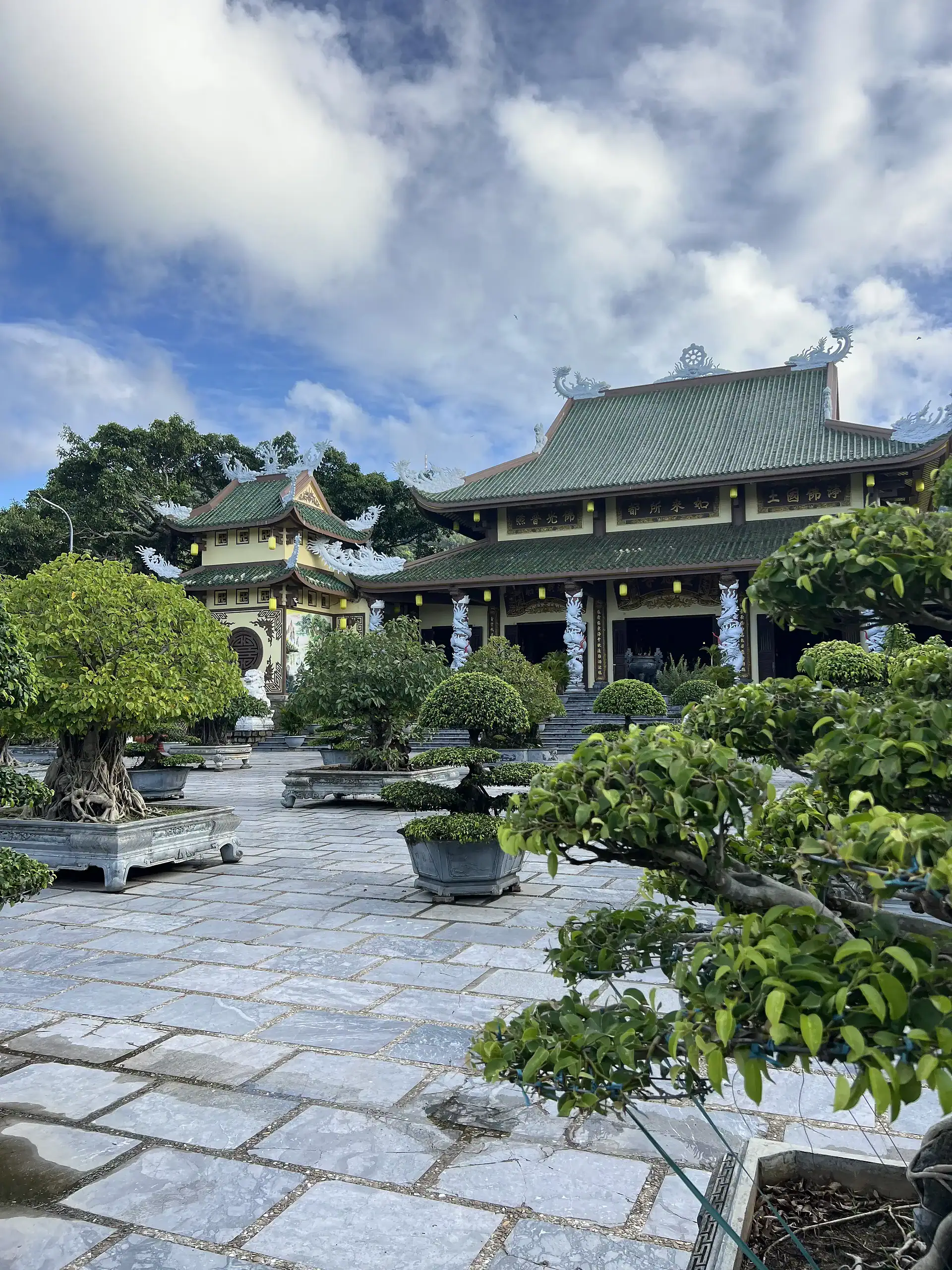
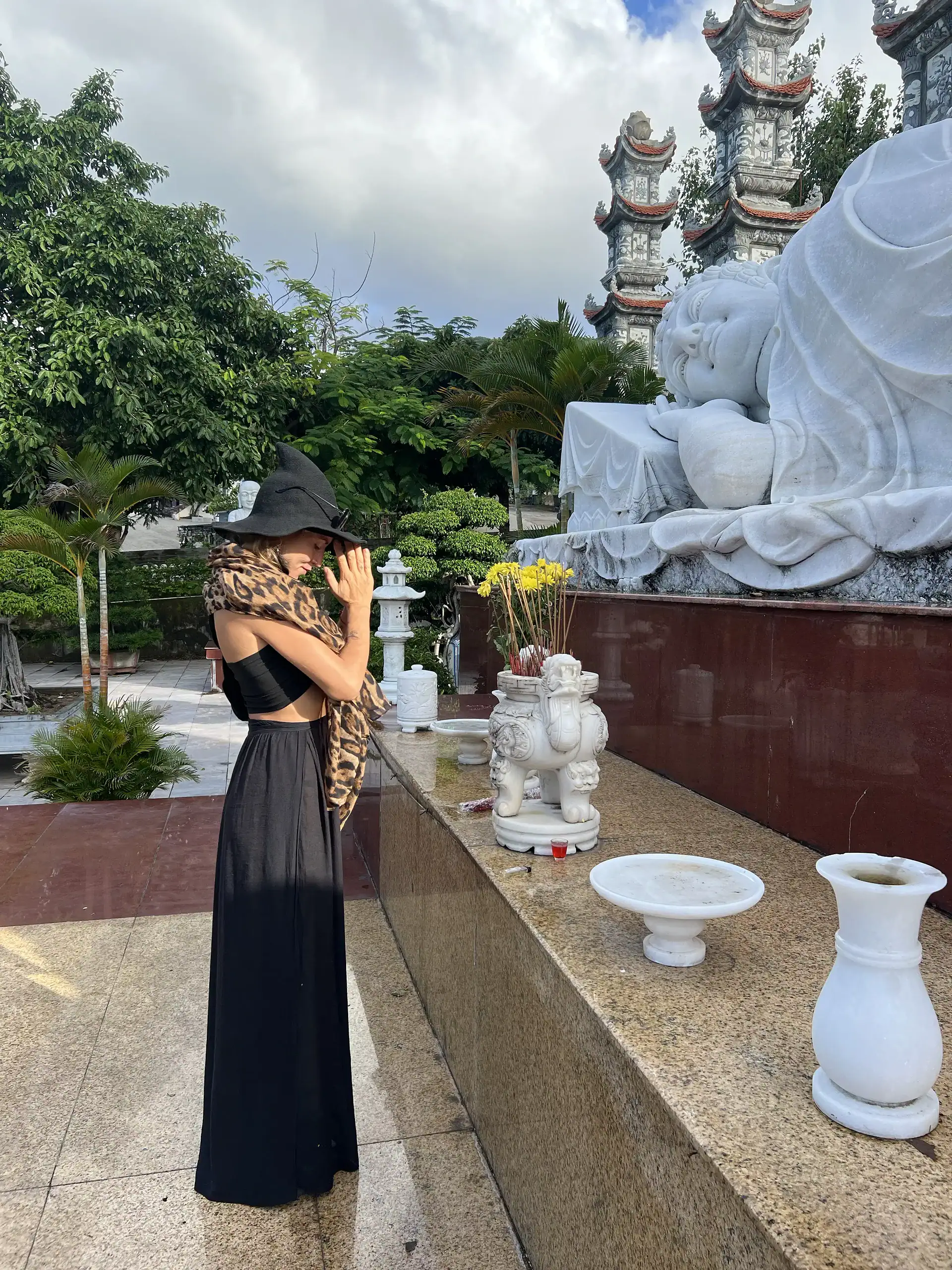
A city with more than one texture
Temple spaces like this widen the picture of Da Nang. They balance the beach-and-city reputation with something more rooted, reminding readers that the destination also rewards slower observation and cultural curiosity.
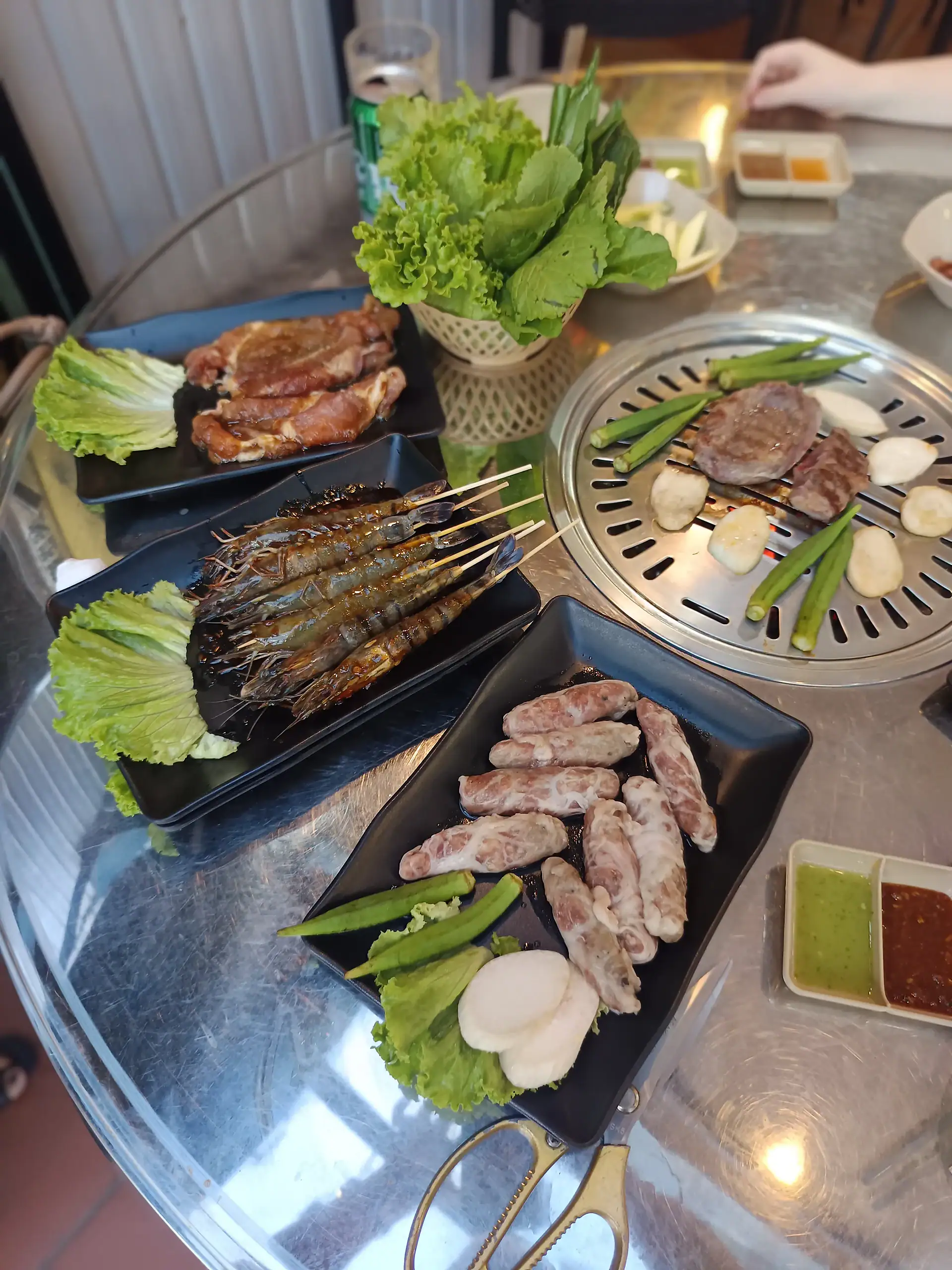
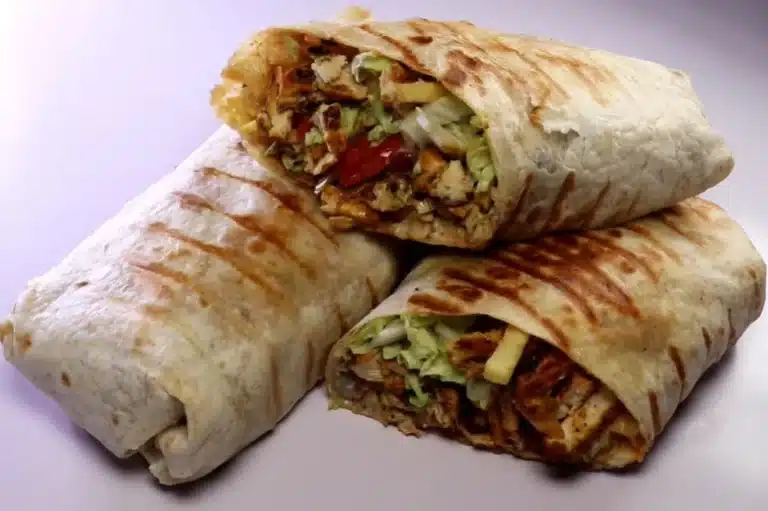
The meal becomes part of the place
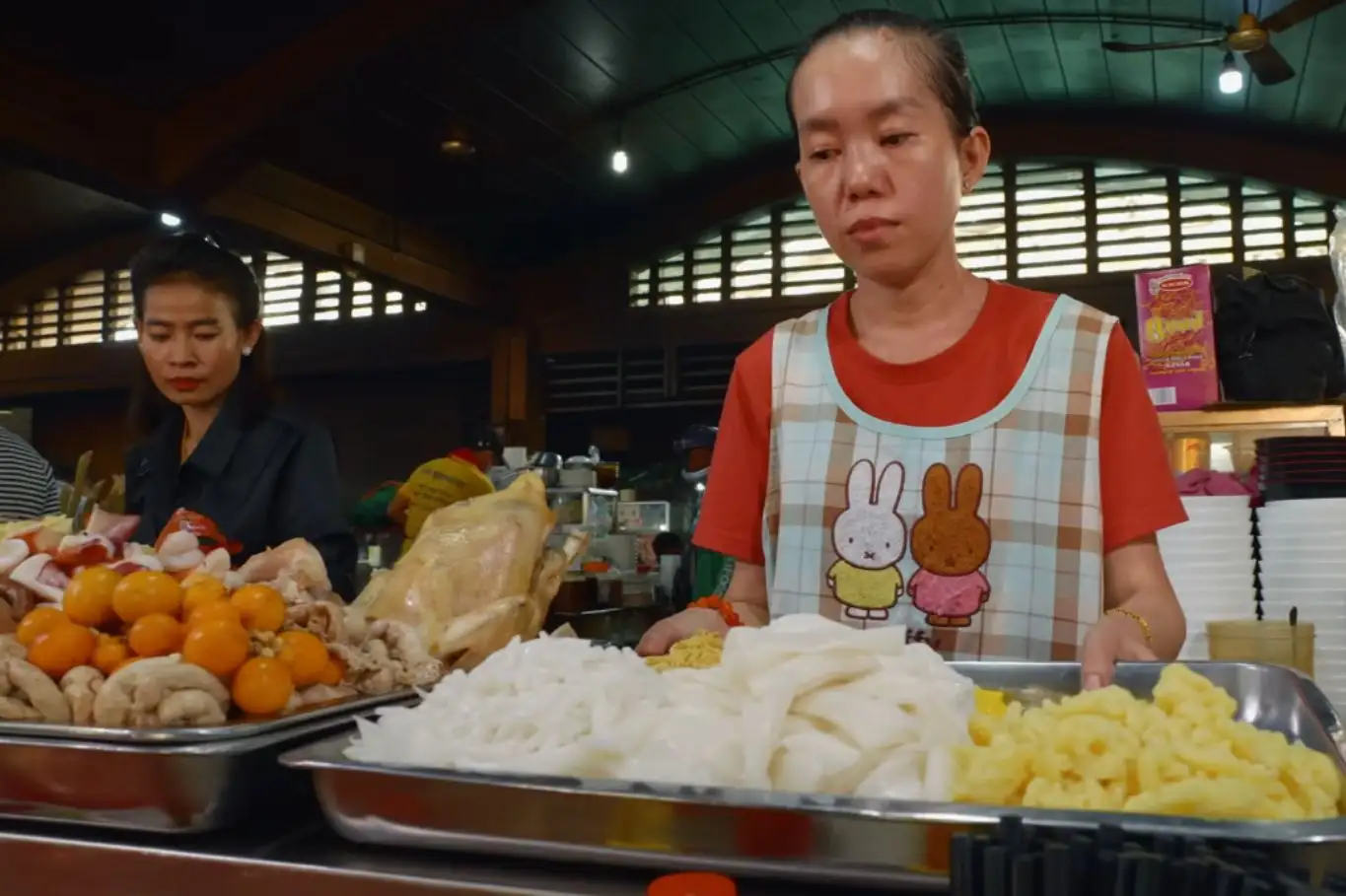
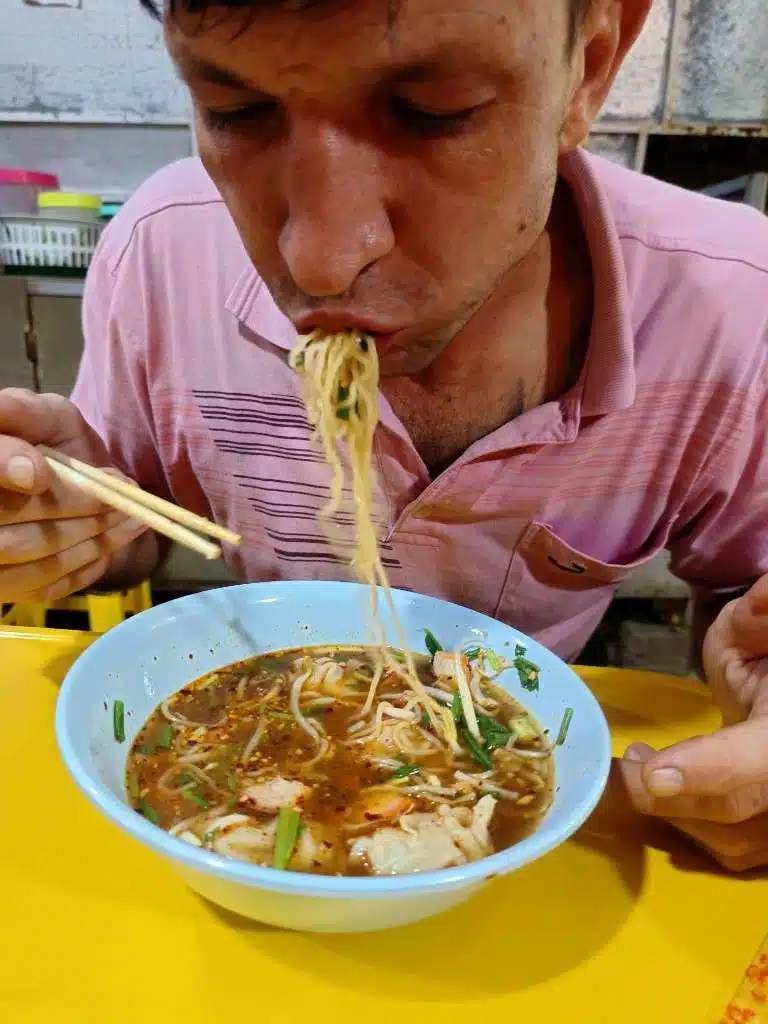
Da Nang is easiest to remember when food is part of the story rather than an afterthought. A table like this captures the destination in a more sensory way, where heat, freshness, seafood, and shared eating all become part of the travel memory.
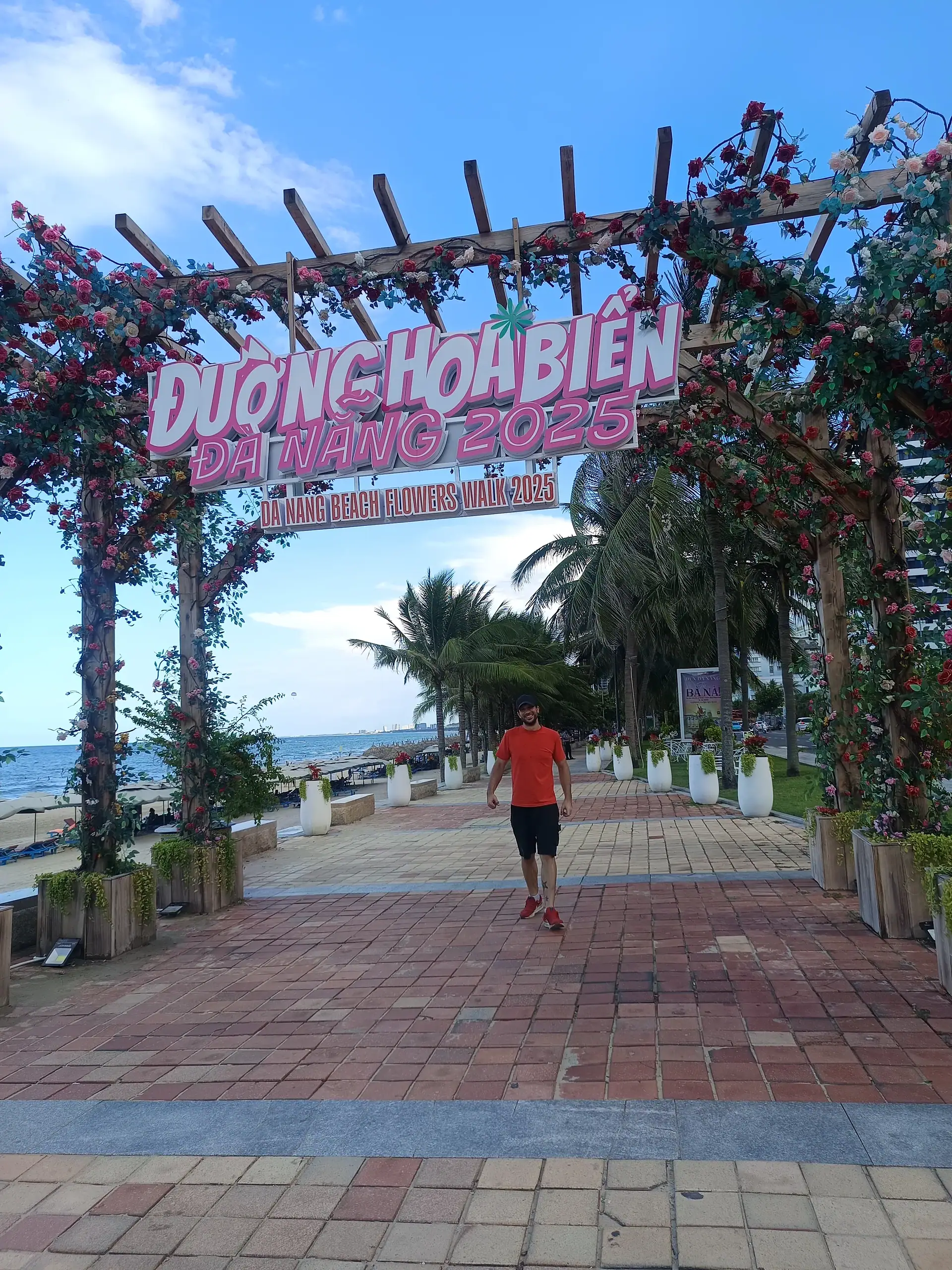
The brighter public face of Da Nang
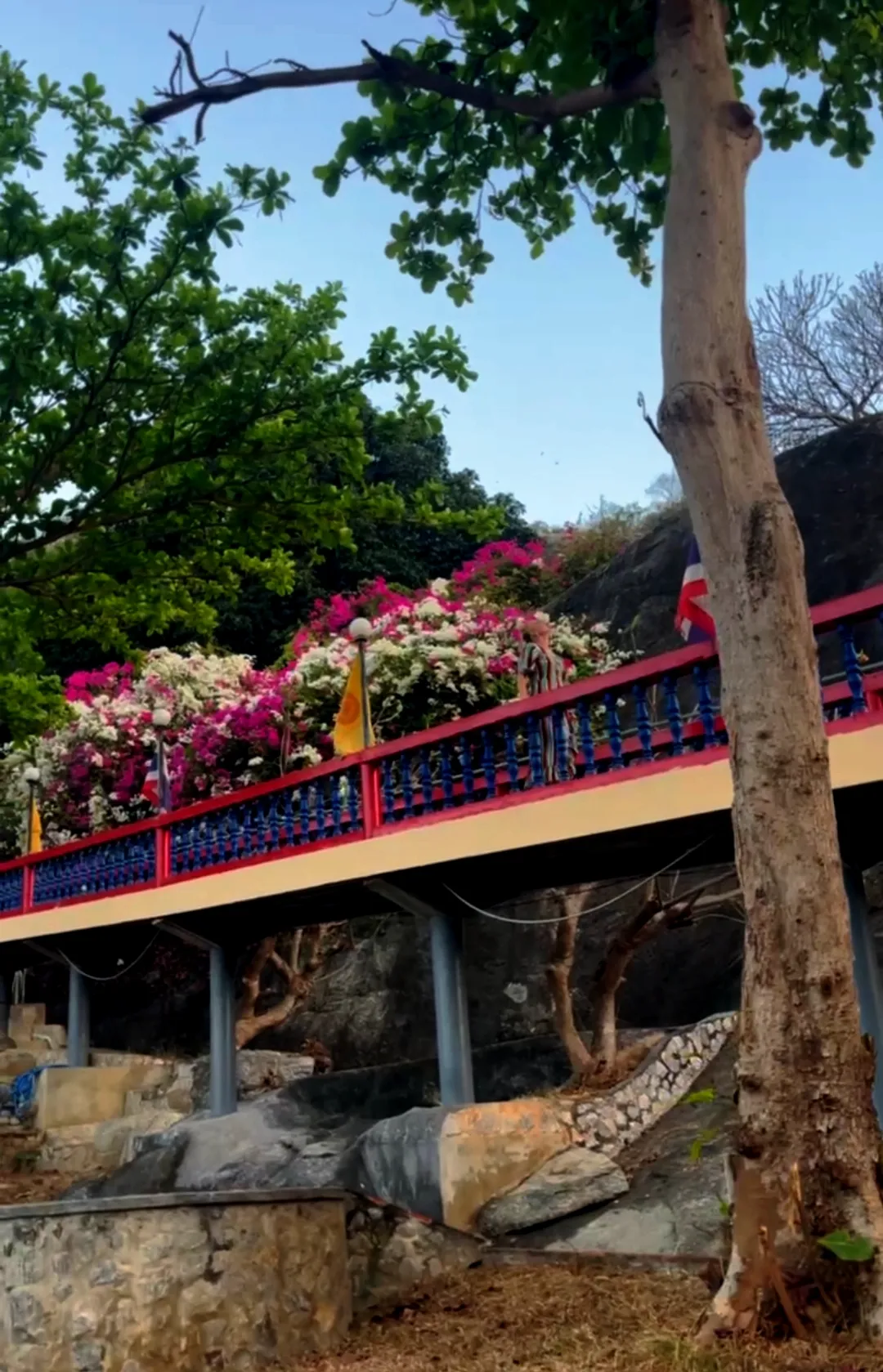
This side of the city feels open, warm, and easy to enjoy. Palm-lined walks, floral displays, and coastal light give Da Nang a more playful tone without losing the calmer rhythm that makes it appealing in the first place.
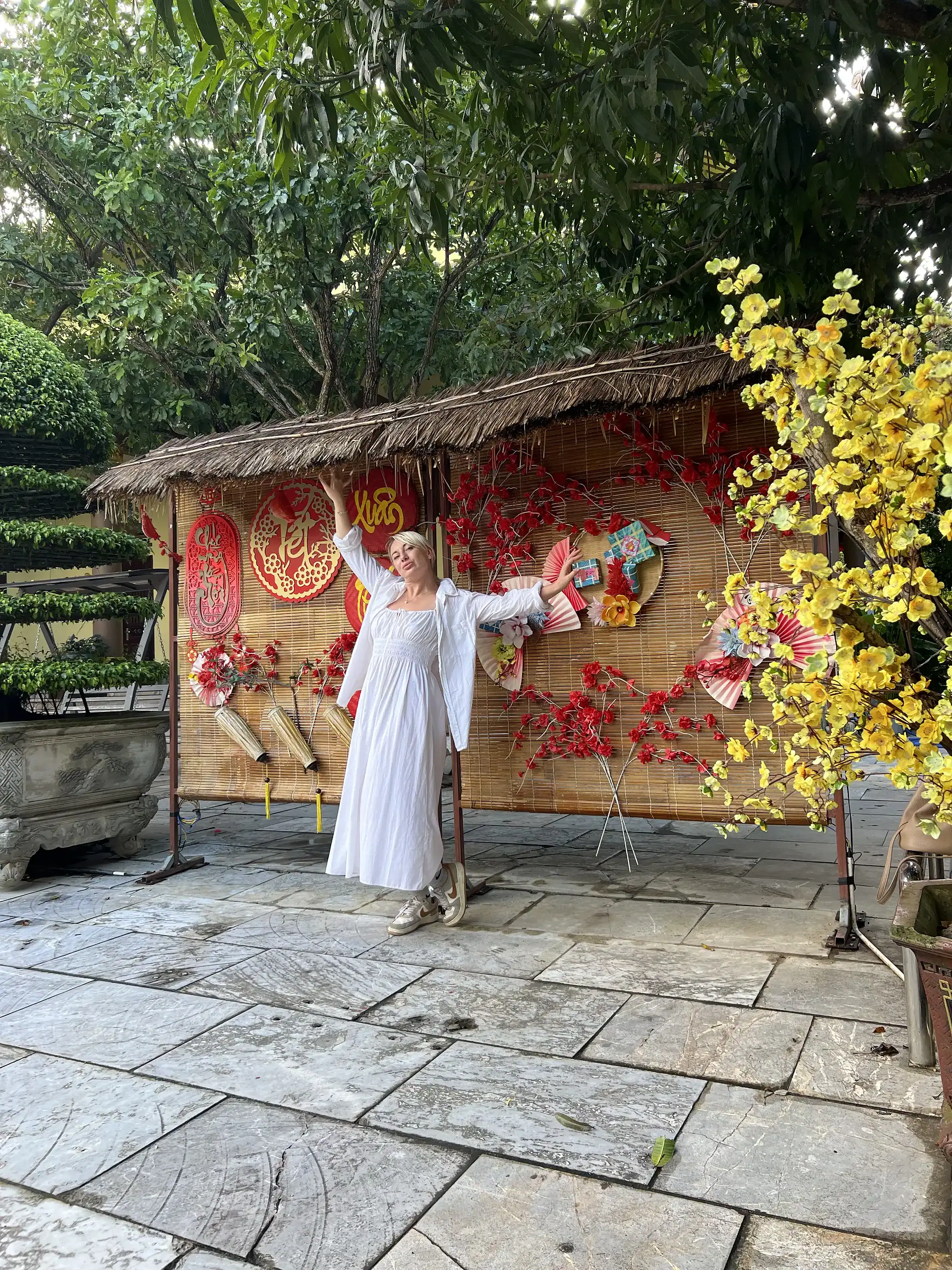
A recognisable Da Nang anchor
Places like Lady Buddha help tie the atmosphere of the article back to one of Da Nang’s most recognisable settings. It brings together gardens, scale, and a stronger sense of destination without making the page feel over-scripted.
Explore more of the Da Nang and Vietnam story
If Da Nang fits the kind of trip you are planning, it also works well as part of a broader Vietnam or Southeast Asia itinerary. That is where food, café culture, coastal pacing, and day-to-day travel rhythm start to matter just as much as the headline sights.
You can continue through our wider destination archive, follow the drinks side of the story, or explore the family travel perspective behind how we document places like this across Mangoes & Palm Trees.
Why Visit Da Nang
If you want a place that feels easier to enjoy without losing character, Da Nang is worth your time. It gives you beach space, city convenience, food culture, and a calmer travel rhythm in a way that can feel more liveable than many faster, more demanding stops.
Da Nang works especially well when you want your trip to feel good while you are living it, not just when you look back at the photos later.
One of Da Nang’s strongest qualities is that it feels usable. That matters more than it sounds. Some places look beautiful in photographs but become tiring once transport, meals, weather, and pacing all start to pile up. Da Nang often feels easier to settle into, which gives you more energy to actually enjoy where you are.
It can also work for you in different ways depending on the kind of trip you want. You might come here for the beach and a slower coastal rhythm, or you might be more interested in the food, cafés, and the ease of using the city as part of a wider Vietnam journey. That flexibility is part of what makes it worth considering properly instead of treating it like a place you simply pass through.
If you like your destinations to have range, Da Nang gives you that too. There is enough openness for a more relaxed stay, enough city structure to keep things practical, and enough local character to stop the experience from feeling interchangeable. It is one of those places that can support a softer pace without becoming dull.
If food shapes the way you travel, Da Nang becomes even more interesting. From here, you can move naturally into our Drinks hub, explore Vietnam-linked pages like Vietnamese Coffee and Cà Phê Sữa Đá, or continue into the broader Asia Travel Guides archive.
Where Da Nang sits in the wider story
On Mangoes & Palm Trees, we do not separate travel planning from food, family rhythm, and the lived feel of a place. That is why Da Nang belongs not only in our Travel Guides collection, but also alongside our family food and travel archive, our Restaurant Guides, and our wider destination coverage across Asia.
From here, the next practical question is simple: where should you stay so the city fits the kind of Da Nang trip you actually want?
What to Eat in Da Nang
The easiest way to remember Da Nang is to let food, coffee, and climate do some of the work for you. Instead of chasing a long list of names, you can build the trip around a few essentials and let the smaller moments fill in the rest.
Rather than thinking of Da Nang as a checklist of “must eat” spots, it helps to think in layers: what you drink first, what you eat by the sea, and what you look for when the day slows down.
Coffee is a natural anchor here. A strong Vietnamese coffee, an egg coffee, or a simple iced version gives you a way to pause and notice where you are instead of just moving through the city. If you enjoy following the drink side of a destination, this is a good place to connect back into our Vietnamese Coffee and Cà Phê Sữa Đá pages.
Seafood and grilled dishes often carry the evening. You will see tables built around shrimp, fish, herbs, and greens, usually with the kind of relaxed shared eating that makes a day by the water feel finished properly. It is less about finding the single “best” restaurant and more about choosing a place where the meal matches the pace you are aiming for.
Morning and midday
In the earlier part of the day, lean into coffee, light noodles, and whatever feels manageable in the heat. A simple bowl, a bánh mì, or something that pairs well with iced coffee is often enough to keep the rhythm easy.
Evening and after dark
Later on, look for grilled seafood, hot dishes that still feel light enough to enjoy in the warmth, and small desserts or fruit that do not tip the day into heaviness. This is usually when Da Nang feels most alive around the table.
- Use coffee stops as natural breaks in your walking routes.
- Plan at least one seafood-heavy meal that feels unhurried.
- Leave space for something grilled or smoky in the evening.
- Keep a little room for fruit, smoothies, or something cold.
Why this matters for planning
The point is not to eat everything, but to let a few well-chosen food and coffee moments shape how Da Nang feels while you are there. When those pieces land, the rest of the city usually feels easier to understand.
From here, the natural next step is timing: when to visit Da Nang so the weather, crowds, and trip rhythm line up with the kind of experience you want.
Best Time to Visit Da Nang
You want Da Nang when the beach works, the heat stays manageable, and your days can unfold without constant weather interruptions. That usually means aiming for the dry months when both comfort and coastal rhythm line up best.
Da Nang shines brightest from February through May, when you get sun, manageable warmth, and enough beach time without the heavier rains or intense midday heat that can make other months feel less workable.
February through April gives you the cleanest weather for being outdoors. The beach stays inviting without feeling crowded, coffee stops feel pleasant rather than sweaty, and you can count on full days rather than half-days interrupted by sudden rain.
May still works well if you prefer mornings and evenings over midday sun. The heat builds toward summer, but early starts let you enjoy the sand, riverfront, and food markets before the day gets too intense.
Best overall window
Dry, sunny, warm but not oppressive. Beach mornings, full exploration days, and evenings that feel easy rather than heavy. This is when Da Nang rhythm feels most natural.
Hotter, still dry-ish
Warmer days with some afternoon showers. Beach stays good but you will want shade and early starts. Seafood evenings still work well if you time around the heat.
Wet season starts
Heavier rains, some flooding risk. City exploration works better than beach time. Good for indoor café culture and shorter stops if Vietnam forms part of a bigger trip.
Cooler, variable
Milder temperatures with occasional rain. Less ideal for beach focus but workable for city walking, food exploration, and using Da Nang as a Vietnam travel base.
If you are connecting Da Nang into a wider Asia Travel Guides route, the February-May timing also lines up naturally with dry conditions across central Vietnam and coastal Thailand.
Where timing fits the bigger picture
Once you know when Da Nang works best for your kind of trip, the practical pieces fall into place more easily. This connects naturally back into our family food and travel blog, Hotel & Resort Guides, and Restaurant Guides for booking and planning.
From here, most trips become about turning this into specific bookings and day shapes. That usually means looking at where to stay and how other destinations fit.
Coffee, Ice, Mango, and a Slower Da Nang Rhythm
Some travel memories begin with a skyline. Others begin with the first cold glass set down in front of you.
The drinks gave the afternoon its real texture. The iced coffee carried that familiar Vietnamese depth, while the mango brought a softer, brighter tropical note that made everything feel more coastal and unhurried.
This is also why beverage culture matters on Mangoes & Palm Trees. We do not treat drinks as filler between meals; we treat them as part of place, memory, climate, and the way a destination actually feels once you stop rushing through it.
From here, you can naturally route readers into the wider archive through our Drinks hub, our broader Travel Guides, and the more personal family voice that shapes the family food and travel archive.
What do families ask before a Da Nang trip?
What is the best area to stay in Da Nang for families?
Is Da Nang street food safe for international travelers?
How do you get around Da Nang with kids?
Keep routing through Vietnam and Southeast Asia
Da Nang sits between coffee culture, coastal pacing, and wider ASEAN loops—use these hubs when your day plan shifts (because it will).
Enjoying our content? Make Mangoes & Palm Trees a preferred source on Google.
Explore next


Vietnam cluster routing
Practical Da Nang plus coffee, pho, and Southeast Asia hubs when your itinerary changes mid-trip.