
Editorial standards: editorial policy · Affiliate disclosure: affiliate disclosure · the family story behind MPT.
Coffee, cocktails, smoothies and the places behind them
Drink Recipes from Around the World
A drink can take you somewhere. Think of a slow phin drip in Vietnam, a sharp citrus cocktail from Peru, or ripe mango blended cold on a hot afternoon. Browse coffee recipes, cocktails and smoothies from the Mangoes & Palm Trees archive, with each story setting out its own ingredients, method and context.
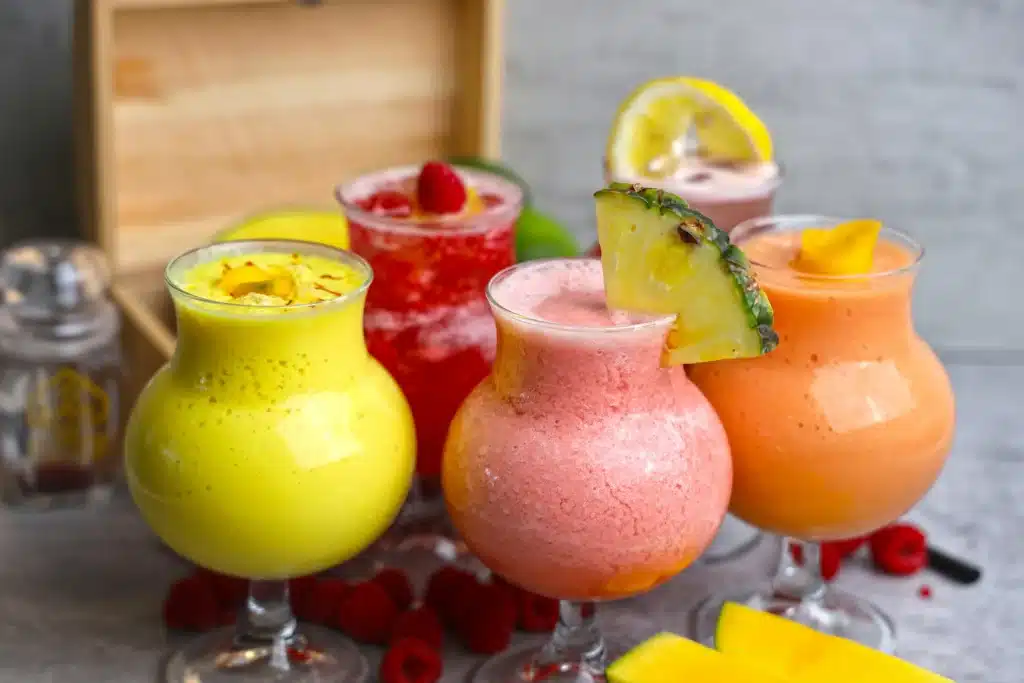
Photo by Shameel Mukkath via Pexels. This supporting image illustrates fruit mocktails; it is not a photograph of one specific MPT recipe.
Start with the kind of drink you want to make
- Coffee: Vietnamese coffee, egg coffee, Cà Phê Sữa Đá and coconut coffee.
- Cocktails: fruit-led mixes and modern takes on familiar drinks, with alcohol-free alternatives only where the individual recipe provides one.
- Smoothies: fruit-based blends, including mango smoothie ideas.
- Recipe context: regional traditions, modern adaptations and practical methods are described at the individual article level; the hub does not claim every drink is a traditional recipe or universally family-tested.
The Mangoes & Palm Trees drinks collection brings together drink recipes from different food traditions and everyday kitchens. Browse coffee recipes, cocktails and smoothies, including Vietnamese egg coffee, Cà Phê Sữa Đá, coconut coffee, fruit cocktails and mango smoothies. Each linked recipe or guide explains its own ingredients, method and context.
Choose your glass: three ways into the drinks archive
Start with the drink that interests you. The current archive is organised around coffee, cocktails and smoothies; there is no separate Tea Recipes category linked from this hub.
Coffee recipes
Follow phin-brewed Vietnamese coffee, egg coffee, Cà Phê Sữa Đá and coconut coffee, with a guide to the drinks and methods behind them.
Explore coffee recipes Cocktails and mixed drinksCocktail recipes
Explore fruit-forward cocktails, familiar bar-room ideas and contemporary variations. Check each recipe for its ingredients, alcohol content and any non-alcoholic alternative.
Explore cocktail recipes Fruit and blended drinksSmoothie recipes
Find mango and other fruit-led blends, with ingredient combinations and preparation details in the individual recipes.
Explore smoothie recipesStart with a drink that has a story
The best starting point is often a familiar flavour with a different history behind it. These selected articles show the range of the current collection—from Southeast Asian coffee methods to fruit cocktails and a simple mango blend.
Vietnamese Coffee Guide
A guide to Vietnamese coffee culture and phin brewing, with routes into egg coffee, iced milk coffee and coconut coffee.
Read the Vietnamese coffee guideVietnamese Egg Coffee
Strong phin-brewed coffee under a whipped egg-yolk and condensed-milk topping, presented as a dessert-style cup.
Make Vietnamese egg coffeeCà Phê Sữa Đá
Vietnamese iced coffee made with dark Robusta, a phin filter, sweetened condensed milk and ice.
Explore the iced coffee recipeVietnamese Coconut Coffee
A coconut-milk and Robusta combination inspired by Vietnamese café drinks.
Read the coconut coffee recipeHorchata White Russian
A modern cocktail variation using cinnamon rice horchata in place of the usual cream. This is an alcoholic drink.
See the Horchata White RussianLemon San Diego Cocktail
A lemon-and-soda cocktail, with a separate alcohol-free sparkling lemonade variation described in the article.
Explore the citrus cocktailKiwi Passion Fruit Margarita
A fruit-led margarita featuring kiwi, passion fruit and lime.
Read the margarita recipeRaspberry-Apple Champagne Slushies
A frozen fruit-and-sparkling-wine drink; the article also describes a sparkling-juice alternative.
Make the frozen cocktailMango Smoothie Recipes
A collection of mango-based blends with fruit, yoghurt or plant-based alternatives and optional additions.
Explore mango smoothie ideasFor the full range, browse the recipe index or return to the main recipes hub.
Coffee, cocktails and the details that make them different
Drinks travel. Coffee moves through trade, migration, café life and household routines; cocktail recipes pick up regional ingredients and local preferences; fruit blends change with season and availability. A familiar name does not always mean the same recipe in every place.
Vietnamese coffee is a strong thread in our current collection. The Vietnamese Coffee Guide introduces phin brewing and related styles, while the individual recipes explore egg coffee, Cà Phê Sữa Đá and coconut coffee. These pages should be read for the method and context each one actually documents—not as a claim that one cup represents every Vietnamese café or household.
The cocktail collection also mixes different kinds of work: a recognisable drink, a regional reference, or a newer interpretation built around an ingredient combination. For readers comparing classic cocktail formulations, the International Bartenders Association’s official cocktail list is a useful external reference. It is not an endorsement or certification of Mangoes & Palm Trees recipes.
For coffee terminology and industry frameworks, the Specialty Coffee Association’s published standards explain the role of documented standards in coffee. We do not claim that every home recipe on this site has been tested against SCA procedures.
A few details worth checking before you pour
Drink recipes can involve more than flavour. Coffee contains caffeine; cocktails may contain alcohol; and some recipes use egg, dairy or other ingredients that matter to the person drinking them. Read the ingredient list and the method on the individual recipe, especially when serving guests with allergies or dietary restrictions.
When a drink contains raw or undercooked egg
For recipes in which eggs are served raw or undercooked, the US Food and Drug Administration advises using shell eggs treated to destroy Salmonella by pasteurisation or another approved method, or using pasteurised egg products. Hot coffee poured over whipped egg does not make the egg pasteurised. The FDA’s egg-safety guidance explains the recommended approach; the USDA FSIS guidance on egg products in uncooked foods provides additional detail.
Our Vietnamese egg coffee recipe specifies pasteurised egg yolks. For any recipe involving raw or lightly cooked egg, follow the exact safety instructions and current advice from the relevant food-safety authority in your country.
Alcohol and alcohol-free variations
Some cocktail pages include a separate alcohol-free adaptation; others are written as alcoholic drinks. Do not assume a cocktail can be made alcohol-free by simply leaving out the spirit. Check the individual recipe for a tested alternative, and make sure alcoholic drinks are clearly identified before serving.
Experience, recipe development and research are not the same thing
Mangoes & Palm Trees is a family-led food and travel publication. The drinks archive brings together recipes and guides with different origins: some draw on personal experience and café visits, some are prepared and refined in a home kitchen, and others explain a regional drink or a modern variation using research alongside practical recipe work.
- Personal experience: when a story refers to a café, place or journey, the individual article should explain what was experienced and when, rather than implying that every detail has been independently verified.
- Recipe method: ingredients, quantities, preparation and serving suggestions belong to the individual recipe. A technique should not be described as tested unless the published method has actually been made and checked.
- Regional context: a recipe inspired by a place is not automatically a traditional or definitive version. Where a drink is adapted, the article should say so.
- Safety and nutrition: factual safety advice should be supported by an appropriate authority. Family experience or a contributor’s unrelated professional background is not a substitute for specialist review.
- Editorial independence: see our editorial policy and affiliate disclosure for how we approach sources, updates and commercial relationships.
The people behind Mangoes & Palm Trees

Oliver Mayerhoffer
Lead author and publisher. Oliver writes about food, hospitality, travel and family life, drawing on personal experience, practical cooking and clearly distinguished research.
Mangoes & Palm Trees is family-led, but that does not mean every drink is prepared, tested or reviewed by every member of the family. Individual articles should identify the people and experience relevant to that particular recipe or story. Read our family food and travel story to learn more about the publication.
Questions about our drink recipes
What kinds of drink recipes are in the Mangoes & Palm Trees collection?
The current drinks collection is organised into coffee recipes, cocktail recipes and smoothie recipes. Selected articles include Vietnamese coffee and egg coffee, Cà Phê Sữa Đá, coconut coffee, fruit cocktails and mango smoothies. Each linked recipe or guide has its own scope and method.
Does Mangoes & Palm Trees have a separate tea recipe archive?
There is no separate Tea Recipes archive linked from this hub. The current drinks collections are coffee, cocktails and smoothies; this page does not present tea as a separate published category.
Where should I start with Vietnamese coffee?
Start with the Vietnamese Coffee Guide for an introduction to phin-brewed coffee and regional styles, then explore the Vietnamese Egg Coffee, Cà Phê Sữa Đá and Coconut Coffee recipes for specific drinks.
Are all the drinks traditional recipes from their countries of origin?
No. The collection includes regional drinks, familiar classics and contemporary adaptations. The individual article should explain whether it presents a traditional drink, a regional variation or a modern interpretation.
How should I handle drinks made with raw or undercooked eggs?
For recipes served with raw or undercooked eggs, the US FDA advises using shell eggs treated to destroy Salmonella by pasteurisation or another approved method, or using pasteurised egg products. Hot coffee or alcohol should not be treated as a substitute for that safety step. Follow the relevant food-safety advice where you live.
Do all cocktail recipes have a non-alcoholic alternative?
No. Some individual recipes include an alcohol-free variation, while others are written as alcoholic drinks. Check the ingredients and method on the individual recipe before preparing or serving it.
Food-safety and beverage references
These links support the specific egg-safety, coffee and cocktail-reference statements above. They are not endorsements of MPT recipes and do not imply that the publication is certified by these organisations.
What You Need to Know About Egg Safety
FDA advice for recipes in which eggs are raw or undercooked when served, including the use of treated shell eggs or pasteurised egg products.
Read FDA guidanceEgg Products in Uncooked Foods
USDA FSIS guidance on pasteurised egg products and recipes that may be served without further cooking.
Read USDA guidanceSpecialty Coffee Association Standards
Published coffee standards and procedures for industry terminology, evaluation and technical practice. They are not represented as a certification of MPT recipes.
Explore SCA standardsOfficial Cocktail List
The International Bartenders Association’s reference list of recognised cocktail recipes and categories.
Browse the IBA cocktail listKeep exploring food, drink and travel
Follow the ingredient, browse another recipe collection or move from the glass to the place that inspired it.
Oliver Mayerhoffer
Family food and travel story
Editorial policy
Affiliate disclosure
Contact