
Editorial standards: editorial policy · Affiliate disclosure: affiliate disclosure · our family food and travel story.
Abruzzo · Veneto · The family table
Italy Travel Guides & Recipes: Start at the Table
Italy has a way of making you follow your appetite. One plate leads to a place, a family memory, a regional ingredient or a question worth looking up. Our published collection is currently strongest in food: lamb ragù associated with Abruzzo, tiramisu with the Veneto context explored in our recipe, and a Ronzoni lasagna story rooted in a family table in Cheltenham. This is a growing food-led collection, not yet a comprehensive Italy itinerary directory.
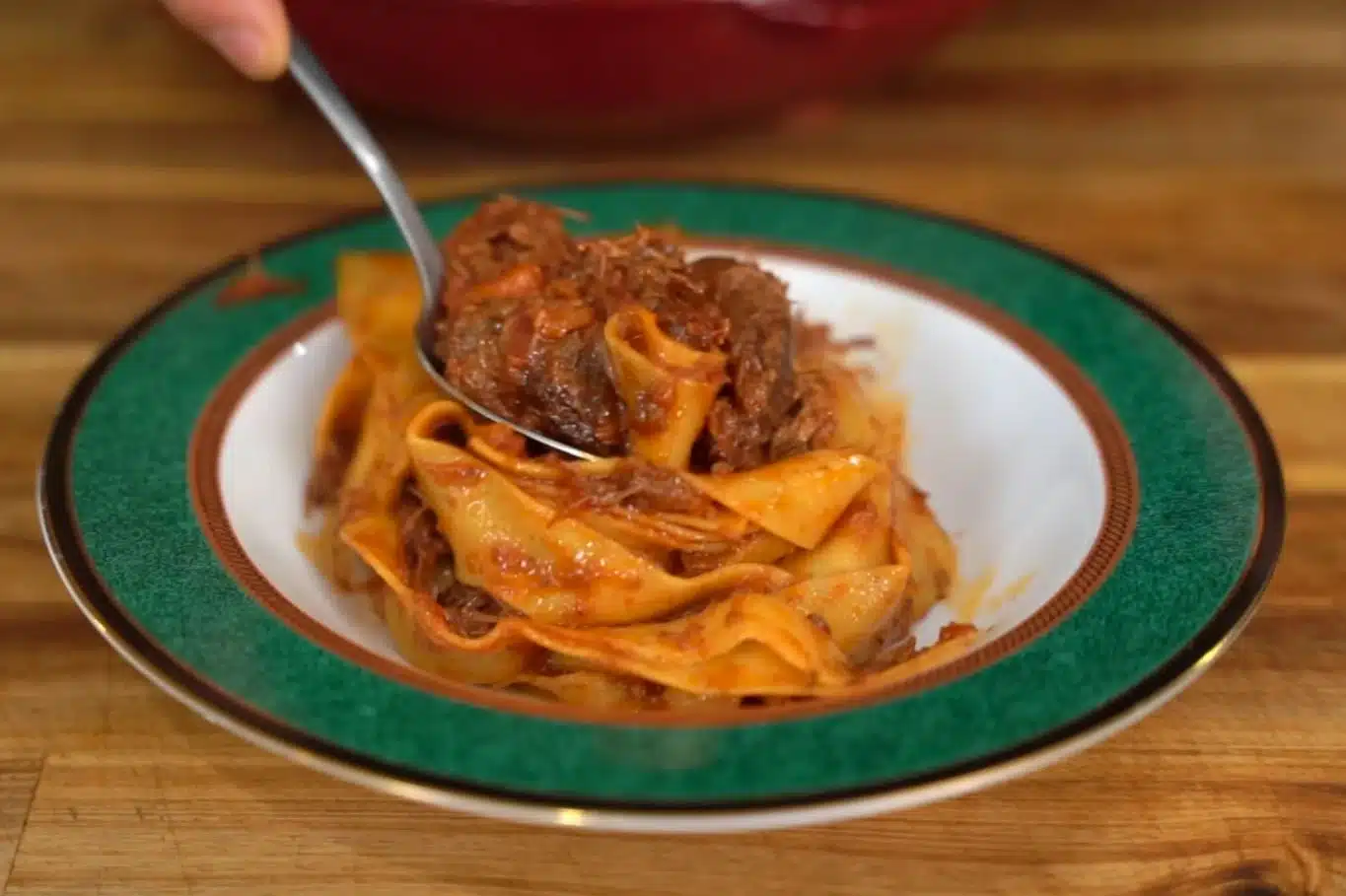
Image note: this is a photograph of the lamb ragù recipe featured in the collection, not a destination photograph of Italy.
What can you find in our Italy travel guides and recipes collection?
Use this Italy hub to explore the Italy-related food stories and recipes currently published by Mangoes & Palm Trees. The collection includes a slow-cooked lamb ragù associated with Abruzzo, a tiramisu recipe with Veneto context, and a family Ronzoni lasagna story. The page is a growing food-led collection rather than a complete directory of Italian destinations or ready-made itineraries.
The post grid below is populated by the Italy Travel Guides & Recipes WordPress category. Its entries may be recipes or food features as well as travel-related material; each linked article has its own authorship, experience and source details.
Latest posts in our Italy collection
This live collection displays posts currently assigned to the Italy Travel Guides & Recipes WordPress category (category ID 1315 in the supplied page source). It may include recipes and food features as well as travel-related posts, so check each article for its own scope. The three selected stories below provide a clear starting point.

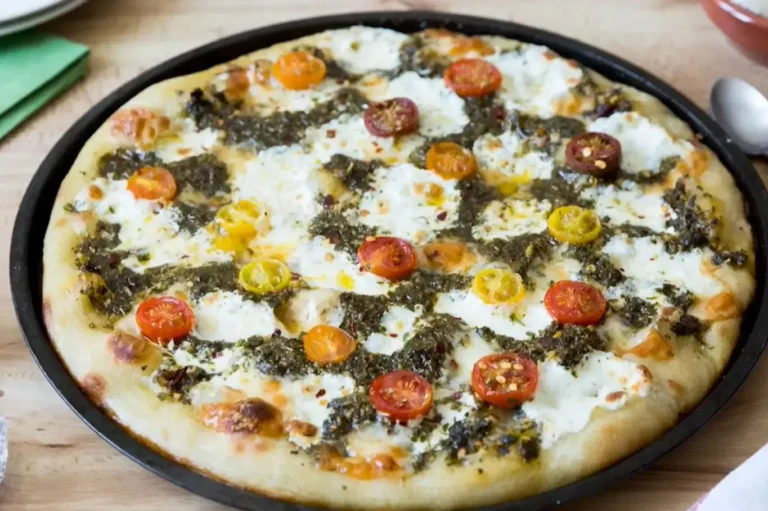



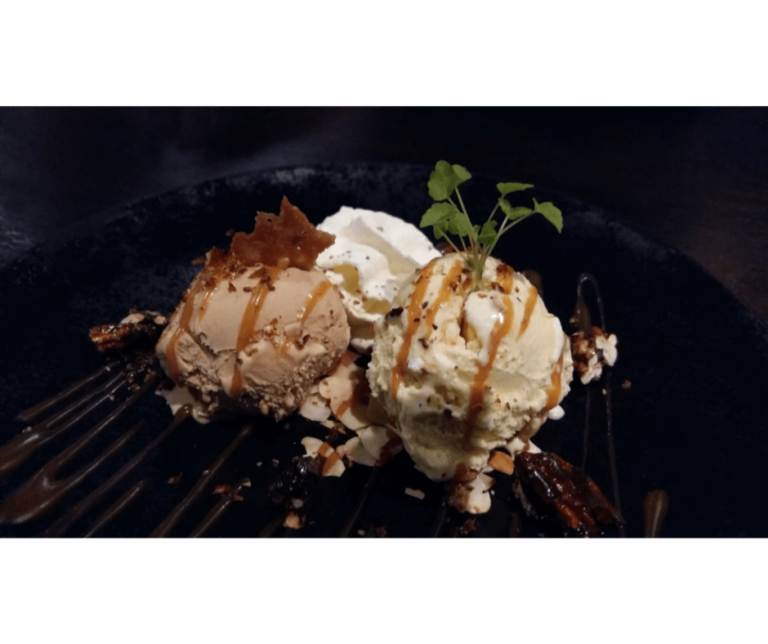
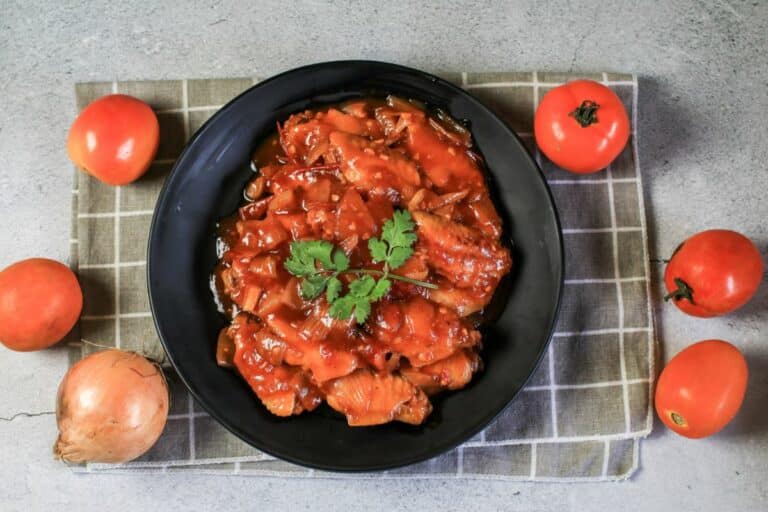
Start with three stories from the Italian table
Our current Italy collection is best explored through the food stories already on the site. They do not represent every Italian region or one definitive version of Italian cooking. Each has a narrower subject and should be read on its own terms.
Lamb ragù d’Abruzzo
A slow-simmered lamb shoulder ragù with red wine, tomato and rosemary. The article covers the method, variations, pasta pairing and storage notes, and describes its version as an Abruzzo-inspired preparation.
Read the lamb ragù recipeTiramisu
A mascarpone, espresso and Savoiardi dessert guide, with attention to the cream texture, brief coffee dip, chilling time and egg-handling options. The article discusses Veneto context without making this hub a definitive history of the dessert.
Explore the tiramisu recipeRonzoni lasagna and a family table
A family lasagna story connected with Sandra’s table in Cheltenham, using Ronzoni sheets, a ricotta-and-egg layer and a measured bake-and-rest method. It is a family recipe account, not a claim that one version represents all Italian lasagna.
Read the Ronzoni lasagna storyFor a wider view of Italy’s regions, the official Italia.it regional guide introduces the country’s varied landscapes, food and local cultures. Use it as a destination reference alongside the narrower food stories published here.
Planning an Italy trip: the details to check
Italy’s regions are not interchangeable, and a food-led article is not a substitute for a current itinerary. Choose the places you want to visit first, then verify practical details for your own route, nationality and travel dates.
- Choose the region before building the route: compare distances, landscapes, local transport and the experiences available in the places you actually plan to visit. The official Italian regions overview is a useful starting point.
- Check rail journeys directly: confirm stations, dates, train type, transfer time, ticket conditions and passenger details with Trenitalia or the operator serving your route. Timetables and services can change.
- Check entry rules for your passport: visa and document requirements depend on nationality and circumstances. Start with the European Union guidance for non-EU travellers, then confirm your case with the Italian embassy or consulate.
- Recheck opening times and access: museums, archaeological sites, churches, local transport and seasonal services can have different schedules. Use the official venue or operator information for the date you intend to visit.
- Allow time for the actual journey: a route that looks short on a map may involve changes, local connections or a transfer from the station. Check door-to-door time rather than train time alone.
These are planning checks, not live travel updates. Confirm the current information with the responsible government authority, destination or service provider before booking.
Regional food names carry more than a place label
Italian food is often discussed through regional names, local ingredients and production methods. Those connections matter, but they need to be described precisely. A protected product name is not the same thing as a certification for every recipe or restaurant that uses a similar ingredient.
The European Commission explains how geographical indications protect specific product names whose qualities or reputation are linked to a defined area. Its guide to PDO, PGI and other geographical indications and the linked official registers can be used to check a particular registered product and its specification. These protections apply to the named product; they do not certify a whole menu, restaurant or home recipe.
There is also a wider cultural dimension. UNESCO’s 2025 listing, “Italian cooking, between sustainability and biocultural diversity”, recognises the relationship between cooking, knowledge, biodiversity and cultural practice. It is a cultural-heritage recognition, not a rating of individual dishes or a guide to where visitors should eat.
Sources: European Commission geographical-indication guidance and registers; UNESCO’s Italy intangible cultural heritage list. Each source supports the specific cultural or product-protection point described beside its link.
Experience, research and the limits of each story
A useful regional hub should make it clear what has actually been published and what still needs to be covered. The Italy collection currently has more food and recipe material than destination-specific travel guides. We would rather show that honestly than turn a few recipes into a claim of comprehensive coverage.
- First-hand experience is specific: a family memory, a meal, a visit or a recipe made by a contributor should be attributed to the person who experienced it. One story does not represent every region or household.
- Research is labelled as research: cultural background, official rules and practical planning details should be supported by sources that are relevant to the claim. A researched explanation is not a personal visit.
- Recipes have their own evidence: a recipe should be described as tested only where the published method has actually been made and assessed. The hub does not claim that every listed recipe has been tested or reviewed by every family member.
- Official sources support the right kind of fact: government and EU sources are used for entry rules and protected product designations; rail operators are used for their own timetables and ticket conditions; cultural institutions explain the heritage listings they maintain.
- Changing details need another check: entry requirements, fares, timetables, opening times and access arrangements should be rechecked before travel.
Read the Mangoes & Palm Trees editorial policy for our wider publishing principles. Our affiliate disclosure explains how commercial links may support the publication.
A family publication, with roles that vary by story
Mangoes & Palm Trees began in 2018 as a place to keep recipes, places and family stories from disappearing into photographs and passing conversation. The publication is family-led, but that does not mean every story is a shared experience or that every family member has reviewed every page.
Oliver leads much of the writing and publishing. Natalia is a co-founder whose contributions include developing and cooking recipes, researching food traditions, writing, editing, photography and travel planning where relevant. Their individual contributions should be clear in the credit on each article.
For this Italy collection, the listed stories have their own page-level credits and context. This hub does not present Natalia as a nutrition or food-safety reviewer, and it does not claim that Victor tested or approved the listed recipes.
Read our family food and travel story to learn more about the publication and the people behind it.
People behind Mangoes & Palm Trees

Oliver Mayerhoffer
Lead author and publisher. Oliver writes about food, hospitality, travel and family life, distinguishing personal experience from information that needs research or a current check.

Natalia Mayerhoffer
Co-founder, teacher and dentist by training. Natalia contributes cooking, food-tradition research, writing, editing, photography and family travel experience where relevant to an individual story.
Their roles vary by article. We do not claim that every page is written, visited, cooked, tested or reviewed by every member of the family. Read the story behind Mangoes & Palm Trees and the editorial policy for more detail.
Questions about our Italy travel guides and recipes
What will I find in the Italy Travel Guides & Recipes collection?
The current collection is food-led and includes an Abruzzo-inspired lamb ragù recipe, a tiramisu recipe with Veneto context, and a family Ronzoni lasagna story. It is a growing collection rather than a complete directory of Italian destinations or ready-made itineraries.
Does Mangoes & Palm Trees publish a complete Italy travel guide?
This page is an editorial gateway to the Italy-related content currently published by Mangoes & Palm Trees. Its strongest material at present is food and recipes; it does not claim to be a comprehensive Italy itinerary or a guide to every region.
Which Italian food stories can I read first?
Start with Lamb Ragu d’Abruzzo, the tiramisu recipe, and the Ronzoni lasagna story. Each article has its own ingredients, method, context and editorial credits.
Are all the Italy stories based on first-hand travel?
No. A recipe, a family food memory, a personal visit and a research-led travel explanation are different kinds of material. Check each linked article for its author credits, stated experience and sources; this hub does not present every item as a first-hand Italy trip report.
How can I check whether an Italian food name has protected regional status?
Use the European Commission’s geographical-indications registers to check a specific registered product name and its production specification. PDO and PGI protections apply to named products; they are not a blanket certification of a recipe, restaurant or menu.
Where can I check Italian train times and tickets?
Check current journeys, timetables, ticket conditions and services directly with Trenitalia or the operator serving your route. Recheck details for your travel date before booking or departure.
Where should I check entry requirements for Italy?
Entry requirements depend on nationality, residence status, route and travel dates. Start with the European Union’s official travel-document guidance for non-EU nationals, then confirm the exact requirements with the Italian embassy or consulate responsible for your case.
How can I suggest a correction to an Italy article?
Contact Mangoes & Palm Trees with the article URL, the detail that needs checking and a reliable supporting source where possible.