Editorial standards: editorial policy · Affiliate disclosure: affiliate disclosure · our family food and travel story.

Countries, regions, food and travel stories
South America Travel Guides
Explore South America through a country-by-country starting point, broad regional groupings and a growing collection of food and travel stories. Browse the latest posts assigned to our South America category, discover published Peru and Chile food features, and use the planning checks below before confirming details with official sources. This hub does not claim a dedicated destination guide for every country.
Image note: this existing Pisco Sour photograph represents the food stories in the archive; it is not a destination photograph.
What can you find in the South America Travel Guides collection?
Use this South America travel guides hub to explore the continent’s 12 sovereign countries and broad regions, browse the latest posts assigned to our South America category, and find our published food features from Peru and Chile. The country directory is a geographic starting point, not a claim that we have a dedicated destination guide for every country.
The article grid is populated by WordPress category ID 1700. It displays the posts currently assigned to that category; individual entries may be destination articles, food features or recipes, and each should be read according to its own scope.
Latest posts in our South America archive
This live collection shows posts currently assigned to the South America Travel Guides WordPress category. It may include destination articles, food features and recipes, so check each article for its own scope. You can also open the full South America category archive.

Explore South America by country and region
South America is usually counted as 12 sovereign countries: Argentina, Bolivia, Brazil, Chile, Colombia, Ecuador, Guyana, Paraguay, Peru, Suriname, Uruguay and Venezuela. French Guiana is also on the continent, but it is an overseas department of France rather than an independent country. The regional groupings below are an editorial orientation aid; they are not official political divisions or fixed travel routes.
The northern Andes and Caribbean-facing north
Colombia and Venezuela. The northern part of the continent includes Andean landscapes, Caribbean-facing coasts and extensive lowlands. Conditions and distances vary sharply between coastal, mountain and interior routes.
The equatorial and central Andes
Ecuador, Peru and Bolivia. Pacific coastline, highland cities, Andean landscapes and Amazon-facing regions sit within this broad north-to-south arc. Altitude and overland transfer times need careful planning.
Brazil
Brazil. Its scale makes it a destination to plan by region rather than as one compact stop. Cities, coastline, rainforest and inland regions involve very different journeys.
Southern South America
Argentina, Chile, Paraguay and Uruguay. This broad southern grouping spans major cities, wine regions, mountain country, plains and long-distance routes towards Patagonia.
The Guianas
Guyana and Suriname, alongside neighbouring French Guiana. The Guianas have distinct colonial histories, languages and travel logistics; French Guiana is administered as part of France.
Coverage note: This directory identifies the 12 countries and provides a regional starting point; it does not imply that Mangoes & Palm Trees has a dedicated destination guide for each country. Our published regional food features currently focus on Peru and Chile, with the live category archive showing the posts assigned to this topic.
Geographic reference: United Nations Statistics Division — M49 geographic regions and country or area names. The UN notes that statistical groupings are for statistical use and do not imply political status or affiliation.
Planning a trip to South America: what to check
There is no single route, season or entry rule that applies to the whole continent. Choose the countries and regions that fit your available time, then verify the details that depend on your passport, travel dates and exact itinerary.
- Route and distance: compare actual flight, bus, road and border-crossing times. A map can make two places look close when the practical journey is not.
- Season and altitude: climate varies by latitude, elevation and coast. Check destination-level conditions for the exact month and region rather than relying on a continent-wide “best time”.
- Entry and transit rules: confirm visa, passport-validity, onward-ticket and transit requirements with the destination’s official immigration or consular authority for your nationality.
- Travel advice and health: read the current advice issued by your own government and destination-specific health information before departure. These resources differ by nationality and can change.
- Local services: reconfirm transport schedules, park access, tour operations, opening times and cancellation terms directly with the provider before travelling.
Examples of official resources: UK Government foreign travel advice (for UK travellers); U.S. Department of State travel advisories (for U.S. travellers); and CDC destination-specific travel health information. Use the equivalent services for your own country where applicable.
Start with Peru and Chile at the table
Food is currently one of the strongest entry points into our South America archive. The following published features connect ingredients and dishes with Peruvian and Chilean food culture. They are culinary articles and recipes, not substitutes for destination-specific travel guides.
Pisco Sour: the Peruvian classic
A recipe guide to the classic Peruvian cocktail, with a separate section exploring a Chilean-style variation.
Read the Pisco Sour featureChilean cuisine recipes
A food feature with dishes including Chilean beef empanadas and cazuela with corn and basil.
Explore Chilean foodChuru Chicken Amarillo
A Peruvian-inspired creamy chicken recipe built around ají amarillo; the article explains that “Churu” is a contemporary variation rather than a traditional Peruvian dish name.
View the recipeFor recipes, ingredient questions and cooking ideas beyond this region, continue to the global recipe index. For more destination coverage, return to the main travel guides hub.
Experience, research and details worth checking
A regional hub should help readers understand both the place and the limits of the publication’s coverage. South America is not one itinerary or one food tradition. A mountain crossing, a coastal city, a market visit and a home-cooking recipe each need different context and different sources.
- First-hand experience and research are not interchangeable. When an article draws on a visit, cooking session or family experience, it should say what happened and where. Research-led material should not be dressed up as a personal memory or a local-insider report.
- Country and regional identity matters. Peru, Chile, Brazil, Colombia and the other countries have distinct histories, ingredients, languages and food traditions. We avoid using one dish or one household’s account to represent an entire continent.
- Practical travel information can change. Entry requirements, transport, prices, opening hours, weather, health guidance and local restrictions should be checked against current official sources or the actual service provider before a trip.
- Safety claims need specific evidence. We do not claim that itineraries are medically reviewed, HACCP-certified, risk-free or checked against every traveller’s government’s advice. Readers should check advice relevant to their nationality, destination and circumstances.
- Editorial coverage is visible. The article archive below is driven by WordPress category membership. The hub’s selected food features are identified separately so readers can tell the difference between a recipe and a destination guide.
Read the Mangoes & Palm Trees editorial policy for our wider publishing principles. Our affiliate disclosure explains how commercial links may support the publication.
A family publication with a growing regional archive
Mangoes & Palm Trees is a family-led food and travel publication shaped by years of moving through different places, cooking at home and collecting stories around the table. South America is one part of that wider archive. We are building its coverage carefully rather than suggesting that a handful of recipes represents the continent or that we have visited every destination listed here.
Our aim is to connect food with the places, people and traditions that give it meaning, while making the practical limits of each article clear. Read our family food and travel story to learn more about the people and memories behind the publication.
People behind the publication

Oliver Mayerhoffer
Lead author and publisher. Writes about food, hospitality, travel and family life, distinguishing personal experience from information that needs research or a current check.
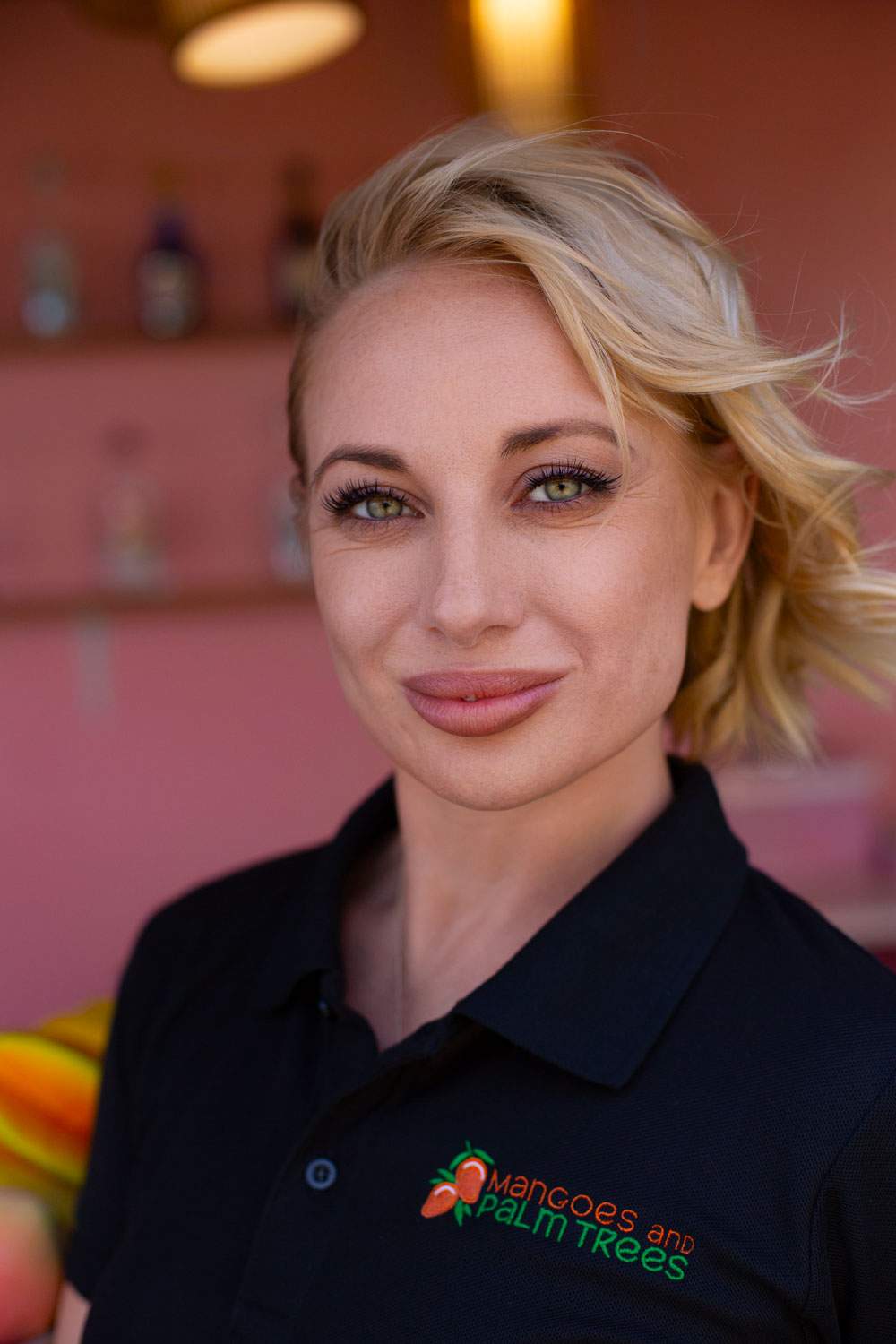
Natalia Mayerhoffer
Family and cultural voice. Her Siberian heritage, cultural knowledge and family memories contribute to stories where that perspective is relevant.
Our roles vary by story. We do not claim that every article is written, personally visited, tested or reviewed by every member of the family. Read the story behind Mangoes & Palm Trees to learn more about the publication.
Questions about our South America travel guides
What countries are in South America?
South America has 12 sovereign countries: Argentina, Bolivia, Brazil, Chile, Colombia, Ecuador, Guyana, Paraguay, Peru, Suriname, Uruguay and Venezuela. French Guiana is also on the continent, but it is an overseas department and region of France rather than an independent country.
What will I find in the South America Travel Guides collection?
This hub gives a country and region overview, links to the latest posts in the South America Travel Guides category and highlights our published food features from Peru and Chile. The archive may include destination articles, food features and recipes; each post has its own scope.
Does Mangoes & Palm Trees have a travel guide for every South American country?
No. The regional archive is growing and does not yet contain a dedicated destination guide for every country. The country directory provides geographic orientation; the linked category archive shows the posts currently assigned to this topic.
Are all the South America stories based on first-hand travel?
No. Some Mangoes & Palm Trees stories draw on personal travel or family experience; others are research-led or combine experience with research. We aim to make the scope clear within each article and do not present research as a personal visit.
Is there one best time to visit South America?
No single season suits the whole continent. Weather and travel conditions vary by latitude, altitude, coast and region. Choose the countries and places first, then check current destination-specific climate information for your travel dates.
How do I browse every post in the South America category?
Use the South America category archive link on this page to open the separate WordPress taxonomy archive. It is populated by posts assigned to the South America Travel Guides category.
How can I suggest a correction?
Contact Mangoes & Palm Trees and include the article URL, the specific detail you believe needs checking and a reliable source where possible.