Editorial standards: editorial policy · Affiliate disclosure: affiliate disclosure · Family-tested archive — updated 2026-07.
Shoulder ragu, wine and tomato
Lamb Ragu d’Abruzzo Recipe
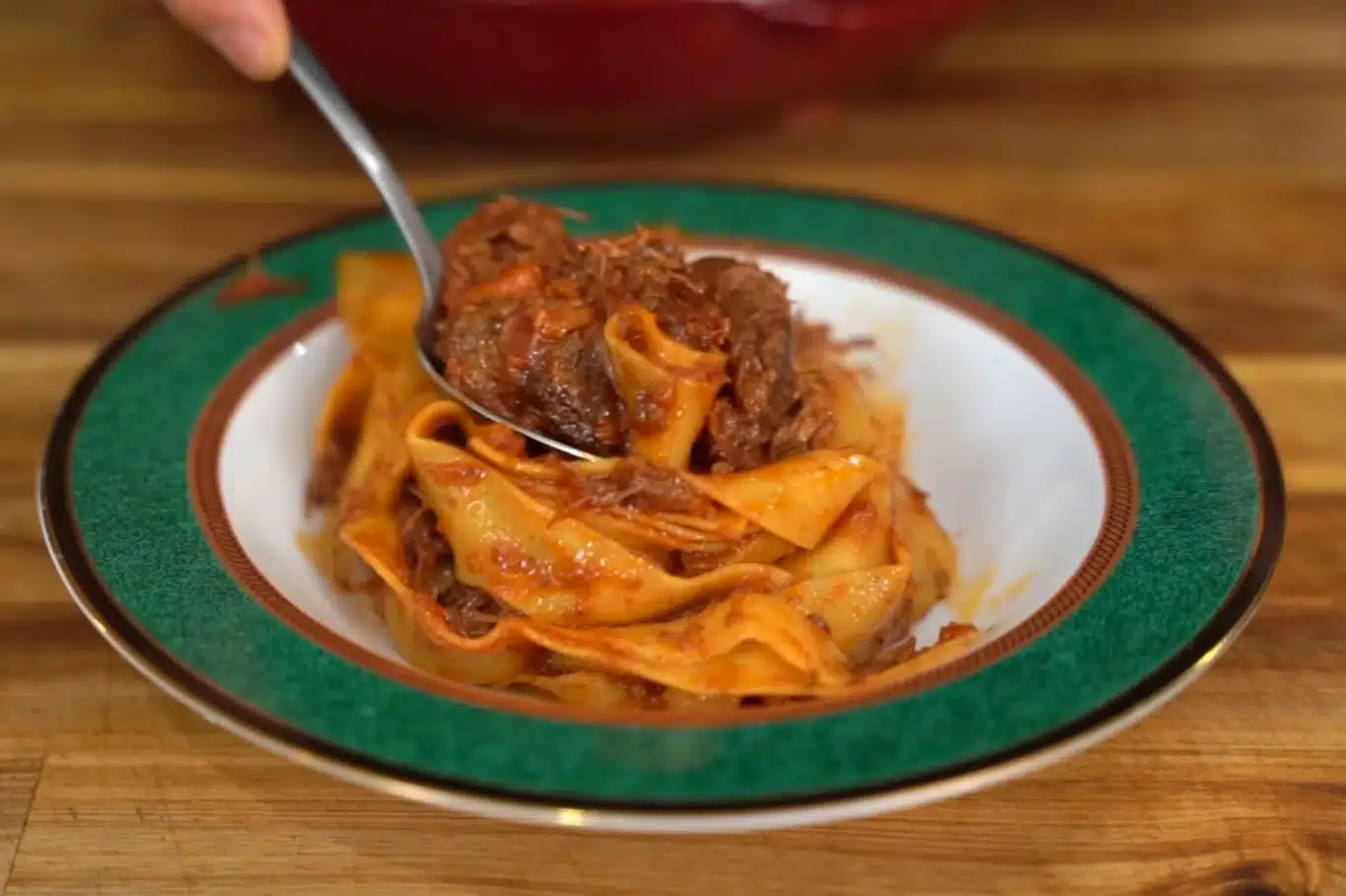
Lamb shoulder ragu with red wine and tomatoes simmers low until spoon-tender — six servings from one pot — simmered low like Abruzzo Sunday ragù until the spoon finds tender lamb.
How do you make lamb ragu d’Abruzzo?
Sear cubed lamb shoulder in batches, deglaze with red wine, then simmer with tomato paste and crushed tomatoes for one and a half to two hours until spoon-tender. Toss with al dente pasta and pasta water. Six servings take about two hours twenty minutes.
Oliver writes from Alpine and countryside kitchen notes; Natalia reviews safety and nutrition; Victor is the final vote on family plates. Jump to full recipe
Serving scaler
Scale this lamb ragu
Adjust servings — lamb, wine, tomatoes, and herbs update instantly.
From the Alps to the Apennines: A Culinary Journey
The Heritage Connection: My culinary discipline was forged in the freezing winters of the Austrian Alps (2005–2008), where I completed my kitchen apprenticeship. In those mountain kitchens, we learned that “comfort food” wasn’t just about flavor—it was about survival, warmth, and utilizing the whole animal.
This Lamb Ragu connects that Alpine heritage to the rugged Apennine mountains of Abruzzo, Italy. Unlike the refined, ground-meat ragus of Bologna, the Ragu d’Agnello is distinctively pastoral. It relies on hand-cut chunks of lamb shoulder and the woody scent of fresh rosemary—ingredients that define the transhumance trails recognized by the UNESCO Intangible Cultural Heritage list.
At Mangoes & Palm Trees, we honor this tradition but introduce our own chapter. Influenced by my time in Oman balancing Middle Eastern spices and our family’s life in the tropics, we finish this savory dish with a Mango-Rosemary Drizzle. This is our tropical take on the classic Italian agrodolce (sour-sweet) technique, designed to cut through the heavy richness of the lamb fat.
Why This Recipe Works: The Science of Shoulder
1. Collagen Hydrolysis (Texture)
To master this dish, you must understand the biology of the animal. We strictly choose Lamb Shoulder over leg for a scientific reason. Shoulder is a working muscle loaded with connective tissue called collagen.
During the 2-hour simmer at temperatures above 160°F (71°C) , this collagen hydrolyzes (breaks down) into gelatin. Food science research confirms that this gelatin is what gives the sauce its glossy, lip-smacking viscosity (mouthfeel) that lean cuts simply cannot achieve.
2. The Maillard Reaction (Flavor)
We brown the meat in small batches. If you crowd the pan, the meat temperature drops, and water releases, causing the meat to steam rather than sear (resulting in grey, rubbery meat). By giving the cubes space, high heat triggers the Maillard reaction, a chemical reaction between amino acids and reducing sugars that creates complex flavor compounds.
This creates the fond —the sticky brown bits on the bottom of the pot—which forms the savory base of our sauce.
3. Lipid & Acid Balance (The Twist)
Lamb fat has a high melting point and tends to coat the palate, which can mute flavors after a few bites. Our addition of a Lemon-Mango-Rosemary drizzle provides the necessary acidity (low pH) to “clean” the palate. This creates a vibrant contrast, making the rich ragu feel lighter and ensuring every bite tastes as dynamic as the first.
Make It Your Own: Variations
️ The “Diavola” Twist (Spicy)
Abruzzo is famous for its chili peppers (peperoncino). To heat things up, double the red pepper flakes or add a whole dried chili during the simmer. Remove before serving.
The Vegetarian Alternative
Swap the lamb for a mix of Porcini and Cremini mushrooms. The earthy umami mimics the meatiness perfectly. Check out our Vegetarian Recipes for more plant-based Italian classics.
Ragu Bianco (White Ragu)
Omit the tomato paste and crushed tomatoes. Instead, deglaze with white wine and add 1 cup of vegetable broth and a splash of cream at the end. This highlights the rosemary even more.
Perfect Wine Pairings
“What grows together, goes together.” We recommend sticking to the Abruzzo region for the ultimate pairing experience.
The Classic Red: Montepulciano d’Abruzzo
This is the non-negotiable standard. Its naturally high acidity cuts through the lamb fat, while its soft tannins don’t overpower the tender meat. Look for the DOCG label for quality.
The Surprise White: Pecorino
Not the cheese, but the wine! A structured white wine from Abruzzo with floral notes and high minerality. Ideally served if you are making the “White Ragu” variation.
Nutrition Snapshot
Why Lamb Shoulder? Beyond flavor, lamb is an excellent source of Heme Iron (approx. 3mg per serving) and Zinc (5mg), essential for immune function.
The slow cooking process also breaks down connective tissue into gelatin , which is beneficial for gut health.
- Calories: 300 kcal
- Protein: 25g
- Fat: 15g
- Carbs: 10g
*Nutritional values are estimates per serving without pasta. Consult a professional for specific dietary needs.
Explore More Global Flavors
If you loved this rustic Italian classic, continue your culinary journey with these related guides from our family kitchen.
Lamb ragu d’Abruzzo
Ingredients
- 1.5 lb lamb shoulder, cubed
- 28 oz crushed tomatoes (San Marzano if available)
- 1 cup red wine (Montepulciano d’Abruzzo or Cabernet)
- 2 tbsp tomato paste
- 2 tbsp olive oil
- 4 garlic cloves, minced
- 2 sprigs rosemary
- 2 bay leaves
- 1 tsp thyme
- ¼ tsp red pepper flakes
- Salt and pepper to taste
- Pappardelle or pasta for serving
- Optional: 1 tbsp mango puree + 1 tsp lemon for agrodolce
Method
- Sear: Pat lamb dry; brown in olive oil in batches 6–8 minutes; set aside.
- Deglaze: Soften aromatics; add wine and scrape fond; stir in tomato paste and crushed tomatoes.
- Simmer: Return lamb; cover and simmer low 1.5–2 hours until spoon-tender.
- Finish: Toss with al dente pasta and a splash of pasta water; optional mango agrodolce drizzle.
How do you store and freeze lamb ragu?
Cool completely before refrigerating or freezing; reheat gently and loosen with a splash of water or wine.
| Method | Instructions | Duration |
|---|---|---|
| Refrigerator | Airtight container; reheat on the stove. | Up to 4 days |
| Freezer | Freeze sauce without pasta; thaw overnight. | Up to 3 months |
| Slow cooker | Sear and deglaze first; then Low 6–8 hours. | Until tender |
Abruzzo-style lamb shoulder ragu
This ragu leans on lamb shoulder collagen for a glossy sauce—sear hard, wine deglaze, then a long low simmer until the meat falls apart.
For another slow sauce night, see the recipe index or a lighter plate like crispy chicken salad.
Keep exploring after lamb ragu
Slow sauce routing—venison, Middle Eastern chicken, divan, and recipe index.
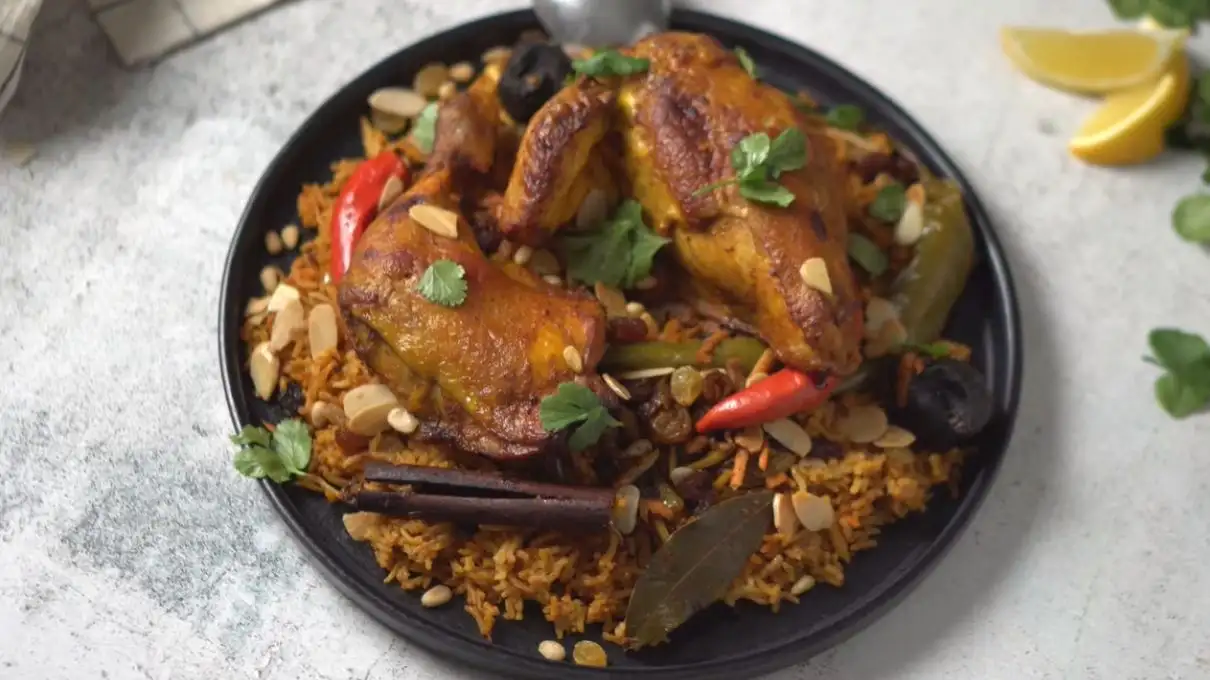
- Meat: Venison cube steak · Middle Eastern chicken
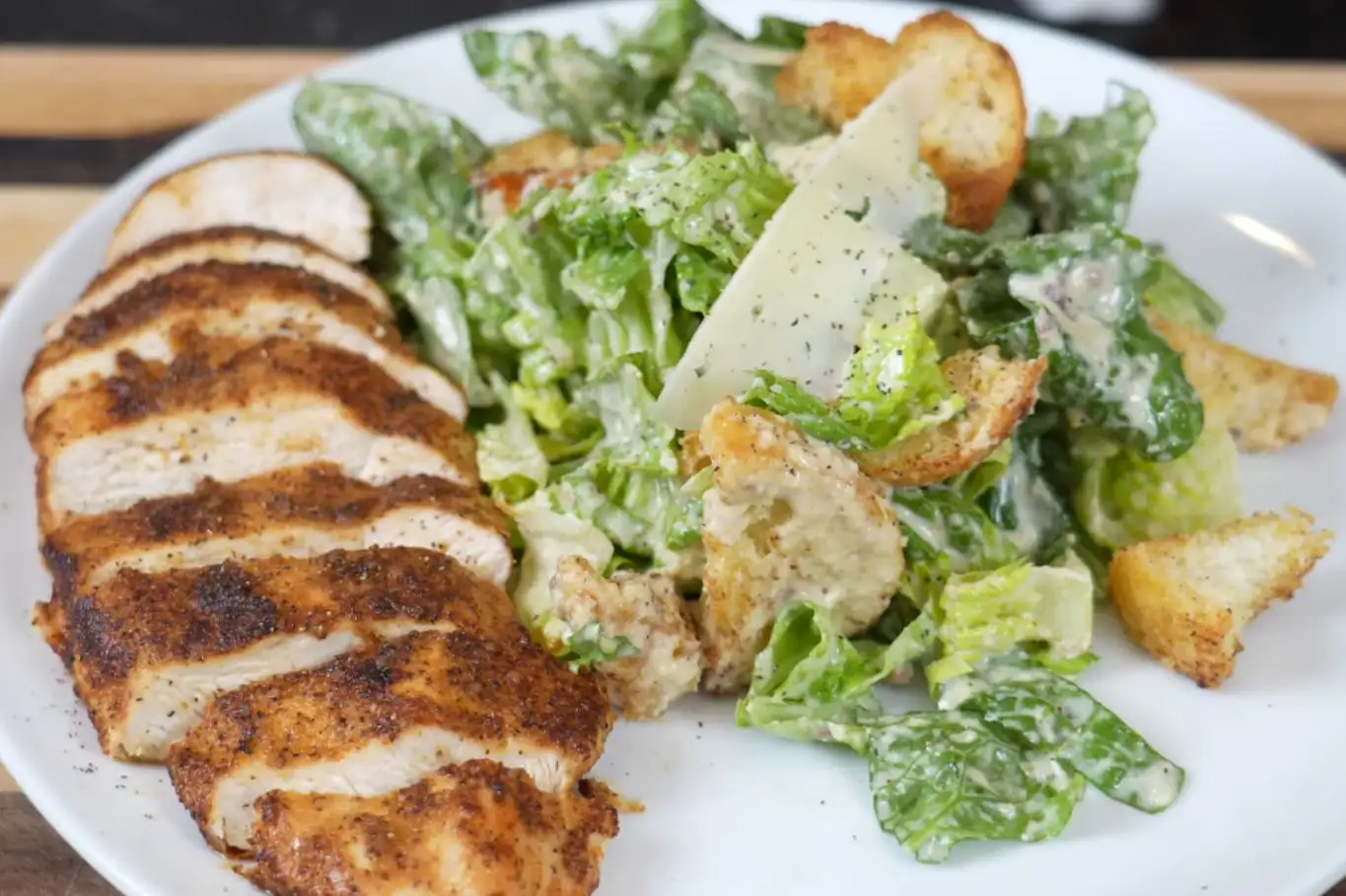
- More: Chicken divan · Crispy chicken salad
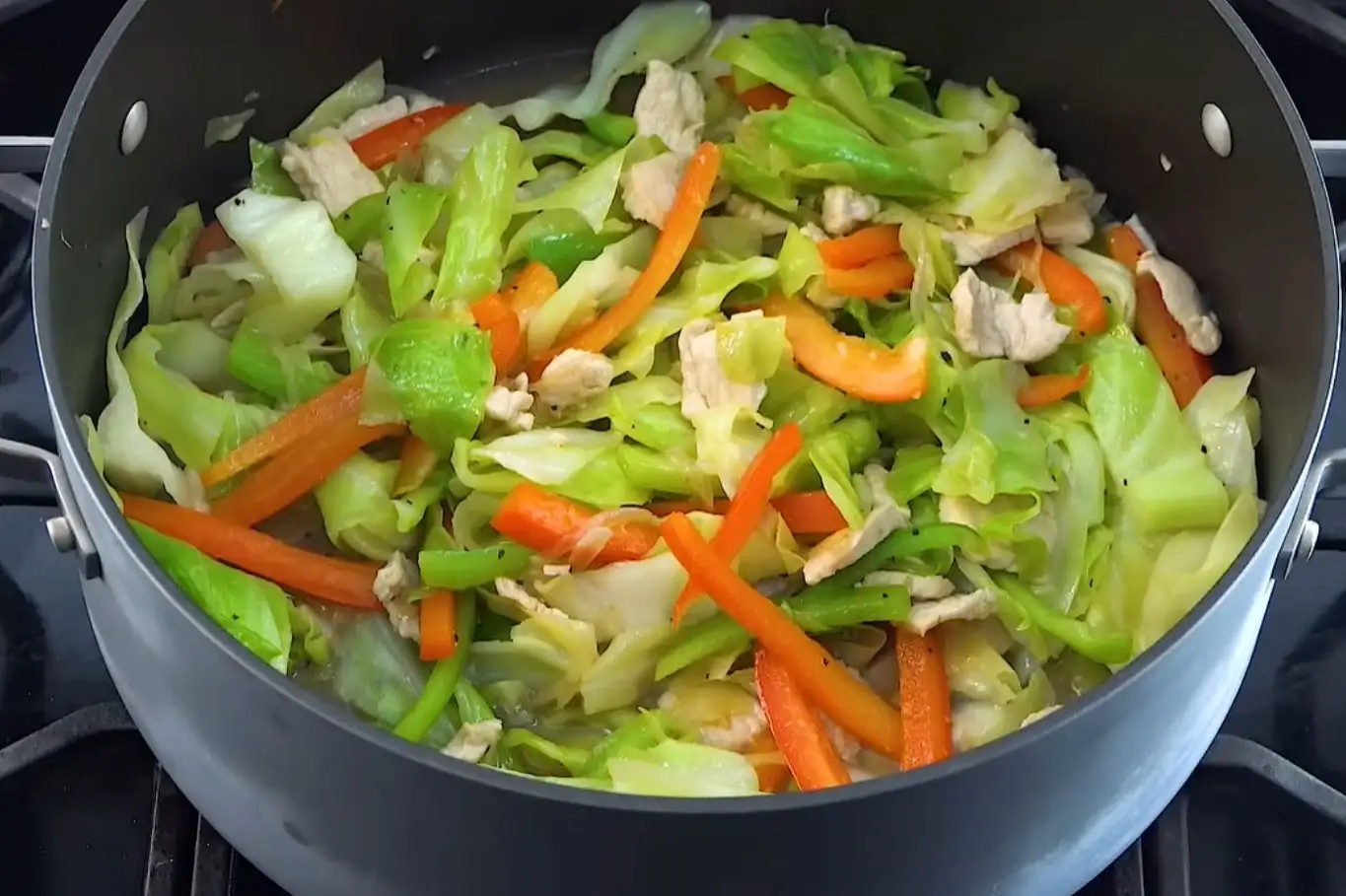
- Archive: Hmong cabbage chicken · Recipe index
- Who we are: Oliver Mayerhoffer · Natalia Mayerhoffer · Editorial policy
Questions we hear often
Can I make lamb ragu in a slow cooker?
Can I freeze lamb ragu?
Why use lamb shoulder instead of leg?
What pasta pairs best?
What wine should I use?
How do I know the lamb is done?
Victor tested it. Here is the honest verdict.
What Victor said
Victor is the final vote on family plates — age 9 in 2026.
Oliver's honest note
Structural testing and reflux-safe ingredient choices — editorial field notes only.
Meet the Mayerhoffers
“Free-spirited food adventurers, culture-seekers, and the guardians of 15 years of global memories.”

Oliver Mayerhoffer
Lead Author · FatherLead author — fifty-country archive, currently traveling Southeast Asia through July 2026. Oliver brings field-tested recipe structure and honest weeknight notes from family kitchens abroad.

Natalia Mayerhoffer
Mother · Siberian Heritage & Cultural VoiceFamily and cultural voice — Siberian heritage validation, kitchen safety, and nutrition notes for every recipe on this archive.
“Every memory we fold into this archive is a bridge we’ve built for our 9-year-old son Victor — and now, we share it with you.”
Explore Our Full Family ArchiveSources and safety notes
USDA FSIS — safe food handling and preparation
simmer and leftover safety
Read sourceUSDA FoodData Central
lamb and tomato nutrition reference
Read sourceFDA — selecting and serving produce safely
herb and produce handling
Read sourceEditorial field notes
Family field notes — Mayerhoffer lamb ragu d’Abruzzo tests, July 2026 Southeast Asia season
Enjoying our content? Make Mangoes & Palm Trees a preferred source on Google.
Explore next

Slow sauce routing
Lamb ragu linked to venison, Middle Eastern chicken, divan, and recipe index.