Editorial standards: editorial policy · Affiliate disclosure: affiliate disclosure · Family-tested archive — updated 2026-07.
Stir-fry with fish sauce and lime
Hmong Cabbage and Chicken Recipe
Shredded cabbage, seared chicken to 165°F, and a fish-sauce lime finish in about forty minutes—family-tested from Austrian kitchens through July 2026 rental kitchens across Southeast Asia.
How do you make Hmong cabbage and chicken?
Marinate diced chicken in soy, garlic, and ginger, sear until golden, then simmer to 165°F. Stir-fry shredded cabbage until tender-crisp, toss with carrots and onion, and finish with fish sauce, soy, and lime. Four servings take about forty minutes—family-tested July 2026 Southeast Asia kitchens.
Oliver writes from Southeast Asia fieldwork through July 2026; Natalia reviews safety and nutrition notes; Victor is the final vote on family plates. Jump to full recipe
Serving scaler
Scale this Hmong cabbage and chicken
Adjust servings — chicken, cabbage, sauces, and aromatics update instantly.
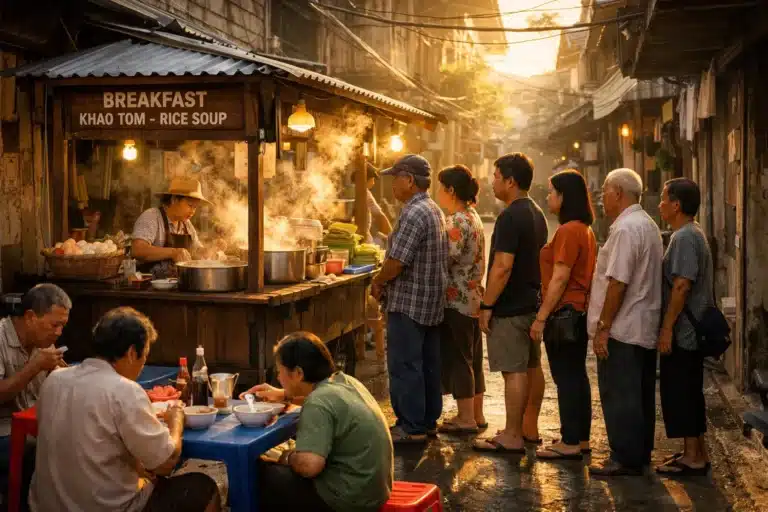
Introduction to Hmong Cuisine
Hmong cuisine is a vibrant mix of flavors, reflecting the culture, history, and resilience of the Hmong people. Rooted in their agrarian traditions, Hmong dishes emphasize fresh, locally sourced ingredients, resulting in healthy, flavorful meals that are both simple and profound. While lesser-known globally, Hmong food offers unique tastes and textures that captivate the palate.
Recipes like the Hmong Cabbage and Chicken recipe are often passed down through generations, carrying familial and cultural significance. This dish showcases the Hmong knack for transforming humble ingredients into delicious, nourishing meals. For more on Hmong culinary traditions, explore Hmong cuisine.
Cultural Significance
Food is central to Hmong culture, serving as a medium for family bonding and community connection. Meals are a time to gather, share stories, and express love and respect through the act of sharing. Many Hmong dishes, including this healthy Hmong dish, are prepared for festivals, weddings, and family gatherings, symbolizing unity and heritage.
The Hmong Cabbage and Chicken recipe is a beloved staple, cherished for its simplicity and bold flavors. It connects the present to the past, reflecting the Hmong people’s deep ties to their roots and their ingenuity in using available resources to create memorable meals.
Popular Ingredients
Hmong cuisine relies on fresh, natural ingredients, with vegetables like cabbage, leafy greens, and herbs taking center stage. These are often grown locally, ensuring maximum freshness and flavor. Proteins such as chicken, pork, and fish are common, typically seasoned with aromatics like garlic, ginger, and lemongrass to add depth and complexity.
Rice, a cornerstone of Hmong meals, complements the savory flavors of main dishes, providing balance and sustenance. The Hmong Cabbage and Chicken recipe exemplifies this approach, combining crisp cabbage, tender chicken, and a medley of spices for a harmonious blend of textures and tastes, making it both nutritious and satisfying.
Cabbage, chicken, and wok heat
This Hmong-inspired stir-fry is our weeknight fallback when cabbage is cheap and chicken needs a bright finish—fish sauce, lime, and a hard sear to 165°F.
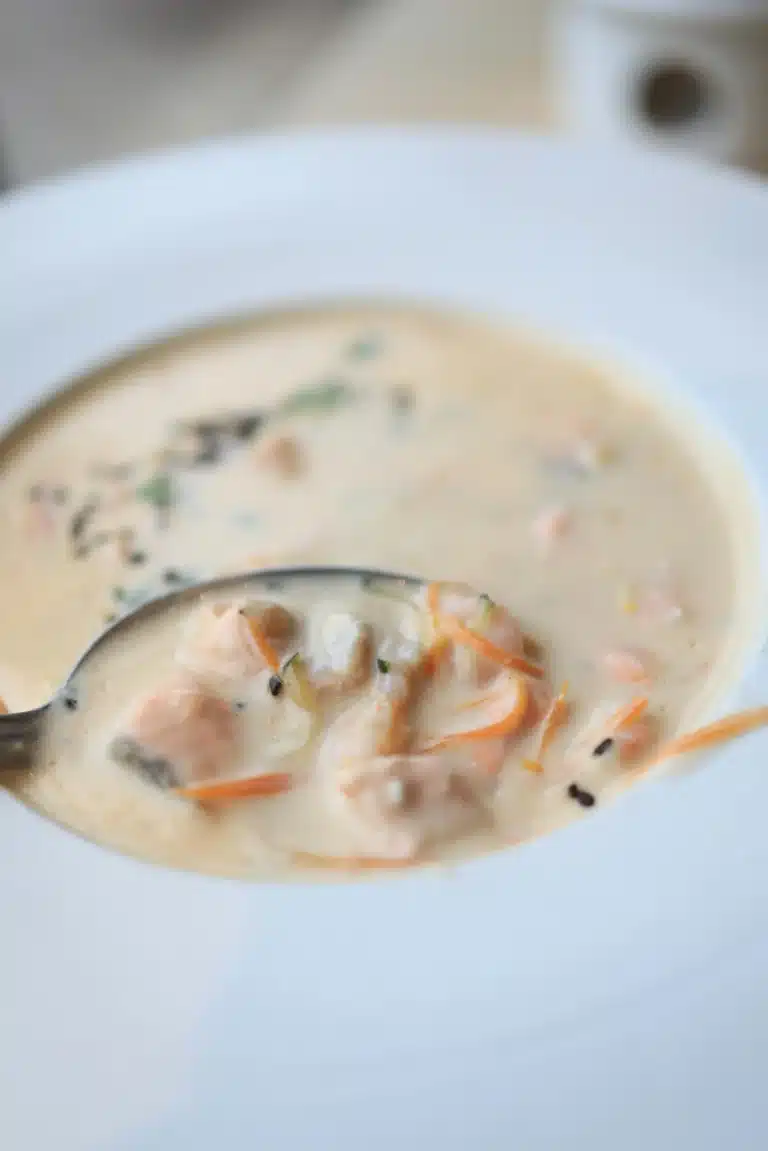
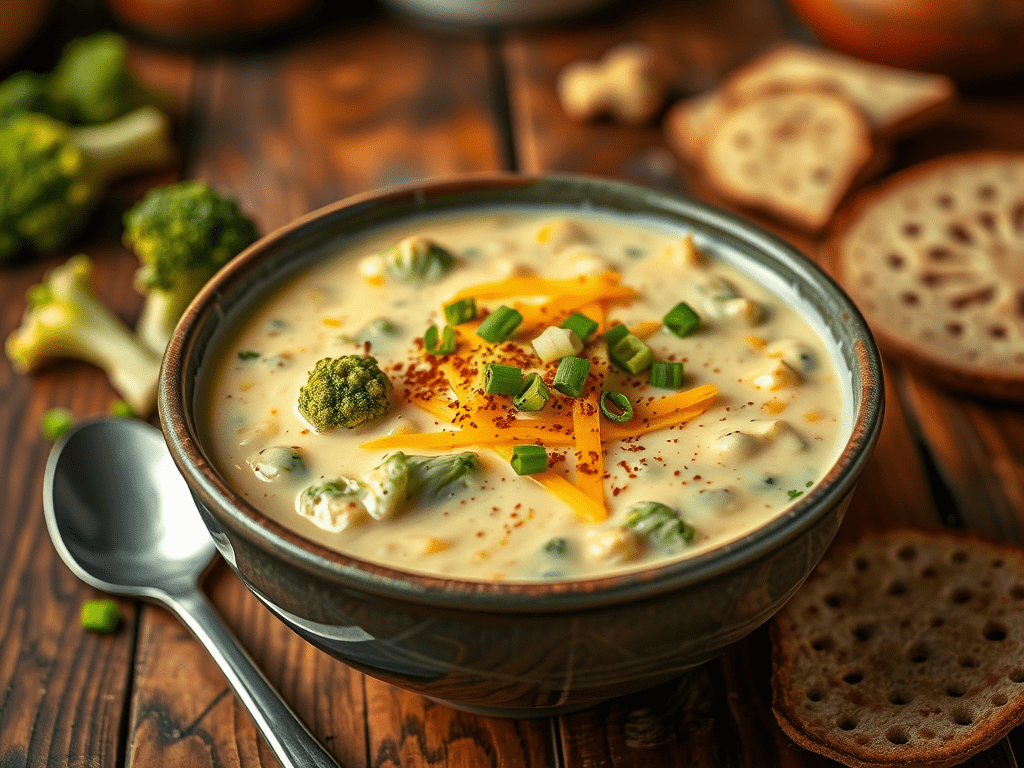
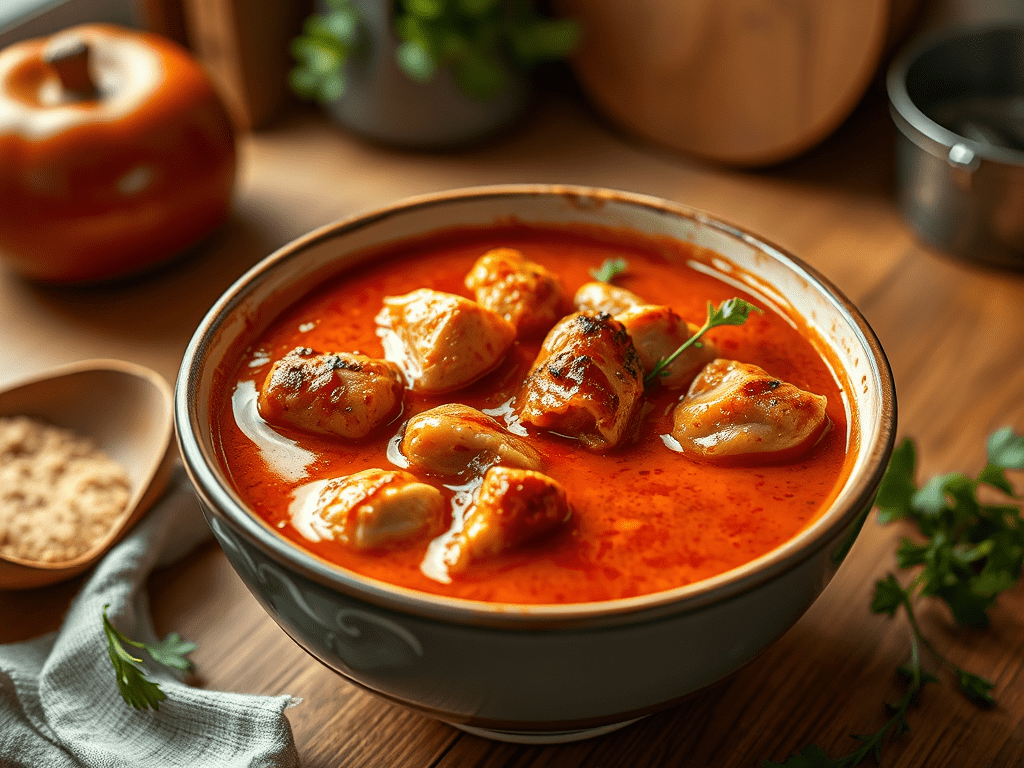
On soup nights we pivot to Cajun broccoli cheese soup or smoky chicken tomato bisque instead of the skillet.
Hmong cabbage and chicken
Ingredients
- 1 lb chicken breast or thighs, boneless, diced
- 3 cups cabbage, shredded
- 1 cup carrots, thinly sliced
- 1 large onion, sliced
- 3 cloves garlic, minced
- 1 tbsp minced ginger
- 1 bunch green onions, chopped
- 1 cup bell peppers, sliced (optional)
- 2 tbsp soy sauce
- 2 tbsp fish sauce
- 1 tbsp lime juice
- 1 tbsp vegetable or sesame oil
- 1 tsp salt
- ½ tsp black pepper
Method
- Marinate: Toss chicken with soy sauce, garlic, ginger, and black pepper. Cover and refrigerate at least thirty minutes.
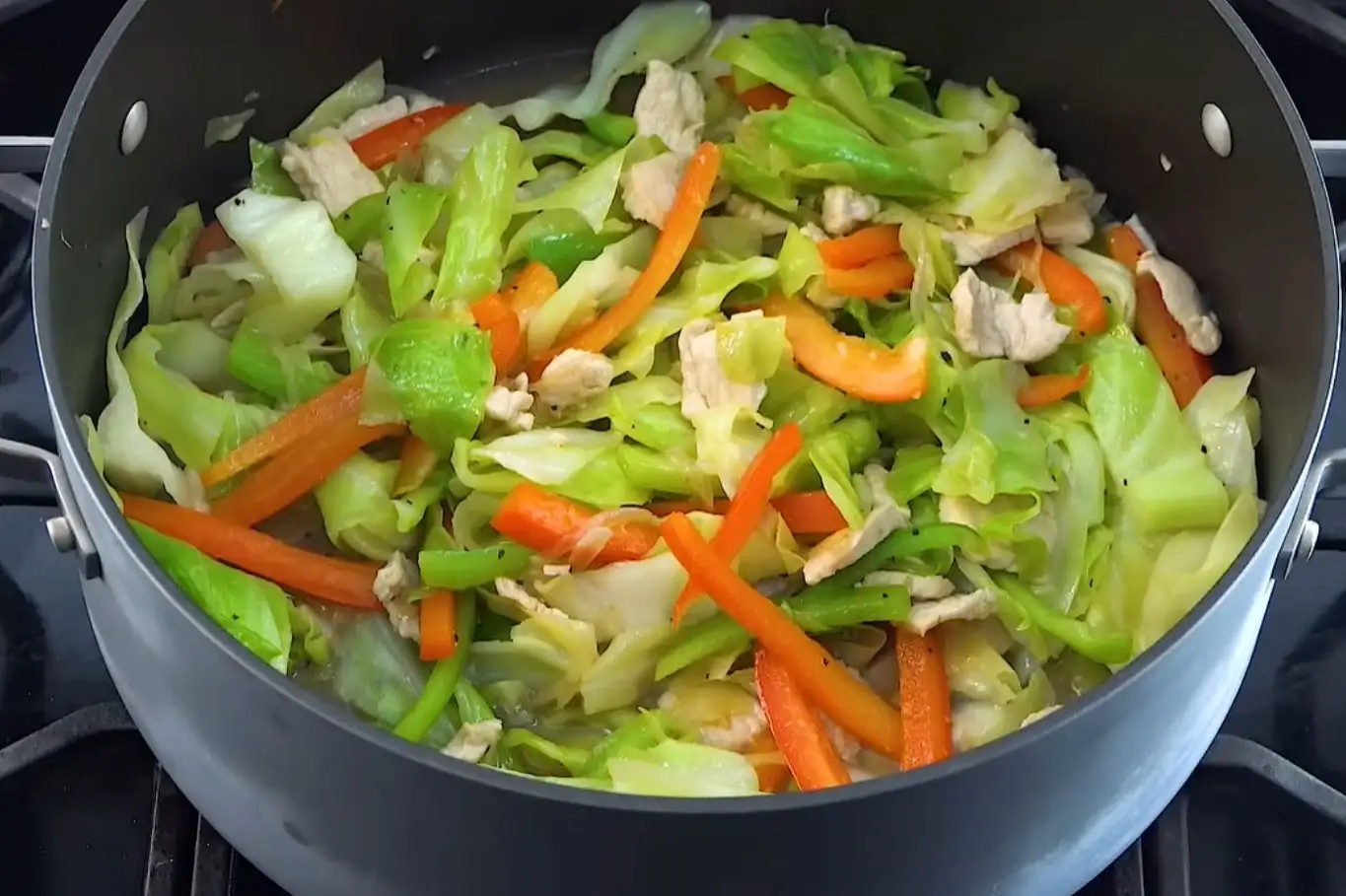
- Cabbage: Heat oil in a skillet; stir-fry shredded cabbage five to seven minutes until tender-crisp. Season with salt, pepper, fish sauce, and soy sauce one to two minutes.
- Sear chicken: In a second pan, sear marinated chicken four to five minutes per side. Add a splash of broth or water; cover and simmer until 165°F, about ten to fifteen minutes.
- Combine: Add chicken, carrots, onion, and optional peppers to the cabbage. Toss three to five minutes; finish with fish sauce, soy sauce, and lime juice.
- Serve: Garnish with green onions. Serve hot with steamed rice.
Preparation Tips
Chopping Techniques
Begin by thoroughly washing the cabbage under cold water, removing any wilted or damaged outer leaves. Shred the cabbage into thin, uniform strips to ensure even cooking and a pleasant texture. Wash and shred cabbage just before cooking for the crispest bite.
For the chicken, use boneless, skinless breasts or thighs and cut into bite-sized chunks using a sharp knife for clean, precise cuts. Slice carrots thinly, chop onions and bell peppers into strips, mince garlic finely, and chop green onions for garnish. Use separate cutting boards for vegetables and meat to avoid cross-contamination, ensuring hygiene and flavor integrity.
Marinating the Chicken
Marinating the chicken enhances its flavor and tenderness. In a bowl, combine 1 lb diced chicken with 2 tbsp soy sauce, 1 tbsp minced garlic, 1 tbsp minced ginger, and 1/2 tsp black pepper. Mix well to coat evenly, then cover and refrigerate for at least 30 minutes (or up to 2 hours for deeper flavor).
This step infuses the chicken with savory, aromatic notes, ensuring it pairs perfectly with the crisp cabbage.
Cooking the Chicken
Perfect Searing
Heat a large skillet or wok over medium-high heat and add 1 tbsp vegetable oil (or sesame oil for extra flavor). Once the oil is shimmering, add the marinated chicken pieces in a single layer, avoiding overcrowding to ensure proper searing. Cook for 4-5 minutes per side until golden brown and slightly crispy, using tongs to flip.
Use a meat thermometer to confirm the internal temperature reaches 165°F (74°C) for safety. Work in batches if necessary, adding more oil as needed.
Maintaining Juiciness
After searing, reduce the heat to medium-low and add 1/2 cup chicken broth or water to the skillet to create steam, keeping the chicken moist. Cover with a lid and simmer for 10-15 minutes, allowing the chicken to cook through gently while retaining its juices. Alternatively, for a hands-off approach, transfer seared chicken to a slow cooker with 1/2 cup broth and cook on low for 4-6 hours for ultra-tender results.
Let the chicken rest for 5 minutes before combining with the cabbage, allowing the juices to redistribute for maximum tenderness. This step ensures every bite is moist and flavorful.
Preparing the Cabbage
Sautéing Methods
Wash the cabbage thoroughly, removing any tough outer leaves, and shred into thin slices for even cooking. Heat a large skillet or wok over medium heat with 1 tbsp vegetable oil. Once hot, add 3 cups shredded cabbage and stir frequently, cooking for 5-7 minutes until tender but still slightly crisp.
Avoid overcooking to preserve the cabbage’s texture and natural sweetness.
Seasoning the Cabbage
Season the cabbage to enhance its flavor. Add 1 tsp salt and 1/2 tsp black pepper, stirring to coat evenly. For an authentic Hmong touch, incorporate 1 tbsp fish sauce and 1 tbsp soy sauce, adding umami depth.
Include 1 tsp minced garlic or 1/2 tsp garlic powder for aromatic richness. Cook for 1-2 minutes to meld the flavors, tasting and adjusting seasoning as needed. The cabbage is now ready to combine with the chicken.
Combining Ingredients
Mixing Techniques
In the same skillet or wok used for the cabbage, add the seared chicken back to the pan with the sautéed cabbage. Include 1 cup thinly sliced carrots, 1 large sliced onion, and 1 cup sliced bell peppers (if using) for added color and crunch. Gently toss over medium heat for 3-5 minutes to combine, ensuring the ingredients are evenly distributed.
This method blends the textures and flavors while keeping the vegetables crisp.
Balancing Flavors
To balance the dish, add 1 tbsp minced garlic and 1 tbsp minced ginger for a zesty kick, enhancing the chicken’s savory profile. Pour in 1 tbsp fish sauce and 1 tbsp soy sauce for umami depth, stirring to coat evenly. For a fresh, tangy finish, squeeze in the juice of half a lime (about 1 tbsp).
Taste and adjust with additional salt, pepper, or chili peppers (2-3 chopped, optional) for heat. This careful balancing ensures a vibrant, well-rounded flavor in every bite.
Serving Suggestions
Ideal Side Dishes
Pairing this authentic Hmong recipe with complementary sides creates a balanced, satisfying meal. Consider these options:
- Steamed Rice: Fluffy jasmine or sticky rice soaks up the savory juices, complementing the stir-fry’s flavors.
- Fresh Spring Rolls: Filled with herbs and vegetables, these add a refreshing crunch and pair well with a dipping sauce.
- Stir-Fried Vegetables: A mix of broccoli, snap peas, or zucchini adds color and nutrients.
- Simple Salad: A light Crispy Chicken Salad with a tangy dressing balances the dish’s richness.
Presentation Tips
Elevate the visual appeal of your dish with these presentation tips:
- Use a Large Plate: A wide, white plate showcases the dish’s vibrant colors and looks elegant.
- Garnish with Fresh Herbs: Sprinkle chopped cilantro or green onions on top for a pop of color and freshness.
- Arrange Neatly: Place chicken pieces atop the cabbage for a clean, appetizing presentation.
- Serve Sides in Small Bowls: Keep the stir-fry as the focal point by serving sides in separate, small dishes.
A well-presented dish enhances the dining experience, making it as delightful to the eyes as it is to the palate.
How do you store leftovers?
Cool the stir-fry, then refrigerate or freeze so the cabbage stays crisp and the chicken reheats safely.
| Method | Instructions | Duration |
|---|---|---|
| Refrigerator | Airtight container; reheat gently in a skillet with a splash of water. | Up to 3 days |
| Freezer | Freeze cooled portions flat; thaw overnight before reheating to 165°F. | Up to 2 months |
| Make-ahead | Marinate chicken up to 2 hours; shred cabbage the morning of cooking. | Same day |
Health Benefits of Hmong Cabbage and Chicken Dish
Nutritional Value
Cabbage is a low-calorie vegetable packed with essential nutrients. It’s an excellent source of vitamin C (supports immune health), vitamin K (promotes bone health), and dietary fiber (aids digestion). For more on cabbage’s benefits, see Healthline.
Chicken provides high-quality lean protein, crucial for muscle repair and overall body function. It’s also rich in B vitamins (like B6 for metabolism) and selenium (an antioxidant for cell protection). Together, these ingredients create a balanced, nutrient-dense meal that supports overall wellness.
Dietary Considerations
This dish is versatile for various dietary needs. It’s naturally low in carbohydrates, making it suitable for low-carb or keto diets. The recipe is also gluten-free when using gluten-free soy sauce and fish sauce, ideal for those with gluten sensitivities (see our Gluten-Free Meal Plans).
For a lighter option, use skinless chicken breast to reduce fat and calories. Adjust seasoning to lower sodium by using low-sodium soy sauce or reducing fish sauce. These adaptations make the dish customizable without sacrificing flavor.
Variations and Tips
Vegetarian Option
Replace chicken with firm tofu or tempeh for a plant-based version. Marinate and cook the tofu similarly to absorb the savory flavors, pairing it with the cabbage and vegetables for a hearty, protein-rich dish.
Spicy Variation
For a fiery kick, increase the chili peppers to 4-5 or add 1 tsp chili oil during cooking. Incorporate 1/2 tsp red pepper flakes for extra heat, balancing with a splash of lime juice to maintain flavor harmony.
Cooking Tips
- Prep Ahead: Chop vegetables and marinate chicken in advance to save time. Store prepped ingredients in airtight containers in the refrigerator for up to 24 hours.
- High Heat for Stir-Fry: Use a wok or large skillet on medium-high heat to achieve a quick sear and preserve vegetable crispness.
- Taste and Adjust: Sample the dish before serving, adjusting with soy sauce, fish sauce, or lime juice to perfect the flavor balance.
Keep exploring after Hmong cabbage chicken
Chicken skillet routing—Cajun broccoli soup, divan, Golden Corral chicken, and recipe index.
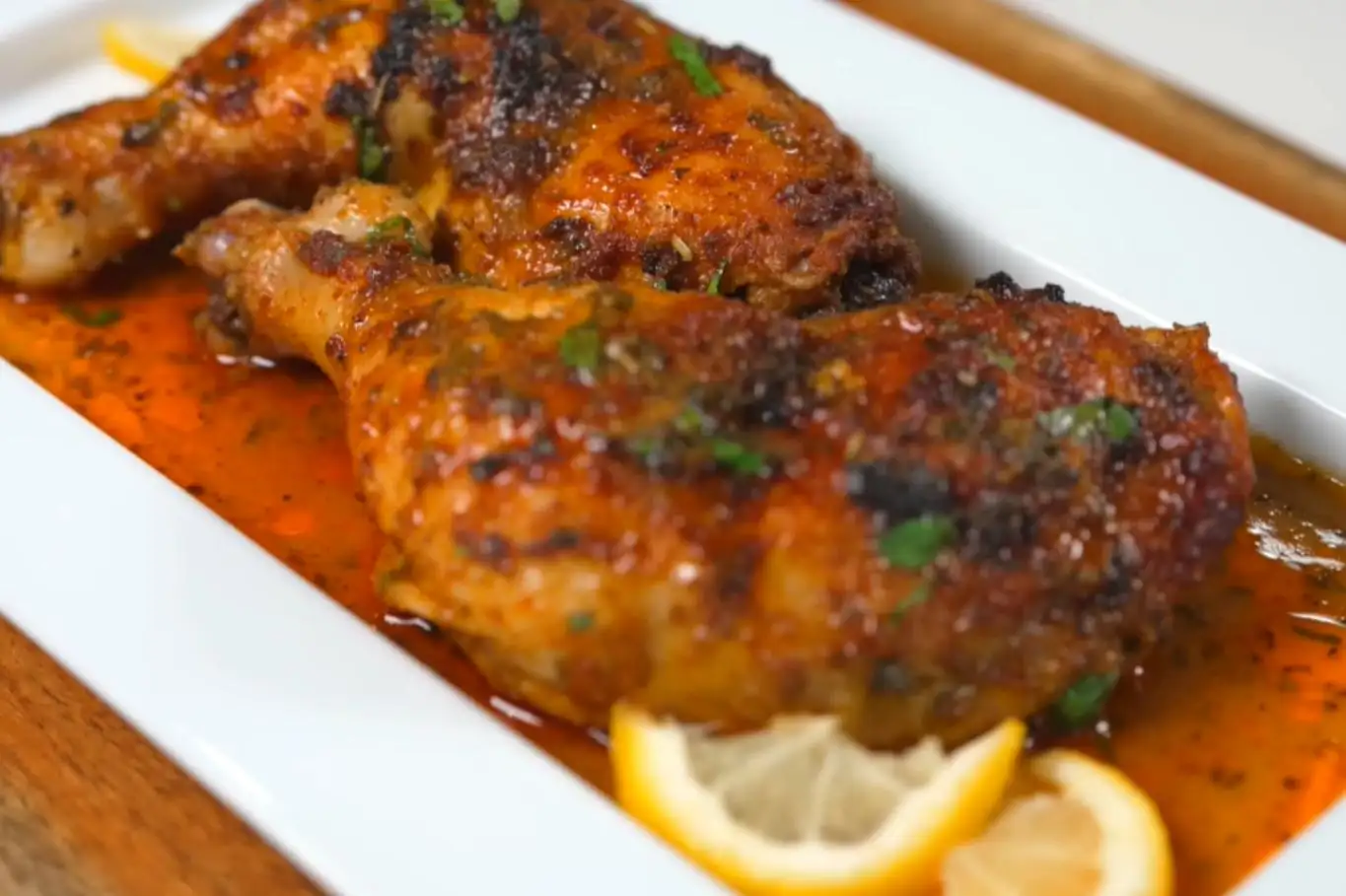
- Chicken: Chicken divan · Golden Corral chicken
- Bowls: Cajun broccoli soup · Tomato bisque
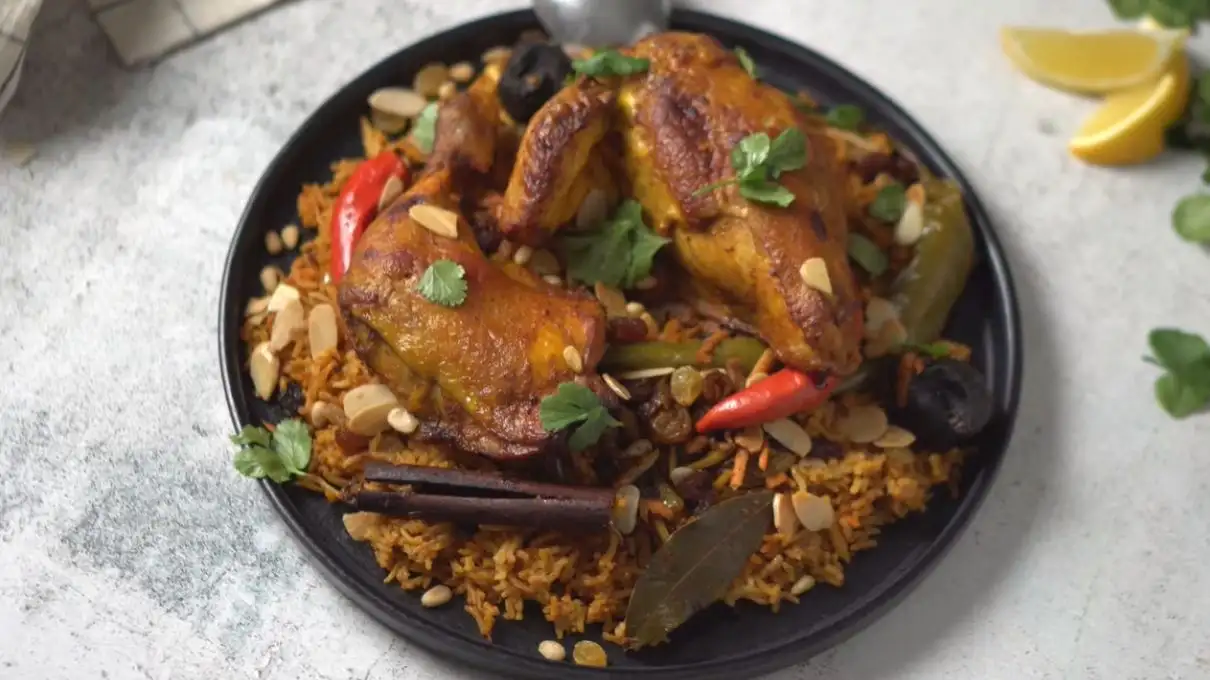
- More: Middle Eastern chicken · Recipe index
- Who we are: Oliver Mayerhoffer · Natalia Mayerhoffer · Editorial policy
Questions we hear often
What ingredients are needed for Hmong cabbage and chicken?
How do you cook Hmong cabbage and chicken?
Can I use other vegetables in this recipe?
How long does it take to prepare?
Is this recipe gluten-free?
Can I make it vegetarian?
Victor tested it. Here is the honest verdict.
What Victor said
Victor is the final vote on family plates — age 9 in 2026.
Oliver's honest note
Structural testing and reflux-safe ingredient choices — editorial field notes only.
Meet the Mayerhoffers
“Free-spirited food adventurers, culture-seekers, and the guardians of 15 years of global memories.”

Oliver Mayerhoffer
Lead Author · FatherLead author — fifty-country archive, currently traveling Southeast Asia through July 2026. Oliver brings field-tested recipe structure and honest weeknight notes from family kitchens abroad.

Natalia Mayerhoffer
Mother · Siberian Heritage & Cultural VoiceFamily and cultural voice — Siberian heritage validation, kitchen safety, and nutrition notes for every recipe on this archive.
“Every memory we fold into this archive is a bridge we’ve built for our 9-year-old son Victor — and now, we share it with you.”
Explore Our Full Family ArchiveSources and safety notes
FDA — selecting and serving produce safely
cabbage and produce handling reference
Read sourceUSDA FoodData Central
chicken and cabbage nutrition reference
Read sourceUSDA FSIS — safe food handling and preparation
poultry 165°F safe cooking reference
Read sourceEditorial field notes
Family field notes — Mayerhoffer Hmong cabbage chicken tests, July 2026 Southeast Asia season
Enjoying our content? Make Mangoes & Palm Trees a preferred source on Google.
Explore next


Chicken and cabbage routing
Hmong stir-fry linked to Cajun broccoli soup, chicken divan, Golden Corral chicken, and recipe index.