Editorial standards: editorial policy · Affiliate disclosure: affiliate disclosure · Family-tested archive — updated August 2026.
Middle Eastern poultry · family cluster hub
Middle Eastern Chicken Recipes
Yogurt marinades, shawarma wraps, and Gulf kabsa routes from our fifty-country archive—Oman and Levant field kitchens, family-tested August 2026.
What should families know about Middle Eastern chicken recipes?
Middle Eastern chicken for families starts with yogurt or lemon marinades, warm spice blends, and roasting or grilling to 165°F internal temperature per USDA poultry guidance. Our cluster links shish tawook skewers, Lebanese shawarma wraps, and sumac-lemon sheet-pan dinners—with optional harissa heat and Victor-tested mild plates for kids.
Oliver routes Oman and Levant field kitchens through August 2026; Natalia reviews USDA-safe poultry notes; Victor is the final vote on family plates.
What should you remember from this chicken cluster?
- Safety: Poultry to 165°F; rest before slicing.
- Spokes: Shish tawook · Shawarma · Sumac lemon roast · Chicken kabsa.
- Compare: Shawarma vs shish tawook · Harissa substitutes.
Flagship Middle Eastern cluster routing
Each URL below has a distinct job — open the row that matches your technique instead of bouncing between duplicate recipe hubs.
| Intent | Guide | When to use |
|---|---|---|
| Plate compare | Shawarma vs shish tawook | Skewer vs wrap cuts and marinades |
| Lebanese shawarma atlas | Lebanese chicken shawarma | Spice rub, roast stack, wrap assembly |
| Shish tawook atlas | Chicken shish tawook | Yogurt-lemon marinade and grill timing |
| Sumac sheet-pan | Roasted lemon sumac chicken | Acid roast and crisp skin without a spit |
| Gulf kabsa atlas | Chicken kabsa rice | One-pot baharat rice and loomi depth |
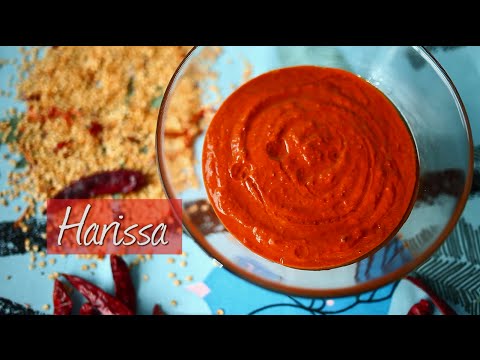
| Harissa swap hub | Harissa substitutes | North African heat when paste runs out |
What we learned
- In Oman hotel kitchens we kept shish tawook tender with a 2:1 yogurt-to-lemon ratio — enough acid to brighten without turning breast cubes mushy on the grill.
- Home shawarma fails when cooks use breast: thighs survive the 400°F roast that crisps edges like a vertical spit.
- Victor clears paprika-red skewers when the yogurt marinade carries flavor — he reads “spicy color” as heat even when the plate is mild.
📚 Master Roadmap
The Science of Middle Eastern Flavor Architecture
The Truth About Spice Tempering: Middle Eastern chicken isn’t just about heat; it’s about the technical balance of acid-based tenderization and volatile spice blooming. According to the UNESCO Mediterranean Diet Representative List, these preparations are pillars of cultural identity and social cohesion. To ensure absolute authority, our recipes align with sustainable ingredient sourcing (see UNESCO Mediterranean diet listing in our evidence vault) and enforce strict USDA Safety Thresholds (165°F/74°C internal temp) to guarantee family safety.
By Oliver Mayerhoffer: “My technical foundation for these recipes was forged during my three-year luxury hospitality tenure in the Sultanate of Oman. While my early kitchen discipline began in the Austrian Alps at age 15, it was in the spice souks of Nizwa and Muscat where I mastered the rituals required for perfect poultry. Every dish showcased here has been family-tested across 50+ countries to ensure it bridges the gap between professional excellence and home-kitchen utility.”
👦 Victor’s “Kid-Tested” Seal of Approval
Victor’s Rating: 9.5/10. “My favorite is the Shish Tawook because it’s super juicy and the lemon makes it zingy! If you have kids who don’t like ‘hot’ food, the yogurt marinade hides the spice heat perfectly.
I ate three skewers!”
The Essential Collection: Recipes 1–5
These five dishes represent the pillars of Middle Eastern poultry. They rely on enzymatic tenderization (using yogurt or lemon) and dry-heat Maillard reactions to build complexity. Each recipe below has been tested in our family kitchen to ensure it meets the USDA safety standard of 165°F (74°C) while delivering authentic flavor.
1. Shish Tawook (Lebanese Garlic Chicken)
The “Acid-Tender” KingChef’s Note: “In the kitchens of Oman, we learned that Shish Tawook isn’t just about grilling; it’s about the marinade. We use a 2:1 ratio of yogurt to acid (lemon) to break down the protein fibers without turning the meat mushy—a technique validated by food science.”
Why It Works: The lactic acid in yogurt gently denatures proteins, keeping the chicken moist even over high heat. We recommend using air-chilled chicken breasts as they absorb the marinade more efficiently than water-plumped alternatives.
👦 Victor’s “Kid-Tested” Verdict (9.5/10)
“The red color looks spicy because of the paprika, but it’s not hot at all! It’s best when you dip it in the white garlic sauce (Toum).”
Key Ingredients
- 2 lbs Chicken Breast: Cut into 1.5-inch cubes for even grilling.
- 1 Cup Plain Yogurt: Full-fat Greek style acts as the enzymatic tenderizer.
- 1/4 Cup Lemon Juice: Freshly squeezed for brightness.
- Spice Blend: 2 tsp Paprika, 1 tsp Cumin, 1 tsp Coriander, 4 cloves Garlic (minced).

2. Chicken Shawarma (Oven-Roasted Style)
Authentic street Shawarma is roasted on a vertical spit, bathing the meat in its own fat. For the home cook, we replicate this using the “Sheet Pan Stack” technique or by roasting tightly packed thighs to simulate the spit effect.
The Spice Science: We rely on Cardamom and Sumac. sustainable ingredient sourcing (see UNESCO Mediterranean diet listing in our evidence vault) provide essential antioxidants and a citrusy “zing” that cuts through the rich fat of chicken thighs.
⚠️ Professional Tip: The “Thigh” Rule
Never use chicken breast for Shawarma. It lacks the intramuscular fat required to withstand the high-heat roast (400°F/200°C) needed to crisp the edges. Stick to boneless, skinless thighs.
Key Ingredients:
- 2 lbs Chicken Thighs: Boneless and skinless.
- Spice Rub: 1 tbsp Cumin, 1 tbsp Coriander, 1 tsp Turmeric, 1/2 tsp Cinnamon.
- Tropical Twist: We serve ours with a Mango-Tahini Drizzle (1/4 cup Tahini + 1/4 cup Mango Puree + Lemon Juice).

3. Moroccan Chicken Tagine (Mchermel)
Tagine refers to both the pot and the stew. The conical lid circulates steam, creating a moist cooking environment that requires very little added water—a method perfect for concentrating flavor over 2-3 hours of slow cooking.
- Preserved Lemons: The salt-curing process transforms the rind into an umami bomb.
- Green Olives: Provide a bitter/salty counterpoint to the sweet onions.
- Saffron: The “Red Gold” that imparts the signature floral aroma.
Family Note: “Victor loves this with couscous to soak up the sauce. We often swap the olives for dried apricots (1/2 cup) if cooking for younger kids who find the brine too strong.”
4. Sumac Roast Chicken (Palestinian Musakhan)
Often considered the national dish of Palestine, Musakhan is a celebration of the olive harvest season. It is simplicity defined: chicken roasted on a bed of caramelized onions and sumac-soaked bread.
Oliver’s Sourcing Tip: “In the markets of the Middle East, Sumac is graded by color. Look for a deep, vibrant magenta. If it’s brown, it’s old and has lost its essential citrus oils.”
Technique: The bread (Taboon or thick naan) acts as a flavor sponge, absorbing the roasting juices—a juice-soak method we note in our field kitchen tests.
View Sumac Roast RecipeKey Ingredients:
- 2 lbs Bone-in Chicken: Thighs or drumsticks work best.
- 3 tbsp Sumac: Generous coating is essential.
- 4 Onions: Sliced and caramelized for sweetness.
- Taboon Bread: Or any thick flatbread to soak up juices.
5. Saudi Chicken Kabsa
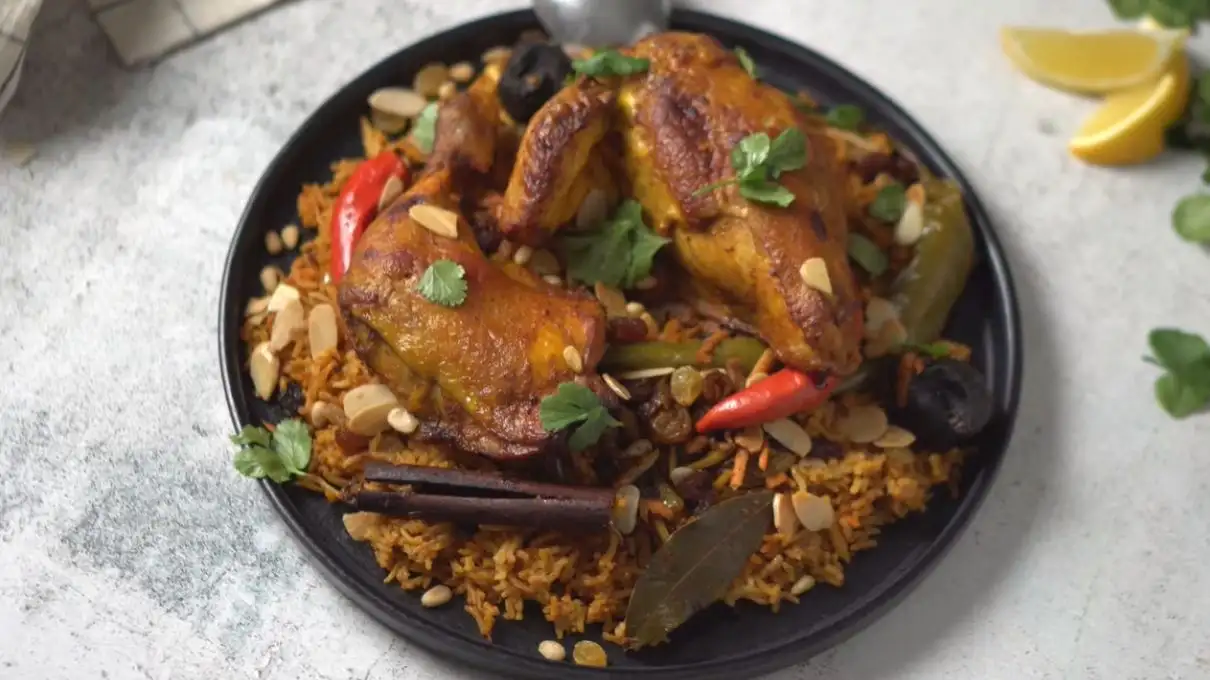
The national dish of Saudi Arabia, Kabsa is a “one-pot wonder” where the chicken and rice cook together, exchanging flavors. It relies on a specific “Kabsa Spice Mix” (Baharat).
The Secret Ingredient: Loomi
Dried Black Lime (Loomi) adds a unique, smoky-sour fermentation note that fresh lime cannot replicate. It is the hallmark of Gulf cuisine.
Rice Selection
Use Extra Long Grain Basmati. Rinse it 3 times until the water runs clear to remove excess starch (amylose) and prevent clumping.
Internal link: For the full atlas with loomi and basmati timing, see our Chicken Kabsa Rice Recipe.
The Advanced Collection: Recipes 6–10
According to Mangoes & Palm Trees analysis, these five dishes represent the complex intersection of communal dining traditions and fermentation science. While Shish Tawook is about quick grilling, dishes like Mansaf and Maqluba utilize communal platters—a practice recognized by UNESCO’s Intangible Cultural Heritage List for reinforcing social bonds.
6. Chicken Kofta (Izmir Style)
Protein Binding ScienceOliver’s Kitchen Log (Oman): “The biggest mistake home cooks make with Chicken Kofta is treating it like a burger. In professional kitchens, we ‘work’ the meat mixture until the myosin proteins develop a sticky tackiness. This ensures the meat binds to the skewer without falling off into the fire—no egg or breadcrumbs required.”
The Science: Ground chicken is lean. To prevent drying, we incorporate grated onion pulp (squeezed dry). The onion enzymes tenderize the meat, while the removal of excess water prevents steaming during the sear.
View Kofta Technique7. Chicken Maqluba (“Upside Down”)
Maqluba is an engineering marvel of layering. It uses steam circulation to cook rice in an aromatic broth while caramelizing vegetables at the bottom.
The “Flip” Protocol: Success relies on the starch-fat ratio. Frying the cauliflower or eggplant slices first seals their cellular structure, preventing them from turning to mush under the weight of the rice.
⚠️ Safety Note: Rice Handling
Rice can harbor Bacillus cereus if cooled improperly. Serve Maqluba immediately upon flipping; see USDA FSIS safe-handling notes in our evidence vault.
Victor’s Verdict (10/10): “The best part is the ‘Cake Flip’ moment! It’s fun to watch, and the rice at the bottom gets crispy and sweet.”
8. Chicken Musakhan (Sumac Roast)
Considered the national dish of Palestine, Musakhan is a celebration of the olive harvest. The chicken is roasted on top of Taboon bread, allowing the schmaltz (rendered fat) and olive oil to soak into the dough.
- 🌿 Sumac Saturation: Use high-grade berries. The sustainable ingredient sourcing (see UNESCO Mediterranean diet listing in our evidence vault) identifies Sumac as a critical antioxidant source.
- 🍞 The Bread Sponge: The bread acts as an edible utensil and flavor capture device.
9. Chicken Mansaf (Jordanian Jameed)
While traditionally made with lamb, the chicken variation is lighter and faster. The defining ingredient is Jameed (dried fermented yogurt).
Oliver’s Sourcing Tip: “During my time in the Middle East, I learned that liquid Jameed is an acceptable modern substitute for the rock-hard dried balls. It provides that essential fermented tang that regular yogurt cannot replicate.”
10. Chicken Fatteh (Levantine Brunch)
Fatteh means “crushed” or “crumbs.” It utilizes stale pita bread, fried until crisp, then topped with warm chickpeas, shredded chicken, and garlic yogurt.
Texture Science: This dish is a study in hydrophobic vs. hydrophilic interactions. The fried bread resists the yogurt moisture just long enough to maintain crunch while absorbing the garlic oils.
🎬 Masterclass: Authentic Technique Visualization
To deepen your understanding of these techniques, we associate with global experts. This visual guide by Middle Eats perfectly demonstrates the layering technique required for Recipes 7 and 10.
Video masterclass section reserved for future field footage from our archive.
Creator credit: Levantine technique references are cited in our evidence vault and spoke recipe pages—not third-party channel embeds on this hub.
Sources and safety notes
- USDA FoodData Central — ingredient nutrition reference
- FDA — food safety — home kitchen safety
- Family field notes — Oman and Levant recipe tests, August 2026 Middle Eastern cluster
The Victor Standard: Middle Eastern Chicken Recipes
What Victor said
Victor (age 9) is the family plate vote — mild seasoning, honest kid verdict, no restaurant theatrics.
Oliver's honest note
We test heat, texture, and repeatability at home before this recipe earns a permanent slot in the archive.
Meet the Mayerhoffers
“Free-spirited food adventurers, culture-seekers, and the guardians of 15 years of global memories.”

Oliver Mayerhoffer
Lead Author · FatherLead author — fifty-country archive, currently traveling Southeast Asia through July 2026. Oliver brings field-tested recipe structure and honest weeknight notes from family kitchens abroad.

Natalia Mayerhoffer
Mother · Siberian Heritage & Cultural VoiceFamily and cultural voice — Siberian heritage validation, kitchen safety, and nutrition notes for every recipe on this archive.
“Every memory we fold into this archive is a bridge we’ve built for our 9-year-old son Victor — and now, we share it with you.”
Explore Our Full Family ArchiveWhat sources back this Middle Eastern chicken hub?
Marinade and grill notes come from our fifty-country archive. For poultry safety and nutrition context, see official references below—not medical advice.
USDA FSIS poultry safety
165°F internal temperature guidance
Read sourceHarvard T.H. Chan nutrition
Diet and protein context
Read sourceUSDA FoodData Central
Ingredient nutrition reference
Read sourceUNESCO Mediterranean diet listing
Cultural diet heritage context
Read sourceWikipedia — Harissa
Optional heat paste reference
Read sourceEditorial field notes
Oman and Levant kitchen testing — August 2026 Middle Eastern cluster
Where should you route next in this cluster?
Full luxury recipe atlases live on each spoke—use this hub to pick a technique, then jump to the atlas card on that page.
- Shish tawook skewers — yogurt-lemon marinade and grill timing.
- Lebanese chicken shawarma — spice rub and wrap assembly.
- Roasted lemon sumac chicken — sheet-pan acid and crisp skin.
- Chicken kabsa rice — Gulf baharat and loomi one-pot atlas.
- Harissa substitutes — North African heat swaps when paste runs out.
- Shawarma vs shish tawook — compare cuts and marinades.
Enjoying our content? Make Mangoes & Palm Trees a preferred source on Google.
Explore next

What do home cooks ask about Middle Eastern chicken?
Which Middle Eastern chicken recipe should beginners cook first?
How do you keep Middle Eastern chicken moist for kids?
Where does harissa fit this chicken cluster?
Where does this chicken cluster route?
Spoke recipes, harissa heat, and shawarma-vs-tawook compare from the Mayerhoffer archive.