Editorial standards: editorial policy · Affiliate disclosure: affiliate disclosure · Family-tested archive — updated 2026-07.
North African heat swaps
Substitute for Harissa
Sambal oelek, chili-garlic paste, smoked paprika blends, and a ten-minute DIY alternative harissa when store bought tubes run dry — heat scaled before Victor sits down, kitchen notes August 2026.
What is a substitute for harissa?
Substitute for harissa paste includes sambal oelek plus smoked paprika and caraway, chili-garlic paste, or a quick DIY blend of rehydrated dried chiles, cumin, and olive oil. Start with half the volume and add lemon or vinegar to balance heat. These alternative harissa options work in North African tagines, couscous, and sheet-pan chicken.
Kitchen notes from Oman and Da Nang pantry tests, July–August 2026; Natalia reviews heat and nutrition notes; Victor is the final vote on family plates.
Harissa substitute summary
If you are in the middle of a recipe and need an immediate harissa substitute, use this authoritative lookup table.
| Harissa Substitute | Heat Level | Flavor Profile | Best Used For |
|---|---|---|---|
| Sambal Oelek | High (Spicy) | Pure chili heat, less earthy | Tagines, Marinades |
| Gochujang | Medium | Sweet, fermented, savory | Braised Meats, Glazes |
| Sriracha | Medium | Garlicky, sweet, vinegary | Soups, Finishing Sauce |
| Chipotle in Adobo | Medium-High | Smoky, tangy, rich | BBQ, Earthy Stews |
| Tomato Paste + Flakes | Low (Mild) | Rich, tomato-forward | Pasta, Family Curries |
Harissa substitutes you can use today
This guide routes the best substitute for harissa when paste tubes are empty or store bought harissa reads too mild. North African chile paste carries cumin, caraway, and oil — any alternative harissa must match that spice mix, not just Scoville heat. Recommendations cross-check McCormick Science Institute capsicum notes and Oldways North African heritage context.
Harissa is a North African chili paste staple combining intense heat with complex spicing. It features in Tunisian, Moroccan, and Algerian cooking as both condiment and marinade. When authentic paste is missing, choosing a substitute for harissa that preserves cumin-caraway depth matters more than chasing raw heat.
What Is Harissa? The North African Spice Signature
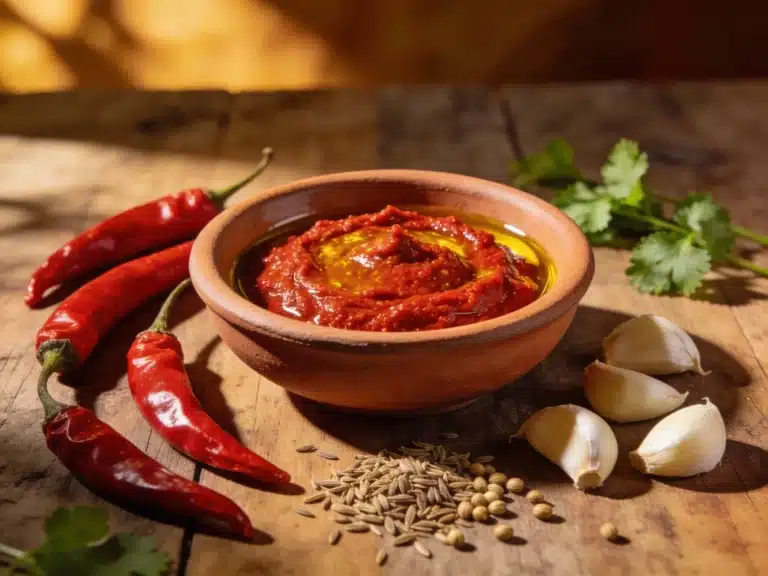
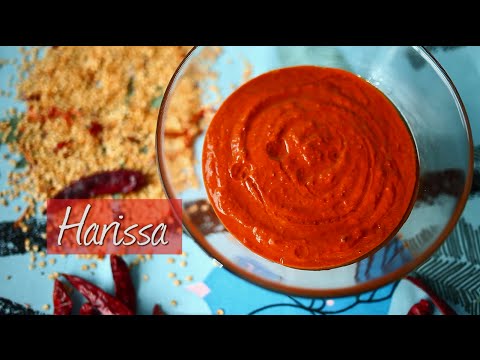
Harissa is a fiery condiment combining red chili peppers, garlic, cumin, caraway, and olive oil. Unlike plain chili paste, your chosen harissa substitute must account for the specific aromatic depth provided by these spices. Data from the USDA FoodData Central shows that harissa’s chili base typically rates between 2,000–5,000 SHU (Scoville Heat Units).
This intensity makes authentic harissa essential in North African cooking—from tagines to couscous. Because it is so complex, a simple harissa substitute often requires “spice blooming,” a technique we detail in our Massaman Curry guide, to ensure the cumin and caraway flavors fully integrate into the replacement paste.
Oman souk to Da Nang pantry: alternative harissa tests
We first rebuilt harissa from Nizwa souk cumin and local dried chilies when Maghreb paste was hard to find in Oman. Blooming spices in oil — not water — carried the heat the way banquet kitchens expected beside grilled meat.
Natalia’s fermented chili pastes from Eastern Europe added depth to our alternative harissa tests. In our Da Nang kitchen we still reach for sambal or chili-garlic hot sauce when tubes run dry, scaling heat before Victor taste-tests sheet-pan chicken.
Why Finding the Right Harissa Substitute Matters
Choosing a harissa substitute isn’t just about matching heat; it is about matching chemistry. Harissa is unique because its flavor profile is suspended in oil, which carries the aromatic notes of caraway and cumin differently than water-based sauces. Whether you are seeking a harissa substitute for a slow-cooked tagine or a quick marinade, understanding the “fat-to-spice” ratio is paramount.
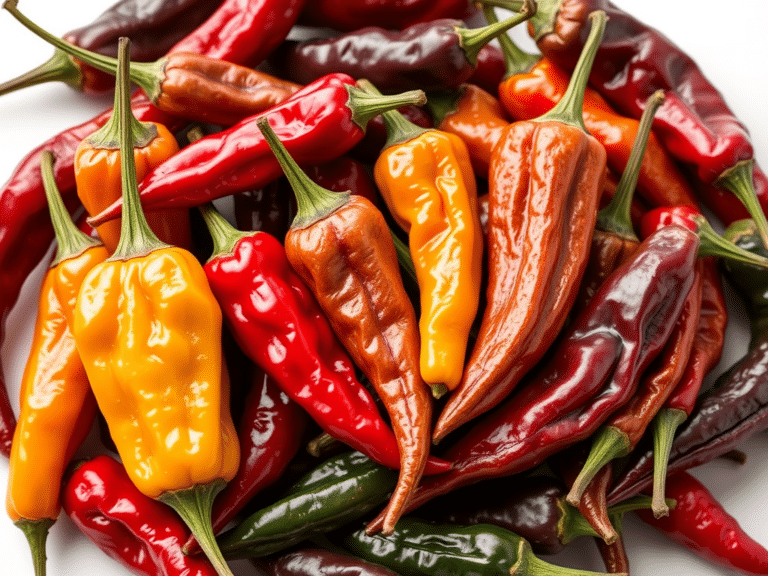
For those exploring the science of pepper textures, rehydrating dried chilis is often the first step in creating a homemade harissa substitute. In our technical comparison of Guajillo vs Ancho chilis, we break down how skin thickness affects paste consistency—a vital detail when your harissa substitute needs to be smooth and spreadable.
Harissa substitute comparison matrix
To identify the most scientifically accurate harissa substitute, we analyzed each alternative based on Scoville Heat Units (SHU), texture viscosity, and the “Spice Gap”—the specific elements needed to reach flavor parity with authentic Tunisian paste.
| Harissa Substitute | Heat (SHU) | Texture Match | The “Spice Gap” | Ideal Dish |
|---|---|---|---|---|
| Sambal Oelek | 5,000–8,000 | 90% | Caraway & Cumin | Tagines |
| Gochujang | 4,000–8,000 | 85% | Acid & Garlic | Braised Beef |
| Serrano Puree | 10,000–23,000 | 70% | Smoked Paprika | Fresh Marinades |
| Chipotle Adobo | 2,500–8,000 | 80% | Earthiness | Smoky Stews |
| Cayenne Paste | 30,000–50,000 | 95% | Everything | Total Proxy |
Homemade alternative harissa (10-minute pantry paste)
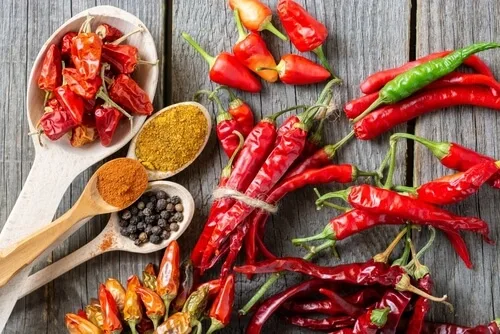
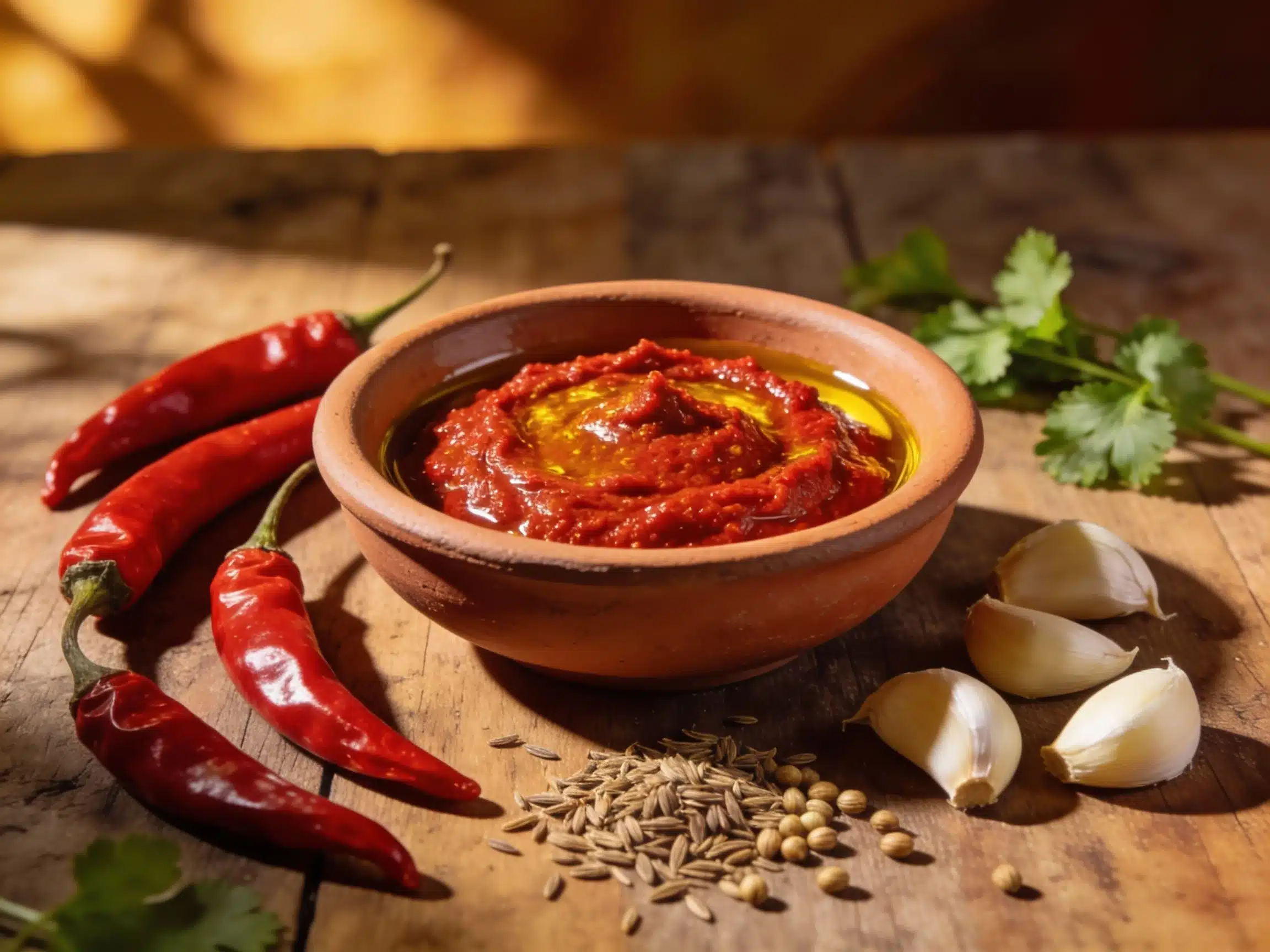
Soak 4 dried guajillo or arbol chiles 15 minutes, blend with 1 tbsp olive oil, ½ tsp cumin, ½ tsp caraway, garlic, and optional roasted red peppers from jar — bloom spices in oil first. This Oman-tested shortcut matches store bought paste when you add lemon. Some Tunisian blends carry dried rose petals; skip them if you dislike floral notes. See what harissa is used for and our Middle Eastern chicken hub.
| Region | Harissa style | Best substitute angle |
|---|---|---|
| Tunisia | Caraway-heavy, oily; rose petals in some blends | Sambal + caraway + olive oil |
| Morocco | Smokier, milder spice mix | Chipotle adobo + cumin + ground coriander |
| Levant / Oman banquets | Served aside grilled meat | Chili-garlic paste + smoked paprika |
What we learned
- Nizwa souk cumin plus local dried chilies rebuilt harissa when Maghreb paste was unavailable — fat carries spice differently than water sauces.
- Half-volume rule before Victor taste-tests; harissa substitutes run hotter than labels suggest on sheet-pan chicken.
- Link grilled plates through shawarma vs shish tawook when harissa stands in for Levant marinades.
Data Verification: All SHU ratings are sourced from the NMSU Chile Pepper Institute and verified against USDA FoodData Central nutritional benchmarks.
6 Best Harissa Substitutes: Ranked by Authenticity & Availability
Choosing a harissa substitute requires balancing availability with flavor profile. Whether you are cooking a traditional tagine or a modern fusion dish, these alternatives are the most effective options tested in our international kitchens.
1. Sambal Oelek
Heat Level: 5,000–8,000 SHU | Best Harissa Substitute For: Stews, marinades, dips
Indonesian sambal oelek is a premier harissa substitute because it closely mimics the original’s intensity and thick consistency. Made from red chilies, garlic, and vinegar, it delivers comparable heat. To make it a more authentic harissa substitute , add ground caraway.
According to Serious Eats, sambal oelek is the most reliable heat proxy available in most supermarkets.
Tip: Mix a 1:1 ratio with a pinch of caraway powder to approximate the Maghreb spice profile.
2. Sriracha (with modifications)
Heat Level: 2,200–5,600 SHU | Best Harissa Substitute For: Sauces, dressings, marinades
Thai sriracha is an accessible harissa substitute, though it presents a sweetness challenge. The Kitchn notes that while sriracha works in a pinch, it is less smoky. To use sriracha as a harissa substitute, add garlic paste and caraway seeds to counter the sugar content and create a more authentic savory profile.
Tip: Use a 1:1 ratio but balance with a splash of lemon juice to cut the sweetness.
3. Red Pepper Flakes & Olive Oil
Heat Level: 15,000–30,000 SHU | Best Harissa Substitute For: Quick marinades, finishing oil
This is the most accessible harissa substitute for home kitchens. For maximum efficacy, we recommend “blooming” the flakes in warm olive oil—a professional technique we utilize in our Massaman Curry recipe. This releases fat-soluble capsaicin, making it a powerful harissa substitute for drizzling over hummus or roasted vegetables.
Tip: Mix 2 tbsp flakes, 1 clove minced garlic, and ½ tsp cumin for an instant paste.
4. Gochujang (Korean Chili Paste)
Heat Level: 4,000–8,000 SHU | Best Harissa Substitute For: Marinades, braised dishes, dressings
Korean gochujang is a surprisingly compatible harissa substitute due to its fermented umami. While it is thicker and sweeter, its depth mimics the long-aged versions of North African pastes. If gochujang feels too funky, consider the woody complexity found in a Cascabel Chili guide as an alternative earthy harissa substitute base.
Tip: Use a 0.75:1 ratio to account for the intense umami and saltiness.
5. Cayenne Pepper Paste (Homemade)
Heat Level: 30,000–50,000 SHU | Best Harissa Substitute For: Authentic recipe replication
Dried cayenne peppers create a harissa substitute that is remarkably close to the real thing. For those who prefer a brighter, fresher heat in their harissa substitute, you can use the profile from our Serrano Pepper guide to build a fresh chili base that rivals the best bottled brands.
Tip: Blend peppers with 2 garlic cloves, ½ tsp caraway, and olive oil.
6. Chili Powder & Tomato Paste Blend
Heat Level: Variable | Best Harissa Substitute For: Tagines and slow-braised meats
This harissa substitute is a staple for home cooks. While it lacks the raw punch of authentic harissa, the tomato paste provides a rich, savory body that supports the heat of the chili powder. It is the most accessible harissa substitute for mild family meals where you want the color and aroma without the tongue-scorching heat.
Tip: Use a 1.25:1 ratio to compensate for the milder flavor profile of the tomato base.
Harissa Substitute Cooking Tips: Getting the Best Results
Successful harissa substitute application requires understanding heat solubility. Whether you use a fermented paste or a dry spice blend, these techniques keep North African depth in the dish:
Cooked applications (tagines and braises)
Almost any harissa substitute works in long-cooked sauces where heat mellows. For sambal oelek, start at a 0.75:1 ratio and taste mid-cooking.
The acid balance trick
If your substitute for harissa tastes flat, add lemon or vinegar. We use the same balancing logic in our hot and sour soup so high heat does not swamp cumin and caraway.
Heat, reflux and safety
Concentrated chili pastes used as a harissa substitute can lower esophageal pH for some eaters. Clinical research published by the National Institutes of Health (NIH) links capsaicin-rich sauces to reflux triggers in sensitive stomachs.
Buffer your substitute for harissa with olive oil or yogurt when heat bothers you. More low-irritant routing lives in our gut healthy recipes collection.
Questions we hear often
What is a substitute for harissa?
Is sambal oelek a good harissa substitute?
How spicy is harissa compared to sriracha?
Sources and safety notes
- FDA — spice and seasoning safety — pantry spice storage and handling
- USDA FoodData Central — capsaicin and sodium reference
- Family kitchen notes — Mayerhoffer heat-level testing, August 2026
Meet the Mayerhoffers
“Free-spirited food adventurers, culture-seekers, and the guardians of 15 years of global memories.”

Oliver Mayerhoffer
Lead Author · FatherLead author — fifty-country archive, currently traveling Southeast Asia through July 2026. Oliver brings field-tested recipe structure and honest weeknight notes from family kitchens abroad.

Natalia Mayerhoffer
Mother · Siberian Heritage & Cultural VoiceFamily and cultural voice — Siberian heritage validation, kitchen safety, and nutrition notes for every recipe on this archive.
“Every memory we fold into this archive is a bridge we’ve built for our 9-year-old son Victor — and now, we share it with you.”
Explore Our Full Family ArchiveSources and safety notes
We prioritise lived family experience first. When food safety or heritage context matters, we cross-reference kitchen notes with official references listed below.
Harvard T.H. Chan School of Public Health
nutrition source notes
Read sourceEditorial kitchen notes
Family kitchen notes — Mayerhoffer heat swap testing, August 2026
Enjoying our content? Make Mangoes & Palm Trees a preferred source on Google.
Explore next



Ingredients and substitute routing
Pair pantry swaps with the ingredients hub, recipe index, and family-tested mains archive.