Editorial standards: editorial policy · Affiliate disclosure: affiliate disclosure · Family-tested archive — updated 2026-07.
Eight pantry legume swaps
Best Substitutes for Cannellini Beans
Navy beans, great northern, butter beans, and chickpea swaps when cannellini tins run out — eight substitutes we use in soups and stews, documented July 2026 field kitchens.
What can I substitute for cannellini beans?
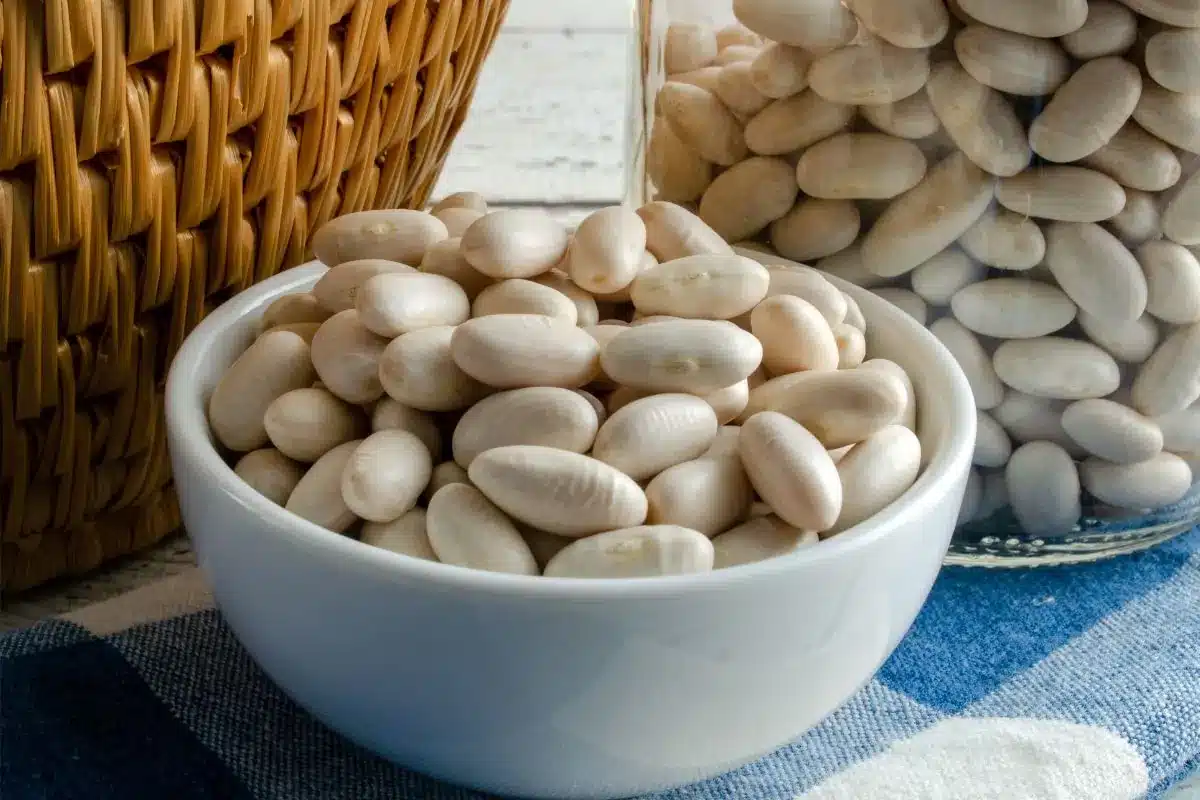
Cannellini beans substitute best with great northern beans, navy beans, butter beans, or chickpeas in soups and pasta — match size and cook time, not just color. Eight Mayerhoffer pantry swaps from July 2026 fieldwork note when to adjust liquid, salt, and simmer minutes so creamy white beans stay intact in family stews.
Oliver writes from Southeast Asia fieldwork through July 2026; Natalia reviews safety and nutrition notes; Victor is the final vote on family plates.
The Omani Supply Chain Crisis
I learned the science of legume substitution out of pure panic. I was managing a luxury resort kitchen in Oman. We had a massive Mediterranean banquet booked for the weekend.
On Thursday morning, the international freight container arrived. Our Italian supplier completely missed the shipping window for our imported cannellini beans. We had 48 hours to replace the core ingredient for a 500-person white bean puree.
You cannot just throw any white bean into a food processor. The starch ratios differ massively. We tested local butter beans, imported navy bean substitutes, and Great Northerns under extreme commercial heat.
We discovered exactly how the cell walls break down. According to official data from the USDA FoodData Central , varying protein-to-starch ratios dictate whether a bean will hold its shape in a stew or dissolve entirely into a soup base.
Today, Natalia and I apply these exact commercial substitution rules in our own kitchen. When Victor needs a high-protein meal after a long travel day, we don’t stress over an empty pantry shelf. We adapt.
Whether you are cooking a traditional minestrone or blending a quick hummus alternative, this guide breaks down the physical characteristics of 8 highly effective cannellini bean substitutes so you never ruin a dinner service.
2. The Direct Swaps: Our Go-To White Beans
If your recipe specifically calls for cannellini beans, you generally want another white legume. They provide a mild, nutty background. They absorb whatever sauce you throw at them.
But their physical reactions to heat vary wildly. You have to match the bean to the meal you are trying to get on the table. Here are the top three direct replacements we keep stocked in our family pantry.
Substitute 01: great northern bean substitutes (The Perfect 1:1 Match)
This is your safest bet. If you are cooking a traditional Italian dish for the family, grab great northern bean substitutes. They are slightly smaller than cannellini.
They possess almost the exact same cellular structure. The exterior skin holds firm under prolonged simmering. The interior stays creamy.
It never turns to mush.
The Professional Rule: Use them exactly as you would a cannellini bean. No recipe adjustments are needed. The cooking time remains identical.
navy bean substitutes are small. They are aggressively starchy. When subjected to heat, their thin skins rupture rapidly.
They fall apart fast. This is exactly what you want for certain meals. If you need a legume to dissolve into a thick, velvety base, buy navy bean substitutes.
The Professional Rule: Do not use these in a light, clear broth. Do not put them in a cold salad. They will turn your broth cloudy.
They will disintegrate when tossed with vinaigrette.
Substitute 03: Butter Beans / Lima Beans (The Rich Upgrade)
Butter beans offer a massive surface area. They are significantly larger than cannellini beans. When slow-cooked, the interior literally turns to silk.
They carry a distinct, rich sweetness. They elevate cheap ingredients into high-end comfort food. We love these for hearty winter meals.
The Professional Rule: Expect a texture shift. Because they are so large, they alter the mouthfeel of delicate soups. They also require a longer simmering time if you are cooking them from dry.
3. The Textured Swaps: Adding Color & Bite
Sometimes a recipe needs structure more than it needs a white background. When we step away from traditional Italian soups, we start playing with texture. These legumes behave differently in the pot.
They hold their shape. They bring distinct, earthy flavors to the table.
Substitute 04: Chickpeas (The Structural Heavyweight)
Also known as garbanzo beans. They are dense. They refuse to break down in a broth.
During our years living in the Middle East, these were our daily staple. They deliver a firm, satisfying bite that can mimic meat in vegetarian dishes. The culinary editors at Bon Appétit specifically recommend chickpeas over white beans when building texture-heavy grain bowls.
Substitutes 05 & 06: Pinto and Black Beans (The Latin Foundation)
If you are cooking minestrone, skip these entirely. The color will bleed into your broth and turn it a muddy brown. But if you are pivoting your dinner plans to a Southwestern or Latin flavor profile, these are your absolute best options.
Substitutes 07 & 08: Adzuki and Lentils (The Speed Hacks)
Dried cannellini beans require overnight soaking. Sometimes you simply forget. When it is 5:00 PM and you need a high-protein family meal on the table immediately, you need speed.
We discussed earlier how navy bean substitutes break down to create an ultra-creamy, velvety base. Sometimes you just need to see that process happen in real time. To master this texture, we highly recommend this visual guide by AB from Smokin’ & Grillin with AB.
He runs a massive, highly trusted culinary channel with over 3. 67 million subscribers. His Navy Bean Soup tutorial perfectly demonstrates how this specific legume absorbs rich, smoky flavors while naturally thickening the broth.
You can follow his incredible comfort food tutorials on his official YouTube Channel here: Smokin’ & Grillin with AB.
4. The Market Matrix: Legumes Compared
Never guess at the grocery store. Buying the wrong tuber or legume destroys the dish. We compiled this matrix to show exactly why our family recipes require specific sourcing.
It breaks down protein weight, texture, and stovetop expectations.
| Legume Type | Texture Reaction | Flavor | Protein (per cup) | Dry Cook Time |
|---|---|---|---|---|
| Cannellini (Baseline) | Creamy inside. Firm skin. | Mild, slightly nutty. | 15.3g | 60-90 min |
| Great Northern | Creamy inside. Firm skin. | Mild. Absorbs sauces well. | 14.7g | 60-90 min |
| navy bean substitutes | Fragile. Breaks down easily. | Neutral and sweet. | 15.8g | 60-90 min |
| Butter Beans (Lima) | Massive. Soft and velvety. | Rich. Deeply buttery. | 15.9g | 75-90 min |
| Chickpeas | Dense. Hard. Resists mushing. | Earthy and full-bodied. | 14.5g | 90-120 min |
| Lentils | Tiny. Holds shape well. | Earthy and peppery. | 18.3g | 20-30 min |
5. Our Sources of Truth: Nutritional Verification
We do not play guessing games with Victor’s health. Diet trends fade. Clinical data stays.
Every nutritional claim in our guides is anchored directly to global health authorities. Natalia utilizes her clinical background to audit these facts. Below, you will find the exact public health documentation we used to verify our legume substitutions.
Official potassium, dietary fiber, and cellular macronutrient breakdowns for raw and boiled white beans.
Verify Nutrient Profiles →Public health guidelines emphasizing legumes as the primary driver of cardiovascular health in plant-based diets.
Check Health Benchmarks →Evidence-based nutritional comparisons proving canned beans retain 85-95% of the micronutrients found in dried beans.
Read Clinical Review →
Professional Standards. Family Kitchen.
At Mangoes and Palm Trees, we strip away the culinary fluff. Oliver Mayerhoffer brings 25 years of luxury hospitality management from Oman and the Austrian Alps directly to your cutting board. We treat simple ingredients with immense technical respect.
Natalia applies her background in clinical dentistry and health science to audit every nutritional claim we publish. We test every recipe on Victor to ensure it survives the realities of feeding a tired toddler on the road in Southeast Asia. We demand restaurant-quality results.
We demand nutritional integrity. We share the exact blueprints with you.
Questions we hear often
Are cannellini and great northern beans the same?
Can chickpeas replace cannellini beans?
Sources and safety notes
- USDA FoodData Central — legumes — bean protein and fiber reference
- FDA — dry bean storage — pantry legume handling
- Family field notes — Mayerhoffer pantry swaps, July 2026 Southeast Asia season
Meet the Mayerhoffers
“Free-spirited food adventurers, culture-seekers, and the guardians of 15 years of global memories.”

Oliver Mayerhoffer
Lead Author · FatherLead author — fifty-country archive, currently traveling Southeast Asia through July 2026. Oliver brings field-tested recipe structure and honest weeknight notes from family kitchens abroad.

Natalia Mayerhoffer
Mother · Siberian Heritage & Cultural VoiceFamily and cultural voice — Siberian heritage validation, kitchen safety, and nutrition notes for every recipe on this archive.
“Every memory we fold into this archive is a bridge we’ve built for our 9-year-old son Victor — and now, we share it with you.”
Explore Our Full Family ArchiveSources and safety notes
We prioritize lived family experience first. When food safety or heritage context matters, we cross-reference field notes with official references listed below.
USDA Food Safety
safe food handling reference
Read sourceHarvard T.H. Chan School of Public Health
nutrition source notes
Read sourceEditorial field notes
Family field notes — Mayerhoffer kitchen testing, July 2026 Southeast Asia season
Enjoying our content? Make Mangoes & Palm Trees a preferred source on Google.
Explore next

Ingredients and substitute routing
Pair pantry swaps with the ingredients hub, recipe index, and family-tested mains archive.