Editorial standards: editorial policy · Affiliate disclosure: affiliate disclosure · Family-tested archive — updated 2026-08-29.
Ten legume pantry swaps
Substitute for navy beans in soup? I keep great northern 1:1 for the closest creamy broth — five extra simmer minutes on rental stoves. Cannellini when I can add ten, chickpeas only when we mash a third of the can — ten pantry swaps with cook-time table, Natalia-checked August 2026.
For navy beans in soup, swap great northern beans one-to-one for the closest creamy broth, or cannellini for slightly larger white beans that need ten extra minutes. Chickpeas work in hearty soups but change texture — rinse canned legumes and add soak time when using dried swaps from our August 2026 pantry table.
Oliver writes from the ingredient and pantry cluster through August 2026; Natalia reviews safety and nutrition notes; Victor is the final vote on family plates.
- Closest swap: Great northern beans 1:1 — add five to ten simmer minutes for creamy broth.
- More body: Cannellini work in chili and stew when you extend cook time ten to fifteen minutes.
- Salad or hearty soup: Chickpeas hold shape — mash a third of the can for navy-style creaminess.
- Pressure cooker: Soaked navy 8–10 min high pressure; great northern 10–12; cannellini and chickpeas 12–15.
- Next: Great northern substitutes · Ingredient substitutes hub · Beef stew and soups.
From our family kitchen: Navy beans are small, creamy, and built to thicken broth. When a pot calls for them, see our great northern bean substitutes for the closest soup swap, or pivot to cannellini in chili and beef stew when texture needs more body.
Match how the bean absorbs liquid and holds its shape under heat. Skin thickness is the usual miss — a delicate white bean cooks vastly differently than a tough kidney bean in the same simmer clock.
On rental stoves and weeknight pots, we pivot the pantry without turning dinner into mush — the swap table below is the August 2026 short list.
Cooking on the road or managing a busy weeknight at home means learning to adapt gracefully. Finding the perfect legume alternative isn’t just a chef’s trick; it’s how we keep our favorite dinners on the table.
Whether we are craving a rich, slow-simmered chili that needs hearty resilience, or a velvety soup that relies on a creamy center, the goal is always the same: creating a comforting base for our family stews and shredded beef recipes.
Finding the Perfect Haricot Bean Replacement
Navy beans (which are a type of haricot bean) are famous for their thin skins and mild flavor. When cooking for children who are sensitive to textures, you want to avoid beans with tough, chewy exteriors. If you want that velvety, comforting broth without turning your dinner into mush, you have to choose white bean swaps with a similar moisture level.
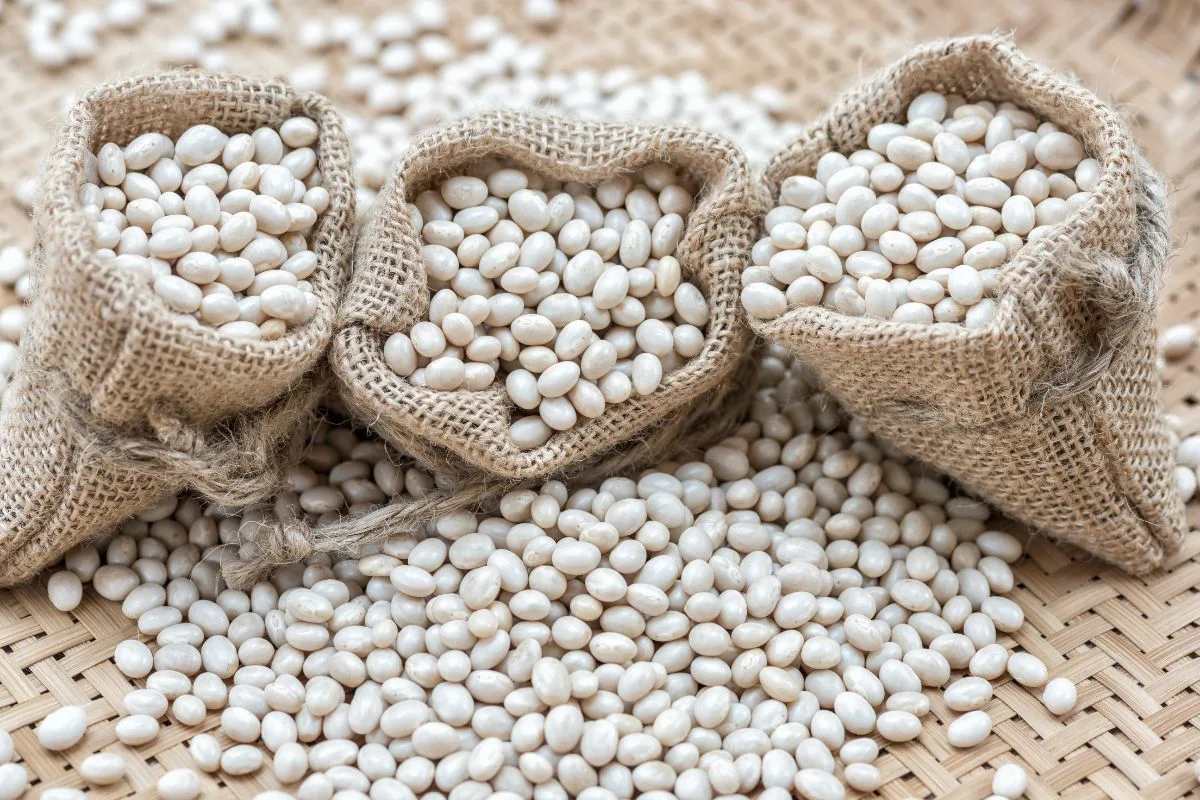
To make any legume easier on the stomach—especially for kids—Natalia relies on a simple, comforting trick. When soaking your dried beans overnight, add a small pinch of baking soda to the water.
This gentle alkaline bath softens the thicker skins of beans like Cannellini or Pinto. More importantly, it helps break down the complex natural sugars that can cause bloating, making the final dish much lighter and more enjoyable for the whole family. It’s the same reliable method we use when prepping our favorite chickpea recipes.
| Swap | Texture | Cook time (simmer) | Soup | Chili | Salad | Baking |
|---|---|---|---|---|---|---|
| Great northern | Creamy, slightly larger | +5–10 min | ✓ | ✓ | ✓ | ✓ |
| Cannellini | Firmer skin | +10–15 min | ✓ | ✓ | ✓ | — |
| Chickpea | Meaty, holds shape | +20 min (soak) | ✓ | ✓ mash partial | ✓ | — |
Pressure cooker note: Soaked navy beans cook in about 8–10 minutes at high pressure; great northern need 10–12 minutes. Cannellini and chickpeas run 12–15 minutes — always natural-release ten minutes for creamy broth.
Protein comparison: Navy beans carry roughly 15 g protein per cooked cup (USDA FoodData Central); cannellini and great northern are similar — chickpeas run higher fiber and protein but change mouthfeel in white-bean soup.
Great northern passes as navy in Senate-style soup if you add five simmer minutes — whole chickpeas read wrong unless we mash a third of the can into the broth.
Dried great northern and cannellini need an overnight soak — or a quick soak in boiling water for one hour off the heat — before they join a long-simmer soup. Natalia adds a pinch of baking soda to the soak water for cannellini skins; rinse well before the pot so the broth stays clean.
Canned swaps skip the soak: drain, rinse, and stir in during the last fifteen minutes. That clock keeps skins intact for Victor's bowl and stops split beans from turning broth chalky on rental-stove simmers.
- Adding chickpeas whole: Firm skins read "wrong bean" in creamy navy soup — mash a third of the can into the broth.
- Dropping cannellini in with navy timing: Larger beans stay chalky in the centre; add ten to fifteen extra simmer minutes.
- Boiling canned beans from the start: Skins split and broth turns cloudy — warm canned legumes in the final fifteen minutes.
- When the pantry runs short: Stock great northern and cannellini in labeled jars; freeze soaked batches flat for humid rental kitchens.
Red kidney beans need a full boil before slow cooking for food-safety reasons and carry a firmer, earthier bite than navy beans. They are not a drop-in swap for white-bean soup or Senate-style navy bean recipes — reach for great northern or cannellini instead, or route chili nights to shredded beef recipes when you want a heartier legume.
What we learned
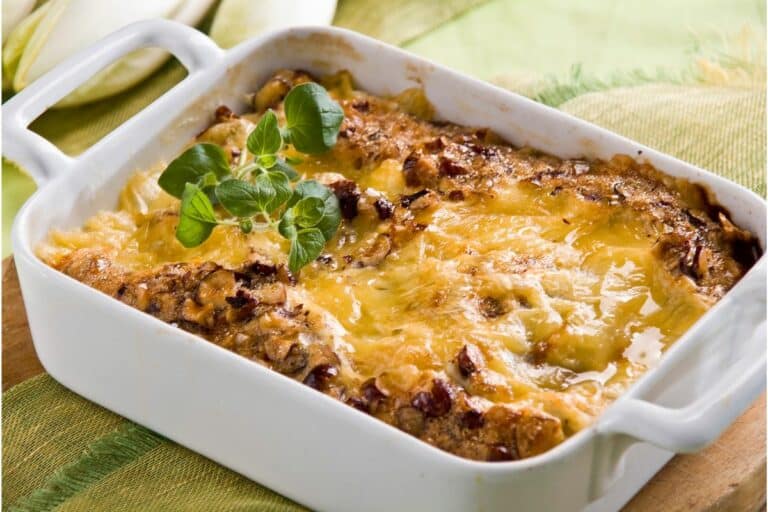
- Thin-skinned navy beans thicken broth naturally — great northern swap closest in casseroles if you add five minutes simmer.
- Natalia’s baking-soda soak softens cannellini skins for kid-friendly digestion on road-trip rental stoves.
- Partially mashed chickpeas mimic navy creaminess in chili without losing whole-bean texture in the bowl.
Soup routing, pantry substitutes, and family-tested mains from the ingredients cluster.
- Soup & stew: Hot and sour soup · Beef stew and soups · Shredded beef recipes
- Bean swaps: Great northern bean substitutes · Ingredient substitutes hub · Ingredients hub
- Boards: Recipe index · Complete meal courses · Family blog
- Who we are: Oliver Mayerhoffer · Natalia Mayerhoffer · Editorial policy
Questions we hear often
What Victor said
Victor eats white-bean soup when the beans are creamy, not chalky in the middle. Great northern swaps pass; whole chickpeas do not — unless we mash part of the can so the broth feels like navy bean soup, not a salad in a bowl.
Oliver's honest note
I keep the great northern 1:1 swap for Senate-style soup and add five minutes simmer. On rental stoves I warm canned beans at the end so skins stay intact — Victor notices texture before spice.
Meet the Mayerhoffers
“Free-spirited food adventurers, culture-seekers, and the guardians of 15 years of global memories.”

Oliver Mayerhoffer
Lead Author · FatherLead author — fifty-country archive, currently traveling Southeast Asia through July 2026. Oliver brings field-tested recipe structure and honest weeknight notes from family kitchens abroad.

Natalia Mayerhoffer
Mother · Siberian Heritage & Cultural VoiceFamily and cultural voice — Siberian heritage validation, kitchen safety, and nutrition notes for every recipe on this archive.
“Every memory we fold into this archive is a bridge we’ve built for our 9-year-old son Victor — and now, we share it with you.”
Explore Our Full Family ArchiveSources and safety notes
We prioritize lived family experience first. When food safety or heritage context matters, we cross-reference field notes with official references listed below.
USDA Food Safety
safe food handling reference
Read sourceHarvard T.H. Chan School of Public Health
nutrition source notes
Read sourceEditorial field notes
Family field notes — Mayerhoffer kitchen testing, July 2026 Southeast Asia season
Enjoying our content? Make Mangoes & Palm Trees a preferred source on Google.
Explore next



Ingredients and substitute routing
Pair pantry swaps with the ingredients hub, recipe index, and family-tested mains archive.