Editorial standards: editorial policy · Affiliate disclosure: affiliate disclosure · Family-tested archive — updated 2026-07.
145°F rest, cast-iron sear
Beef Loin Flat Iron Steak Recipe
Flat iron steak pats dry, sears in cast iron above 300°F, then rests to about 145°F for four servings — sliced thin against the grain — tested after shish tawook nights in Omani souk apartments and again on weeknight skillets abroad.
How do you cook beef loin flat iron steak?
Pat the flat iron dry, season, and sear in a very hot cast-iron pan or on a four-hundred-degree grill for three to five minutes per side. Rest three minutes toward one hundred forty-five degrees Fahrenheit for whole-muscle beef safety, then slice thin against the grain. Four servings finish in about twenty-five minutes active time.
Oliver develops the plate from Middle East and Gulf kitchen notes; Natalia reviews safety; Victor is the final vote on spice level.
Serving scaler
Scale this flat iron steak
Adjust servings — steak and aromatics update instantly.

What makes flat iron steak tender?
Once the central connective tissue is removed, the top blade (infraspinatus) cooks like a small steakhouse cut — high heat, dry surface, rest, then thin slices against the grain.
Which USDA grade works best?
Marbling drives the buttery bite. Choice is the weeknight sweet spot; Prime for holidays; Select wants a short acid marinade.
| USDA grade | Marbling | Best method |
|---|---|---|
| Prime | Abundant | Dry-heat grill ~400°F |
| Choice | Moderate | Cast-iron sear + butter baste |
| Select | Slight | Acid marinade ≤2 hours, then sear |
Beef loin flat iron steak
Ingredients
- 1 lb beef loin flat iron steak (denuded top blade)
- 2 tbsp olive oil
- 2 garlic cloves, minced
- 1 tbsp fresh rosemary, chopped
- 1 tsp kosher salt · black pepper
- 1 tbsp cold butter for basting (optional)
- Optional mango-lime marinade: ¼ cup mango juice · 2 tbsp lime juice · chili powder (max 2 hours)
Method
- Dry surface: Pat steak dry. Salt 40 minutes ahead uncovered (fridge) for a drier crust, or salt just before cooking.
- Hot pan: Heat cast iron until very hot (surface above 300°F). Oil steak; add garlic and rosemary.
- Sear: 3–5 minutes per side (grill ~400°F or skillet). Baste with cold butter in the last minute if using.
- Temp + rest: Pull toward USDA 145°F for whole-muscle beef, then rest 3 minutes (or pull ~135°F medium-rare and rest so carryover finishes). Slice thin against the grain.
What other flat iron finishes work?
| Style | Key flavors | Cook note |
|---|---|---|
| Herb-butter | Garlic, rosemary, butter | Grill or sear 4–5 min/side |
| Soy-ginger | Soy or tamari, ginger, sesame | Sear 3–4 min/side; deglaze with rice vinegar |
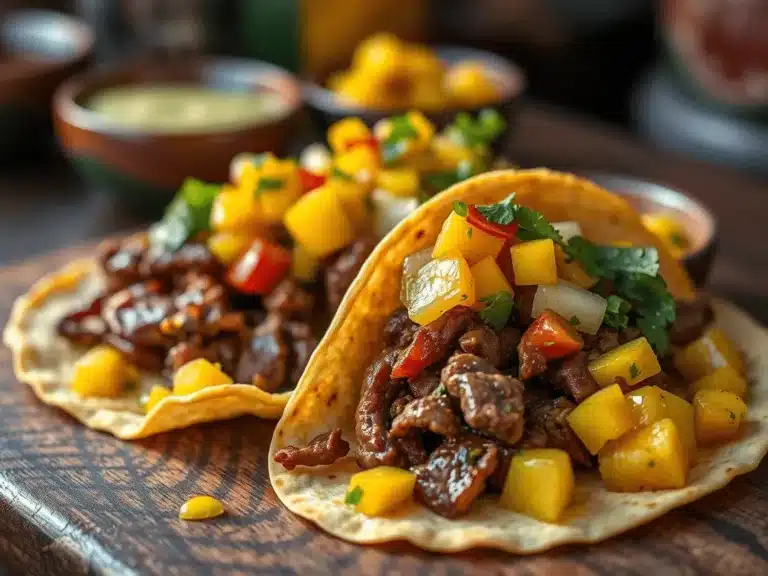
| Mango-lime | Mango juice, lime, chili | Marinate ≤2 hours; garnish cilantro + mango |
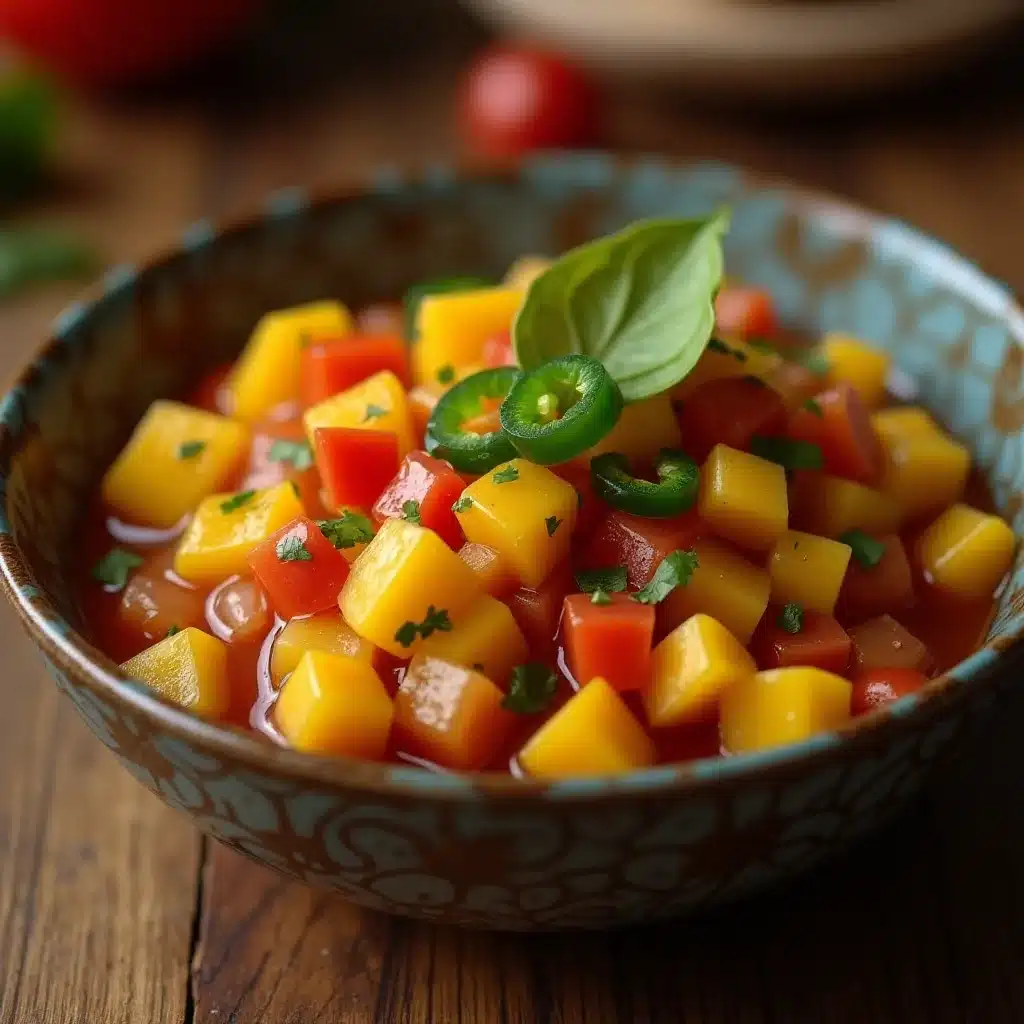
Pair the mango-lime plate with mango avocado salsa for a bright acid reset.
How do you store leftover flat iron?
Cool within two hours. Reheat gently so the crust does not dry out.
| Method | Instructions | Duration |
|---|---|---|
| Refrigerator | Airtight; slice against grain when cold | 3–4 days |
| Reheat | Skillet low with a splash of water or broth | Until steaming hot |
| Raw marinade | Keep chilled; cook same day after acid marinade | ≤2 hours acid contact |
Why is flat iron steak tough?
- Silverskin left on — buy denuded top blade or trim the central fascia.
- Slicing with the grain — cut perpendicular to shorten fibers.
- Wet surface — pat dry so the pan browns instead of steaming.
- Over-marinating acid — beyond about two hours softens the exterior too far.
- Skipping the rest — rest at least three minutes before slicing.
Top blade tenderness, hot-pan discipline
Flat iron is the infraspinatus — among the most tender muscles once the connective line is removed. Hot cast iron and a dry surface build the crust; mango and lime stay optional and short.
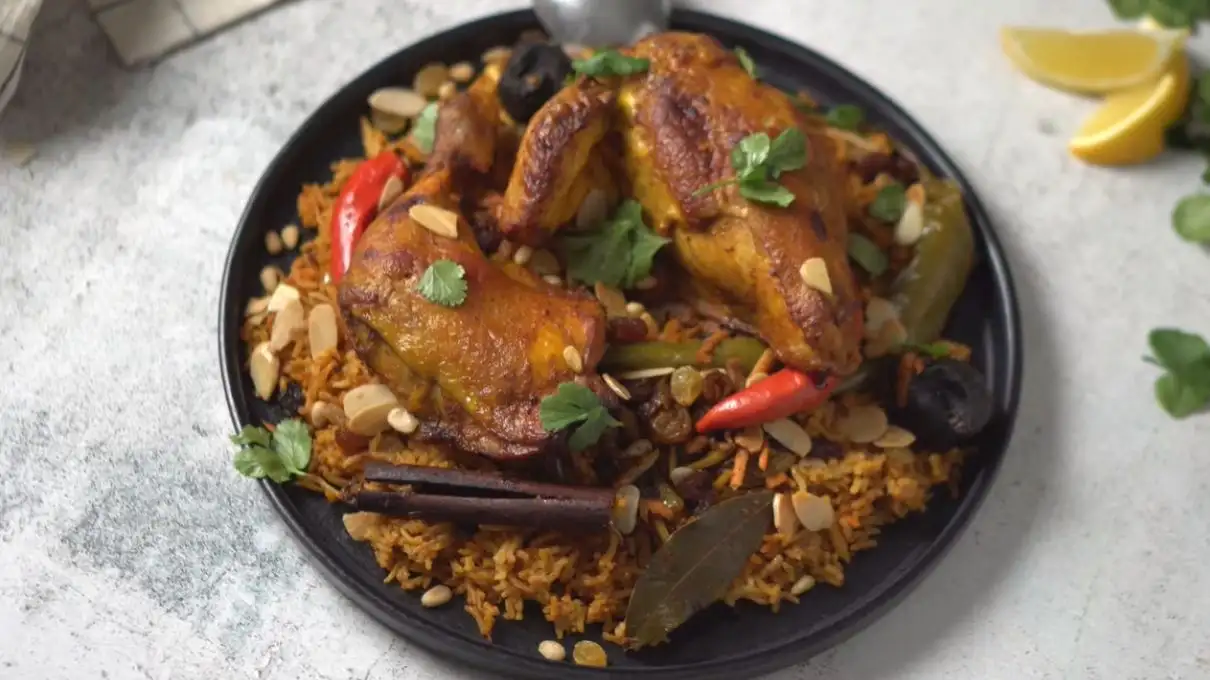
For another skillet protein, see knob sandwich or chicken kabsa rice.
Keep exploring after flat iron steak
Skillet routing—knob sandwich, mango salsa, kabsa, and recipe index.
- Beef: Knob sandwich · Mango avocado salsa
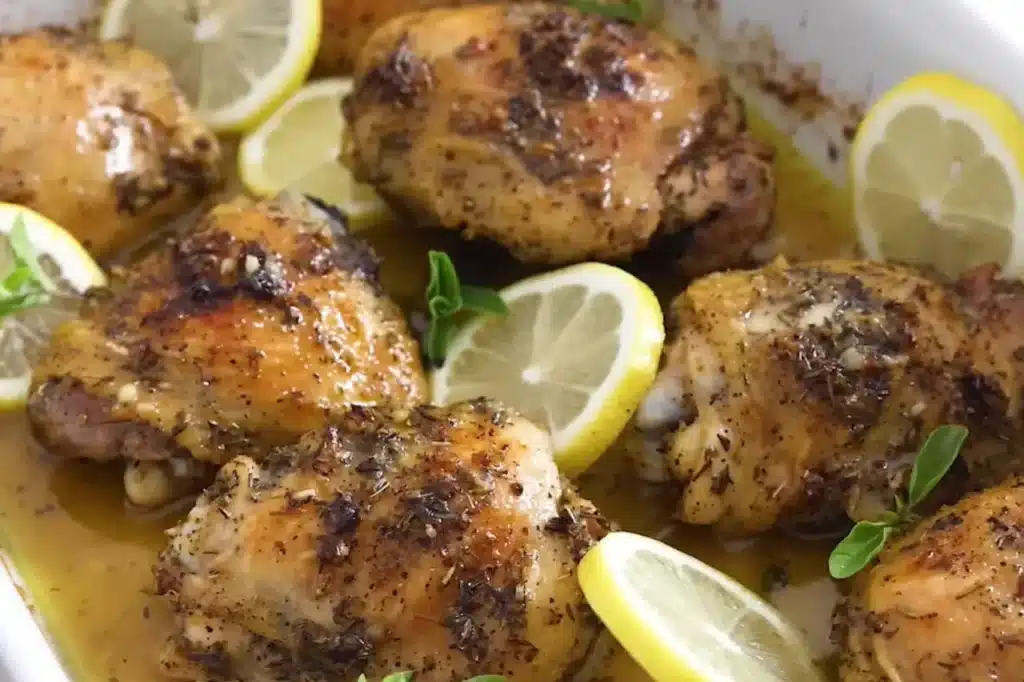
- Skillet: Chicken kabsa · Lemon sumac chicken
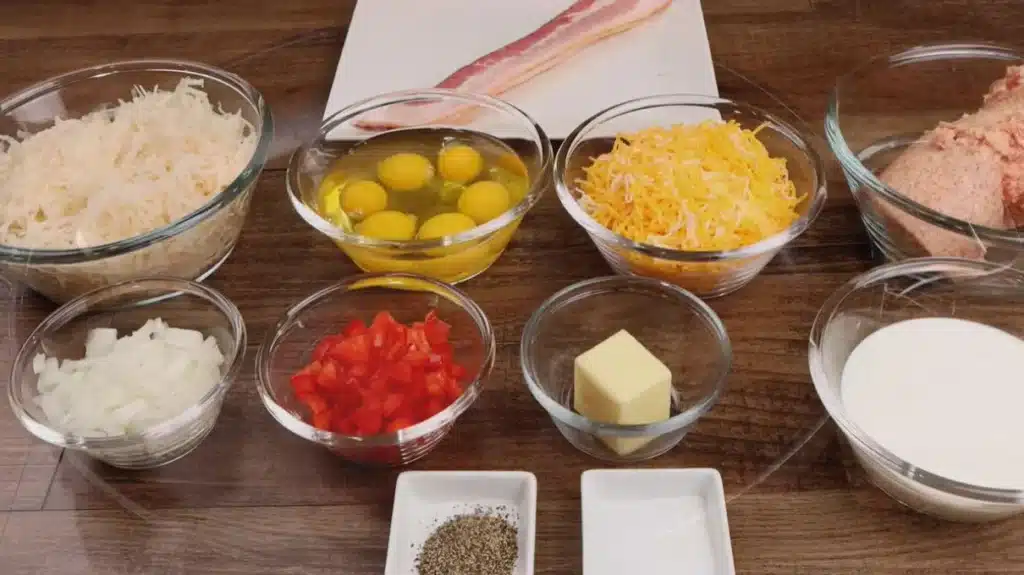
- Archive: Sausage egg casserole · Recipe index
- Who we are: Oliver Mayerhoffer · Natalia Mayerhoffer · Editorial policy
Questions we hear often
Why is my flat iron steak tough?
Is flat iron the same as flank steak?
What internal temperature for flat iron?
How long can I marinate with mango and lime?
Do I need cast iron?
Can I cook flat iron sous vide?
Victor tested it. Here is the honest verdict.
What Victor said
Victor is the final vote on family plates — age 9 in 2026.
Oliver's honest note
Structural testing and reflux-safe ingredient choices — editorial field notes only.
Meet the Mayerhoffers
“Free-spirited food adventurers, culture-seekers, and the guardians of 15 years of global memories.”

Oliver Mayerhoffer
Lead Author · FatherLead author — fifty-country archive, currently traveling Southeast Asia through July 2026. Oliver brings field-tested recipe structure and honest weeknight notes from family kitchens abroad.

Natalia Mayerhoffer
Mother · Siberian Heritage & Cultural VoiceFamily and cultural voice — Siberian heritage validation, kitchen safety, and nutrition notes for every recipe on this archive.
“Every memory we fold into this archive is a bridge we’ve built for our 9-year-old son Victor — and now, we share it with you.”
Explore Our Full Family ArchiveSources and safety notes
USDA FSIS — safe food handling and preparation
145°F whole-muscle beef + rest
Read sourceUSDA FoodData Central
beef nutrition
Read sourceFDA — selecting and serving produce safely
mango and lime produce handling
Read sourceEditorial field notes
Family field notes — Mayerhoffer flat iron steak tests from Omani kitchen years through July 2026 season
Enjoying our content? Make Mangoes & Palm Trees a preferred source on Google.
Explore next


Steak and skillet routing
Flat iron steak linked to knob sandwich, mango salsa, kabsa, and recipe index.