Dried Chipotle Chile: Smoky Heat Mastery Guide
Smoky Heat MasteryDried Chipotle Chile
Unlock the smoky magic of dried chipotle chile with Oliver, Natalia, and Victor. Inspired by our friend Richard’s Mexican expertise, this advanced guide blends 50+ countries of travel with family-tested tips for home cooks and professional chefs alike.
Why Dried Chipotle Chile Matters
Hello, spice lovers! At Mangoes and Palm Trees, Oliver (hospitality veteran with 15+ years across 50+ countries), Natalia (Siberian-Italian culinary storyteller), and Victor (born November 24, 2016, Koh Samui) bring you our comprehensive dried chipotle chile guide. Inspired by our friend Richard’s Mexican chile expertise, we explored chipotle flavor in our Thai kitchen (2016–2018) and Vietnam (2022–present), where Victor fell in love with its smoky salsas. This guide, rooted in Richard’s lessons and our global travels, offers practical mastery for home cooks and serious food enthusiasts aged 25–55.
Dried chipotle chile (Capsicum annuum var. acuminatum) represents the pinnacle of Mexican pepper smoking tradition. According to Wikipedia, these smoked jalapeños deliver 5,000–10,000 Scoville Heat Units (SHU) with unmatched smoky depth. Explore our Mexican Chile Guide or Jalapeño Recipes for complementary content.
What Is Dried Chipotle Chile?
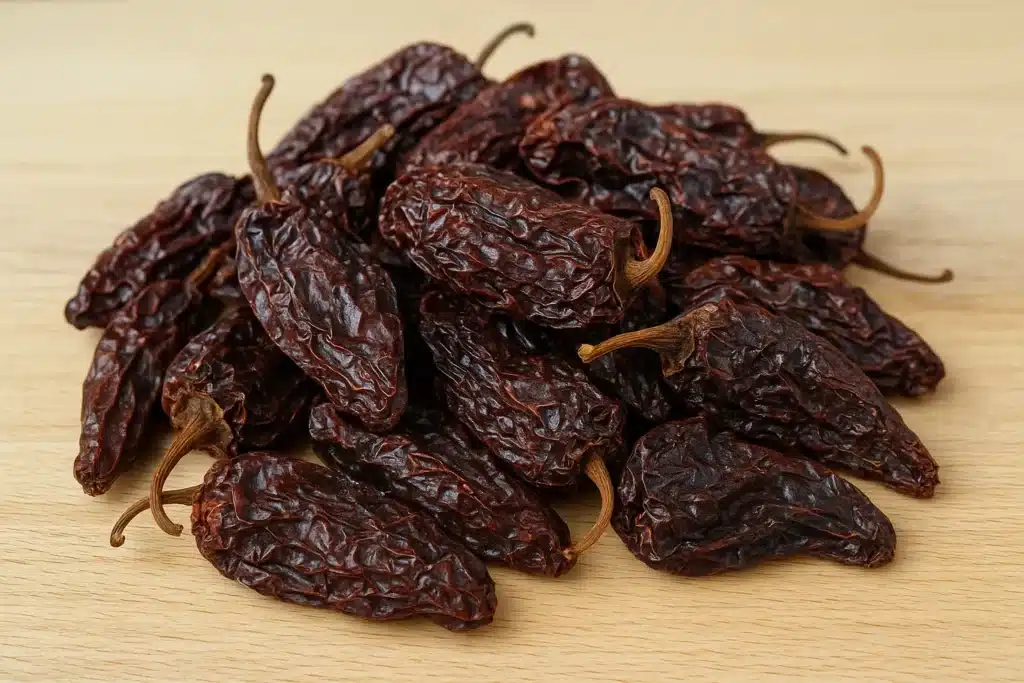
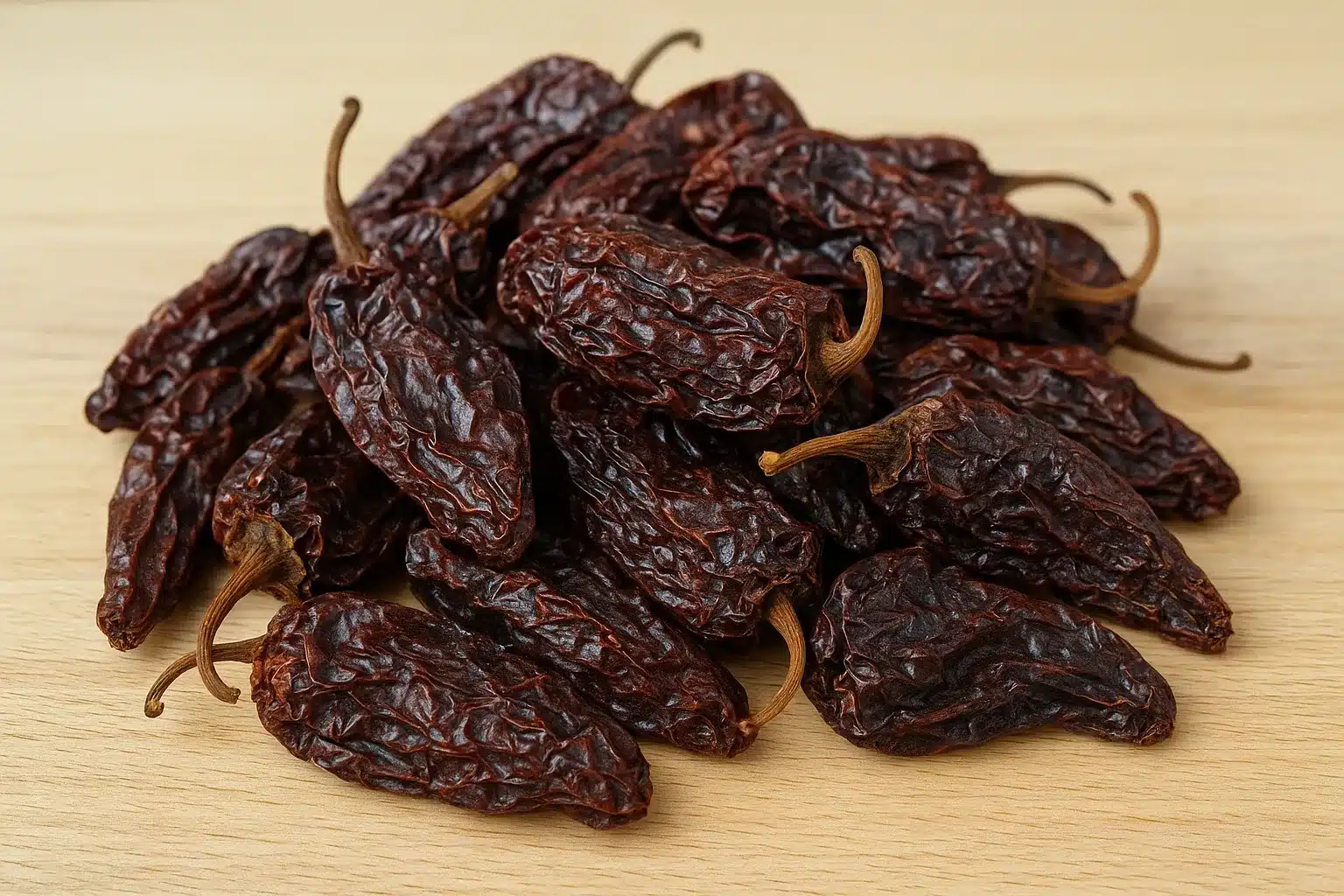
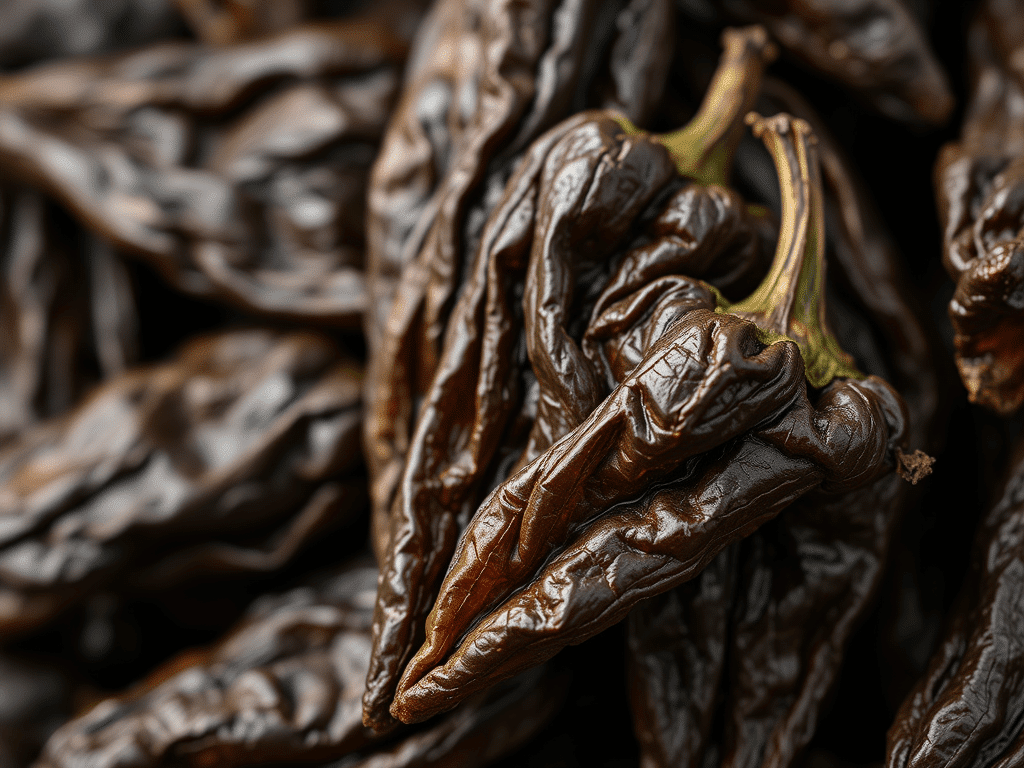
Dried chipotle chile is a smoked and dried mature jalapeño pepper, celebrated for its earthy aroma, bold smoky heat, and complex flavor profile. The word “chipotle” derives from the Nahuatl “chīlpōctli” (smoked chili), a tradition dating back to Aztec times. Richard, our Mexican chile expert friend, explained how traditional smoking over pecan wood creates the characteristic wrinkled appearance and lingering heat.
The transformation from jalapeño to chipotle takes approximately 5–7 days of smoking. During this process, red-ripe jalapeños absorb smoky compounds while losing moisture, concentrating flavors into a shelf-stable powerhouse. Victor, our 9-year-old taste-tester, loves its subtle sweetness beneath the heat. (The Daring Gourmet)
The Origin Story: From Jalapeño to Chipotle
The history of chipotle is inseparable from Mexican culinary heritage and preservation methods. Aztecs developed smoking techniques to preserve abundant pepper harvests during seasonal peaks, creating a food that would sustain them through leaner months. Richard shared how this ancient technique remains virtually unchanged in regions like Chihuahua and Veracruz, where traditional smokehouses continue the 500+ year legacy.
Natalia’s Siberian preservation knowledge, refined during our Thailand years (2016–2018), provided fascinating parallels to chipotle-making. Cold preservation, smoking, and fermentation represent humanity’s universal solutions to food abundance. This cross-cultural understanding deepened our appreciation for every smoked chile. (Quesada)
Varieties of Dried Chipotle Chiles
While all chipotle chiles share common characteristics, two primary varieties dominate global markets, each with distinct culinary applications:
Chipotle Morita
Smaller, softer, briefly smoked. Deep red-brown color with slightly fruity, sweet notes. Perfect for salsas and sauces requiring delicate integration. Victor’s preferred choice in Vietnam (2022–present) for its balanced heat and subtle complexity.
Chipotle Meco
Larger, drier, extensively smoked. Tan-brown color with intensely smoky, woody character. Ideal for bold applications like adobo sauce and rubs where pronounced smoke enhances rather than overwhelms other ingredients.
Richard educated us on regional production standards. Chipotle Morita comes primarily from states like San Luis Potosí and Durango, while Meco dominates northern production regions. Understanding these distinctions elevates your cooking from adequate to exceptional. (Specialty Produce)
Flavor Profile: The Complete Sensory Experience
In our Thai kitchen (2016–2018), we performed detailed flavor analyses of dried chipotle chiles, documenting how smoking transforms jalapeños into a multi-dimensional ingredient:
- Smoky: Primary note derived from wood combustion during the smoking process—reminiscent of smoked paprika, barbecue, and slow-roasted tobacco
- Spicy: 5,000–10,000 SHU per USDA standards; a warm, lingering heat rather than sharp intensity
- Slightly Sweet: Subtle undertones of raisin, dried fruit, cocoa, and caramel from caramelized sugars during smoking
- Earthy & Savory: Umami-rich backbone supporting all other flavor dimensions
- Fruity (Morita): Berry and stone fruit notes adding complexity to sauces
This sophisticated flavor profile explains why chefs gravitate toward dried chipotle in award-winning kitchens worldwide. The balance between heat, smoke, and sweetness creates harmony rather than aggression. (PepperScale)
How to Use Dried Chipotle Chile in Cooking
Guided by Richard’s expertise and our experimentation across continents, dried chipotle chiles excel in diverse culinary applications:
Soups & Stews
Add depth to chili, tortilla soup, or bean preparations. Rehydrate first, then blend into the cooking liquid for seamless integration.
Marinades & Rubs
Create bold marinades blending rehydrated chiles with lime, garlic, honey, and cumin. Excellent for grilled meats and vegetables.
Sauces & Salsas
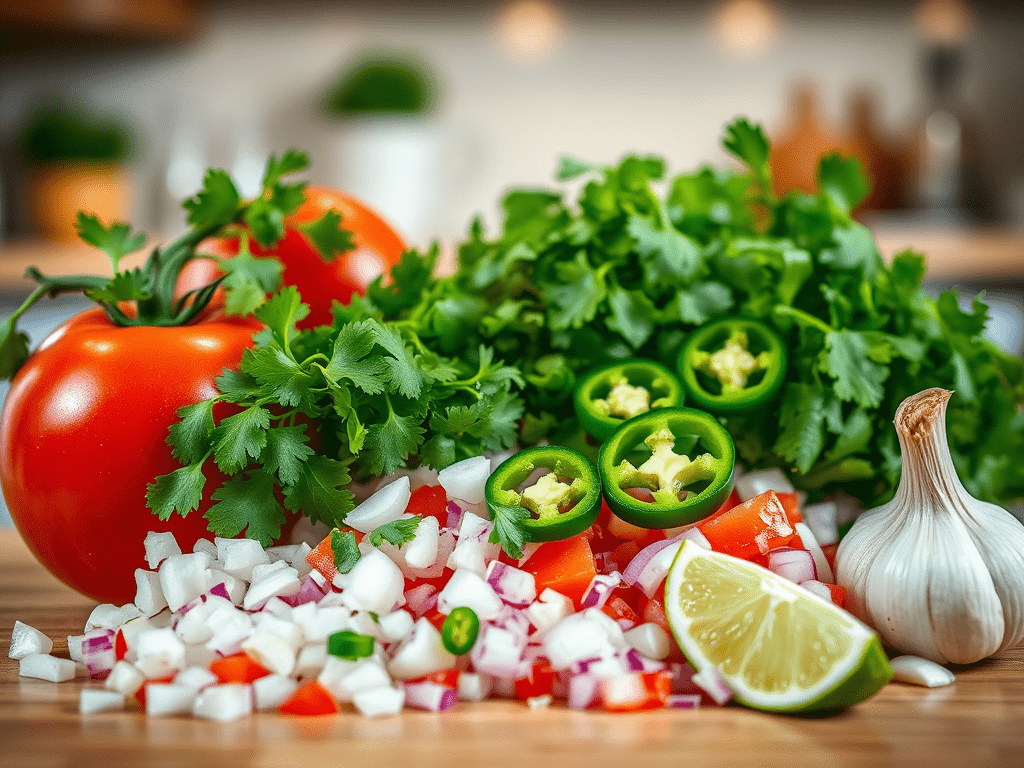
Blend into chipotle mayo, BBQ sauce, or pico de gallo for restaurant-quality depth. Victor’s favorite application.
Tacos & Proteins
Enhance taco fillings, slow-cooked meats, and seafood preparations. Start conservatively—its flavor is potent.
Powder & Dusts
Grind for use on popcorn, eggs, or as a surprising accent on desserts like chocolate truffles.
Beverages
Craft spicy cocktails, hot chocolate, or infused syrups. Advanced chefs use it in molecular gastronomy applications.
Essential tip: Start with one chile and taste progressively—its flavor is concentrated and potent. (The Spruce Eats)
Health Benefits of Dried Chipotle Chile
Beyond culinary appeal, dried chipotle chiles offer legitimate nutritional and health benefits backed by scientific research:
- Metabolism Boost: Capsaicin content increases thermogenesis, speeding calorie burning during digestion
- Antioxidant Protection: Rich in vitamin C and phytonutrients that fight inflammation and oxidative stress
- Heart Health: Improves circulation, supports healthy cholesterol levels, and aids blood pressure management
- Digestive Stimulation: Activates digestive enzymes, supporting nutrient absorption and gut health
- Immunity Enhancement: Vitamin A (retinol) and other micronutrients support immune system function
- Pain Relief: Capsaicin shows promise in managing neuropathic and arthritic pain through topical and dietary application
Victor’s growing enthusiasm for chipotle-spiced foods demonstrates that health-promoting ingredients can be genuinely delicious. (WebMD)
Frequently Asked Questions About Dried Chipotle Chile
Insights from 15+ years in global hospitality and 50+ countries of culinary exploration
What’s the difference between dried chipotle and jalapeño?
A dried chipotle is a jalapeño that’s been allowed to fully ripen (turning deep red), then smoked for days and dried. This process creates completely different flavor and nutritional profiles. Richard helped us appreciate how this transformation elevates a simple pepper into a complex ingredient. (Wikipedia)
How spicy is dried chipotle chile on the Scoville scale?
Dried chipotle registers 5,000–10,000 SHU—a moderate level offering warm heat without overwhelming. Victor, our 9-year-old spice enthusiast, finds it perfectly balanced in salsas and marinades. It’s notably milder than cayenne but more intense than jalapeño. (PepperScale)
How long does dried chipotle chile last in storage?
Stored in an airtight container in a cool, dark place, dried chipotle chiles last up to one year, as we’ve tested in Vietnam (2022–present). Natalia’s Siberian preservation knowledge suggests freezing in sealed bags for extended storage (2–3 years). Proper storage is crucial—moisture and light degrade quality. (Organic Facts)
What are common mistakes when cooking with dried chipotle chile?
Richard’s lessons helped us avoid: overusing (smokiness can overpower), skipping rehydration (leads to tough texture), burning during toasting (creates bitterness), and keeping seeds (adds unnecessary heat). Start small, taste constantly, and adjust gradually. Learning curve is minimal with these guidelines. (The Spruce Eats)
How do I rehydrate and prepare dried chipotle chile?
Rinse chiles gently, then submerge in hot water for 20–30 minutes until softened. Use the softened chile directly or blend with soaking water for sauce applications. Natalia’s preservation expertise refined this process in Thailand—the soaking liquid is precious, containing concentrated flavor. (The Daring Gourmet)
What ingredients pair best with dried chipotle chile?
Perfect pairings: sweet (honey, brown sugar, pineapple), acidic (lime, vinegar, tomato), creamy (sour cream, avocado, cheese), herbs/spices (cumin, oregano, garlic, cinnamon). Victor’s favorite is chipotle with avocado for balanced heat and richness. Experimentation reveals new combinations constantly. (The Spruce Eats)
Mastering Dried Chipotle Chile: Your Culinary Superpower
Dried chipotle chile transforms dishes with its unmatched smoky magic. Guided by our friend Richard’s Mexican chile expertise, Oliver (hospitality veteran with 15+ years across 50+ countries), Natalia (Siberian-Italian culinary storyteller), and Victor (our 9-year-old taste-tester) share this comprehensive guide. From Thailand (2016–2018) to Vietnam (2022–present), our family’s experiments with chipotle in salsas, marinades, and bold dishes continue revealing new applications.
Whether you’re crafting restaurant-quality dishes or simply elevating weeknight meals, dried chipotle chile deserves a permanent place in your spice cabinet. Start with Morita for delicate applications, explore Meco for bold projects, and taste your way to mastery. Share your creations with #MangoesPalmTrees. Happy cooking!
Explore more inspiration: