Editorial standards: editorial policy · Affiliate disclosure: affiliate disclosure · Family-tested archive — updated 2026-07.
Sheep’s milk Italian classic
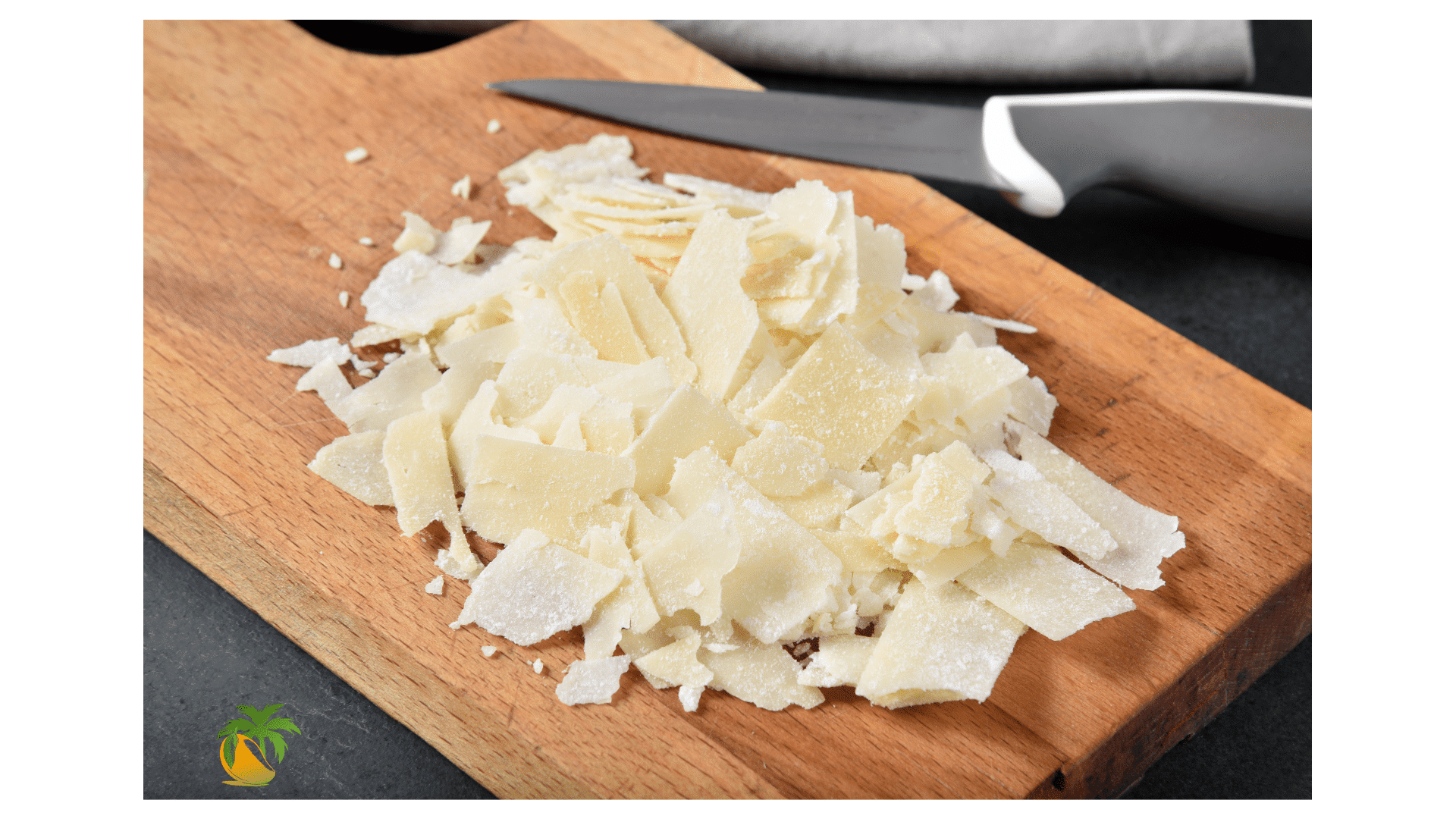
What Is Pecorino Romano Cheese
PDO sheep’s milk, five-to-eight-month age, grate-not-melt — the salty Roman cheese we reach for before Parmesan on cacio e pepe, July 2026.
What is Pecorino Romano cheese?
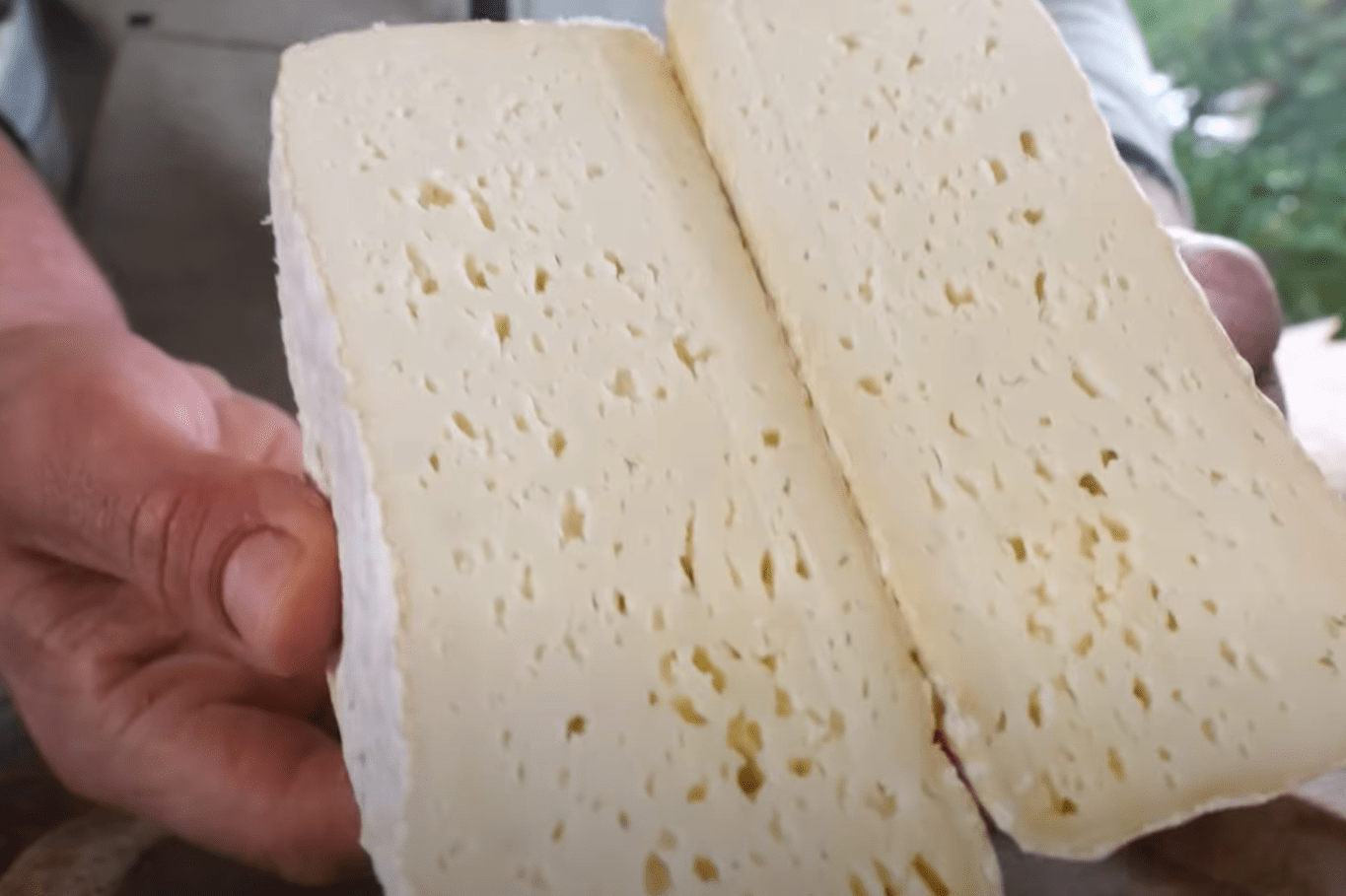
Pecorino Romano is a hard, salty sheep’s milk cheese from Italy with PDO protection, aged five to eight months for grating over pasta, salads, and Roman dishes. Mayerhoffer family notes from July 2026: sharper and saltier than Parmesan, grate fresh, skip salting pasta water, and pair with tropical salsa for contrast.
Oliver writes from Southeast Asia fieldwork through July 2026; Natalia reviews safety and nutrition notes; Victor is the final vote on family plates.
From the Alps to the Sands of Oman
My relationship with Pecorino Romano isn’t just about taste—it was born from technical necessity. While managing luxury resort kitchens in the Sultanate of Oman, maintaining the “Cold Chain” for imported Italian specialty cheeses was a daily operational masterpiece. In the 45°C heat, I learned that a true Protected Designation of Origin (PDO) cheese like Pecorino isn’t just a food product; it’s a living artifact of 2,000 years of biological science.
Today, in our home kitchen, my son Victor (born 2016 in Koh Samui) helps us test how this sharp Italian umami pairs with tropical ingredients. This professional discipline ensures that the Pecorino Romano insights we share are technically accurate and chef-tested. Whether we are preparing a classic bow tie pasta or exploring tropical fusions, these methods are grounded in 15+ years of global travel.
Defining a Roman Legend
UNESCO validates that the Mediterranean Diet—in which Pecorino Romano is a cornerstone—is a comprehensive cultural model. As a hard, salty sheep’s milk cheese aged for 5-8 months, its profile is defined by the unique proteins of Sardinian and Latium sheep.
According to the FAO Global Biodiversity Report, the preservation of traditional livestock breeds is vital for culinary heritage. This cheese is not a generic “Parmesan alternative”; it is a distinct entity with more sodium and a sharper tang, essential for the umami-driven recipes we’ve documented across our journeys.
About the Authors

Oliver & Natalia Mayerhoffer are culinary explorers with over 15 years of experience in global hospitality. From managing luxury resort kitchens in the Sultanate of Oman to sourcing ingredients in Roman markets, they translate professional culinary standards for home cooks. Their son, Victor, serves as the ultimate “Kid-Taste Tester.”
📚 Verified Citation Library
We verify all dairy science and historical claims against global Official standards.
- (Official Heritage): UNESCO Intangible Cultural Heritage. Validation of the Mediterranean Diet and traditional cheese-making as cultural assets.
- (Nutritional Science): USDA FoodData Central. Official nutritional profiles for sheep milk vs. cow milk cheeses.
- (Regulatory): EFSA (European Food Safety Authority). Safety and PDO regulation standards for Pecorino Romano production.
- (Production Authority): Consortium for the Protection of Pecorino Romano Cheese. Official production protocols and historical data.
- (Culinary Science): Serious Eats. Technical breakdown of cheese emulsification without heavy cream.
Technical SEO Metadata for Pecorino Romano Cheese
- what does pecorino romano taste like
- pecorino romano vs parmesan cheese differences
- authentic cacio e pepe recipe pecorino
- sheep milk cheese nutrition facts
- is pecorino romano cheese lactose free
- substitute for pecorino romano cheese
- history of roman cheese production
- best pasta recipes with pecorino
- how to store hard italian cheese
- pecorino romano PDO regulations
Questions we hear often
Is Pecorino Romano the same as Parmesan?
Can you melt Pecorino Romano cheese?
Sources and safety notes
- Wikipedia — Pecorino Romano — sheep’s milk cheese origin and PDO rules
- USDA FoodData Central — cheese nutrition and sodium reference
- Family field notes — Mayerhoffer kitchen testing, July 2026 Southeast Asia season
Meet the Mayerhoffers
“Free-spirited food adventurers, culture-seekers, and the guardians of 15 years of global memories.”
Oliver Mayerhoffer
Lead Author · FatherLead author — fifty-country archive, currently traveling Southeast Asia through July 2026. Oliver brings field-tested recipe structure and honest weeknight notes from family kitchens abroad.

Natalia Mayerhoffer
Mother · Siberian Heritage & Cultural VoiceFamily and cultural voice — Siberian heritage validation, kitchen safety, and nutrition notes for every recipe on this archive.
“Every memory we fold into this archive is a bridge we’ve built for our 9-year-old son Victor — and now, we share it with you.”
Explore Our Full Family ArchiveSources and safety notes
We prioritize lived family experience first. When food safety or heritage context matters, we cross-reference field notes with official references listed below.
USDA Food Safety
safe food handling reference
Read sourceHarvard T.H. Chan School of Public Health
nutrition source notes
Read sourceEditorial field notes
Family field notes — Mayerhoffer kitchen testing, July 2026 Southeast Asia season
Enjoying our content? Make Mangoes & Palm Trees a preferred source on Google.
Explore next

Italian cheese routing
Pecorino Romano identity and uses linked to bow tie pasta, Instant Pot mains, and ingredients hub.