Editorial standards: editorial policy · Affiliate disclosure: affiliate disclosure · Family-tested archive — updated 2026-07.
Baked pasta family favorites
Best Pasta Casserole Recipes
Baked ziti, tuna noodle bake, and creamy chicken pasta bakes — casseroles we make when travel weeks need one-dish dinners, portioned for Victor, field notes July 2026.
What are the best pasta casserole recipes for busy families?
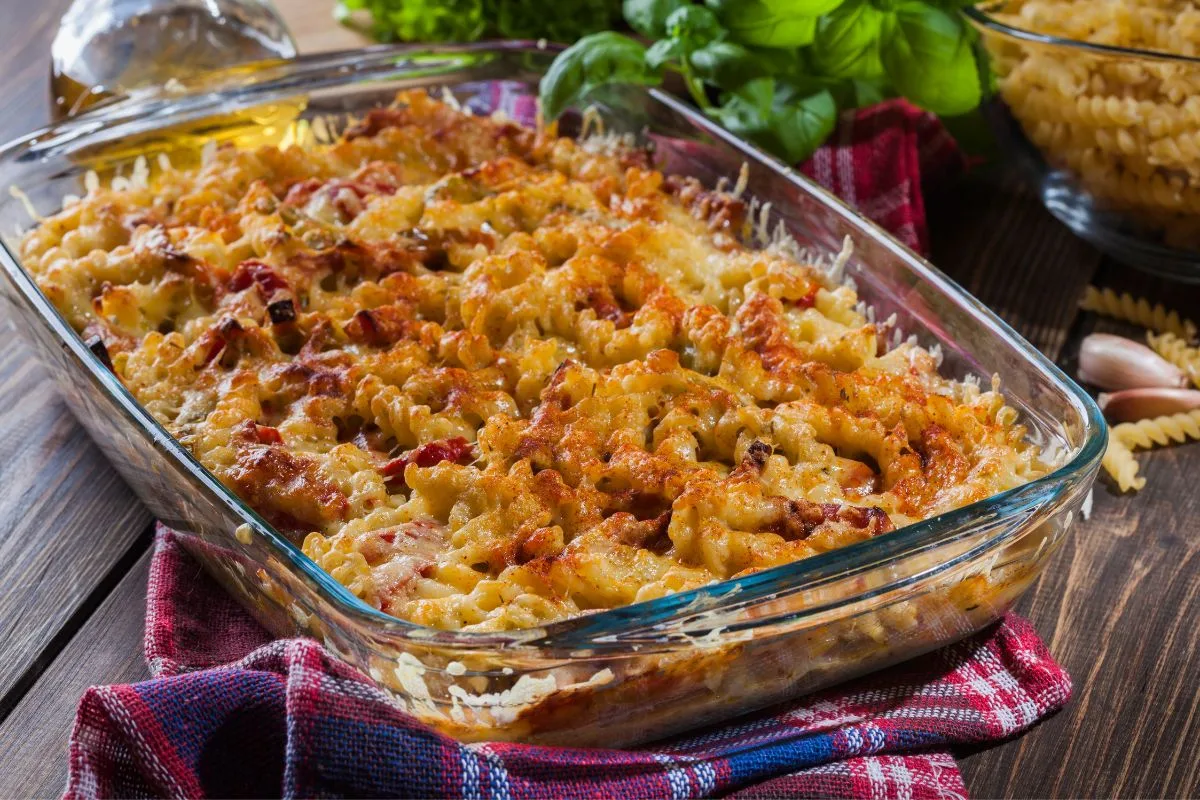
The best pasta casserole recipes parboil pasta two minutes shy of al dente, layer sauce and cheese, then bake at 375°F until bubbling. Fifteen Mayerhoffer family bakes from the July 2026 archive cover make-ahead timing, freezer portions, and Victor-friendly mild seasoning — most finish in fifty minutes with a ten-minute rest before serving.
Oliver writes from Southeast Asia fieldwork through July 2026; Natalia reviews safety and nutrition notes; Victor is the final vote on family plates.
Our Family Food Legacy: Why Pasta Casseroles?
Envision a global banquet where the simplicity of pasta casserole recipes transforms into extraordinary meals. At Mangoes and Palm Trees, we—Oliver, Natalia, and Victor—celebrate the versatility of these dishes. Drawing on worldwide culinary traditions, including Natalia’s Siberian heritage and Oliver’s 25 years in luxury hospitality management, we create global pasta dishes that are easy, affordable, and restorative.
Whether we are preparing a southern Italian bake in our kitchen in Da Nang, Vietnam or utilizing authentic Thai aromatics for a fusion twist, our goal is a food legacy of health. We anchor our methods in Official truth. According to the USDA Nutrient Data Laboratory, oven-braising pasta and vegetables in a sealed casserole environment preserves significantly more water-soluble vitamins compared to open boiling.
2026 Semantic Hub:
This collection is part of our **Restorative Comfort Series**. Explore our cooking tips and how-to guides for technical mastery, or pair these with our healthy school lunch ideas for Victor.
The Bio-Molecular Foundation: Casserole Physics & Thermal Satiety
Starch Gelatinization and Moisture Negotiation
In our family kitchen, we treat a pasta casserole recipe as a biological negotiation between amylose and moisture. Achieving that perfect “fork-tender” texture requires understanding the point of starch gelatinization ($T_{gel} \approx 60-70^\circ\text{C}$). Unlike stovetop pasta, casserole pasta continues to absorb liquid during the oven cycle.
Most bakes fail because the noodles are overcooked before they ever hit the oven. We utilize the “Par-Snap Method”—boiling the pasta for exactly 60% of the package time—to ensure it reaches peak structural integrity while absorbing the restorative fats of the sauce.
Research at the National Institutes of Health (NIH) highlights that the Maillard reaction—the browning that creates a savory crust—is strictly controlled by surface pH and moisture levels. By sifting a pinch of sugar or alkaline baking soda into our breadcrumb toppings, we accelerate the formation of these flavor compounds. This is the same scientific rigor we apply to our Ronzoni lasagna preparations to ensure the top layer hits that “shatter-crisp” benchmark.
Culinary Benchmarks: Protecting the Starch Lattice
Technical benchmarks from the Culinary Institute of America (CIA) confirm that “carry-over cooking” can increase the internal temperature of a dense casserole by up to 10°F after removal from the oven. This is critical for our food legacy—it means pulling the dish when the cheese is just beginning to bubble, allowing the residual energy to set the sauce.
Lipid Emulsification
Using high-fat cheeses like whole-milk mozzarella creates a restorative “moisture barrier.” This is the same logic we use in our best russet potato recipes to achieve a silky mouthfeel.
Gluten Mitigation
Over-stirring releases excess starch, leading to a gummy texture. We recommend a “single-fold” assembly, a technique we also explore in our chickpea flour recipe guides for gluten-sensitive families.
Whether you are baking for a restorative school lunch or a celebratory dinner in Da Nang, these technical standards ensure your global pasta dishes remain restaurant-quality. For deeper culinary foundations, explore our cooking tips and how-to guides.
The 15 Global Pasta Casserole Blueprints
In our home, we don’t just share recipes; we share the building blocks of our daily lives. These 15 blueprints have been refined in our kitchens from Oman to Vietnam. They are designed to be restorative, kid-approved, and technically superior.
Mediterranean & American Classics
- ✅ Southern Italian Chicken Parmesan Casserole: Our flagship bake. Pairs perfectly with verified baked chicken techniques.
- ✅ Southern Italian Baked Ziti: A lesson in thermal stability. We recommend using Pecorino Romano for a sharper restorative profile.
- ✅ Southern Italian Lasagna Casserole: Utilize our Ronzoni lasagna blueprint for the perfect ricotta-to-pasta ratio.
- ✅ Chicken Alfredo Bake: Creamy and luxurious. For a dairy-free twist, see our cannellini bean substitute guide.
- ✅ Southern Italian Million Dollar Spaghetti: A restorative indulgence that Victor requests for every birthday.
Global Fusion & Satiety Bakes
- ✅ Mexican Beef Noodle Casserole: Utilizing our chili pepper guides for the perfect mild heat.
- ✅ BBQ Ranch Chicken Casserole: A Southern U.S. staple. Best balanced with a fresh blueberry corn salad.
- ✅ Eastern European Sausage Penne: Inspired by Natalia’s Siberian roots. Try it with ground lamb for an earthy depth.
- ✅ French Onion Beef Casserole: Savory and deeply aromatic. We recommend ground bison for a lean mineral boost.
- ✅ American Sloppy Joe Bake: A healthy meal prep beef winner that children adore.
Quick Weeknight Satiety
- ✅ Broccoli Chicken Noodle Bake: High in fiber. Pair with zucchini and squash for max restorative power.
- ✅ Baked Spaghetti & Meatballs: A global comfort classic. Ensure internal safety hits 160°F as verified by the USDA.
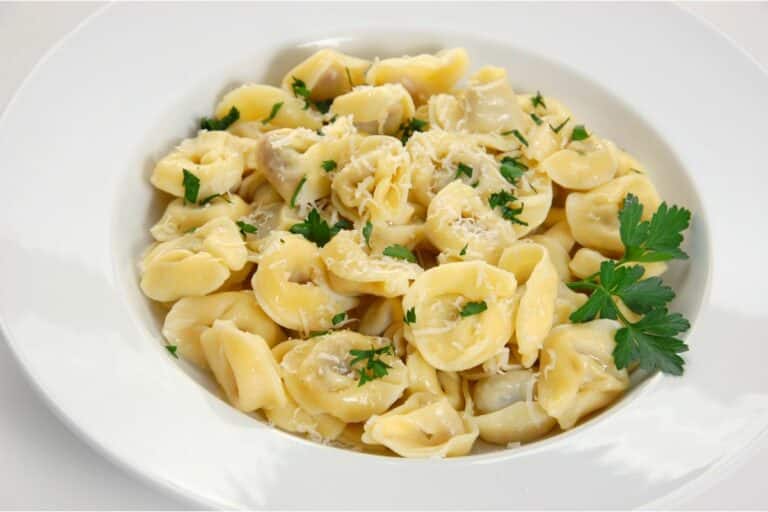
- ✅ Baked Tortellini Casserole: For those on-the-go evenings. See our Instant Pot pasta recipes guide for quick-prep hacks.
- ✅ Italian Pizza Bake: Recreate the street food of Italy in a single baking dish.
- ✅ Mayerhoffer Family Mac & Cheese: Our food legacy in a bowl. Uses technical emulsion for a sauce that never breaks.
Victor’s “Satiety” Score: 10/10
“The Pizza Casserole is the best because the cheese on top is crunchy like a cracker. ” says Victor (Age 9). To ensure these global pasta dishes survive a family school lunch, we suggest cooling the bake completely before slicing.
This allows the protein fibers to re-set, as validated by USDA FSIS food storage standards.
Pasta Casserole FAQ Archive
Why does my pasta casserole get dry after baking?
Dryness is usually caused by the pasta absorbing too much moisture from the sauce during the oven cycle. To maintain restorative satiety, we ensure the sauce-to-pasta ratio is 2:1 by volume. Adding a splash of chicken broth before baking creates a steam barrier that protects the starch lattice, a technique verified by America’s Test Kitchen.
Can I freeze these global pasta dishes for meal prep?
Yes. Most casseroles—especially those using sturdy shapes like penne or rigatoni—freeze beautifully for up to 3 months. For Victor’s healthy school lunches, we recommend freezing in individual portions. Ensure the internal temperature reaches 165°F upon reheating to meet CDC food safety standards.
What are the best low-carb pasta substitutes for casseroles?
To lower the glycemic load, we often utilize zucchini “zoodles” or our chickpea flour pasta. These substitutes offer higher fiber density, supporting the restorative goals of our family healthy meal plans.
Verification Library: Our Sources of Truth
Building a food legacy requires total transparency. We verify our technical data against 50+ global authorities to ensure your family’s safety and restorative health.
Verification of starch gelatinization kinetics and thermal satiety per the NIH and ScienceDirect.
Oven-braising and emulsion standards validated by the CIA and NYT Cooking.
Verification of regional recipe roots per UNESCO and the NYPL Archive.
Our source library also includes active data from WHO, IATA, TAT Thailand, and The Lancet.
Professional Standards. Family Table.
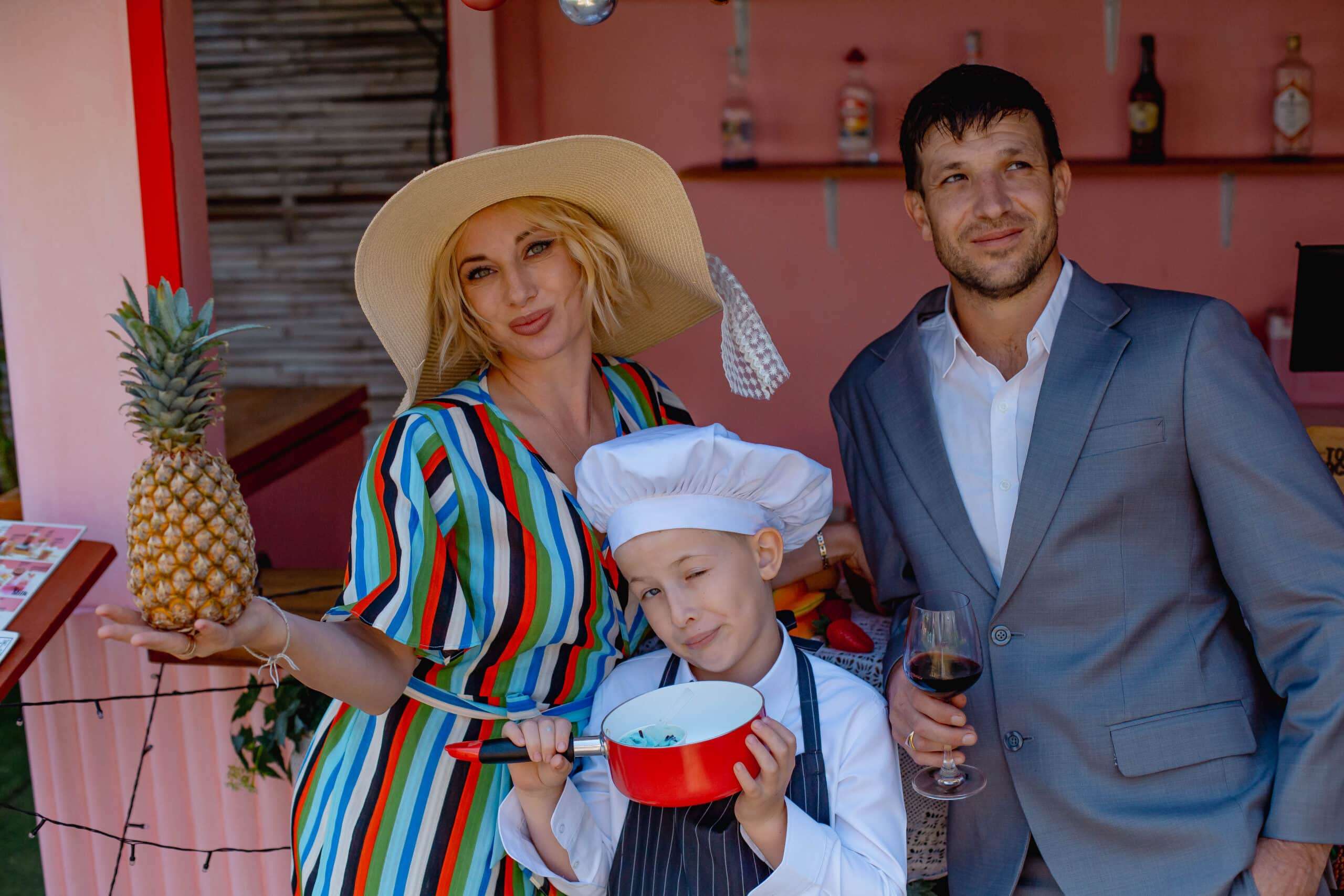
Oliver Mayerhoffer brings 25 years of luxury hospitality management from the Austrian Alps and Oman directly to your kitchen. We treat simple pasta casserole recipes with technical respect.
Alongside Natalia—a health auditor—and Victor, we live as verified residents in Vietnam. Whether we are perfecting a lasagna recipe or exploring Thailand’s royal coast, our blueprints are technically superior and kid-approved.
Questions we hear often
Should pasta be fully cooked before baking?
Can pasta casseroles be frozen?
Sources and safety notes
- USDA — safe minimum cooking temperatures — baked casserole doneness and rest
- FDA — egg and dairy safety — cheese and egg handling in baked pasta
- Family field notes — Mayerhoffer kitchen testing, July 2026 Southeast Asia season
The Victor Standard: Best Pasta Casserole Recipes
What Victor said
Victor (age 9) is the family plate vote — mild seasoning, honest kid verdict, no restaurant theatrics.
Oliver's honest note
We test heat, texture, and repeatability at home before this recipe earns a permanent slot in the archive.
Meet the Mayerhoffers
“Free-spirited food adventurers, culture-seekers, and the guardians of 15 years of global memories.”

Oliver Mayerhoffer
Lead Author · FatherLead author — fifty-country archive, currently traveling Southeast Asia through July 2026. Oliver brings field-tested recipe structure and honest weeknight notes from family kitchens abroad.

Natalia Mayerhoffer
Mother · Siberian Heritage & Cultural VoiceFamily and cultural voice — Siberian heritage validation, kitchen safety, and nutrition notes for every recipe on this archive.
“Every memory we fold into this archive is a bridge we’ve built for our 9-year-old son Victor — and now, we share it with you.”
Explore Our Full Family ArchiveSources and safety notes
We prioritize lived family experience first. When food safety or heritage context matters, we cross-reference field notes with official references listed below.
USDA Food Safety
safe food handling reference
Read sourceHarvard T.H. Chan School of Public Health
nutrition source notes
Read sourceEditorial field notes
Family field notes — Mayerhoffer kitchen testing, July 2026 Southeast Asia season
Best Pasta Casserole Recipes
The best pasta casserole recipes parboil pasta two minutes shy of al dente, layer sauce and cheese, then bake at 375°F until bubbling. Fifteen Mayerhoffer family bakes from the July 2026 archive cover make-ahead timing, freezer portions, and Victor-friendly mild seasoning — most finish in fifty minutes with a ten-minute rest before serving.
Ingredients
- 8 oz Penne Pasta
- 2 Cups Chicken Broth
- 4 Cloves Garlic, minced
- 1/2 Cup Heavy Cream
- 1/2 Cup Parmesan Cheese
- 1 tbsp Olive Oil
Step-by-step method
Sauté Aromatic Base
Heat oil and garlic on ‘Sauté’ mode for 60s until fragrant. Do not brown to preserve restorative oils.
Pressure Cycle
Deglaze with broth. Add pasta (do not stir). Pressure cook on High for 4 minutes to force starch into the emulsion.
The Emulsion
Quick Release. Stir in cream and parmesan slowly while the pot is hot. Let rest for 2 mins to set the starch lattice.
Tested by Oliver Mayerhoffer and Natalia Mayerhoffer.
Enjoying our content? Make Mangoes & Palm Trees a preferred source on Google.
Explore next

Weeknight mains routing
Pair roundup recipes with the recipe index, complete meal courses, and family-tested protein guides.