Editorial standards: editorial policy · Affiliate disclosure: affiliate disclosure · Family-tested archive — updated 2026-07.
Chili cluster authority
Chipotle Chili Pepper In Adobo Sauce
Field-tested chipotle chili pepper in adobo sauce from our fifty-country archive—updated with July 2026 Southeast Asia family travel and kitchen notes.
What are chipotle peppers in adobo sauce?
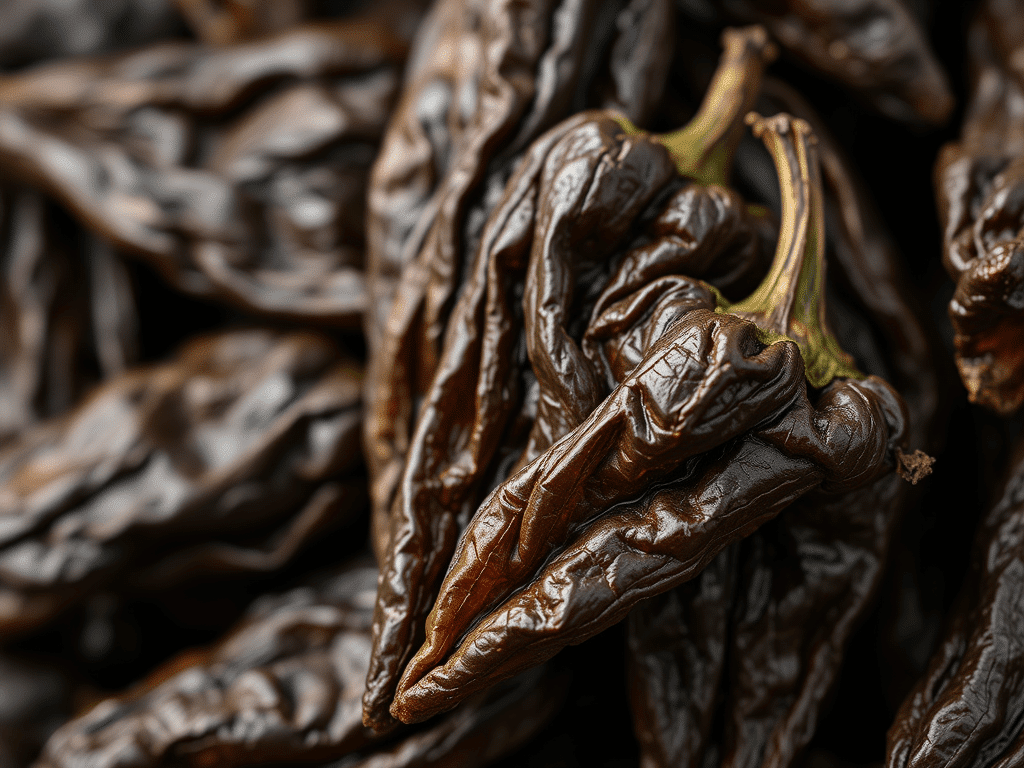
Chipotle peppers are smoked, dried jalapeños packed in tangy tomato-vinegar adobo sauce. Use one or two peppers plus a spoonful of sauce per batch for smoky medium heat near 2,500–8,000 SHU. Refrigerate opened cans under 40°F and use within two weeks.
Oliver writes from Southeast Asia fieldwork through July 2026; Natalia reviews safety and nutrition notes; Victor is the final vote on family plates.
Key takeaways
- Heat band: Plan for 2,500–8,000 SHU—smokier and often hotter than fresh jalapeño. Compare on the chili pepper pillar.
- Pantry use: Blend peppers with adobo for marinades, beans, and mayo; freeze leftover sauce in ice-cube trays for weeknight tacos.
- Cluster routing: Pair with serrano, guajillo, and the chili library.
What Is Chipotle Chili Pepper in Adobo Sauce?
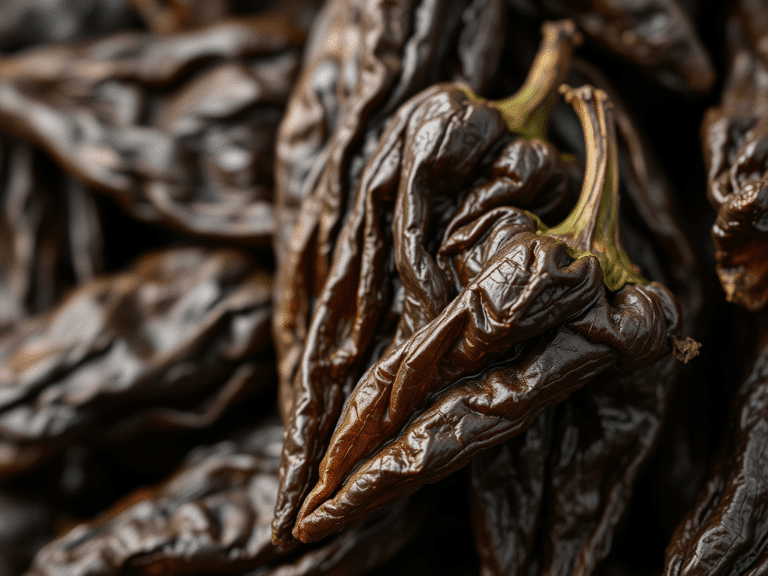
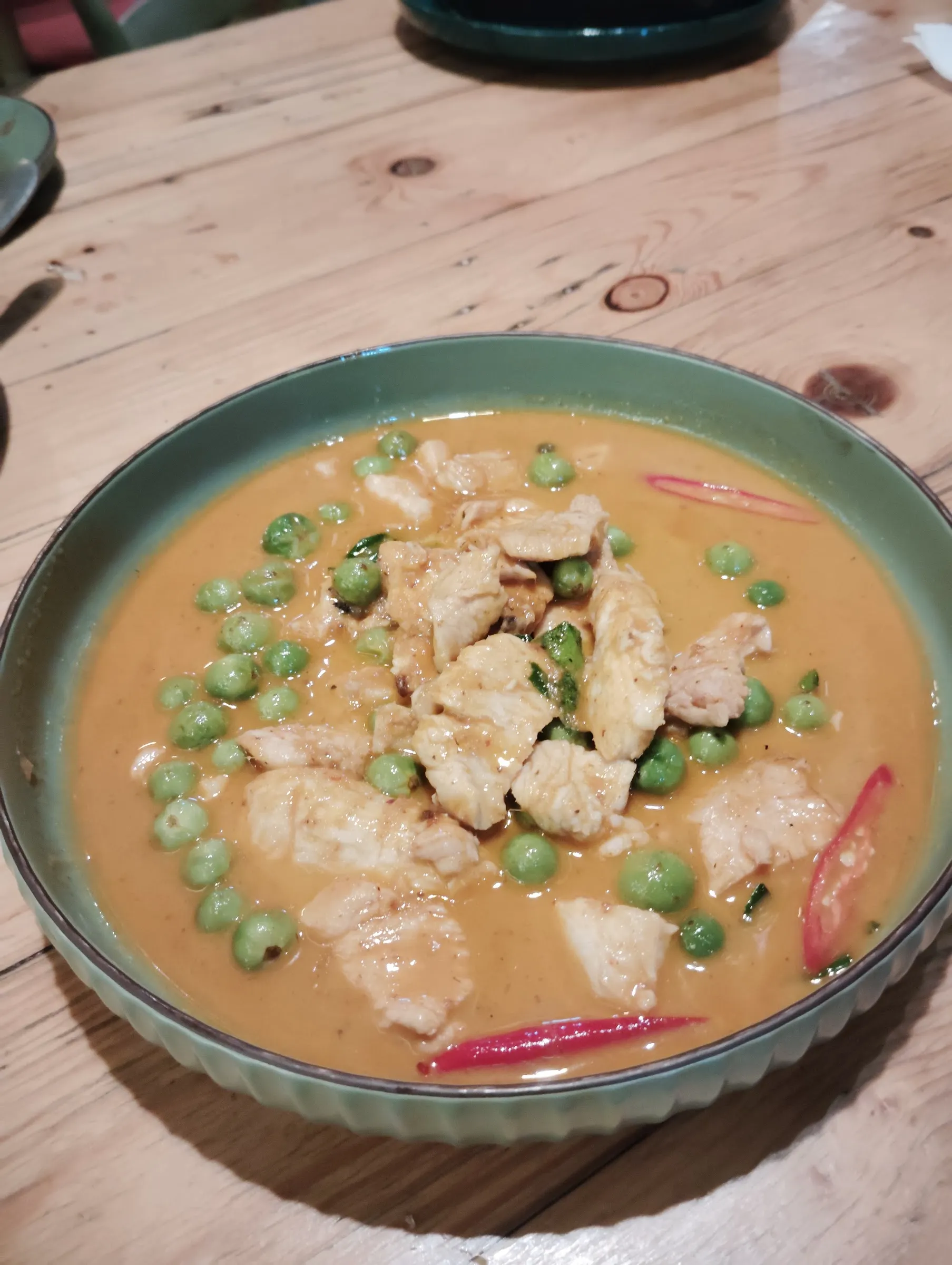
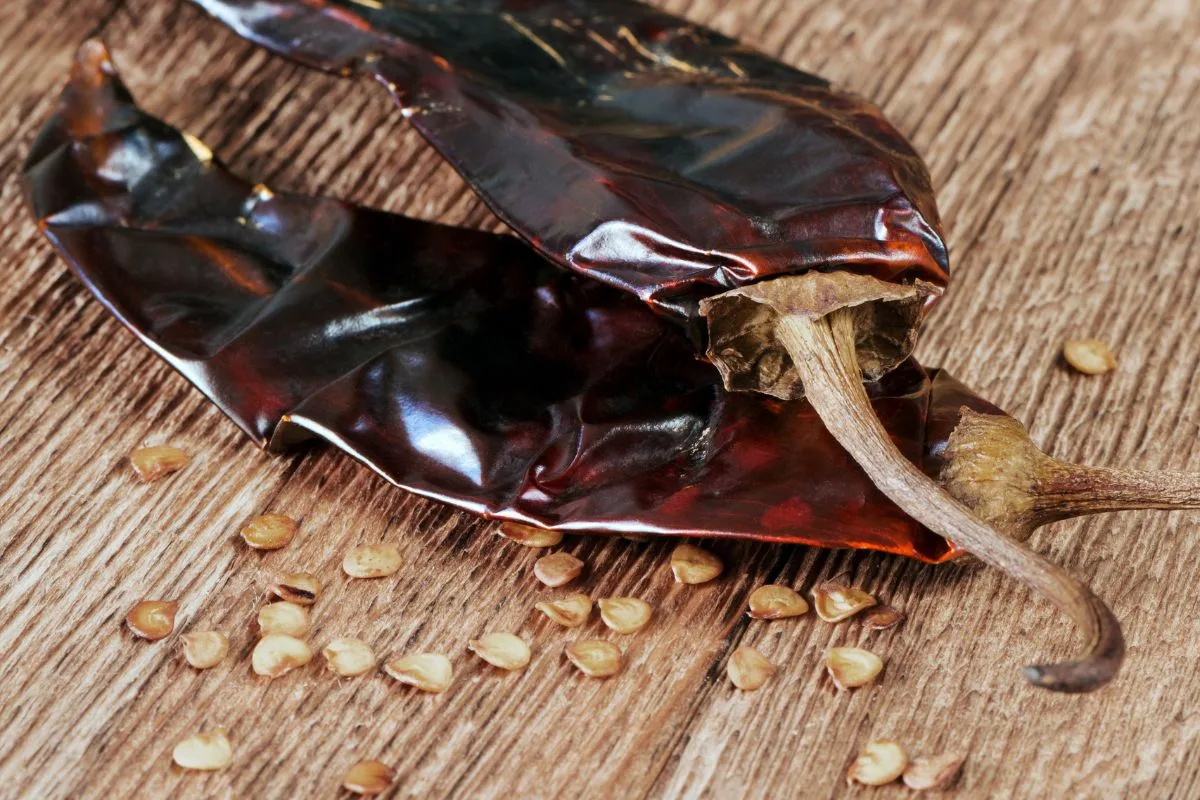
Chipotle chili pepper in adobo sauce is a staple of Mexican and Tex-Mex cooking, combining smoked, dried jalapeños (chipotles) with a rich, tangy tomato-vinegar sauce called adobo. The name “chipotle” comes from the Nahuatl word chilpoctli, meaning “smoked chili,” according to Wikipedia. When ripe red jalapeños are smoked over wood, their flavor intensifies into a deep, aromatic spice that transforms ordinary dishes into extraordinary ones.
Meanwhile, adobo sauce originated in Spanish and Filipino cuisines but evolved in Mexico to include tomatoes, garlic, vinegar, and warming spices. When chipotles are preserved in adobo, the result is one of the most versatile condiments in Latin American cooking — smoky, spicy, tangy, and slightly sweet all at once (Britannica).
The Origin of Chipotle Peppers
Chipotle peppers trace back to Aztec civilization, where smoking chilies was a preservation method developed long before refrigeration. This ancient practice evolved into an art form, representing Mexico’s deep connection to fire, earth, and flavor. Today, the smoking process is recognized for actually increasing antioxidant content — a 2017 PubMed study found that smoking red jalapeños boosts polyphenol levels by up to 50% (PubMed – Smoking Process Study).
The Flavor Profile: Smoky, Tangy, and Addictive
Each bite of chipotle in adobo delivers a perfect balance of:
- Wood smoke from the traditional drying process
- Tomato tanginess that cuts through rich foods
- Vinegary acidity for brightness
- Mild-to-medium heat (2,500–8,000 Scoville Heat Units)
This complexity makes them ideal for both savory and fusion dishes — from traditional tacos and Mexican soups to modern burgers, pasta sauces, and even smoker recipes.
From My Kitchen: Discovering Chipotle’s Magic in Mexico City
I’ll never forget my first authentic chipotle experience during our family’s time in Mexico City (2010–2014). Our friend Ricardo — a third-generation taquero — invited us into his family’s kitchen, where his grandmother, Doña María, was making her grandmother’s adobo recipe. As travel lovers with a passion for culinary inspirations from around the globe, we thought we understood Mexican food.
But watching Doña María blend charred chipotles with her family’s secret adobo taught us the difference between cooking food and honoring tradition.
She explained that authentic chipotle isn’t about overwhelming heat — it’s about building deep, complex layers of flavor that tell the story of Mexico’s culinary heritage. The smoking process tames the jalapeño’s sharpness while adding umami depth. When Natalia and I returned to our kitchen in Da Nang, Vietnam (2022–present), we brought that lesson with us.
Now, a jar of chipotle in adobo sits permanently in our fridge, a tangible memory of that Puebla kitchen and our adventures across 50+ countries, ready to transform everything from Vietnamese coffee marinades to Thai basil stir-fries with smoky Mexican soul.
Nutritional Profile & Health Benefits
According to Nutritionix, one tablespoon of chipotle peppers in adobo sauce contains roughly:
| Nutrient | Amount |
|---|---|
| Calories | 25 kcal |
| Carbohydrates | 4 g |
| Fat | 0.7 g |
| Protein | 1 g |
| Sodium | 200 mg |
| Vitamin A | 10% DV |
| Vitamin C | 4% DV |
Key Health Benefits
???? Boosts Metabolism
Capsaicin — the compound responsible for heat — stimulates thermogenesis, increasing calorie burn and reducing appetite. A 2023 meta-analysis published in PubMed linked dietary capsaicin to improved cardiometabolic health.
❤️ Supports Heart Health
Research from BioMed Central shows capsaicin may lower cholesterol, reduce inflammation, and support healthy blood pressure when consumed regularly.
????️ Rich in Antioxidants
Vitamins A and C provide immune support and fight free radical damage. According to Healthline, regular chili pepper consumption is linked to reduced disease risk and longevity.
Culinary Uses: How to Cook with Chipotle Chili Peppers in Adobo Sauce
This ingredient is incredibly versatile. Food experts at our chili library call chipotles a “secret ingredient that instantly elevates comfort foods” — and they’re absolutely right. Here’s how to use them:
Popular Recipes and Dishes
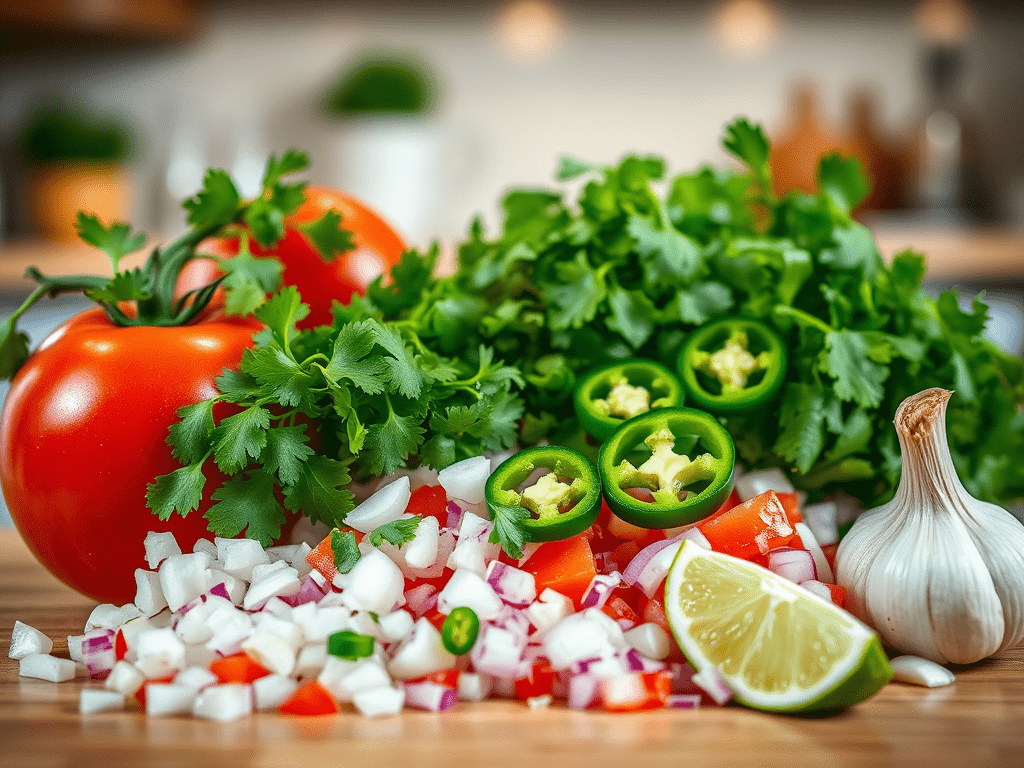
- Sauces & Condiments: Blend with mayo for chipotle aioli, or mix into salsa fresca for smoky depth
- Main Dishes: Perfect for beef tacos, grilled chicken marinades, and shredded beef
- Soups & Stews: Stir into Mexican soups, Asian hot and sour soup, or butternut squash soup
- Everyday Upgrades: Add to scrambled eggs, pasta sauces, or mix with butter for spicy compound butter
How to Adjust the Spice Level
Start small — just half a pepper or a teaspoon of adobo sauce brings a big punch. For less heat, use only the sauce without the pepper. For more intensity, blend a whole pepper into your dish.
Pro tip from Serious Eats: pair with dairy (sour cream, yogurt) or sweetness (honey, maple syrup) to balance heat.
Homemade vs. Store-Bought: Which Is Better?
Best Brands and Store-Bought Options
Top-rated brands include La Costeña, Embasa, and La Morena. Each offers authentic Mexican flavor at affordable prices, ideal for home cooks and professional kitchens alike.
How to Store and Preserve Chipotle Peppers in Adobo Sauce
Refrigerator and Freezer Storage Tips
After opening, transfer leftover chipotle peppers and adobo sauce into a glass jar or airtight container. Keep refrigerated for up to 3 weeks. For longer storage, freeze in ice cube trays for easy single-use portions — they last up to 4 months frozen without losing flavor.
Chipotle Chili Pepper Substitutes
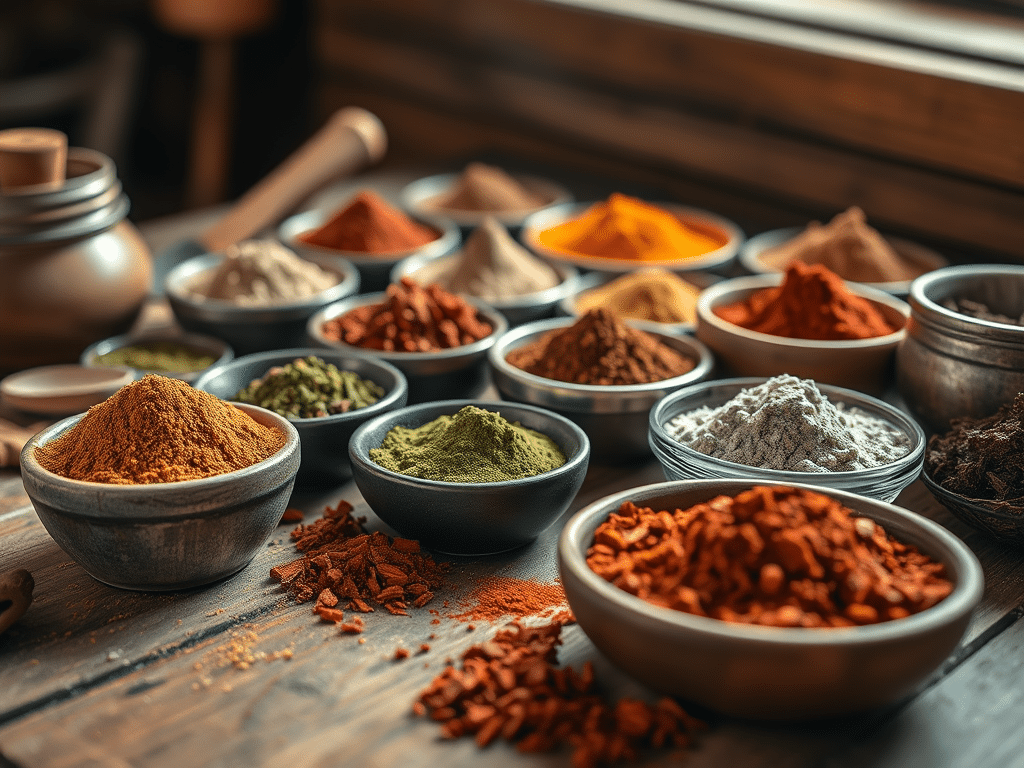
If you’re out of chipotle peppers, try these alternatives that maintain flavor balance while matching your desired spice tolerance:
| Substitute | Flavor Profile | Heat Level |
|---|---|---|
| Smoked Paprika | Smoky, mild | Low |
| Ancho Chili Paste | Sweet, fruity | Mild |
| Guajillo Chili | Tangy, earthy | Medium |
Conclusion: Why Chipotle Chili Pepper in Adobo Sauce Belongs in Every Kitchen
From its ancient Aztec roots to its modern culinary fame, chipotle chili pepper in adobo sauce stands as one of the world’s most flavorful and healthful ingredients. For more Mexican-inspired recipes and global culinary adventures, explore our Mexican soup collection and complete recipe library.
Questions we hear often
Can you eat chipotle peppers straight from the can?
How spicy are chipotles in adobo?
How should you store an opened can?
Meet the Mayerhoffers
“Free-spirited food adventurers, culture-seekers, and the guardians of 15 years of global memories.”

Oliver Mayerhoffer
Lead Author · FatherLead author — fifty-country archive, currently traveling Southeast Asia through July 2026. Oliver brings field-tested recipe structure and honest weeknight notes from family kitchens abroad.

Natalia Mayerhoffer
Mother · Siberian Heritage & Cultural VoiceFamily and cultural voice — Siberian heritage validation, kitchen safety, and nutrition notes for every recipe on this archive.
“Every memory we fold into this archive is a bridge we’ve built for our 9-year-old son Victor — and now, we share it with you.”
Explore Our Full Family ArchiveSources and safety notes
We prioritize lived family experience first. When food safety or heritage context matters, we cross-reference field notes with official references listed below.
USDA Food Safety
safe food handling reference
Read sourceHarvard T.H. Chan School of Public Health
nutrition source notes
Read sourceHealthline — chili peppers
capsaicin and metabolic notes
Read sourceWikipedia — Scoville scale
heat measurement reference
Read sourceWikipedia — Chipotle
smoked jalapeño profile
Read sourceNMSU Chile Pepper Institute
cultivar heat reference
Read sourceUSDA FoodData Central
pepper nutrition reference
Read sourceEditorial field notes
Family field notes — Mayerhoffer chipotle pantry tests, July 2026 Southeast Asia season
Enjoying our content? Make Mangoes & Palm Trees a preferred source on Google.
Explore next

Chipotle Chili Pepper In Adobo Sauce routing
Chipotle in adobo linked to chili pillar, guajillo, serrano, and pantry substitute guides across the Mangoes & Palm Trees archive.