Editorial standards: editorial policy · Affiliate disclosure: affiliate disclosure · Family-tested archive — updated 2026-07.
Moist tangy sheet cake
Kefir Sheet Cake Recipe
Plain kefir, eggs, and oil bake into a tender sheet cake with Eastern European tang—family-tested from Austrian kitchens through July 2026 rental kitchens across Southeast Asia.
How do you make kefir sheet cake?
Whisk room-temperature eggs, oil, kefir, and sugar until smooth. Fold in sifted flour and baking powder until just combined. Pour into a greased 9×13-inch pan, bake at 350°F for about forty-five minutes until a toothpick shows moist crumbs. Cool fifteen minutes in the pan, then slice into twelve pieces.
Oliver writes from Southeast Asia fieldwork through July 2026; Natalia reviews safety and nutrition notes; Victor is the final vote on family plates. Jump to full recipe
Slice scaler
Scale this kefir sheet cake
Adjust slices from the pan — wet and dry quantities update instantly.
How do you scale kefir sheet cake?
Choose six, twelve, eighteen, or twenty-four slices in the scaler above. Egg, kefir, flour, and sugar amounts update for our twelve-slice nine-by-thirteen base — nothing leaves your browser. Doubling needs a half-sheet pan or two pans with adjusted bake time.
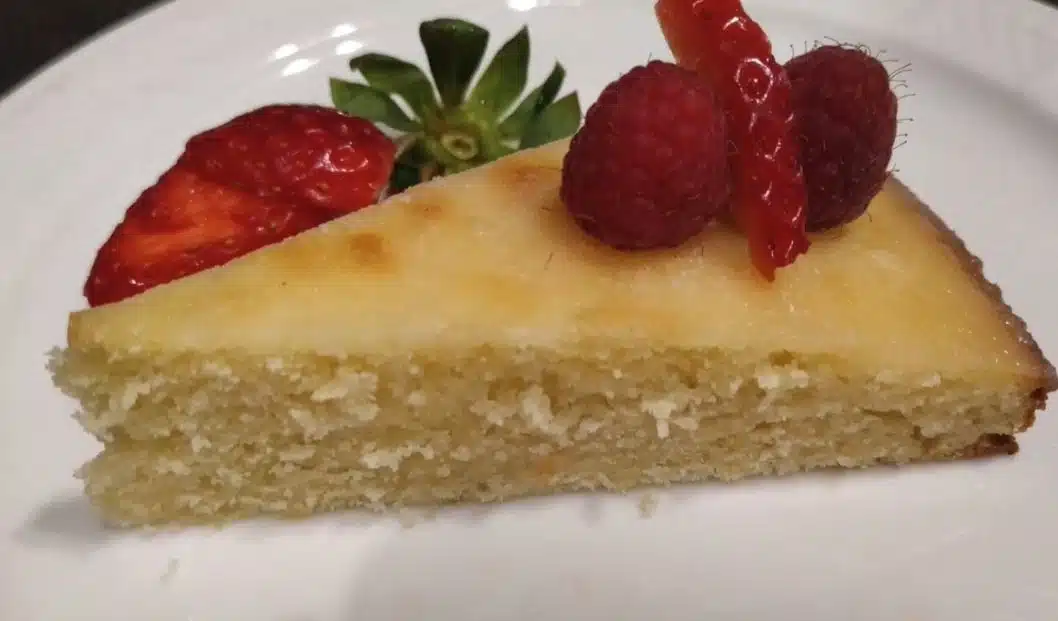
The Complete Kefir Sheet Cake Recipe Guide
Quick Answer: Kefir sheet cake is a fermented dairy dessert featuring tender, moist cake infused with probiotic-rich kefir, creating a uniquely tangy-sweet flavor profile. Ready in 40 minutes, naturally gluten-free friendly (with substitutions), and surprisingly nutritious compared to conventional cakes. This family guide includes ingredient notes, step-by-step instructions, 8+ variations, and comparison notes to help you master this modern take on traditional European baking.
Whether you’re baking your first kefir cake or perfecting your technique, this guide—grounded in family kitchen testing and real family kitchen experience—ensures you create a dessert that’s both impressive and nutritious. From ingredient sourcing to storage tips, baking science to dietary adaptations, we’ve covered everything. For related recipes, explore our dessert recipes or our Fermentation in Baking Guide.
What is Kefir & Why Use It in Baking?
Kefir basics: Kefir is a fermented milk beverage created by adding kefir grains (a symbiotic culture of bacteria and yeasts) to milk. Unlike yogurt, which uses specific starter cultures, kefir develops through wild fermentation, creating a complex microbial community that produces lactic acid, acetic acid, and numerous beneficial compounds. The result is a tangy, slightly fizzy beverage with superior probiotic diversity compared to most yogurts.
Why kefir for baking: When used in baking, kefir’s fermented properties deliver three major benefits. First, the acids (primarily lactic acid at pH 4. 6) react with baking soda to create immediate leavening action, resulting in superior rise and fluffiness.
Second, the proteins in fermented milk are partially broken down, creating a naturally tenderizing effect that produces delicate, moist crumb. Third, fermentation enhances moisture retention—the degraded milk proteins and beneficial acids work together to keep cakes soft for days after baking.
The Role of Fermentation in Cake Science
Fermentation fundamentally transforms milk chemistry. The beneficial bacteria in kefir consume milk lactose and produce lactic acid as a byproduct. This fermentation process also generates biotin, folate, and other B-vitamins that weren’t present in the original milk.
In baking specifically, these fermented properties create advantages impossible to replicate with pasteurized milk alone. The acid activates leavening agents more efficiently, the protein degradation softens the final crumb structure, and the complex flavor compounds add depth that conventional cakes simply cannot achieve.
Understanding Kefir’s Unique Flavor Profile
This kefir sheet cake recipe delivers a subtle tang—distinctly different from the one-dimensional sweetness of conventional cakes. The tangy notes complement sugar rather than compete with it, creating complexity on the palate. This is why experienced bakers often reduce sugar slightly in kefir cakes compared to traditional recipes—less sweetener is needed because the fermented tang provides natural depth and satisfaction.
For cultural context and traditional usage, see Wikipedia’s Kefir entry .
Why This Recipe Works: Moisture, Texture & Flavor Breakdown
Superior Moisture Retention: What makes this sheet cake exceptional is how long it stays moist. The fermented proteins and lactic acid in kefir actively retain moisture at a cellular level, preventing the typical staling process that affects conventional cakes. Test this yourself—compare a slice after 2 days: your kefir cake will be noticeably softer and more moist than an identical cake made with buttermilk.
This longevity makes the recipe perfect for advance baking or serving at events where timing is unpredictable.
Delicate Crumb Structure: The genius of kefir baking is how fermentation pre-breaks down milk proteins, creating natural tenderizing without requiring additional ingredients. When you combine this with proper mixing technique (which we’ll detail in the instructions), you get a cake that’s simultaneously light and moist—a texture balance that requires careful chemistry. The slight acidity also limits gluten development in wheat flour, preventing the dense, tough crumb that results from overmixing.
The Science of Leavening & Rise
When kefir (acidic: pH 4. 6) meets baking soda (alkaline base), an immediate chemical reaction occurs: acid + base → salt + water + carbon dioxide gas. Those CO2 bubbles are what create rise and fluffiness.
Compared to cakes using buttermilk (pH 4. 8) or milk + vinegar, kefir’s fermented complexity produces more stable, finer bubbles—resulting in better rise and superior texture. Additionally, the enzymes produced during fermentation continue to work during mixing, creating more efficient bubble formation than simple acid-base reactions alone.
Flavor Complexity Without Extra Ingredients
The tangy-sweet balance in this kefir cake develops naturally from fermentation—you don’t need vanilla, almond extract, or other flavor additions to create depth. However, these additions work beautifully as enhancements if desired. The fermented tang prevents sugar-fatigue (that cloying sensation from overly sweet desserts) while the cake structure remains light and approachable.
This is why experienced bakers describe kefir cakes as “refreshing desserts” rather than “heavy indulgences”.
Kefir sheet cake
Ingredients
- 3 large eggs, room temperature
- 100 ml vegetable oil
- 1 cup (240 ml) plain kefir, room temperature
- 1 cup (200 g) granulated sugar
- 200 g all-purpose flour, sifted
- 10 g baking powder
- 150 g jam (optional)
- 50 g nuts (optional)
Step-by-step method
Prepare Your Workspace (2 minutes)
Preheat oven to 180°C (350°F). Line a 9×13-inch (23×33cm) baking pan with parchment paper. Grease the parchment and pan sides with vegetable oil for foolproof release. Set aside the prepared pan.
Combine All Wet Ingredients (2 minutes)
In a large mixing bowl, crack 3 large room-temperature eggs directly into the bowl. Add 100ml vegetable oil to the eggs. Add 1 cup (240ml) room-temperature plain kefir. Add 1 cup (200g) granulated sugar.
Whisk Until Combined (1 minute)
Using a whisk, vigorously whisk all wet ingredients together until completely smooth and well-combined. There should be no visible egg streaks or oil separation. The mixture should look uniform and pale yellow. This one-bowl method is the key to speed and simplicity.
Add Flour & Baking Powder (1 minute)
Sift 200g all-purpose flour into the wet mixture. Add 10g baking powder directly into the flour as you sift (or whisk together separately first). Using a whisk or wooden spoon, mix until flour is just incorporated. Don’t overmix—small lumps are perfectly fine.
Pour & Spread (1 minute)
Pour prepared batter into your greased, parchment-lined 9×13-inch pan. Using an offset spatula or the back of a spoon, smooth the batter into an even layer. Level surface ensures even baking and professional appearance. Tap the pan gently on the counter 2-3 times to release any large air pockets.
Bake (45 minutes)
Place the pan in the preheated 180°C oven and bake for 45 minutes. At the 40-minute mark, insert a toothpick or thin knife into the center of the cake. The toothpick should come out with just a few moist crumbs—NOT completely clean (that means overbaking) and NOT with wet batter (that means underbaking). Cake edges should be golden brown and pulling slightly away from the pan sides.
Cool in Pan (15 minutes)
Remove the baked cake from the oven and let cool in the pan for 15 minutes. During this resting period, the cake sets slightly while still warm enough to be handled safely. This timing prevents the cake from being too fragile when turned out and prevents structural collapse.
Turn Out & Cool Completely (20 minutes)
Place a wire cooling rack or flat plate over the top of the cake pan. Holding the rack and pan together, flip them as one unit so the cake releases onto the rack. The parchment paper should come right off cleanly. Allow the cake to cool completely on the rack—approximately 20 minutes—before serving or adding any toppings. The cake can also be served warm if preferred.
Decorate & Serve (5 minutes)
Once cooled (or while still warm), spread jam generously across the top if not already added. Sprinkle nuts evenly over the jam layer for visual appeal and texture. Alternatively, dust with powdered sugar for elegant simplicity. Slice into 12 pieces and serve immediately or store for later.
Tested by Oliver Mayerhoffer and Natalia Mayerhoffer.
Pro tips for baking success
One-Bowl Mixing = Maximum Efficiency
This recipe’s genius is doing everything in one bowl—no separate dry mixture, no separate wet mixture, just one simple combine-and-bake approach. This isn’t lazy; it’s authentic Eastern European methodology that’s been perfected over centuries. The kefir’s fermented acid and baking powder create rise regardless of mixing order due to fermentation science.
Oil Instead of Butter = Superior Moisture
Vegetable oil distributes more evenly than solid butter, creating incredibly moist cake that stays soft for days. The oil-kefir-egg combination is scientifically superior for moisture retention compared to traditional butter cakes. Oil also creates a more tender crumb structure at the cellular level.
Whisk Over Mixer = Better Results
While electric mixers work fine, a vigorous hand whisk creates the ideal texture—combining ingredients without overworking the batter. This gives you control and creates that perfect balance between incorporating air and maintaining tender crumb. Hand whisking also takes only 1-2 minutes.
Room Temperature Ingredients = Perfect Batter
Cold ingredients from the fridge take longer to mix smoothly and can create lumpy batter. Room temperature (68-72°F / 20-22°C) ingredients blend instantly, creating uniform batter in seconds. Pull eggs and kefir from the fridge 30 minutes before baking.
Jam & Nut Variations
Any jam works—strawberry, raspberry, apricot, plum, or whatever you have available. Nuts can be any type—walnuts, almonds, hazelnuts, pecans, or pistachios. These aren’t strict requirements; use what you have available.
The beauty of this recipe is its flexibility.
Test for Doneness at 40 Minutes
Start checking at 40 minutes rather than waiting the full 45. Baking times vary by oven; this gives you a safety window and prevents accidental overbaking. Overbaking dries out the cake, so precision timing matters.
The cake should look golden and smell amazing when done.
Why This Method Works
Kefir’s fermented properties create predictable leavening and moisture regardless of method order. The acid in kefir (primarily lactic acid from fermentation) reacts with baking soda to create CO2 bubbles that lift the cake. Combined with oil-based fat distribution and egg emulsification, the result is nearly foolproof.
This is why home bakers across Eastern Europe have relied on kefir cakes for generations.
Flavor variation
Lemon-blueberry kefir cake
Bright, fruity, perfect for spring celebrations
Modifications: Add 2 tablespoons fresh lemon zest to wet ingredients before mixing. Fold ¾ cup fresh or frozen blueberries into batter gently—toss berries in flour first to prevent sinking. Use traditional cream cheese frosting or a lemon glaze (1 cup powdered sugar + 2 tbsp fresh lemon juice).
Why it works: Lemon brightens kefir’s tang while blueberries add natural sweetness and antioxidants.
Pan size, kefir swaps, and storage
| Scenario | Adjustment |
|---|---|
| Half batch (6 slices) | Halve all ingredients; bake in 8×8-inch pan about 35–38 minutes |
| Buttermilk swap | 1 cup buttermilk + pinch baking soda; reduce baking powder to 8 g |
| Greek yogurt swap | 1 cup plain Greek yogurt thinned with 2 tbsp milk; expect a denser crumb |
| Room-temp storage | Cover up to 3 days; wrap slices for lunch boxes |
| Freezer | Wrap individual slices; thaw at room temperature 1–2 hours before serving |
Keep exploring after this kefir sheet cake
Dessert routing from our family archive—tangy dairy bakes, loaf cakes, and sheet-pan siblings.
- Start here: Dessert recipes · Recipe index · Video recipes
- Tangy bakes: Chobani banana bread · Greek yogurt cheesecake · Carrot cupcakes
- Sheet cakes: Vegan apple cake · Ketchup-and-jelly BBQ sauce (grill pairing)
- Who we are: Oliver Mayerhoffer · Natalia Mayerhoffer · Editorial policy
Questions we hear often
What makes kefir sheet cake different from regular cake?
Can I use flavored kefir instead of plain?
How long does kefir sheet cake stay fresh?
The Victor Standard: Kefir Sheet Cake Recipe
What Victor said
Victor (age 9) is the family plate vote — mild seasoning, honest kid verdict, no restaurant theatrics.
Oliver's honest note
We test heat, texture, and repeatability at home before this recipe earns a permanent slot in the archive.
Meet the Mayerhoffers
“Free-spirited food adventurers, culture-seekers, and the guardians of 15 years of global memories.”

Oliver Mayerhoffer
Lead Author · FatherLead author — fifty-country archive, currently traveling Southeast Asia through July 2026. Oliver brings field-tested recipe structure and honest weeknight notes from family kitchens abroad.

Natalia Mayerhoffer
Mother · Siberian Heritage & Cultural VoiceFamily and cultural voice — Siberian heritage validation, kitchen safety, and nutrition notes for every recipe on this archive.
“Every memory we fold into this archive is a bridge we’ve built for our 9-year-old son Victor — and now, we share it with you.”
Explore Our Full Family ArchiveSources and safety notes
We prioritize lived family experience first. When food safety or heritage context matters, we cross-reference field notes with official references listed below.
USDA Food Safety
safe food handling reference
Read sourceHarvard T.H. Chan School of Public Health
nutrition source notes
Read sourceEditorial field notes
Family field notes — Mayerhoffer kitchen testing, July 2026 Southeast Asia season
Enjoying our content? Make Mangoes & Palm Trees a preferred source on Google.
Explore next


Baking and dessert routing
Kefir sheet cake linked to dessert hub, banana bread, apple cake, and recipe index.