Editorial standards: editorial policy · Affiliate disclosure: affiliate disclosure · Family-tested archive — updated 2026-07.
Heat, prep and family swaps
Chile Serrano
Serrano peppers bring grassy, clean heat to salsas and tacos—how we buy, prep, and scale SHU for Victor from Mexican markets through July 2026 Southeast Asia rental kitchens.
What is chile serrano used for?
Serrano chiles are small Mexican peppers at roughly 10,000–25,000 SHU—brighter and hotter than most jalapeños. Use them raw in pico de gallo, roasted for salsa verde, or pickled; remove seeds and membrane to lower heat on family plates. Field notes from July 2026 Southeast Asia kitchens.
Oliver writes from Southeast Asia fieldwork through July 2026; Natalia reviews safety and nutrition notes; Victor is the final vote on family plates.
What common mistakes should you avoid?
- Skipping toast: Dried swaps need brief dry heat before soaking.
- Wrong ratio: Start mild, taste, then scale heat.
- When markets run short: Check the chili library for the closest dried match.
Key takeaways
- Heat band: Plan for 10,000–25,000 SHU; compare on our serrano vs jalapeño guide and the chili pepper pillar.
- Family dial-down: Seed and membrane removal is the fastest way to tame serrano heat for kid plates—Victor-tested in July 2026 field kitchens.
- Cluster routing: Pair with árbol chili, salsa fresca, and serrano substitutes when markets only stock jalapeños.
What is Chile Serrano? Understanding Mexico’s Most Iconic Pepper
Chile serrano is a small, bright green chili pepper originating from the mountainous regions of Mexico. According to Specialty Produce’s family guide , this distinctive pepper typically measures 1. 5-3 inches long with thin walls and a moderately hot flavor profile that’s become essential in kitchens worldwide.
The name ” chile serrano ” literally translates to “mountain pepper” in Spanish, reflecting its high-altitude origins in the mountainous states of Puebla and Mexico.
The Spruce Eats confirms that fresh chile serrano has bright, grassy flavor with clean heat that enhances rather than overwhelms dishes. According to Wikipedia’s botanical documentation, these peppers remain vibrant green when harvested but can ripen to red if left on the plant longer. The thin-walled structure of chile serrano makes it ideal for both raw preparations and cooking applications.
History and Origins: From Mexico’s Mountains to Global Kitchens
The chile serrano originates from the mountainous highlands (“sierra”) of Mexico, particularly in the Puebla and Hidalgo regions. Gardenia. net’s botanical records document that chile serrano cultivation spans centuries in these high-altitude regions.
Pati Jinich, renowned Mexican cooking authority, confirms that chile serrano became integral to Mexican cuisine during the post-conquest period , where it replaced or complemented indigenous peppers in traditional dishes.
TasteAtlas documents how dried chile serrano (serrano seco) became an important preserved ingredient, allowing this pepper to travel beyond Mexican borders. Today, chile serrano production remains concentrated in Mexico, though cultivation of this pepper now extends to warm climates worldwide. Our personal journey exploring authentic ingredients—including chile serrano—across 50+ countries and 15+ years shows how this pepper has become truly global while maintaining its authentic character and quality standards.
Heat Level: Understanding Chile Serrano’s Scoville Rating
Chile serrano measures between 10,000-25,000 Scoville Heat Units (SHU), making this pepper significantly hotter than jalapeños (2,500-8,000 SHU) but considerably milder than habaneros (100,000-350,000 SHU). Alibaba’s spice basics page confirms this heat range and notes that chile serrano intensity varies based on maturity and individual peppers. The Spruce Eats’ cooking guide explains that the thin walls of chile serrano contribute to quick heat delivery without lingering burn.
| Pepper | Typical SHU | Note |
|---|---|---|
| Serrano | 10k–23k | Bright, grassy heat |
| Jalapeño | 2.5k–8k | Milder family default |
| Árbol (dried) | 15k–30k | Sharper dried heat |
The heat level of chile serrano increases as the pepper matures and changes color from green to red. For those seeking milder heat, younger green chile serrano peppers are ideal. Raw chile serrano delivers sharper heat, while cooked or roasted chile serrano develops more complex, mellowed flavors.
Specialty Produce recommends removing the seeds and white interior membrane of chile serrano to reduce heat intensity significantly .
Nutrition and Health Benefits: Why Chile Serrano Matters
Chile serrano offers impressive nutritional benefits. A single serving of chile serrano provides significant amounts of vitamin C, vitamin A, potassium, and powerful antioxidants. The Spruce Eats’ nutritional analysis confirms that chile serrano is low in calories while being nutrient-dense.
Pati Jinich notes that capsaicin in chile serrano —the compound responsible for heat—offers documented health benefits including potential metabolic support and anti-inflammatory properties.
Specialty Produce’s nutritional documentation shows that raw or cooked chile serrano maintains excellent mineral content including manganese and magnesium. The antioxidants in chile serrano may support cardiovascular health and reduce oxidative stress. According to Gardenia’s botanical nutrition notes, chile serrano contains valuable phytonutrients that become more bioavailable when the pepper is cooked or processed.
How to Cook with Chile Serrano: Techniques and Methods
Chile serrano is incredibly versatile. The Spruce Eats recommends several approaches: roasting chile serrano intensifies flavor, while raw chile serrano preparation provides fresh heat in salsas and ceviche. Pati Jinich explains how roasting creates caramelized sugars that develop complex flavors in this pepper .
Specialty Produce notes that blending roasted chile serrano with aromatics creates authentic salsas .
For chile serrano preparation, remove seeds for milder heat or keep them for intensified spice. TasteAtlas documents how dried chile serrano can be rehydrated and used in complex sauces. The optimal roasting temperature for chile serrano is 400°F (200°C) until the skin blisters slightly.
Sliced chile serrano can be used fresh, roasted whole, pickled for preservation, or dried for long-term storage. According to Gardenia’s cooking reference, chile serrano pairs beautifully with lime, cilantro, and garlic in traditional Mexican preparations.
Popular Chile Serrano Recipes: From Salsa to Pickled Preparations
Chile serrano appears in countless classic Mexican dishes. The Spruce Eats provides detailed instructions for using chile serrano in authentic salsa verde. TasteAtlas’s dried chile serrano reference documents how dried chile serrano develops concentrated flavors perfect for complex sauces.
Pati Jinich shares traditional methods for preserving chile serrano throughout the year .
Chile serrano is essential in:
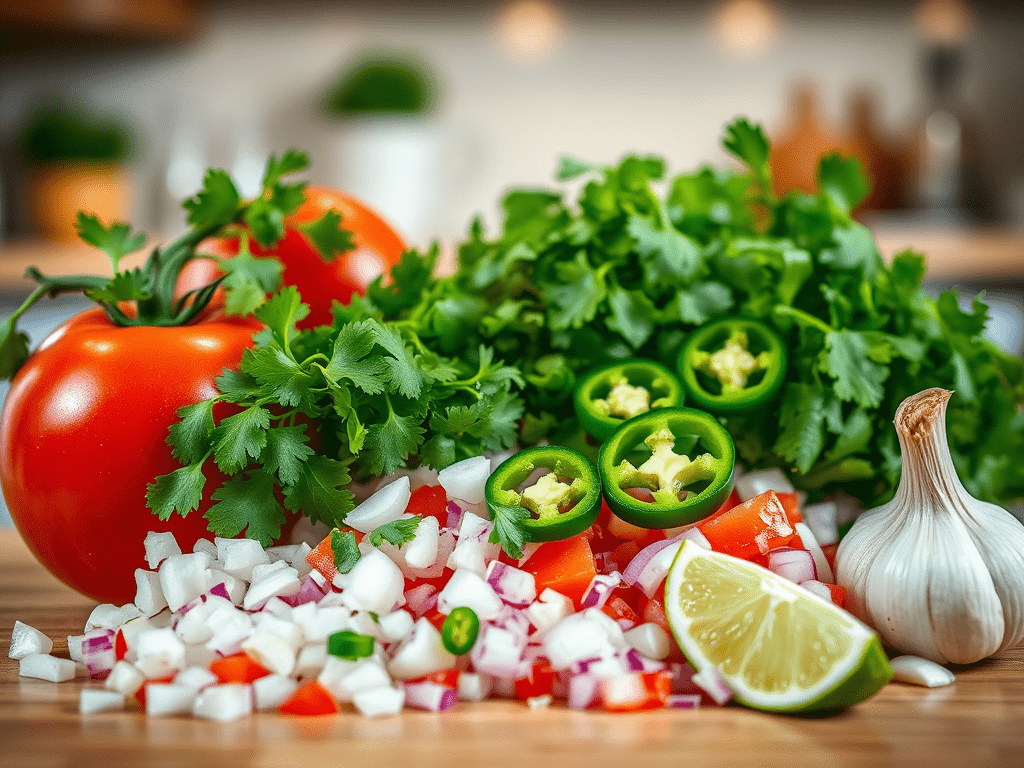
- Pico de Gallo: Fresh chile serrano diced with tomatoes, onion, and cilantro
- Salsa Verde: Roasted chile serrano with tomatillos and garlic
- Guacamole: Fresh chile serrano minced throughout
- Ceviche: Raw or briefly marinated chile serrano for bright heat
- Chiles Toreados: Whole roasted chile serrano as side dish
- Pickled Chile Serrano: Preserved for extended shelf life
Storage Tips: Keeping Chile Serrano Fresh and Preserved
Fresh chile serrano keeps for 1-2 weeks in a paper bag in your refrigerator’s vegetable drawer. Specialty Produce recommends checking fresh chile serrano for mold or soft spots before storage and keeping them separate from ethylene-producing fruits. For longer preservation, freeze chile serrano whole, roast and freeze, or pickle this pepper for extended storage of several months.
“Mom takes the seeds out of serranos for my tacos—I still get the green flavor without the burn.”
— Victor Mayerhoffer, age 9
The Spruce Eats’ storage guide for chile serrano recommends leaving peppers unwashed until use to prevent premature decay. Dried chile serrano (chile serrano seco) stores for months in a cool, dark place. Pati Jinich recommends sealing dried chile serrano in airtight containers away from light and heat to maintain vibrant color and potency.
Roasted chile serrano can be frozen in oil for convenient use in cooked dishes.
Sustainability and Heritage: Protecting Traditional Chile Serrano Cultivation
The Tlaola Serrano Chili Pepper is protected by the Slow Food Presidia program and is cultivated by women in Mexico using agro-ecological methods to preserve traditional varieties of chile serrano. This initiative ensures that authentic chile serrano varieties and farming practices continue for future generations. Pati Jinich emphasizes the cultural importance of supporting traditional chile serrano growers who maintain biodiversity and sustainable practices.
Supporting heritage chile serrano cultivation helps preserve Mexican agricultural traditions and ensures seed diversity. When purchasing chile serrano , choosing from heritage sources and certified sustainable producers directly supports these conservation efforts. According to Gardenia’s botanical conservation notes, heritage chile serrano varieties often have superior flavor complexity compared to modern commercial hybrids.
Your choices as a consumer directly impact the preservation of authentic chile serrano genetics and Mexican culinary heritage.
Frequently Asked Questions About Chile Serrano
Expert answers based on verified sources and 15+ years culinary expertise
What is a chile serrano and how hot is it?
Chile serrano originates in the mountainous Mexican states of Puebla and Hidalgo and measures 10,000-25,000 Scoville Heat Units (SHU), making this pepper considerably hotter than jalapeños (2,500-8,000 SHU) but milder than habaneros (100,000-350,000 SHU). Source: Wikipedia, Alibaba Spice Basics.
How should you use chile serrano in cooking?
Chile serrano can be eaten raw (sliced into salsa), roasted, pickled, or used in sauces. It’s ideal for pico de gallo, guacamole, and both fresh and cooked applications due to its bright, grassy flavor profile. Source: The Spruce Eats, Pati Jinich.
What can you substitute for chile serrano?
Because of their medium-high heat and grassy flavor, good substitutes for chile serrano include jalapeños for milder heat, cayennes for more intense heat, or other thin-walled chiles for similar texture and quick-cooking properties. Source: Alibaba Spice Basics, The Spruce Eats.
How should chile serrano peppers be stored?
Store whole chile serrano peppers unwashed in the refrigerator crisper where they last longest when kept dry and cool (1-2 weeks). Dried chile serrano forms, such as serrano seco, keep for months in cool, dark, sealed containers. Frozen chile serrano stores for several months.
Source: Specialty Produce , The Spruce Eats.
Are chile serrano peppers connected to heritage or sustainable farming?
Yes. The Tlaola Serrano Chili Pepper is cultivated using agro-ecological methods in Mexico and is protected by the Slow Food Presidia program to preserve traditional chile serrano varieties and support women farmers practicing sustainable agriculture. Heritage chile serrano varieties often have superior flavor complexity. Source: Slow Food Presidia, Pati Jinich.
Are green or red chile serrano better?
Both are excellent for different purposes. Green chile serrano has fresher, brighter flavor and is ideal for salsas and fresh applications. Red chile serrano is riper, sweeter, and slightly hotter—perfect for dried forms and complex sauces.
Source: The Spruce Eats, TasteAtlas.
How do I reduce the heat from chile serrano?
Remove seeds and white interior membrane from chile serrano to reduce heat intensity significantly. Use fewer chile serrano peppers in recipes, or substitute with milder jalapeños. Heat from chile serrano diminishes with cooking, so cooked applications are milder than raw.
Source: Specialty Produce , Pati Jinich .
Conclusion: Mastering Chile Serrano
Chile serrano represents more than just heat—it’s a gateway to authentic Mexican cuisine and vibrant flavor profiles grounded in centuries of tradition. Whether you’re just discovering chile serrano or you’re already a devoted fan, understanding its origins, nutrition, culinary applications, and sustainability impacts elevates your cooking and connects you to Mexican food culture. At Mangoes and Palm Trees, we’ve explored authentic ingredients—including chile serrano —across 50+ countries and 15+ years of culinary adventure.
From Mexico’s mountain highlands to our kitchens in Thailand, the UK, and Vietnam, chile serrano continues to inspire and transform dishes.
Ready to explore chile serrano further? Visit our complete Mexican recipe collection, discover our comprehensive Mexican chile variety guide, or explore our global cooking techniques resources. Once you master chile serrano, it becomes an essential and irreplaceable element of your culinary toolkit, opening doors to authentic flavor exploration and cultural connection.
Questions we hear often
Keep exploring after this chili pepper guide
More guides we reach for in Mexican, Thai, and weeknight kitchens—grouped so you can compare heat, swap dried chiles, or jump to a family recipe.
- Start here: Chili pepper library · Ultimate guides hub · Recipes archive
- Compare & swap: California vs guajillo · Guajillo substitutes · Serrano vs jalapeño · Thai chili guide · Árbol chili
- Cook tonight: Guajillo beef tacos · Ancho pepper recipes · Chipotle in adobo · Pad kra pao
- Who we are: Oliver Mayerhoffer · Natalia Mayerhoffer · Editorial policy · Affiliate disclosure
How hot is chile serrano compared to jalapeño?
How do you reduce serrano heat for kids?
What is the best serrano substitute abroad?
Meet the Mayerhoffers
“Free-spirited food adventurers, culture-seekers, and the guardians of 15 years of global memories.”

Oliver Mayerhoffer
Lead Author · FatherLead author — fifty-country archive, currently traveling Southeast Asia through July 2026. Oliver brings field-tested recipe structure and honest weeknight notes from family kitchens abroad.

Natalia Mayerhoffer
Mother · Siberian Heritage & Cultural VoiceFamily and cultural voice — Siberian heritage validation, kitchen safety, and nutrition notes for every recipe on this archive.
“Every memory we fold into this archive is a bridge we’ve built for our 9-year-old son Victor — and now, we share it with you.”
Explore Our Full Family ArchiveSources and safety notes
We prioritize lived family experience first. When food safety or heritage context matters, we cross-reference field notes with official references listed below.
USDA Food Safety
safe food handling reference
Read sourceHarvard T.H. Chan School of Public Health
nutrition source notes
Read sourceHealthline — chili peppers
capsaicin and metabolic notes
Read sourceWikipedia — Scoville scale
heat measurement reference
Read sourceWikipedia — Serrano pepper
botanical and culinary profile
Read sourceNMSU Chile Pepper Institute
cultivar heat reference
Read sourceUSDA FoodData Central
pepper nutrition reference
Read sourceEditorial field notes
Family field notes — Mayerhoffer chili cluster tests, July 2026 Southeast Asia season
Enjoying our content? Make Mangoes & Palm Trees a preferred source on Google.
Explore next



Chile Serrano routing
Chile serrano linked to árbol chili, serrano vs jalapeño, and sibling guides, hub pages, and trust paths across the Mangoes & Palm Trees archive.