Editorial standards: editorial policy · Affiliate disclosure: affiliate disclosure · Family-tested archive — updated August 2026.
Family kitchen · pepper atlas
Ultimate Guide To Chili Peppers
Field-tested ultimate guide to chili peppers from our fifty-country archive—updated with July 2026 Southeast Asia family travel and kitchen notes.
How do chili peppers differ in heat and kitchen use?
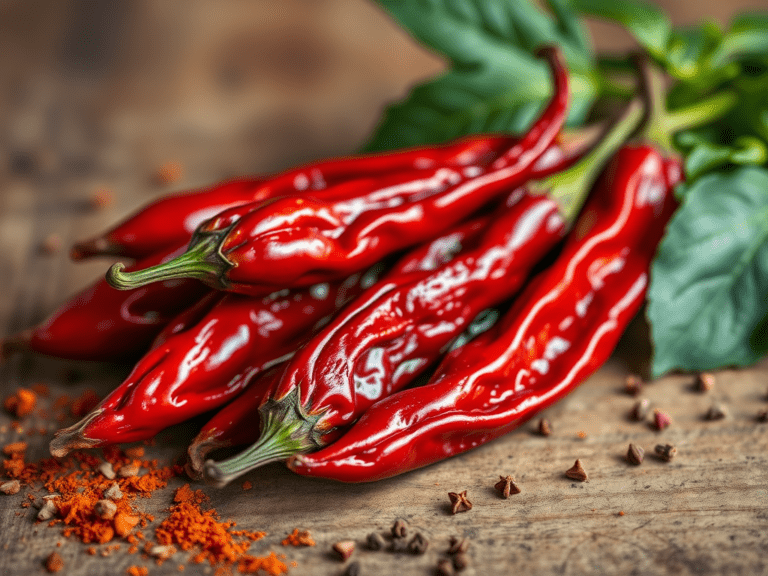
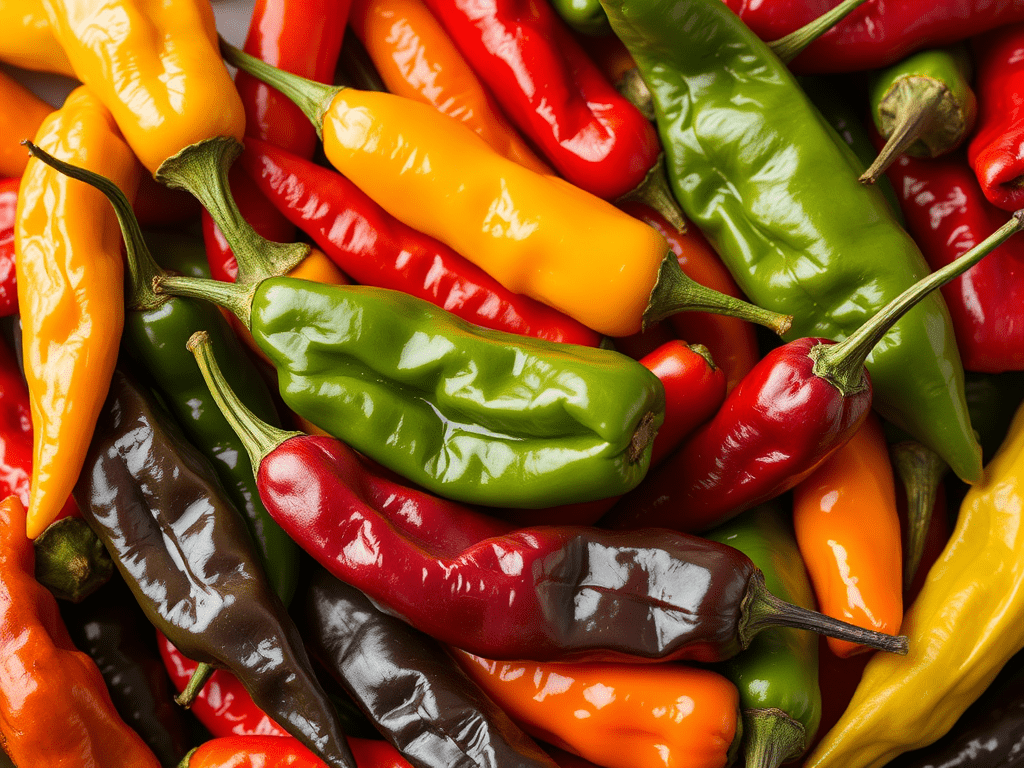
Chili peppers range from mild poblanos near 1,000 SHU to Thai bird’s eye past 50,000 SHU. Match fresh pods to salsas, dried chiles to moles, and start with seeds removed for children. Use this pillar to compare varieties, storage, and substitute routing.
Oliver writes from the chili pepper cluster and rental kitchens through August 2026; Natalia reviews safety and nutrition notes; Victor is the final vote on family plates.
1. The Starting Point for Your Ultimate Guide to Chili Peppers
If there is one ingredient that acts as the absolute pantry workhorse globally, it is the chile pepper. In fact, traditional Mexican cuisine relies so heavily on these complex flavors that it is officially recognized by UNESCO as an Intangible Cultural Heritage of Humanity. Yet, for many home cooks, the spice aisle is a source of anxiety rather than inspiration.
Today, Natalia meticulously audits the local markets to ensure the dried spices we bring into our kitchen are wholesome and safely stored, free from agricultural dust. By understanding the Scoville heat scale and mastering the art of chili pepper substitutes, you can confidently bring world-class, deeply layered flavors into your own family kitchen.
2. Global pepper profiles we cook with
When a market label or spice aisle bag is vague, we open a dedicated guide instead of guessing heat. These are the cultivars we reference most from our fifty-country archive.
- Thai bird’s eye — raw, bright heat for seafood and dressings in Southeast Asia.
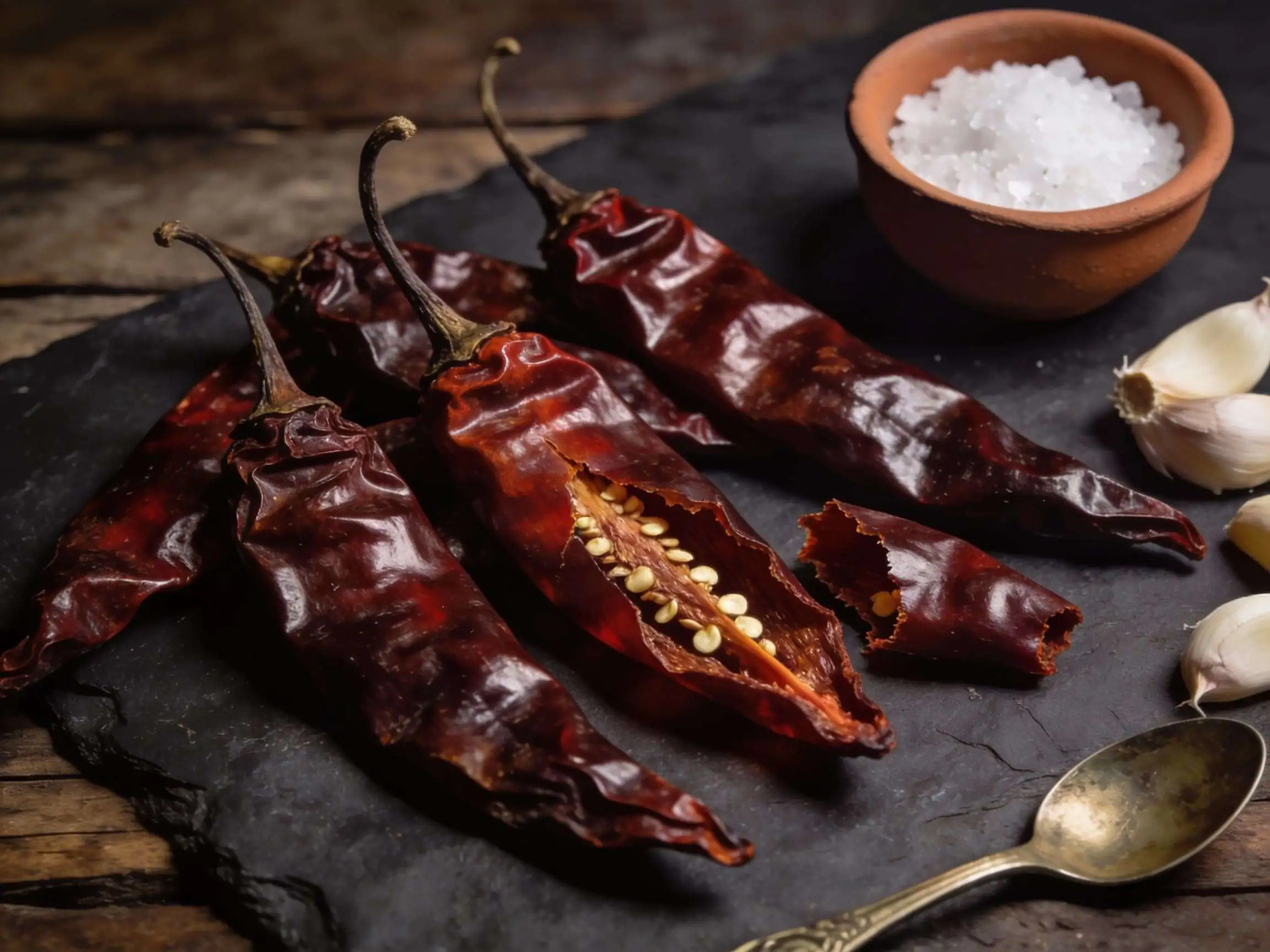
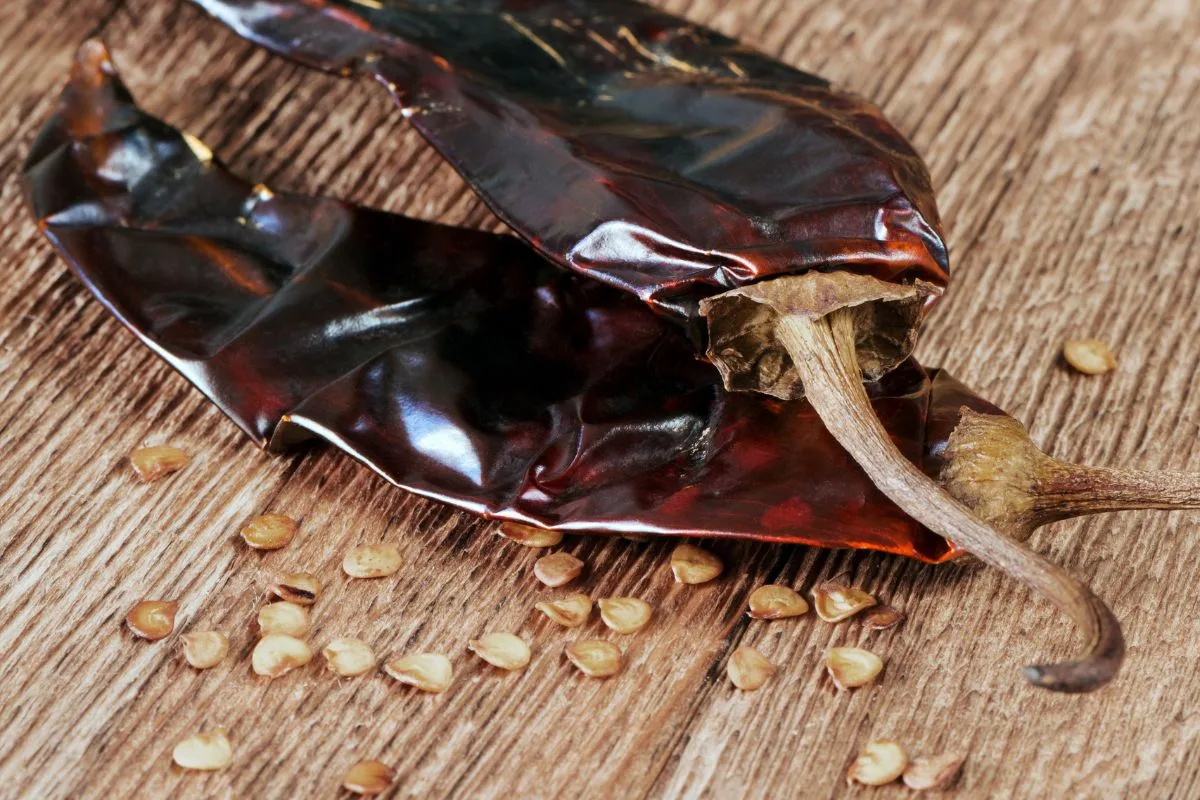
- Guajillo — tangy dried mirasol for red sauces and taco marinades.
- Jalapeño — everyday fresh heat for salsas and stuffed peppers.
- Árbol — skinny dried chiles for aggressive salsas when adults want fire.
- Cascabel — nutty, rattling pods for earthy moles and adobos.
3. The comparison audit
Side-by-side notes save a sauce when you only have one dried chile in the pantry.
- California vs guajillo — color, tang, and when each belongs in adobo.
- Guajillo vs ancho — sweetness, smoke, and mole routing.
- Serrano vs jalapeño — fresh heat steps for salsa night.
Flagship chili cluster routing
Each URL below has a distinct job — open the row that matches your pantry question instead of guessing between duplicate substitute guides.
| Intent | Guide | When to use |
|---|---|---|
| Fresh serrano swap | Serrano substitutes | Salsa, roast, soup heat bands |
| Guajillo swap hub | Guajillo substitutes | Ranked dried mirasol swaps |
| Guajillo query match | Substitute for guajillo | Exact “substitute for guajillo” intent |
| Poblano swap | Poblano substitutes | Roast, stuff, rellenos |
| California vs guajillo | California vs guajillo | Cultivar compare table |
| Guajillo vs ancho | Guajillo vs ancho | Chef decision before you swap |
| Quick ancho rank | Best ancho substitutes | Fast ranked ancho swaps |
| Ancho field guide | Chile ancho substitutes | Soak ratios, storage, mole scaling |
What we learned
- Victor clears dried ancho and guajillo sauces under 5,000 SHU when we toast longer and discard soak water on puya swaps.
- We label opened dried-chile jars by month — humid rental kitchens turn flexible pods into failed swaps before you blend.
- Routing readers to the right flagship spoke cut duplicate bounce: quick-rank URLs vs field guides must stay distinct in search.
Substitution cheat sheet
4. The substitution cheat sheet
Traveling globally as a family means you cannot always find the exact local ingredient once you return to your home kitchen. Finding yourself midway through a recipe without the required dried pepper is frustrating, but there is almost always a viable alternative. The secret to authentic Mexican dried chiles is optimizing for layered heat—extracting notes of citrus, smoke, and dried fruit—rather than blunt spiciness.
Guajillo & ancho substitutions
When substituting dried peppers, Ancho chiles are the most reliable replacement for Guajillo chiles due to their shared raisin-like sweetness, despite a slight reduction in overall Scoville heat.

If you are in a pinch, check our guide to Guajillo alternatives. For deeper projects, see finding a direct substitute for Guajillo chili. If your recipe calls for the chocolatey depth of an Ancho, discover the best Ancho chiles substitute or our definitive guide to chile Ancho substitutes.
Árbol and high-heat substitutes
When swapping out the potent, grassy heat of the Árbol, tread carefully to avoid overpowering the dish. Crushed red pepper flakes (typically made from cayenne) are a common pantry fallback. For fresh applications, if Serranos feel too aggressive for the family, step down with Serrano pepper substitutes—like a thoroughly de-seeded Jalapeño.
Pasilla, poblano & global pastes
When roasting or stuffing, our mild guide to chile Poblano substitutes often points you toward the Anaheim pepper. For deep, earthy mole sauces, viable Pasilla chile substitutes will save the day.
If dried chiles are gone entirely, borrow depth from other traditions—the best Harissa substitutes or reliable Tamarind paste substitutes add acidity and spice at the border.
5. Nutritional Safety: Expanding Your Ultimate Guide to Chili Peppers
Capsaicin Benefits in Your Ultimate Guide to Chili Peppers
As a mother and an advocate for wholesome, family-first travel food, Natalia focuses heavily on the bioavailability and hygiene of the ingredients we discover globally. Cooking with chiles is not just about expanding your palate; it is about accessing profound nutritional benefits safely.
- ✓ The Antioxidant Load: Research from the National Institutes of Health corroborates the high antioxidant activity in Guajillo and Ancho peppers, making them a functional nutrition staple for combating cellular inflammation. Furthermore, broader studies validate capsaicin’s positive metabolic effects.
- ✓ Safely Handling and Storing Dried Spices: To safely handle dried spices for family cooking, agricultural dust must be wiped from the pepper’s skin with a damp cloth before dry-toasting, a hygiene protocol validated by FDA spice safety guidelines. Once clean, store them in an airtight container in a cool, dark pantry to preserve their essential oils, a method supported by the Texas A&M AgriLife Extension.
A Note on Family Safety for Your Ultimate Guide to Chili Peppers
The “Victor Heat Test”: Introducing children to global flavors requires nuance. Our 9-year-old son, Victor, handles mild, sweet peppers like the Ancho perfectly. However, we strictly manage his exposure to high-SHU peppers like the Thai Bird’s Eye to protect his developing digestive tract.
If a pepper proves too hot, we rely on dairy (like sour cream, yogurt, or a glass of milk) to neutralize the capsaicin bind, as water only spreads the oil further.
6. Applying Your Ultimate Guide to Chili Peppers to Family Recipes
Understanding the science and safety of these ingredients is only half the journey. As global culinary adventurers, our goal is to bring these vibrant flavors to the dinner table in a way the whole family can enjoy safely.
The Southeast Asian Bridge in Our Ultimate Guide to Chili Peppers
While dried Mexican chiles form the backbone of rich, braised sauces, our current life in Thailand requires a completely different application of heat. Fresh Thai Bird’s Eye chilies are not typically toasted; they are pounded raw into bright, acidic dressings to cut through the richness of local seafood.
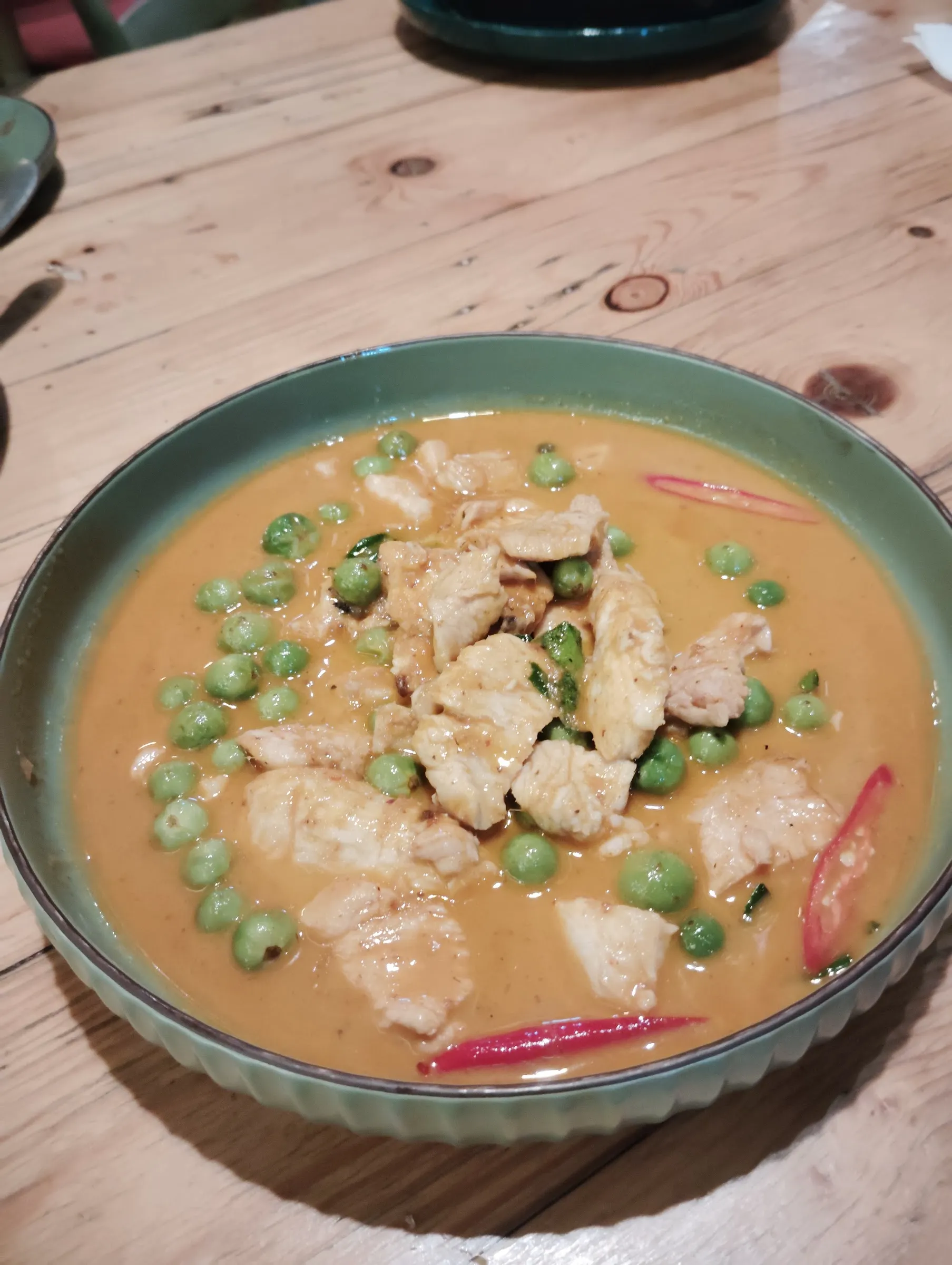
If you are just beginning to explore Southeast Asian cooking, navigating the intense heat of raw peppers alongside pungent fish sauces can be intimidating. We highly recommend starting with our guide to the best Thai ingredients for beginners. This will teach you how to balance the fierce spice with palm sugar and lime.
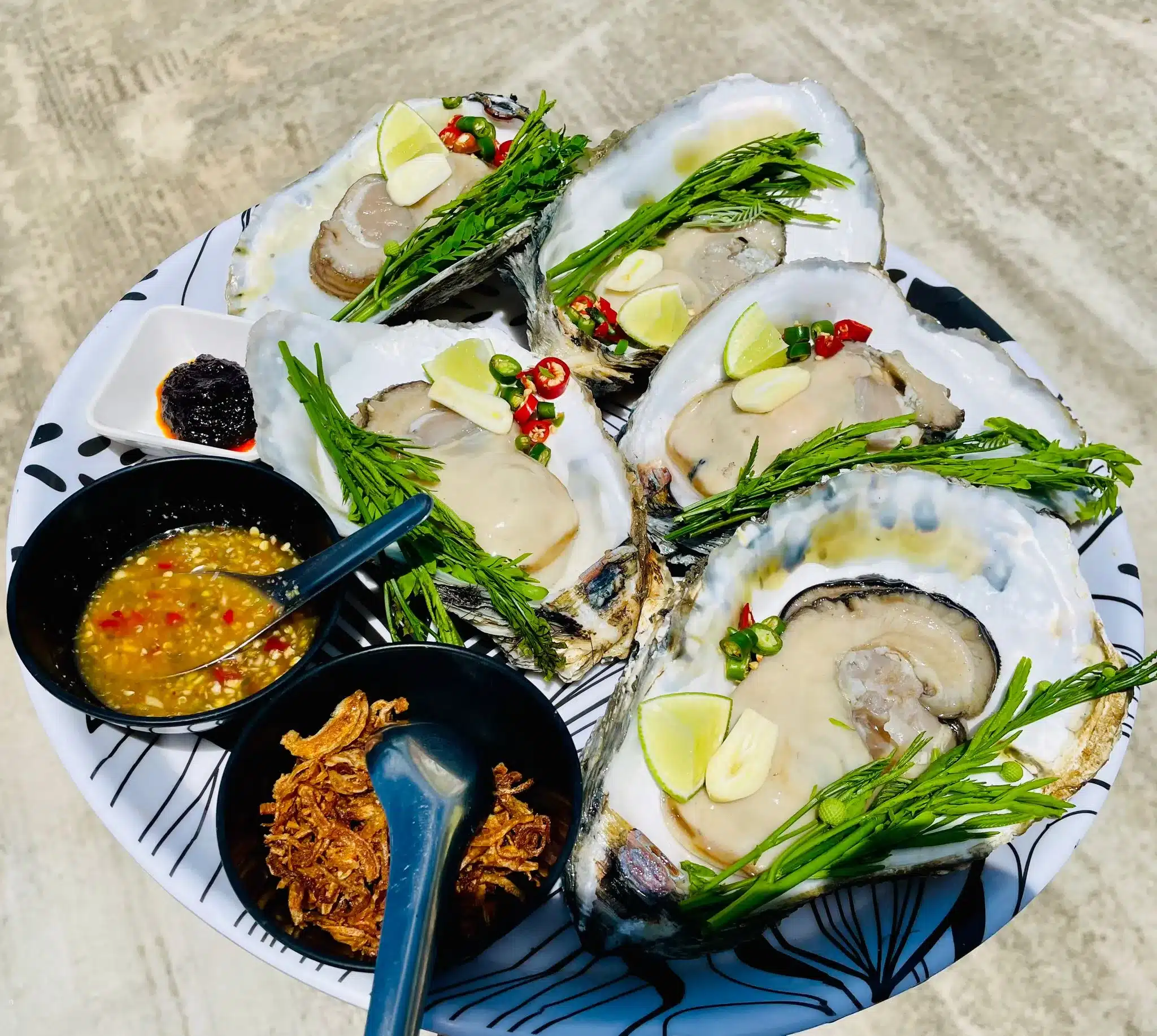
To see how local vendors masterfully apply this raw heat, immerse yourself in our extensive 2026 Bangkok street food guide, where fresh chilies are celebrated as a daily culinary staple.
Mexican & Southwestern Foundations for Your Ultimate Guide to Chili Peppers
When returning to the earthy, complex notes of dried Mexican chiles, these are the staple recipes our family relies on to build foundational flavor without overpowering the kids:
🌶️ Crafting the Ultimate Guajillo Sauce
Master the foundational red sauce of Mexican cuisine.
🌮 Family-Tested Guajillo Chili Beef Tacos
Taco night upgraded with deep, raisin-like sweetness.
🍲 Recipes with Ancho Peppers
For deep, smoky, and highly kid-friendly mild profiles.
🥫 Utilizing Chipotle in Adobo Sauce
How to properly use and store this essential pantry staple.
✨ The Flavorful Magic of Chile Recipes
Our comprehensive masterpost for culinary inspiration and managing global heat levels.
What common mistakes should you avoid?
- Skipping toast: Dried swaps need brief dry heat before soaking.
- Wrong ratio: Start mild, taste, then scale heat.
- When markets run short: Check the chili library for the closest dried match.
How should you store dried chiles?
Airtight containers in a cool, dark pantry; freeze backup bags in humid kitchens. See our evidence vault for FDA produce storage context.
What should you remember about chili peppers?
- Heat map: Match SHU to the dish—mild anchos for kids, bird’s eye for adult-only plates.
- Dried vs fresh: Toast and soak dried pods; pound fresh Thai chiles raw into dressings.
- Library: Chili pepper guides · Recipe index · Thailand food travel 2026.
Keep exploring after this chili pepper guide
More guides we reach for in Mexican, Thai, and weeknight kitchens—grouped so you can compare heat, swap dried chiles, or jump to a family recipe.
- Start here: Chili pepper library · Ultimate guides hub · Recipes archive
- Compare & swap: California vs guajillo · Guajillo substitutes · Serrano vs jalapeño · Thai chili guide · Árbol chili
- Cook tonight: Guajillo beef tacos · Ancho pepper recipes · Chipotle in adobo · Pad kra pao
- Who we are: Oliver Mayerhoffer · Natalia Mayerhoffer · Editorial policy · Affiliate disclosure
What do cooks ask about chili peppers?
What Scoville range should home cooks expect from common chiles?
What is the best substitute for dried guajillo chiles?
How do you tone down chili heat for children?
How should you store dried chiles at home?
“Dad labels the mild chiles on the counter—that’s how I know which salsa is for me.”
— Victor Mayerhoffer, age 9
Meet the Mayerhoffers
“Free-spirited food adventurers, culture-seekers, and the guardians of 15 years of global memories.”

Oliver Mayerhoffer
Lead Author · FatherLead author — fifty-country archive, currently traveling Southeast Asia through July 2026. Oliver brings field-tested recipe structure and honest weeknight notes from family kitchens abroad.

Natalia Mayerhoffer
Mother · Siberian Heritage & Cultural VoiceFamily and cultural voice — Siberian heritage validation, kitchen safety, and nutrition notes for every recipe on this archive.
“Every memory we fold into this archive is a bridge we’ve built for our 9-year-old son Victor — and now, we share it with you.”
Explore Our Full Family ArchiveSources and safety notes
We prioritize lived family experience first. When entry rules, food safety, or heritage context matter, we cross-reference field notes with official references listed below.
FDA produce safety
dried chili storage reference
Read sourceHarvard T.H. Chan School of Public Health
nutrition source notes
Read sourceEditorial field notes
Family field notes — Mayerhoffer kitchen testing, August 2026 chili cluster
NIH PMC — antioxidant activity
Guajillo and ancho pepper antioxidant research.
Read sourceNIH PMC — capsaicin review
Umbrella review on capsaicin metabolic effects.
Read sourceTexas A&M AgriLife Extension
Storing dried herbs and spices safely.
Read sourceEnjoying our content? Make Mangoes & Palm Trees a preferred source on Google.
Explore next
Ultimate Guide To Chili Peppers routing
Ultimate Guide To Chili Peppers linked to sibling guides, hub pages, and trust paths across the Mangoes & Palm Trees archive.