Editorial standards: editorial policy · Affiliate disclosure: affiliate disclosure · Family-tested archive — updated 2026-07.
Mexican chile · family heat dial
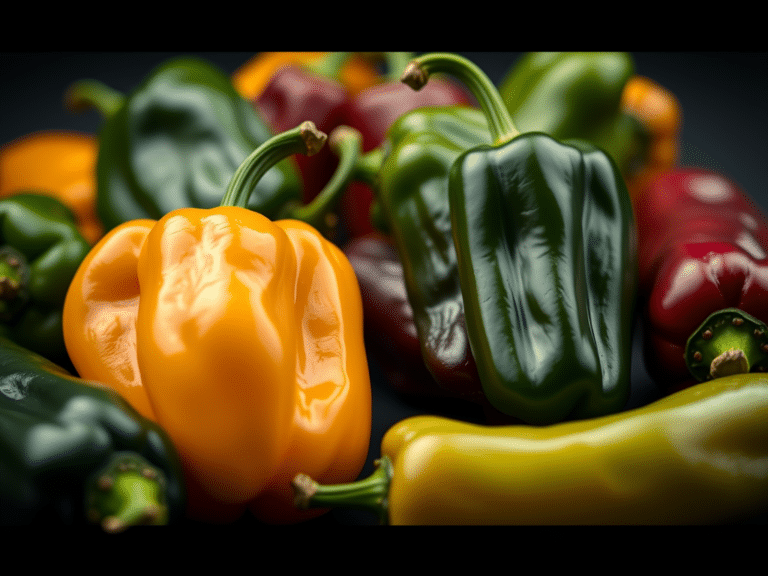
What Is Serrano Pepper
Serrano peppers are the bright, grassy chile behind countless Mexican salsas—how we identify them at market, read the Scoville band, and scale heat for Victor from Oaxaca stalls through July 2026 Southeast Asia kitchens.
What is a serrano pepper?
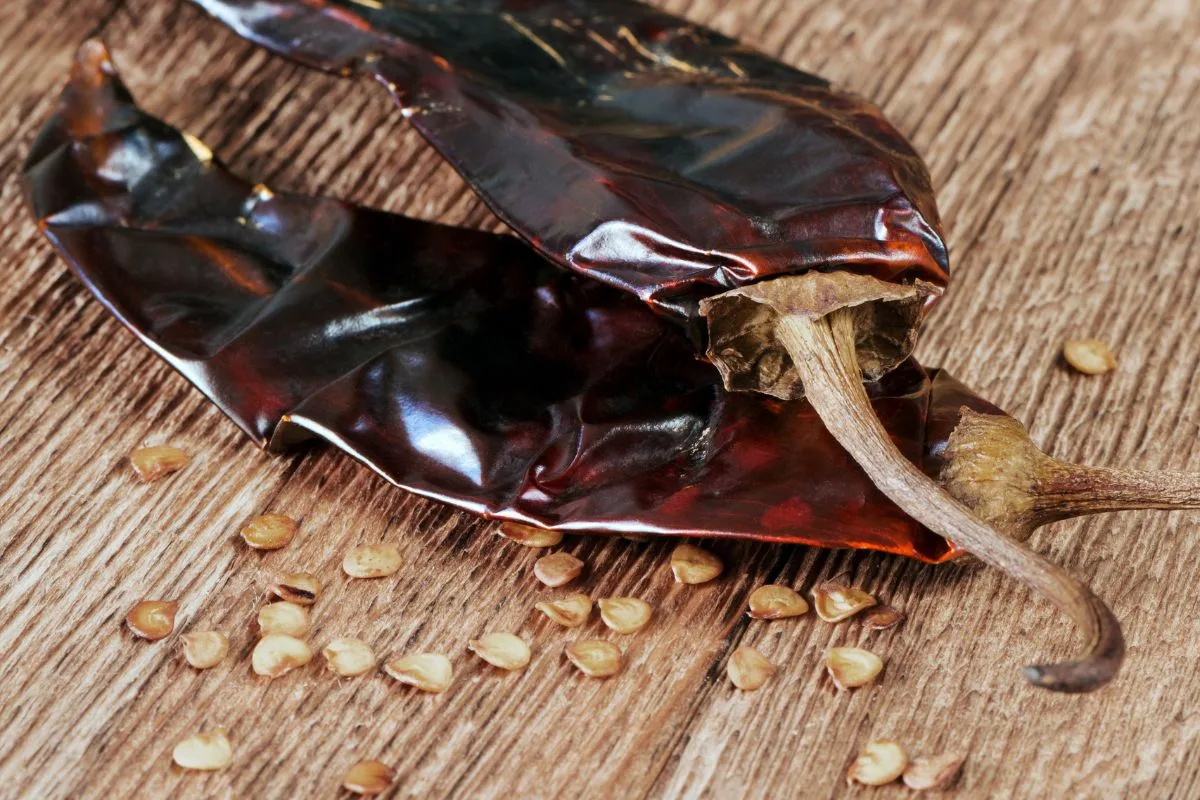
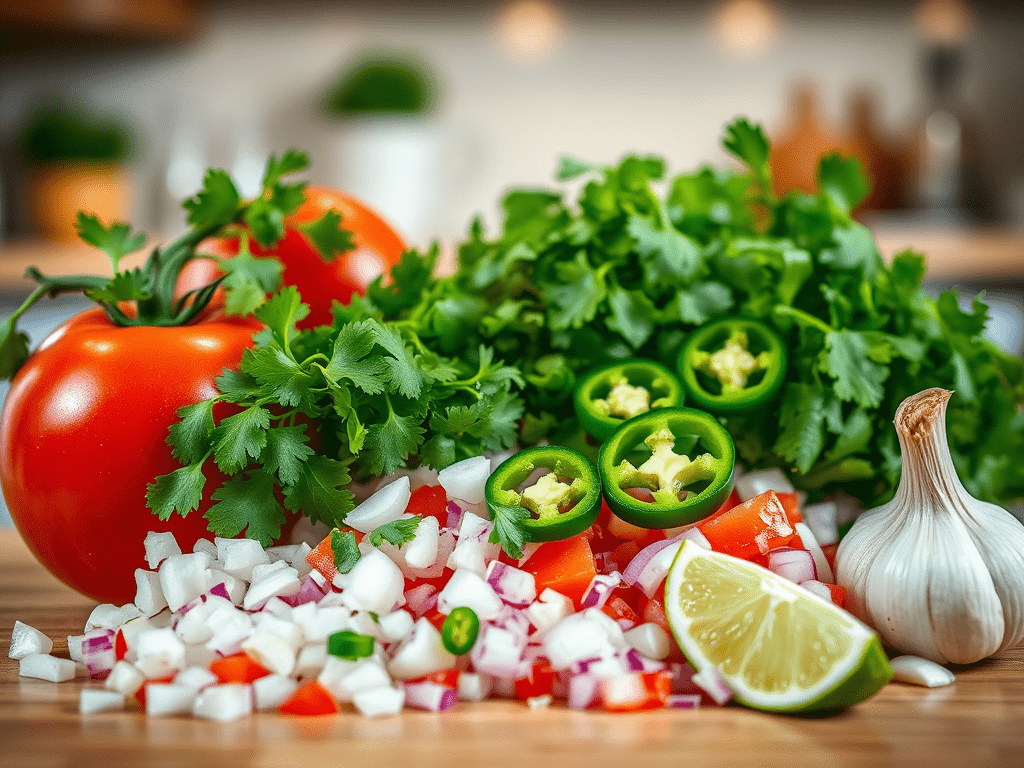
Serrano peppers are small Mexican chiles at roughly 10,000–25,000 SHU—sharper and brighter than most jalapeños. Use them raw in pico de gallo, roasted for salsa verde, or pickled; scrape seeds and membrane to tame heat on family plates.
Oliver writes from Southeast Asia fieldwork through July 2026; Natalia reviews safety and nutrition notes; Victor is the final vote on family plates.
What should you remember about serranos?
- Heat band: Plan for 10,000–25,000 SHU—compare on our serrano vs jalapeño guide and the chili pepper pillar.
- Raw vs cooked: Thin walls make serranos ideal for pico de gallo; roasting deepens sweetness when pods ripen red.
- Family dial-down: Remove seeds and white membrane first—Victor-tested in July 2026 rental kitchens.
Executive Summary: The Serrano Pepper Profile (Capsicum annuum)
The serrano pepper, classified as Capsicum annuum (Serrano group), stands as a pillar of authentic Mexican gastronomy and a significant subject of horticultural study. Originating in the high-altitude sierras of Puebla and Hidalgo, Mexico, this chili pepper is quantitatively defined by its Scoville rating of 10,000 to 25,000 SHU. This medium-high heat level provides a “clean, sharp heat” that is distinctly more potent than the widely used Jalapeño.
Structurally, the Serrano’s characteristic thin walls and uniform internal heat distribution make it uniquely suited for raw culinary applications, specifically salsa fresca and Pico de Gallo. Beyond its pungency, the pepper is a powerhouse of functional nutrition, containing high concentrations of Vitamin C and capsaicinoids that confer measurable metabolic and cardiovascular health benefits.
Our family’s love for serranos started in Oaxacan markets, where we first tasted their crisp heat in fresh salsas. Stories from our friend Rob, who’s explored Texas and Austin extensively, showed us how serranos fuse into Tex-Mex with that perfect sharp kick. Victor (turning 9 this November) calls them “spicy superheroes” for boosting our family meals.
This guide draws from our global adventures and authoritative sources to help you master this Mexican staple.
Section 1: Botanical, Etymological, and Geographic Identity (The Sierra Origin)
The identity of the Serrano pepper is inextricably linked to its natural environment, a relationship codified in its nomenclature and physical requirements. Establishing this origin is essential for successful cultivation globally.
1.1 Taxonomy and Nomenclature
The Serrano pepper is scientifically designated as a cultivar within the common chili species, Capsicum annuum. Specialized horticultural texts often refer to it formally as Capsicum annuum ‘Serrano’ (Serrano group), indicating its recognized cultivar status.
While genetically a perennial vegetable capable of surviving year-round in tropical climates (specifically USDA Hardiness Zones 9–12), commercial agricultural practices typically treat the Serrano as a warm-season annual to maximize yield efficiency within a single growing cycle. This rapid, compact growth cycle yields an abundance of fruit within one season before frost necessitates replanting.
During our travels in Mexico, we saw farmers harvesting these perennials as annuals for maximum pods — a technique we adapted for our Vietnam garden, where Victor helps pick the green fruits before they ripen red.
1.2 Etymology: The Meaning of “Serrano” and Historical Geography
The name “Serrano” is derived from the Spanish term sierra, which translates to mountain range. This etymology directly references the pepper’s native habitat. The authentic, historically recognized points of origin for the Serrano pepper are the high-altitude, mountainous regions of the Mexican states of Puebla and Hidalgo.
These regions are foundational to the pepper’s genetics and preferred growing conditions. Our friend Rob, who’s traveled extensively through Texas and Austin, shared stories of finding serrano fields in similar highland terrain — mirroring the Puebla sierras where we first tasted fresh pods straight from the plant.
1.3 Origin and Evolution: Tracing Domestication in Mesoamerica
The history of the Serrano pepper traces back to the earliest domestication of chili peppers in central-east Mexico, which began as early as 6000 BCE. Indigenous communities within the mountainous regions of Puebla and Hidalgo cultivated the plant for centuries, recognizing its value both as a food source and for its traditional medicinal properties.
Following the Spanish conquest, documentation of this cultivation emerged around 1521 CE. However, it was not until the 20th century that the Serrano gained broader recognition, with the first major commercial production recorded in Puebla in 1925. The late 20th century saw a dramatic increase in international demand, particularly in the United States, where imports grew by 300% starting around 1985, aligning with the rising popularity of Mexican cuisine globally.
Despite this commercial expansion, traditional serrano varieties have largely resisted extensive global hybridization, maintaining strong genetic and cultural association with their Mexican mountain origins. During our family’s Mexico trip, we visited Hidalgo farms where locals still grow the same heirloom strains their ancestors did — a tradition Rob says he’s seen echoed in Texas migrant communities.
1.4 Cultivation Implications of Sierra Origin
The pepper’s geographical origin in rugged, high-altitude sierras has crucial implications for its modern cultivation. Mountainous terrains are characterized by high runoff and porous ground structure . This evolutionary pressure intrinsically developed a plant that thrives only when its root zone is free of standing water.
Consequently, contemporary horticultural guidelines consistently emphasize the mandatory need for loose, loamy, and extremely well-drained soil, often requiring the amendment of compost or the use of raised beds to prevent the saturation that would compromise the plant’s health .
Furthermore, the retention of traditional varieties closely linked to their Mexican origin suggests a superior degree of genetic stability compared to many hyper-commercialized modern chili varieties. This stability is critical for preserving the Serrano’s hallmark sensory attributes—the crisp texture and clean, sharp heat —ensuring that commercial and artisanal producers can maintain authenticity in their end products.
In our global culinary adventures, we’ve grown serranos in Vietnam using raised beds to mimic those sierras — linking back to Rob’s Austin finds where Texas growers use similar techniques for heat-resistant crops. For more chile guides, see our Chile serrano field guide.
Meet the Mayerhoffers
“Free-spirited food adventurers, culture-seekers, and the guardians of 15 years of global memories.”

Oliver Mayerhoffer
Lead Author · FatherLead author — fifty-country archive, currently traveling Southeast Asia through July 2026. Oliver brings field-tested recipe structure and honest weeknight notes from family kitchens abroad.

Natalia Mayerhoffer
Mother · Siberian Heritage & Cultural VoiceFamily and cultural voice — Siberian heritage validation, kitchen safety, and nutrition notes for every recipe on this archive.
“Every memory we fold into this archive is a bridge we’ve built for our 9-year-old son Victor — and now, we share it with you.”
Explore Our Full Family ArchiveWhat sources back this serrano guide?
Wikipedia — Serrano pepper
Botanical and culinary profile
Read sourceWikipedia — Scoville scale
Heat measurement reference
Read sourceNMSU Chile Pepper Institute
Cultivar heat reference
Read sourceUSDA FoodData Central
Pepper nutrition reference
Read sourceHealthline — chili peppers
Capsaicin context
Read sourceUSDA FSIS
Safe handling reference
Read sourceEditorial field notes
Mayerhoffer chili cluster — July 2026 Southeast Asia season
Enjoying our content? Make Mangoes & Palm Trees a preferred source on Google.
Explore next
Where does this serrano guide fit?
Route from the chili pillar to substitutes, salsa, and family travel notes across the archive.