Editorial standards: editorial policy · Affiliate disclosure: affiliate disclosure · Family-tested archive — updated August 2026.
Dried chili field guide
California vs Guajillo Chiles
At a Phoenix mercado, California pods read brighter red in the same bin light; guajillo skins felt tougher and smelled faintly like dried berries before soak. Heat, color, and sauce behavior differ enough that swapping them blind changes your enchilada red — what we noted across Mexico and U.S. Southwest markets, July 2026.
What is the difference between California and guajillo chiles?
California chiles are milder, redder, and fruitier; guajillo chiles are darker, smokier, and slightly hotter with berry notes. In family cooking, California chiles color sauces without much heat; guajillo anchors enchilada sauce and adobo. The Mayerhoffer comparison from July 2026 field markets notes soak time, seed removal, and when to blend both for balanced taco paste.
Oliver writes from the chili pepper cluster and rental kitchens through July 2026; Natalia reviews safety and nutrition notes; Victor is the final vote on family plates.
What should you remember about California vs guajillo?
- Heat: Guajillo usually hotter (roughly 2.5k–5k SHU) with more fruit and smoke.
- California: Milder (~1k–3k SHU)—great for everyday red sauce color.
- Swap: California + pinch cayenne or ancho can stand in for guajillo color.
- Next: Dried guajillos · Guajillo sauce · Substitutes.
How do California and guajillo chiles compare?
| Trait | California (dried) | Guajillo (mirasol) |
|---|---|---|
| Typical SHU | ~1,000–3,000 | ~2,500–5,000 |
| Color in sauce | Bright red, approachable | Deeper red-brown |
| Flavor | Earthy, mild smoke, simple fruit | Berry tang, tea-like finish, more smoke |
| Texture | Thinner skin, faster blend | Tougher skin, longer soak |
| Traditional dishes | Everyday enchilada red | Adobo, taco paste, salsa roja |
| Availability (U.S.) | Common in Mexican aisles | Seasonal gaps in small towns |
| Cost | Usually lower per ounce | Premium mirasol pricing |
| Best substitutes | Guajillo swaps | California + cayenne or ancho |
| Cooking uses | Color-first sauces | Complex fruit-forward salsas |
| Family default | Everyday enchilada color | Adobo, taco paste, complex salsa roja |
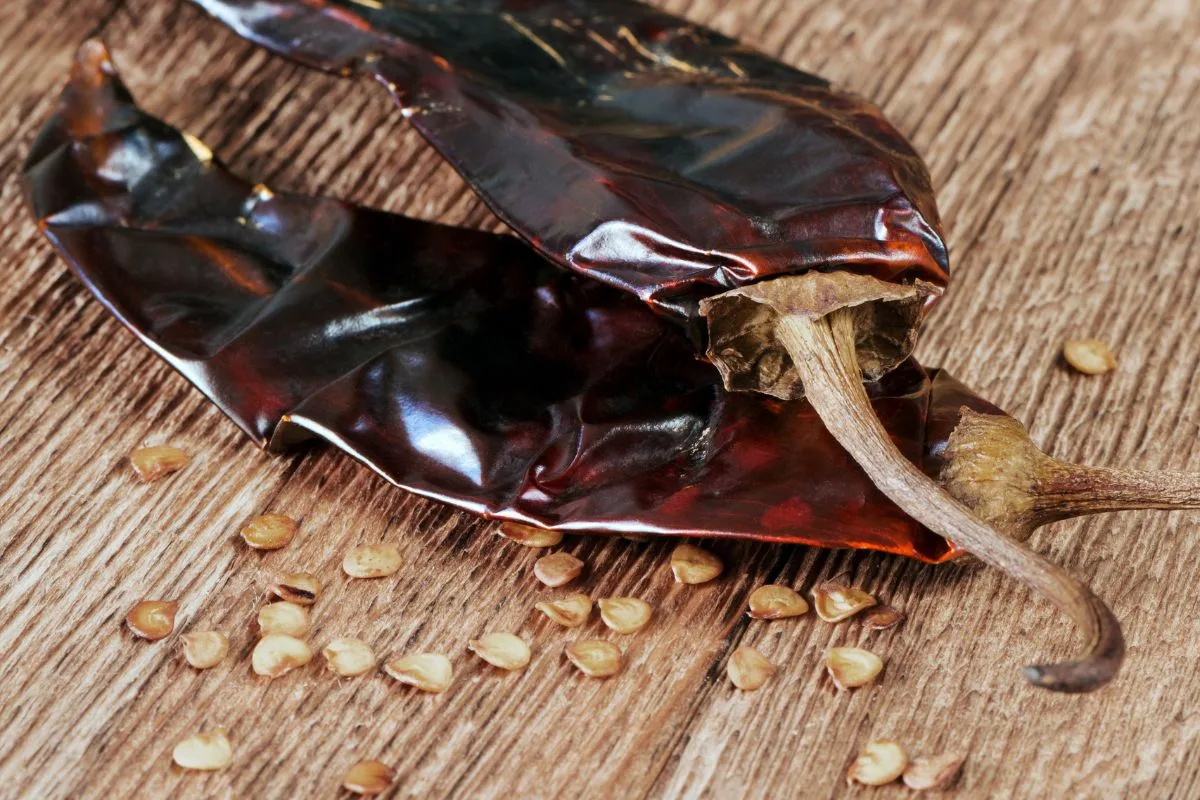
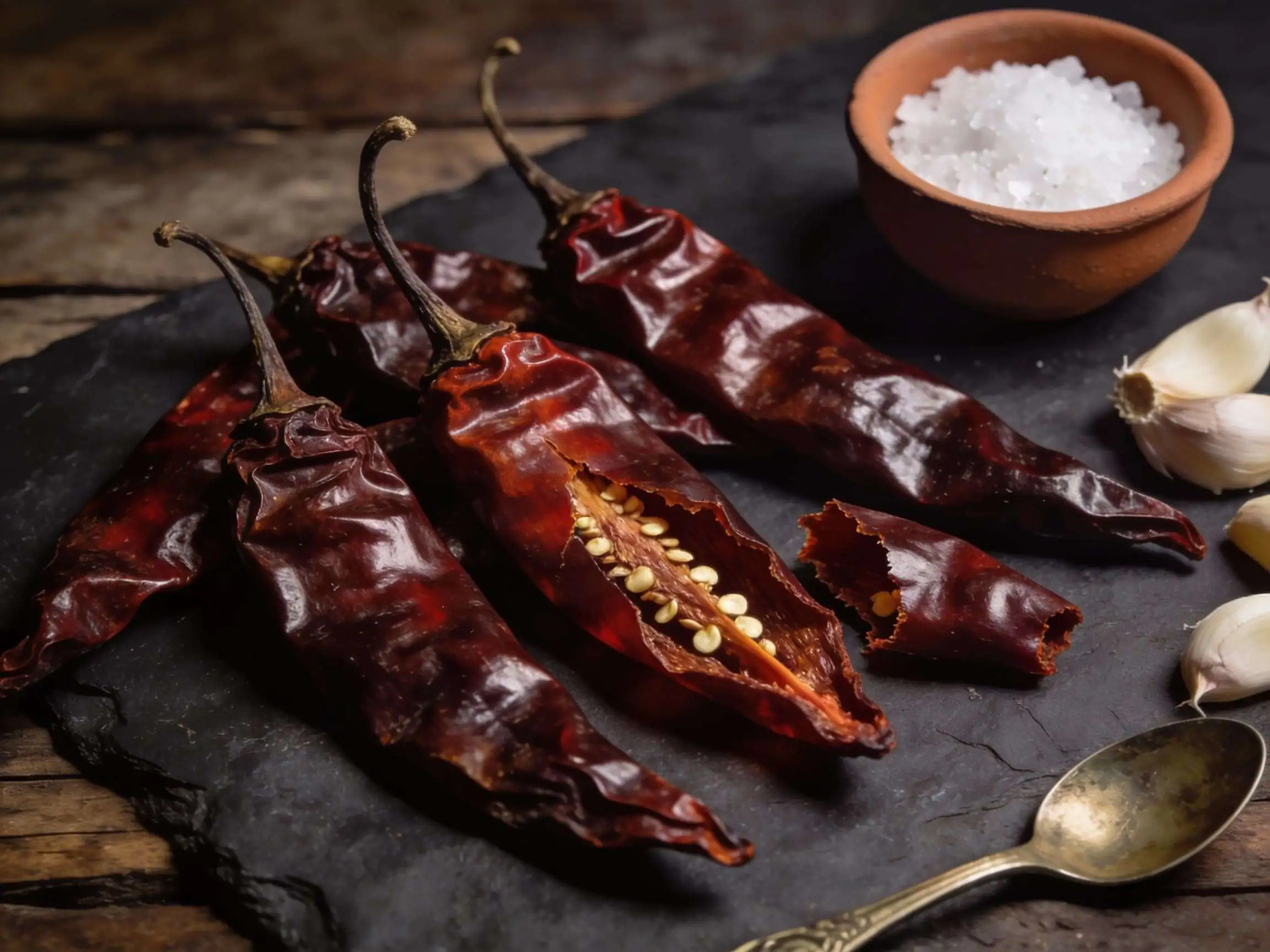
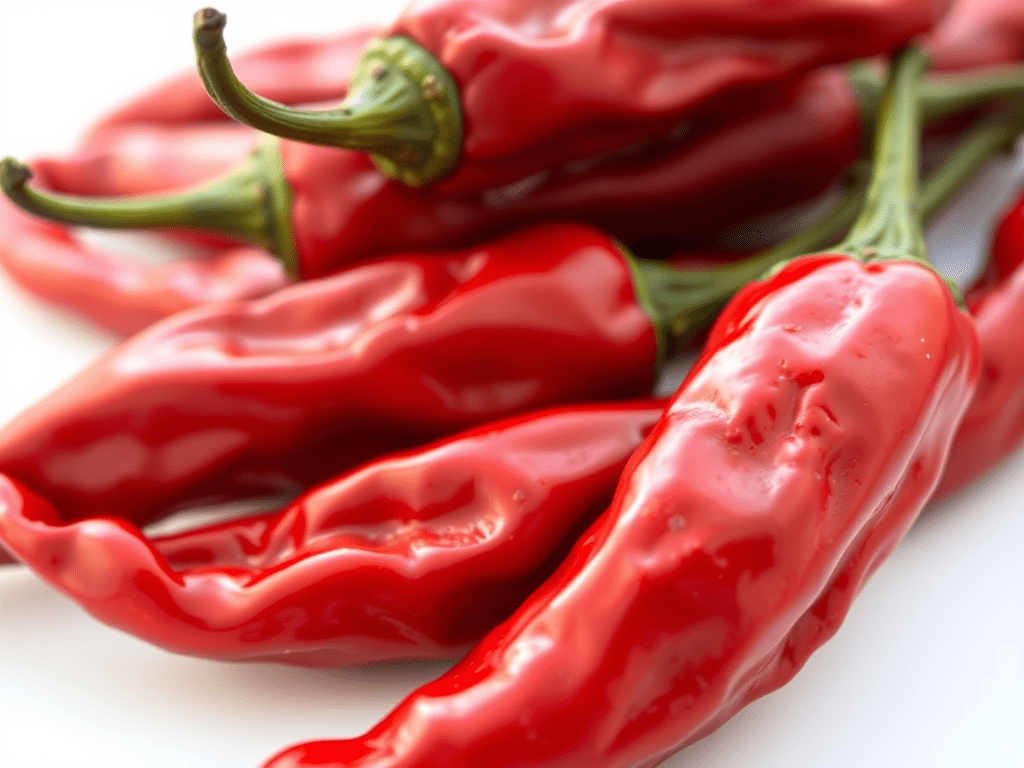
Guajillo reads deeper red-brown in the same light; California skews brighter — toast both before you call a swap fair.
Guajillos are dried mirasol chiles; California-style pods are often sold as mild dried reds in U.S. Mexican aisles—see our guajillo pepper guide and dried guajillo prep for soak times.
Which chile is hotter on the Scoville scale?
Guajillo usually reads hotter and more complex; California chiles stay milder for kid-friendly plates. We keep the chili heat atlas open when scaling recipes.
When should you reach for each chile?
We use California chiles when we want color without much burn—think quick red sauce for weeknight enchiladas. Guajillo anchors guajillo sauce, adobo, and anything that needs berry depth.
For sibling mild dried peppers, compare guajillo vs ancho, guajillo substitutes, and bookmark the chili library.
Which chile should you buy — California or guajillo?
Buy California when you need mild red color for weeknight enchiladas and Victor-friendly heat. Buy guajillo when the recipe calls for berry-tang adobo or salsa roja depth. If the shelf only has California, add a pinch of cayenne or a strip of ancho — see what guajillo is before you swap.
Can you substitute California chiles for guajillo?
In a pinch for color, yes—add a pinch of cayenne or a strip of ancho for depth. For the reverse swap, see guajillo substitutes and what guajillo is.
How do soak and seed times differ?
Both benefit from a quick toast and 15–20 minute soak in hot water; guajillo skins are tougher, so we blend longer for smooth salsa. Natalia reminds us to stem, seed, and wash hands before touching Victor’s plates.
What mistakes skew California vs guajillo tests?
- Comparing fresh to dried: Match form—dried California vs dried guajillo in the same soak.
- One brand only: Batch and harvest shift SHU; note the bag label in your notes.
- Skipping side-by-side color: Guajillo should read deeper red in the same light.
- When markets run short: California often shelves easier—still toast before you call it a fair swap.
How should you store dried chiles?
Airtight containers in a cool, dark pantry; freeze backup bags in humid kitchens. See our evidence vault for FDA produce storage context.
What we learned
- Side-by-side March 2023 reference photos still hold — guajillo reads deeper red-brown in the same light; California skews brighter.
- When U.S. aisles run short on mirasol, California plus ancho strip rebuilt adobo fruit without overshooting Victor’s heat ceiling.
- Guajillo skins need a longer blend after soak; we toast both pods before soaking for fair comparison tests.
“California sauce is my favorite when Dad takes the spicy seeds out of the guajillos.”
— Victor Mayerhoffer, age 9
Keep exploring after this California vs guajillo comparison
More guides we reach for in Mexican, Thai, and weeknight kitchens—grouped so you can compare heat, swap dried chiles, or jump to a family recipe.
- Start here: Chili pepper library · Ultimate guides hub · Recipes archive
- Compare & swap: California vs guajillo · Guajillo substitutes · Serrano vs jalapeño · Thai chili guide · Árbol chili
- Cook tonight: Guajillo beef tacos · Ancho pepper recipes · Chipotle in adobo · Pad kra pao
- Who we are: Oliver Mayerhoffer · Natalia Mayerhoffer · Editorial policy · Affiliate disclosure
Questions we hear often
Can I substitute California chiles for guajillo?
Which chile is hotter?
Can you substitute California for guajillo 1:1?
Meet the Mayerhoffers
“Free-spirited food adventurers, culture-seekers, and the guardians of 15 years of global memories.”

Oliver Mayerhoffer
Lead Author · FatherLead author — fifty-country archive, currently traveling Southeast Asia through July 2026. Oliver brings field-tested recipe structure and honest weeknight notes from family kitchens abroad.

Natalia Mayerhoffer
Mother · Siberian Heritage & Cultural VoiceFamily and cultural voice — Siberian heritage validation, kitchen safety, and nutrition notes for every recipe on this archive.
“Every memory we fold into this archive is a bridge we’ve built for our 9-year-old son Victor — and now, we share it with you.”
Explore Our Full Family ArchiveWhat sources back this California vs guajillo guide?
Heat ranges and handling notes cross-checked with the references below.
Wikipedia — guajillo chili
Mirasol cultivar profile
Read sourceUSDA FoodData Central
Capsaicin and nutrient reference
Read sourceUSDA FSIS
Safe handling
Read sourceHarvard Nutrition Source
General nutrition context
Read sourceFDA — selecting produce
Dried chili storage
Read sourceEditorial field notes
Mayerhoffer market comparisons — July 2026 Southeast Asia season
Enjoying our content? Make Mangoes & Palm Trees a preferred source on Google.
Explore next

Ingredients and substitute routing
Pair pantry swaps with the ingredients hub, recipe index, and family-tested mains archive.