Editorial standards: editorial policy · affiliate disclosure



Mexican ingredients · Pepper substitutions
Chile Poblano Substitutes: Best Swaps for Every Recipe
Anaheim is the best all-purpose fresh swap for poblano in roasted strips, soups and salsas. For stuffed peppers, choose a wide Anaheim or use green bell pepper when you need no heat. Ancho and pasilla are options for sauces, but dried chiles cannot replace a fresh poblano’s shape and texture. These notes combine pepper references with our Mexico field trips and family cooking in Southeast Asia.
What is the best substitute for chile poblano?
Anaheim pepper is the best all-purpose fresh substitute for poblano: use a similarly sized pepper for whole-pod recipes, or the same amount by chopped volume for soups, stews and salsas. A green bell pepper is best when you want no heat, while a rehydrated ancho or pasilla belongs in a sauce or mole rather than a recipe that needs a whole fresh pepper.
Choose your poblano substitute quickly
- Closest fresh swap: Anaheim, especially for roasted strips, soups and chopped dishes.
- For chiles rellenos: choose a wide Anaheim; use green bell pepper when a large cavity and no heat matter more.
- For mole or a dark sauce: use dried ancho or pasilla with a dried-chile method—not as a fresh pod replacement.
For the fresh pepper itself, read our poblano chile guide. For dried-chile cooking, compare our ancho chile substitutes and pasilla vs poblano guide.
Which poblano substitute is best for your recipe?
Start with what the poblano is doing in the dish. Anaheim is the closest general fresh swap, but the best choice for stuffing may be a wide Anaheim or a bell pepper. For a blended mole or chile sauce, a dried ancho or pasilla can work well because the recipe can accommodate rehydrated chile flesh and a deeper flavour. The table is a starting guide, not a promise that every pepper will have identical heat.
| Substitute | Heat and flavour | Best uses | How to swap |
|---|---|---|---|
| 1. Anaheim chile | Mild, slightly sweet and vegetal; often close to poblano heat, though some varieties run hotter. | Roasting, peeled strips, soups, stews, salsas and enchilada fillings. | Use a similarly sized pepper for whole-pod recipes or equal chopped volume. Choose a wide pod for stuffing. |
| 2. Hatch or other New Mexico green chile | Roasted, earthy green-chile flavour; heat depends on the variety and batch. | Roasted strips, casseroles, soups, stews and green-chile sauces. | Start with the same amount by roasted weight or chopped volume, then check heat before adding more. |
| 3. Green bell pepper | No chile heat; sweeter and less earthy than poblano. | Stuffed peppers, family-friendly dishes and recipes where heat is unwanted. | Use one similar-sized pepper or equal chopped volume. Roast first for a deeper flavour. |
| 4. Cubanelle | Mild and sweet, with thinner walls than poblano. | Sautéed strips, eggs, rice, fajita-style mixtures and chopped fillings. | Use equal chopped volume as a starting point; cook a little more gently and do not rely on it to hold a heavy stuffing. |
| 5. Jalapeño | Usually noticeably hotter, with a brighter, grassy flavour. | Salsas, sauces or fillings that need more heat. | Use less than the recipe’s poblano amount and add gradually. It is a heat replacement, not a size or texture match. |
| 6. Canned diced green chiles | Soft, moist and usually mild, but labelled heat varies by product. | Soups, casseroles, enchilada fillings, dips and quick weeknight cooking. | Use the drained amount needed for the dish; they are not suitable for roasting or stuffing as whole peppers. |
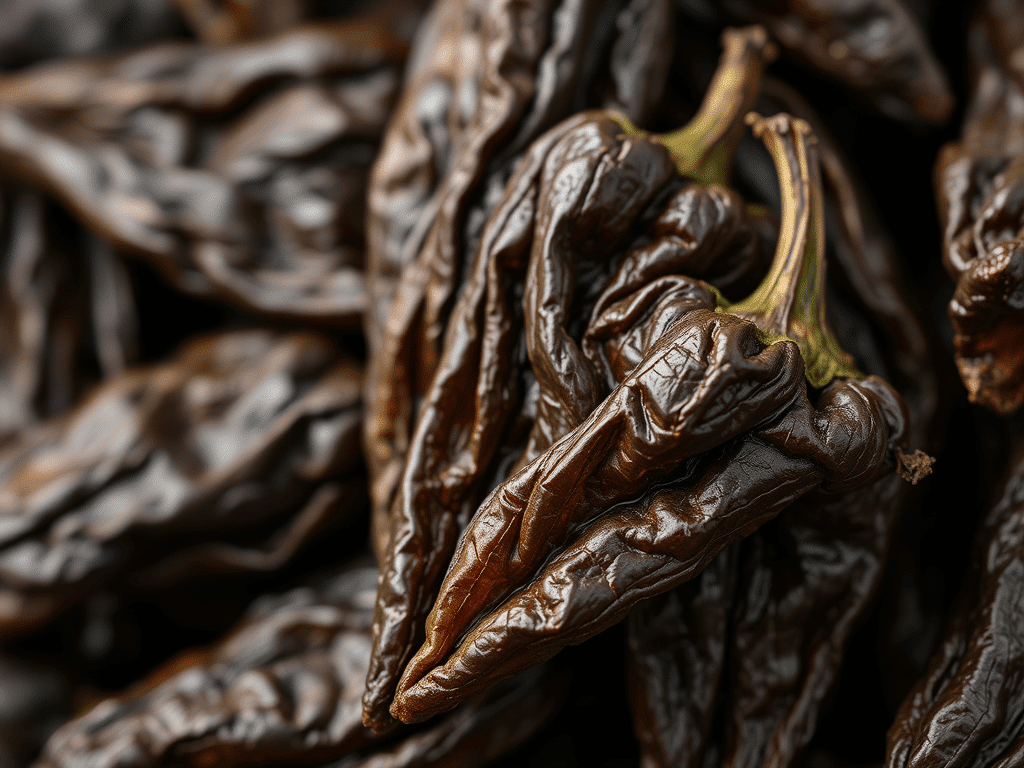
| 7. Dried ancho | Concentrated, fruity and earthy. Ancho is the red-ripened, dried form of poblano. | Mole, blended sauces, marinades and chile bases. | Stem and rehydrate until flexible, then blend or chop. Do not substitute by fresh-pepper count or use it as a whole poblano. |
| 8. Dried pasilla | Dark, earthy and often raisiny; pasilla usually refers to dried chilaca, not dried poblano. | Mole, dark sauces, soups and blended fillings where deeper dried-chile flavour suits the dish. | Rehydrate and adjust the liquid. It changes the flavour and cannot replace a fresh poblano’s shape. |
Heat values for chiles are approximate: cultivar, growing conditions and individual pods can change the result. University of Florida IFAS describes poblano as roughly 1,000–2,000 Scoville Heat Units and notes that Anaheim is usually mild but some varieties can be hotter. For heat science and variation, see the New Mexico State University and UF/IFAS pepper reference.
What makes a poblano different?
A poblano is a large, dark-green Mexican chile with thick flesh, a broad shoulder and mild, earthy flavour. Those thick walls make it useful for roasting, peeling, stuffing and cutting into strips without losing all its structure. Its heat is usually mild, but individual peppers can vary, so taste a small piece when the level matters.
One important distinction helps prevent a disappointing swap: a poblano that ripens red and is dried becomes an ancho chile. A pasilla is generally the dried form of a chilaca chile. Ancho and pasilla can both contribute depth to sauces, but neither behaves like a fresh, thick-walled poblano when you need a whole pepper for stuffing.
For a closer look at the fresh pepper’s flavour, shape and preparation, see our poblano chile guide. The University of Florida IFAS and Oregon State University Extension also describe the fresh poblano and dried ancho relationship in their pepper references.
The best poblano substitutes, explained
1. Anaheim chile: the closest all-purpose fresh swap
Anaheim is the most practical place to start when the recipe needs a fresh mild chile. It roasts and peels well, gives you tender strips for tacos and casseroles, and can be chopped into soups or salsas without changing the dish dramatically. The flavour is often a little sweeter and less earthy than poblano.
Ratio: Start with one similar-sized Anaheim per poblano, or match the chopped or roasted amount by volume. Anaheims are often longer and narrower, so for chiles rellenos choose a broad pod and check that it can hold the filling before roasting.
2. Hatch or another New Mexico green chile: for roasted green-chile flavour
Fresh Hatch and other New Mexico green chiles work well where the recipe wants roasted chile flesh—think strips, enchiladas, green-chile sauce, soups or casseroles. The heat varies substantially by cultivar and batch, so check the product label or taste a small piece rather than assuming every green chile is mild.
Ratio: Begin with the same amount by roasted weight or chopped volume. If it is hotter than your poblano, use less and add more only after tasting. This swap is about the cooked chile flavour, not reproducing a poblano’s exact shape.
3. Green bell pepper: best when you need no heat
Green bell pepper is the easiest substitute when you want the bulk and shape of pepper without chile heat. It is particularly helpful for stuffed peppers and family plates, but it tastes sweeter and lacks poblano’s earthy warmth.
Ratio: Use one similar-sized green bell pepper per poblano, or equal chopped volume. Roasting or charring first gives it a deeper flavour. If a little chile warmth is welcome, add a small amount of Anaheim or jalapeño separately to the filling or sauce, so you control the heat without sacrificing structure.
4. Cubanelle: for sautéed strips and quick-cooking dishes
Cubanelle is a mild, sweet pepper with thinner walls than poblano. It works best when the pepper is sliced or chopped for a skillet, eggs, rice, fajita-style mixtures or a cooked filling. Because it softens faster, it is not the strongest choice for a whole stuffed pepper that must keep its shape.
Ratio: Use equal chopped volume as a starting point. Add it when the other vegetables are ready for a shorter cooking time, and adjust the seasoning because it is sweeter and less earthy than poblano.
5. Jalapeño: when the recipe needs more heat
Jalapeño can replace the warmth that poblano contributes, but it does not replace the large pod or thick flesh. It is best in salsa, sauces, soups and fillings where you can add it in small amounts. Start with less than the poblano quantity and taste before adding more. Removing the inner ribs and seeds can moderate the heat, although the result still varies from pepper to pepper.
Ratio: Treat it as a measured heat addition rather than a one-for-one substitute. For a stuffed-pepper recipe, use a broad, mild pepper for the body and add finely chopped jalapeño to the filling or sauce if needed.
6. Canned diced green chiles: a convenient option for cooked dishes
Canned green chiles are a useful shortcut when the poblano is being chopped into a soup, casserole, dip or enchilada filling. They are already softened and bring moisture, so they cannot replace a whole fresh poblano for roasting or stuffing. Check whether the can is labelled mild or hot, and taste before adding extra chile or salt.
Ratio: Start with the drained amount needed to give the dish enough chile flavour, then adjust the liquid and seasoning. Product strength and moisture vary, so the can is not a guaranteed one-for-one by pepper count.
7. Ancho: for mole and blended sauces, not whole fresh peppers
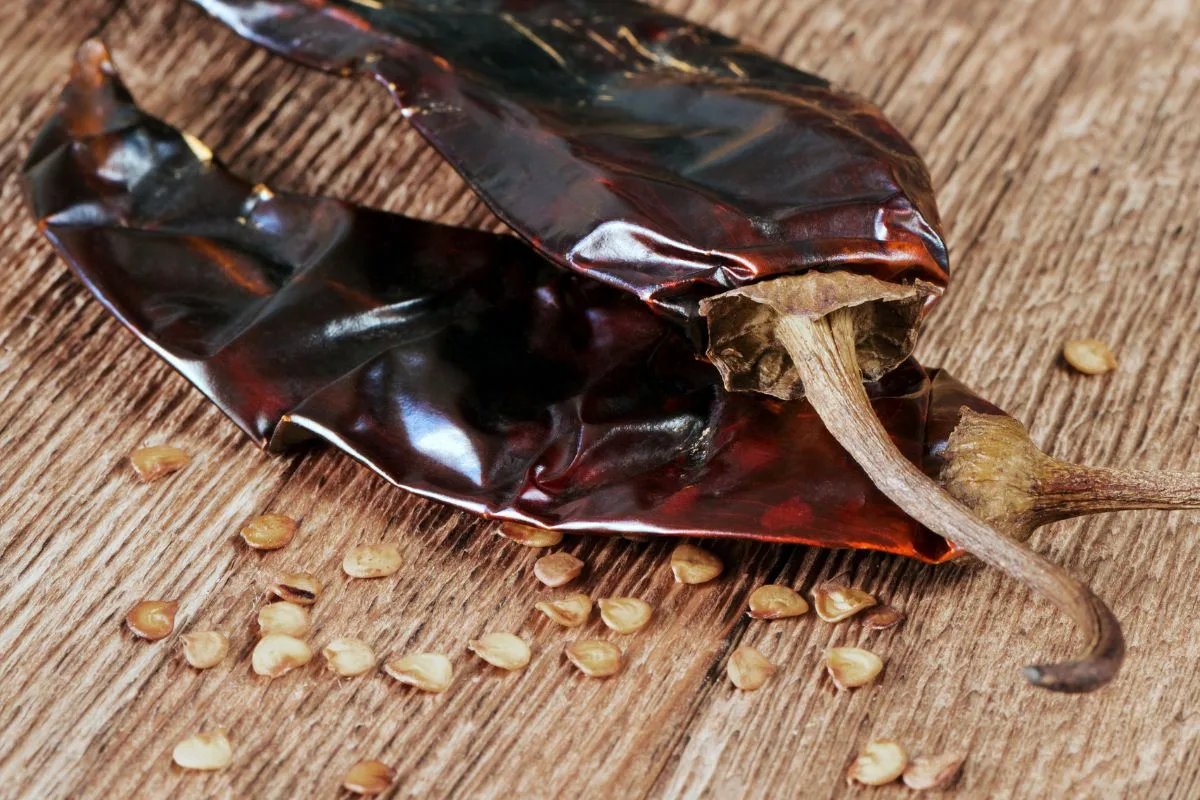
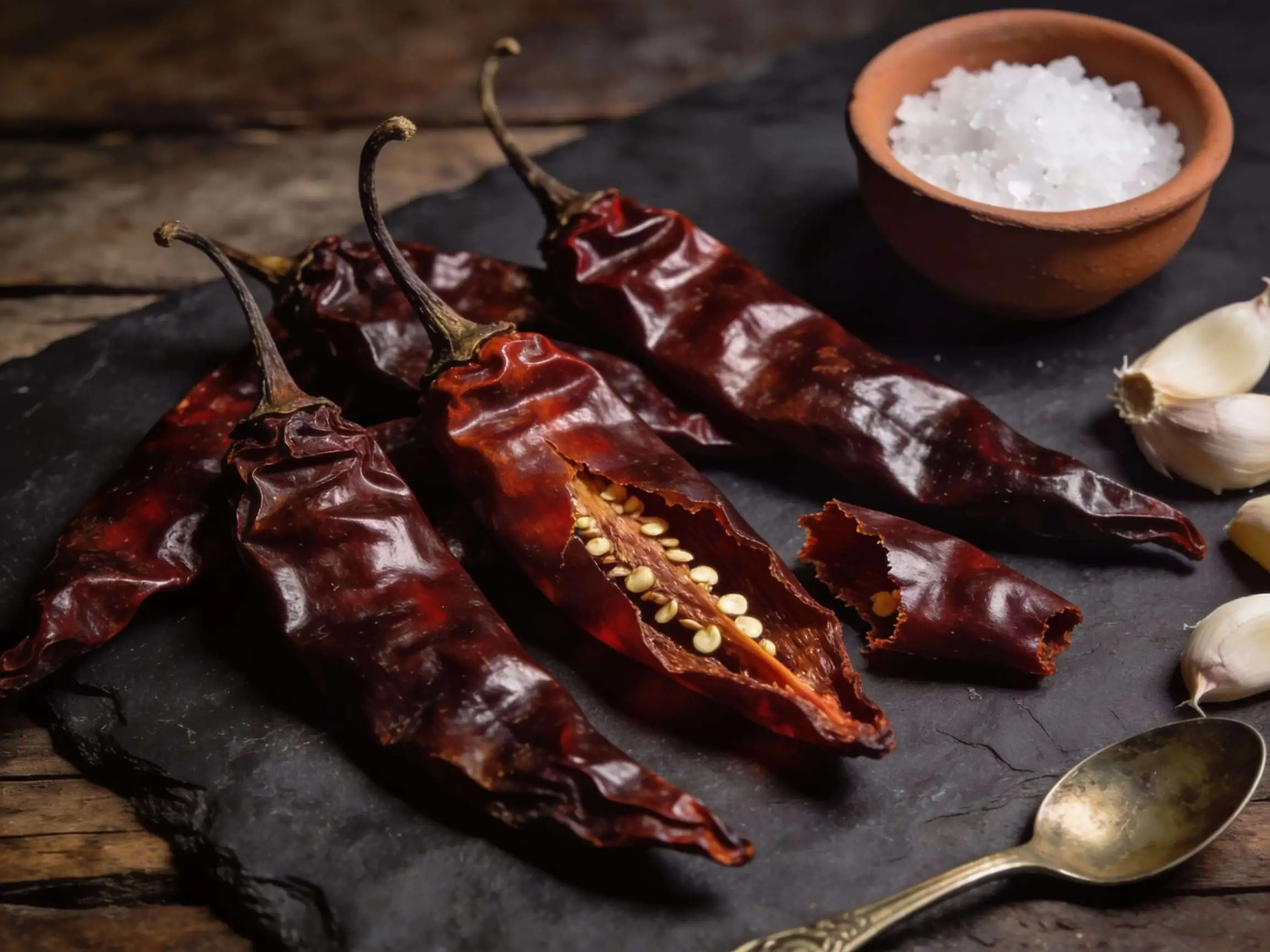
Ancho is a dried, ripened poblano, so it shares a family connection with the fresh pepper but has a more concentrated, dried-fruit and earthy flavour. It is a sensible choice when the recipe is for mole, a dark sauce, a marinade or a blended chile base. It is not suitable for a dish where the fresh poblano must remain intact.
How to use it: Remove the stem and prepare the dried chile according to the recipe. Soak in hot water until pliable—often around 15–20 minutes, depending on the pod—then blend or chop it and adjust the sauce liquid. Avoid a fresh-to-dried one-for-one calculation by pepper count; dried chiles are more concentrated and vary in size.
8. Pasilla: for deep, dark chile flavour
Pasilla is usually a dried chilaca chile, not simply another name for poblano. Its darker, earthy flavour can work in mole, sauces, soups and blended fillings, but it is a poor substitute for a fresh poblano in chiles rellenos or roasted strips.
How to use it: Rehydrate until flexible and blend or chop into the recipe. Start with a modest amount, taste the sauce and add liquid as needed. For a side-by-side explanation of the different peppers, read our pasilla vs poblano comparison.
Which poblano substitute works for roasting, stuffing or sauce?
The shape and cooking method matter just as much as heat. Use this table when you know the dish you are making and need the swap that will behave most like the original pepper.
| Recipe or method | Best starting swap | Adjustment | Avoid |
|---|---|---|---|
| Roasting and peeling | Anaheim or Hatch/New Mexico green chile | Choose a pod of similar size; char and peel only if the recipe expects peeled flesh. | Dried ancho or pasilla as a direct fresh-pod replacement. |
| Chiles rellenos or stuffed peppers | Wide Anaheim; green bell pepper if no heat is needed | Check cavity size and wall strength before filling. Add chile heat separately if using bell pepper. | Narrow Anaheim pods or thin-walled cubanelle when the filling is heavy. |
| Rajas, sautés, eggs and rice | Anaheim or cubanelle | Match by chopped volume and check tenderness early with cubanelle. | Assuming all peppers soften at the same rate. |
| Mole, dark sauce or blended chile base | Ancho or pasilla | Rehydrate first, blend or chop, then adjust liquid and seasoning. | Using dried chile by the same count as fresh poblanos without tasting or adjusting. |
| A mild or no-heat family plate | Green bell pepper | Roast for more depth; add a little mild chile only if wanted. | Using jalapeño as a direct one-for-one replacement. |
| Soup, casserole or enchilada filling | Anaheim, Hatch/New Mexico chile or canned diced green chiles | Choose fresh for more texture; use canned drained chiles for convenience and check the labelled heat. | Forgetting that canned chiles add moisture and may add salt. |
| Salsa that needs more heat | Anaheim plus a little jalapeño | Keep the mild pepper as the bulk and add jalapeño gradually to control heat. | Replacing the whole poblano volume with jalapeño. |
How to use poblano substitutes without losing flavour or texture
- Match the pepper’s job first. For whole stuffed peppers, prioritise a broad cavity and thicker walls. For a sauce, flavour and the way the chile blends into the liquid matter more than shape.
- Roast fresh swaps when the recipe calls for roasted poblano. Blister the skin using the recipe’s method, then cover briefly to loosen the skin before peeling. Avoid rinsing away more flavour than necessary.
- Use weight or chopped volume for cut peppers. A one-pepper-to-one-pepper swap becomes unreliable when one variety is much longer or narrower than the other.
- Keep fresh and dried chiles separate in your calculations. Ancho and pasilla are concentrated dried products. Rehydrate and adjust moisture rather than substituting by the same fresh-pepper count.
- Adjust heat gradually. Peppers can vary even within the same variety. Taste a small piece when safe to do so, start with less of a hotter chile, and add more only after the dish has cooked.
Popular Mexican dishes and the best poblano swaps
Chiles rellenos
For a stuffed pepper, choose the widest fresh Anaheim you can find, or use a green bell pepper if you need a larger cavity with no heat. Fill peppers according to their actual size rather than forcing the recipe’s original filling quantity into a narrower pod. An ancho or pasilla can flavour the sauce, but cannot replace the whole pepper.
Mole poblano and dark chile sauces
This is where dried ancho and pasilla are most useful. Ancho gives a fruity, earthy poblano-derived flavour; pasilla contributes a different, darker profile. They are not identical, so choose according to the sauce and recipe instead of treating the names as interchangeable.
Salsas, soups and stews
Anaheim, Hatch/New Mexico green chiles, or a mix of Anaheim with a little jalapeño can work depending on the level of heat you want. Canned diced green chiles are handy in cooked dishes, but their moisture and label heat should guide how much you add.
For more chile comparisons and cooking ideas, explore our ultimate guide to chili peppers, California vs guajillo chiles and guajillo chile substitutes.
When not to make a one-to-one poblano swap
- Do not use a dried chile where the recipe needs a whole fresh pod. Ancho and pasilla are for sauce, mole and blended preparations—not roasting or stuffing as whole peppers.
- Do not assume an Anaheim will hold the same filling. Many Anaheim peppers are narrower than poblanos; choose a broad pod or switch to bell pepper.
- Do not use jalapeño in the same quantity. It can make the dish much hotter. Use it to add controlled heat, not to replace all the poblano flesh.
- Do not assume Hatch or other green chiles are always mild. Variety and batch affect heat. Check the label and add in stages.
What we learned in our family kitchen
- July 2026 Southeast Asia markets rarely stock poblanos — Anaheim at 1:1 saved chiles rellenos when walls were thick enough to hold cheese.
- Roasting bell peppers first closes the flavor gap for Victor-friendly plates; raw bell swaps taste flat in mole.
- Dried ancho is the same pepper family as fresh poblano in its dried, ripened form. We soak it until flexible before blending sauce; we do not use fresh jalapeño as a direct one-for-one replacement in a mole base.
Keep exploring Mexican chiles
Use the related guides to compare fresh poblanos with dried chiles or choose a substitute for the pepper you have available.
- Fresh pepper details: Poblano chile guide · Fresh poblano peppers
- Dried chile swaps: Ancho chile substitutes · Pasilla vs poblano · Pasilla chile substitutes
- Explore the wider library: Chili pepper guides and recipes · Ingredients hub · Recipe index
Enjoying our content? Make Mangoes & Palm Trees a preferred source on Google.
Explore next

Chile poblano substitute FAQs
What is the best substitute for chile poblano?
Anaheim pepper is the best all-purpose fresh substitute when you need a mild chile for roasting, chopped dishes, soups or salsas. Use a similar-sized pepper or the same amount by chopped volume. For stuffing, choose a wide Anaheim or use green bell pepper if you need no heat.
Can I use green bell pepper instead of poblano?
Yes. Green bell pepper is a good one-for-one starting point when you need pepper texture without chile heat, especially in stuffed dishes. It is sweeter and less earthy than poblano, so roasting it first or adding a little mild chile to the filling or sauce can bring back some depth.
What is the best poblano substitute for chiles rellenos?
Choose a broad, thick-walled Anaheim if you want a fresh chile with some heat. Anaheim peppers are often narrower than poblanos, so check the size before stuffing. Green bell pepper works when a larger cavity and no heat matter more than the poblano flavour.
Can I use ancho instead of fresh poblano?
Use dried ancho when the recipe calls for a dark chile sauce, mole or blended filling—not when it needs a whole fresh pepper. Ancho is a red-ripened, dried poblano, but drying concentrates its flavour and changes its texture. Rehydrate until flexible and adjust the liquid in the recipe.
Is pasilla the same as poblano?
No, not in standard Mexican chile terminology. Poblano is the fresh green pepper that becomes ancho when ripened and dried; pasilla usually refers to a dried chilaca chile. Pasilla can add dark, earthy flavour to sauces, but it does not replace the shape or fresh texture of a poblano.
Which poblano substitute has no heat?
Green bell pepper has no chile heat and is the easiest choice for a mild dish or a family plate. Its flavour is sweeter and less earthy than poblano, so roast it for more depth or add a separate mild chile only if you want some warmth.
Can I use jalapeño instead of poblano?
You can use jalapeño when you want more heat, but it is not a like-for-like replacement for a large poblano. Start with less than the recipe’s poblano amount, finely chop it into the filling or sauce, then taste and add more carefully. Removing the inner ribs and seeds may reduce the heat, but pepper heat varies.
Can I use dried pasilla or ancho in a recipe that calls for fresh poblano?
Only when the recipe can accommodate a dried-chile preparation, such as a sauce, mole, soup base or blended filling. Stem and prepare the dried chile, soak it in hot water until flexible, then blend or chop it as the recipe requires. Do not count a dried chile as a one-for-one fresh pod for stuffing or roasting.
Meet the Mayerhoffers
“Free-spirited food adventurers, culture-seekers, and the guardians of 15 years of global memories.”
Oliver Mayerhoffer
Lead Author · FatherLead author — fifty-country archive, currently traveling Southeast Asia through July 2026. Oliver draws on a fifty-country archive and family kitchen experiences abroad, with practical recipe structure and honest weeknight notes.
Natalia Mayerhoffer
Mother · Siberian Heritage & Cultural VoiceFamily and cultural voice — Siberian heritage validation, kitchen safety, and nutrition notes for the publication’s food stories.
“Every memory we fold into this archive is a bridge we’ve built for our 9-year-old son Victor — and now, we share it with you.”
Explore Our Full Family ArchiveReferences for pepper types and heat
We use these references for pepper form, approximate heat ranges and the distinction between fresh poblano and dried ancho. Scoville ranges are guides, not guarantees for every pod.
University of Florida IFAS Extension
Profiles of poblano and Anaheim peppers, including approximate heat and physical characteristics.
Read Pepper ProductionNew Mexico State University
Reference on Scoville heat measurement and the variation caused by cultivar, weather and growing conditions.
Read the chile cultivar referenceOregon State University Extension
Growing guide noting poblano pepper size, mild heat, and the dried ancho form.
Read the pepper guideUC Master Gardeners
Reference to pepper types including Anaheim, poblano/ancho and cubanelle.
Read the pepper listPoblano overview
Supplementary general context on the poblano pepper and its dried form.
Read the overviewThe family kitchen notes describe our own substitution choices and market availability; they are experience notes rather than controlled heat testing.
Continue through the chili and ingredient library
Follow another guide when you need a different chile, a dried-pepper conversion or a broader recipe idea.