Editorial standards: editorial policy · Affiliate disclosure: affiliate disclosure · Family-tested archive — updated 2026-07.
Fresh pepper, ancho twin, family prep
Poblano Chile Guide
Mild 1,000–2,000 SHU poblanos from Puebla—how we roast, stuff, and store them for chiles rellenos and salsa fresca across rental kitchens from Mexico markets to July 2026 Southeast Asia field trips.
What is poblano chile used for?
Poblano chile is used for chiles rellenos, roasted salsas, quesadillas, and moles when dried as ancho. Fresh pods run 1,000–2,000 Scoville units—milder than jalapeño—with charred skin peeled and seeds removed for mild family plates.
Oliver writes from Southeast Asia fieldwork through July 2026; Natalia reviews safety and nutrition notes; Victor is the final vote on family plates.
Key takeaways
- Heat band: Plan for 1,000–2,000 SHU—milder than most jalapeños. Compare on pasilla vs poblano and the chili pepper pillar.
- Ancho twin: Dried poblanos become ancho chiles—see ancho substitutes when only dried pods are in stock.
- Prep rhythm: Char, steam, peel, and seed before stuffing rellenos; Victor-tested roast times from July 2026 rental kitchens.
Ready to spice up your kitchen with poblano chiles? These mild, smoky peppers bring tropical flair to salsa fresca, stuffed dishes, and more—a Mangoes and Palm Trees gem!
Loved for their rich flavor, they’re a Mexican staple that’s easy to master.
Poblano chiles are your ticket to smoky, mild spice—perfect for any dish! From their Mexican roots to kitchen versatility, they’re a must-try. Want to know all about poblanos?
This guide’s got you—flavor profiles, recipes, and more—plus, snag extra pepper wisdom from Serious Eats’ Poblano Primer. Let’s get cooking!
What Is a Poblano Chile?
Poblano chiles (Capsicum annuum) are mild, dark green peppers hailing from Puebla, Mexico. Known for their heart-shaped look and 4-6 inch size, they’re a kitchen favorite with a gentle 1,000-2,000 SHU—milder than jalapeños.

Poblano chile—mild, smoky, and ready to shine!
Poblano Chile Profile
- Flavor: Rich, smoky, earthy—sweetens when roasted.
- Look: Dark green, heart-shaped—turns red when ripe.
- Dried Form: Known as ancho chiles—smoky and sweet.
For pepper heat scales, see the Scoville scale and our poblano heritage notes.
How to Choose and Store Poblano Chiles
Pick and keep poblanos fresh with these tips!
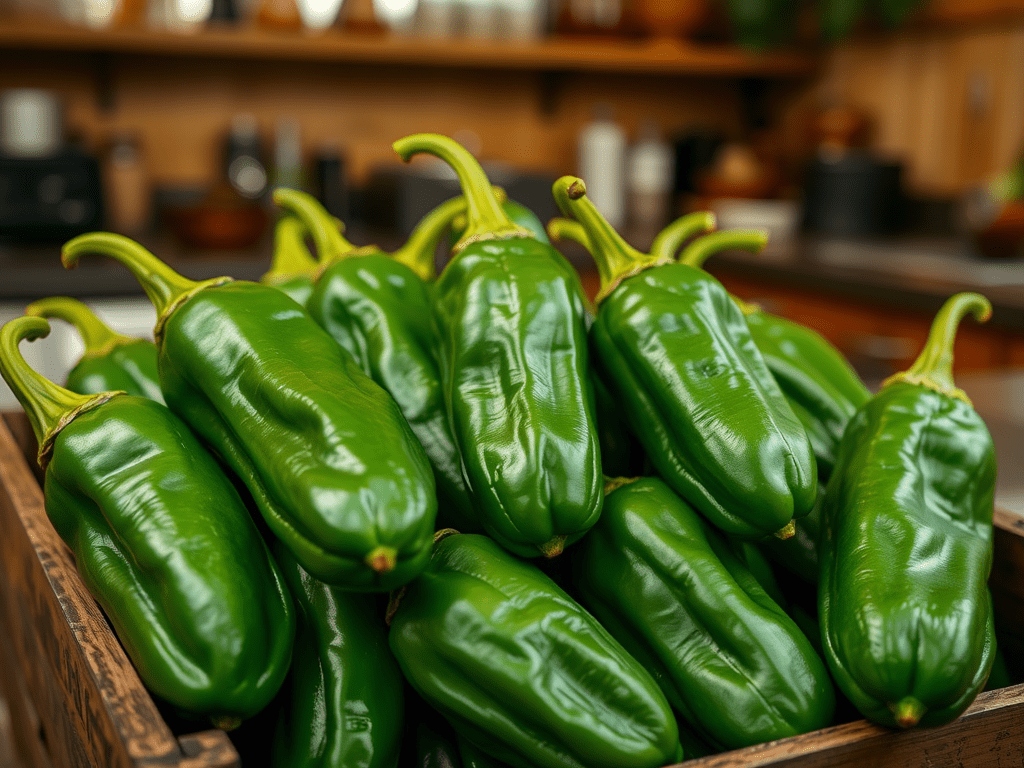
Choosing and storing poblanos—keep them fresh and flavorful!
- Choose Firm: Smooth, deep green, no wrinkles—feel heavy.
- Fridge Fresh: Crisper drawer, paper bag—lasts 1-2 weeks.
- Freeze Smart: Roast, peel, store in airtight bags—up to 6 months.
For storage hacks, see The Kitchn’s Chile Tips.
Cooking with Poblano Chiles
Unleash poblano flavor with these tropical-inspired ideas!
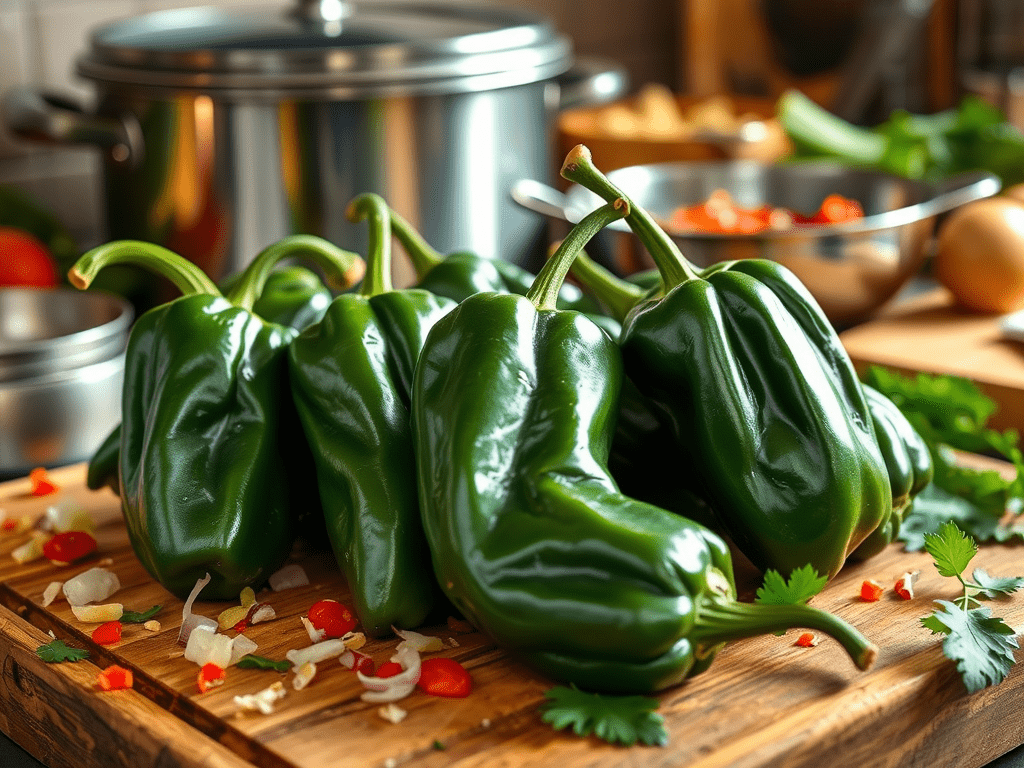
Cooking with poblanos—tropical smoky magic!
Roasted Poblano Chiles
Roast poblanos to boost their smoky sweetness:
- Char Over Flame: Gas stove, grill, or broiler—blister all sides.
- Steam & Peel: Cover in a bowl 10 minutes—peel off skin.
- Seed & Chop: Remove seeds—ready for quesadillas!
For roasting tricks, visit Bon Appétit’s Poblano Guide.
Chiles Rellenos
| Ingredient | Amount |
|---|---|
| Poblano Chiles | 4, roasted |
| Queso Fresco | 1 cup, crumbled |
| Eggs | 3, separated |
| Flour | 1/2 cup |
| Oil | For frying |
| Salt | To taste |
Method: Stuff roasted poblanos with cheese, dip in egg batter, fry until golden. Serve with salsa fresca—tropical comfort!
Poblano Chile Substitutes
No poblanos? Swap with these tropical chile swaps!

Poblano substitutes—keep the flavor flowing!
| Substitute | Flavor | Swap Ratio |
|---|---|---|
| Anaheim | Milder, thinner | 1:1 |
| Bell Pepper | No heat, similar texture | 1:1 |
More swaps? See our ancho chile substitutes.
Tips and Tricks for Cooking with Poblanos
Master poblanos with these tropical tips!

Tips for poblanos—cook like a pro!
- Glove Up: Seeds can sting—protect your hands.
- Roast Always: Unlocks smoky sweetness—don’t skip!
- Pair Smart: Blend with melting cheese or corn.
For prep hacks, check Epicurious’ Poblano Tips.
Growing Your Own Poblanos
Grow poblanos at home—tropical spice from your garden!
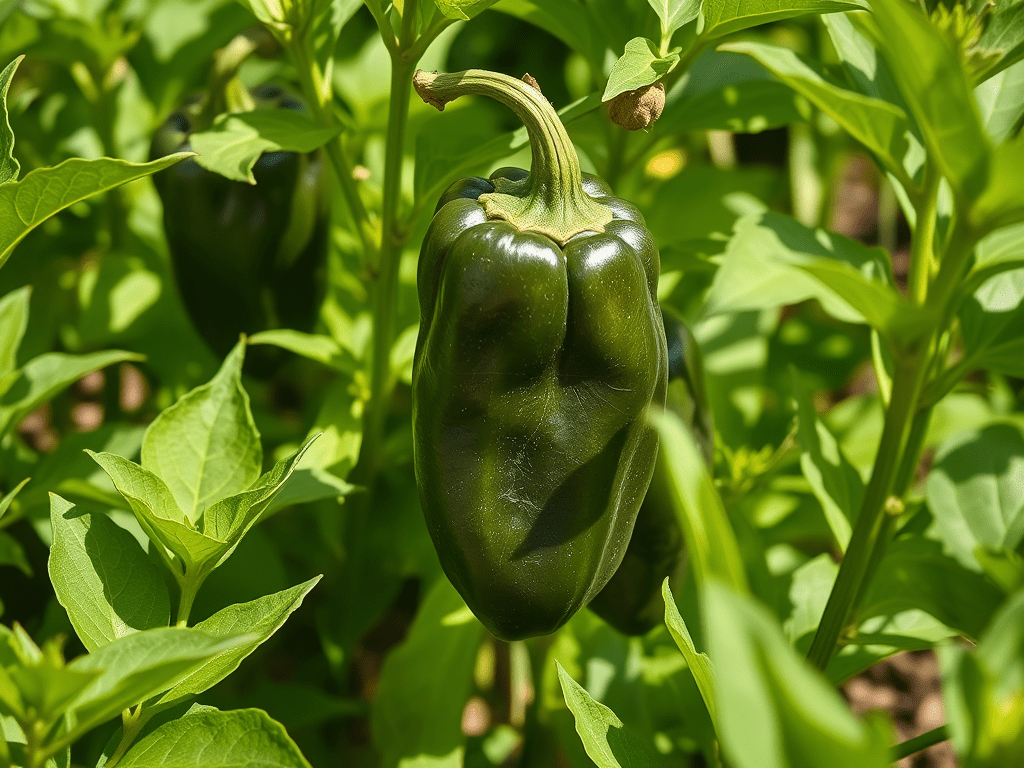
Growing poblanos—fresh spice from your backyard!
- Sunshine Love: Warm climate, full sun—ideal conditions.
- Start Early: Seed indoors 8 weeks pre-frost—transplant later.
- Harvest Green: Pick at 65-80 days—dark and firm.
For growing advice, visit Gardening Know How’s Poblano Guide.
Fun Facts About Poblano Chiles
Spice up your trivia with these poblano tidbits!
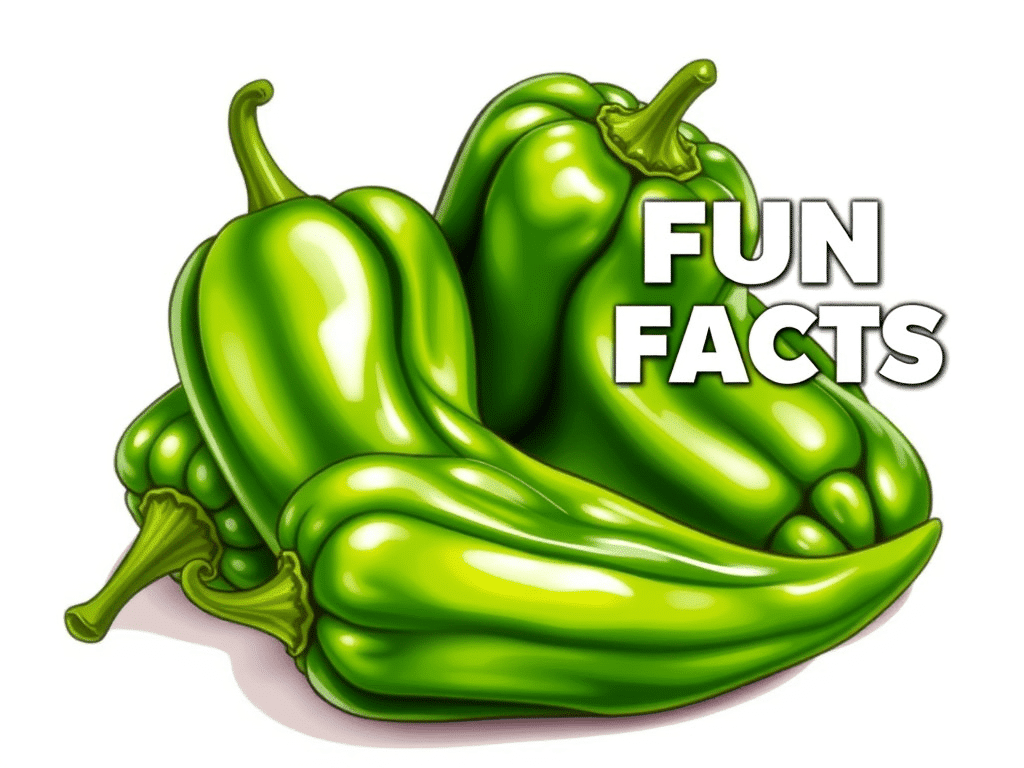
Fun facts about poblanos—spice trivia unveiled!
- Puebla Roots: Named after Puebla, Mexico—its birthplace.
- Ancho Twin: Dried poblanos become smoky ancho chiles.
- Heat Surprise: Some are sweet, others pack a mild kick!
For chili history, see Food Network’s Chile Guide.
Wrap-Up
Poblano chiles are your tropical kitchen MVPs—mild, smoky, and endlessly versatile! From chiles rellenos to salsa fresca, they bring rich flavor to every dish. Roast them, stuff them, or grow your own—Mangoes and Palm Trees has you covered!
Spice up your next meal and savor the magic—your taste buds will cheer!
Questions we hear often
What is the heat level of a poblano chile?
How long do fresh poblano chiles last in the refrigerator?
What is the best substitute for poblano chile?
Meet the Mayerhoffers
“Free-spirited food adventurers, culture-seekers, and the guardians of 15 years of global memories.”

Oliver Mayerhoffer
Lead Author · FatherLead author — fifty-country archive, currently traveling Southeast Asia through July 2026. Oliver brings field-tested recipe structure and honest weeknight notes from family kitchens abroad.

Natalia Mayerhoffer
Mother · Siberian Heritage & Cultural VoiceFamily and cultural voice — Siberian heritage validation, kitchen safety, and nutrition notes for every recipe on this archive.
“Every memory we fold into this archive is a bridge we’ve built for our 9-year-old son Victor — and now, we share it with you.”
Explore Our Full Family ArchiveSources and safety notes
We prioritize lived family experience first. When food safety or heritage context matters, we cross-reference field notes with official references listed below.
USDA Food Safety
safe food handling reference
Read sourceHarvard T.H. Chan School of Public Health
nutrition source notes
Read sourceHealthline — chili peppers
capsaicin and metabolic notes
Read sourceWikipedia — Scoville scale
heat measurement reference
Read sourceWikipedia — poblano
fresh pepper profile and ancho drying
Read sourceNMSU Chile Pepper Institute
cultivar heat reference
Read sourceFDA — fresh produce
selection and storage
Read sourceEditorial field notes
Family field notes — Mayerhoffer poblano prep, July 2026 Southeast Asia season
Enjoying our content? Make Mangoes & Palm Trees a preferred source on Google.
Explore next




Poblano and chili routing
Poblano guide linked to ancho substitutes, pasilla comparison, salsa fresca, and chili library.