Editorial standards: editorial policy · affiliate disclosure


Mexican ingredients · Dried chile substitutions
Best Guajillo Chile Substitutes: Ancho, Pasilla & More
For a fuller blended sauce—especially adobo or mole—ancho is our first reach: start with one similar-sized pod per guajillo. It is sweeter and less tangy, so add a little lime or vinegar if the sauce needs brightness. For a brighter red-chile base, start with New Mexico chile; California is milder, while pasilla gives darker, earthier depth.
What is the best substitute for guajillo chiles?
For a fuller blended sauce such as adobo or mole, ancho is our first choice: start with one similar-sized pod per guajillo. Ancho is sweeter and less tangy, so add a little lime or vinegar if the sauce needs brightness. For a brighter red-chile base, start with New Mexico chile; California is usually milder. Pasilla gives a darker, earthier result. Smoked paprika plus a little chili powder is a last-resort pantry fix, not a true replacement for a whole dried pod.
Choose your guajillo substitute quickly
- For a fuller blended sauce: ancho, with lime or vinegar added gradually if the sauce needs brightness.
- For a brighter red-chile base: New Mexico chile; California works when you want a milder result.
- For darker, earthier depth: choose pasilla; use cascabel when a nuttier profile suits the dish.
- For an emergency pantry swap: smoked paprika plus a little chili powder adds colour and warmth, not the full flavour or texture of guajillo.
For a closer comparison, see California vs guajillo chiles and guajillo vs ancho. If you need another dried chile, browse our chili pepper library.
Which guajillo chile substitute is best for your dish?
Start with what the guajillo is doing in the recipe. In a blended sauce, ancho is a strong all-round choice because it adds body and dried-fruit sweetness; lime or vinegar can restore brightness if needed. For a redder, less sweet base, New Mexico chile is the better starting point, while California is a gentler option. Pasilla takes the flavour darker. These are starting ratios, not identical matches, and heat varies from pod to pod.
| Substitute | Flavor and heat | Best uses | Starting ratio and adjustment |
|---|---|---|---|
| 1. Ancho | Sweeter, fuller and raisin-like, with less of guajillo’s bright tang. | Mole, adobo, marinades, stews and blended sauces. | Use one similar-sized pod per guajillo as a starting point; add lime or vinegar a little at a time if needed. |
| 2. New Mexico dried chile | Red-chile character with earthy, sometimes sweet notes; heat varies by cultivar. | Birria, enchilada sauce, adobo, braises and salsa roja. | Start with one similar-sized dried chile per guajillo. Taste after blending; adjust for brightness and heat. |
| 3. California dried chile | Often milder and more about colour than guajillo’s full tangy profile. | Mild red sauces, stews and dishes where a gentler chile base works. | Start pod for pod. Add a little ancho or a little acid only if the finished sauce needs more depth or brightness. |
| 4. Pasilla | Darker, earthier and often reminiscent of dried fruit; the result can be less bright. | Mole, deeper sauces, soups and braises. | Start at 1:1 in blended sauces, then adjust the overall blend to avoid an overly dark or earthy flavour. |
| 5. Cascabel | Nutty and woodsy, generally less fruity than guajillo. | Salsas, soups, stews and sauces where a rounded, toasted note fits. | Start with a similar amount, then taste. Combine with New Mexico or California chile when you also need red colour and a brighter profile. |
| 6. Puya | Smaller and usually hotter, with a related fruity dried-chile character. | When you want a similar chile direction with more heat. | Use less than guajillo or blend with a milder dried chile. Add gradually; do not assume the same heat. |
| 7. Chipotle powder or chipotle in adobo | Smoky and more assertive; chipotle can dominate the guajillo flavour. | Smoky marinades, rubs and sauces where that extra smoke is welcome. | Start with a small amount, then taste. It is a flavour-direction change rather than a neutral 1:1 swap. |
| 8. Smoked paprika + chili powder | Provides colour, smoke and adjustable heat, but lacks the body of a whole chile. | Emergency dry rubs, quick marinades and dishes that do not depend on a blended chile paste. | Try 1 tsp smoked paprika + ¼ tsp chili powder per whole dried guajillo as a pantry starting point, then adjust. |
Ratio note: A “1:1” swap here means a starting point by a similar dried pod or equal weight when the recipe gives weights—not equal teaspoons of whole chile and ground spice. For a smooth sauce, toast and rehydrate the dried substitute as the recipe directs, blend it, then adjust salt, acid and heat.
What is a guajillo chile, and what needs replacing?
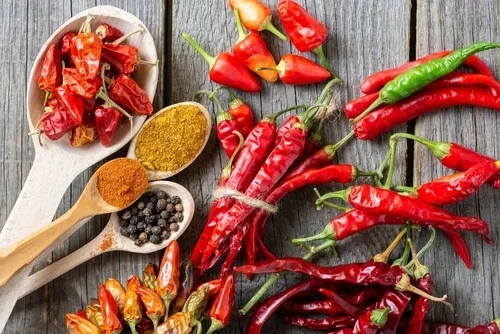
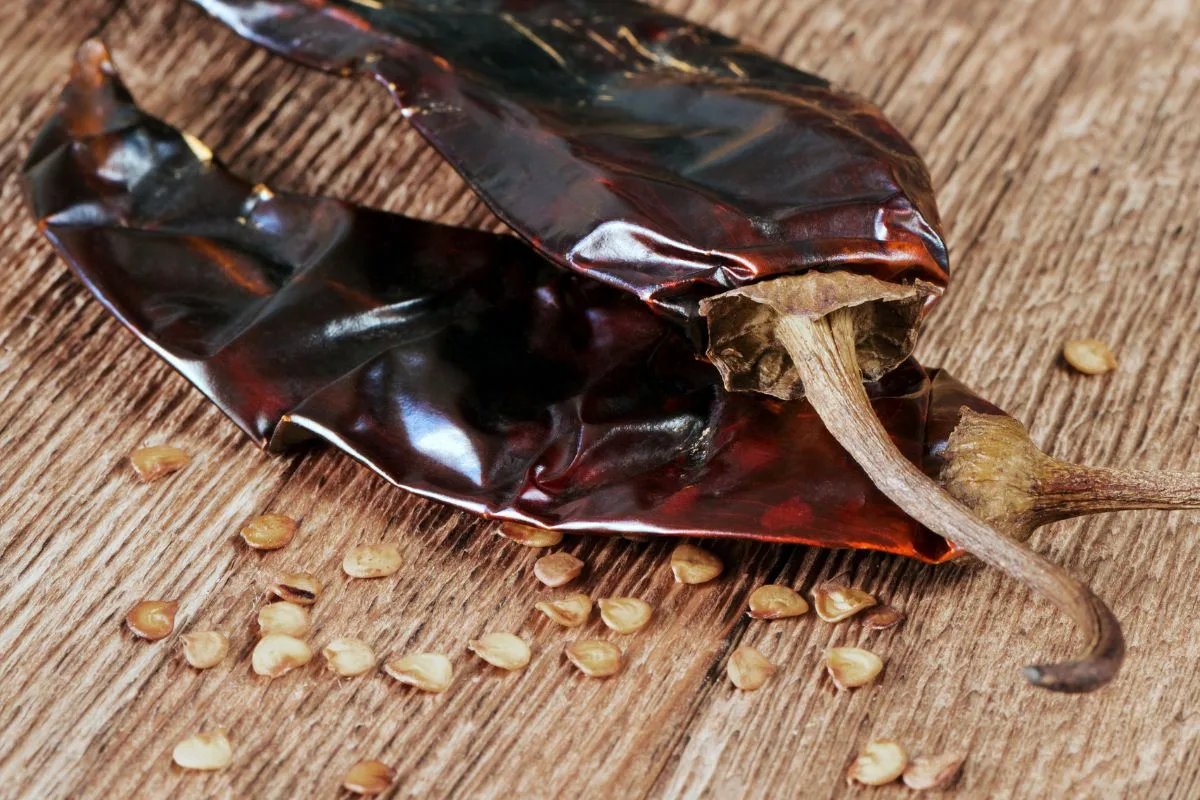
Guajillo is a dried red chile made from the fresh mirasol pepper. Its usual appeal is not extreme heat: it gives sauces and marinades a red colour, fruity-tangy notes, an earthy backbone and moderate warmth. It is commonly used in adobo, birria, salsa roja, soups and blended chile bases.
That combination matters when choosing a substitute. Ancho is our first reach when a sauce needs body and sweetness, especially in adobo or mole. New Mexico chile is better when you want a brighter red-chile base without as much raisin-like depth; California works if a milder flavour is enough. Pasilla changes the sauce in a darker, earthier direction. Ground seasoning can add colour and heat, but it cannot give a blended sauce the same pulp and texture as a rehydrated pod.
Guajillo is commonly described around 2,500–5,000 Scoville Heat Units (SHU), but treat published heat ranges as estimates rather than exact guarantees. Pepper cultivar, growing conditions, maturity, drying and the individual pod all affect the result. New Mexico State University’s Chile Pepper Institute explains chile heat measurement and terminology in its heat resources and chile terminology guide.
When the Latin aisle had ancho but no guajillos
Our first lessons with guajillo heat came in Oaxaca market stalls. Later, while we were cooking in a small rental kitchen on Koh Samui, Thailand, we ran out of our usual guajillo supply partway through a sauce. Victor wanted the same adobo tang; Natalia wanted the batch mild enough for a school-night plate.
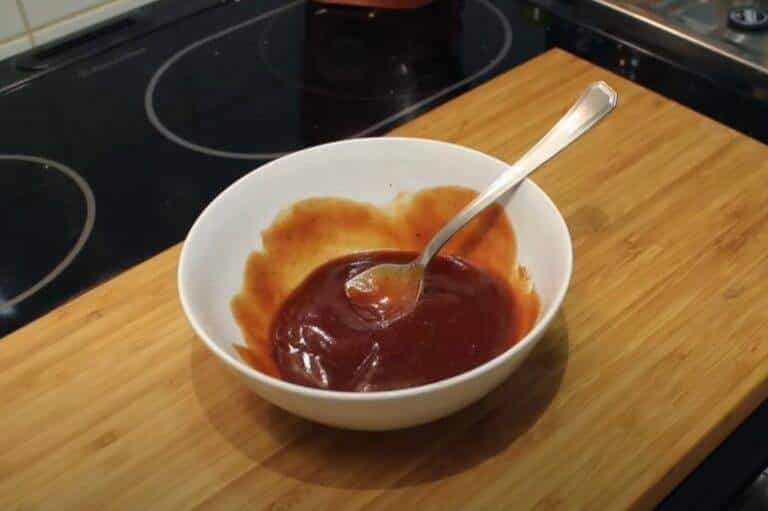
The Asian supermarket had ancho but no guajillo, so we used ancho and added lime a little at a time after blending. It was a practical kitchen rescue rather than an exact match: ancho brought a fuller, sweeter body, while the lime brought back some brightness. We adjusted the toasted pods and the finished sauce by taste.
The swap worked, but it changed the sauce: ancho brought a rounder sweetness, and a little lime put some brightness back.
The best dried guajillo chile substitutes, explained
Ancho: our first reach for a fuller blended sauce
Ancho is the dried, ripe form of poblano. It usually brings a sweeter, deeper, raisin-like flavour than guajillo and can make adobo or mole taste rounder and fuller. Use one similar-sized pod for each guajillo as a starting point. If the finished sauce loses guajillo’s bright tang, stir in a little lime juice or vinegar, taste, and repeat only if it needs more. It is a useful replacement, not a flavour-identical one. Our guajillo vs ancho guide compares their differences.
New Mexico chile: a brighter red-chile base
New Mexico dried chile is a strong choice for birria, enchilada sauce, adobo or a braise when you want a red-chile profile closer to guajillo’s role in the dish. Its exact flavour and heat vary by cultivar, so taste after rehydrating rather than relying on the label alone. Start pod for pod with similar-sized dried chiles; add some ancho only if the sauce needs more body or sweetness.
California chile: when a milder sauce is fine
California chiles are often selected for a milder red colour and a gentler flavour. They can stand in for guajillo in soups, stews and sauces where colour matters more than exact fruitiness. They are not universally the same pepper as guajillo, and market naming can vary; the package and the actual pod are better guides than assuming the names are interchangeable. See our California vs guajillo comparison for a closer look.
Pasilla: a darker, earthier direction
Pasilla can bring a darker, earthier dried-chile character to mole, soups and slow-cooked sauces. It is useful when the dish can accommodate that shift, but it is not a flavour-identical replacement. If the sauce becomes too earthy, combine pasilla with a brighter New Mexico or California chile rather than adding more pasilla automatically. You can also see the related pasilla vs poblano comparison.
Cascabel or puya: for a more specific result
Cascabel is a useful alternative when its nutty, toasted character suits the sauce; it does not copy guajillo’s fruitiness. Puya is a better choice when you want related dried-chile flavour with more heat. Both are less universal than New Mexico or California chile, so start conservatively, blend with a milder chile if needed and taste before serving.
Choose a guajillo substitute by recipe
The same substitute can work well in one preparation and disappoint in another. Use this guide to match the chile to what the dish needs.
| Dish or method | Best starting swap | What to watch |
|---|---|---|
| Birria or beef marinade | New Mexico chile for a brighter red base; blend in ancho if you want more body | Keep the sauce red and tangy. If using ancho alone, add lime or vinegar gradually after blending. |
| Adobo or enchilada sauce | New Mexico, California or ancho | Ancho is sweeter; add acid gradually if the sauce needs a brighter finish. |
| Mole or deep, slow-cooked sauce | Ancho and/or pasilla | Expect a darker, sweeter or earthier result. A small amount of brighter chile can balance the blend. |
| Salsa roja | New Mexico or California chile; cascabel for a nuttier note | Colour and tang matter. Pantry spices will not provide the same body as rehydrated pods. |
| Dry rub or quick marinade | Smoked paprika + chili powder, or a suitable pure chile powder | Check commercial blends for salt and added spices. Start with less and season after tasting. |
| Fresh sauté or quick-cooked dish | Fresh Fresno or roasted red pepper with heat adjusted separately | Fresh peppers contain more water and do not replace dried-chile paste one-for-one. |
For a recipe-specific example, try our guajillo chili beef tacos. It shows where guajillo contributes to the finished dish instead of treating every chile as an interchangeable heat source.
Fresh and ground guajillo substitutes when traveling
When dried Mexican chiles are not available, choose a fresh or ground alternative based on what the recipe can tolerate. Fresh peppers bring more moisture and a different texture, so use them for quick sauces, sautés or fresh salsas rather than expecting them to behave like a dried chile paste.
Fresh pepper options
- Fresh Fresno: can provide red colour and a fruity bite, but its heat varies and its water content changes the sauce. Add gradually.
- Roasted poblano: offers a mild, earthy base, but less concentrated dried-chile flavour. It is a useful pivot in a quick-cooked dish, not a direct swap for a whole dried guajillo in birria or mole. Read our poblano chile guide.
- Red bell pepper: contributes sweetness and colour when low heat matters. Add a separate pinch of a suitable chile powder only if the dish needs heat.
- Thai or other small hot chiles: can raise heat quickly but do not replicate guajillo’s body or fruitiness. Check our serrano substitute guide and serrano vs jalapeño comparison before using a hotter fresh pepper.
Emergency ground-spice substitute
For a quick dry rub or marinade, start with 1 teaspoon smoked paprika plus ¼ teaspoon standard chili powder for each whole dried guajillo. This is a practical pantry approximation, not an equal replacement by weight and not a substitute for whole chile pulp in a smooth sauce. Standard chili powder is often a blend that may contain cumin, garlic, oregano or salt, so check the ingredients and adjust the recipe’s salt after tasting.
How to toast, soak and blend dried chile substitutes
- Inspect and prepare: choose dry chiles without mould or damp soft spots. Remove stems and shake out seeds if the recipe calls for it. Gloves are sensible if handling many pungent pods; avoid touching your eyes.
- Toast briefly: place the pods in a dry skillet over moderate heat, turning until fragrant. Stop before the skins scorch, which can make a sauce bitter.
- Rehydrate: cover with hot water and soak until flexible, often about 15–20 minutes depending on the pod. Follow the recipe if it specifies a different method.
- Blend and adjust: blend with the recipe’s liquid or a little soaking water if suitable. Add acid gradually if ancho makes the sauce too sweet, or a milder chile if a hotter substitute overwhelms it.
For another preparation guide, see what guajillo chile is and our guajillo sauce guide.
How to buy and store guajillo chiles and substitutes
Look for dried pods that are intact and have a clean, dry aroma. Some pliability is useful, while extremely brittle pods can have lost aroma through age or poor storage. Avoid dampness, mould or soft spots. Keep whole dried chiles in a sealed container in a cool, dry place away from light and moisture; in humid kitchens, keep the container especially well sealed and consider freezing a backup portion.
Once chiles are soaked or blended into paste, treat them as prepared food rather than shelf-stable dried goods. USDA Food Safety and Inspection Service guidance says to refrigerate leftovers within two hours (one hour if the ambient temperature exceeds 90°F / 32°C), keep the refrigerator at 40°F / 4°C or below, and use refrigerated leftovers within three to four days. Freeze promptly if you need a longer storage period. See USDA guidance on handling leftovers safely.
The lesson from that sauce
- In a Koh Samui rental kitchen, we rebuilt guajillo adobo with ancho and lime when the shop had no guajillo. The acid helped restore the brightness we wanted, while the ancho made the sauce fuller.
- Victor tends to prefer milder chile blends, so we start conservatively and adjust the adult portions separately instead of treating a published SHU figure as an exact guarantee for every pod.
- When the Latin aisle stocks ancho and pasilla but no guajillo, the best replacement depends on the dish. Ancho is a practical fallback for blended sauce; New Mexico or California chile is useful when a red-chile base is the priority.
When not to force a guajillo substitute
Do not assume every dried chile can be replaced teaspoon for teaspoon, or that a fresh pepper can recreate the body of a rehydrated pod. If the recipe depends on guajillo’s red colour and tang, choose a similar dried red chile and adjust gradually. If you need only a smoky note or some extra heat, a ground spice may be enough—but it is a shortcut, not a flavour-identical replacement.
For a wider range of options, browse our ultimate guide to chili peppers or the full chili pepper library.
Keep exploring the chile and recipe library
Use the next guide when you need a closer comparison, a different dried chile, or a recipe built around the ingredient you have.
- Compare the main dried chiles: California vs guajillo · guajillo vs ancho · pasilla vs poblano.
- Find another substitute: ancho chile substitutes · cascabel chile guide · the quick guajillo swap guide.
- Cook with your swap: guajillo beef tacos · recipes with ancho peppers · chipotle in adobo · pad kra pao.
- Browse more: chili pepper library · ultimate guides hub · recipes archive.
Guajillo chile substitute FAQs
What is the best substitute for guajillo chiles?
For a fuller blended sauce—especially adobo or mole—ancho is our first reach. Start with one similar-sized pod per guajillo and add a little lime or vinegar only if the finished sauce needs brightness. For a brighter red-chile base, use New Mexico chile; California is usually milder, while pasilla gives darker, earthier notes.
Can I use ancho instead of guajillo chiles?
Yes. Start with one similar-sized dried ancho per guajillo in a blended sauce, adobo or mole. Ancho gives a fuller, sweeter, raisin-like flavour but less of guajillo's bright tang. Add lime juice or vinegar a little at a time only if the finished sauce needs more brightness.
Are New Mexico or California chiles good guajillo substitutes?
Yes, when the dish needs a brighter red-chile base rather than ancho's fuller sweetness. Start with one similar-sized dried New Mexico chile per guajillo. California chile is often milder and can work when colour and a gentler flavour matter more than guajillo's tang. Taste after rehydrating and blending.
Are California chiles the same as guajillo chiles?
No. Both can be sold as dried red chiles, but California chile is often a milder dried Anaheim-type chile and should not be assumed to taste exactly like guajillo. It is a useful swap when you want a gentler red base; guajillo usually contributes a brighter, fruitier tang. Names and cultivars vary, so check the package when possible.
What is the best guajillo substitute for birria?
For birria, New Mexico chile is a good starting point when you want a red-chile base that holds up in a long braise. Add some ancho if the sauce needs more body and raisin-like sweetness. Ancho alone can work, but the result will be rounder and sweeter; adjust lime or vinegar gradually after blending if it needs brightness.
Can I use regular chili powder instead of a whole guajillo chile?
Only as a pantry fallback, especially for dry rubs or quick marinades. Commercial chili powder may contain cumin, garlic, oregano, salt or other spices, so it will not recreate a whole dried guajillo's fruitiness or body. Start with 1 teaspoon smoked paprika plus ¼ teaspoon chili powder per guajillo, then taste and adjust.
Can I use a fresh pepper instead of dried guajillo?
Sometimes, in quick sautés or fresh salsas, but fresh peppers contain more water and do not provide the concentrated flavour or body of a dried chile. Fresno can add red colour and fruitiness; roasted poblano offers a milder, earthier base. For birria, mole and smooth adobo, another dried chile is generally the closer choice.
How do I prepare dried chile substitutes for sauce?
Remove the stems and shake out seeds if your recipe calls for it. Toast the pods briefly in a dry skillet until fragrant, turning them so they do not scorch. Cover with hot water and soak until flexible—often about 15–20 minutes—then blend with the recipe's liquid or a little soaking water if appropriate. Follow your recipe if it specifies a different method.
How should I store rehydrated chiles or chile paste?
Refrigerate rehydrated chiles and freshly blended paste promptly in a clean, covered container; do not treat them as shelf-stable dried chiles after soaking. USDA guidance for leftovers is to refrigerate within two hours (within one hour above 90°F / 32°C), keep the refrigerator at 40°F / 4°C or below, and use refrigerated leftovers within three to four days. Freeze promptly if you need longer storage.
The useful swap is the one that fits the recipe. Match the dried-chile profile first, then adjust brightness, body and heat in small steps. For another dish-specific example, try our guajillo beef tacos.
Meet the Mayerhoffers
“Free-spirited food adventurers, culture-seekers, and the guardians of 15 years of global memories.”
Oliver Mayerhoffer
Lead Author · FatherLead author — fifty-country archive, currently traveling Southeast Asia. Oliver brings food and travel through the people, places and meals that stay with us.
Natalia Mayerhoffer
Mother · Siberian Heritage & Cultural VoiceNatalia brings family perspective and cultural context to the publication’s food and travel stories.
“Every memory we fold into this archive is a bridge we’ve built for our son Victor — and now, we share it with you.”
Explore Our Full Family Archive
References for chile types, heat and storage
Published Scoville ranges are approximate; the same variety can vary by cultivar and growing conditions. Official references below support general chile terminology, heat measurement, preservation and safe handling of prepared food.
New Mexico State University Chile Pepper Institute
General chile terminology and heat measurement references.
Read heat resources · Read terminologyUtah State University Extension
Guidance on selecting, preparing, drying and preserving chile peppers.
Read the chile preservation guideUSDA Food Safety and Inspection Service
Prompt refrigeration, cold storage and general leftover handling.
Read leftover safety guidanceGuajillo chile overview
Supplementary background on the dried mirasol chile and its common uses.
Read the overviewScoville ranges are approximate: the actual heat of an individual pod can differ from the printed range.
Enjoying our content? Make Mangoes & Palm Trees a preferred source on Google.
Explore next

Guajillo and chili routing
Continue to the ingredient hub, recipe archive or author background.