Skip to Substitute Matrix
🛡️ Editorial Standard: Editorial Policy ⚖️ Financial Transparency: Affiliate Disclosure

What is the best substitute for a serrano pepper?

The absolute best serrano pepper substitute is the Fresno pepper at a 1:1 ratio, providing an identical crisp texture and medium heat profile (2,500–10,000 SHU). For a milder, more accessible alternative, use 1.5 jalapeños per serrano to match the volume with a slightly grassier flavor.

Hello, spice lovers and fellow culinary explorers! At Mangoes and Palm Trees, our family—Oliver, Natalia, and Victor—believes that the heart of any great travel adventure is found directly in the kitchen. Having lived in Thailand and explored over 40 countries together, we’ve experienced countless moments where a local market didn’t have exactly what our recipe required. Finding the perfect serrano pepper substitute is a classic example of where adventurous cooking meets family reality.

Whether you are adapting a raw pico de gallo for a backyard gathering or building the complex broth of our hot and sour soup, controlling the capsaicin is a delicate, beautiful art. Natalia, leaning on her Siberian roots and medical background, ensures that every botanical swap we make protects the Nutritional Soul and metabolic energy of our meals. Meanwhile, nine-year-old Victor rigorously tests our heat ratios to guarantee that these dishes bring warmth and joy, not tears, to the dinner table.

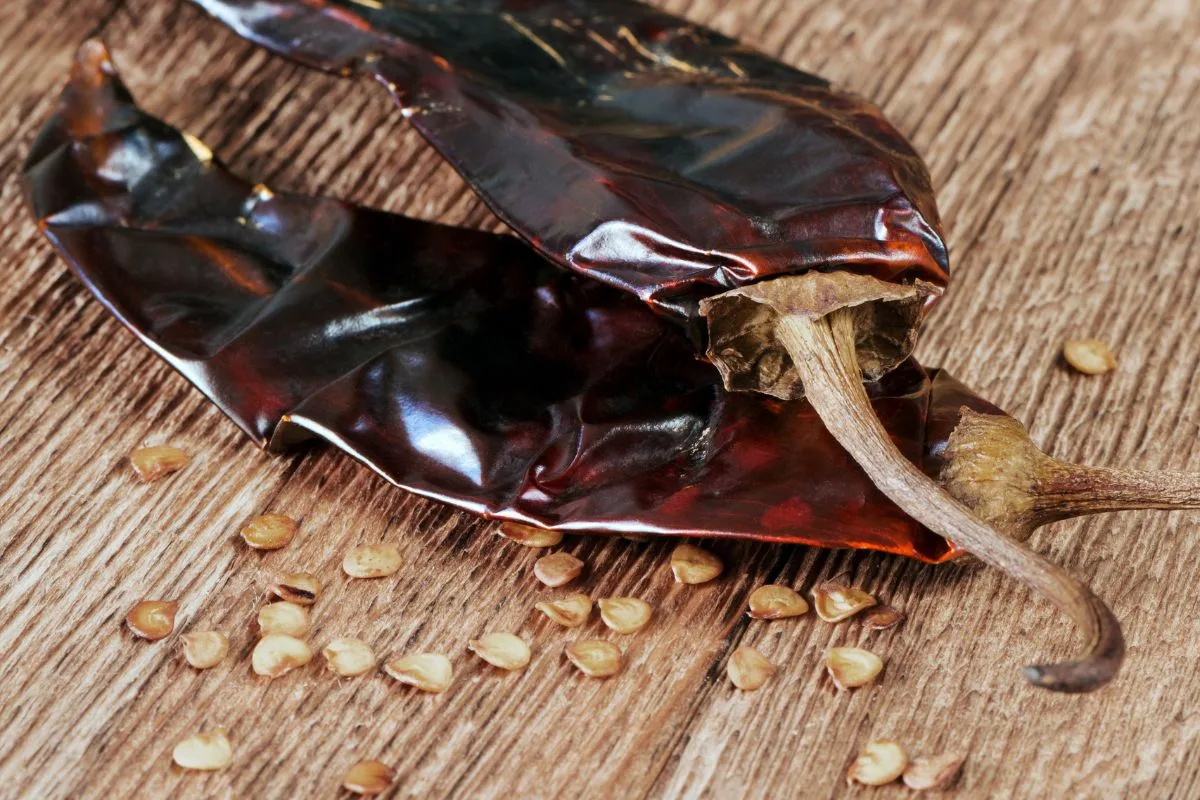
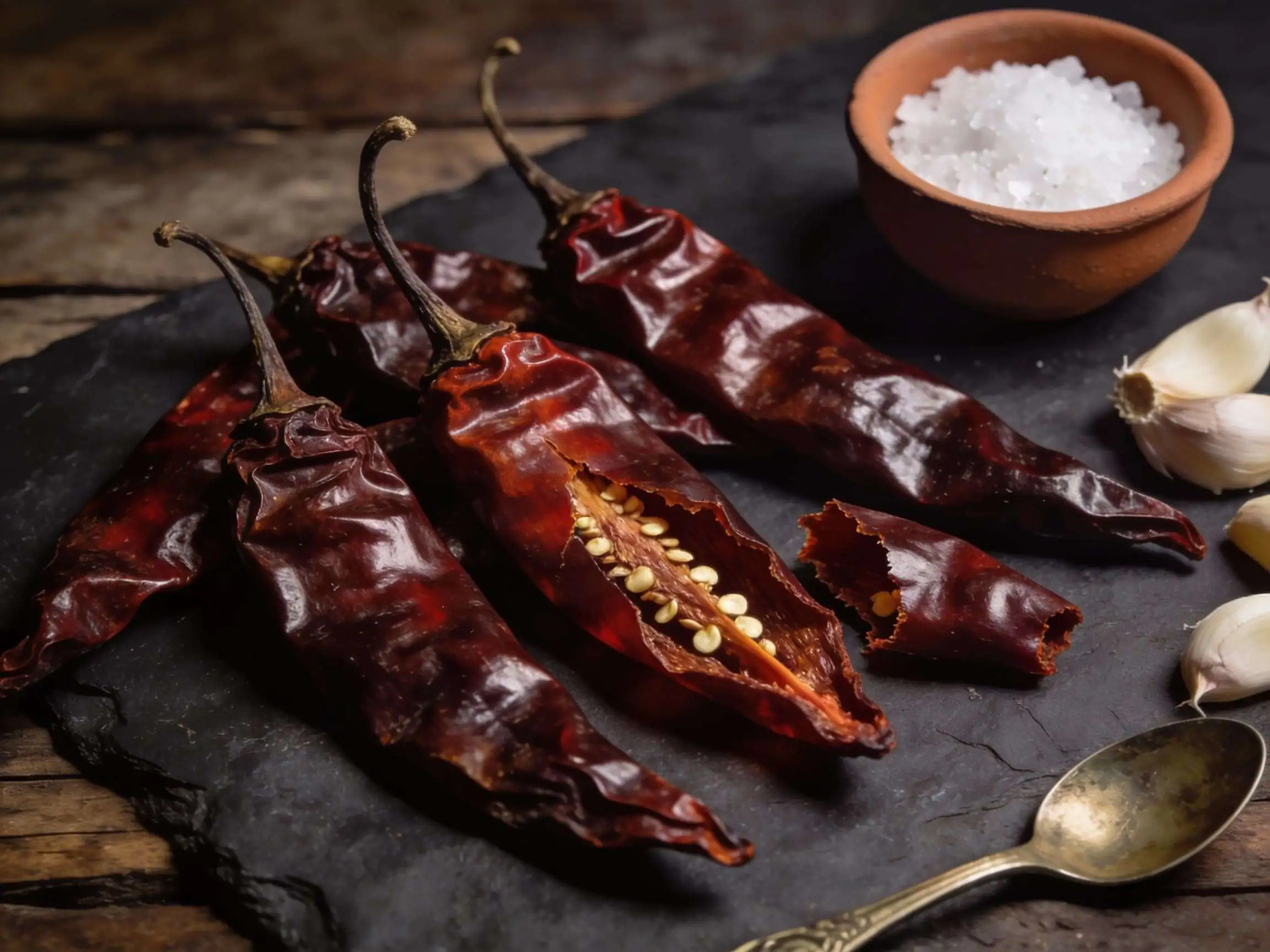
This guide is a foundational piece of our chili pepper guides and recipes archive. We blend my 15+ years of luxury hospitality rigor with the sheer joy of a family that cooks together every single day. If you are looking to build earthy, low-heat cooked sauces, we highly recommend exploring our Cascabel chili guide instead of reaching for a fiery raw green pepper.

For everything else, the matrix below will ensure your next meal from our recipe index delivers that signature High-Velocity Flavor without missing a beat.

The Global Pantry

Exact Substitution Ratios & Scoville Heat Mapping

When our family lived in Oman, I ran luxury resort kitchens while Natalia navigated the local souks for our family dinners. We quickly learned that finding the exact pepper a recipe calls for is a rare luxury. Adapting on the fly became a daily necessity for us.

Whether you are dicing a raw topping for taco night or preparing a complex beef loin flat iron steak recipe with a fiery chimichurri, finding the best serrano pepper substitute requires balancing the heat volume (measured in Scoville Heat Units, or SHU) with the actual botanical flavor of the pepper so the dish still tastes right.

Understanding where your substitute falls on the Scoville scale ensures your family meals stay flavorful without becoming painful.

Fresh-to-Fresh Serrano Substitutes

Exact ratios to match the texture and heat profile of a raw serrano pepper.

Substitute Heat (SHU) Per 1 Serrano Best Family Use
Fresno Pepper 2.5k–10k 1:1 Match Raw salsas, pico de gallo, crisp texture needs.
Jalapeño 2.5k–8k 1.5–2 General use; perfect for kids when seeds are removed.
Thai Bird’s Eye 50k–100k+ ¼–½ High-heat Asian curries and intense stir-fries.
Poblano 1k–2k 2 Family-friendly mild sauces and roasting.
Anaheim 500–2.5k 1–2 Mild roasting, subtle heat for sensitive palates.
Cascabel Chili 1k–3k 1:1 (Weight) Earthy stews, nutty and woody mole sauces.

Our Family’s Kitchen Truth

When we’re cooking together, Natalia always watches the spice levels to protect digestion. While I love building intense, complex flavor structures, we know that blindly swapping a fiery Thai chili for a serrano without lowering the amount can cause real physical discomfort. It’s about keeping the meal’s nutritional soul intact while making sure Victor actually wants to eat it. We want our family meals to feel restorative, not painful.

Fresh-to-Powder Serrano Substitutes

How to use dry pantry staples when fresh peppers aren’t available.

When You Need Powder Substitute Best Culinary Use
1 Serrano Pepper ¼–½ tsp Cayenne Powder Simmered cooked sauces, heavy stews, soups.
1 Serrano Pepper ½–1 tsp Chili Powder American chili, BBQ spice rubs, marinades.
1 Serrano Pepper ½ tsp Red Pepper Flakes Quick heat boosts, pasta finishes, pizza.

A quick note on technique: I learned in professional kitchens that dry powders behave completely differently than fresh peppers, and we use that same rule at home. Powders lack water, so their heat binds directly to the fats in your dish. Always build your powder heat slowly—you can add a pinch more, but you can never take it out once it is in the pot.

The Family Archive

The 7 Best Substitutes: A Family-Tested Guide

Knowing exactly how a pepper behaves in the pan saves dinner. During my hospitality years, I learned that substituting a pepper isn’t just about matching the heat—it’s about matching the moisture content and the physical crunch. Here is how we apply those professional standards to the 7 best alternatives in our own kitchen, drawing heavily from our ultimate guide to chili peppers[cite: 3].

Option 01

Fresno Pepper (The 1:1 Match)

The Fresno is the undisputed champion of serrano alternatives. It possesses the exact same crisp texture and thin cellular walls, making it the perfect 1:1 swap for fresh salsas in our recipes with chile peppers[cite: 5]. Just remember: red Fresnos are slightly sweeter than green ones.

Option 02

Jalapeño (The Reliable Standby)

Jalapeños are significantly milder and slightly “grassier” in flavor. Because their walls are thicker, you’ll need 1.5 to 2 jalapeños to match the heat and volume. We dive deeply into this specific thermal swap in our dedicated serrano vs jalapeno breakdown[cite: 3].

Option 03

Thai Bird’s Eye (The Asian Anchor)

We use these constantly during our 2026 fieldwork in Thailand. They bring a beautiful, floral heat, but they are incredibly fiery. If you are new to Asian heat structures, review our Thai chili pepper guide before using them[cite: 7]. Use only ¼ to ½ of a Thai chili per serrano.

Option 04

Cayenne Powder (The Pantry Saver)

When fresh produce isn’t an option, ¼ to ½ teaspoon of cayenne powder works perfectly for simmering sauces. You lose the fresh crunch, but you maintain control over the heat.

Option 05

Poblano (The Victor-Tested Standard)

This is Victor’s absolute favorite. Poblanos offer a massive, earthy flavor with almost zero pain. If you are cooking for children, explore our best poblano pepper recipes [cite: 3] and substitute 2 poblanos for a rich, tear-free meal.

Option 06

Anaheim (The Mild Roaster)

Similar to the poblano but slightly sweeter, the Anaheim is perfect for roasting. If you want to explore how these mild roasters compare for family cooking, check our pasilla vs poblano comparison[cite: 4].

Option 07

Bell Pepper (The Zero-Heat Crunch)

If you purely need the physical crunch of a pepper for a salad but cannot tolerate capsaicin, the green bell pepper is your answer. You get all the texture and vibrant color with exactly zero heat.

Clinical Kitchen Protocol

Natalia’s Safety Audit: Handling Capsaicin

When you substitute a mild pepper with a much hotter one—like moving from a Serrano to a Thai Bird’s Eye—you aren’t just changing the flavor; you are dealing with a highly concentrated, oil-based chemical called capsaicin.

As a mother with a medical background, I cannot stress this enough: capsaicin binds to the natural oils in your skin. If you are handling intense chilies for our hot and sour soup[cite: 7], wash your hands with a fat-cutting dish soap or even rub them with a little cooking oil *before* washing with soap to break the capsaicin bonds.

Never touch your face, and if you are cooking with young children like Victor, consider wearing light food-safe prep gloves. A delicious, adventurous family dinner should never end with accidental tears from a stray chili seed!

Mayerhoffer Kitchen Logistics

Real-World Scenarios: What Actually Works

When we test dishes for the archive, the biggest mistake we see isn’t picking the wrong pepper—it is picking the wrong pepper for the cooking method. Here is how we apply our hospitality training to four distinct family cooking scenarios.

Scenario 1: Fresh Salsas & Raw Pico de Gallo

The Fix: Use a Fresno pepper (1:1 ratio) or a carefully seeded Jalapeño.

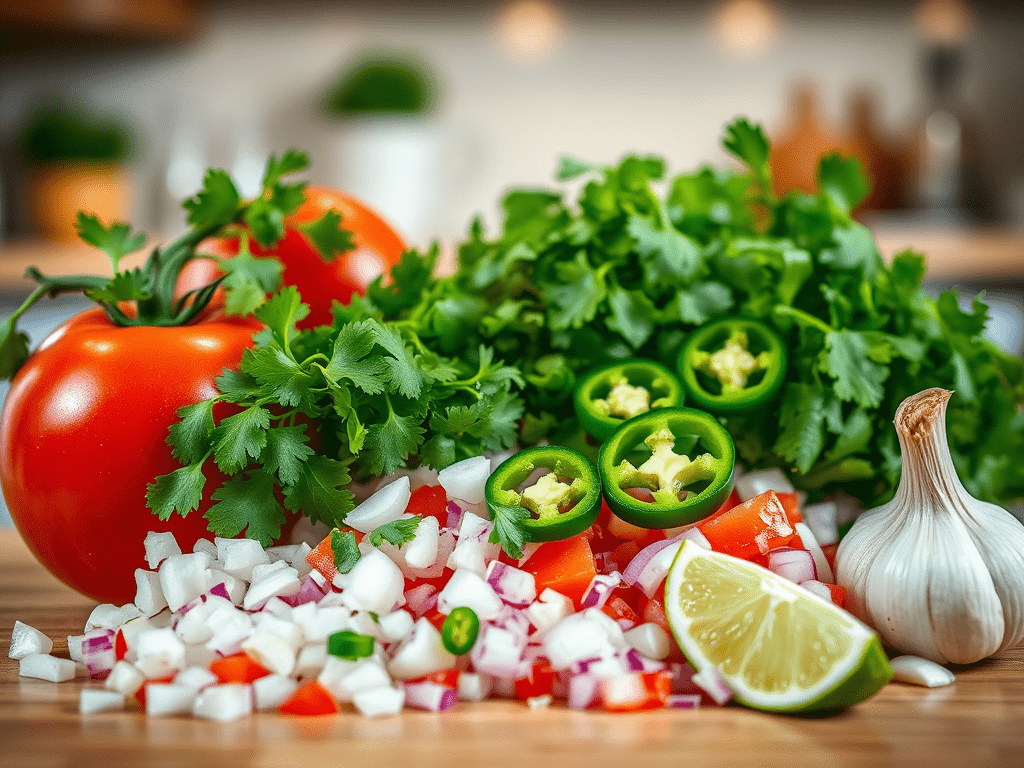
When preparing our authentic salsa fresca, the physical crunch and water content of the pepper are just as vital as the capsaicin. Powders will instantly ruin the texture, turning a bright salsa into a muddy paste. We rely heavily on the crispness of a fresh Fresno.

Scenario 2: Slow-Simmered Stews & Soups

The Fix: Use Cayenne Powder (¼ tsp) or Chili Powder (½ tsp) per serrano.

Natalia prefers warming, restorative soups over aggressive, raw heat. When simmering a heavy pot of Mexican soup for hours, the crunch of a fresh pepper dissolves anyway. In these long-cooking applications, powdered spices shine because they distribute thermal kinetic energy perfectly through the liquids.

Scenario 3: High-Velocity Wok Stir-Fries

The Fix: Use Thai Bird’s Eye chilies (sparingly) and bloom them in oil.

Right now, during our 2026 fieldwork in Thailand, we are constantly cooking in woks over massive flames. To survive high-heat cooking, you need a pepper that releases its aromatic oils quickly. Using a fraction of a Thai chili in our traditional Pad Kra Pao recipe works flawlessly. Oliver’s Hospitality Rule: Always “bloom” the chili in hot oil for 15 seconds before adding your proteins.

Scenario 4: The Victor-Tested Family Meal

The Fix: Use Poblanos (2:1 ratio) or deeply sweet, smoky alternatives.

Making global flavors accessible for a 9-year-old means dialing back the pain without sacrificing depth. If a recipe calls for serranos but we want it universally loved, we swap to a milder pepper or utilize a chipotle chili pepper in adobo sauce to provide massive, sweet-smoke flavor that kids actually enjoy.

Mayerhoffer Family Insights

Master FAQ: Serrano Substitution & Heat Science

Navigating global recipes requires understanding ingredient physics. Here is how our family handles the most common pepper replacement challenges we face during our travels.

Can I substitute serrano with jalapeno 1-to-1?

No, you generally cannot. Jalapeños are significantly milder (2,500–8,000 SHU) than Serranos (10,000–23,000 SHU). For a balanced heat level, use approximately 1.5 to 2 jalapeños per single serrano pepper to maintain the intended spice profile of your recipe.

Oliver explores this precise volume-to-heat ratio deeply in our serrano vs jalapeno technical guide.

Are dried chili powders a safe substitute for fresh serranos?

Yes, but only in cooked applications like stews and soups. Use ¼ to ½ teaspoon of cayenne powder per serrano. However, powders lack cellular water, meaning their capsaicin binds intensely to the fats in your dish.

Natalia strongly advises building powder heat slowly to protect digestion. We outline more of these fundamental kitchen physics in our cooking tips and how-to guides[cite: 9].

What is the best earthy alternative for slow sauces?

For stews or mole sauces, we bypass the fresh green peppers entirely and recommend substituting with the Cascabel Chili. It offers a woody, nutty complexity that replaces the vegetal heat of a serrano with a much deeper, traditional flavor profile.

This is one of our favorite culinary pivots, thoroughly documented in our Cascabel chili guide[cite: 5].

Is there a perfect, tear-free substitute for kids?

Yes. The Poblano pepper (1,000–2,000 SHU) provides massive, earthy pepper flavor with almost zero pain. Substitute 2 poblanos for every serrano to maintain the dish’s volume without overwhelming sensitive palates.

Victor personally guarantees this method. If you are cooking for a family, browse our best poblano pepper recipes to see how we build flavor without the fire.

Sovereign Evidence Library

Institutional & Scientific Verification

Mangoes & Palm Trees is built on lived experience, but when our guides touch upon Scoville ratings, capsaicin chemistry, and precise culinary substitution, we benchmark our findings against these 2026 global authorities.

SPICE-DB

Spice Alibaba

Comprehensive pepper heat database and culinary science. We use this as the primary foundational source for matching the baseline SHU of a fresh Fresno pepper to a serrano pepper[cite: 6].

Verify Database
SHU-RATIO

PepperScale

Detailed SHU (Scoville Heat Unit) ratings and substitution ratios across 50+ commercial and wild pepper varieties to ensure our family kitchen math is scientifically accurate.

Verify SHU Ratios
NMSU-CPI

Chile Pepper Institute

Academic research from New Mexico State University detailing capsaicinoid production, botanical heat variations, and agricultural heritage of the Capsicum species.

Verify NMSU Data
SE-TECH

Serious Eats

Rigorous culinary testing and substitution analysis confirming the physical behavior of capsaicin oils when moving from fresh peppers to dry pantry powders.

Verify Testing Logic
The Family Standard

Technique Audit: Safely Mastering Heat

When substituting a mild pepper for a hotter variety, success depends on mechanical precision. To keep our meals enjoyable for Victor, we must remove the capsaicin-heavy seeds and membranes cleanly without letting the volatile oils spread across the family cutting board.

Expertise Gap Fill: Our Commitment to Your Success

As the nomadic culinary explorer and digital architect behind this archive, I lean on the discipline built during my 15 years leading luxury hospitality teams. Today, as we cook for our family here in Thailand during our 2026 fieldwork, we believe in radical transparency. If a world-class creator captures a macro-view technique better than a standard kitchen photo can, we share it to fill the expertise gap and protect your cooking process.

In this masterclass, Gordon Ramsay demonstrates the “rolling” method—a hospitality-grade standard that loosens seeds inside the pepper before you even make the first cut. This is the exact mechanical skill we use in our family kitchen to ensure our traditional Pad Kra Pao delivers aromatic depth without overwhelming the palate[cite: 9].

Transparency & Technique Gap Fill: Visit Creator Channel

The Curators of This Archive

Oliver Mayerhoffer, Hospitality Technical Lead for Chili Substitutions

Oliver Mayerhoffer

Hospitality-Trained Adventurer & Logistics Lead

Oliver provides the technical backbone for our global archive. Drawing on 25+ years of luxury hospitality leadership—from the Mediterranean to Oman—he understands the exact culinary mechanics of spice ratios. He ensures that substituting a fiery Serrano pepper with a dry powder or milder chili is executed with professional precision.

Natalia Mayerhoffer, Cultural Authority and Medical Lens on Capsaicin

Natalia Mayerhoffer

Cultural Storyteller & Clinical Lens

Natalia protects the soul of our kitchen. Her Siberian heritage and medical background (DMD) ensure that our heat ratios respect human digestion. She provides the essential clinical realism regarding capsaicin handling, ensuring our boldest culinary experiments remain physically safe and restorative for the entire family.

Victor Mayerhoffer, Final Validator for the Victor-Tested Spice Standard
Victor Mayerhoffer
Chief Taste Tester & Reality Check

Born in Koh Samui in 2016, Victor ensures our dispatches remain kid-approved and genuinely functional. For this guide, his verdict was clear: swapping aggressive heat for the mild, earthy Poblano pepper establishes the ultimate Victor-Tested standard for family-friendly spice exploration.

Grow The Digital Pantry

Bring This Guide to Your Family Table

If this forensic breakdown helped you master the art of chili substitution without sacrificing flavor or family comfort, help us preserve the tradition. Save this guide for your next recipe adaptation, or share it with fellow culinary explorers.

Similar Posts

Leave a Reply

Your email address will not be published. Required fields are marked *