Editorial standards: editorial policy · Affiliate disclosure: affiliate disclosure · Family-tested archive — updated 2026-07.
Vietnam coffee culture · phin brew
Vietnamese Coffee
Robusta phin brews over 4-minute drips, iced milk coffee, and egg coffee routes—field notes from our fifty-country archive, updated July 2026 Southeast Asia travel.
What is Vietnamese coffee and how do families brew it at home?
Vietnamese coffee usually means dark Robusta brewed slowly through a phin metal filter, then mixed with sweetened condensed milk for ca phe sua da or topped with whipped egg for Hanoi-style egg coffee. Use two to three tablespoons of grounds per cup, pour hot water in two stages, and serve over ice for kids who want a smaller, milk-heavy pour.
Oliver writes from Southeast Asia fieldwork through July 2026; Natalia reviews safety and nutrition notes; Victor is the final vote on family plates.
What should you remember about Vietnamese coffee?
- Brew: Phin filter + Robusta; condensed milk for ca phe sua da.
- Routes: Ca phe sua da · Egg coffee · Coconut coffee.
- Field: Da Nang and Hoi An café stops—currently traveling Southeast Asia, July 2026 season.
Keep exploring the Vietnam food archive
Coffee, pho, and first-hand restaurant notes from our Vietnam archive—routes we use when planning meals on the road.
- Plan the trip: Travel guides · Asia travel guides · Family food & travel archive
- More we love nearby: Da Nang travel guide · Da Nang practical guide · Vietnamese coffee · Cà phê sữa đá · Pho recipe · Coconut coffee recipe
- Restaurant route: Pizza 100 review (HCMC) · HCMC restaurant guides · Vietnam restaurant guides · Restaurant guides hub
- Who we are: Oliver Mayerhoffer · Natalia Mayerhoffer · Editorial policy · Affiliate disclosure
- When you are deciding: Budget Southeast Asia · Bangkok street food 2026 · Hotel & resort guides
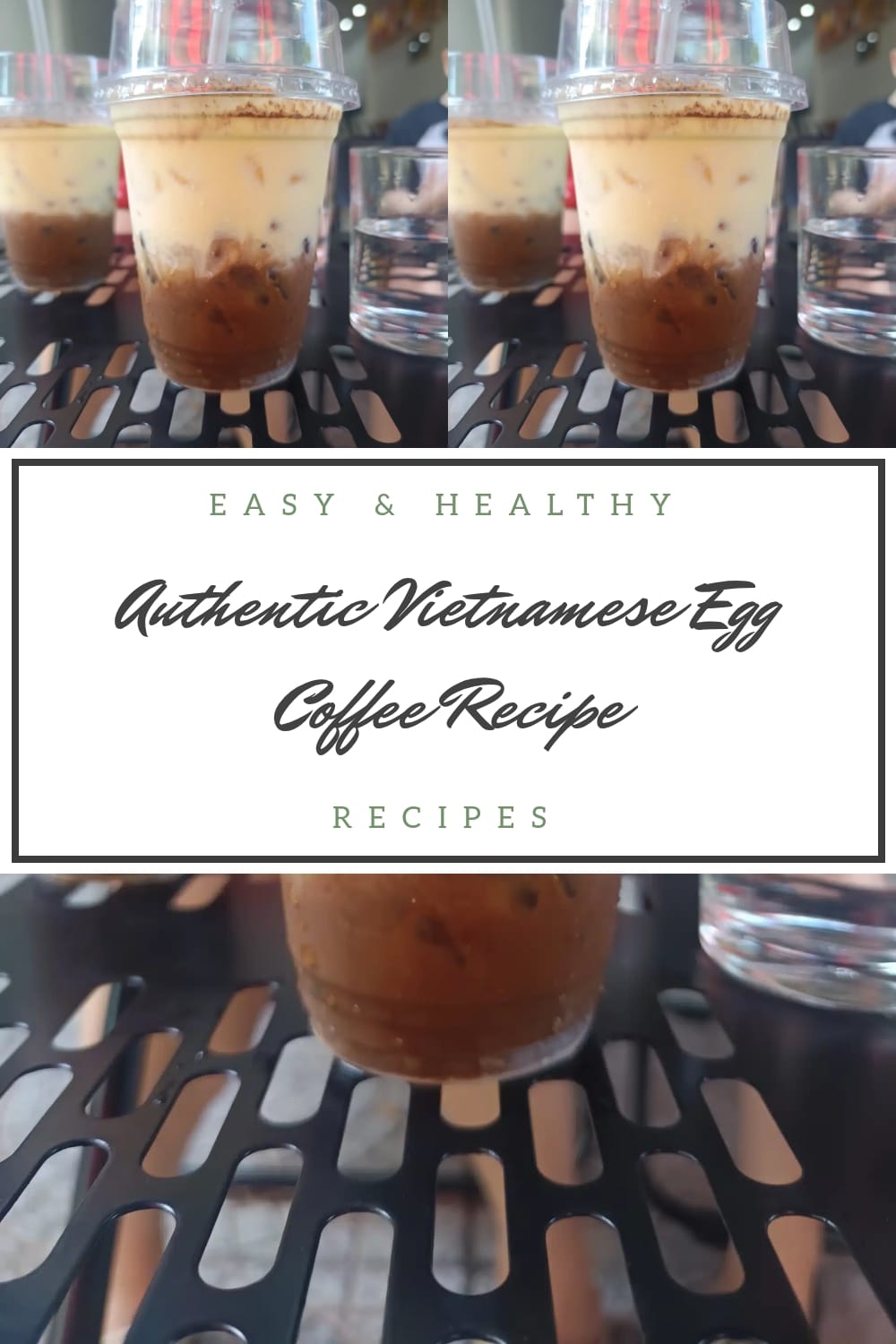
Welcome to our tropical adventure through Vietnamese coffee, from Da Nang and Hoi An field notes, Vietnam, where my wife Natalia, our son Victor, and I dive into this vibrant scene daily.
Vietnam, the world’s second-largest coffee exporter, is famous for its bold Robusta beans, brewed with a traditional phin filter and often paired with creamy condensed milk. From the refreshing Ca Phe Sua Da to Hanoi’s iconic Egg Coffee, I’ll guide you through the diverse types of Vietnamese coffee and the enchanting coffee culture across the country.
Vietnamese Coffee Culture in Da Nang
A glimpse of Da Nang’s vibrant coffee culture showcasing the best local coffee spots.
Why I Love Vietnamese Coffee
Traveling Southeast Asia on field stops has turned me into a coffee fanatic, and Vietnamese coffee has stolen my heart. Introduced by French colonists in 1857, it’s now woven into daily life here. The bold, earthy flavor comes from Robusta beans grown in the Central Highlands, packing nearly double the caffeine of Arabica (2.7% vs. 1.5%).
Brewed with a phin filter—a small metal drip device—it’s rich and concentrated. Paired with sweetened condensed milk, it’s the perfect balance of bitter and sweet. For Natalia and me, Egg Coffee is a favorite ritual, its creamy froth a nod to our love for unique flavors.
Victor, our son, sticks to his chocolate milkshake, but I’ll sneak one occasionally too.
Types of Vietnamese Coffee We Enjoy
Vietnam’s coffee culture is a treasure trove of flavors, and I’ve fallen for its variety. Here are three types we love, with recipes available on Mangoes and Palm Trees.
| Coffee Type | Description | Best For |
|---|---|---|
| Ca Phe Sua Da | Iced coffee with sweetened condensed milk, served over ice | Hot days, casual sipping |
| Egg Coffee (Ca Phe Trung) | Coffee topped with frothy egg yolk and condensed milk | Dessert lovers, unique experiences |
| Coconut Coffee (Ca Phe Dua) | Coffee mixed with creamy coconut milk, often iced | Tropical vibe seekers |
- Ca Phe Sua Da: The go-to iced milk coffee, blending full-bodied coffee with creamy condensed milk over ice. Try our Ca Phe Sua Da Recipe
- Egg Coffee: A Hanoi specialty with a frothy egg yolk topping, like a dessert in a cup. Savor our Egg Coffee Recipe
- Coconut Coffee: A tropical favorite with creamy coconut milk. Try our Coconut Coffee Recipe
How to Make Vietnamese Coffee at Home
Bringing Vietnam’s coffee flavors to your kitchen is a breeze. With a Phin filter and Robusta beans, you can whip up the classic Ca Phe Sua Da or the creamy Egg Coffee.
The phin filter’s slow drip gives you that rich, concentrated brew we crave. Natalia and I love experimenting with these recipes at home, and Victor’s always nearby with his chocolate milkshake, sometimes eyeing my coffee. Here’s how you can start:
For more inspiration, check out our Coffee Recipes or pair with a wholesome dish from our Healthy Meal Plans.
Our Favorite Coffee Spots in Da Nang
Da Nang, where we keep returning on Southeast Asia field stops, is a coffee lover’s paradise, mixing modern cafes with traditional street stalls. Our featured video showcases top spots like Cong Caphe, but Natalia and I have our own gem—a secret coffee shop near An Bang Beach, on the way to Hoi An.
Almost every day, we head there to share a chilled Egg Coffee, its creamy froth a unique treat. Victor loves his chocolate milkshake, and I’ll admit, I sometimes steal a sip when he’s not looking. The coastal vibe makes every visit special.
Top Da Nang Cafes
- XLIII Specialty Coffee (Lô 419, 422 Đ. Ng. Thì Sĩ, Bắc Mỹ An): High-quality beans and sleek vibe, open 6:30 AM–10:30 PM, rated 4.7/5
- Trình Cà Phê (25 Phạm Hồng Thái, Hải Châu 1): Cozy with traditional brews, open 6:30 AM–1:30 AM, rated 4.8/5
- Noi Cafe (45 Lê Duẩn, Hải Châu 1): Vintage decor and garden seating, great for Egg Coffee, open 6 AM–10 PM
Da Nang’s cafes open early, around 6 AM, catering to locals we meet on field stops who crave a morning boost.
Hoi An’s Charming Cafes: Where We Unwind
Hoi An, another favorite stop, is a UNESCO-listed gem with lantern-lit streets and a coffee scene that’s pure magic. Natalia and I love wandering the Old Town at dusk, stopping at quaint cafes to share a chilled Ca Phe Sua Da, its creamy sweetness a nod to our tropical lifestyle.
Victor’s all about his chocolate milkshake, often paired with a local sweet we grab nearby. One evening, we stumbled upon a tiny cafe by the Thu Bon River, where the barista’s Ca Phe Sua Da was so refreshing we stayed for hours, Victor giggling over his shake.
Top Hoi An Cafes
- Phin Coffee Restaurant (132/7 Trần Phú, Phường Minh An): Packed with coffee options, open 8 AM–9:30 PM, rated 4.8/5
- Olivier Coffee (9 Trần Trung Tri, Phường Minh An): Intimate and quality-driven, open 7:30 AM–6 PM, rated 4.9/5
- Hoi An Coffee Hub (Hẻm 11 Nguyễn Thái Học, Phường Minh An): Cozy with scenic views, open 7:30 AM–7 PM, rated 4.9/5
Hoi An’s coffee culture feels like a warm hug, with open-air cafes perfect for connection. Rooftop cafes overlooking the ancient town are ideal for sipping Egg Coffee while soaking in the history.
Coffee Culture Across Vietnam
Vietnam’s coffee culture shifts with each region, and I’ve loved exploring it all. Beyond Da Nang and Hoi An, here’s how coffee shines across the country:
- Hanoi (North): The birthplace of Egg Coffee, a creamy, dessert-like drink with frothy egg yolk and condensed milk. We visited Café Giảng (39 Nguyễn Hữu Huân, Hoàn Kiếm), where the Egg Coffee was so rich it felt like a treat
- Ho Chi Minh City (South): Famous for Bac Xiu, a sweeter, milk-heavy coffee from Saigon’s Chinatown. We stopped at La Viet (109 Nguyễn Cơ Thạch, Quận 2), where I tried a smooth Arabica pour-over
- Central Highlands (Buôn Ma Thuột): The heart of Vietnam’s coffee production, where Robusta rules. We toured a plantation, sipping full-bodied, medium-roast brews at G20 Cafe (26 Lê Thánh Tông)
These regional flavors make Vietnam’s coffee culture a must-explore. Check out our travel guides for more travel ideas.
Health Benefits of Vietnamese Coffee
Vietnamese coffee, especially with Robusta beans, has some perks I appreciate. Here’s what I’ve learned:
- Rich in Antioxidants: Robusta beans have chlorogenic acid, which may fight oxidative stress and lower chronic disease risk
- Boosts Energy and Focus: The high caffeine (2.7% in Robusta) gives me a mental lift, perfect for busy mornings
- Caffeine context: See Harvard nutrition notes in our evidence vault—not medical advice
- Supports Weight Management: Caffeine can boost metabolism, which helps when I’m keeping active with family outings
That said, the condensed milk in most Vietnamese coffee adds sugar and calories. Natalia and I sometimes go for a lighter Ca Phe Sua Da to keep things balanced. Pair with our Healthy Meal Plans for a wholesome meal.
Tips for Enjoying Coffee Like a Local
Best Times to Visit
Mornings (6–8 AM) are buzzing, with locals chatting over coffee. Evenings are chill, perfect for Egg Coffee and watching the sunset.
Ordering Like a Local
Say “Cà phê sữa đá” for iced milk coffee. At our secret cafe, I always ask for a touch more condensed milk in my Ca Phe Sua Da—it’s a game-changer.
Must-Try Drinks by Region
- Da Nang: Try Ca Phe Sua Da for its refreshing sweetness
- Hoi An: Egg Coffee is a unique treat
- Hanoi: Egg Coffee is a must-try specialty
- Ho Chi Minh City: Go for Bac Xiu for extra sweetness
Our Family Favorites
In Da Nang, our secret coffee shop near An Bang Beach is our haven, where Natalia and I share Egg Coffee, and Victor slurps his chocolate milkshake. In Hanoi, we once found a tiny alley cafe where the Egg Coffee was so creamy it felt like dessert, and Victor’s mango smoothie was a hit.
Which Vietnamese Coffee Will You Try First?
Vote and share your choice with #MangoesAndPalmTrees!
Recommended Products for Vietnamese Coffee
To make authentic Vietnamese coffee at home, consider these products:
Whole Robusta Coffee Beans
Freshly ground for the best authentic flavor.
Ground Robusta Coffee
Convenient and ready to use for instant brewing.
Vietnamese Phin Coffee Filter Set
Highly rated for authentic traditional brewing.
Wrapping It Up
Vietnamese coffee is a tropical delight, from the refreshing Ca Phe Sua Da in Da Nang to the creamy Egg Coffee in Hanoi. On Da Nang and Hoi An field stops, Natalia and I sip Egg Coffee almost daily at our secret An Bang Beach cafe, with Victor happily enjoying his chocolate milkshake.
From the vibrant cafes of Ho Chi Minh City to the lush plantations of Buôn Ma Thuột, Vietnam’s coffee culture is a journey I’m excited to share with you. Brew your own with our Coffee Recipes or plan your Vietnam adventure with our travel guides.
Cheers to great coffee and tropical adventures!
What do travelers ask about Vietnamese coffee?
What makes Vietnamese coffee different from regular drip coffee?
Can children drink Vietnamese iced milk coffee?
Which MPT recipe should you brew first?
What does Victor order beside our coffee?
Victor's parallel order
Chocolate milkshake at the café table while we sip egg coffee—he rates the foam as dessert, not dinner.
Family pour
For kids, we serve mostly condensed milk with a splash of phin brew—never a full caffeine glass.
Meet the Mayerhoffers
“Free-spirited food adventurers, culture-seekers, and the guardians of 15 years of global memories.”
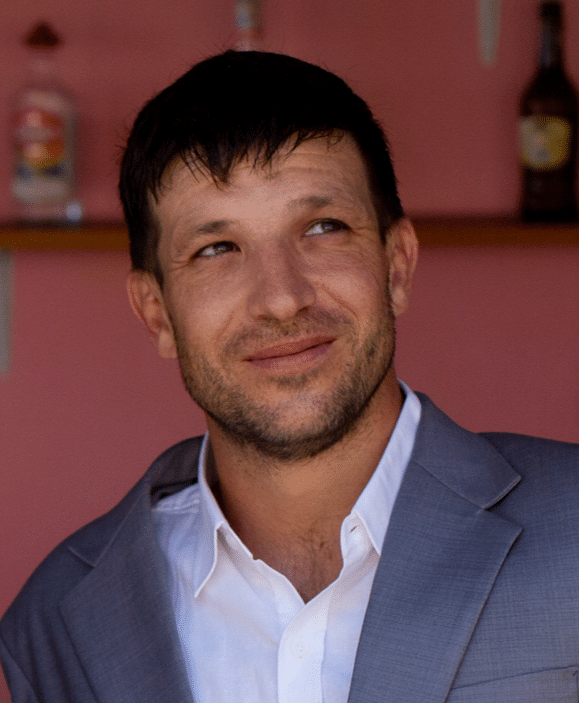
Oliver Mayerhoffer
Lead Author · FatherLead author — fifty-country archive, currently traveling Southeast Asia through July 2026. Oliver brings field-tested recipe structure and honest weeknight notes from family kitchens abroad.
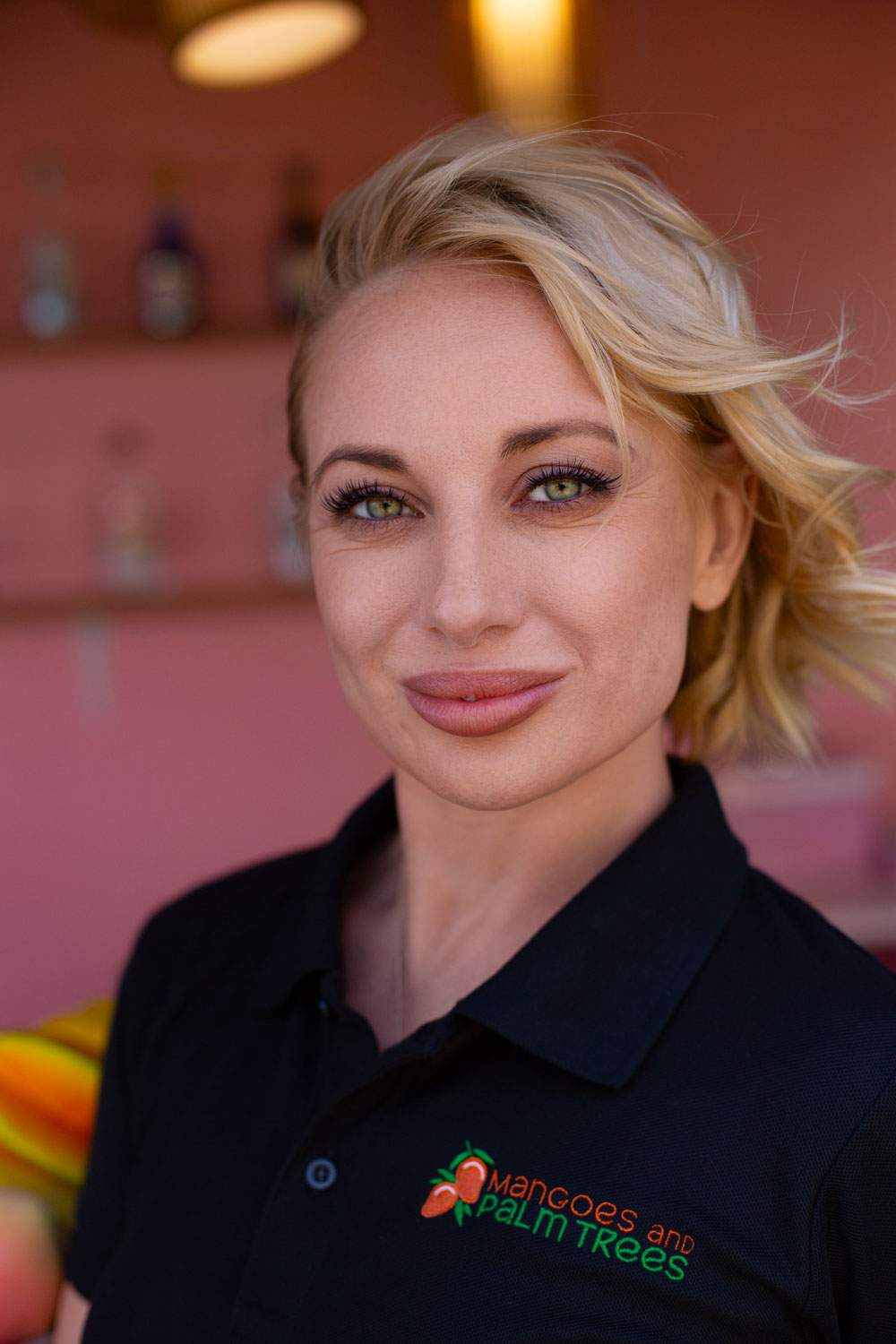
Natalia Mayerhoffer
Mother · Siberian Heritage & Cultural VoiceFamily and cultural voice — Siberian heritage validation, kitchen safety, and nutrition notes for every recipe on this archive.
“Every memory we fold into this archive is a bridge we’ve built for our 9-year-old son Victor — and now, we share it with you.”
Explore Our Full Family ArchiveWhat sources back this Vietnamese coffee guide?
Café names and brew notes come from our field archive. For caffeine and diet context, see Harvard nutrition notes—not medical advice.
Wikipedia — Vietnamese iced coffee
Robusta production and phin context
Read sourceHarvard T.H. Chan nutrition
Caffeine and diet notes
Read sourceUSDA FoodData Central
Ingredient nutrition reference
Read sourceDa Nang coffee field video
YouTube — local café context
Watch sourcePhin filter (affiliate)
Amazon gear link — see affiliate disclosure
View productEditorial field notes
Da Nang and Hoi An café fieldwork — July 2026 Southeast Asia season
Phin-Filter Ca Phe Sua Da (Family Glass)
Slow phin drip over sweetened condensed milk, then pour over ice—the baseline Vietnamese iced coffee we link to full ca phe sua da variations in the cluster.
Ingredients
- 2–3 tbsp Vietnamese Robusta coffee, medium-fine grind
- 2–3 tbsp sweetened condensed milk
- ~200 ml hot water (just off boil)
- Ice to fill a tall glass
Step-by-step method
Set the phin
Add condensed milk to a heatproof glass. Seat the phin, add grounds, press gently with the filter disk.
Bloom and drip
Pour a splash of hot water to bloom 30 seconds, then fill the chamber. Let drip 4–5 minutes.
Stir and ice
Stir brew into condensed milk until caramel-colored. Pour over ice and serve immediately.
Tested by Oliver Mayerhoffer and Natalia Mayerhoffer.
Enjoying our content? Make Mangoes & Palm Trees a preferred source on Google.
Explore next



Where does Vietnamese coffee sit in our archive?
Ca phe sua da, egg coffee, coconut coffee, and Da Nang travel context from the Mayerhoffer field archive.