Editorial standards: editorial policy · Affiliate disclosure: affiliate disclosure · Family-tested archive — updated 2026-07.
Protein-forward family dessert
Greek Yogurt Cheesecake With Granola Crust
Granola crust, strained Greek yogurt filling, and less sugar than classic cheesecake — a dessert the Mayerhoffer family repeats when yogurt and oats are pantry staples, tested July 2026.
How do you make Greek yogurt cheesecake with a granola crust?
Greek yogurt cheesecake with a granola crust presses baked granola into a springform pan, fills with strained Greek yogurt, cream cheese, eggs, and honey, then bakes at 325°F until set. Chill four hours before slicing. The Mayerhoffer version uses about forty percent less sugar than classic cheesecake — family-tested July 2026.
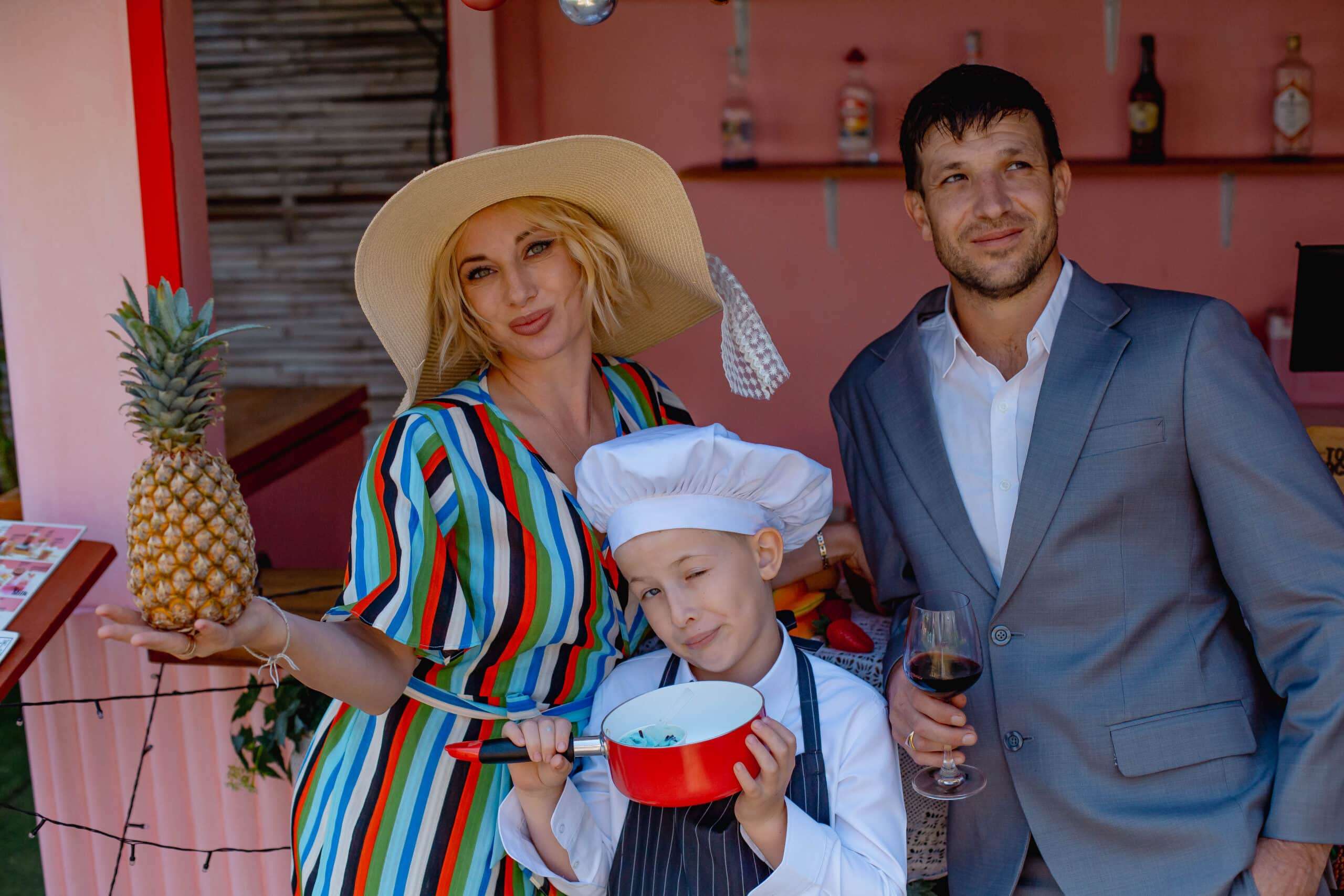
Oliver writes from Southeast Asia fieldwork through July 2026; Natalia reviews safety and nutrition notes; Victor is the final vote on family plates.
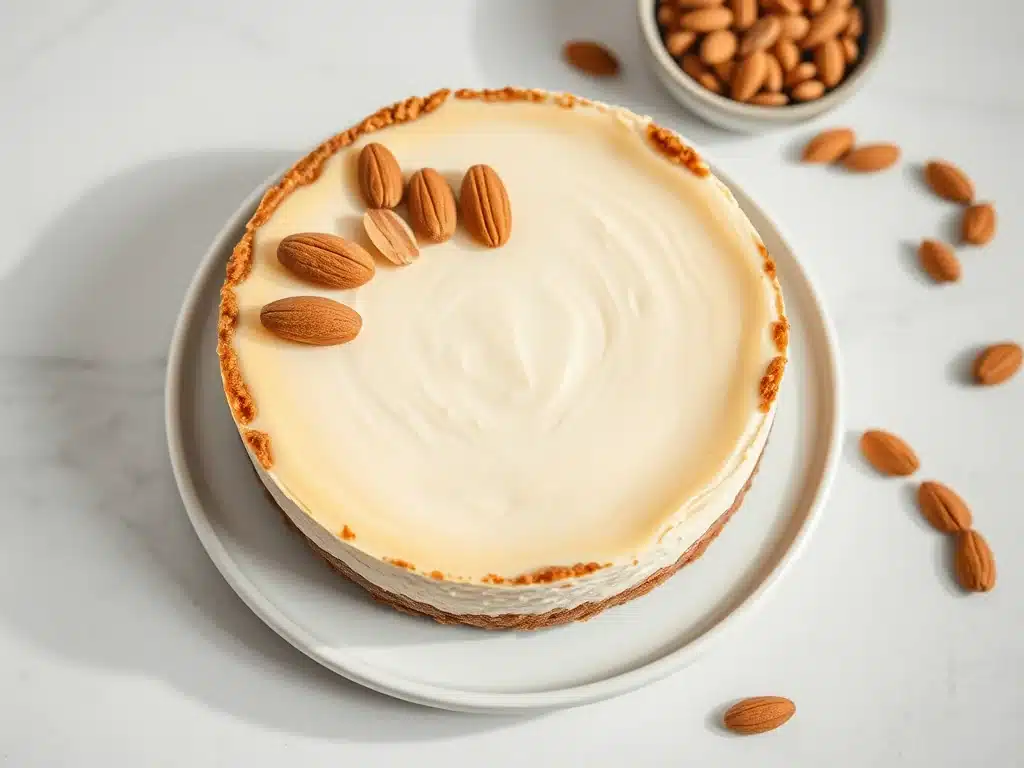
Transparency & Protocol: This Greek yogurt cheesecake with granola crust guide is built on extensive family testing and recipe development during our travels. We only recommend high-quality, verified ingredients and springform pans we actively use in our own kitchen.
Mangoes & Palm Trees Family
50+ Countries • 15 Years Hospitality • Food Storytellers
This recipe represents our commitment to wellness without sacrificing fine-dining flavor. Verified by Natalia’s medical focus on nutritional density and Oliver’s 15-year luxury hospitality standards for flawless texture. Fully approved by our toughest critic: our 8-year-old son, Victor.
The Global Inspiration Behind Our Greek Yogurt Cheesecake With Granola Crust
While dining at the best beachfront restaurants in Khao Takiab during our extensive travels through Thailand, our family craved the comfort of a classic New York-style dessert. However, as culinary explorers committed to a health-conscious lifestyle, we needed a dessert that aligned with our wellness protocols rather than leaving us lethargic from a massive sugar crash.
The challenge was clear: how do we achieve the dense, velvety texture of a fine-dining dessert without relying on blocks of heavy cream cheese and refined white sugar? Drawing on Oliver’s 15 years in luxury hospitality and Natalia’s clinical understanding of macronutrients, we engineered a solution. We bypassed standard baking staples and utilized strained dairy, roasted almond butter, and the full-bodied textures often found when examining the colorful ingredients in cookie recipes to create our ultimate Greek yogurt cheesecake with granola crust.
After months of ingredient swaps—even experimenting with aromatics like kaffir lime zest in early batches—our 8-year-old taste tester, Victor, gave his final verdict: “It’s exactly like regular cheesecake, but it doesn’t make my tummy feel weird.” That was the ultimate approval we needed to add this to our permanent archive.
The Baking Science Behind Greek Yogurt Cheesecake With Granola Crust
Creating a baked dessert with a cultured dairy base requires a firm clinical understanding of protein coagulation. If you simply bake yogurt at a high temperature, the whey separates and the proteins curdle, leaving you with a grainy, watery mess. Unlike heavy cream cheese, which has a naturally high lipid content to protect it, our Greek yogurt cheesecake with granola crust is specifically engineered to stabilize these fragile dairy proteins through strategic ingredient pairing.
We draw heavily on the baking methodology outlined by Serious Eats’ culinary food labs, combined with the rigorous texture standards we expect when serving our own classic tiramisu or strawberry kiwi shortcake.
The Role of the Structural Binders in a Greek Yogurt Cheesecake With Granola Crust
- Almond Butter Emulsification: The natural oils present in the roasted almond butter—which the Medical News Today research index highlights as excellent sources of monounsaturated fats—coat the proteins in the Greek yogurt. This lipid barrier prevents the yogurt proteins from tightening too rapidly under the oven’s heat.
- Cornstarch Stabilization: Adding a precise measure of starch absorbs excess moisture from the yogurt. According to the King Arthur Baking Company’s starch guidelines, the starch gelatinizes during the baking process, reinforcing the structure of the cake and preventing the dreaded weeping effect. You can also apply this stabilization trick when adapting our best chickpea flour recipes.
- Gentle Egg Incorporation: Eggs provide the final structural scaffolding. Mixing them in one at a time, very gently, prevents the incorporation of air bubbles. Excess air expands during baking and collapses during cooling—this thermal expansion is the primary cause of severe surface cracks.
The 2026 Master Recipe: Greek Yogurt Cheesecake With Granola Crust
This Greek yogurt cheesecake with granola crust has been refined across dozens of iterations in our kitchen. To guarantee a fine-dining result, you must ensure all your refrigerated ingredients have come to room temperature before you begin mixing. This recipe is an incredible addition to our healthy school lunches protocol, as it offers sustained energy without a sugar crash.
For families managing celiac disease, you can strictly adhere to the Celiac Disease Foundation’s cross-contamination guidelines by purchasing exclusively certified gluten-free oat granola.
The Ingredients for Greek Yogurt Cheesecake With Granola Crust
For the Granola Crust:
- 2 cups Granola: Use a low-sugar, high-quality brand.
- 1/4 cup Coconut Oil: Melted and slightly cooled. According to the Harvard School of Public Health on Coconut Oil, this provides a highly stable fat for crust formation.
- 2 tbsp Raw Honey or Pure Maple Syrup: Acts as a natural binder.
- 1/4 tsp Sea Salt: Crucial to balance the sweetness.
For the Greek Yogurt Cheesecake Filling:
- 2 cups Full-Fat Plain Greek Yogurt: Must be full-fat and brought completely to room temperature.
- 1/2 cup Smooth Almond Butter: Unsweetened, well-stirred, and at room temperature. (Note: You can easily adapt this by looking at the nut profiles in our best pecan recipes, though almond provides the tightest emulsion).
- 1/3 cup Raw Honey or Pure Maple Syrup: We utilize this to adhere to the Mayo Clinic’s stance on reducing refined sugars.
- 2 Large Eggs: Room temperature.
- 1 tsp Pure Vanilla Extract.
- 1 tbsp Cornstarch.
- 1/8 tsp Sea Salt.
Our Method: Baking the Greek Yogurt Cheesecake With Granola Crust
For optimal results, adhere to the oven-cooling protocol explicitly. We test our baked goods the exact same way we meticulously test our mini bundt cake recipes—through precise temperature control.
- Prepare the Springform Pan: Preheat your oven to 350°F (175°C). Lightly grease a 9-inch springform pan and line the bottom tightly with high-heat parchment paper.
- Build the Granola Crust: In a high-powered food processor, pulse the granola until it resembles coarse crumbs. Transfer to a bowl and mix thoroughly with the melted coconut oil, honey, and sea salt. Press this mixture firmly and evenly into the bottom of your prepared pan.
- Pre-bake the Crust: Bake the crust for 10 minutes until fragrant and slightly golden. Remove from the oven and allow it to cool completely on a wire rack while you prepare the filling. Immediately lower the oven temperature to 325°F (165°C).
- Mix the Yogurt Base: In a large mixing bowl, whisk the room-temperature Greek yogurt until completely smooth. Add the almond butter, honey (or maple syrup), and vanilla extract. Stir until fully integrated, maintaining a smooth emulsion.
- Incorporate the Structure: Add the eggs one at a time. Whisk very gently just until the yolk disappears into the batter. Do not overbeat. Finally, sprinkle the cornstarch and salt over the top and gently fold it in with a silicone rubber spatula.
- Bake the Cheesecake: Pour the filling over your cooled crust, smoothing the top. Bake at 325°F (165°C) for 35 to 40 minutes. The edges should be set, but the center two inches should still wobble slightly when the pan is gently shaken.
- The Gradual Cool (Crucial Step): Turn off the oven. Crack the oven door open about 3 to 4 inches and leave the Greek yogurt cheesecake with granola crust inside for exactly 1 hour. This gradual drop in temperature prevents the surface from undergoing thermal shock and cracking.
- Chill and Serve: Remove from the oven and cool on a wire rack for 30 minutes. Cover tightly with plastic wrap and refrigerate for a minimum of 4 hours (overnight is optimal) before releasing from the springform pan. Slice with a hot, clean knife, wiping the blade between each cut.
Oliver’s Professional Troubleshooting for Greek Yogurt Cheesecake With Granola Crust
Baking a dairy-heavy dessert without standard cream cheese requires mechanical precision. Drawing from my 15 years in luxury hospitality kitchens, and relying on established baking science documented by culinary institutions like America’s Test Kitchen and Bon Appétit, here is how to ensure a flawless finish every time. Just as mastering oven timing is critical in our savory guides—like determining precisely how long to bake thin chicken breasts—temperature control is the defining factor in this delicate recipe.
Preventing Cracks in Your Greek Yogurt Cheesecake With Granola Crust
- Cold Ingredients are the Enemy: If your Greek yogurt or eggs are cold, you will be forced to overmix the batter to eliminate lumps. According to Epicurious baking guidelines, overmixing whips excess air into the mixture, which expands aggressively in the oven and causes severe surface fissures.
- The Professional Jiggle Test: Do not bake until the center is completely firm. The residual heat during the 1-hour oven cooling phase will finish cooking the center perfectly without drying out the outer edges. We apply this same residual heat logic when testing our unique cake designs.
- The Water Bath Alternative: While our slow-cool method usually suffices for yogurt-based recipes, placing a pan of boiling water on the bottom rack of your oven during baking adds ambient humidity. This technique, heavily supported by the Escoffier School of Culinary Arts, further protects the delicate surface.
Dietary Variations for Greek Yogurt Cheesecake With Granola Crust
We frequently adapt this recipe depending on the dietary restrictions of our guests. Much like mastering ingredient swaps in our guide to chile poblano substitutes, understanding baking substitutions is a foundational kitchen skill.
- The Nut-Free Protocol: Substitute the almond butter with an equal volume of high-quality sunflower seed butter. Ensure your granola is produced in a certified nut-free facility, adhering strictly to FARE (Food Allergy Research & Education) cross-contamination protocols. The mechanical structure of the cake will remain perfectly intact.
- The Vegan and Dairy-Free Adaptation: Transitioning this dessert requires a total swap to full-fat, unsweetened coconut milk yogurt. Replace the eggs with flax eggs (2 tbsp flaxmeal mixed with 6 tbsp water, rested for 10 minutes), a verified method endorsed by the Mayo Clinic for adding Omega-3s. Ensure your sweetener is maple syrup rather than honey.
- The Chocolate Almond Upgrade: To elevate this into a rich cacao dessert, gently fold 2 tablespoons of unsweetened Dutch-process cocoa powder into the filling during the final mixing stage, and top the finished cake with a dark chocolate drizzle and toasted sliced almonds.
Masterclass Videos: Greek Yogurt Cheesecake With Granola Crust Techniques Visualized
To complement our written methodology, we have curated these high-authority visual guides. Observing the gentle folding techniques and the exact consistency of the granola pressing will ensure your final dessert meets the visual and textural standards of our hospitality-driven culinary archive.
Perfecting the Granola Crust Technique
Visualizing the optimal crumb structure and the firm pressing method required to build a solid foundation.
Integrating Nut Butters into Greek Yogurt Cheesecake Filling
Observing the lipid emulsification process to guarantee a smooth, lump-free batter before the eggs are introduced.
Redefine Your Family Dessert Routine
You no longer have to choose between rich, fine-dining flavor and serious nutritional density. Prepare this dessert for your next gathering—perhaps paired alongside our refreshing raspberry apple champagne slushies for the adults—and watch it become a highly requested family staple.
Questions we hear often
Can I use regular yogurt instead of Greek yogurt?
Does granola crust get soggy?
Sources and safety notes
- FDA — egg safety — safe handling for baked custard and cheesecake fillings
- USDA FoodData Central — dairy and yogurt nutrition reference
- Family field notes — Mayerhoffer kitchen testing, July 2026 Southeast Asia season
The Victor Standard: Greek Yogurt Cheesecake With Granola Crust
What Victor said
Victor (age 9) is the family plate vote — mild seasoning, honest kid verdict, no restaurant theatrics.
Oliver's honest note
We test heat, texture, and repeatability at home before this recipe earns a permanent slot in the archive.
Meet the Mayerhoffers
“Free-spirited food adventurers, culture-seekers, and the guardians of 15 years of global memories.”

Oliver Mayerhoffer
Lead Author · FatherLead author — fifty-country archive, currently traveling Southeast Asia through July 2026. Oliver brings field-tested recipe structure and honest weeknight notes from family kitchens abroad.

Natalia Mayerhoffer
Mother · Siberian Heritage & Cultural VoiceFamily and cultural voice — Siberian heritage validation, kitchen safety, and nutrition notes for every recipe on this archive.
“Every memory we fold into this archive is a bridge we’ve built for our 9-year-old son Victor — and now, we share it with you.”
Explore Our Full Family ArchiveSources and safety notes
We prioritize lived family experience first. When food safety or heritage context matters, we cross-reference field notes with official references listed below.
USDA Food Safety
safe food handling reference
Read sourceHarvard T.H. Chan School of Public Health
nutrition source notes
Read sourceEditorial field notes
Family field notes — Mayerhoffer kitchen testing, July 2026 Southeast Asia season
Greek Yogurt Cheesecake With Granola Crust
Greek yogurt cheesecake with a granola crust presses baked granola into a springform pan, fills with strained Greek yogurt, cream cheese, eggs, and honey, then bakes at 325°F until set. Chill four hours before slicing. The Mayerhoffer version uses about forty percent less sugar than classic cheesecake — family-tested July 2026.
Ingredients
- 2 cups Granola (low-sugar, high-quality brand)
- 1/4 cup Coconut Oil (melted and slightly cooled)
- 2 tbsp Raw Honey or Pure Maple Syrup (for crust)
- 1/4 tsp Sea Salt (for crust)
- 2 cups Full-Fat Plain Greek Yogurt (brought to room temperature)
- 1/2 cup Smooth Almond Butter (unsweetened, room temperature)
- 1/3 cup Raw Honey or Pure Maple Syrup (for filling)
- 2 Large Eggs (room temperature)
- 1 tsp Pure Vanilla Extract
- 1 tbsp Cornstarch
- 1/8 tsp Sea Salt (for filling)
Step-by-step method
Prepare the Springform Pan
Preheat oven to 350°F (175°C). Lightly grease a 9-inch springform pan and line the bottom with parchment paper.
Build and Bake the Granola Crust
Pulse granola in a food processor until it forms coarse crumbs. Mix thoroughly with melted coconut oil, honey, and sea salt. Press firmly into the prepared pan. Bake for 10 minutes, then cool completely on a wire rack. Immediately lower oven to 325°F (165°C).
Mix the Yogurt Base Emulsion
In a large bowl, whisk the room-temperature Greek yogurt until smooth. Add almond butter, honey, and vanilla extract. Stir until fully integrated, maintaining a smooth lipid emulsion.
Incorporate the Structure
Add eggs one at a time, whisking very gently just until the yolk disappears to prevent excess air incorporation. Sprinkle cornstarch and salt over the top and gently fold in with a silicone spatula.
Bake the Cheesecake
Pour the filling over the cooled crust. Bake at 325°F (165°C) for 35 to 40 minutes. The edges should be set, but the center two inches must still wobble slightly.
The Gradual Cool
Turn off the oven. Crack the door open 3 to 4 inches and leave the cheesecake inside for exactly 1 hour. This gradual drop prevents thermal shock and cracking.
Tested by Oliver Mayerhoffer and Natalia Mayerhoffer.
Enjoying our content? Make Mangoes & Palm Trees a preferred source on Google.
Explore next


Recipe cluster routing
Use these hubs for weeknight mains, pantry swaps, and family travel context.