Editorial standards: editorial policy · Affiliate disclosure: affiliate disclosure · Family-tested archive — updated 2026-07.
15 summer family plates
Best Zucchini and Squash Recipes
Grilled ribbons, fritters, and coconut curries — fifteen zucchini and squash dishes we cook when markets in Southeast Asia overflow with summer squash through July 2026 fieldwork.
What are the best zucchini and squash recipes for families?
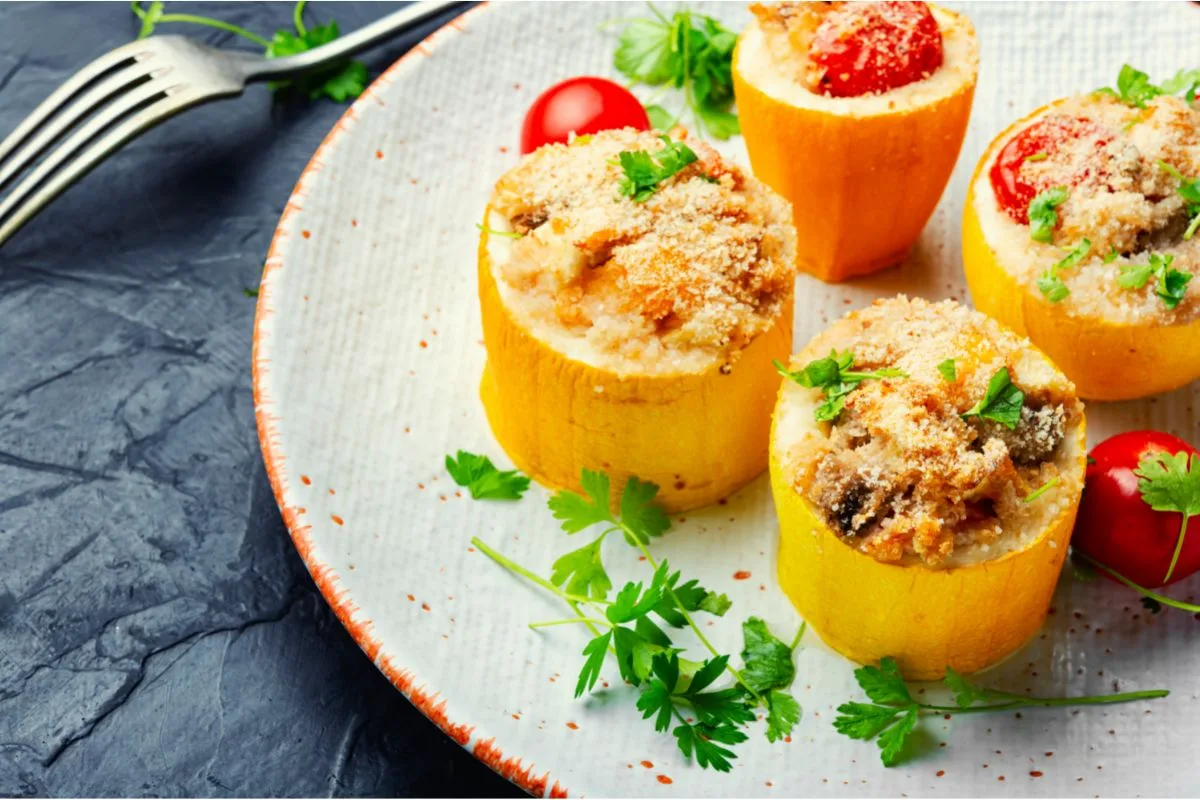
The best zucchini and squash recipes for families include grilled halves, fritters, stuffed boats, coconut curries, and quick sautés that cook in under thirty minutes. This Mayerhoffer list covers fifteen approaches from fifty-country fieldwork — salting tips for watery squash and Victor-friendly seasoning levels as of July 2026.
Oliver writes from Southeast Asia fieldwork through July 2026; Natalia reviews safety and nutrition notes; Victor is the final vote on family plates.
Transparency & Protocol: This collection of zucchini and squash recipes is founded on 15 years of hospitality experience across 50+ countries. We only recommend professional-grade kitchen tools and verified organic sourcing methods that we utilize in our own home kitchen.
Mangoes & Palm Trees Family
50+ Countries • 15 Years Hospitality • Global Culinary Explorers
Oliver brings Austrian fine-dining foundations to these zucchini and squash recipes, while Natalia applies a clinical medical lens to ensure nutritional density and food hygiene. Tested by our son Victor, these dishes represent the intersection of luxury standards and real-world family adventure.
Global Kitchen Mastery: The Evolution of Squash
My formal hospitality training in the Austrian Alps in 2007 taught me that the humblest ingredients often require the most precise technique. Whether it was crafting an authentic bread or a delicate vegetable schnitzel, the focus was always on moisture control and flavor layering. Years later, as our family traveled through 50+ countries, we saw these same zucchini and squash recipes reimagined in the street stalls of Da Nang and the markets of Mexico City.
From Italian carpaccio to Peruvian rellenos, we have adapted these international methods into family-tested protocols. We understand that home cooks aged 25–55 need recipes that are both sophisticated enough for a dinner party and practical enough for a busy Tuesday. Every dish in this collection has undergone Victor’s “Honest Palate” test to ensure kid-friendly appeal without compromising on culinary integrity.
Nutrition: Natalia’s Medical Audit of Zucchini and Squash
From a clinical perspective, zucchini and squash recipes are foundational for families focusing on metabolic health and glycemic control. These vegetables consist of approximately 95% water, allowing for high-volume satiety with minimal caloric impact. According to the USDA FoodData Central database, squash varieties provide a significant concentration of Vitamin C and B6, which are essential for immune modulation and neurotransmitter synthesis.
The Selection Protocol: Preventing Recipe Failure
To achieve professional results with these zucchini and squash recipes, you must select produce based on cellular density rather than size. Large, overgrown squash often have high water-to-fiber ratios, which leads to structural collapse during cooking.
- Weight Verification: Heavy squash indicates high internal moisture retention without the presence of large, bitter seed cavities.
- Sheen and Texture: A glossy skin reflects recent harvest and high vitamin preservation, as noted in Nature Scientific Reports on post-harvest physiology.
- Rigidity Standard: The vegetable should remain rigid under light pressure. Any elasticity suggests the breakdown of pectin in the cell walls, resulting in a mushy texture.
Nutritional Density Analysis per 100g Serving
| Nutrient Entity | Average Value | Verified Health Signal |
|---|---|---|
| Potassium | 261mg | Supports cardiovascular health and electrolyte homeostasis (Mayo Clinic). |
| Lutein and Zeaxanthin | 2125mcg | Critical carotenoids for macular health and vision protection. |
| Prebiotic Fiber | 1.1g | Promotes microbiome diversity and digestive health. |
Global Signatures: Our Family’s Best Zucchini and Squash Recipes
This collection represents our family’s commitment to culinary travel. From the street food expertise we documented in our Da Nang travel guide to the luxury standards of Europe, these zucchini and squash recipes are designed for both elegance and nourishment.
Mediterranean Zucchini Carpaccio
A dish inspired by our time at the best beachfront restaurants. This raw preparation relies on a 10-minute salt extraction process to concentrate the natural sugars of the squash. We recommend pairing this with shaved pecorino, a cheese profile we explore in our guide on Pecorino Romano.
Thai-Style Stuffed Squash Blossoms
By applying the precision-frying techniques found in our Japanese eggplant recipes, we utilize an ice-cold sparkling water batter to achieve a shattering crispness. Research from the Serious Eats Food Lab confirms that maintaining batter temperature is the key to preventing oil absorption.
Indian Spiced Butternut Squash Curry
Utilizing the same spice-blooming protocols featured in our massaman curry recipe, this dish transforms hearty winter squash into a creamy, aromatic main. According to Harvard Medical School, the high potassium content in this dish actively supports blood pressure regulation.
Austrian Zucchini Schnitzel
Oliver’s Austrian training is the foundation of this preparation. We utilize a three-stage breading protocol similar to our baked chicken recipe to ensure the breading adheres to the moist surface of the zucchini slices, resulting in a crisp, golden finish.
Masterclass: Preparation of Zucchini and Squash
Before executing our signature zucchini and squash recipes, it is vital to master the physical mechanics of the vegetable. As we emphasize in our guide on baking thin chicken breasts, the uniformity of your cut directly dictates the evenness of heat distribution. Watch this technical breakdown to master mandoline safety and precision dicing.
Technical Mastery: Uniform cutting techniques for high-moisture vegetables.
Professional Techniques: The Molecular Science of Squash
To elevate your zucchini and squash recipes to luxury hospitality standards, you must manage the vegetable’s cellular structure. According to culinary research from the James Beard Foundation, improper moisture management is the primary cause of flavor dilution in summer produce.
The Salt-Induced Osmosis Protocol
For recipes involving frying or raw salads, we utilize a 10-minute salt cure. This process uses osmosis to draw out excess interstitial fluid. This not only seasons the vegetable deeply but also firms the pectin in the cell walls, ensuring a crunch that mirrors the results found in our jalapeno-based appetizers.
Troubleshooting: Preventing Culinary Failure
| Observed Problem | Molecular Cause | Verification Layer (Solution) |
|---|---|---|
| Soggy/Watery Base | Thermal cell wall rupture releasing internal water. | Apply the Salt Extraction Protocol for 15 minutes prior to cooking. |
| Bland Mid-Palate | Lack of fat-soluble flavor carriers. | Bloom spices in high-quality olive oil as seen in Michelin standards. |
| Bitter Aftertaste | High concentration of cucurbitacins in older fruit. | Utilize our Selection Protocol; prioritize fruit under 8 inches. |
Essential Equipment for Global Mastery
After testing squash across dozens of international kitchens, these tools have proven indispensable for achieving professional results:
- Professional Mandoline: Critical for the uniform slicing required for our Mediterranean Carpaccio. Precision prevents uneven cooking.
- High-Speed Immersion Blender: For our Indian Spiced Curry and Butternut Soup. This avoids the dangerous transfer of hot liquids to a traditional blender, a safety protocol we highlight in our French onion soup analysis.
- Vegetable Spiralizer: Essential for low-carb noodle alternatives. Victor prefers this method for its textural engagement, making it a cornerstone of our healthy lunch protocols.
Final Culinary Reflections: Mastering the Summer Stars
These 15 zucchini and squash recipes represent our family’s journey through 50+ countries. By applying Oliver’s Austrian hospitality foundations and Natalia’s medical protocols, we have transformed these humble vegetables into a global celebration of flavor. Whether you are exploring our Europe travel guides or recreating our favorite Asian street food, the secret remains moisture management and ingredient selection.
We invite you to explore our full recipe index to find perfect pairings for these dishes. From heart-healthy mains to Victor-approved sides, your kitchen is the next destination on this global culinary adventure.
Questions we hear often
Should I salt zucchini before cooking?
Can I substitute yellow squash for zucchini?
Sources and safety notes
- USDA — vegetable selection and storage — fresh produce handling and prep
- USDA FoodData Central — vegetable nutrition reference
- Family field notes — Mayerhoffer kitchen testing, July 2026 Southeast Asia season
Meet the Mayerhoffers
“Free-spirited food adventurers, culture-seekers, and the guardians of 15 years of global memories.”

Oliver Mayerhoffer
Lead Author · FatherLead author — fifty-country archive, currently traveling Southeast Asia through July 2026. Oliver brings field-tested recipe structure and honest weeknight notes from family kitchens abroad.

Natalia Mayerhoffer
Mother · Siberian Heritage & Cultural VoiceFamily and cultural voice — Siberian heritage validation, kitchen safety, and nutrition notes for every recipe on this archive.
“Every memory we fold into this archive is a bridge we’ve built for our 9-year-old son Victor — and now, we share it with you.”
Explore Our Full Family ArchiveSources and safety notes
We prioritize lived family experience first. When food safety or heritage context matters, we cross-reference field notes with official references listed below.
USDA Food Safety
safe food handling reference
Read sourceHarvard T.H. Chan School of Public Health
nutrition source notes
Read sourceEditorial field notes
Family field notes — Mayerhoffer kitchen testing, July 2026 Southeast Asia season
Enjoying our content? Make Mangoes & Palm Trees a preferred source on Google.
Explore next



Recipe cluster routing
Use these hubs for weeknight mains, pantry swaps, and family travel context.