
Siberian foraging heritage · Mixed-method guide
Morel Mushroom Recipes: Natalia’s Smarchok Heritage + 10 Ideas to Try
Natalia calls them Smarchok (Сморчок). She grew up foraging them in Siberia with her grandfather at the family dacha. Her go-to: fresh morels fried in butter, finished with sour cream, served over mashed potatoes — sometimes with beef, almost a stroganoff. That’s the one we’ve tested. The other ten are culinary ideas from global cuisines to explore. Mixed-method guide: one tested family preparation, ten recipe ideas.
What are the best morel mushroom recipes?
Natalia’s Siberian family recipe: fresh morels (Smarchok) fried in butter with onion, finished with sour cream, served over mashed potatoes — sometimes with beef like a stroganoff. That’s our one tested preparation. This mixed-method guide adds 10 culinary ideas from French, Italian, Japanese, and American cuisines to explore. Clean morels by quick rinse, pat dry, cook thoroughly — never eat raw.
At a glance
- Tested: Natalia’s Smarchok — fried morels, sour cream, mashed potatoes (add beef for stroganoff).
- Heritage: Siberian foraging tradition — Smarchok, gathered by local pickers, not supermarkets.
- Safety: Quick rinse, pat dry, cook 10+ minutes. Never eat raw. Watch for false morels.
- Dried morels: Soak 20–30 min in warm water, strain liquid for sauce.
- Victor: Has not eaten them — no child testing on this ingredient.
This is a mixed-method guide: one tested family preparation (Natalia’s Smarchok) + ten recipe ideas. For our tested family recipes, see the Recipe Index.
Natalia’s Smarchok: A Siberian Foraging Heritage
Natalia calls them Smarchok (Сморчок). That’s the word from her childhood in Krasnoyarsk — not “morel,” not “morchella.” Smarchok.
Every summer at the family dacha, she’d go out with her grandfather. They knew the spots. The old lady who sat on the street selling them — she picked them herself. That’s how you got fresh morels in Siberia. Not from a supermarket. Supermarkets don’t carry fresh morels. You get them from the community, from people who’ve been in the woods themselves. Or you buy dried, which are available year-round.
You have to be careful. False morels exist — Gyromitra — and they’ll make you sick. Natalia learned to tell the difference from her grandfather. True morel: honeycomb cap fused to the stem. False morel: wrinkled, brain-like cap hanging free. When in doubt, you don’t eat. That’s the rule.
Oliver never foraged. Never cooked them until Natalia showed him. His only experience was eating what she made. The first time: fried morels with sour cream over mashed potatoes. Earthy, nutty, rich. The kind of dish that tells you exactly where it came from.
Victor pushed his plate away. “Too spongy,” he said. Natalia smiled. “He’ll come around. Took me till I was twelve.”
Tested: Natalia’s Fried Morels with Sour Cream & Mashed Potatoes (Smarchok)
This is the one we know. Natalia’s go-to. Sometimes she adds beef — almost a stroganoff. The sour cream cuts the earthiness, the mash carries the sauce. Simple. Honest. Tastes like her childhood.
Natalia’s Fried Morels with Sour Cream & Mash (Smarchok)
Fresh morels fried in butter with onion, finished with sour cream, served over mashed potatoes. Optional beef for stroganoff variation. Natalia’s Siberian family recipe — tested in our kitchen. 500 g morels, 3 tbsp butter, 200 ml sour cream, 1 kg potatoes. Fry 5–7 minutes until golden, finish with sour cream off heat. Serve immediately.
Ingredients
- 500 g fresh morels (Smarchok), cleaned
- 3 tbsp butter
- 1 small onion, finely diced
- 200 ml sour cream (20% fat)
- Salt and black pepper
- 1 kg potatoes, peeled and quartered (for mash)
- 50 g butter (for mash)
- 100 ml warm milk (for mash)
- Optional: 200 g beef sirloin, sliced thin (for stroganoff variation)
Method
Clean the morels
Rinse morels quickly under cold running water to remove grit. Do not soak — they absorb water. Pat dry thoroughly with kitchen towels. Cut large ones in half lengthwise; leave small ones whole. Check for insects inside the honeycomb.
Make the mash
Boil potatoes in salted water until tender, 15–20 minutes. Drain. Mash with 50 g butter and warm milk until smooth. Season with salt. Keep warm.
Fry the morels
Heat 2 tbsp butter in a wide skillet over medium-high. Add onion, cook 3 minutes until soft. Add morels, spread in single layer. Fry 5–7 minutes until golden and moisture has evaporated. Don’t crowd the pan — work in batches if needed. If using beef: add sliced beef with onions, cook until browned before adding morels.
Finish with sour cream
Reduce heat to low. Stir in sour cream, season with salt and pepper. Simmer gently 2 minutes — do not boil. If using beef: add sliced beef with onions in step 3, cook until browned before adding morels.
Serve
Spoon mashed potatoes onto plates. Top with morels and sour cream sauce. Eat immediately while hot.
Tested by Natalia Mayerhoffer. Oliver ate it. Victor pushed his plate away — “too spongy.” Natalia smiled: “He’ll come around. Took me till I was twelve.”
10 Morel Recipe Ideas to Explore
We haven’t made these yet. But they’re classic preparations from cuisines that know morels well. The French risotto — a woman at the market in Lyon swore by cold butter at the end. The miso soup — a chef in Osaka showed us the dried morel soaking liquid goes straight in the dashi. Next spring, maybe. If you try one, let us know how it went.
French Morel Risotto with White Wine
Classic French application. Arborio rice, shallots, white wine, warm broth. The morels go in at the end so they keep their texture.
American Morel Cream Soup
Velvety soup with onions, garlic, heavy cream. Blend half the morels for body, leave half whole for texture.
Italian Creamy Morel Pasta
Fettuccine, morels sautéed in butter, touch of cream, Parmesan, lemon, parsley. Let the morels speak.
Morel-Stuffed Chicken Breast
Chicken breast pocketed, stuffed with morels, cream cheese, herbs. Baked until juicy.
Japanese Morel Miso Soup (Umami Boost)
Dried morels rehydrated, simmered in dashi with miso. The soaking liquid goes in the broth.
French Morel & Asparagus Tart
Puff pastry, crème fraîche, eggs, morels, asparagus. Spring on a plate.
American Morel & Wild Rice Pilaf
Wild rice cooked separately, morels sautéed in butter with onion, folded together. Parsley finish.
Italian Morel & Polenta Cakes
Polenta chilled, cut, pan-fried. Topped with morels sautéed with garlic and shallots.
Classic French Morel Omelette
Eggs, morels sautéed in butter, Gruyère, chives. Soft scramble technique.
American Morel & Goat Cheese Pizza
Pizza dough, goat cheese, morels, thyme. Tangy cheese cuts the earthiness.
Morel Basics: Cleaning, Safety & Dried Morels
Cleaning fresh morels
Rinse quickly under cold running water to remove grit. Do not soak — morels absorb water and become waterlogged. Pat dry thoroughly with kitchen towels. Cut large ones in half lengthwise; leave small ones whole. Check for insects inside the honeycomb.
Safety: cook thoroughly, never raw
Morels must be cooked at least 10 minutes until fully tender. Raw morels contain compounds that cause gastrointestinal upset. Per FDA mushroom safety guidance: only eat mushrooms from reliable sources, cook thoroughly, avoid raw consumption.
False morels: know the difference
False morels (Gyromitra species) are toxic. True morels: honeycomb cap fused directly to the stem, hollow inside. False morels: wrinkled, brain-like cap hanging free from the stem, often solid inside. Only buy from trusted foragers. When in doubt, don’t eat. Natalia learned this from her grandfather in Siberia.
Dried morels: rehydrating
Soak dried morels in warm water for 20–30 minutes until pliable. Strain the soaking liquid through a fine sieve — it’s full of flavor — and use it in your sauce, risotto, or soup. Rinse the rehydrated morels once more before cooking.
Sourcing fresh morels
Fresh morels are seasonal (spring) and rare in supermarkets. In Siberia, Natalia bought them from local foragers who pick them themselves. In the US, look at farmers’ markets, specialty grocers, or order from reputable foragers. Dried morels are more widely available year-round.
Questions about morel mushrooms
What are Smarchok?
Smarchok (Сморчок) is the Siberian Russian name for morel mushrooms. Natalia grew up foraging them with her grandfather at their family dacha. They’re seasonal, rare, and prized for their nutty, earthy flavor.
How do you clean fresh morels?
Rinse quickly under cold running water to remove grit. Do not soak — morels absorb water and become waterlogged. Pat dry thoroughly. Cut large ones in half lengthwise to check for insects inside the honeycomb.
Can you eat morels raw?
No. Morels must be cooked thoroughly. Raw morels contain compounds that can cause gastrointestinal upset. Cook at least 10 minutes until fully tender.
Where do you find fresh morels?
Fresh morels are seasonal (spring) and rare in supermarkets. In Siberia, Natalia bought them from local foragers who pick them themselves. In the US, look at farmers’ markets, specialty grocers, or order from reputable foragers. Dried morels are more widely available year-round.
What are false morels and how do you avoid them?
False morels (Gyromitra species) look similar but are toxic. True morels have a honeycomb cap attached directly to the stem; false morels have a wrinkled, brain-like cap that hangs free. Only buy from trusted foragers or learn from an expert. When in doubt, don’t eat.
How do you rehydrate dried morels?
Soak dried morels in warm water for 20–30 minutes until pliable. Strain the soaking liquid through a fine sieve — it’s full of flavor — and use it in your sauce or risotto. Rinse the rehydrated morels once more before cooking.
Sources for safety guidance
This guide draws on Natalia’s Siberian family heritage and one tested family preparation. For mushroom safety, we reference the official FDA guidance below.
U.S. Food and Drug Administration
Mushroom safety: only eat mushrooms from reliable sources, cook thoroughly, avoid raw consumption.
Mushroom SafetyEnjoying our content? Make Mangoes & Palm Trees a preferred source on Google.




Where this guide fits in our archive
More foraged ingredients, heritage recipes, and Siberian family cooking.
Meet the Mayerhoffers
Recipes, places and people — kept in context and shared with care.

Oliver Mayerhoffer
Lead Author · Father · PublisherOliver leads the editorial work, looking for the useful detail that gives a reader a clearer sense of a meal, a place or a decision.
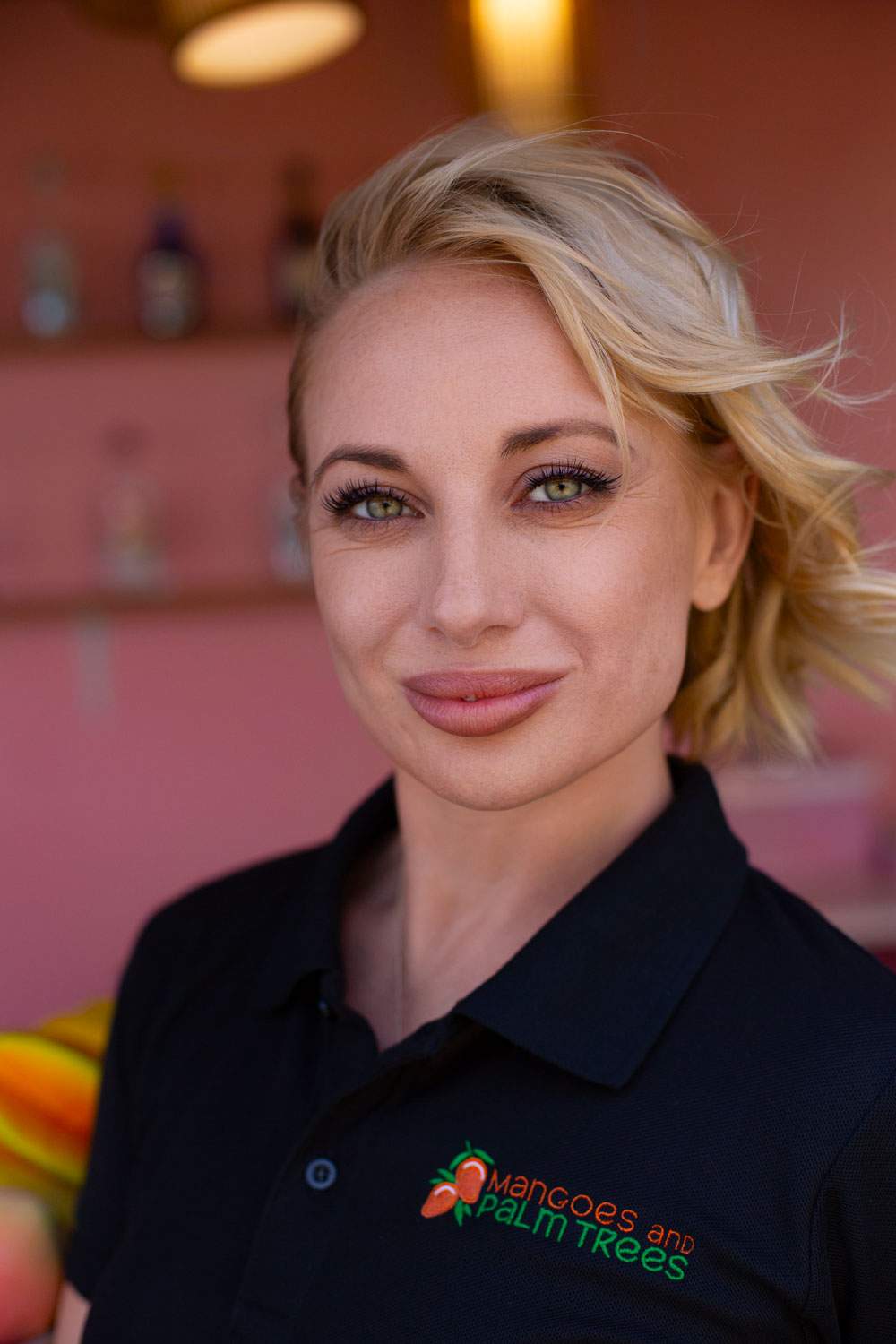
Natalia Mayerhoffer
Co-founder · Teacher · Dentist by trainingNatalia grew up in Krasnoyarsk, where food and family traditions were part of everyday life. A dentist by training and a teacher, she brings those experiences to the recipes and stories she helps create.
Our aim is to keep useful knowledge and meaningful stories together: recipes worth making, places worth understanding and the people whose traditions give them context.
Explore Our Recipes