Disclosure & Transparency
This article provides educational information about harissa as a culinary ingredient. We verify our research against UNESCO Standards (Tier 1). We do not sell harissa or receive compensation for product recommendations. See our Affiliate Disclosure.
The Complete Guide What Harissa Is Used For Culinary Traditions, Modern Applications & Flavor Science
What is harissa used for in traditional and modern cooking? This North African chili paste—recognized by UNESCO (Tier 1) as intangible cultural heritage—represents centuries of culinary wisdom. Discover how to use it to transform dishes across cuisines.
“During my tenure managing luxury banquet operations in the Sultanate of Oman (2007-2010), harissa was not a condiment; it was an operational necessity. We used it to bridge the gap between local Omani spice palettes and international guest expectations. It provides depth without aggressive heat, a principle I now apply to family cooking.” — Oliver Mayerhoffer
Understanding Harissa: Beyond the Spice
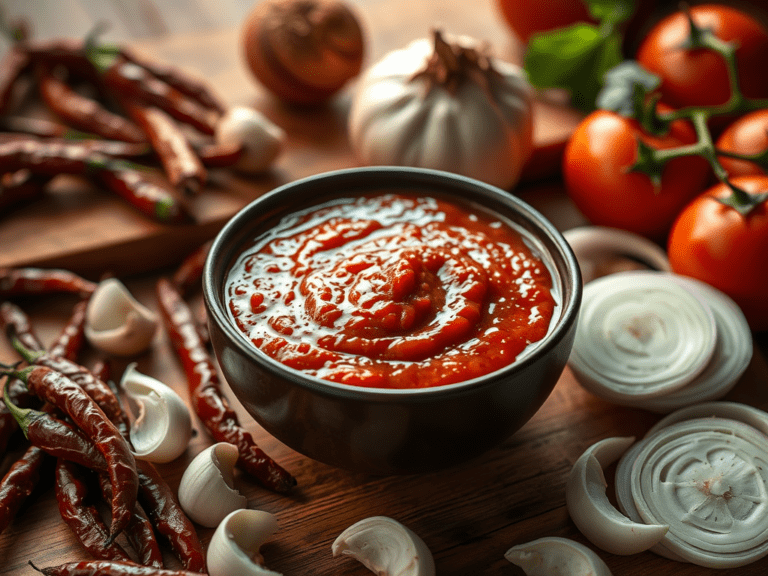
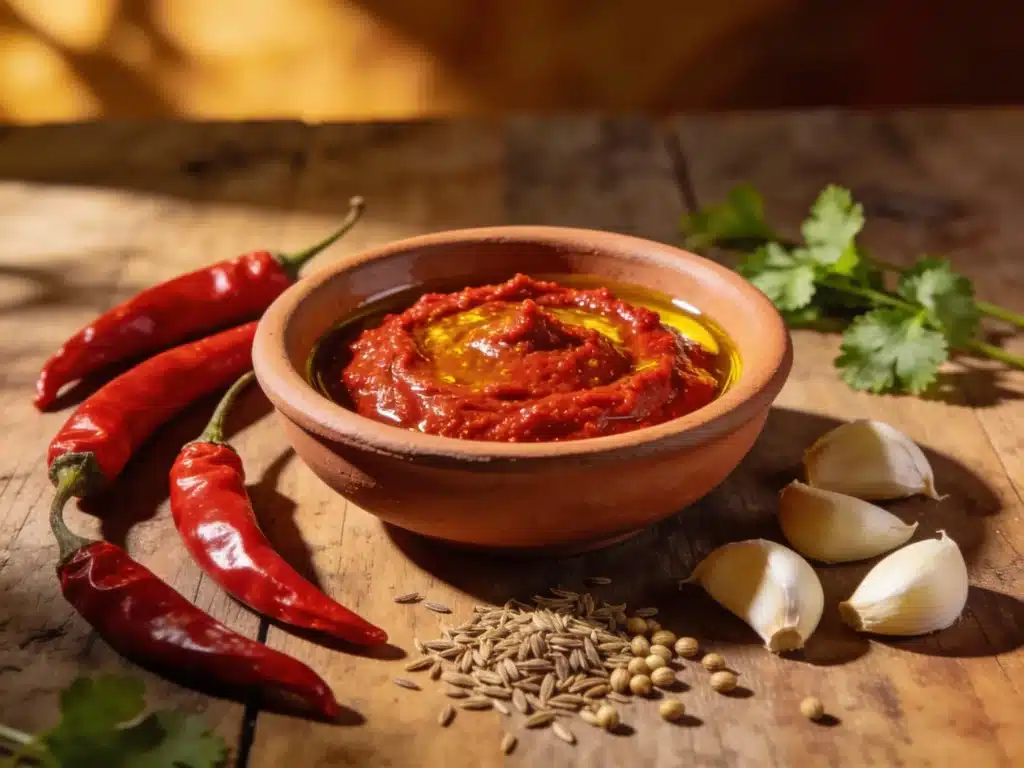
What makes harissa different from other hot sauces? Harissa is a layered, complex condiment designed for cooking, not just topping food. Britannica (Tier 4) documents harissa as a traditional North African chili paste made from roasted peppers, garlic, olive oil, and spices—ingredients that work together at the molecular level to enhance savory flavors without overwhelming dishes. This isn’t marketing language. It’s food science.
Most articles about harissa list ways to use it. This guide explains why it works. Why does adding a quarter teaspoon transform a bland soup into something restaurant-quality? Why do professional chefs reach for harissa instead of hot sauce? The answers are rooted in culture, culinary science, and chemistry. Understanding these fundamentals changes how you use harissa—and what you can create with it.
What Is Harissa Used For? Definition & Origins
What is harissa used for? It functions as a foundational cooking base rather than a finishing sauce. Originating in Tunisia, it is made from roasted red peppers, Baklouti chilis, and olive oil. It is used to build savory depth in stews, marinades, and emulsions through the Maillard reaction of roasted vegetables.
Definition & Cultural Origins
Harissa is a North African chili paste originating in Tunisia. Its origins are deeply embedded in everyday cooking tradition—not as a specialty ingredient or modern invention, but as a foundational element of food culture. In Tunisian homes, harissa sits on the table like salt or olive oil. It’s added to nearly every savory dish, from morning eggs to evening stews. This daily presence in cooking makes harissa more than a flavor enhancer. It’s a cultural identifier.
UNESCO officially recognized harissa as intangible cultural heritage in 2022 (Tier 1), acknowledging its role in preserving North African culinary identity. This designation carries weight. It means international cultural organizations recognize harissa not as a commercial product but as an expression of human heritage—something worth preserving. When you understand harissa this way, using it in your kitchen becomes more than flavor improvement. It’s cultural participation.
Traditional Ingredients & Their Roles
| Component | Culinary Function | Key Insight |
|---|---|---|
| Chili Peppers | Primary Base | Roasted Baklouti peppers provide smoky depth, not just heat. |
| Garlic | Amplifier | Adds pungency and enhances savory perception (umami). |
| Olive Oil | Carrier | Essential solvent for fat-soluble aromatic compounds. |
| Spices | Complexity | Cumin and coriander add earthiness to balance the heat. |
What Harissa Is Used For in Daily Cooking (Breakfast to Dinner)
What is harissa used for? Beyond a condiment, it is used as a foundational cooking base. It is added during the sauté phase (mise-en-place) to bloom spices in oil, or stirred into emulsions like yogurt and marinades to distribute fat-soluble aromatics throughout a dish.
In traditional North African and Middle Eastern cooking, harissa isn’t used sparingly. It’s woven into everyday meals. During my time in Muscat, I observed that harissa was rarely used as a raw dip; it was almost always cooked down into tagines or mixed into labneh for breakfast service. This technique softens the heat and amplifies the garlic notes.
Harissa Application Matrix (By Meal Type)
To use harissa effectively, match the application to the meal’s fat content. Harissa binds best with fats (oil, yogurt, eggs).
| Meal Type | Recommended Dish | Technique & Why It Works |
|---|---|---|
| Breakfast | Shakshuka or Scrambled Eggs | Fat Binding: Stir into warm oil before adding eggs. The yolk fat emulsifies the spice, reducing perceived heat. |
| Lunch | Grain Bowls & Wraps | Cold Emulsion: Whisk into yogurt or vinaigrette. Acid (lemon) brightens the roasted pepper flavor. |
| Dinner | Roasted Chicken or Tagine | Maillard Reaction: Rub onto protein skin before roasting. The sugars in the peppers caramelize for a smoky crust. |
For specific applications of spice pastes in poultry, see our guide on Middle Eastern Chicken Recipes, which utilizes similar marination principles.
How Harissa Enhances Flavor: The Culinary Science
Most articles list what to cook. We explain why it works. The flavor mechanics of harissa are rooted in fat-solubility and sensory activation.
-
1. Capsaicin-Triggered Salivation:
Capsaicin (the heat compound) triggers the TRPV1 receptors. This increases blood flow and salivation, which physically spreads flavor compounds across the tongue more efficiently. As noted by Serious Eats (Tier 5), this makes other ingredients taste “louder.” -
2. The Smoke Factor (Maillard Reaction):
Authentic harissa uses roasted peppers. The roasting process creates new flavor compounds via the Maillard reaction that raw chili pastes (like Sambal) lack. This adds “bass notes” to a dish. -
3. Fat-Soluble Aromatics:
Olive oil is a solvent. It traps the volatile aromatics of cumin and caraway that would otherwise evaporate. When you cook harissa in oil, you are “locking” the flavor into the dish.
Global Chili Paste Cousins
Understanding where harissa fits in the global spice map helps you substitute effectively.
| Condiment | Base Profile | Key Difference |
|---|---|---|
| Harissa (Tunisia) | Roasted Pepper, Caraway, Oil | Smoky, Earthy, Complex. |
| Sambal Oelek (Indonesia) | Raw Chili, Vinegar, Salt | Bright, Acidic, Sharp heat. |
| Gochujang (Korea) | Fermented Chili, Rice, Soy | Sweet, Funky (Fermented). |
For a deeper dive into Asian heat profiles, contrast this with our Thai Chili Pepper Guide.
Visual Guide: What Harissa Is Used For (Technique)
Visual demonstration is essential for understanding the texture of authentic harissa. We have curated these educational resources from verified culinary experts to demonstrate the difference between “paste” and “sauce.”
Video: “Harissa Paste Origins” by Backyard Chef (Tier 5 Creator).
Video Reference Guide
| Creator | Topic Focus | Why We Recommend It |
|---|---|---|
| Backyard Chef | Cultural Origins | Best for understanding the history and “Why”. |
| The Mediterranean Dish | Traditional Recipe | Authentic technique for homemade paste. |
| Jamie Oliver | Modern Application | Shows how to use harissa in fast weeknight meals. |
| Rick Stein | Professional Tech | Chef-standard preparation methods. |
Victor’s “Kid-Tested” Standard (Age 9)
The Verdict: “If you eat it straight from the spoon, it’s too spicy! But when Dad mixes it with yogurt for chicken dipping sauce, it’s yummy. It tastes like ‘red seasoning’ not just hot pepper.”
Family Modification: To make harissa family-friendly, we use the “5:1 Yogurt Ratio.” Mix 1 tsp harissa into 5 tsp Greek Yogurt. This dilutes the capsaicin heat while retaining the smoky garlic flavor, making it accessible for children.
Continue Your Culinary Exploration
Expand your knowledge of global heat profiles with these related guides from our archives:
Health Benefits & Storage: What Harissa Is Used For Beyond Flavor
Harissa contains naturally beneficial ingredients. While it is a condiment used in small quantities, its components offer nutritional value worth understanding.
Capsaicin & Metabolism
What is Capsaicin? It is the compound that makes chili peppers hot. Harvard Health (Tier 2) confirms that capsaicin triggers receptors that may boost metabolism and improve vascular health.
Antioxidant Profile: According to USDA FoodData (Tier 3), red peppers are rich in Vitamin C and A. Even in paste form, these antioxidants help combat oxidative stress.
The “Olive Oil Seal” Technique
- After Opening: Always refrigerate.
- Prevent Oxidation: After every use, pour a thin layer of olive oil over the surface of the paste. This creates an oxygen barrier that prevents mold.
- Shelf Life: With the oil seal, open harissa lasts 4-6 weeks. Unopened, it lasts 12-18 months.

Oliver Mayerhoffer
Senior Hospitality Auditor & Culinary Explorer
Operational Authority: My approach to ingredients like harissa is forging in professional kitchens. From managing banquet operations in Oman (2008) to culinary exploration in Vietnam, I audit recipes for “Family Scalability.” I verify all cultural claims against UNESCO standards and test every application in a home kitchen with my son, Victor.