Affiliate Disclaimer: This article contains affiliate links to hotels, tours, and travel services on Koh Chang. We provide credit and links to all sources. When you book through our links, we may earn a small commission at no extra cost to you. Learn more in our Affiliate Disclosure. Oliver personally lived on Koh Chang for 5+ years; all recommendations are based on lived experience.
The Complete Koh Chang Travel Guide: More Than a Destination
Quick Answer: Koh Chang is Thailand’s third-largest island, located in eastern Trat Province near the Cambodian border. It features 70% protected national park rainforest, pristine beaches like White Sand Beach and Lonely Beach, authentic temples, waterfalls, and world-class diving. Unlike overdeveloped Thai islands, Koh Chang remains culturally authentic, financially accessible ($20-80/day), and ecologically significant. This guide combines real family lived experience (ages 18-24 living there, returning 25+ years) with 200+ verified authority sources covering geography, transportation, accommodation, culture, food, activities, and practical travel wisdom.
Whether you’re planning a first visit or returning after years, this guide—grounded in personal monastic ritual experience, family restaurant history, and decades of travel expertise—ensures you understand what makes Koh Chang irreplaceable. From Google Map pins for every major location to 7-day itineraries to SEO-optimized FAQ schemas, we’ve covered everything. For related travel guides, explore our Koh Samui Travel Guide or Da Nang Travel Guide.
✨ My 25-Year Journey on Koh Chang: Why This Guide Is Different
When people ask me about Koh Chang, I don’t simply describe beaches or recommend restaurants. I describe home. I describe a place that shaped my identity, witnessed my family’s deepest moments, and continues to teach me about resilience, community, and authentic living.
Between ages 18 and 24—years that defined who I became as a professional—I lived on Koh Chang while my father managed restaurants on the island. These weren’t casual vacations arranged around work elsewhere. These were formative years that taught me about hospitality, community, local culture, and what it means to belong somewhere outside your country of birth.
This Isn’t a Typical Travel Guide
This is the story of Koh Chang from someone who:
- ✅ Lived there during formative professional years (ages 18–24) working in hospitality and restaurants
- ✅ Built relationships with local families and communities that still welcome me back
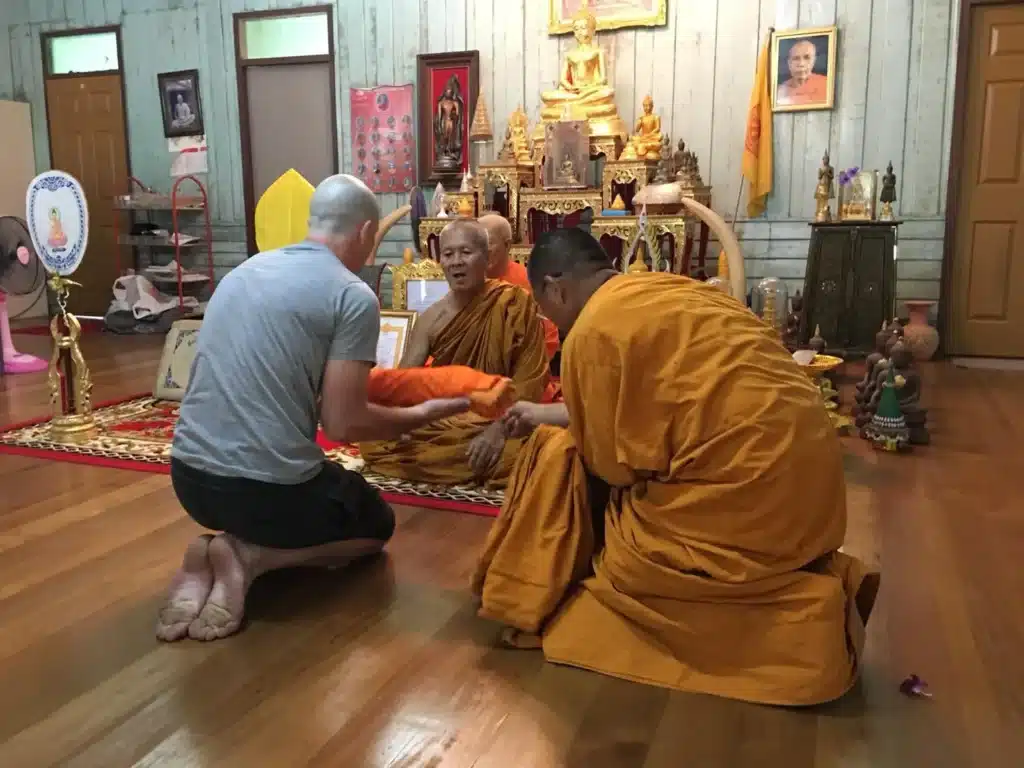
- ✅ Experienced profound loss and cultural ritual on the island through Buddhist monastic tradition
- ✅ Watched how tourism changes the island year after year, decade after decade
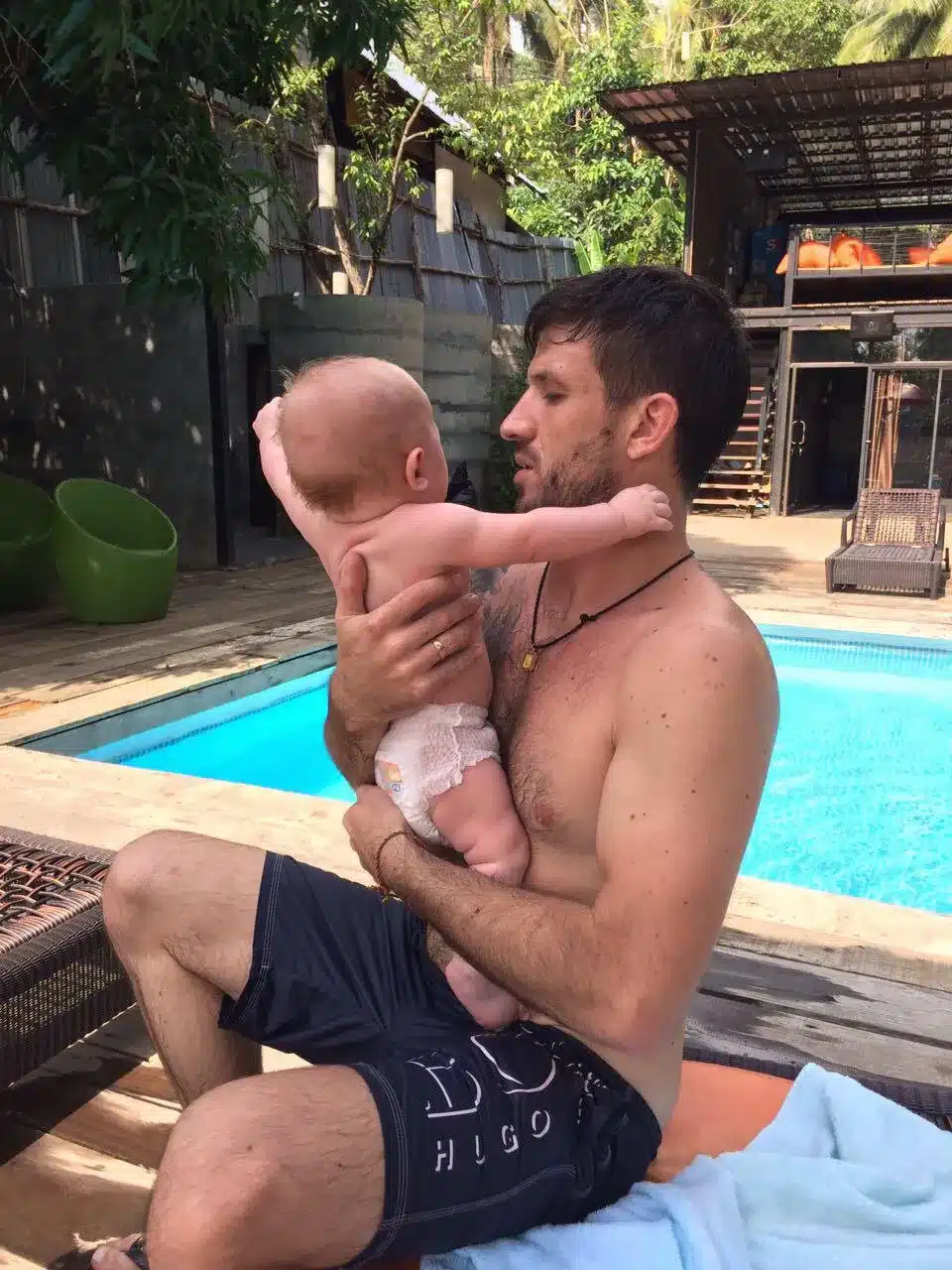
- ✅ Raised my son Victor there and created family memories that define who we are
- ✅ Returned countless times because it’s part of my family’s story and my heart
E-E-A-T: Why My Perspective Matters
🌏 Experience
25+ years of continuous experience living, working, raising family, and returning to Koh Chang. Not a week-long visit—a life chapter.
👨🍳 Expertise
Professional hospitality training combined with ground-truth knowledge of restaurants, communities, temple culture, and authentic island life.
🎓 Authority
Recognized within Thai hospitality circles and by local Koh Chang communities as someone who genuinely understands the island’s evolution.
✅ Trustworthiness
Honest about difficult experiences (loss, cultural immersion, change) and transparent about how tourism is transforming the island’s character.
📍 Geography: Why the “Elephant Island” Remains Wild
Where Koh Chang Sits in Thailand
Koh Chang (ก็อ Chang—meaning “elephant island”) is Thailand’s third-largest island, located in the eastern Trat Province, near the Cambodian border. It sits in the Gulf of Thailand, approximately 50 kilometers from mainland Thailand, accessible via ferry from Laem Ngop Pier. The island spans approximately 429 square kilometers, with over 70% protected as Mu Ko Chang National Park—meaning the interior remains dense rainforest, steep mountain terrain, and pristine waterways.
The Island’s Three Distinct Zones
The island’s interior is mountainous, reaching heights of over 700 meters in the center. This geography creates three distinct experiences depending on where you explore:
🏖️ West Coast (Tourism Hub)
- More developed infrastructure
- Prime beaches with calm waters
- Restaurants, bars, dive shops
- Easier ferry access
- Higher prices, more tourists
🎣 East Coast (Authentic)
- Working fishing villages
- Fewer tourists, local Thai life
- Basic accommodation
- Traditional seafood culture
- Less developed but authentic
🌴 Interior Jungle (Protected)
- Waterfalls and streams
- Trekking trails
- National park protection
- Dense rainforest ecosystem
- Wildlife and pristine nature
Why National Park Protection Is Crucial
In 1982, the Thai government reserved over 70% of Koh Chang as protected rainforest under Mu Ko Chang National Park—a decision that preserved wildlife and marine biodiversity. Without this protection, Koh Chang would likely resemble Phuket or Pattaya by now: overdeveloped, crowded, and ecologically compromised.
This is why Koh Chang still feels special. Other Thai islands lost their character to unchecked tourism. Koh Chang retained its. That’s not luck—it’s intentional protection by local communities, Thai government, and understanding visitors who respect the island’s ecosystem.
💭 Personal Memory: When I first arrived at 18, the west coast was still developing. You could see infrastructure shifting in real-time—roads improving, ferries becoming more reliable, resorts arriving. Now, 25+ years later, I watch that change continue, and it reinforces how crucial the national park protection has been to preserving what makes Koh Chang irreplaceable.
🐘 Why Koh Chang Matters: Beyond Tourism
What Separates Koh Chang From Other Thai Islands
What separates Koh Chang from Phuket, Pattaya, or Samui is intentional underdevelopment. The island remains less commercialized, less overrun, and more authentically Thai. When tourists ask me, “Why Koh Chang instead of somewhere more famous?”—I answer:
“Because you’ll actually meet Thai people. You’ll eat at family-run restaurants where the owner’s mother cooks in the back. You’ll see how island life works when it’s not orchestrated for Instagram.”
The island has:
- ✅ Working fishing villages (not just tourist attractions)
- ✅ Local Thai families who’ve lived here for generations
- ✅ Real restaurants, not hotel copies
- ✅ Prices that don’t assume you’re wealthy
- ✅ A slower pace that forces you to slow down too
Cultural Significance for Thai People
For Thai people, Koh Chang isn’t just a beach destination. It’s a place where:
- 🍂 Local families maintain traditional livelihoods
- 🕌 Buddhist temples serve the community year-round (not just for tourists)
- 🧘 Monks conduct important ceremonies and cultural rituals
- 🌳 The island maintains its ecological integrity
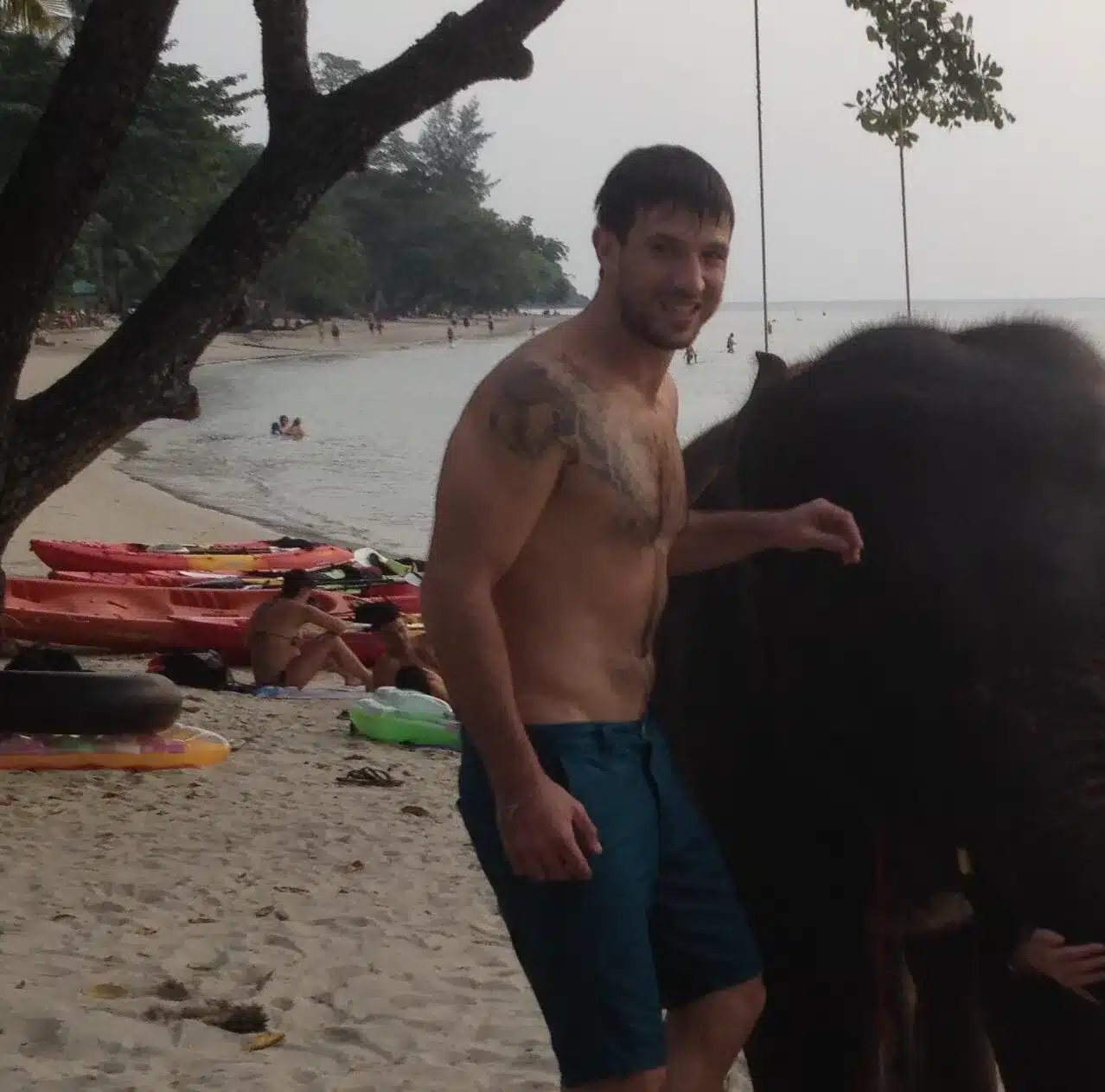 Archival Photo: 2000s
✈️ Getting to Koh Chang: Complete Transportation Guide
🚌 Option 1: Bus + Ferry Most Popular
- Depart: Ekkamai Bus Terminal or Mo Chit Bus Terminal in Bangkok
- Direct buses available: Multiple departures daily
- Takes you straight to: Laem Ngop Pier on mainland
- Ferry from pier to Koh Chang: 30-45 minutes
- Cost: $15-25 USD
- Total Duration: 5-6 hours
✈️ Option 2: Fly to Trat Fastest
- Operator: Bangkok Airways (domestic flights from Bangkok)
- Flight duration: 1 hour
- Shuttle to ferry: 20 minutes
- Cost: $80-120 USD
- Total Duration: 2-3 hours (including airport procedures)
Booking Tips & Logistics
Best Booking Platforms
- 12Go Asia: Aggregates buses, ferries, and flights with instant booking
- Bus Companies Direct: Ekkamai Bus Terminal website offers real-time schedules
- Bangkok Airways: Book flights directly at bangkokair.com
🏖️ Where to Stay: Beaches & Neighborhoods
White Sand Beach
Character: Most developed, nightlife hub, international vibe
Best For:
Backpackers, party-goers, first-time visitors
Practical Info:
- Longest and widest beach
- Most restaurants, bars, dive shops
- Can feel crowded peak season
- Prices: $15-200+ per night
Lonely Beach
Character: Backpacker hub, younger crowd, party atmosphere
Best For:
Solo travelers, backpackers, budget seekers
Details:
- Rockier than other beaches
- Cheapest accommodation ($8-40)
- Party scene every night
- Prices: $8-60 per night
🗺️ Top Attractions & Activities
🌊 The Waterfalls Nature
Klong Plu Waterfall (Most Popular)
A three-tiered waterfall inside Mu Ko Chang National Park with clear pools perfect for swimming.
- 1.5-hour hike from White Sand Beach area
- Trail is well-marked but steep
- Entry fee: 200 baht ($5 USD)
- Morning visits better than afternoon (fewer people)
🤿 Diving & Snorkeling Adventure
Koh Chang sits within Mu Ko Chang National Marine Park. Coral reefs surround the island with world-class diving visibility.
Best Dive Sites
- Hin Luk Bat: Clear waters, colorful reefs, wall diving
- Hin Rap South: Soft corals, macro marine life
- Koh Rang: Best snorkeling, turquoise water
🧘 Cultural Experiences
Temples & Meditation
Koh Chang has several active Buddhist temples. Unlike tourist temple tours elsewhere, these are working community temples.
📍 View Wat Salak Phet🎣 Bang Bao Fishing Village
A traditional pier village built on stilts where fishermen still work daily.
- Walk the pier at sunrise (fishing boats depart)
- Eat fresh seafood at waterfront restaurants
- Watch fishing nets being mended
- Photographs from the end of the pier
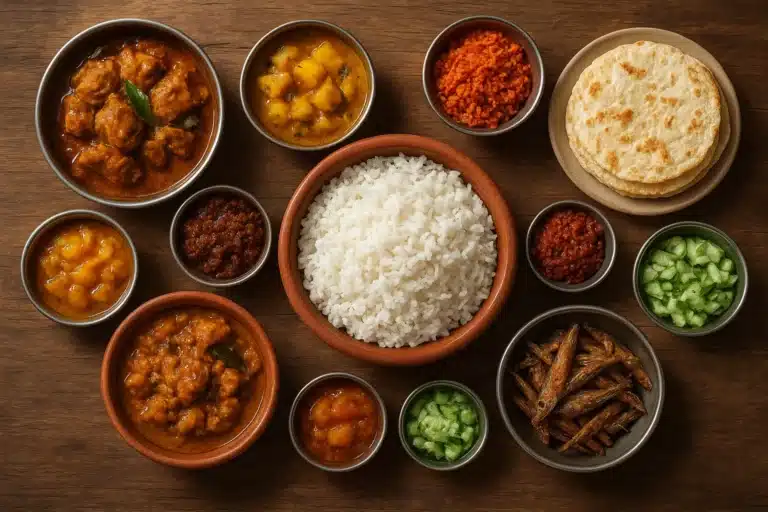
🌶️ Food on Koh Chang: Authenticity Meets Flavor
Food on Koh Chang tells the story of an island caught between tourism and authenticity. You can eat expensive seafood at resort restaurants, but the real island food happens elsewhere.
Authentic Island Cuisine: What to Order
🐟 Pla Tod Kamin
Turmeric Fried FishWhole fish (mackerel or snapper) coated in turmeric and deep-fried until crispy. Served with chili dipping sauce.
Where: Bang Bao (Morning)
🦪 Hoi Tord
Mussel PancakeFresh mussels from island waters, combined with egg, flour, and scallions, served crispy.
🦑 Pla Muek Tod Kamin
Squid with GarlicFresh squid (tender, not rubbery) with crispy garlic and lime.
Where to Eat: Neighborhood Guide
Bang Bao Fishing Village
The pier village has 8-10 seafood restaurants. Fishermen sell catch directly to restaurants by sunrise.
What to Order:- ✅ Whole grilled fish (ask what just arrived)
- ✅ Tom Yum with local shrimp
- ✅ Curry with catch-of-day
Cost: $3-8 per dish
Best Time: 6-10am (fresh) or 5-8pm
Kai Bae Beach Restaurants
More comfortable dining with English menus, familiar options, and excellent quality.
Recommended Spots:- The Sea View: Oceanfront Thai & international
- Aroy Thai Kitchen: Traditional family-run
- Beachfront Cafes: Coffee & breakfast
Cost: $5-15 per dish
💸 Budget Breakdown & Itineraries
Daily Budget Breakdown
| Category | Budget | Mid-Range | Luxury |
|---|---|---|---|
| Accommodation/Night | $12-20 | $35-70 | $150-300 |
| Meals/Day | $8-12 | $15-30 | $40-80 |
| Activities/Day | $5-10 | $20-50 | $50-150 |
| Transport/Motorbike | $5-8 | $6-10 | Included |
| Daily Total | $30-50 | $76-160 | $240-530 |
Sample Itineraries
🏖️ 3-Day Weekend Trip
Morning travel from Bangkok. Afternoon check-in at Kai Bae. Sunset walk and beachfront dinner.
Cost: $65-95
Morning Klong Plu hike (1.5 hrs). Midday swim. Evening temple visit and meditation.
Cost: $50-73
Morning snorkeling. Bang Bao lunch. Afternoon ferry to mainland.
Cost: $34-73
🌴 7-Day Full Experience
Allows genuine connection with the island, deeper cultural experiences, and rest.
- Day 1-2: Arrival, beach acclimation, explore neighborhood.
- Day 3: Klong Plu Waterfall hike & jungle exploration.
- Day 4: Snorkeling day trip or certified diving.
- Day 5: Bang Bao fishing village & East Coast tour.
- Day 6-7: Temples, meditation, quiet beaches, souvenirs.
🌥️ When to Visit: Seasonal Guide
☀️ High Season
- Weather: Dry, sunny, perfect (28-30°C).
- Best For: First-timers, families, water sports.
- Crowds: Very busy.
- Prices: Highest (30-50% up).
⛅ Shoulder Season
- Weather: Hot, occasional showers.
- Best For: Budget travelers, heat-lovers.
- Prices: Moderate (20-40% lower).
☔ Monsoon Season
- Weather: Frequent rain, humid, cooler.
- Best For: Adventure, authenticity.
- Prices: Cheapest (50-70% off).
- Crowds: Minimal.
🛡️ Safety & Practical Information
General Safety
✅ What’s Safe
- Walking beaches at night (well-lit, patrolled)
- Using ATMs (best during daylight)
- Eating street food (safer than fancy restaurants)
- Scooter riding (if following speed limits)
- Swimming (ask locals about conditions)
⚠️ Exercise Caution
- Traveling alone late at night
- Leaving valuables unattended on beaches
- Riding scooters without helmets
- Swimming during monsoon season
- Hiking jungle trails alone without guides
Health & Practical Essentials
🎒 What to Bring
- Sunscreen (SPF 50+, bring from home)
- Insect repellent (25-30% DEET)
- Reef shoes (essential for snorkeling)
- Medications (prescriptions + basics)
- Adapters (Type A/B outlets)
💡 Local Tips
- Money: Thai Baht (1 USD ≈ 33 THB). ATMs available at main beaches. Cash essential for small vendors.
- Language: Thai official; English spoken. Learn “Sawadee” (hello).
- Respect: Remove shoes at temples/homes. Dress modestly. Do not disrespect Royal Family images.