Editorial standards: editorial policy · Affiliate disclosure: affiliate disclosure · Family-tested archive — updated 2026-07.
Heat, uses and family swaps
Arbol Chili Guide
Chile de árbol runs 15,000–30,000 SHU with nutty smoke — how we toast, store, and scale heat for Victor from Oaxaca markets through July 2026 Southeast Asia field kitchens.
What is arbol chili used for?
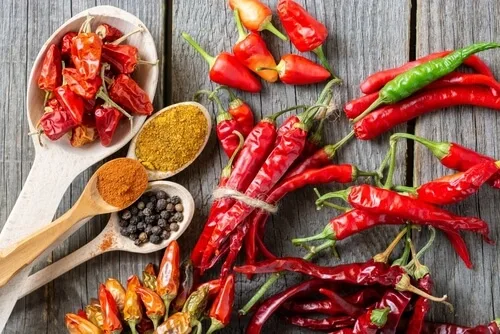
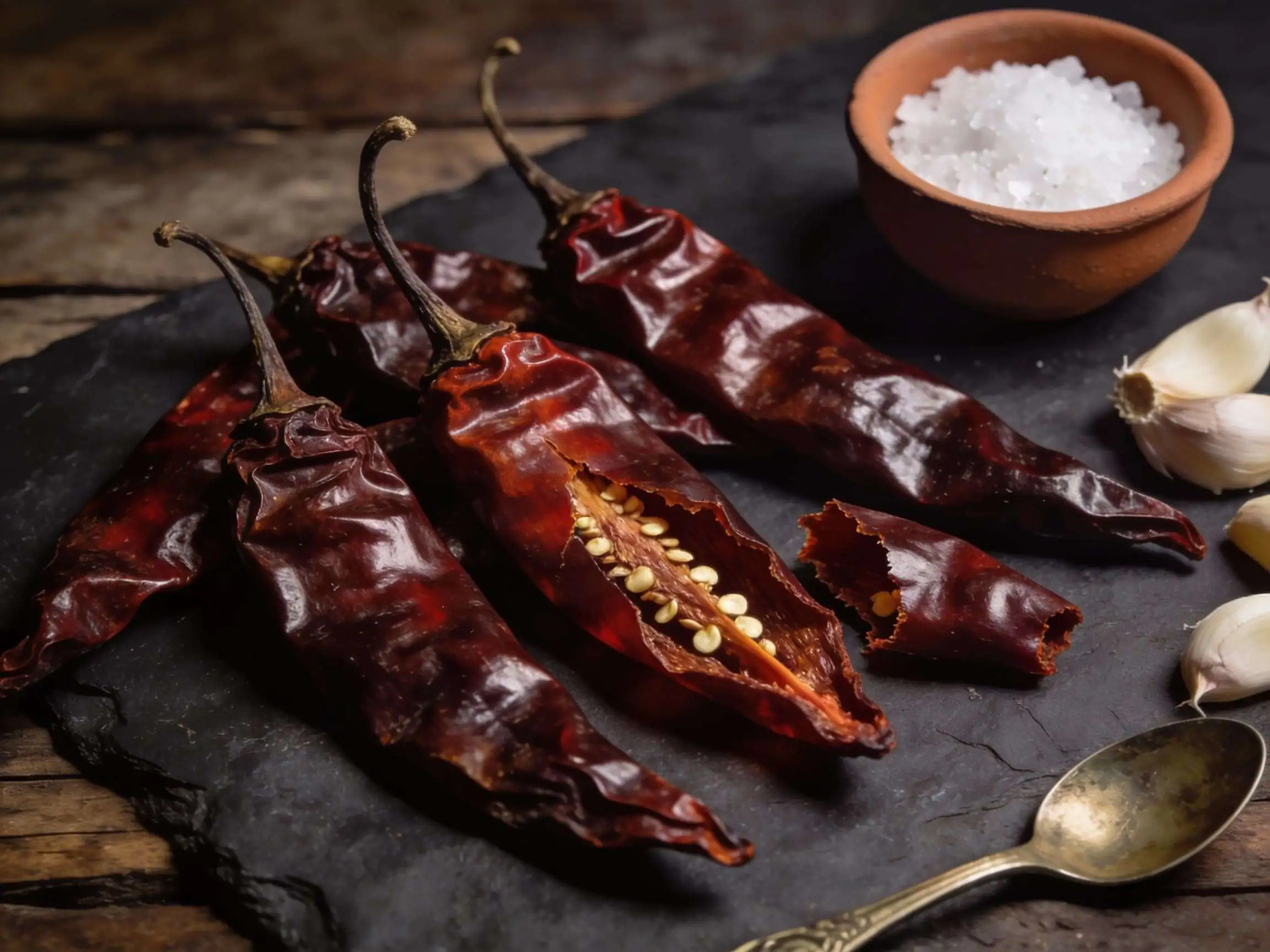
Arbol chili is used for salsas, chili oils, adobos, and table hot sauces where sharp clean heat matters. Toast dried pods briefly, then soak or grind. Remove seeds to lower heat for family plates. Mayerhoffer field notes from July 2026 rental kitchens across Southeast Asia.
Oliver writes from Southeast Asia fieldwork through July 2026; Natalia reviews safety and nutrition notes; Victor is the final vote on family plates.

How hot is chile de árbol?
Árbol chiles usually land around 15,000–30,000 Scoville Heat Units—sharper and cleaner than a jalapeño, with nutty smoke when toasted. See Wikipedia’s chile de árbol entry for cultivar notes and the Scoville scale for context.
| Chile | Typical SHU | Swap note |
|---|---|---|
| Árbol | 15k–30k | Nutty toast; seed for milder salsa |
| Guajillo | 2.5k–5k | Fruit and color, not árbol heat |
| Serrano (fresh) | 10k–23k | Brighter; different texture |
For pantry routing, keep the chili heat atlas and serrano vs jalapeño guides open when you scale recipes for kids.
How do you prep dried árbol chiles?
- Toast 20–40 seconds in a dry skillet until fragrant—not black.
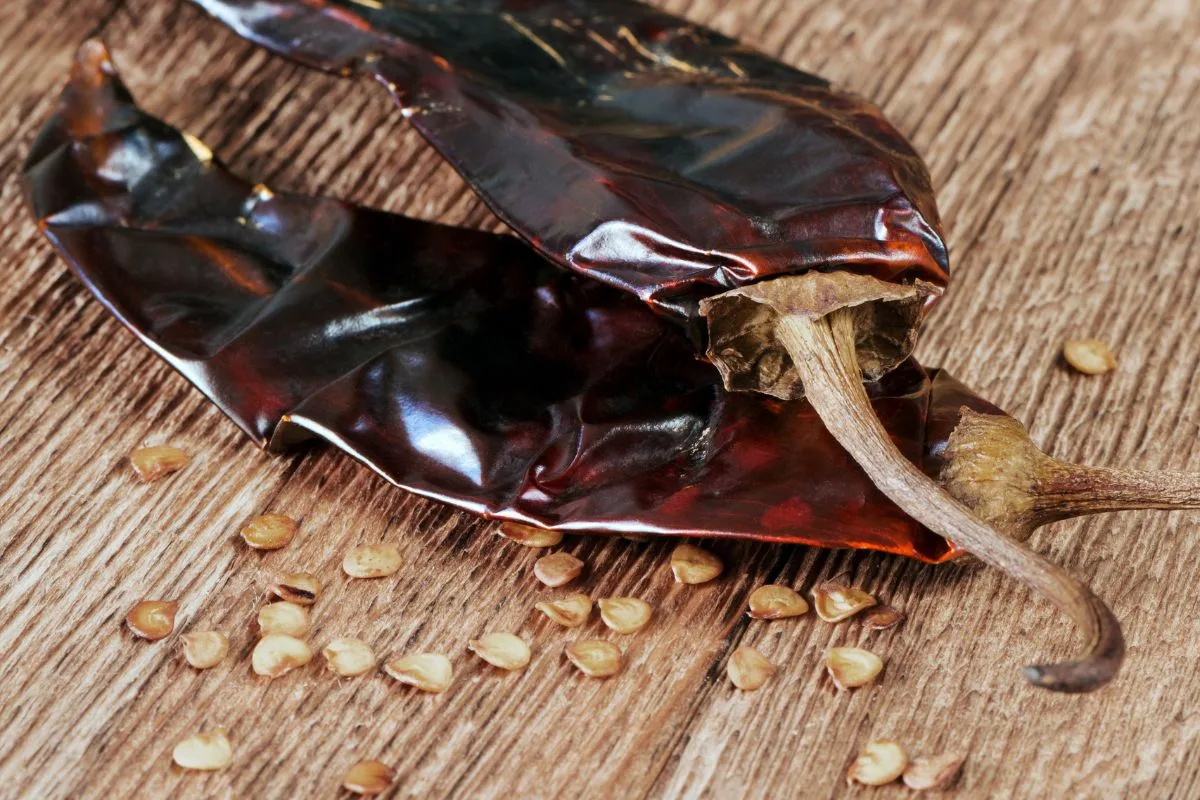
- Stem and seed for milder family plates; gloves help above 15k SHU.
- Soak or grind for salsa, oil, or adobo; blend with soak water for smooth sauce.
If capsaicin lingers on skin, wash with dish soap or rub with a high-fat oil—water spreads the burn.
Where does árbol earn its place?
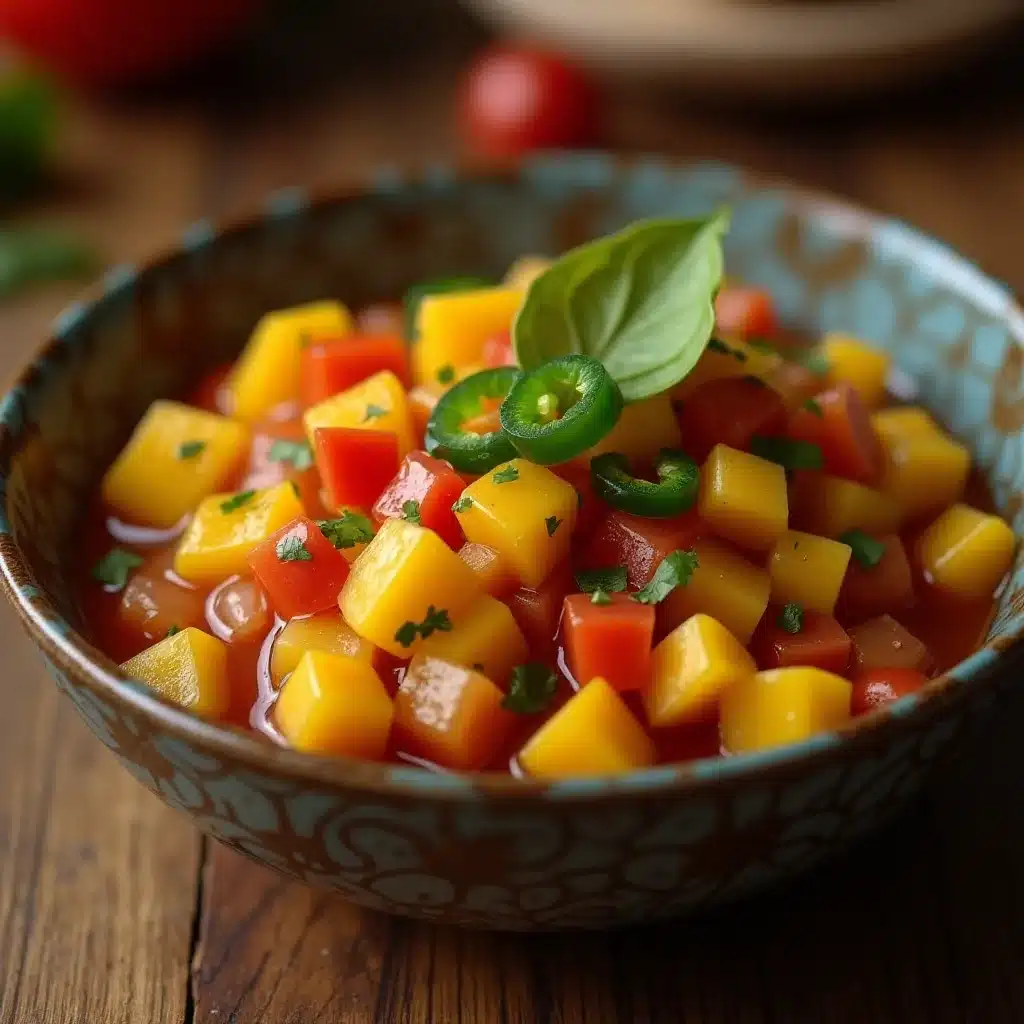
We reach for árbol when we want bright heat in salsa fresca, chili oil, and table sauces—not the slow fruit of dried guajillos. A few toasted pods lift guajillo tacos when the sauce needs extra snap.
Bookmark the chili library for sibling pepper guides.
What if you cannot find árbol?
In Southeast Asia morning markets, long thin dried red chiles (Thai prik pon style) toast similarly—start with half the amount and taste. At home, fresh serrano or crushed red pepper can stand in for heat, but the nutty toast note is different.
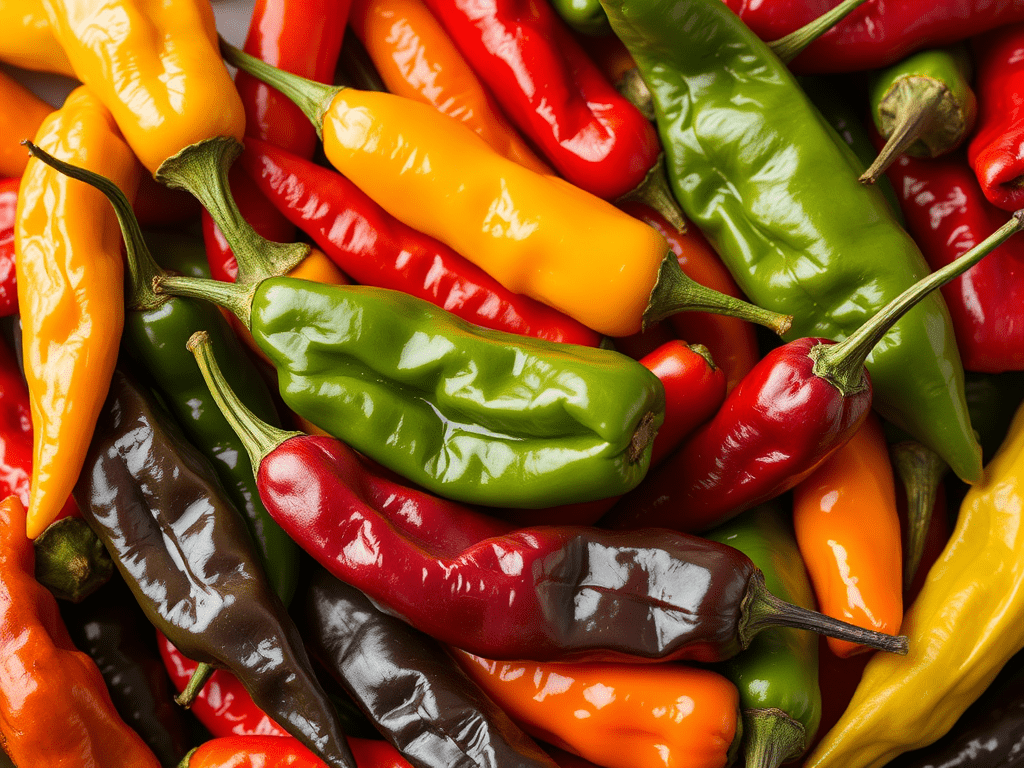
For mild dried swaps, compare guajillo substitutes and ancho substitutes on the mild end of the rack.
How do you store dried árbol chiles?
Airtight glass away from stove steam; pods should snap, not bend softly. In humid rental kitchens we label the jar month-opened and freeze backup bags when we buy in bulk on the road.
What mistakes burn árbol salsa?
- Blackened toast: Bitter smoke overwhelms nutty notes—pull pods early.
- Whole pods in oil: Seeds concentrate heat; stem and seed for family plates.
- Water-only hand wash: Capsaicin spreads with water—use dish soap or oil.
- When markets run short: Long thin Asian dried reds work at half volume after a test toast.
“Dad takes the seeds out when the salsa is for me—I still get the smoky taste without the fire.”
— Victor Mayerhoffer, age 9
What should you remember about árbol chiles?
- Heat: About 15k–30k SHU—toast for nutty smoke, seed for family plates.
- Prep: Brief dry toast; soak or grind for salsa and chili oil.
- Store: Airtight, cool, dark—pods should snap.
- Next: Dried guajillos · Heat atlas · Chili library.
Keep exploring after this árbol chili guide
More guides we reach for in Mexican, Thai, and weeknight kitchens—grouped so you can compare heat, swap dried chiles, or jump to a family recipe.
- Start here: Chili pepper library · Ultimate guides hub · Recipes archive
- Compare & swap: California vs guajillo · Guajillo substitutes · Serrano vs jalapeño · Thai chili guide · Árbol chili
- Cook tonight: Guajillo beef tacos · Ancho pepper recipes · Chipotle in adobo · Pad kra pao
- Who we are: Oliver Mayerhoffer · Natalia Mayerhoffer · Editorial policy · Affiliate disclosure
Questions we hear often
What is the Scoville heat level of arbol chili?
How do I stop the chile burn on my hands?
Can I find arbol chiles in Thailand?
Meet the Mayerhoffers
“Free-spirited food adventurers, culture-seekers, and the guardians of 15 years of global memories.”

Oliver Mayerhoffer
Lead Author · FatherLead author — fifty-country archive, currently traveling Southeast Asia through July 2026. Oliver brings field-tested recipe structure and honest weeknight notes from family kitchens abroad.

Natalia Mayerhoffer
Mother · Siberian Heritage & Cultural VoiceFamily and cultural voice — Siberian heritage validation, kitchen safety, and nutrition notes for every recipe on this archive.
“Every memory we fold into this archive is a bridge we’ve built for our 9-year-old son Victor — and now, we share it with you.”
Explore Our Full Family ArchiveWhat sources back this árbol chili guide?
Heat, handling, and nutrition notes cross-checked with the references below.
Wikipedia — chile de árbol
Dried tree chili profile
Read sourceWikipedia — Scoville scale
Heat measurement
Read sourceHealthline — chili peppers
Capsaicin context
Read sourceUSDA FSIS
Safe handling
Read sourceEditorial field notes
Mayerhoffer árbol toast and swap notes — July 2026 rental kitchens
Explore next


Arbol chili routing
Arbol guide linked to guajillo page, salsa fresca, and chili library.