Editorial standards: editorial policy · Affiliate disclosure: affiliate disclosure · Family-tested archive — updated 2026-07.
Skillet-to-oven sear method
How to Cook Beef Strip Loin Steaks
Room-temp strip loin, hard sear, 400°F finish to 130°F — steaks we cook when the grill is off but Victor wants restaurant crust, July 2026.
How do you cook beef strip loin steaks?
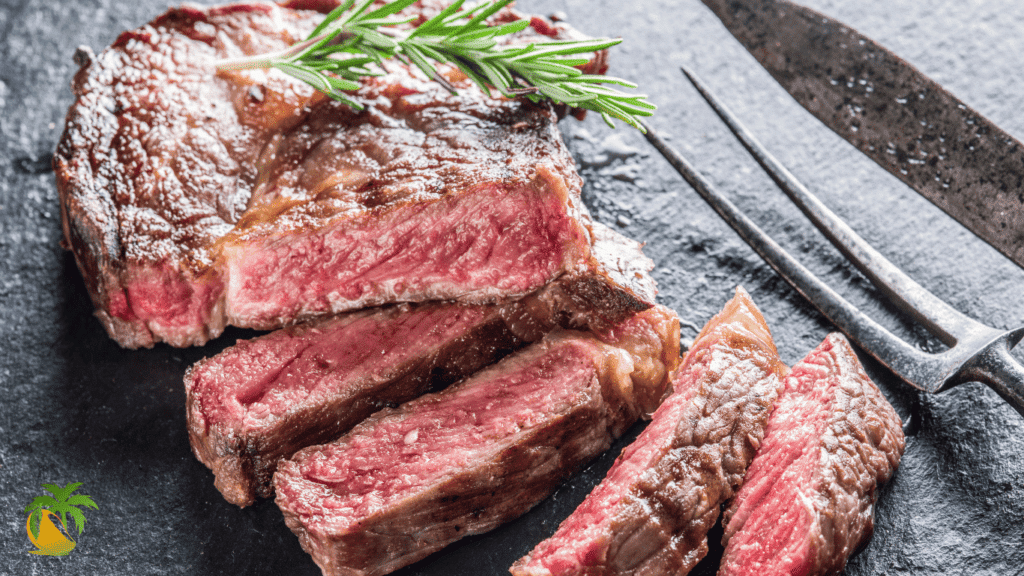
Bring strip loin steaks to room temperature, season generously, sear in a hot oiled skillet two to three minutes per side, then finish in a 400°F oven until 130°F to 135°F for medium-rare. Mayerhoffer family method from July 2026 rests steaks five minutes before slicing against the grain — use a thermometer, not color alone.
Oliver writes from Southeast Asia fieldwork through July 2026; Natalia reviews safety and nutrition notes; Victor is the final vote on family plates.

Our Story: From New York Sizzles to Samui Feasts
My relationship with high-quality protein began solo at age 15 in the markets of New Delhi. Whether I was exploring the New York strip culture in Manhattan or navigating authentic Argentine asados, I learned that how to cook beef strip loin steaks is a social contract with the ingredient. In 2015, on the quiet shores of Koh Chang, I met Natalia—a medical professional who believes food is the ultimate restorative fuel.
When Victor was born in 2016 on Koh Samui, our family steak night recipes became a ritual of consistency and safety. We needed methods that worked in tiny Airbnb kitchens while delivering the iron-rich nutrients a growing explorer needs. Whether we are pairing a prime cut with our zesty margarita pairing or using our smoky guajillo sauce logic, we prioritize the perfect sear.
Currently traversing the islands for our 2026 tour, we solve the “” for families by providing first-hand sizzling steak guides. By following our steak authority guides, you can turn beef strip loin steak recipes into high-performance high-protein travel meals. If you’re currently in our 2026 Hua Hin basecamp, you know that finding a juicy beef strip loin is the key to a restorative travel diet.
🌿 Natalia’s Clinical Strategy: Iron Bioavailability
From a clinical perspective, strip loin is a powerhouse of heme-iron and Vitamin B12. I audit every Victor-Tested method to ensure we preserve the nutritional soul of the beef. By hitting the precise medium-rare steak temperature , we maintain metabolic satiety and support immunity for our family.
This is a core pillar of our healthy family meal plans and helps us compare results with our pork steak recipes protocols .
The Technical Secret: Steak Marbling and Flavor Retention
To understand how to cook beef strip loin steaks , you have to look past the surface. These specific beef short loin cuts are defined by their intramuscular fat. According to technical data from the USDA FoodData Central , it is this marbling that creates the “juicy” sensation.
When heat hits the steak, that fat renders, essentially basting the meat from the inside.
For a truly tender strip loin steak, we must balance the Maillard reaction (the brown crust) with the internal moisture. If the heat is too low, the steak steams in its own juices, leading to a grey, rubbery texture. If you’re unsure of your meat’s quality before starting, check our steak freshness audit to ensure a safe, high-performance meal.
Family Kitchen Secret: The “Rest & Rise” Protocol
The biggest mistake travelers make in rental kitchens is overshooting the strip loin steak internal temp. Because beef continues to cook after it’s removed from the heat, our family uses a specific 2026 protocol.
The Target:
Pull your steak off the heat when it hits 130°F (54°C). During a 5-minute rest, “Carry-over Cooking” will naturally elevate the meat to the medium-rare steak temperature of 135°F. This prevents the fibers from tightening, resulting in a juicy beef strip loin that Victor loves.
Pan Seared Strip Loin Steak Methods vs. Global Grilling
Whether you are grilling strip loin steak over an open flame or using pan seared strip loin steak methods in a cast-iron skillet, the goal is a sizzling steak guide finish. While a skillet allows for butter-basting (Oliver’s favorite hospitality-grade trick), grilling provides the smoky depth we love during our Bangkok street food research. If you have a different cut, like those in our flat iron steak recipe, you’ll notice the strip loin holds its shape better for a thick, crusty sear.
🌿 Natalia’s Clinical Strategy: Iron & Travel Recovery
From a clinical perspective, red meat is a cornerstone of a restorative iron-rich diet. According to Healthline’s red meat audit, heme-iron absorption is critical for preventing fatigue during high-activity travel. By preserving the nutritional soul through correct temperature control, we ensure our high-protein travel meals actually fuel our family’s next adventure.
The Sizzling Blueprint: Mastering 2026 Steak Logistics
Whether you are following broiling strip loin steak instructions in a modern flat or firing up a charcoal pit, timing is your only variable. To help you find the best way to cook strip loin for your specific kitchen, we have audited the three most common doneness tiers. Remember: always pull the meat 5 degrees early to allow for the Mayerhoffer “Rest & Rise” protocol.
2026 Family Steak Performance Matrix
| Doneness Level | Pull Temp (F) | Final Temp (F) | Victor’s Juice Score |
|---|---|---|---|
| Rare Discovery | 120°F | 125°F | ⭐⭐⭐⭐⭐ (Super Soft) |
| Medium-Rare Goal | 130°F | 135°F | ⭐⭐⭐⭐⭐ (Perfect Bite) |
| Medium Safe-Plate | 140°F | 145°F | ⭐⭐⭐⭐ (Needs Butter) |
*Results audited using a 1.5-inch thick cut. Thin cuts (1 inch) reduce cooking time by ~25%.
For families cooking in 2026, we always recommend the medium-rare steak temperature of 135°F. It ensures the muscle fibers remain relaxed and full of moisture. If you’re working with a variety of proteins, you can compare this timing to our pork steak recipes methods, though beef allows for a much lower “Safe-Plate” threshold.
If you find a prime strip loin with exceptional marbling, skip the heavy marinades. Instead, use a ” Rub” of sea salt and cracked pepper to let the steak marbling and flavor speak for itself. We often pair this clean flavor profile with the vibrant textures found in our blueberry corn salad for a restorative summer meal.
🌿 Natalia’s Clinical Audit: Amino Acid Integrity
Clinically, overcooking red meat to “well-done” doesn’t just dry it out—it can lead to the formation of heterocyclic amines (HCAs). By sticking to our 135°F medium-rare target, we protect the nutritional soul of the protein and maintain peak amino acid integrity. This is particularly important for Victor’s healthy school lunches, where cold steak strips remain tender and nutrient-dense.
Global Flavor Sharding: Seasoning Your Discovery
Once you’ve mastered how to cook beef strip loin steaks using our thermal protocols, the next step is choosing your cultural direction. Throughout our travels, we’ve found two distinct paths that maximize steak marbling and flavor while working perfectly in a travel kitchen environment.
The Argentine Asado Path: Smoky & Bold
Inspired by our research into South American fire-cooking, this method focuses on a heavy salt crust and a bright, acidic finish. We adapt this for 2026 family life by using the smoky depth of our guajillo sauce logic as a base for a rapid chimichurri.
The Protocol:
- Dry-brub with coarse sea salt and cracked black pepper 30 mins before cooking.
- Flash-sear on a high-heat grill to create a char.
- Finish with a pour-over of fresh parsley, garlic, and vinegar.
The Hawaiian Luau Path: Zesty & Sweet
For a more tropical profile, we look to the Pacific. This beef strip loin steak recipe uses pineapple juice and soy sauce to tenderize the fibers. We always pair this zesty meal with the flavor profile found in our Hawaiian margarita guide to bridge the gap between drink and dish.
The Protocol:
- Marinate in pineapple juice, soy, and ginger for exactly 45 mins.
- Pan-sear in a skillet with a dash of sesame oil.
- Garnish with fresh cilantro and lime zest—Victor-Tested for maximum “yummy” factor.
🌿 Natalia’s Clinical Audit: Digestive Enzymes
When using the Hawaiian path, the bromelain enzyme in pineapple juice acts as a natural clinical tenderizer. It breaks down tough collagen fibers in beef short loin cuts, making them easier to digest—especially for children. I audit these marinades to ensure the acidity doesn’t strip the nutritional soul, but rather enhances the absorption of iron for your next high-protein travel meal.
Common Questions on Strip Loin Logistics
Cooking a prime cut while on the road presents unique challenges. Below are the verified, **Victor-Tested** answers to the questions we receive most often through our family feedback hub regarding how to cook beef strip loin steaks in diverse climates.
How do I find quality strip loin in Southeast Asia markets?
When exploring markets in Thailand or Vietnam, look for “Australian Grass-Fed” imports for consistent steak marbling and flavor. Local beef is often leaner and requires the enzymes from our slow-cooking massaman logic. For a sizzling steak guide result, visit high-end grocers in hubs like Hua Hin or Bangkok that specialize in chilled (never frozen) prime cuts.
What if my strip loin feels tough after cooking?
The “” here usually stems from skipping the rest period. If you cut into a juicy beef strip loin immediately, the juices flee. Always allow a 5-10 minute rest.
If the meat is still tough, it may be the cut itself; consider using the mechanical tenderizing techniques found in our Siberian pelmeni prep for future tough imports.
How do I safely store raw steak in high tropical humidity?
Natalia’s Clinical Protocol: In tropical zones, cross-contamination is a high risk. Store raw beef short loin cuts in the coldest part of your rental fridge (usually the back of the bottom shelf) at or below 40°F. For an extra layer of safety, check our raw steak storage audit .
Never leave raw meat on the counter for more than 20 minutes before cooking.
Is a New York strip the same as a strip loin?
New York strip vs strip loin is simply a matter of regional naming. Both come from the short loin. In the UK, you might find it labeled as a “Sirloin Strip.
” Regardless of the name, our medium-rare steak temperature protocol of 135°F remains the global standard for 2026 excellence.
Questions we hear often
What is the difference between strip loin and strip steak?
Should you finish strip loin steaks in the oven?
Sources and safety notes
- USDA FSIS — safe minimum cooking temperatures — beef doneness and rest times
- Wikipedia — strip steak — cut selection and searing methods
- Family field notes — Mayerhoffer kitchen testing, July 2026 Southeast Asia season

Beef and steak routing
Strip loin, grill-free steak, and fridge storage linked to the protein archive.
Written & reviewed by

Oliver Mayerhoffer
Lead author — fifty-country archive, currently traveling Southeast Asia.

Natalia Mayerhoffer
Family and cultural voice — Siberian heritage validation and kitchen safety.