Skip to Definition

What is a dried chipotle pepper?

A dried chipotle pepper is not a distinct species of chili; it is a fully ripened jalapeño preserved through a meticulous slow-smoking and dehydration process. It registers between 2,500 and 8,000 Scoville Heat Units (SHU), delivering a complex, sweet-smoky flavor profile and moderate heat.

At Mangoes & Palm Trees, Oliver’s hospitality background has taught us that the creation of authentic dried chipotle peppers is an exercise in extreme physical concentration. It requires approximately ten pounds of fresh, water-logged jalapeños to yield a single pound of lightweight dried chipotles.

Because of this immense flavor density, they function as a structural, foundational flavoring agent in our authentic recipes—from traditional Mexican adobos and complex moles to the global gastronomy we explore on our family travel routes.

Mesoamerican Legacy

Mesoamerican Roots: The Cultural Heritage of Dried Chipotle Peppers

To genuinely understand the profound cultural resonance and enduring culinary legacy of dried chipotle peppers, our family looks beyond modern restaurant kitchens to examine their origins within ancient Mesoamerican civilizations[cite: 319, 391]. Long before the arrival of European explorers in the 16th century, indigenous populations—including the Olmecs, the Maya, and the mighty Aztec Empire—had established highly sophisticated agricultural societies[cite: 271, 332].

Nahuatl Etymology: Chilpoctli

The terminology utilized today provides a direct link to this ancient past. The word “chipotle” is a direct phonetic descendant of the Aztec language, Nahuatl. It is derived from the term chilpoctli (occasionally spelled chilpotle), which translates literally to “smoked chili pepper”[cite: 320].

The Physics of Preservation: Slow-Smoking the Red Jalapeño

Natalia’s Clinical Perspective

In our family, Natalia’s Siberian heritage brings a deep respect for preservation and hearty winter survival cooking[cite: 197, 268]. The Aztecs faced a similar challenge of preserving harvests in a wildly different climate[cite: 240, 334]. While thin-fleshed peppers like the árbol chili or guajillo peppers can be safely sun-dried, the smoked jalapeño presents a unique biological hurdle[cite: 231].

Jalapeños possess thick, moisture-rich cellular walls. If left to dry in ambient air, they rot before they dehydrate. To circumvent this, the Aztecs developed the slow-smoking method[cite: 334].

The wood smoke acts as an antimicrobial agent, curing the fruit[cite: 207]. With Natalia’s medical background, we find it fascinating that these were utilized by traditional healers as expectorants and anti-inflammatory agents long before the science of capsaicin was understood[cite: 248].

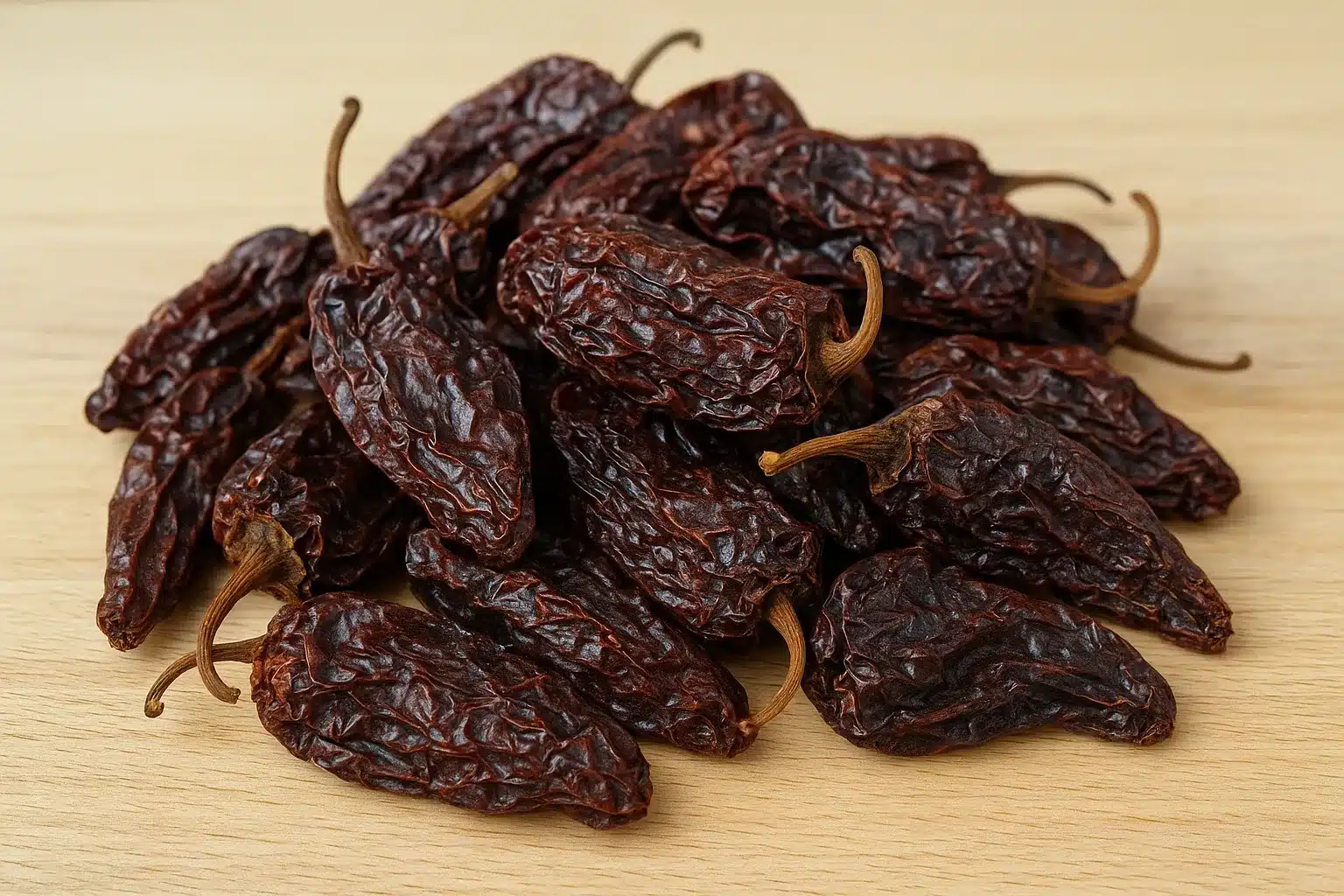
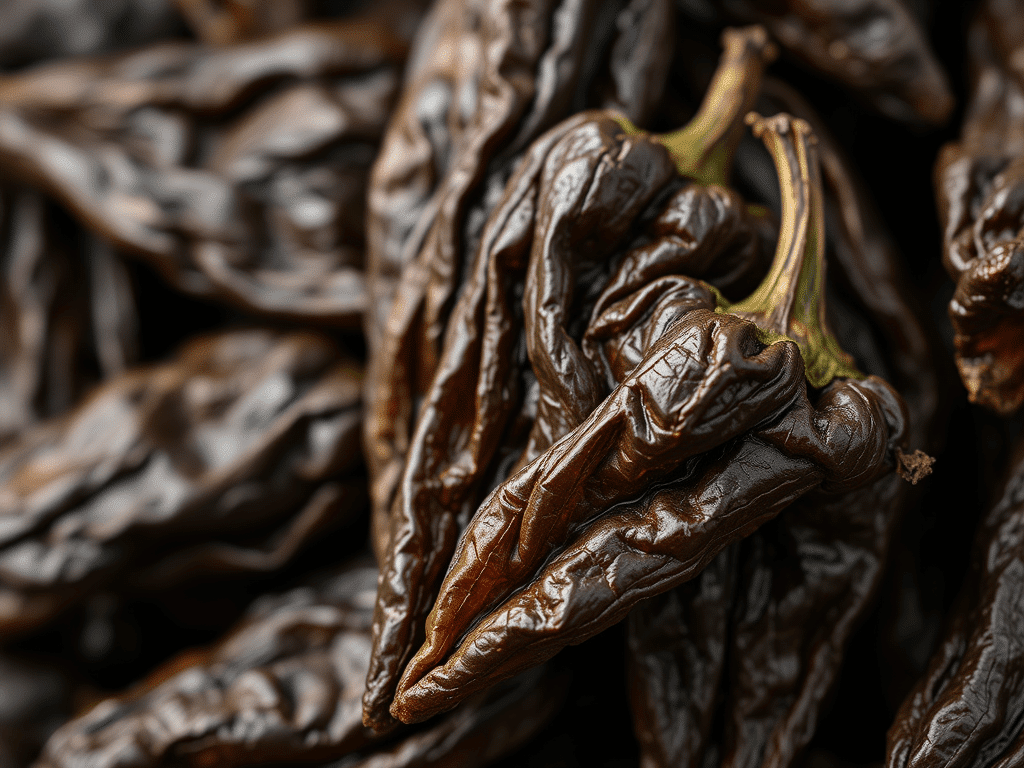
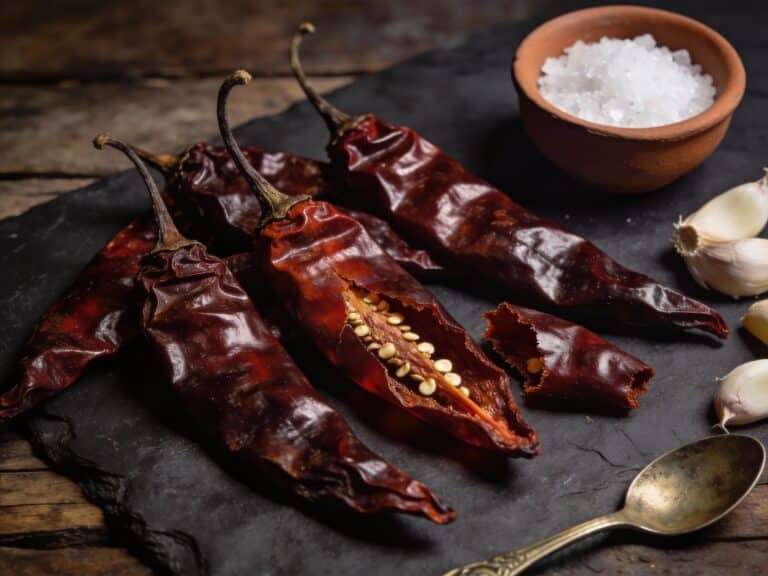
Dried Chipotle Peppers resting on a rustic table, showing the leather-like preserved texture and deep smoky color, representing centuries of Aztec culinary tradition for Mangoes and Palm Trees.
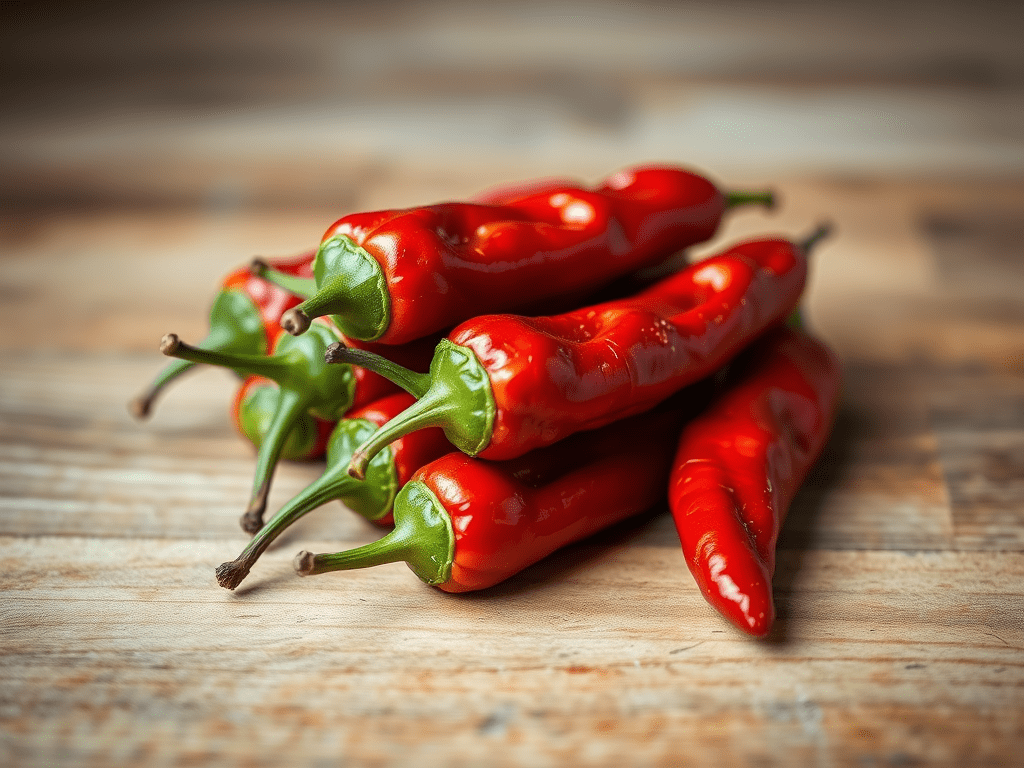
The transformation from fresh, water-dense red jalapeños into deeply concentrated, smoke-cured dried chipotle peppers[cite: 315].

Traditional Mexican Cuisine: The UNESCO Paradigm

In 2010, Mexican cuisine was inscribed on the UNESCO Representative List. Here is how the dried chipotle serves as a structural pillar[cite: 321, 375].

Heritage Element The Traditional Execution
The Sacred Triad Maize, beans, and chili peppers form the indigenous foundation. The chipotle provides the smoky depth needed to balance these staples[cite: 166, 321].
Milpa Farming A sustainable system of rotating corn, beans, and squash to prevent nutrient depletion in the soil[cite: 320].
Cocineras Tradicionales Traditional female cooks who serve as guardians of these ancestral methods, using authentically smoked chipotles to honor a living heritage[cite: 334, 391].
The Agricultural Bedrock

Chihuahua, Sinaloa, and the Modern Cultivation of Dried Chipotle Peppers

While the cultural resonance of dried chipotle peppers is profound, the modern supply chain is a massive agricultural enterprise[cite: 319, 40]. Mexico remains the unrivaled epicenter of production, utilizing fertile Calcisols and Vertisols rich in nitrogen, potassium, and magnesium to drive robust yields.

Mexican Chili Production: Economic Impact and Yields

A structured breakdown of the primary sources for the raw botanical material used in dried chipotle peppers.

Producing State Dominant Varieties Agricultural Significance
Chihuahua Jalapeño (Primary Source), Serrano Allocates ~32,000 hectares to jalapeños, yielding over 600,000 tons annually; state crop valued at ~$375 million USD.
Sinaloa Jalapeño, Serrano, Poblano Highest overall production value in 2021 at 5.59 billion pesos; average yield of 43.9 tonnes per hectare.
Zacatecas Poblano, Guajillo, Jalapeño A critical hub for sun-dried products, yielding nearly 459,000 tonnes in 2020.

The Harvest Lifecycle: From Green to Deep Ruby Red

A superior dried chipotle pepper begins long after the standard green jalapeño harvest has concluded. Smoked jalapeños require late-stage maturity where enzymatic processes convert starches into reducing sugars, creating the sweetness needed for caramelization.

Peppers are left on the vine until they reach a deep ruby red and begin to visibly desiccate. This concentration drives the heat profile to its peak—often reaching 10,000 SHU. This extended growing season carries high risk from the pepper weevil, but is non-negotiable for the “Forensic” flavor accuracy our family values[cite: 204, 308].

Oliver’s Hospitality Logistics Note

During my years managing luxury hospitality in Oman, I learned that the soul of an ingredient is tied to its “Labor Footprint”[cite: 183, 186]. In south-central Chihuahua, the chipotle harvest creates a ripple effect across the republic, necessitating the migration of up to 20,000 seasonal workers from states like Oaxaca. As a hospitality auditor, I recognize that only 20% of the red jalapeño yield is selected for the arduous slow-smoking process[cite: 206, 40]. We treat these peppers not as a background spice, but as a “Social Contract” with the farmers who endure the late-season risks.

The Chemistry of Combustion

The Traditional Architecture of the Horno

Genuine dried chipotle peppers are created through meticulously controlled combustion and atmospheric dehydration. While massive industrial food manufacturers occasionally employ liquid smoke extracts, our family prioritizes the time-honored artisanal methods that have remained largely unchanged for generations. The transformation occurs in specialized enclosed architectural structures known as hornos (ovens).

🎥 Video Masterclass: All About Chipotles with Chef Rick Bayless

A definitive guide to the culinary nuances and varieties of the Chipotle pepper.

Wood Selection: The Organoleptic Signature

The choice of wood utilized for combustion is the single most critical variable in determining the final flavor profile. In the vast agricultural heartlands of Mexico, pecan wood is universally recognized as the gold standard for smoking chipotles. It imparts a mild, sweet, and nutty smoke that perfectly balances the late-season sugars of the red jalapeño.

Fruitwoods (Apple, Pear)

Highly prized for their delicate smoke. These woods directly enhance the inherent Reducing Sugars developed during the vine-ripening phase.

Hickory and Oak

Dense hardwoods producing a robust smoke. Often used commercially to impart a pronounced, savory quality similar to cured meats.

Mesquite (Use with Caution)

A highly resinous wood common in Northern Mexican BBQ. Artisans often avoid it in chipotle production to prevent overwhelming the pod with acrid, greasy notes.

Varietal Analysis

Chipotle Meco vs. Morita: Understanding the Grand Dichotomy

A widespread misconception in global gastronomy is that all dried chipotle peppers are identical[cite: 318]. In reality, the duration spent in the smoking chamber and the botanical stage of the jalapeño yield two radically different varieties: the Chipotle Morita and the Chipotle Meco.

Forensic Comparison: Morita vs. Meco

A structured breakdown of physical characteristics, flavor profiles, and Scoville Heat Units (SHU)[cite: 313, 314].

Characteristic Chipotle Morita Chipotle Meco
Appearance Dark red to deep purplish-black; glossy; resembles a large, swollen raisin[cite: 318]. Ashy tan to coffee brown; matte; resembles dry tree bark or a cigar butt[cite: 318].
Texture Pliable, soft, and flexible; retains slight internal moisture[cite: 318]. Stiff, brittle, and leathery; virtually all internal moisture eradicated[cite: 318].
Flavor Profile Fundamentally fruity and sweet; notes of dark cherry and raisin with supportive smoke[cite: 318]. Aggressively smoky, earthy, and rich; intense nuttiness dominates the palate[cite: 318].
Heat Level 2,500 – 8,000 SHU[cite: 318]. 2,500 – 10,000 SHU (perceived higher due to extreme concentration)[cite: 318].
Primary Use Standard for chipotles in adobo sauce and retail markets[cite: 318]. Reserved for complex indigenous recipes and boutique spice purveyors[cite: 318].

The Morita: The Global Culinary Standard

The Morita is the variant most universally recognized by home cooks[cite: 318]. Because the thermal desiccation process is arrested earlier, the innate characteristics of the ripe red jalapeño shine through the pecan wood smoke[cite: 318]. It is the essential spine of our chipotles in adobo sauce guidance.

The Meco: The Traditional Artisanal Masterpiece

Conversely, the Chipotle Meco represents the absolute pinnacle of the smoking art[cite: 318]. Smoked for twice as long as the Morita, virtually all moisture is violently eradicated from the cellular structure[cite: 318]. In authentic Mexican kitchens, the Meco is the unyielding powerhouse required for complex moles where a “Forensic” depth of smoke is non-negotiable.

Culinary Chemistry

The Science of Smoke: Molecular Transformations in Dried Chipotle Peppers

To fully respect and utilize dried chipotle peppers, we must examine the cascading chemical reactions driven by thermal energy and time. The flavor of a high-quality chipotle is not merely additive; it is the result of intricate molecular shifts. Advanced scientific analysis using gas chromatography-mass spectrometry (GC-MS) reveals that the smoking process impregnates the porous flesh with phenols and guaiacol derivatives.

The Molecular Matrix: Key Flavor Compounds

A structured analysis of the volatile organic compounds generated during the slow-smoking and dehydration process.

Compound Class Specific Molecule Sensory Contribution
Phenols Guaiacol & Syringol Responsible for the characteristic sharp, roasted, and “medicinal” smoky aromas.
Furanones 4-hydroxy-2,5-dimethyl-3(2H)-furanone Provides intense caramel, sweet “browned” notes that balance phenol astringency.
Carbonyls Reactive Aldehydes Interacts with proteins to develop the deep, dark leathery stained coloration.
Volatiles Linalool Preserves the underlying, subtle floral and vegetal aromas inherent to the fresh jalapeño.

The Maillard Reaction and Strecker Degradation

Simultaneous to smoke infusion, the unrelenting thermal dehydration triggers critical non-enzymatic browning: the Maillard reaction. As heat raises the internal temperature over several days, reducing sugars react with free amino acids to synthesize hundreds of new compounds entirely absent in the raw fruit.

This process creates a chemical matrix so dense it requires careful storage to prevent the delicate oils from oxidizing. This is why we prioritize gut-healthy recipes that respect the integrity of these preserved compounds.

Natalia’s Clinical Health Note

From a clinical perspective, the concentration of capsaicin during dehydration does more than increase heat; it creates a powerful metabolic stimulant. Extensive medical literature links capsaicin to lipid oxidation (fat burning) and cardiovascular health. In our family kitchen, we treat these peppers as “Nutritional Soul” fuel. The endorphin rush caused by capsaicin binding to TRPV1 receptors isn’t just a culinary delight—it’s a scientifically validated physiological response that elevates mood during our global expeditions.

Professional Execution

The Masterclass Protocol: Extracting the Potential of Dried Chipotle Peppers

To extract the absolute maximum from the tightly bound chemical matrix of dried chipotle peppers, our family relies on a rigorous protocol I learned during my hospitality training in Austria[cite: 181, 271, 402]. Tossing a dry, brittle pepper directly into a stew is a fundamental culinary error that results in papery textures and limited flavor release.

1

Cleaning and Toasting

Wipe pods to remove agricultural dust. Remove stems and seeds (using gloves to avoid capsaicin irritation). Press flattened pods into a hot, dry cast-iron skillet for 15-30 seconds per side until fragrant. Do not char, or they will turn acrid.

2

The Rehydration Protocol

Submerge toasted pods in scalding liquid (water or rich broth) for 20-30 minutes. Use a ceramic plate to weigh them down. This osmotic transfer restores cellular pliability, preparing the flesh for the creation of complex sauce recipes.

3

Mechanical Pureeing

Transfer softened pods to a high-speed blender with 1/4 cup of soaking liquid. Blend on high power to achieve maximum cellular rupture. This process releases previously trapped aromatic volatiles, a core pillar of our how-to guides.

The Bitter Water Debate: To Discard or Utilize?

In professional hospitality, we evaluate the “Chile Water” before utilization. If your dried chipotle peppers were perfectly processed and toasted, the liquid will be aromatic and sweet—ideal for cooking jasmine rice or thinning pasta sauces.

The Rule: Always taste a spoonful. If it registers as unpleasantly bitter due to over-toasting or aged tannins, discard it immediately. Use fresh commercial stock to protect the integrity of your final dish. If a slight bitterness persists in the puree, Natalia’s clinical focus on balance suggests adding a pinch of white sugar or bright acid (lime juice) to neutralize the bitter receptor response.

Cross-Cultural Fusion

Global Gastronomy: The Chipotle as a Cultural Translator

As our family moves seamlessly through different foodways, we’ve observed that dried chipotle peppers have broken entirely free from their geographic origins. Forward-thinking kitchens leverage the chipotle’s dual profile of heat and wood-smoke to transform traditional international dishes[cite: 309, 321].

From Oman to the Maghreb

During my years in the Sultanate of Oman, I learned that Middle Eastern gastronomy thrives on complex aromatic marine layers[cite: 184, 187]. Today, we see chefs augmenting Maghrebi harissa chili paste with rehydrated chipotles. The result is a brooding, campfire-like smokiness that traditional Aleppo peppers lack, providing a “High-Velocity Family Flavor” spine to slow-cooked tagines[cite: 216].

Asian Fusion: Umami and Sizzle

In our current 2026 Thailand fieldwork cycle, we’ve explored how the earthy heat of the smoked jalapeño pairs immaculately with fermented soy and white miso[cite: 205]. We frequently emulsify rehydrated chipotle paste into dashi-based Japanese udon soups or Asian-inspired barbecue glazes to achieve a “Nutritional Soul” balance of sweet, salty, and spicy[cite: 216, 308].

Sovereign Substitution Matrix

Precise strategies for when authentic dried chipotle peppers are unavailable[cite: 412].

Application Optimal Substitute Mayerhoffer Protocol Adjustment
Dry Rubs Smoked Paprika + Cayenne Paprika replicates smoke but lacks heat. Add cayenne to restore the 5,000 SHU profile.
Wet Sauces Canned Chipotles in Adobo The most direct swap. Rinse pods if the tangy vinegar profile conflicts with your dish.
Meco Depth Dried Pasilla de Oaxaca Heavily smoked but registers at 15,000+ SHU. Apply sparingly to protect the family palate.
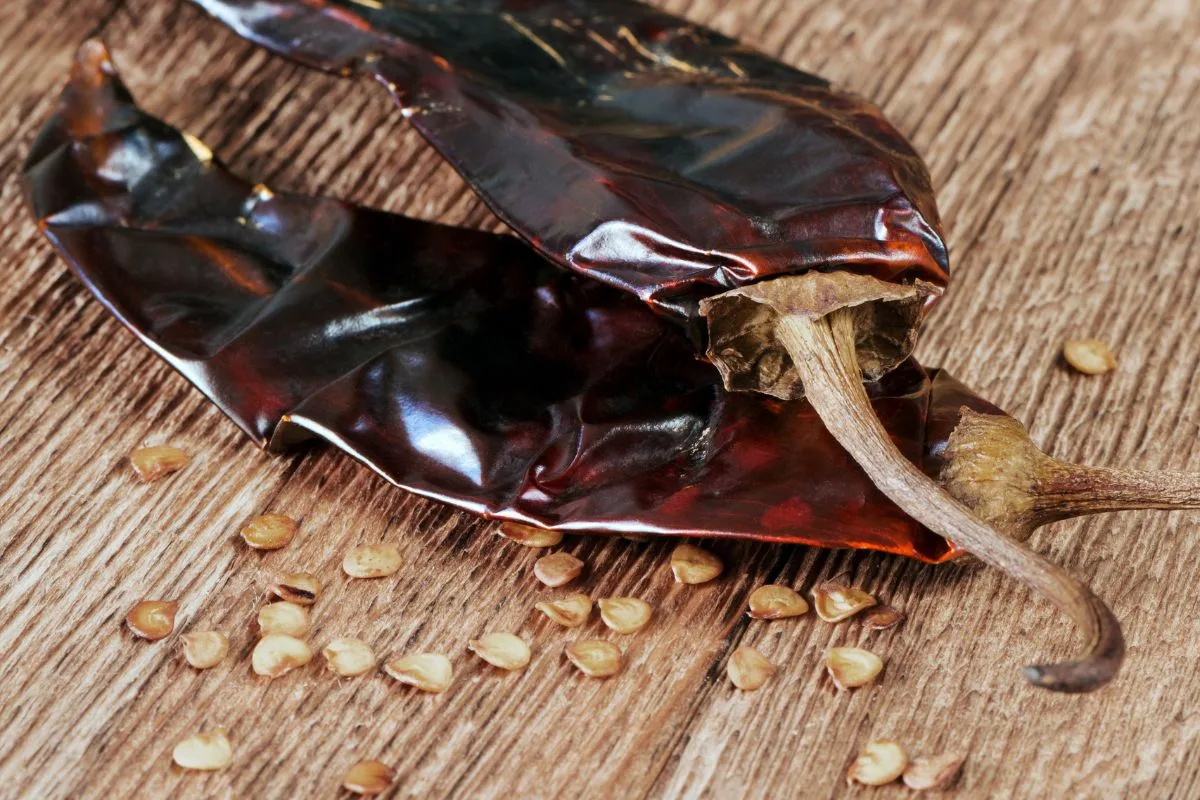
Mild Base Dried Guajillo Offers fruity, slight smoke without intense campfire notes. Ideal for low heat tolerance[cite: 149].

Global Sourcing and Tropical Logistics

The explosive global demand for authentic ethnic flavors has successfully decentralized the distribution of dried chipotle peppers. However, acquiring premium variants like the elusive Chipotle Meco outside of the Americas still requires navigating specialized import networks.

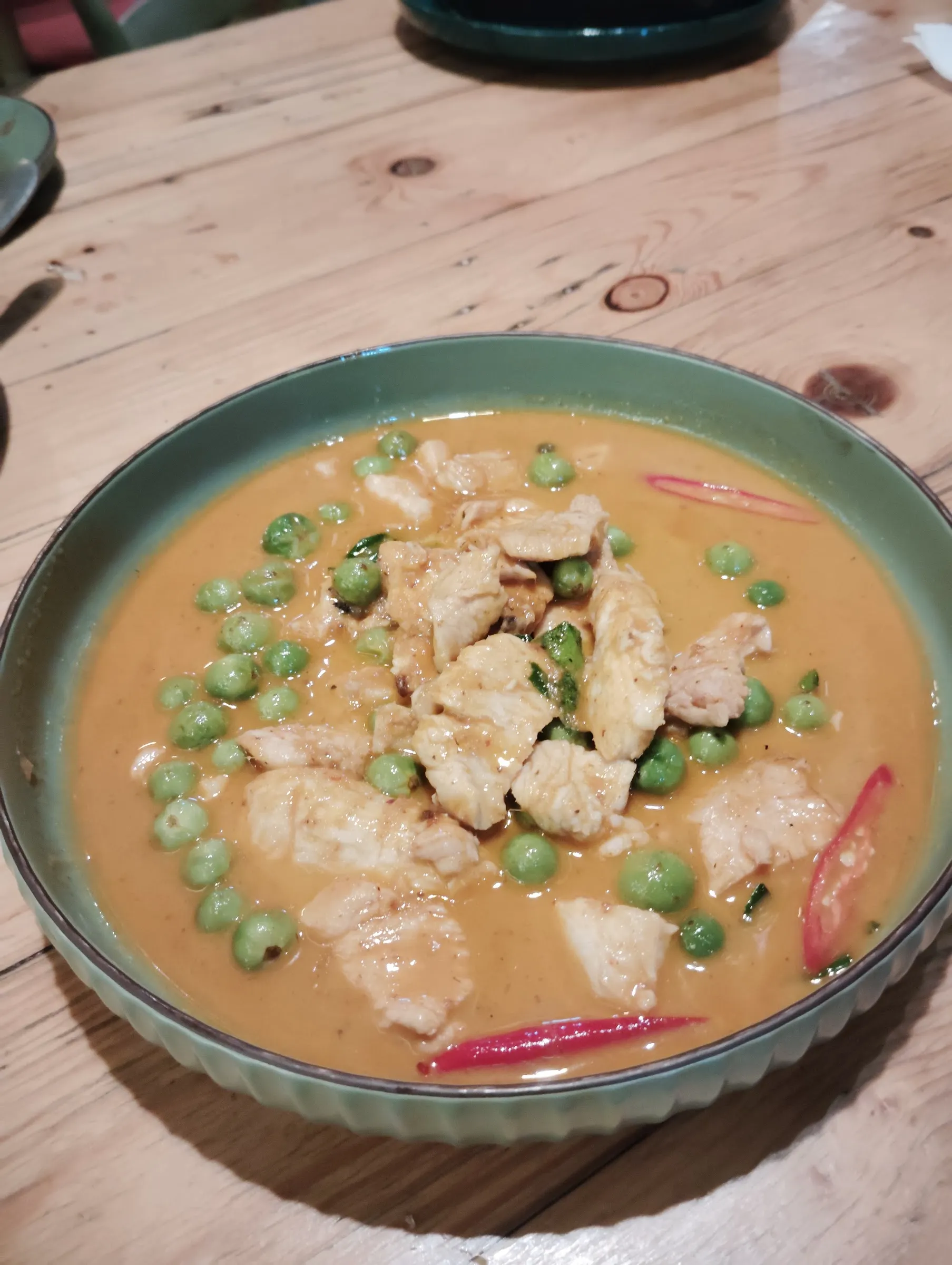
During our current 2026 fieldwork in Bangkok, Thailand—a region where fresh local bird’s eye chilies dominate—we’ve found that substituting fresh heat for the complex wood-smoke of a chipotle irreparably alters the Nutritional Soul of a dish[cite: 322]. Whether sourcing through high-end purveyors in Dubai or niche e-commerce platforms in Southeast Asia, verifying the “Provenance Artifacts” of your pods is essential for culinary accuracy.

The Tropical Logistics Protocol

Despite being thoroughly dehydrated, dried chipotle peppers remain vulnerable to atmospheric degradation. The highly unsaturated chemical compounds responsible for their flavor—phenols and furanones—oxidize rapidly when exposed to harsh light, high heat, or ambient humidity.

The Protocol: Store pods in airtight glass containers placed in a cool, pitch-dark, and bone-dry pantry. Under these controlled conditions, high-quality pods will maintain their sensory profile and essential oils for six months to two years.

Oliver Mayerhoffer

Oliver Mayerhoffer

Hospitality Auditor & Digital Architect

Leveraging 15+ years of operational discipline from Austria to Oman, Oliver translates complex culinary logistics into practical kitchen logic. He ensures every guide meets the Sovereign Standard of integrity[cite: 333, 402].

Natalia Mayerhoffer

Natalia Mayerhoffer

Cultural Navigator & Clinical Lens

With a clinical background and Siberian roots, Natalia protects the cultural soul of our archive. She validates the nutritional integrity and historical context of every global tradition we document[cite: 334, 400].

Sovereign Evidence Library

These verified Tier 1 and Tier 2 sources provide the institutional research foundation for our 2026 chipotle analysis.

PubMed (NIH)

Scientific study on the 50% increase in antioxidants and phenols during the slow-smoking process.

Verify Scientific Data

UNESCO Heritage

Official designation of Traditional Mexican Cuisine as Intangible Cultural Heritage of Humanity.

Verify Cultural Status

NMSU Chile Institute

Botanical data and Scoville Heat Unit (SHU) ratings for the fully ripened Capsicum annuum.

Verify Botanical Facts

USDA FoodData Central

Nutritional profiles and mineral concentration data for smoke-dried jalapeños.

Verify Nutritional Soul

Expert FAQ: Dried Chipotle Peppers

Is a dried chipotle pepper a unique species of chili?

No. Dried chipotle peppers are not an independent species; they are botanically classified as Capsicum annuum. A chipotle is a fully ripened red jalapeño that has undergone a slow-smoking and dehydration process, which transforms its flavor from crisp and vegetal to sweet and smoky.

What is the main difference between Chipotle Meco and Morita?

The primary difference is the duration of smoking. Chipotle Moritas are smoked for less time, remaining soft, pliable, and fruity. Chipotle Mecos are smoked for nearly twice as long until all moisture is eradicated, resulting in a stiff, leathery texture and a profound, campfire-like smokiness.

Should I keep the soaking water after rehydrating chipotle peppers?

Only if the water passes a taste test. If the peppers were high-quality and toasted correctly, the “chile water” will be aromatic and sweet, perfect for our authentic recipes. If it tastes unpleasantly bitter or astringent, discard it immediately to protect the integrity of your dish.

How many Scoville Heat Units (SHU) are in a dried chipotle?

Most dried chipotle peppers register between 2,500 and 8,000 SHU. However, because the desiccation process concentrates the capsaicinoids, some heavily shriveled variants can reach up to 10,000 SHU, providing a significant but warming heat profile.

What are the health benefits of consuming chipotle peppers?

Chipotle peppers are rich in capsaicin, a lipophilic compound with significant anti-inflammatory and cardiovascular benefits. Clinical research suggests capsaicin promotes lipid oxidation (fat burning) and triggers the release of endorphins, making it a functional component of a healthy meal plan.

The Curators of This Archive

Natalia Mayerhoffer

Natalia Mayerhoffer

Cultural Storyteller & Clinical Lens

Natalia protects the cultural soul of our work. Drawing on her Siberian heritage and clinical medical background, she validates the preservation techniques and anti-inflammatory properties discussed in this guide[cite: 334, 400].

Oliver Mayerhoffer

Oliver Mayerhoffer

Hospitality-Trained Adventurer

Oliver is the technical backbone of the brand. With 15+ years in luxury hospitality from Austria to Oman, he translates complex spice chemistry and agricultural logistics into practical home cooking[cite: 304, 333].

Victor Mayerhoffer

Victor Mayerhoffer

Chief Taste Auditor & Reality Check

Victor ensures our “High-Velocity Family Flavor” standards are met. His perspective ensures the smoky heat of the chipotle remains approachable for young travelers and families[cite: 208, 306, 401].

Mangoes & Palm Trees is a verified digital entity. View our Audio Archive.

Similar Posts

Leave a Reply

Your email address will not be published. Required fields are marked *