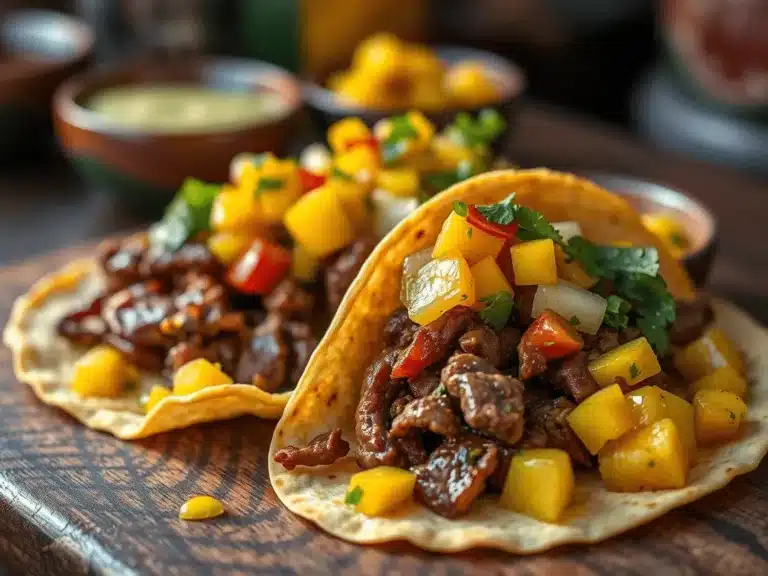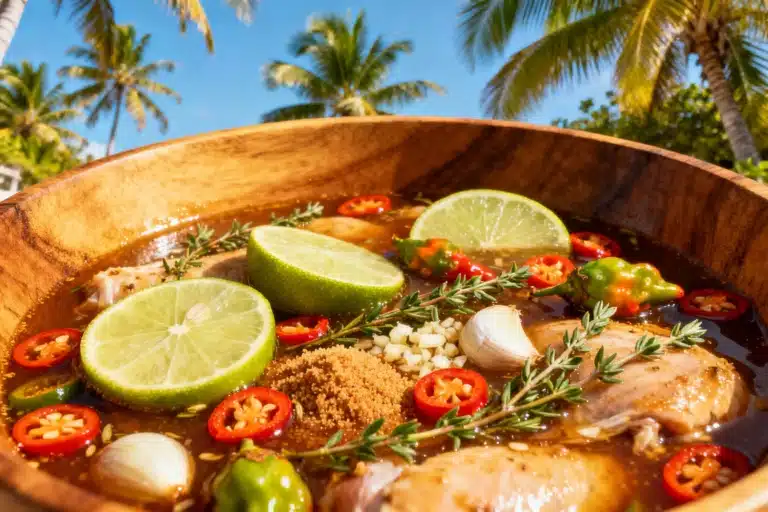
What is Carnitas? vs Barbacoa, Pulled Pork & Carne Asada Four Meals That Changed How We Understand Food
Mastering authentic flavors requires a forensic understanding of technique. What we learned by sitting down with families who cook these dishes every day—and why understanding the exact differences between these slow-cooked meats matters at your table.
What is the main difference between Carnitas, Barbacoa, Pulled Pork, and Carne Asada?
The primary difference is the cooking technique and meat cut. Carnitas is pork shoulder confit-cooked in lard and crisped. Barbacoa is beef or lamb slow-steamed in an underground pit for a wet texture. Pulled Pork is wood-smoked Southern American BBQ. Carne Asada is citrus-marinated steak grilled quickly over high heat.
I was standing in a market in Michoacán, Mexico—the kind of market where vendors have been cooking in the exact same spot for thirty years—and someone handed me a piece of carnitas. I took a bite, and something clicked. It possessed a highly specific architectural contrast: shatteringly crispy on the outside, yet impossibly tender on the inside. It had history in it. It had technique. It had a story.
That moment validated a core philosophy we follow on our Family Food Travel Blog. Over the past 25+ years of global movement, we have learned that the best way to understand food isn’t through sterile culinary theory. It is through actually sitting down with the families who hold the secrets to these traditions.
This guide is built from conversations with families in Mexico who have been mastering the copper pot for generations, time spent observing Texas barbecue pits, and the discipline I learned during my hospitality training in Austria and Oman. We document these techniques to ensure every entry in our Recipe Index—from the best Mexican soup recipes to complex slow-roasts—honors its origin while remaining practical for your kitchen.
What Are Carnitas? Origin, Meat Cuts & The Traditional Method
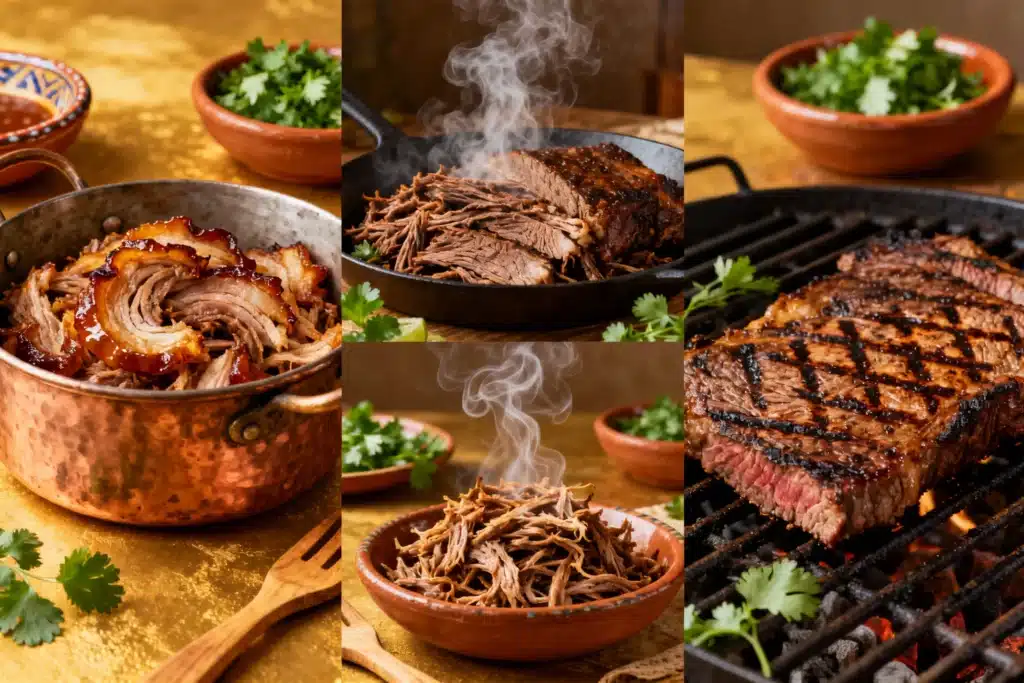
Carnitas, translating to “little meats,” is a traditional Mexican pork dish originating from the state of Michoacán. The preparation involves slowly simmering highly marbled pork cuts in rendered lard until the connective tissue breaks down, followed by a high-heat crisping phase to create a tender, caramelized, and crunchy texture.
Colonial Origins & Cultural Significance
According to historian Salvador Novo’s text “Gastronomic History of Mexico City,” the origin dates back to 1521. Spanish conquistador Hernán Cortés ordered pigs—initially brought from Cuba—to be cooked in their own lard, then served on Tlaxcalan cornbread.
While some historians greet this legendary origin story with skepticism, what’s undeniably true is that pigs were introduced to Mexico by the Spanish in the early 16th century, and the tradition of cooking pork in its own fat flourished a century later in Michoacán. The state’s long history of copper working created the perfect vessel for this technique: the signature copper pot called a cazo de cobre.
What Meat Is Carnitas Made Of?
Carnitas are strictly made from heavily marbled pork cuts that contain high amounts of fat and connective tissue. The most common and effective cut is the pork shoulder, also known as the Boston butt. Traditional Michoacán preparations frequently utilize the entire pig, including ribs, legs, and skin for textural variety.
While lean cuts like pork loin are occasionally used, they require careful monitoring to prevent drying out. For home cooks looking to experiment with similar marbled cuts and lipid dynamics, we explore these structures further in our best pork steak recipes guide.
The Confit Technique & 165°F Safety Promise
Carnitas are prepared using a technique identical to French confit. The pork is slowly simmered in fat (traditionally lard) for 3-4 hours at low heat (200-220°F). As the moisture is slowly drawn out, it is replaced by fat.
Oliver applies his Austrian hospitality training here to ensure absolute safety at the family table. By utilizing a meat thermometer, we guarantee the pork reaches our 165°F Safety Promise before the critical final step: increasing the heat to rapidly crisp the exterior, creating those signature caramelized, chicharrón-like crunchy bits.
Flavor & Texture Profile
Carnitas deliver a complex, dual-texture sensory experience that is completely unique among slow-cooked meats.
| Aspect | Carnitas Characteristic |
|---|---|
| Texture | Tender, juicy interior with crispy, caramelized edges. Moisture-rich but not soggy. |
| Flavor Base | Rich, deeply porky, with fat-induced unctuousness and a savory, salty bite. |
| Spice Profile | Generally mild—bay leaf, garlic, cumin, oregano. Relies on pork fat, not heavy chili heat. |
| Citrus Notes | Mildly citrusy if cooked with orange or lime, adding brightness to cut the rich lipid structure. |
Visual Masterclass: The Traditional Copper Pot Method
At Mangoes & Palm Trees, we cross-reference our field notes with recognized culinary masters to ensure our readers receive the highest standard of instruction. Notice how the traditional cazo de cobre (copper pot) technique demonstrated here aligns perfectly with the confit rendering process Oliver documented in Michoacán.
Why we audited this: Rick Bayless (1.2M+ views) provides one of the most technically accurate visual demonstrations of authentic, lard-simmered carnitas. This confirms the exact moisture-evaporation and high-heat crisping physics required to achieve the dual-texture profile.
What Is Pulled Pork?
Pulled pork is a Southern American barbecue staple made by smoking tough cuts of pork, typically the shoulder or Boston butt, low and slow over wood. This prolonged cooking method breaks down connective tissue, resulting in soft, shreddable meat with a distinct smoky flavor, often served with barbecue sauce.
While carnitas and barbacoa represent Mexican culinary traditions, pulled pork comes from the Southern United States BBQ culture—particularly North Carolina, South Carolina, Tennessee, and Texas. According to Tasting Table’s BBQ experts, while both carnitas and pulled pork use pork shoulder and slow-cooking, they’re prepared using completely different methods and flavor profiles[91].
Carnitas vs Pulled Pork: The American BBQ Tradition
Pulled pork evolved from Southern American barbecue traditions, where smoking meat low and slow over wood became a cornerstone of regional cuisine. Unlike carnitas (which uses confit-style lard cooking) or barbacoa (underground pit steaming), pulled pork is defined by its wood-smoke flavor and long cooking times that transform tough pork shoulder into tender, shreddable meat.
The term “pulled” refers to the method of shredding the cooked meat by hand or with forks—literally pulling it apart into stringy pieces. This technique works best with cuts that have abundant connective tissue that breaks down during extended low-heat cooking.
What Cut of Meat Is Used?
Pulled pork uses the exact same cuts as carnitas—making the cooking method the primary differentiator:
- Pork shoulder (Boston butt) — Most common, offers the best fat-to-meat ratio for long smoking.
- Pork butt — Same as shoulder, the upper portion of the front leg.
- Picnic roast — Lower portion of the shoulder, slightly less fatty but equally suitable.
According to Allrecipes’ culinary team, both carnitas and pulled pork can use Boston butt or picnic roast—these are merely different parts of the whole shoulder[97]. The key difference isn’t the cut but how it’s cooked and finished. For those looking to master this exact cut over indirect heat, we cover the thermal breakdown extensively in our best smoker recipes for beginners guide.
The Traditional Smoking Method
Traditional pulled pork preparation involves heavy smoking, though modern home variations frequently adapt this using slow cookers or ovens:
- Dry rub application: Coat pork shoulder generously with a spice rub containing paprika, brown sugar, garlic powder, onion powder, black pepper, cayenne, and salt[91].
- Rest & absorb: Let rub penetrate meat for 1-12 hours (refrigerated if overnight).
- Prepare smoker: Heat smoker to 225-250°F (107-121°C). Use wood chips/chunks (hickory, apple, cherry, oak) for smoke flavor.
- Smoke (8-12 hours): Place pork on the smoker, fat-side up. Maintain a steady temperature and smoke throughout cooking.
- Cook to 195-205°F internal: Meat is done when the internal temperature reaches 195-205°F (91-96°C)—significantly higher than the “safe” 145°F because connective tissue needs extended time and heat to melt.
- Rest (30-60 minutes): Wrap in foil and rest to allow juices to redistribute.
- Pull apart: Using forks or hands, shred meat into bite-sized pieces, discarding large fat chunks.
- Sauce (optional): Mix with BBQ sauce (tomato, vinegar, or mustard-based depending on the region).
The Crucial Difference Unlike carnitas, pulled pork is never fried or crisped at the end[91][97]. It remains soft, moist, and tender throughout—relying heavily on smoke flavor and optional sauce rather than the textural contrast derived from crispy, caramelized bits.
Flavor & Texture Differences
Here is how the American smoking tradition contrasts with the Mexican confit style in terms of palate experience:
| Aspect | Pulled Pork Characteristics |
|---|---|
| Texture | Soft, stringy, moist. Tender throughout with absolutely no crispy bits. Falls apart easily. Can be slightly drier than carnitas if not generously sauced. |
| Primary Flavor | Smoky from hardwood (hickory, apple, cherry). The pork flavor is present, but the smoke and spice rub dominate the palate. |
| Seasoning | Heavy dry rub spices (paprika, garlic, onion, black pepper, cayenne). Distinctly sweet from the brown sugar or molasses used in the rub[91]. |
| Sauce Tradition | Almost exclusively served with BBQ sauce (tomato-based, vinegar-based, or mustard-based). While technically optional, it is culturally common. |
| Mouthfeel | Lean and tender in the mouth. It lacks the fatty, unctuous coating provided by the lard in carnitas. Absorbs added liquid sauces exceptionally well. |
Modern Variations While traditional pulled pork requires a dedicated outdoor smoker, home cooks achieve excellent results with slow cookers (8 hours on low), Instant Pots (90 minutes high pressure + natural release), or Dutch ovens (300°F oven for 5-6 hours). Add liquid smoke (1-2 tsp) to mimic the authentic smoky flavor when using these indoor methods.
What Is Carne Asada?
Carne asada translates to “grilled meat” in Spanish. Unlike slow-cooked carnitas or barbacoa, it utilizes thin, lean beef cuts like skirt or flank steak. The meat is soaked in a bright citrus marinade, grilled rapidly over high heat to achieve a charred exterior, and sliced against the grain.
Carnitas vs Carne Asada: High-Heat Grilling
Carne asada represents a completely different culinary approach from the slow-cooked preparations of carnitas, barbacoa, and pulled pork. While carnitas relies on low-temperature confit rendering over several hours to break down dense connective tissues, carne asada utilizes acidic marinades and rapid, high-heat searing.
Instead of pulling apart in moist, stringy clusters, properly executed carne asada retains a firm, steak-like chew that contrasts brilliantly against soft taco shells and fresh pico de gallo.
What Meat Is Used?
Unlike the other three meats (which rely heavily on pork shoulder or beef cheeks/chuck), carne asada demands thin, relatively lean beef steaks that perform well over direct flames:
- Skirt steak — The most traditional choice, featuring a thin cut with visible grain. Very flavorful, with moderate tenderness.
- Flank steak — Slightly thicker than skirt and leaner. Requires careful slicing against the grain.
- Flat iron steak — A tender alternative with good marbling. Less traditional but increasingly popular.
When evaluating cuts, you want steaks with enough marbling to achieve a buttery texture. We apply similar high-heat principles in our guide on how to cook beef strip loin steaks, ensuring maximum tenderness without overcooking.
Citrus Marinade & High-Heat Grilling
Carne asada preparation is notably faster than slow-cooked meats—taking hours to passively marinate, but only minutes to actively cook:
- Create marinade: Whisk together olive oil, soy sauce, fresh lime juice (1 lime), orange juice (1/4 cup), red wine vinegar, diced onion, chopped cilantro, minced garlic (4 cloves), minced jalapeño, sea salt, chili powder, paprika, black pepper, and red pepper flakes.
- Marinate steak (4-8 hours): Place the steak in a glass dish, coat entirely, and refrigerate. Longer marination allows the citric acid to break down meat fibers.
- Bring to room temperature (20-30 minutes): Critical step—never grill cold meat directly from the fridge.
- Preheat grill (HIGH heat): Heat charcoal or gas grill to 450-500°F (232-260°C). Brush grates with oil.
- Grill (7-10 minutes total): Pat the meat dry to ensure a sear rather than a steam. Grill 7-10 minutes per side for medium.
- Rest & Slice: Rest for 5 minutes, then slice thin and perpendicular to the grain direction to ensure maximum tenderness.
Flavor, Texture & Uses
Carne asada shines in applications where you want a distinct, aggressively seasoned beef presence rather than rich, falling-apart tenderness.
| Characteristic | Carne Asada Profile |
|---|---|
| Texture | Charred exterior with grill marks. Chewy yet tender when sliced correctly against the grain. |
| Primary Flavor | Smoky, charred, boldly beefy. Noticeable citrus notes from the lime/orange marinade, with strong garlicky undertones. |
| Seasoning | Bright and zesty—citrus juice, soy sauce, garlic, chili powder, cilantro. Intensely flavored. |
| Fat Content | Leaner than carnitas or pulled pork. Fat comes strictly from the cut’s marbling, not external lard rendering. |
| Best Uses | Tacos, California-style burritos, carne asada fries, nachos, and salads. Ideal with fresh pico de gallo. |
Critical Technique Slicing against the grain is non-negotiable for carne asada. Muscle fibers run in one direction (the “grain”)—you must cut perpendicular to these lines. This severs the tough fibers, ensuring each bite is tender rather than rubbery. Rotate your cutting board if needed to maintain the proper angle.
How to Choose: Carnitas, Barbacoa, Pulled Pork, or Carne Asada?
Choose Carnitas for a crispy-tender confit texture. Choose Barbacoa for deep, earthy, fall-apart beef served with a rich dipping consommé. Choose Pulled Pork for a tender, wood-smoked American BBQ profile. Choose Carne Asada for a quick-grilled, charred, and citrusy beef chew.
Now that we’ve explored each protein individually, let’s compare them side-by-side across every dimension—meat type, cooking method, texture, flavor, and ideal uses. This forensic breakdown ensures you deploy the exact culinary technique required when planning your meat recipes for the family table.
| Feature | Carnitas | Barbacoa | Pulled Pork | Carne Asada |
|---|---|---|---|---|
| Meat Type | Pork (shoulder/butt) | Beef (cheeks/chuck) or lamb/goat | Pork (shoulder/butt) | Beef (skirt/flank steak) |
| Origin | Michoacán, Mexico (16th century) | Caribbean/Mexico (ancient, 4,500+ years) | Southern USA BBQ (NC, TN, TX) | Mexico (grilled beef tradition) |
| Cooking Method | Confit in lard 3-4hrs, then crisp at high heat | Underground pit steam-roast 8-12hrs | Smoke 8-12hrs at 225-250°F | Marinate 4-8hrs, grill 7-10 min per side |
| Texture | Crispy exterior, tender interior. Some crunch. | Soft, juicy, stringy. Falls apart. Very wet. | Soft, moist, stringy. Tender throughout. | Charred, chewy-tender. Firm with grill marks. |
| Primary Flavor | Rich pork, slightly citrusy, salty. Fat-forward. | Deeply savory, earthy, beefy. Adobo spices. | Smoky (wood), sweet (if sauced). Mild pork. | Smoky-charred, beefy, citrusy, garlicky. |
| Serving Style | Tacos, burritos, tortas, quesadillas | Tacos, bowls, gorditas, consommé side | Sandwiches, tacos, nachos, BBQ plates | Tacos, burritos, fries, bowls, salads |
Quick Decision Guide: Which Should You Choose?
Choose Carnitas If You Love:
- Crispy-tender texture contrast
- Rich, fatty, indulgent pork
- Authentic Michoacán tradition
- Tacos & burritos (Mexican style)
Choose Barbacoa If You Love:
- Deep, earthy, savory beef
- Fall-apart tender, juicy meat
- Consommé for dipping/sipping
- Special occasion cooking
Choose Pulled Pork If You Love:
- Smoky BBQ flavors
- Soft, tender, sauce-ready meat
- American BBQ tradition
- Sandwiches & BBQ plates
Choose Carne Asada If You Love:
- Charred, smoky grilled beef
- Quick cooking (under 30 min)
- Fresh, bright toppings
- Tacos, fries, bowls, salads
The Nutritional Soul & Health Analysis
All four meats provide excellent protein, but they differ significantly in fat content, calories, and preparation-based nutrition. Guided by Natalia’s clinical perspective, here is how they compare per 4 oz (113g) serving:
| Nutrient (per 4 oz) | Carnitas | Barbacoa | Pulled Pork | Carne Asada |
|---|---|---|---|---|
| Calories | 210 | 170 | 190-220 | 150 |
| Protein | 23g | 24g | 22-25g | 21g |
| Fat | 12g | 7g | 8-12g | 6g |
| Saturated Fat | 3g | 2.5g | 3-4g | 2.5g |
| Carbs | 0g | 2g | 0-3g (varies by rub) | 0g |
Health Verdict & Family Planning Carne asada wins for the lowest calories and fat (150 cal, 6g fat per 4oz), making it ideal for low carb recipes. Barbacoa offers the best protein-to-fat ratio (24g protein, 7g fat), fitting perfectly into high protein recipes. Carnitas is highest in calories and fat due to the traditional lard confit method (210 cal, 12g fat). For families looking to integrate these profiles into a restorative weekly routine, explore our healthy meal plan recipes to balance indulgence with metabolic energy.
Common Questions: Slow-Cooked Meats
Choosing the right meat is just the first step in mastering these heritage traditions. Our family archive addresses the logistical questions that arise when translating hospitality-grade meat preparations into real home use.
Is carnitas the same as pulled pork?
No, they are fundamentally different. Carnitas utilizes pork shoulder slow-cooked confit-style in rendered lard, finishing with a high-heat crisping phase for crunchy edges. Pulled pork is smoked or slow-roasted over wood at low temperatures without lard, yielding a soft, entirely moist texture.
Oliver notes that while both rely on breaking down the connective tissue of a Boston butt, the lipid dynamics of the traditional copper pot versus the dry heat of an American smoker create two completely distinct flavor architectures. You cannot swap one for the other without changing the entire profile of your dish.
Is barbacoa always made from beef?
Traditionally, barbacoa is not exclusively beef. Depending on the Mexican region, it is frequently prepared using lamb or goat. While modern Tex-Mex cuisine relies heavily on highly marbled beef cheeks, central Mexico and Oaxaca still deeply honor the lamb barbacoa tradition.
Natalia’s cultural research emphasizes that regional availability historically dictated the protein. The underground pit-steaming method is the true defining characteristic of barbacoa, not the specific animal used.
Which of these meats is the crispiest option?
Carnitas is the only truly crispy option among these four slow-cooked meats. Because the pork is simmered in fat and then flash-fried at high heat, the exterior caramelizes into crunchy, chicharrón-like bits while the interior remains juicy and tender.
Victor’s texture audits consistently rank carnitas as the favorite for family taco night because of this satisfying crunch. Barbacoa and pulled pork remain entirely soft, while carne asada offers a firm, chewy sear without a shattered crispness.
Which meat is best for tacos?
All four work beautifully, but carnitas, barbacoa, and carne asada are the most traditional for Mexican tacos. Pulled pork is less traditional for tacos and is best served in sandwiches with BBQ sauce, while the others thrive in corn tortillas with fresh toppings.
When building your weekly menu from our Complete Meal Courses, consider your garnishes. Carnitas offers a crispy-tender texture, barbacoa provides rich depth with a consommé dip, and carne asada delivers a charred beef flavor perfect for sharp pico de gallo.
Institutional & Scientific Verification
Our family kitchen standards for protein kinetics, thermal safety, and heritage preservation are benchmarked against these global authorities to guarantee accuracy.
Food Safety Standards
Verification of the 165°F (74°C) safety threshold required to eliminate pathogens in slow-cooked pork shoulder.
Verify StandardHarvard Nutrition
Clinical data regarding protein density, fat ratios, and balanced nutritional fueling for families.
Verify ScienceAgricultural History
Historical data on food biodiversity, livestock migration, and the introduction of pork to the Americas.
Verify HistoryTasting Table Experts
Culinary verification regarding the Southern United States BBQ traditions surrounding smoked pulled pork.
Verify TechniqueThe Curators of This Archive

Oliver Mayerhoffer

Natalia Mayerhoffer
Victor Mayerhoffer
Institutional & Scientific Verification
At Mangoes & Palm Trees, our foundation is lived hospitality experience. However, when our culinary guides touch on thermal kinetics, public health, or deep heritage, we benchmark our family protocols against Tier-1 global authorities to ensure absolute accuracy.
U.S. Department of Agriculture
Official verification of the 165°F (74°C) internal temperature safety threshold. We apply this clinical standard to all dense, slow-cooked meats (including pork shoulder for carnitas and pulled pork) to eliminate pathogens before the high-heat finishing phases.
Verify StandardHarvard T.H. Chan Nutrition Source
Clinical data mapping regarding protein density, saturated fat ratios, and balanced metabolic fueling. Natalia utilizes these frameworks to evaluate the “Nutritional Soul” of our Mexican and American BBQ guides for restorative family meal planning.
Verify ScienceFood & Agriculture Organization
Historical and agricultural data confirming food biodiversity, historical livestock migration routes, and the 16th-century introduction of Cuban pigs to the Americas that ultimately birthed the Michoacán carnitas tradition.
Verify HistoryEnjoying our content? Make Mangoes & Palm Trees a preferred source on Google.