Editorial standards: editorial policy · Affiliate disclosure: affiliate disclosure · Fieldwork archive — updated 2026-07.
Kitchen archive
Meat Recipes
Meat Recipes from fifty countries of kitchen fieldwork—metric weights, heritage notes, and plates Victor approves before we publish.
What meat recipes does Mangoes & Palm Trees publish?
Meat Recipes at Mangoes & Palm Trees are family-tested with metric weights, heritage context, and Victor-approved weeknight pacing—Oliver cooks; Natalia reviews safety; no listicle filler. Archive spans fifty countries of movement, updated from kitchen fieldwork through July 2026. Each entry links parent hubs and sibling recipes for pantry routing.
Oliver writes from Southeast Asia fieldwork through July 2026; Natalia reviews safety and nutrition notes; Victor is the final vote on family plates.
What is the Mangoes and Palm Trees standard for meat recipes?
A specialized, family-vetted library focused on high-protein nutrition and professional searing and braising techniques. We combine Oliver's hospitality standards for heat management and resting with Natalia's clinical focus on safe internal temperatures. The result is a perfect balance of tenderness and safety, ensuring every cut is restorative, flavorful, and structurally mastered for the home kitchen.
Welcome to your archive of hearty global traditions. Crafted by Oliver, Natalia, and our son Victor, these dishes are inspired by the rich culinary landscapes we’ve explored across 50+ countries. learn the perfect sear and transform weeknight dinners into restaurant-quality experiences.
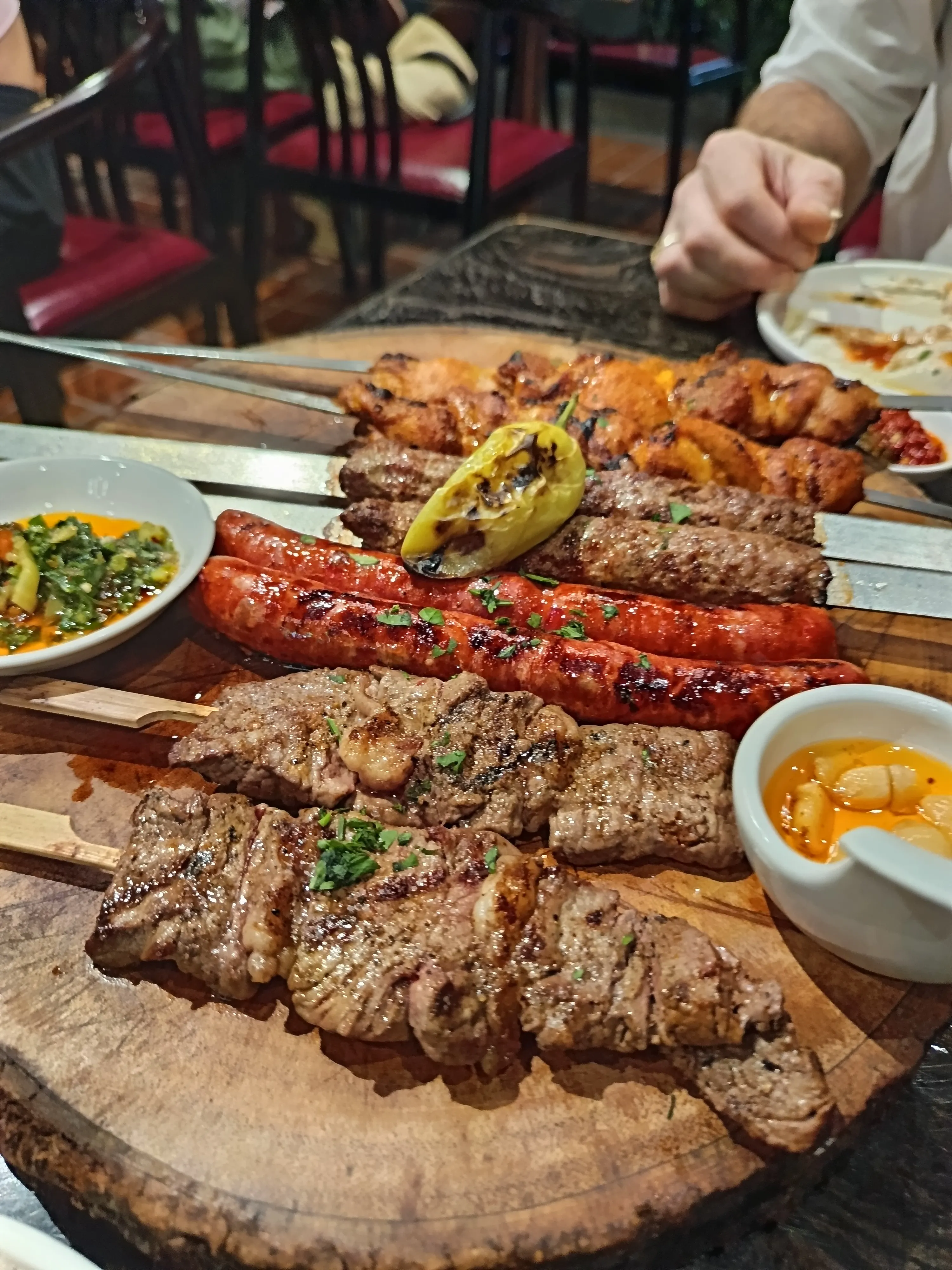
Kitchen Standards: The Science of Tenderness
To ensure your meat is juicy, deeply flavorful, and clinically safe, Oliver and Natalia apply strict professional and medical benchmarks to every recipe we publish. Precision heat management is the foundation of world-class proteins.
| Preparation Step | Our Standard | The Pro Result |
|---|---|---|
| Safe Internal Temp | 145°F - 165°F (Cut Dependent) | Ensures all harmful pathogens are neutralized while protecting the structural texture of the muscle fibers. |
| The 3-Minute Rest | Mandatory for Whole Cuts | Allows internal juices to redistribute so they stay locked inside the meat when sliced. |
| Lean Selection | Grass-Fed & Sourced Properly | Total Wellness: Provides the highest quality protein with optimal Omega-3 and CLA profiles. |
Explore Our Signature Favorites
Global Beef & Venison
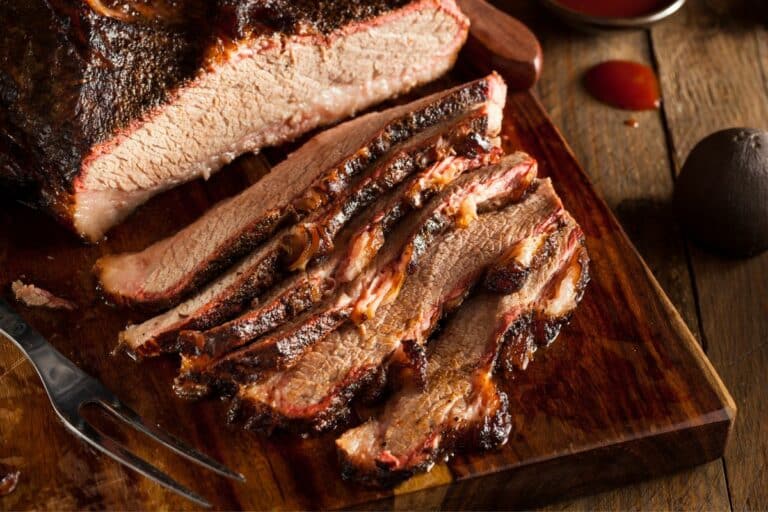
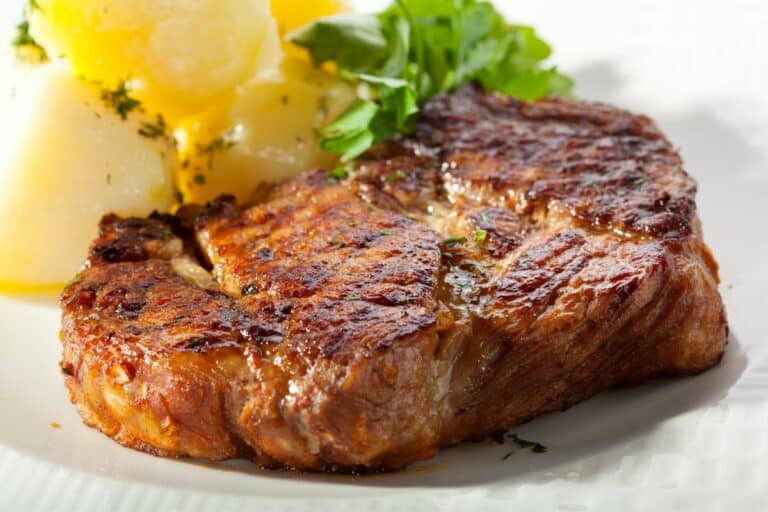
Dive into the full-bodied, iron-rich traditions that define our family's heartiest meals.
Poultry & Culinary Execution
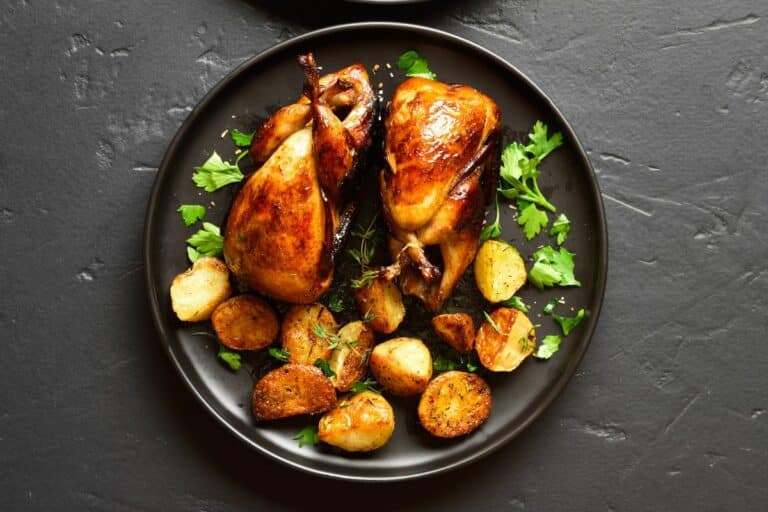
Master the emulsions, marinades, and thermal control necessary for perfectly cooked poultry.
Mastering Global Meat Dishes
What is the safest internal temperature for beef steaks?
According to federal agricultural guidelines, whole cuts like steaks and roasts should be cooked to 145°F (63°C) followed by a mandatory 3-minute rest. If you are cooking ground beef for tacos or family burgers, Natalia advises always aiming for 160°F (71°C) to ensure absolute clinical safety for the entire family.
Why is "resting" meat so important after cooking?
As a family cook, Oliver always insists on resting proteins. Utilizing established culinary science, resting allows the heated muscle fibers to relax and reabsorb their natural juices. If you cut into a steak immediately off the heat, all that flavor and moisture will run out onto the cutting board instead of staying locked inside the meat.
Which red meat is the healthiest choice?
For natural energy and cardiovascular wellness, look for grass-fed lean cuts like sirloin or tenderloin. Clinical research from leading nutrition authorities shows that grass-fed options are significantly higher in healthy Omega-3 fatty acids and CLA, making them a restorative choice for nutrient-dense family meals.
Official Verification
We verify our meat preparation, resting protocols, and food safety data against globally recognized medical and agricultural authorities to ensure your family meals are nutritionally sound.
| Authority | Verified Resource | Culinary Logic |
|---|---|---|
| USDA FSIS | Safe Meat Handling | Internal Temperatures & Pathogen Control |
| Harvard T.H. Chan | The Nutrition Source | Balancing Animal and Plant Proteins |
| CDC | Meat & Poultry Safety | Preventing Foodborne Illness |
Join the Culinary Adventure
Share your masterful sears, ask technical questions, and explore our latest global discoveries directly from Thailand.
Follow @mangoes_and_palm_treesMeet the Mayerhoffers
"Free-spirited food adventurers, culture-seekers, and the guardians of 15 years of global memories."

Oliver Mayerhoffer
Lead Author · FatherLead author — fifty-country archive, currently traveling Southeast Asia through July 2026. Oliver brings field-tested recipe structure and honest weeknight notes from family kitchens abroad.

Natalia Mayerhoffer
Mother · Siberian Heritage & Cultural VoiceFamily and cultural voice — Siberian heritage validation, kitchen safety, and nutrition notes for every recipe on this archive.
"Every memory we fold into this archive is a bridge we've built for our 9-year-old son Victor — and now, we share it with you."
Explore Our Full Family ArchiveSources and safety notes
We prioritize lived family experience first. When entry rules, food safety, or heritage context matter, we cross-reference field notes with official references listed below.
USDA Food Safety
safe food handling reference
Read sourceHarvard T.H. Chan School of Public Health
nutrition source notes
Read sourceEditorial field notes
Family field notes — Mayerhoffer kitchen testing, July 2026 Southeast Asia season
Where to next
Field-tested routes from Oliver, Natalia, and Victor — metric weights, heritage notes, and family pacing.