Editorial standards: editorial policy · Affiliate disclosure: affiliate disclosure · Fieldwork archive — updated 2026-07.
Southeast Asia fieldwork
Thailand Food Travel 2026
High-turnover stalls, cylindrical factory ice, and mai-pet ordering for Victor—table-first night-market routes from our 2026 Southeast Asia season across Hua Hin, Bangkok, and the islands.
Pack smart
Southeast Asia food-travel packing checklist
Check items as you pack — progress saves only in your browser on this device.
Documents
Gear
Victor block
Checked items save only in your browser on this device.
What should I pack for Thailand food travel?
What are the top Thailand food travel trends in 2026?
Thailand food travel in 2026 centers on hyper-local night markets, cooked-to-order street food, and family-safe ordering—high-turnover stalls, factory ice in major hubs, and mild plates for children. Mayerhoffer field notes from July 2026 cover Hua Hin, Bangkok, and island hops with Victor.
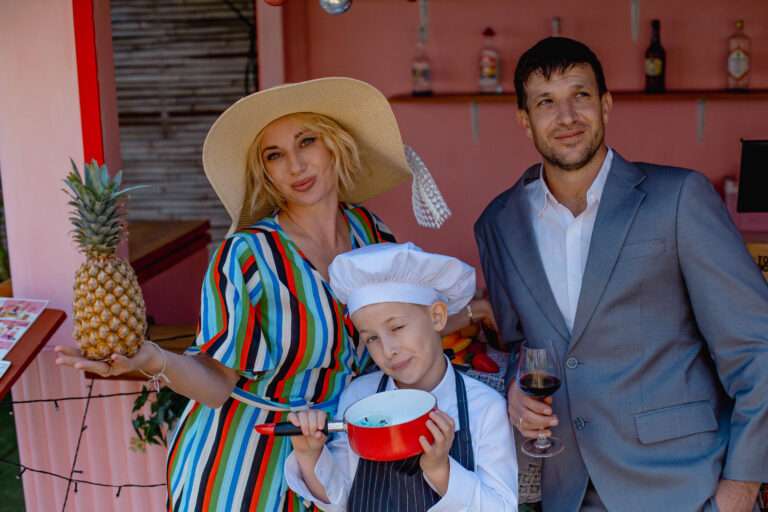
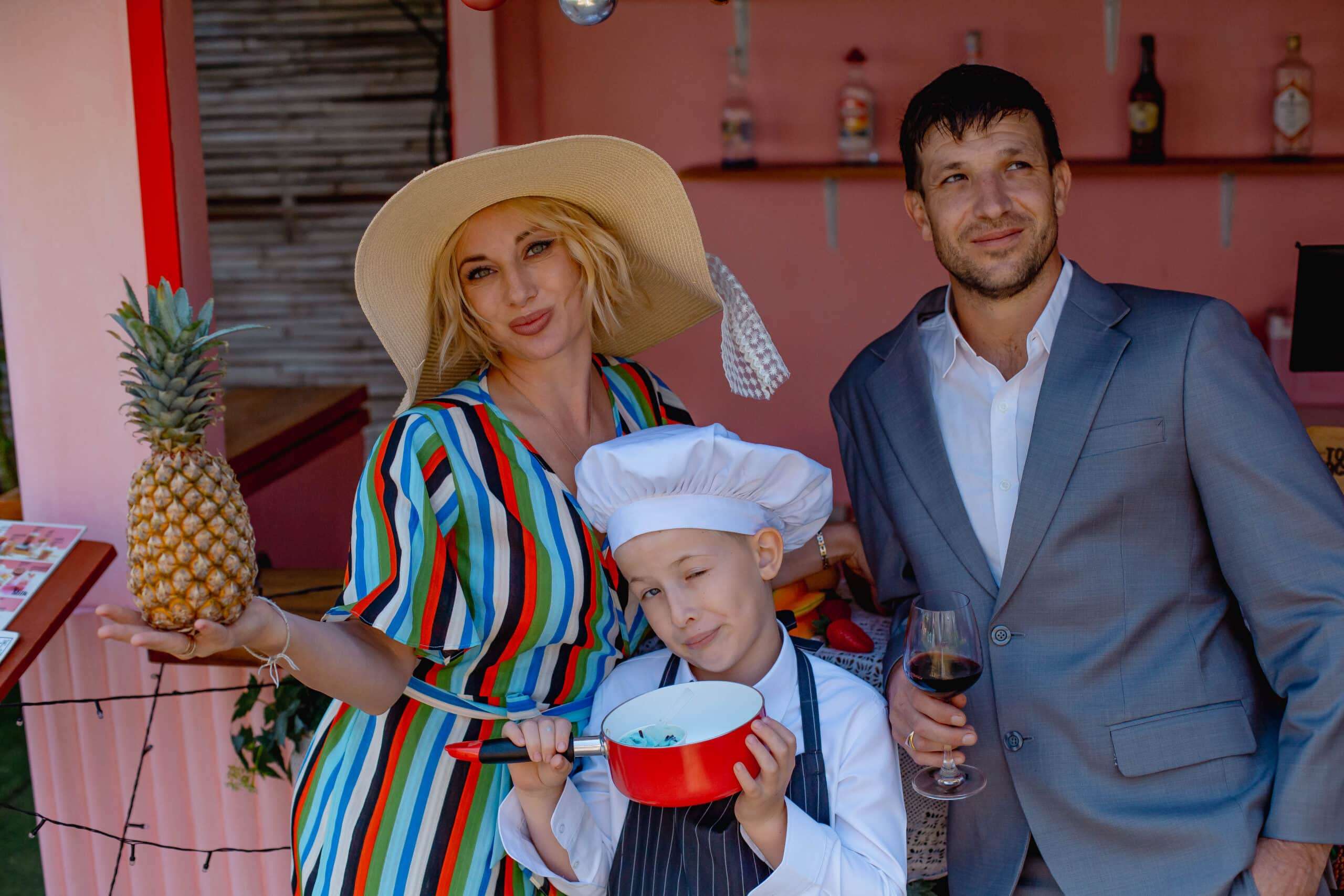
Oliver writes from Southeast Asia fieldwork through July 2026; Natalia reviews safety and nutrition notes; Victor is the final vote on family plates.
What are the top Thailand food travel trends in 2026?
In 2026, Thailand food travel is defined by hyper-localism. Families are abandoning overpriced hotel dining in favor of night markets, hunting for authentic regional dishes and functional superfoods while utilizing AI to navigate language barriers.
I’m Oliver. Natalia and I (along with 9-year-old Victor) have spent 16 years eating across 50+ countries — a fifty-country archive, currently traveling Southeast Asia.
Right now we are traveling through Hua Hin after a week in the beautiful chaos of Bangkok. When you live out of a suitcase as a global nomad family, you quickly learn that the best meals aren’t in resorts—they are on the street.

The 2026 Agoda Travel Outlook Report confirms that culinary experiences are now the third biggest driver for Thailand travel. We’ve seen this play out first-hand; families are increasingly looking for “budget” experiences—craftsmanship over cost.
Whether we are scouting Hua Hin breakfast gems or navigating a family-friendly night market, the focus is on emotional connection and warm local welcome that TTR Weekly still ranks among Thailand’s strongest visitor draws.

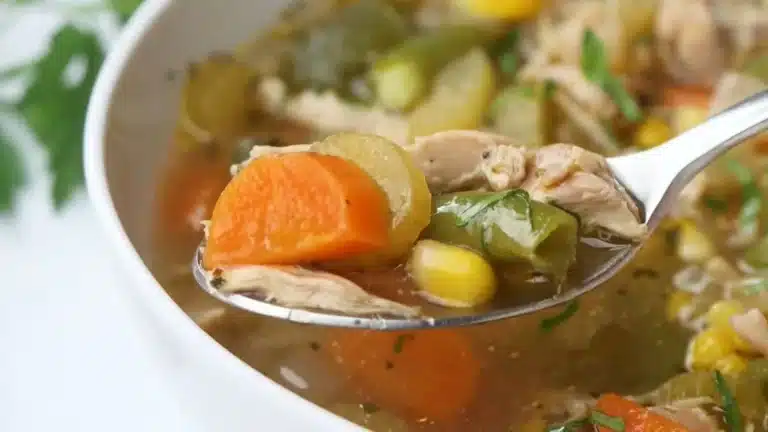
Living this way has changed our own cooking, too. We’ve been inspired by the street-side precision of wok-firing to perfect our Traditional Pad Kra Pao and our Lemongrass Chicken Noodle Soup. Even when we’re moving on to Samui and Koh Chang soon, we’ll be using these exact Thai ingredients to keep our family meals authentic and healthy.
Families can safely enjoy Thailand Food Travel 2026 by choosing stalls with high local turnover, watching food being cooked fresh over high heat, and avoiding pre-cut fruit. Sticking to cooked-to-order dishes ensures an authentic culinary adventure for younger travelers without risking foodborne illness.
One of the biggest hesitations parents have when traveling through Southeast Asia is safety. We get it! Because Natalia has a kitchen safety notes, we follow strict hygiene protocols even when we’re eating at a bustling night market.
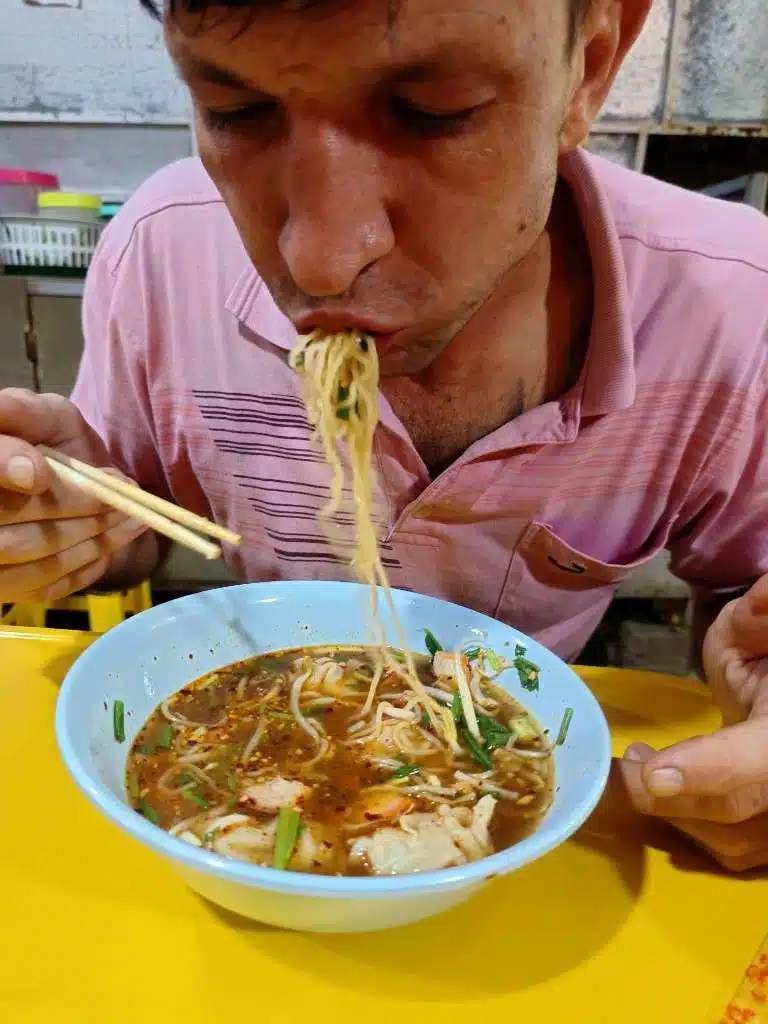
Last week in Bangkok, we showed Victor how to spot a “safe” stall: look for a high turnover of local customers and food that is literally coming off the fire.
Our Nomadic Family Safety Checklist
Living out of suitcases means we can’t afford a day of “traveler’s tummy.” Whether we are exploring the best Hua Hin night markets or planning for Koh Samui, we use these non-negotiable rules for safe Thailand food travel 2026:
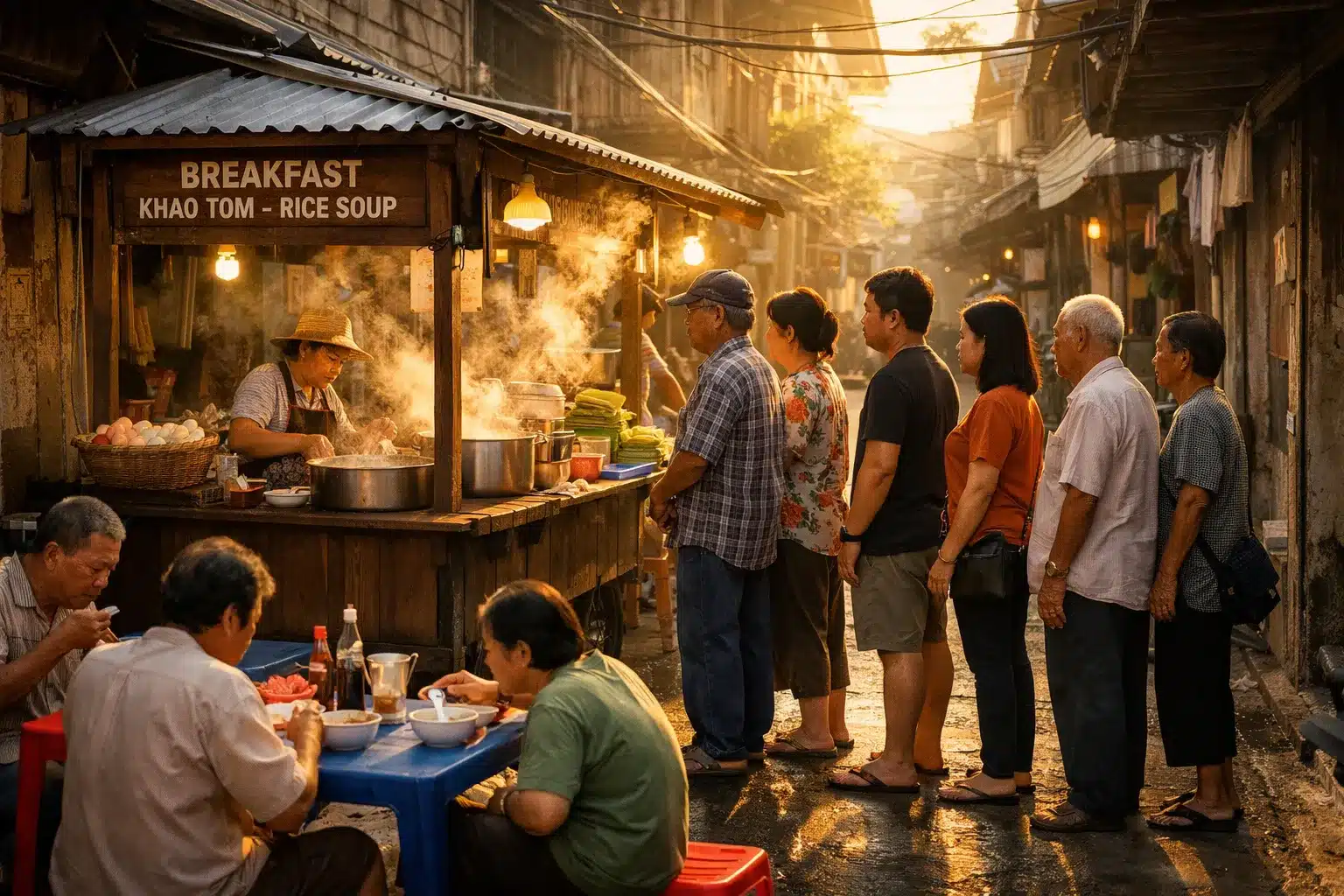
- The “Local Line” Rule: If locals are lining up, the food is fresh. Avoid empty stalls in high-traffic tourist areas.
- Skip Pre-Cut Fruit: Only eat fruit that you peel yourself (like the fresh mangosteen we found last week) or fruit that is cut in front of you.
- Ice Check: Look for uniform, cylindrical cubes from purified factories, which are generally safe for kids.
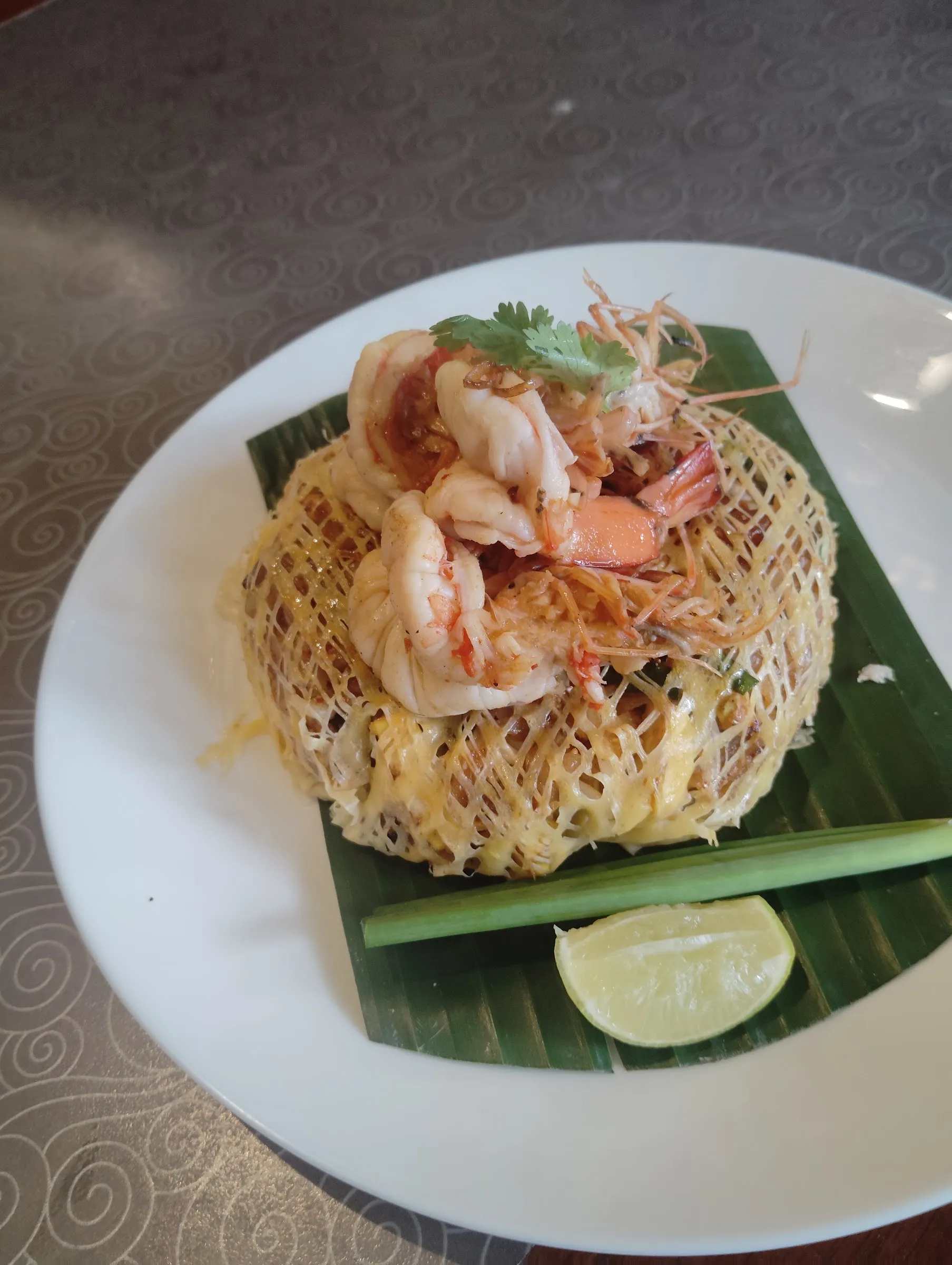
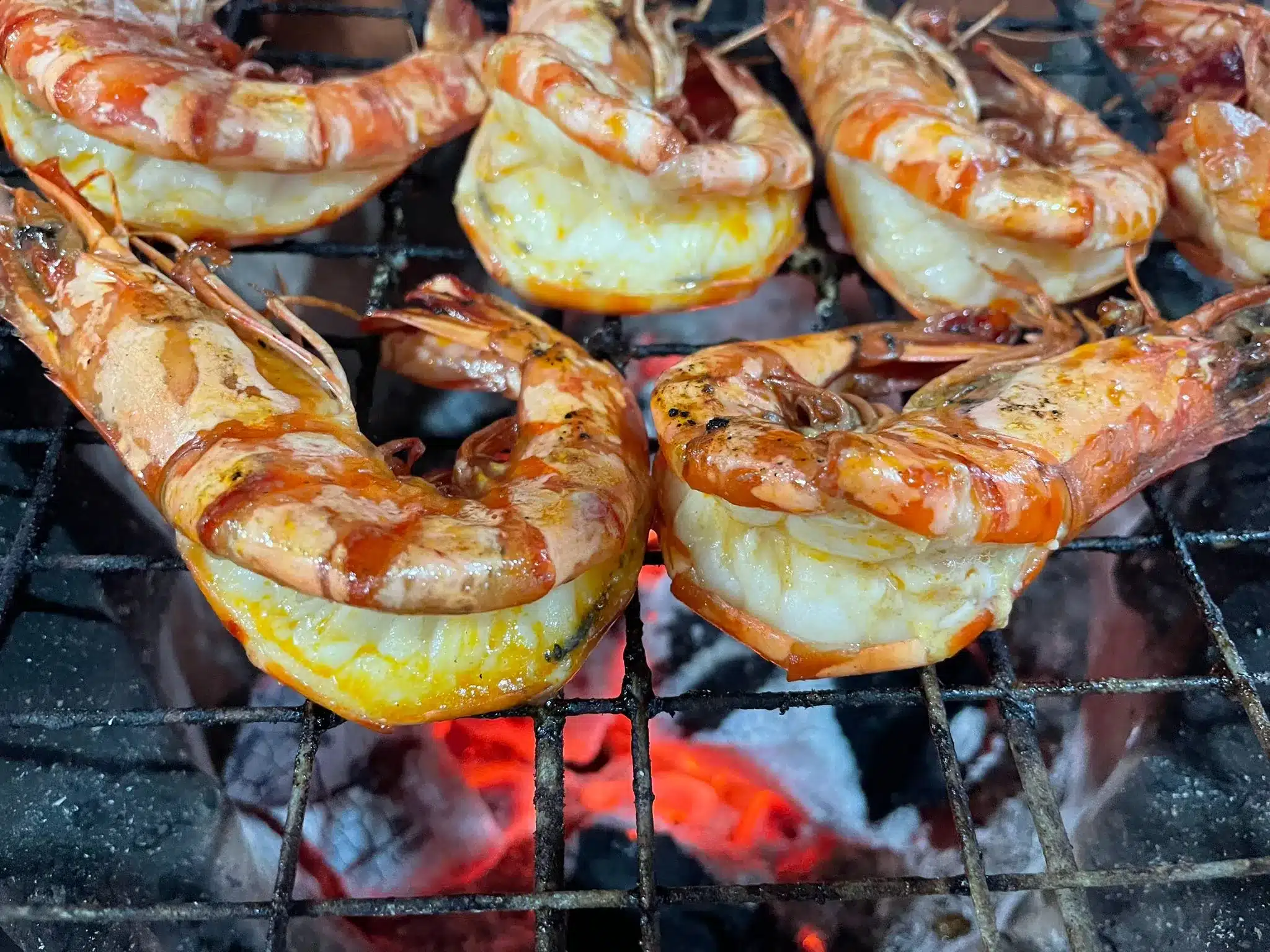
When we aren’t exploring night markets, we take these lessons back to rental kitchens while traveling through Hua Hin. We’ve mastered the art of high-heat searing for our seafood recipes and ensuring our shrimp is always fresh. It’s all about combining the thrill of travel with the safety standards your family deserves.
How to plan a 2026 Thailand food itinerary using AI?
In 2026, 69% of travelers are utilizing AI to plan their Thailand itineraries. Families are deploying AI tools to navigate language barriers, discover off-the-beaten-path culinary experiences, and instantly translate complex local menus, creating a more easy and culturally immersive travel experience.
Living out of suitcases while traveling between Hua Hin, Samui, and Koh Chang means our logistics need to be airtight. Last week in Bangkok, we heavily relied on AI-driven translation and vision tools to help Victor understand the complex Thailand Food Travel 2026 landscape. AI isn’t just for booking flights anymore; it’s our primary tool for deciphering the incredible flavors of the East.
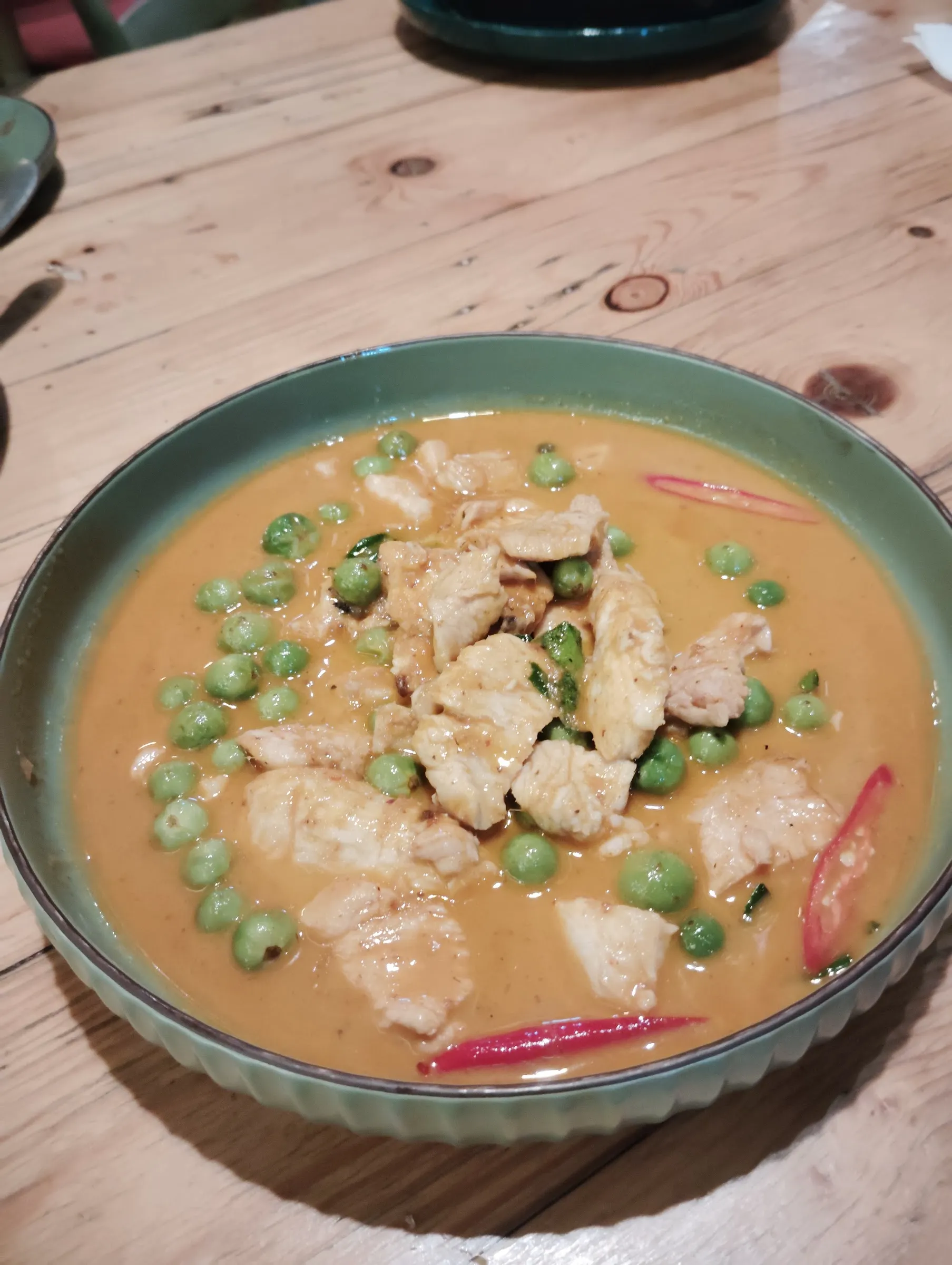
Bridging the Language Barrier at Night Markets
While we are experts at the Bangkok to Hua Hin route, every province has its own dialect and regional dish names. AI helps us bridge that gap. We use Google Lens to translate hand-written signs instantly, which is a primary driver for how Gen Alpha travelers like Victor engage with new cultures in 2026.
However, we always balance tech with the “human vibe.” Warm Thai welcome at the stall is something no algorithm can replicate. We use AI for the logistics, but we rely on a smile and a respectful “Sawadika” for the connection.
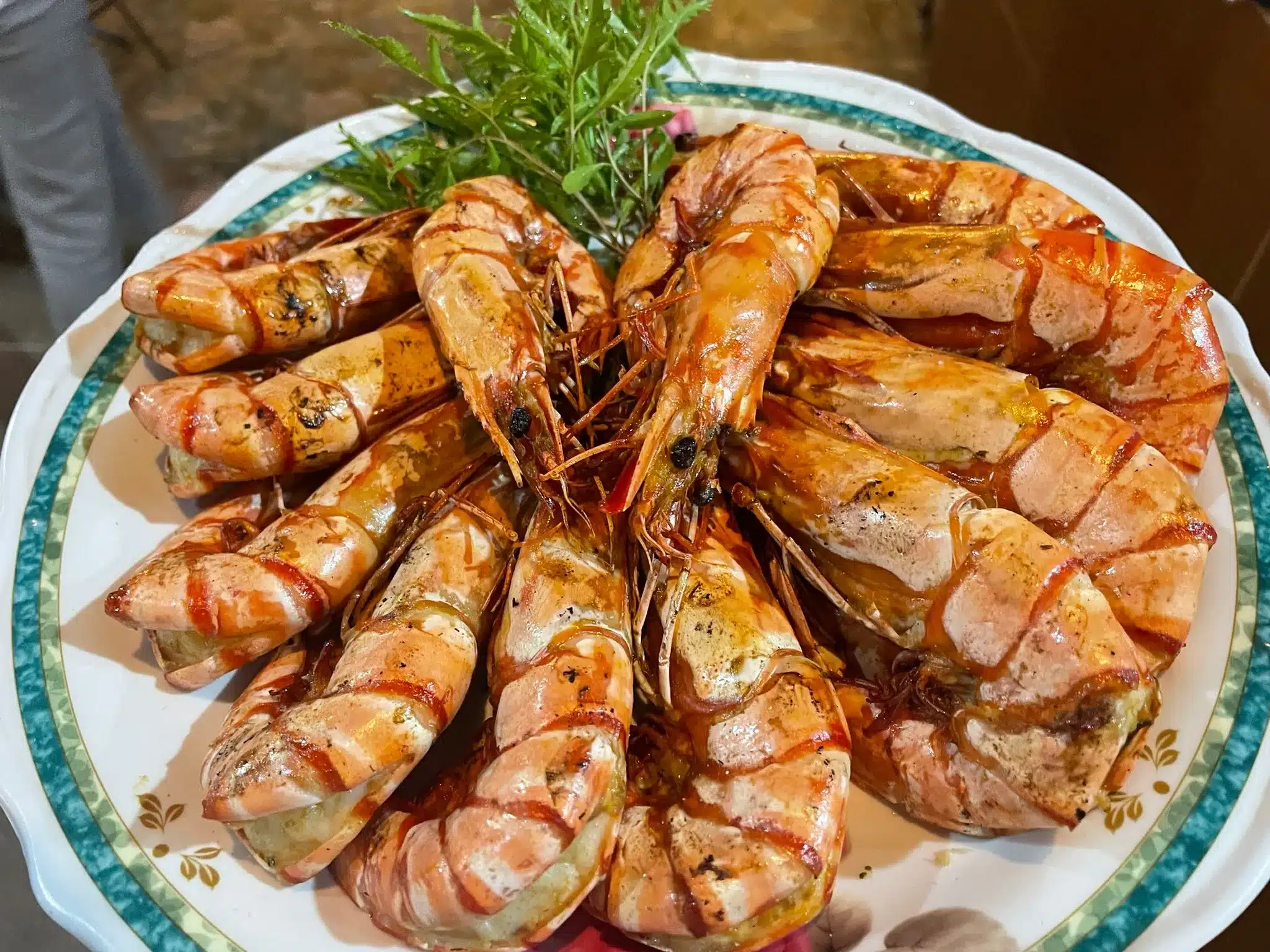
As we prepare to head to our Koh Samui travel guide locations and eventually to Koh Chang stops, we keep our AI tools updated with the latest Thai ingredients. This ensures we can continue our streak of healthy, authentic meals even when we’re moving fast.
Our Family Food and Travel Budget Secrets
In 2026, we’ve found that feeding our family of three in Bangkok and Hua Hin costs about 65% less at local night markets than at tourist-heavy western restaurants. By embracing “budget” local craft over commercialized hotel buffets, we can enjoy authentic regional dishes for under $25 USD per day.
Living as full-time global nomads means we have to be smart about every Baht. While we are currently traveling through Hua Hin, our experiences last week in Bangkok reminded us why we love this life. You don’t need a luxury budget to experience world-class Thailand Food Travel 2026; you just need to eat where the locals eat.
Industry data from McKinsey & Company shows a massive global shift toward people rejecting overpriced, generic dining. We see this every day—why pay $20 for a bland “resort curry” when Victor can find a $2 bowl of noodles that tastes ten times better?
| What We Eat | Local Market Price | Western Tourist Price |
|---|---|---|
| Street Breakfast & Coffee | $2.50 – $4.00 | $15.00 – $25.00 |
| Authentic Pad Kra Pao | $1.50 – $3.00 | $12.00 – $18.00 |
| BBQ King Prawns (Feast) | $8.00 – $12.00 | $35.00 – $50.00 |
| Family Daily Total | $22.00 – $35.00 | $110.00 – $160.00 |
Saving on daily meals is how we afford the big adventures, like booking a high-end Koh Samui villa safely later this month, a mu kratha night at Mr. Dam Korean BBQ on Koh Samui, or exploring the best family resorts in Khao Lak.
Real Flavors and Real Health
The Institute of Food Technologists highlights that modern families are searching for “Functional Value”—meals that are both kind to the wallet and the body. We’ve noticed that our favorite Traditional Pad Kra Pao from street stalls often uses way more fresh holy basil and leaner meat than the heavy, greasy versions in the big malls.
When we head back to a rental kitchen while traveling through Hua Hin, we keep these lessons alive. We might use a vegetarian fish sauce substitute to lighten things up or make our own Lemongrass Chicken Noodle Soup. It’s about using authentic Thai ingredients to feed Victor healthy food while we keep our suitcase-living adventure rolling!
Conclusion: Ready for Your Thailand Adventure?
Whether you’re currently walking the streets of Hua Hin or planning a future feast in Koh Samui, Thailand Food Travel 2026 is all about authenticity, safety, and smart values. Don’t be afraid of the night markets—use our family rules, order “Mai Pet” for the kids, and enjoy some of the best food on the planet! Be sure to follow our journey on our nomadic family blog as we move on to Samui and Koh Chang next week!
Questions we hear often
Is ice safe for kids in Thailand?
How do families order mild street food in Thailand?
Meet the Mayerhoffers
“Free-spirited food adventurers, culture-seekers, and the guardians of 15 years of global memories.”

Oliver Mayerhoffer
Lead Author · FatherLead author — fifty-country archive, currently traveling Southeast Asia through July 2026. Oliver brings field-tested recipe structure and honest weeknight notes from family kitchens abroad.

Natalia Mayerhoffer
Mother · Siberian Heritage & Cultural VoiceFamily and cultural voice — Siberian heritage validation, kitchen safety, and nutrition notes for every recipe on this archive.
“Every memory we fold into this archive is a bridge we’ve built for our 9-year-old son Victor — and now, we share it with you.”
Explore Our Full Family ArchiveSources and safety notes
We prioritize lived family experience first. When entry rules, food safety, or heritage context matter, we cross-reference field notes with official references listed below.
WHO — Safe drinking water
Global safe drinking-water guidance — sealed bottles for travel days
Read sourceHarvard T.H. Chan School of Public Health
nutrition source notes for family plates on the road
Read sourceEditorial field notes
Family field notes — Mayerhoffer kitchen testing, July 2026 Southeast Asia season
ttrweekly.com
Referenced in article body — official or operator source.
Read sourceEnjoying our content? Make Mangoes & Palm Trees a preferred source on Google.
Explore next
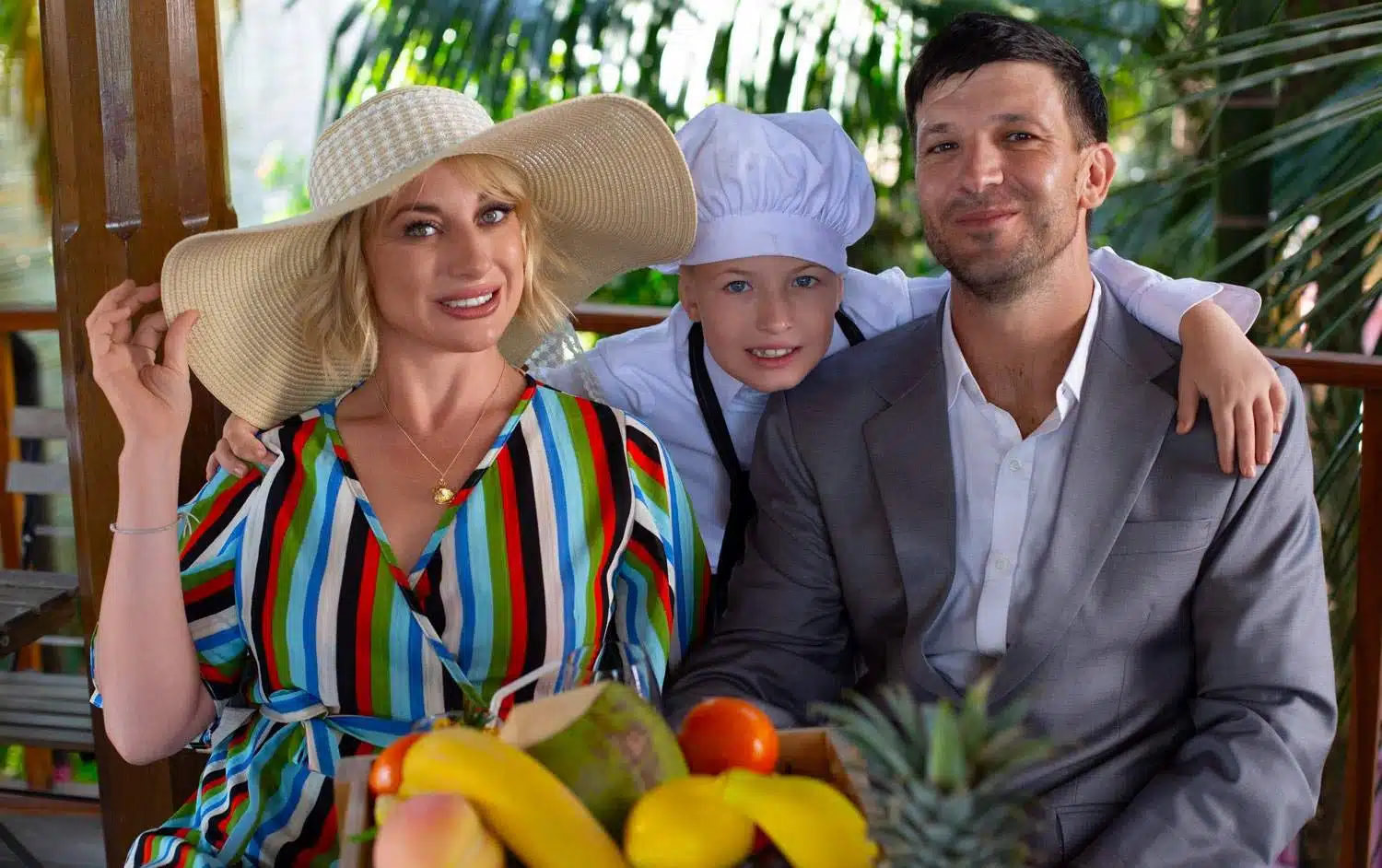


Thailand reading paths
Pair this hub with island guides, Thai recipes, and family travel context.