Editorial standards: editorial policy · Affiliate disclosure: affiliate disclosure · Family-tested archive — updated 2026-07.
Chili comparison · family heat
Serrano vs jalapeño: heat, texture, and swaps
Heat, wall thickness, and the 3:1 volume swap we use when jalapeños or serranos disappear from the market basket—field-tested from Mexico stalls through July 2026 Southeast Asia kitchens.
What is the difference between a serrano and a jalapeño?
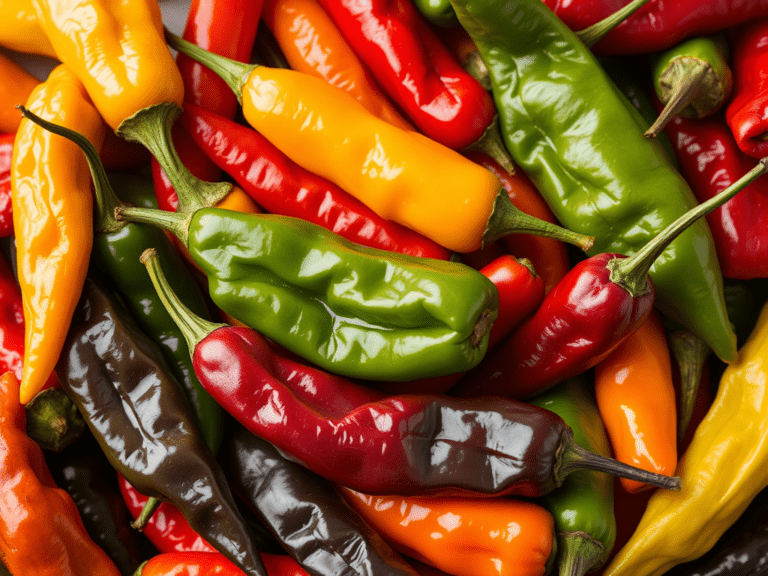
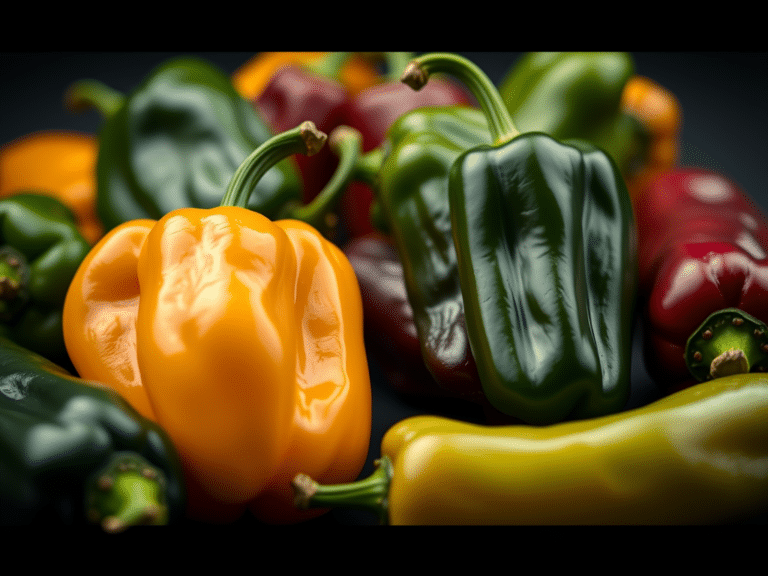
Jalapeños land around 2,500–8,000 SHU with thick walls suited to roasting and stuffing. Serranos run about 10,000–23,000 SHU with thinner walls for raw salsas and mince. For heat parity, plan roughly one serrano to three jalapeños by volume.
Oliver writes from Southeast Asia fieldwork through July 2026; Natalia reviews safety and nutrition notes; Victor is the final vote on family plates.
What should you remember before you swap?
- Heat: Serrano ≈ 10k–23k SHU; jalapeño ≈ 2.5k–8k SHU.
- Volume: About 1 serrano to 3 jalapeños for similar punch.
- Cluster: Substitutes · Chile serrano · Pillar.
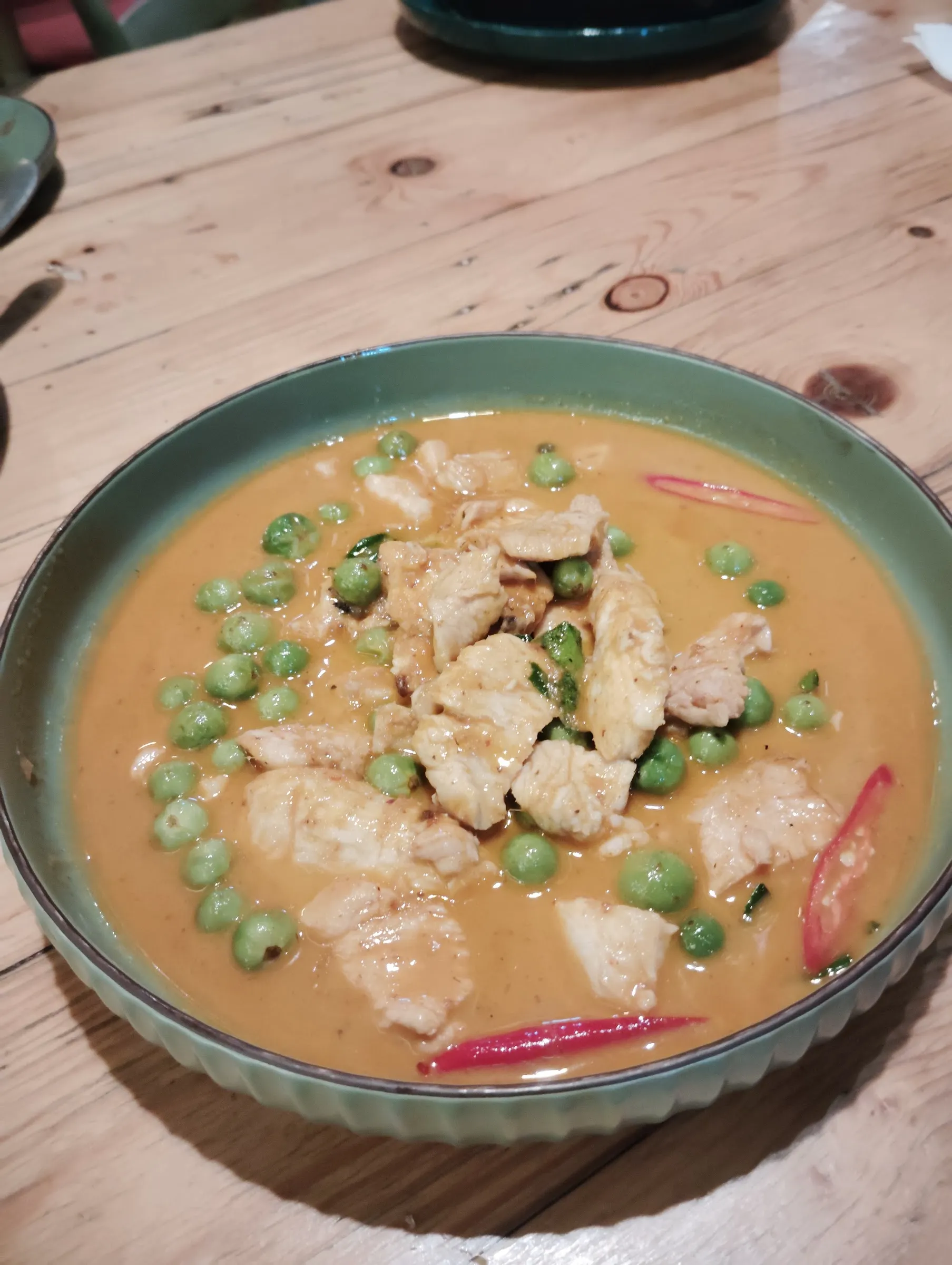
On market runs in Mexico and in July 2026 Southeast Asia rental kitchens, we reach for jalapeños when we want thick walls for roasting and serranos when we want bright, sharp mince in pico de gallo. They are not interchangeable without adjusting volume.
How do serrano and jalapeño compare on heat and texture?
| Feature | Jalapeño | Serrano |
|---|---|---|
| Heat (SHU) | 2,500–8,000 | 10,000–23,000 |
| Wall thickness | Thick — roasting, stuffing | Thin — raw salsa, garnish |
| Typical use | Pickling, poppers, smoked | Pico de gallo, ceviche, mince |
| Volume swap | ~3 jalapeños per 1 serrano (heat) | ~⅓ serrano per 1 jalapeño (heat) |
For swap ratios when markets run short, see our serrano pepper substitutes guide and what is a serrano pepper primer. Compare dried chiles on California vs guajillo when fresh pods are unavailable.
How does Victor handle serrano heat at the table?
Family Care Standard
Natalia seeds both peppers when Victor joins the table; he tastes jalapeño-forward salsa before we add serrano mince. Gloves, dish soap, and no eye-rubbing—the same kitchen habit we use on chile serrano prep nights.
When a recipe calls for jalapeño but only serranos are in the basket, start with one-third the amount and add slowly. The chili pepper pillar routes every heat decision in our archive.
What do cooks ask about serrano vs jalapeño?
How much hotter is a serrano than a jalapeño?
Can you substitute serrano for jalapeño in salsa?
Which pepper is better for roasting on the family grill?
Who wrote this serrano vs jalapeño comparison?
“Free-spirited food adventurers, culture-seekers, and the guardians of 15 years of global memories.”

Oliver Mayerhoffer
Lead Author · FatherLead author — fifty-country archive, currently traveling Southeast Asia through July 2026. Oliver brings field-tested recipe structure and honest weeknight notes from family kitchens abroad.

Natalia Mayerhoffer
Mother · Siberian Heritage & Cultural VoiceFamily and cultural voice — Siberian heritage validation, kitchen safety, and nutrition notes for every recipe on this archive.
“Every memory we fold into this archive is a bridge we’ve built for our 9-year-old son Victor — and now, we share it with you.”
Explore Our Full Family ArchiveWhat sources back this comparison?
Wikipedia — Scoville scale
Heat measurement reference
Read sourceWikipedia — Chili pepper
Entity grounding
Read sourceNMSU Chile Pepper Institute
Cultivar heat reference
Read sourceUSDA FoodData Central
Pepper nutrition reference
Read sourceHealthline — chili peppers
Capsaicin context
Read sourceUSDA FSIS
Safe handling reference
Read sourceEditorial field notes
Mayerhoffer chili cluster — July 2026 Southeast Asia season
Enjoying our content? Make Mangoes & Palm Trees a preferred source on Google.
Explore next
- What is serrano pepperFresh pepper primer
 Serrano substitutesRatio swaps
 Chili libraryPepper guides and recipes
 California vs guajilloDried chile comparison
 Guajillo substitutesHigh-intent swaps
 Pasilla substitutesDried chilaca swaps
 Jalapeño guideHeat and prep notes
 Recipe indexFamily-tested archive
Where does this comparison fit in our archive?
Chili pillar, fresh substitutes, and field reports from the Mayerhoffer kitchen.