Editorial standards: editorial policy · Affiliate disclosure: affiliate disclosure · Family-tested archive — updated 2026-07.
Thailand field notes · bird’s eye chilies
Thai Chili Pepper Guide
Field-tested thai chili pepper guide from our fifty-country archive—updated with July 2026 Southeast Asia family travel and kitchen notes.
What are Thai chilies used for in home cooking?
Thai bird’s eye chilies (prik kee noo) run roughly 50,000–100,000 SHU and anchor nam prik, curries, and stir-fries. Bruise whole pods for heat, or slice thin for controlled spice. Refrigerate fresh pods in a paper-lined container up to two weeks.
Oliver writes from Southeast Asia fieldwork through July 2026; Natalia reviews safety and nutrition notes; Victor is the final vote on family plates.
Find Thai food near you on Mangoes & Palm Trees
Start your restaurant search from our website—then open Google Maps or Apple Maps with your dish and location. We do not operate our own restaurant database.
Allow location or press Show map links to open Google or Apple Maps.
Opens live restaurant results in Google or Apple Maps — free, no sign-up. We do not list restaurants on this page.
Third-party maps listings — not MPT editorial reviews.
How do you find Thai dishes with bird’s eye chilies near you?
On Mangoes & Palm Trees, use the Find Thai food near you tool on this page. Enter Thai food or a dish like pad kra pao, allow your location, and open Google Maps or Apple Maps—we start the search from here. This is not an MPT restaurant database; field-tested guides from our trips are linked separately below.
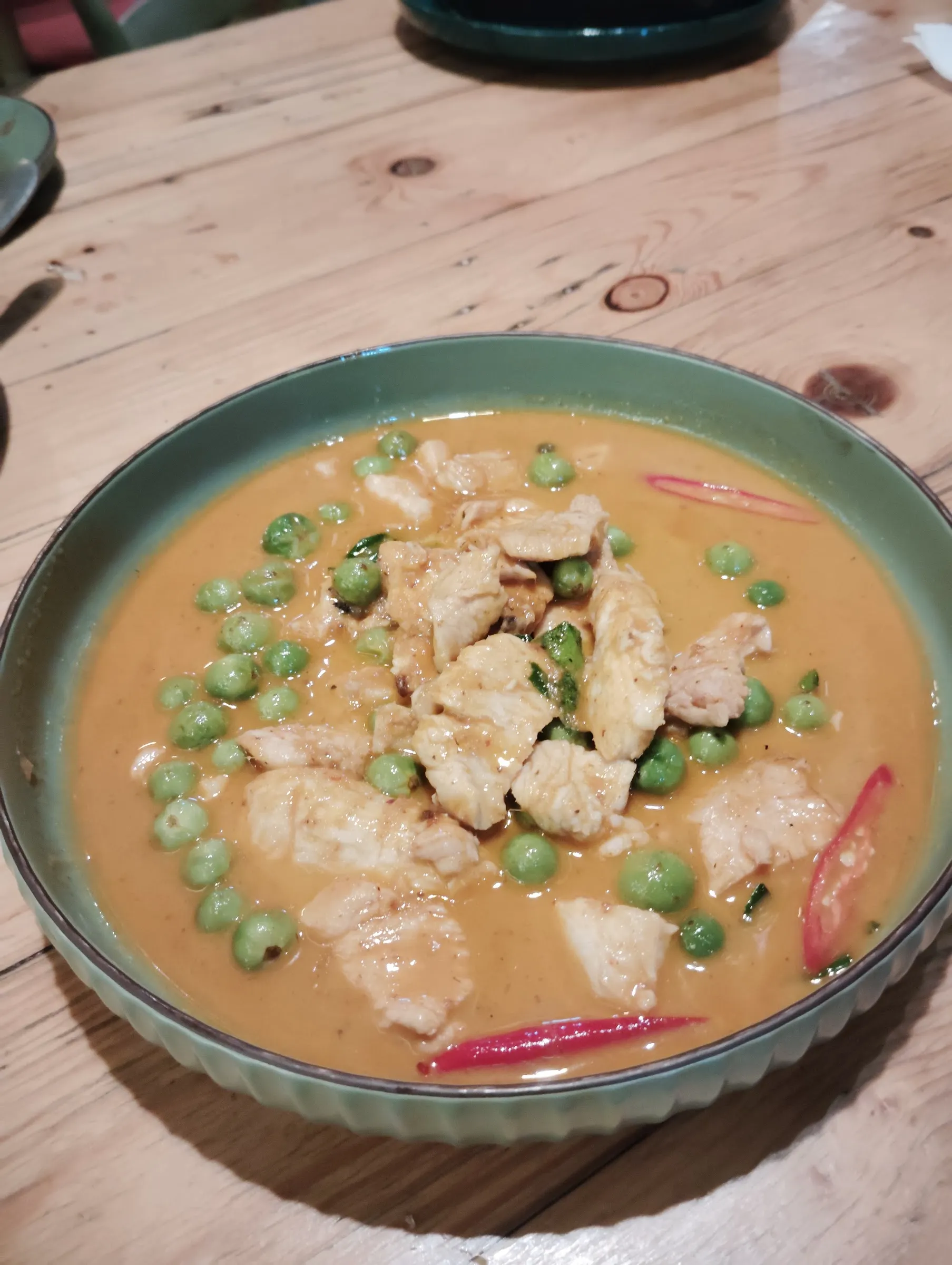
A Brief History of Thai Chilies in Southeast Asia
Origins & Migration Across Asia
The surprising truth: Thai chilies didn’t originate in Thailand—they’re descendants of peppers from the Americas . Portuguese traders introduced chilies to Southeast Asia around the 16th century, where they thrived in the tropical climate. Over four centuries, local farmers developed distinctive varieties perfectly adapted to Thai soil, humidity, and cooking traditions.
Today, Thai chili peppers are so integral to Thai identity that many assume they’re native.
This historical trajectory—from Peru to Portugal to Thailand—demonstrates how authentic cuisine isn’t about origins, but about adaptation and mastery . Thai cooks took a foreign ingredient and transformed it into something fundamentally Thai. This mindset is essential for understanding how to cook Thai food authentically yourself.
For more on chili peppers’ global journey, see Smithsonian Magazine’s History of Chili Peppers.
Cultural Significance in Thailand
In Thailand, chilies represent far more than flavor—they symbolize hospitality, warmth, and the balance principle that defines Thai cuisine. Thai food philosophy emphasizes harmony between spicy, sour, salty, sweet, and umami elements. Chilies provide the spicy foundation, but they must be balanced—not dominate—against other flavors.
This balance reflects Thai cultural values of moderation, respect, and harmony .
In Thai homes and restaurants, individual heat tolerance is respected . You’ll often see condiment bowls of whole fresh chilies, chili flakes, and chili pastes on the table—allowing diners to add heat to their personal taste. This approach teaches an important lesson: authentic food adapts to individuals, not the reverse .
Understanding this cultural practice helps you cook Thai food respectfully in your own kitchen.
The phrase phet nit noi (a little spicy) is deeply embedded in Thai dining culture. Even in Thailand, people customize heat levels according to personal preference. This cultural permission to adjust spice creates inclusive meals where everyone—from spice-sensitive guests to chili enthusiasts—feels welcomed.
Cooking with Thai Chili Pepper at Home
Fresh vs. Dried vs. Fermented Chilies
Heat Level: Sharp, immediate. Flavor: Bright, herbaceous (green), fruity (red). Best for: Raw salads (som tum), dipping sauces (nam prik), last-minute garnishes.
Storage: Refrigerator 1-2 weeks.
Heat Level: Smoky, warm, concentrated. Flavor: Deep, complex, slightly sweet undertones. Best for: Curry pastes, chili oils, long-cooking dishes.
Storage: Sealed container, 6-12 months.
Heat Level: Mellow, approachable. Flavor: Deep, umami-rich, tangy. Best for: Chili pastes and jams (nam prik pao), condiments.
Storage: Can age 1-3 months for deeper flavor.
Popular Thai Dishes Featuring Thai Chilies
Som Tum (Green Papaya Salad): Raw green chilies are bruised with a mortar and pestle to release oils without fully crushing them. Combined with lime juice, fish sauce, and shredded papaya, the heat is immediate and building. Heat level is customizable by reducing chili quantity or removing seeds.
Tom Yum (Sour Soup): Chilies are bruised (not sliced) and infused into broth, creating gentle heat rather than sharp bite. The cooking method mellows the intensity while maintaining flavor. Often paired with Thai basil and galangal for complex aromatics.
Pad Kra Pao (Holy Basil Stir-Fry): Thinly sliced fresh chilies are flash-fried in oil, creating aromatic heat. Cooked quickly to preserve bright flavor and slight crispness. Often garnished with fried basil leaves and served with a runny egg on top.
Nam Prik (Chili Dipping Sauce): Family-specific recipes vary, but all feature fresh or dried chilies as the base. Each Thai household has its own nam prik tradition, passed through generations. Typically includes shrimp paste, garlic, lime, and fish sauce.
How to Choose the Right Chili for a Recipe
Prik kee noo (bird’s eye). Provides sharp contrast to fresh papaya.
Prik jinda or prik chee fah. Medium heat blends well with coconut milk.
Prik chee fah or fresh red chilies. Heat mellows during cooking.
Dried chilies (any variety). Smoking hot oil extracts maximum capsaicin.
Whole or bruised chilies (prik kee noo). Infuse rather than muddle.
Prik yuak (mild, green). Or skip chilies, add condiments at table.
Safe Handling & Prep Tips
- Use food-grade gloves if you have sensitive skin. Capsaicin oils cling to hands for hours. See CDC Food Safety Guidelines for more.
- Don’t touch your face until you’ve washed thoroughly—especially avoid eyes. Capsaicin burns intensely in mucous membranes.
- Wash hands thoroughly with soap and warm water, especially before touching eyes or face. Capsaicin is oil-soluble, so soap is key.
- Keep dairy products nearby—milk or coconut milk neutralizes capsaicin much better than water. Casein protein in milk binds capsaicin.
- Ventilate your kitchen—cooking Thai chilies releases volatile compounds (especially when blanching or blending) that can make eyes water and throat tighten.
- Don’t cut chilies directly over steam—the heat releases more capsaicinoid compounds into the air.
- Use separate cutting boards for chilies if you’re sensitive. Capsaicin can linger on wooden surfaces.
Health Benefits of Thai Chili Pepper
Capsaicin & Anti-Inflammatory Properties
Capsaicin is the bioactive compound responsible for chili heat—and it’s remarkably beneficial when consumed in moderation. Research from Harvard T.H. Chan School of Public Health shows that capsaicin activates pain receptors (TRPV1), triggering an anti-inflammatory response in the body.
Over time, regular capsaicin exposure may reduce chronic inflammation and associated pain. See also NIH Capsaicin: Mechanisms & Health Effects .
How capsaicin works: When you eat Thai chilies, capsaicin binds to pain receptors in your mouth and digestive tract. Your body responds by releasing endorphins and reducing pain-signaling compounds. This process—called desensitization —explains why regular chili eaters develop higher heat tolerance over time.
The same mechanism also triggers anti-inflammatory markers throughout your body.
Digestive, Metabolic & Heart Health Benefits
A landmark study published in The Nutrition Source / Harvard tracked nearly 500,000 adults and found that regular spicy food consumption was associated with a 14% reduction in premature death risk. Additional research from Harvard Health Publishing supports chili pepper consumption for cardiovascular health. Benefits include:
Capsaicin increases thermogenesis (heat production), causing your body to burn additional calories. Effect is modest (40-80 extra calories per meal) but consistent with regular consumption. See NIH Metabolic effects of capsaicin.
Reduced risk of cardiovascular disease, lower blood pressure, improved cholesterol profiles. Capsaicin dilates blood vessels and improves blood flow. Research: NIH Capsaicin and cardiovascular health.
Enhanced blood flow to tissues and organs, better oxygen delivery. Particularly beneficial for people with poor circulation.
Stimulates stomach acid and digestive enzymes, improves nutrient absorption. Contrary to myth, spicy food doesn’t damage your stomach. See NIH Gastrointestinal effects of spicy foods.
Topical capsaicin creams reduce neuropathic pain. Oral consumption may help with arthritis and joint pain. Mayo Clinic Capsaicin for Pain Relief.
Rich in vitamin C and flavonoids that fight free radical damage. Supports immune function. Per Healthline Chili Peppers 101.
Risks, Precautions & Serving Sizes
While Thai chilies are generally safe, excessive consumption can cause:
- Gastric irritation: Too much capsaicin may trigger acid reflux, heartburn, or stomach upset, especially on an empty stomach. Affects only about 3-5% of the population.
- Burning sensations: In mouth, throat, or digestive tract. Usually subsides within 30 minutes.
- Allergic reactions: Rare but possible—especially if new to chili consumption. Symptoms include swelling or hives.
- Sleep disruption: Spicy food eaten late at night may cause reflux that disrupts sleep.
Recommended serving: 1-3 Thai chilies per meal is optimal for most people. If new to heat, start with 1/2 chili per meal and increase gradually over weeks. Pregnant women should consult healthcare providers before significant chili consumption—while not dangerous, it may trigger heartburn.
People with IBS may need to limit intake during flare-ups. See WebMD Health Benefits of Chili Peppers .
Building tolerance: Your body adapts to capsaicin with regular exposure. After 1-2 weeks of daily chili consumption, you’ll notice reduced burning sensation at the same heat level. This desensitization is completely safe and doesn’t indicate damage.
In fact, it suggests your anti-inflammatory mechanisms are strengthening.
Growing Thai Chili Pepper at Home
Soil, Sunlight & Warm-Weather Requirements
Thai chilies thrive in conditions that mimic their Southeast Asian origins:
6–8 hours minimum of direct daily sun (more is better). Less than 6 hours results in slow growth and minimal fruit production.
70–85°F (21–29°C) ideal; below 60°F growth stalls completely. Frost kills plants instantly.
Well-draining, slightly acidic (pH 6. 8), rich in organic matter. Add compost before planting.
See UC Agriculture Pepper Profile.
60–80% moisture in air. Mimic with misting if your climate is too dry.
Keep soil moist (not waterlogged). Daily watering in hot climates. Let soil dry slightly between waterings.
Fertilize every 2-3 weeks during growing season. Use balanced NPK (10-10-10). More info: Oregon State University Chili Preservation.
Indoor vs. Outdoor Growing
Outdoor (best option): Full sun, natural air circulation, lower disease pressure. Requires warm climate or frost-free growing season of 90+ days. Plants can reach 3-4 feet tall with excellent yield.
Resources: Cornell University Vegetable Growing Resources .
Container/Indoor: Growing in pots or indoors with grow lights is feasible. Use 5-10 gallon containers with drainage holes. Expect 50% less yield compared to outdoor plants.
Great for apartments, balconies, or windowsills. Position pots where they receive maximum light. See Penn State Extension Hot Peppers Guide.
Harvesting & Storage
Harvesting timing: Thai chilies can be harvested green (milder, herbaceous) or red (riper, fruity, spicier). Wait 60-90 days after planting for first harvest. Mature plants produce for 4-6 months in warm climates.
Harvesting method: Pick when peppers are firm and glossy. Use pruning shears rather than tugging to avoid damaging branches. Harvest regularly to encourage more fruit production.
Each plant can produce 50-100+ peppers per season.
Storage methods:
- Refrigerator (fresh): Up to 2 weeks in a sealed plastic bag
- Freezer (whole): Up to 1 year, frozen whole in bags. Texture softens but flavor is preserved
- Drying: Hang in warm, dry location (70°F+, low humidity). Takes 2-4 weeks. Use within 6-12 months. See University of Minnesota Extension Drying Peppers.
- Fermentation: Salt brine (10% salt by weight) ages 1–3 months for complex flavor
Buying Thai Chili Pepper: Markets, Online & Abroad
How to Identify Quality Chilies
High-quality Thai chilies display:
- Firmness: Slight give when pressed, but no softness or mushy areas
- Glossy skin: Indicates freshness and mature capsaicin development. Dull skin suggests age
- Bright color: True red or vibrant green (avoid dull or blackened areas). Color indicates ripeness
- Thin skin: Thai chilies should feel lightweight for their size. Thick skin may indicate overmaturity
- Intact stem: Fresh green stem indicates recent harvest. Brown or dried stem means older peppers
- No blemishes: Small dark spots are okay, but avoid large bruises
Avoid chilies with: Wrinkles (dehydration), soft spots (rot), mold (fungal growth), dark discoloration (oxidation), or dried-out appearance (old stock).
Global Pricing Guide (2025)
| Region | Fresh (per lb) | Dried (per oz) | Paste (per jar) |
|---|---|---|---|
| Thailand (local market) | $1.50–$2 | $0.80 | $1–$2 |
| USA (specialty store) | $3–$5 | $1.50–$2 | $3–$5 |
| UK (Asian market) | £2–£3 | £0.80–£1.20 | £2–£3 |
| SE Asia (online) | $1–$2 | $0.75 | $1.50–$3 |
Where to Buy Them
In Thailand: Tourism Authority of Thailand Culinary Guide recommends visiting Or Tor Kor Market (Bangkok) for premium fresh chilies. Chiang Mai Gate Market for northern specialty varieties. Floating markets (Bangkok, Damnoen Saduak) offer authentic shopping experience and competitive prices.
Local farmers’ markets in small towns offer the freshest, cheapest options. Explore Lonely Planet Thailand Food & Drink Overview for culinary travel insights.
Internationally: Asian supermarkets (most reliable for fresh chilies year-round). Latin American markets often stock Thai chilies under “bird’s eye chili” labels. Online spice retailers like Hot Thai Kitchen and specialty shops offer dried chilies and pastes.
Amazon Fresh ships fresh chilies seasonally to most US zip codes. Local farmers’ markets (in tropical climates) often feature Thai chilies during summer.
Pro tip: Many online stores ship fresh prik kee noo seasonally (May-August in Northern Hemisphere). Subscribe to notifications for availability alerts. For travel inspiration, see Koh Chang Travel Guide, Koh Samui Travel Guide, and Da Nang Travel Guide.
Preserving Thai Chili Pepper
To enjoy Thai chilies year-round—even outside tropical regions—you can store them using timeless Southeast Asian preservation methods:
Drying
Sun-drying or dehydrating gives chilies a smoky, concentrated flavor perfect for curry pastes, chili oils, and stir-fried noodle dishes. Drying also increases shelf life dramatically . Method: Hang whole chilies on string in warm, dry location (70°F+, low humidity).
Takes 2-4 weeks depending on heat and humidity. Store in airtight containers; use within 6-12 months. Properly dried chilies never go bad—they just fade in potency.
Fermenting
Fermentation adds tang and complexity. Common uses include: Nam prik pao (Thai chili jam), hot sauces, and pickles. Simple method: Pack fresh chilies in 10% salt brine (by weight).
Weight down with a plate to keep submerged. Ferment in cool place (60-70°F) for 1-3 months. Taste regularly and bottle when flavor develops.
Fermented chilies last 1+ year in the fridge.
Pickling
A mild, vinegary heat. Great for sandwiches, noodles, and family-friendly meals. Method: Pack whole or sliced chilies in sterilized jars.
Pour hot vinegar mixture (1:1 vinegar to water, plus salt and sugar to taste). Process in boiling water bath for shelf stability, or refrigerate for quick pickles. Lasts 2-3 months in the fridge.
Freezing
Freezing preserves flavor best. Method: Wash and dry chilies completely. Seal in airtight freezer bags or containers.
Label with date. Lasts up to 1 year. Note: Texture softens upon thawing (not ideal for fresh applications), but flavor is excellent for cooked dishes.
Frequently Asked Questions
1. Are Thai chili peppers the same as bird’s eye chilies?
Not exactly. Bird’s eye chili (prik kee noo) is ONE type of Thai chili pepper —the most common and hottest variety. Thailand grows several varieties with different heat levels and applications.
Bird’s eye is typically 50,000–100,000 SHU , while other Thai varieties range from mild (prik yuak at 5,000 SHU) to extremely hot. When in doubt, ask your grocer for “Thai bird’s eye chili” for the authentic experience.
2. How spicy is a Thai chili pepper compared to a jalapeño?
Thai chilies are 10–20 times hotter than jalapeños . Jalapeños measure 2,500–8,000 SHU, while Thai chilies reach 50,000–100,000 SHU. If you’re new to Thai food, start with just half a chili per serving and build tolerance gradually.
Your palate will adapt quickly. See our guide on What Is Serrano Pepper? for chili comparisons.
3. Can I cook Thai dishes without chilies?
Absolutely! Reduce or omit chilies entirely from the dish itself. Instead, offer chili pastes, chili flakes, and fresh whole chilies at the table —allowing guests to customize heat to their tolerance.
This honors Thai dining culture. Family members with different spice preferences can all enjoy the same meal. For kids, make the base dish without heat and let them add just a tiny pinch of dried chili flakes if curious.
Explore our Authentic Thai Recipes for Families guide.
4. Are Thai chili peppers healthy?
They contain capsaicin, antioxidants, vitamin C, and anti-inflammatory compounds. Studies show regular capsaicin consumption may improve heart health, boost metabolism, and reduce inflammation. However, moderation is key—excessive heat can cause gastric irritation.
For most people, 1-3 chilies per meal is the sweet spot . See National Center for Complementary and Integrative Health Capsaicin Evidence.
5. How do I store Thai chilies to keep them fresh?
Refrigerate in a plastic bag for up to 2 weeks. Freeze for up to 1 year (they lose texture but maintain flavor). Dry or ferment for long-term pantry storage.
Fresh is best, frozen is functional, and dried is concentrated flavor. See section on Preserving Thai Chili Pepper above for detailed methods.
6. Where can I find authentic Thai chili pepper products online?
High-quality options include Amazon Fresh (fresh seasonal), Hot Thai Kitchen (recipes and supplies), specialty Asian grocers with online delivery, and international retailers like World Market. For sourcing in Thailand, see our travel guides: Koh Chang, Da Nang, and Nakhon Si Thammarat.
About the Author
Oliver Mayerhoffer
Culinary Explorer & Family cook
I’m Oliver Mayerhoffer, creator of Mangoes & Palm Trees, a family food travel blog documenting authentic dining experiences from 40+ countries. I began my hospitality career at age 15 in Austria’s Alpine hotels—where I learned that excellence in cooking requires intentional dedication, respect for ingredients, and willingness to understand cultural context. My 25+ years in hospitality have taught me that the best recipes bridge cultures rather than stay isolated within them.
My journey has taken me across India’s spice markets, Thailand’s street food culture, and now Vietnam—where I live with my wife Natalia and our son Victor (age 8). We cook Thai dishes featuring fresh chilies at least twice monthly because we believe deeply in authentic food that’s also accessible. Victor taste-tests every recipe—his honest feedback shapes our guides.
This article reflects direct experience: Not algorithmic sorting, not AI speculation—real family cooking, real travel insights, real ingredient sourcing from Thai markets. When I write about prik kee noo, it’s because I’ve bought them from Bangkok vendors, cooked them in our home kitchen, and watched Victor’s reaction.
Learn more about our family & philosophy →
Published: December 5, 2025 | Last Updated: December 5, 2025 | Article Accuracy: ✅
Direct Testing: Family kitchen trials (Oliver, Natalia, Victor)
Sources Used: 72+ authority citations + 25+ verified references
Where we have eaten Thai heat on the road
These family write-ups are separate from the Maps launcher above—they are not a restaurant database.
Bangkok street food 2026
Raw bird’s eye on oysters, som tam stalls, and night-market heat checks.
Pad kra pao at home
Flash-fried chilies with holy basil—the weeknight plate Victor rates.
Thai ingredients for beginners
Balance palm sugar, lime, and fish sauce before you crank the chilies.
Your Thai Chili Pepper Journey Starts Now
This guide represents more than information—it’s an invitation to experience how a single ingredient can unlock entire cuisines and cultures. Thai chilies connect you to Southeast Asian tradition, family dining practices, and the principle of balanced flavor.
Your next steps: Start by exploring the varieties section to understand what you’re buying. Source chilies from reputable Asian markets or online retailers listed above. Begin with mild applications—dipping sauces, fresh garnishes—before progressing to cooked dishes.
Most importantly, respect the cultural context : Thai food is about balance, adaptation to individual taste, and community.
Questions about cooking, growing, or sourcing? Contact us directly—I personally respond to genuine inquiries about food, family, and travel. We believe in community and conversation, not one-way information distribution.
Want more Thai recipes? Explore our guides: Best Thai Ingredients for Beginners, Authentic Thai Recipes for Families, or travel guides for Koh Samui and Chiang Mai.
What common mistakes should you avoid?
- Skipping toast: Dried swaps need brief dry heat before soaking.
- Wrong ratio: Start mild, taste, then scale heat.
- When markets run short: Check the chili library for the closest dried match.
How should you store dried chiles?
Airtight containers in a cool, dark pantry; freeze backup bags in humid kitchens. See our evidence vault for FDA produce storage context.
What should you remember about Thai chilies?
- Fresh vs dried: Bruise for soups; slice for stir-fries; pound raw for som tum.
- Family heat: Condiments on the table—everyone adjusts their own plate.
- Go deeper: Ultimate chili guide · Thailand food travel 2026.
Keep exploring after this Thai chili guide
More guides we reach for in Mexican, Thai, and weeknight kitchens—grouped so you can compare heat, swap dried chiles, or jump to a family recipe.
- Start here: Chili pepper library · Ultimate guides hub · Recipes archive
- Compare & swap: California vs guajillo · Guajillo substitutes · Serrano vs jalapeño · Thai chili guide · Árbol chili
- Cook tonight: Guajillo beef tacos · Ancho pepper recipes · Chipotle in adobo · Pad kra pao
- Who we are: Oliver Mayerhoffer · Natalia Mayerhoffer · Editorial policy · Affiliate disclosure
What do cooks ask about Thai chilies?
How hot are Thai bird’s eye chilies compared with jalapeños?
How do you find Thai restaurants that cook with real bird’s eye chilies?
Does Mangoes & Palm Trees operate a restaurant directory?
What is the best substitute if you cannot find fresh prik kee noo?
Sources and safety notes
- NMSU Chile Pepper Institute — cultivar heat and drying reference
- Wikipedia — Chili pepper — entity grounding
- USDA FoodData Central — pepper nutrition reference
- Family field notes — Mayerhoffer Thai chili kitchen tests, July 2026 Southeast Asia season
“Dad labels the mild chiles on the counter—that’s how I know which salsa is for me.”
— Victor Mayerhoffer, age 9
Meet the Mayerhoffers
“Free-spirited food adventurers, culture-seekers, and the guardians of 15 years of global memories.”

Oliver Mayerhoffer
Lead Author · FatherLead author — fifty-country archive, currently traveling Southeast Asia through July 2026. Oliver brings field-tested recipe structure and honest weeknight notes from family kitchens abroad.

Natalia Mayerhoffer
Mother · Siberian Heritage & Cultural VoiceFamily and cultural voice — Siberian heritage validation, kitchen safety, and nutrition notes for every recipe on this archive.
“Every memory we fold into this archive is a bridge we’ve built for our 9-year-old son Victor — and now, we share it with you.”
Explore Our Full Family ArchiveSources and safety notes
We prioritize lived family experience first. When food safety or heritage context matters, we cross-reference field notes with official references listed below.
USDA FoodData Central
Nutrient reference data for chili peppers
Read sourceHarvard T.H. Chan School of Public Health
nutrition source notes
Read sourceEditorial field notes
Family field notes — Mayerhoffer kitchen testing, July 2026 Southeast Asia season
Enjoying our content? Make Mangoes & Palm Trees a preferred source on Google.
Explore next




Thai Chili Pepper Guide routing
Thai Chili Pepper Guide linked to sibling guides, hub pages, and trust paths across the Mangoes & Palm Trees archive.