Editorial standards: editorial policy · Affiliate disclosure: affiliate disclosure · Family-tested archive — updated 2026-07.
Healthy Mexico on a weeknight
Kale and Queso Fresco Quesadillas
Crisp tortillas, wilted kale, and mild queso fresco — a fifteen-minute plate we repeat when markets in Southeast Asia stock Mexican cheese through July 2026 fieldwork.
How do you make kale and queso fresco quesadillas?
Kale and queso fresco quesadillas wilt chopped kale in a dry skillet, layer queso fresco on a tortilla, fold, and crisp both sides over medium heat until the cheese melts. The Mayerhoffer family uses whole-wheat tortillas and serves with lime and salsa — ready in about fifteen minutes as of July 2026.
Oliver writes from Southeast Asia fieldwork through July 2026; Natalia reviews safety and nutrition notes; Victor is the final vote on family plates.

🧭 Kale and Queso Fresco Quesadillas Guide
1. The Mexican Sazón: Why Ingredient Integrity Matters for Families
To understand why we rely on these Kale and Queso Fresco Quesadillas as a foundational family meal, you have to look back at our history in professional kitchens. During my early tenure in luxury hospitality hubs across the Austrian Alps and the Sultanate of Oman, I learned that the secret to elevating “simple” street food lies entirely in the technical precision of the components.
A Legacy of Flavor: The North American Connection
While my background provided the technique, the true soul of this dish comes from Mexico. Our dear friend Richard shared his firsthand discoveries from the smoke-filled chili markets of North America with us. He corroborated what I had seen in high-end kitchens: the finest Mexican-inspired recipes rely heavily on “Sazón”—the gift of commitment to authentic flavors.
2. Cultural Heritage & The Nutritional Audit
When our family travels, we believe that truly understanding a dish means respecting its evolution and the local markets it comes from. Authentic Mexican quesadillas are a cornerstone of Traditional Mexican Cuisine, inscribed on the UNESCO Representative List of Intangible Cultural Heritage. The original quesadilla, emerging in the 16th century, was a simple pocket of corn masa cooked on a comal.
With our Kale and Queso Fresco Quesadillas , we honor the spirit of that street food heritage while integrating the nutrient-dense greens required to fuel our family’s nomadic lifestyle.
Nixtamalization: The Science of the Corn Tortilla
The structural integrity of our corn tortilla crisping technique relies on an ancient Mesoamerican chemical process known as nixtamalization . By cooking dried maize in an alkaline solution, the tough outer hull is broken down. This process releases niacin (Vitamin B3), making it bioavailable, and drastically increases calcium content.
While wheat flour tortillas became popular in northern states, our foreign kitchen audits prioritize corn tortillas for this recipe. The earthy corn provides a full-bodied counterpoint that perfectly balances the fresh kale, echoing the authentic foodways we explore in our North America travel guides .
The Architecture of Greens: Why Kale Wins
Whether we are cooking in a beachside villa in Thailand or an apartment in Vietnam, Natalia and I prioritize ingredients that offer maximum “Nutrient ROI” for Victor. While spinach is often the default choice for vegetarian quesadillas, Natalia’s clinical perspective—corroborated by USDA FoodData Central—validates that kale provides a critical advantage in both flavor retention and vitamin stability under high heat. Just as we apply strict sourcing rules when finding the best Thai ingredients for beginners, we apply the exact same lens to navigating foreign grocery aisles for our Mexican-inspired dishes.
| Nutrient (Per 100g Raw) | Kale (The Winner) | Spinach |
|---|---|---|
| Vitamin C | 120 mg (330% More) | 28 mg |
| Vitamin K | 817 mcg (69% Higher) | 483 mcg |
| Calcium | 254 mg (150% More) | 99 mg |
| Texture Stability | High Cellular Integrity | Low (Watery) |
By choosing nutrient-dense kale for your quesadillas, you are actively fortifying your meal with what the Mayo Clinic identifies as a powerhouse vegetable. This perfectly aligns with our healthy meal plan recipes philosophy, making globally-inspired cooking accessible and highly nutritious for children on the move.
3. Ingredient Science: The Physics of “Softening” vs. “Melting”
Cooking in unfamiliar rental kitchens across 50 countries quickly teaches you that relying on standardized grocery brands is impossible; you must understand the actual physics of your ingredients. Unlike rennet-set cheeses (like standard Mozzarella or Cheddar), authentic Queso Fresco is an acid-set cheese. The acidification process dissolves the calcium bridges that hold casein proteins together, creating tight aggregates that soften beautifully under heat but resist complete liquefaction.
The Acid-Set Advantage
This “non-melting” property is critical for maintaining the structural integrity of the quesadilla against the natural moisture of the kale. As documented in culinary dairy science journals, traditional Queso Fresco maintains its cubic structure even at high skillet temperatures. This recipe relies entirely on this chemical distinction:
- ✅ Acid-Set (Queso Fresco): The lower pH causes calcium to leach out. The proteins bind directly to each other in tight clumps that heat cannot easily unravel, preventing the cheese from flowing out of the sides of the tortilla.
- ❌ Rennet-Set (Mozzarella): Retains calcium bridges that loosen when heated, allowing the protein mesh to stretch and flow. This excess flow combines with the kale’s moisture to make a vegetable-heavy quesadilla hopelessly soggy.
Mayerhoffer Kale & Queso Fresco Quesadillas
The definitive family travel edition. Refined over 15+ years in global rental kitchens.
Visual Aid: Global Kitchen Technique
Credit to V&V Supremo for demonstrating the authentic cheese crumbling and tortilla crisping methodology.
🛒 Verified Ingredients
- ✅ 4 tbsp Queso Fresco: Authentic acid-set cheese (crumbles, does not liquefy).
- ✅ 4 Corn Tortillas (6-inch): Nixtamalized for structural integrity.
- ✅ 1.5 cups Fresh Kale: Lacinato or Dino varieties preferred.
- ✅ 2 Sun-Dried Tomatoes: Oil-packed, finely diced.
- ✅ 1 clove Garlic: Smashed (to flavor the oil).
- ✅ 2 tsp Olive Oil & 1 tsp Canola Oil
📝 The Nomadic Kitchen Method
- Hydrate the Tomatoes: If using dry-packed tomatoes, soak in boiling water for 15 mins. Pat dry to prevent sogginess.
- The Moisture Management Sauté: Heat olive oil over medium. Sauté smashed garlic for 2 mins, discard. Add kale and salt. Cook 4-5 mins.
- Starch Shield Assembly: Heat canola oil in a skillet. Place one tortilla, layer half the kale, tomatoes, and Queso Fresco. Top with the second tortilla.
- The Maillard Crisp: Cook 2-3 minutes per side. Press gently with a flat spatula to bind the softened cheese. Flip only once deeply golden brown. Learn more in our cooking tips and how-to guides.
5. Common Questions from the Traveling Family Kitchen
Can I meal prep these quesadillas for travel days?
Yes, but store wet ingredients separate from tortillas to prevent sogginess. For more strategic packing, review our meal prep recipes and ideas. Assemble just 5 minutes before eating.
What happens if I use Mozzarella instead?
Rennet-set cheese fully liquefies, which often results in a soggy tortilla when combined with kale. Stick to acid-set Queso Fresco for structural integrity.
Are these quesadillas naturally gluten-free?
Authentic corn tortillas are naturally gluten-free. Just ensure your package is certified gluten-free if cross-contamination is a concern while navigating foreign markets.
Verified Sources & Recommended Reading
Everything we share is built on our family’s global testing and established scientific standards. Here are the stable Official resources we used to cross-verify this recipe:
| Resource | What it covers | Link |
|---|---|---|
| Cultural Heritage | Traditional Mexican Cuisine, history of corn and nixtamalization. | UNESCO Decisions |
| Nutritional Data | Agricultural data comparing Kale versus Spinach nutrient density profiles. | Nutrition.gov |
| Food Safety | FDA consumer safety hub for dairy and global food handling standards. | FDA Food Portal |
| Culinary Science | The food lab breakdown of how acid-set cheeses behave under high heat. | Serious Eats Guide |
Questions we hear often
Can I substitute another cheese for queso fresco?
Do I cook the kale first?
Sources and safety notes
- USDA — safe minimum cooking temperatures — doneness and rest times
- FDA — food safety — safe handling for home cooking
- Family field notes — Mayerhoffer kitchen testing, July 2026 Southeast Asia season
The Victor Standard: Kale and Queso Fresco Quesadillas
What Victor said
Victor (age 9) is the family plate vote — mild seasoning, honest kid verdict, no restaurant theatrics.
Oliver's honest note
We test heat, texture, and repeatability at home before this recipe earns a permanent slot in the archive.
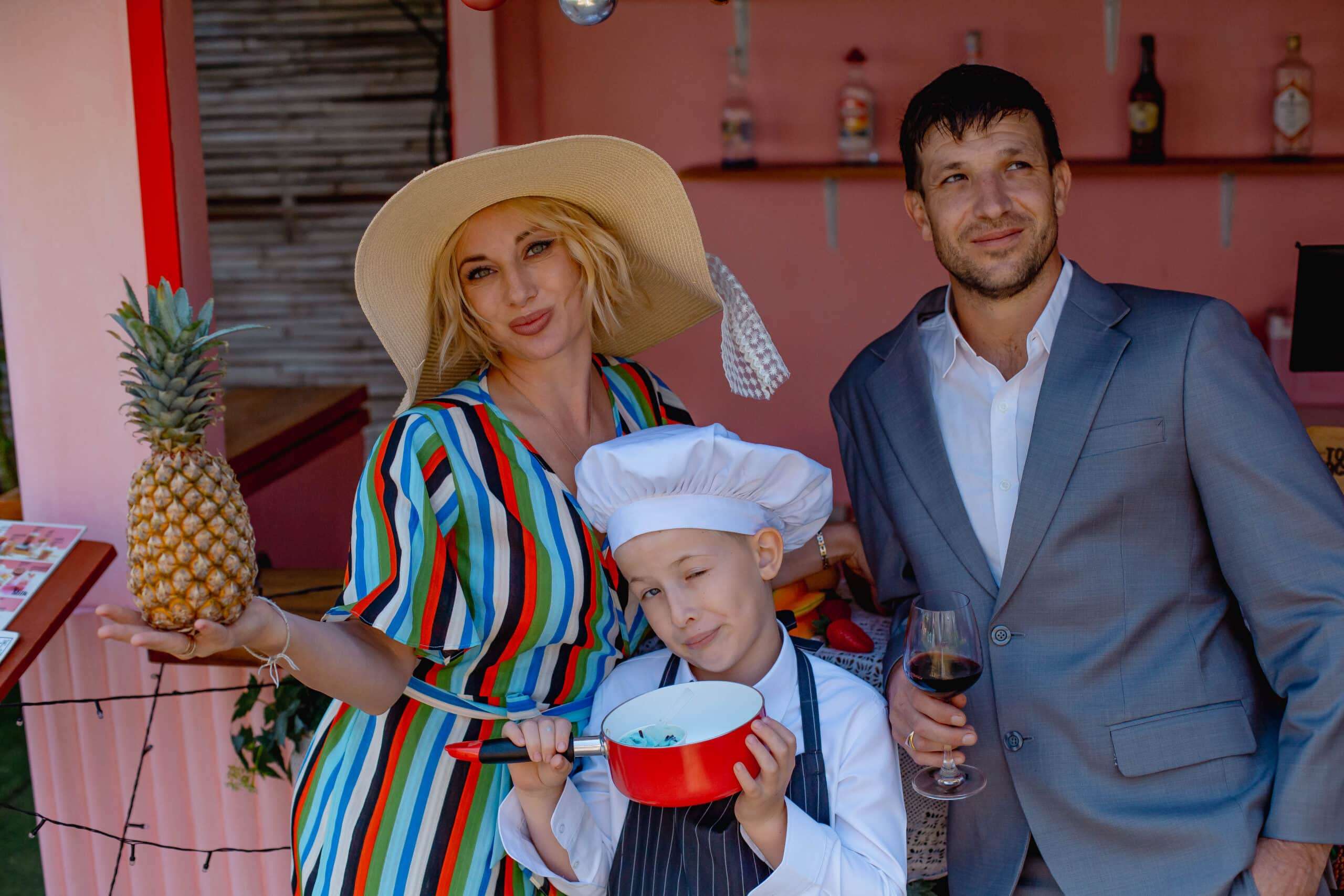
Meet the Mayerhoffers
“Free-spirited food adventurers, culture-seekers, and the guardians of 15 years of global memories.”

Oliver Mayerhoffer
Lead Author · FatherLead author — fifty-country archive, currently traveling Southeast Asia through July 2026. Oliver brings field-tested recipe structure and honest weeknight notes from family kitchens abroad.

Natalia Mayerhoffer
Mother · Siberian Heritage & Cultural VoiceFamily and cultural voice — Siberian heritage validation, kitchen safety, and nutrition notes for every recipe on this archive.
“Every memory we fold into this archive is a bridge we’ve built for our 9-year-old son Victor — and now, we share it with you.”
Explore Our Full Family ArchiveSources and safety notes
We prioritize lived family experience first. When food safety or heritage context matters, we cross-reference field notes with official references listed below.
USDA Food Safety
safe food handling reference
Read sourceHarvard T.H. Chan School of Public Health
nutrition source notes
Read sourceEditorial field notes
Family field notes — Mayerhoffer kitchen testing, July 2026 Southeast Asia season
Our Family’s Kale and Queso Fresco Quesadillas: A Healthy Taste of Mexico
Kale and queso fresco quesadillas wilt chopped kale in a dry skillet, layer queso fresco on a tortilla, fold, and crisp both sides over medium heat until the cheese melts. The Mayerhoffer family uses whole-wheat tortillas and serves with lime and salsa — ready in about fifteen minutes as of July 2026.
Ingredients
- 4 tbsp Queso Fresco (Authentic acid-set)
- 4 Corn Tortillas (6-inch, Nixtamalized)
- 1.5 cups Fresh Kale (Lacinato/Dino)
- 2 Sun-Dried Tomatoes (Oil-packed)
- 1 clove Garlic (Smashed)
- 2 tsp Olive Oil
- 1 tsp Canola Oil
Step-by-step method
Moisture Management Sauté
Heat olive oil over medium. Sauté garlic for 2 mins to flavor oil, then discard. Add kale and cook 4-5 mins until cellular moisture is reduced, protecting the tortilla from sogginess.
Starch Shield Assembly
Heat canola oil in skillet. Place one corn tortilla, layer kale, tomatoes, and crumbled Queso Fresco. The nixtamalized corn acts as a starch shield.
The Maillard Crisp
Cook 2-3 minutes per side. Press with a spatula to bind. The acid-set cheese softens but resists liquefaction, maintaining a distinct, creamy bite.
Tested by Oliver Mayerhoffer and Natalia Mayerhoffer.
Enjoying our content? Make Mangoes & Palm Trees a preferred source on Google.
Explore next

Recipe cluster routing
Use these hubs for weeknight mains, pantry swaps, and family travel context.