
Editorial standards: editorial policy · Affiliate disclosure: affiliate disclosure · Family-tested archive — updated 2026-07.
Thai street food · holy basil pork
Traditional Pad Kra Pao Recipe
Pound garlic and bird’s eye chilies about thirty seconds, flash-fry pork until browned in roughly three minutes, then fold holy basil off heat—Victor gets seeds pulled so the heat stays honest.

How do you make authentic pad kra pao at home?
Pound garlic and bird’s eye chilies into a rough paste, flash-fry it in smoking oil, then sear ground pork without rushing the break-up. Add oyster, soy, fish sauce, and sugar until glossy, fold in holy basil off heat, and serve over rice with a crispy fried egg (khai dao) on top.
Oliver writes from Southeast Asia fieldwork through July 2026; Natalia reviews safety and nutrition notes; Victor is the final vote on family plates.
What should you remember for pad kra pao?
- Wok heat: Smoking oil, ten-second paste fry, then pork sear.
- Cluster: Thailand food travel · Massaman curry · Thai chili guide.
- Basil: Fold holy basil off heat so leaves stay fragrant.
Why This Pad Kra Pao Moo Recipe Matters
Generations of Love: Uncle Daniel holding 2-year-old Victor (our chief taste tester) in the UK.
Pad Kra Pao Moo is the definitive Thai street food dish featuring minced pork stir-fried with garlic, fiery bird’s eye chilis, and Holy Basil (Bai Kra Pao). Unlike sweet basil variants, Holy Basil provides a unique peppery, clove-like heat essential to the authentic flavor profile. It is traditionally served over jasmine rice and topped with a crispy fried egg (Khai Dao) .
A Memory in Every Bite
The sizzle of garlic and chilis hitting a hot wok isn’t just cooking to us; it is the sound of Oliver’s brother, Daniel. This recipe was forged during our years living in Bangkok (2016–2018), where late-night street food runs were our ritual. Daniel loved the heat, the chaos, and the comfort of a perfect Pad Kra Pao.
Drawing from our family’s 15+ years of global culinary exploration, we present this recipe exactly as Daniel enjoyed it: spicy, savory, and uncompromised.
From Cheltenham Mud to Bangkok Heat

A Bond Built on Adventure
Long before we were exploring the night markets of Southeast Asia, Daniel and I were explorers in our own backyard in the UK. Daniel was always the leader—the one who dove headfirst into the mud, the one who took the risks. That spirit never left him.
When we moved to Thailand in 2016, Daniel found his culinary soulmate in the fiery, unpretentious flavors of Thai street food. He didn’t want the sanitized, tourist-friendly versions of dishes. He wanted the real deal: the sweat-inducing spice, the pungent fish sauce, and the aromatic punch of holy basil.
🕊️ The Anniversary Ritual
Every year on July 30th, Daniel’s birthday, we recreate this specific Pad Kra Pao Moo recipe. We cook it late at night, just as we used to eat it after a long shift or a night out in Bangkok. It is our way of keeping his memory alive—through the senses, the heat, and the shared love of a perfect meal.
More Than Just a Tourist: The Soul of the Dish

Holy Basil vs. Thai Sweet Basil: The Critical Difference
In the West, many “Thai” restaurants substitute Thai Sweet Basil (Horapa) into this dish. Daniel hated that. He taught us that Pad Kra Pao literally translates to “Stir-fried Holy Basil.
” Without the Holy Basil, it is a different dish entirely.
🌿 Holy Basil (Bai Kra Pao)
Flavor: Peppery, clove-like, medicinal, and intense. It numbs the tongue slightly when eaten raw. This is the only herb Daniel used for this recipe.
🌱 Thai Sweet Basil (Horapa)
Flavor: Sweet, anise-like, licorice notes. While delicious in Green Curry, it makes Pad Kra Pao taste “wrong” and overly perfumed.
To truly honor the authenticity of this dish, we sourced our techniques directly from street vendors in Bangkok. High wok heat activates the oils in holy basil—that signature aroma from our Southeast Asia field notes.
Explore more of our Asia travel guides to see where this journey began.
The Late Night Ritual: Assemble Your Arsenal
Cooking this dish isn’t just about feeding ourselves; it’s about stepping back into that memory. Every year on July 30th, we set up our station exactly how Daniel liked it. We pour a drink, light a candle, and bring out the “Daniel” egg pot.
Why We Crush (Don’t Chop)
You will notice a granite mortar and pestle in our setup. Daniel insisted on this. When you chop chilies and garlic with a knife, you slice the cells.
When you crush them with a pestle, you explode the cells, releasing significantly more allicin (garlic) and capsaicin (chili oils). This technique is the secret to the aggressive, authentic aroma of street food.
The Stir-Fry Base
- Ground Pork (Moo): 300g (High fat content, approx 20-30% fat for flavor).
- Holy Basil: 1 large handful (leaves picked).
- Garlic: 5-6 cloves (peeled).
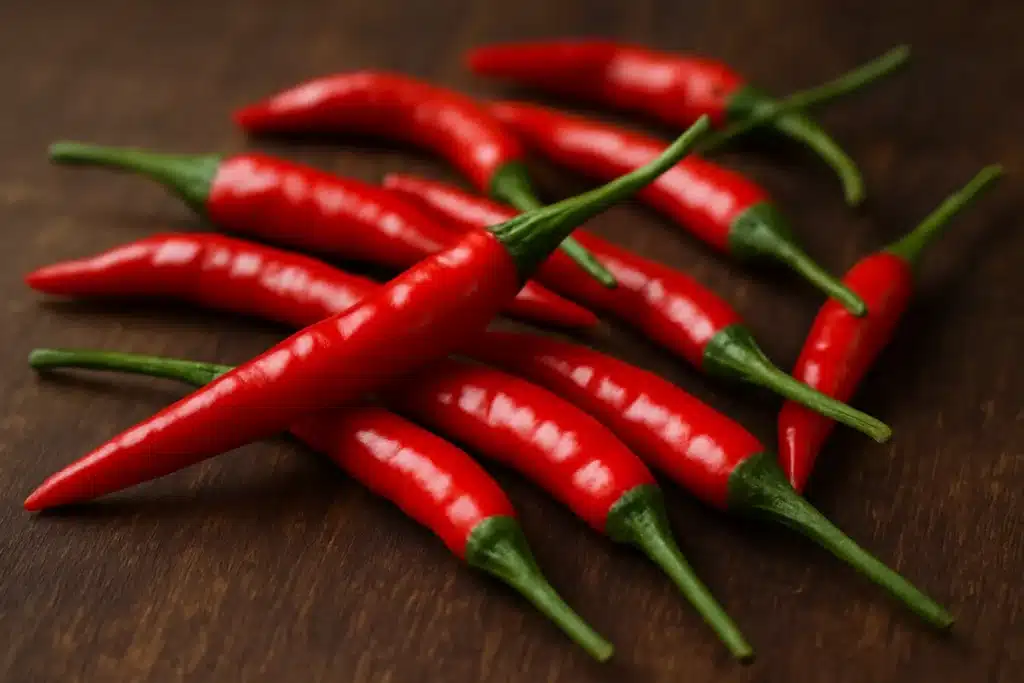
- Thai Bird’s Eye Chilies: 5-10 (depending on your courage). Daniel used 12.
The Sauce (Pring)
- Oyster Sauce: 1 tbsp (The savory body).
- Soy Sauce: 1 tbsp (Light soy for salt).
- Dark Soy Sauce: 1/2 tsp (For rich color).
- Fish Sauce: 1 dash (The umami finish).
- Sugar: 1 tsp (To balance the heat).
For more details on sourcing authentic Asian ingredients, check out our Global Pantry Guide.
Authentic Pad Kra Pao Moo (Daniel’s Tribute)
“Hot, salty, and perfumed with holy basil—just the way he liked it.”
Instructions: The High-Heat Method
Chef’s Note: This moves fast. Have everything within arm’s reach before you turn on the gas.
- The Crush: In your mortar, pound the chilies and garlic into a coarse paste. Do not turn it into a puree; you want chunks of texture.
- The “Wok Hei” (Breath of the Wok): Heat 1 tbsp of oil in your wok over maximum heat. Wait until you see wisps of white smoke. This is crucial for the smoky flavor.
- The Sizzle: Add the garlic-chili paste. It will sizzle aggressively and make you cough (this is a good sign). Stir for 10 seconds—do not burn the garlic.
- The Sear: Add the ground pork. Don’t stir immediately—let it sear against the hot metal for 20 seconds to get some browning. Then, break it up vigorously.
- The Seasoning: When the pork is almost cooked, pour in your sauce mixture. Toss to coat. The sugar should caramelize slightly against the hot wok.
- The Finish: Turn off the heat. Immediately throw in the Holy Basil leaves. The residual heat will wilt them in seconds, releasing that signature clove aroma without killing the fresh flavor.
- The Egg (Khai Dao): In a separate small pan, fry eggs in plenty of oil. Baste the hot oil over the yolk to cook the top while keeping the bottom crispy.
🍽️ How to Serve
Serve over hot Jasmine rice. Top with the fried egg. For the full experience, add a side of Prik Nam Pla (Fish sauce with chopped chilies).
Pair with a cold Thai beer or a fresh lime soda.
⚠️ Food Safety & Storage Protocols
We take safety as seriously as flavor. Based on fifty-country field kitchens management, here are the critical controls for this dish.
🥩 Handling Ground Pork
Ground meat has a higher surface area for bacterial growth. According to the USDA FSIS (), pork must be cooked to an internal temperature of 160°F (71°C) to ensure safety. Our high-heat wok method achieves this rapidly.
🍚 Reheating Jasmine Rice
Rice can harbor Bacillus cereus spores if left at room temperature. Cool leftover rice quickly (within one hour) and never reheat it more than once—see USDA FSIS guidance in our evidence vault.
📚 Verified References Library
- 🏛️ USDA FoodData Central: Nutritional profile of chili peppers (see evidence vault)
- 🏛️ CDC Food Safety: Raw Meat Handling Guidelines
- 👨🍳 Serious Eats: The Science of Wok Hei
- 👨🍳 Hot Thai Kitchen: Holy Basil vs. Thai Basil Guide
🕊️ A Final Toast to Daniel
“To the muddy adventures in Cheltenham, the late nights in Bangkok, and the laughter that still echoes in our kitchen. We miss you every day, brother. This plate is for you.”
— Oliver, Natalia & Victor
What do cooks ask about pad kra pao?
Can you substitute regular basil for holy basil?
How spicy is traditional pad kra pao?
Why fry the egg separately?
What did Victor say about pad kra pao?
Victor's verdict
Holy basil smells like dinner out—he asks for extra rice to catch the sauce.
Parent tip
Seedless chilies on his plate; fried egg yolk is the reward.
Meet the Mayerhoffers
“Free-spirited food adventurers, culture-seekers, and the guardians of 15 years of global memories.”

Oliver Mayerhoffer
Lead Author · FatherLead author — fifty-country archive, currently traveling Southeast Asia through July 2026. Oliver brings field-tested recipe structure and honest weeknight notes from family kitchens abroad.

Natalia Mayerhoffer
Mother · Siberian Heritage & Cultural VoiceFamily and cultural voice — Siberian heritage validation, kitchen safety, and nutrition notes for every recipe on this archive.
“Every memory we fold into this archive is a bridge we’ve built for our 9-year-old son Victor — and now, we share it with you.”
Explore Our Full Family ArchiveWhat sources back this pad kra pao recipe?
Wok technique from our Thailand field notes; see references for handling and nutrition context.
Wikipedia — Thai cuisine
Regional stir-fry context
Read sourceUSDA FoodData Central
Ingredient nutrition reference
Read sourceHarvard T.H. Chan nutrition
Diet notes—not medical advice
Read sourceUSDA FSIS
Safe handling reference
Read sourceEditorial field notes
Bangkok and Thailand kitchen tests — July 2026 season
Traditional Pad Kra Pao (Holy Basil Pork)
Pounded garlic and chilies, wok-seared pork, glossy sauce, and holy basil finished off heat—served with crispy fried egg over rice.
Ingredients
- 1 lb ground pork (20% fat)
- 2 cups holy basil leaves (packed)
- 6-10 bird’s eye chilies
- 5 cloves garlic
- 1 tbsp oyster sauce
- 1 tbsp soy sauce
- 1 tsp fish sauce
- 1 tsp sugar
- 2 eggs (for frying)
- Vegetable oil (for frying)
Step-by-step method
Make the paste
Pound garlic and chilies in a mortar until a rough paste forms.
Sear the pork
Heat oil until smoking; fry paste 10 seconds, add pork, and sear before breaking up.
Sauce and basil
Add sauces and sugar; stir until caramelized; fold in holy basil off heat.
Fry the egg
Fry eggs in hot oil until edges are crispy and yolk is runny (khai dao).
Tested by Oliver Mayerhoffer and Natalia Mayerhoffer.
Enjoying our content? Make Mangoes & Palm Trees a preferred source on Google.
Explore next

Where does pad kra pao sit in our Thailand cluster?
Massaman, red curry, Bangkok street food, and 2026 Thailand travel notes from the archive.


thanks for good artikel