Editorial standards: editorial policy Affiliate disclosure: affiliate disclosure



12 shrimp pasta styles · Recipe inspiration and cooking guidance
Shrimp Pasta Recipes
From creamy garlic and Alfredo to marinara, pesto and squid-ink pasta, explore twelve shrimp-pasta styles with practical advice on choosing pasta, cooking shrimp, and handling leftovers safely.
What are some good shrimp pasta recipes?
Good shrimp pasta ideas include creamy garlic, shrimp Alfredo, Mediterranean-style tomato and olive pasta, lemon-garlic spaghetti, marinara linguine, bang bang shrimp pasta, shrimp pesto, lemon pappardelle, spicy tomato and garlic pasta, shrimp scampi or fra diavolo, pesto zucchini noodles, and squid-ink pasta with prawns. Match the pasta shape to the sauce, cook shrimp until firm, pearly and opaque, and finish the pasta with a little starchy cooking water if the sauce needs loosening.
This is a visual roundup and cooking guide. The supplied article contains three partial ingredient outlines; it does not establish twelve complete, kitchen-tested recipes.
At a glance
- 12 pictured styles: creamy garlic, Alfredo, Mediterranean, lemon, marinara, bang bang, pesto, spicy tomato, scampi-style and more.
- Pasta choice: linguine and spaghetti suit lighter sauces; fettuccine and pappardelle work with richer or more substantial sauces.
- Shrimp doneness: the FDA says shrimp flesh should become firm, pearly and opaque.
- Frozen shrimp: thaw overnight in the refrigerator or use the FDA’s sealed-bag cold-water method.
- Leftovers: USDA guidance gives cooked seafood 3–4 days in a refrigerator at 40°F (4.4°C) or below.
Shrimp works with a wide range of pasta sauces, from light garlic and lemon preparations to cream-based Alfredo and tomato sauces. The best combination depends on the pasta shape, the richness of the sauce and how much heat or acidity you want in the finished dish.
The photographs in this collection show twelve different shrimp-pasta directions. Three ingredient outlines from the earlier article are retained separately below. Where the source does not give a complete quantity, timing or yield, that information is identified rather than filled in by guesswork.
12 shrimp pasta ideas
Use these styles as a starting point when deciding what to cook. The image descriptions identify the dish direction; they should not be read as proof that every variation has been tested as a complete recipe.
Creamy garlic shrimp pasta

A creamy garlic sauce is a natural match for shrimp. The original draft’s separate Alfredo outline below provides the measured cream, butter and Parmesan quantities; this photograph remains the creamy-garlic variation.
Mediterranean-style shrimp pasta

The original Mediterranean outline uses tomatoes, Kalamata olives, capers and basil. Its source text specifies pappardelle, while the image filename identifies linguine, so this photograph is presented as a style reference rather than evidence of a tested pasta pairing.
Shrimp Alfredo fettuccine
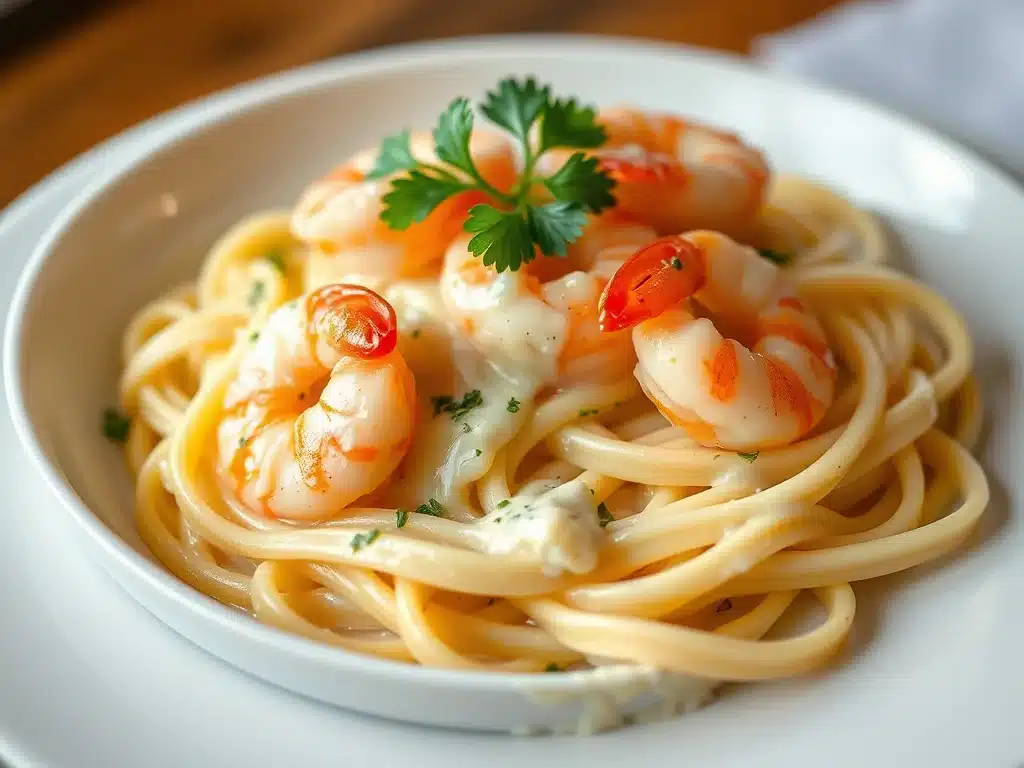
The supplied Alfredo outline pairs shrimp with fettuccine, cream, butter, Parmesan and garlic. The card below preserves the quantities that were present in the original draft and marks the missing detail rather than guessing.
Lemon and garlic shrimp pasta

Lemon and garlic give shrimp pasta a brighter direction. The supplied outline uses olive oil and linguine, while this image filename describes spaghetti and butter; treat the image and outline as separate references until the intended version is confirmed.
Shrimp linguine marinara
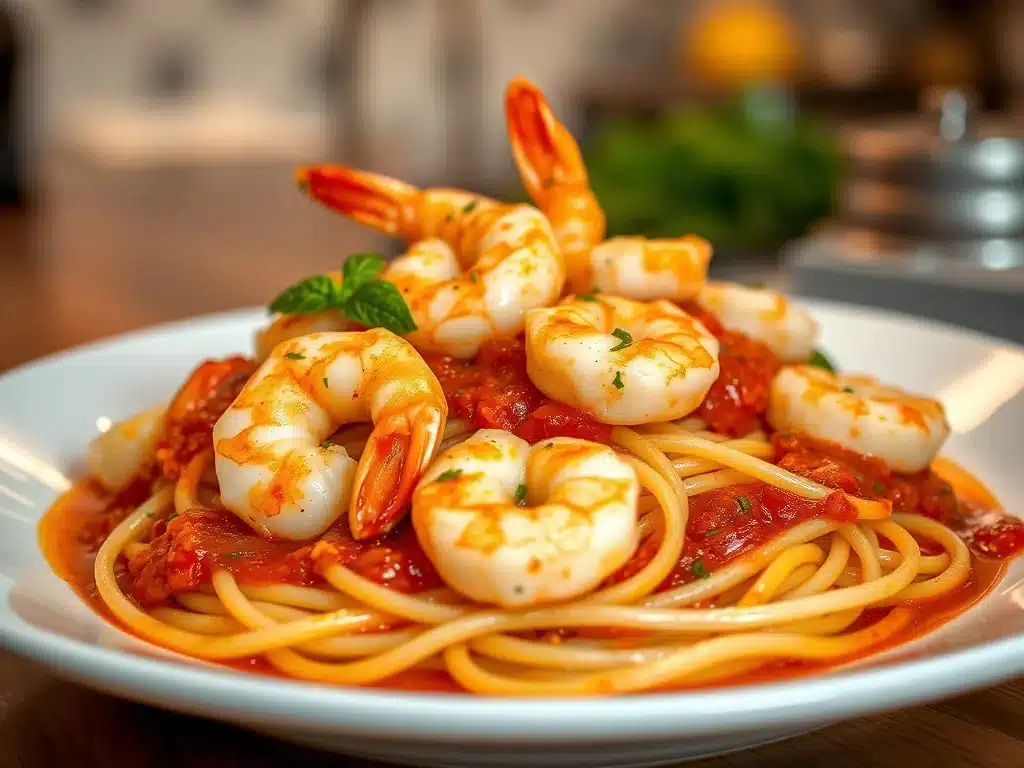
A tomato marinara sauce gives shrimp linguine a straightforward, tomato-led direction. The supplied material includes the photograph but no complete ingredient quantities or tested method for this variation.
Bang bang shrimp pasta
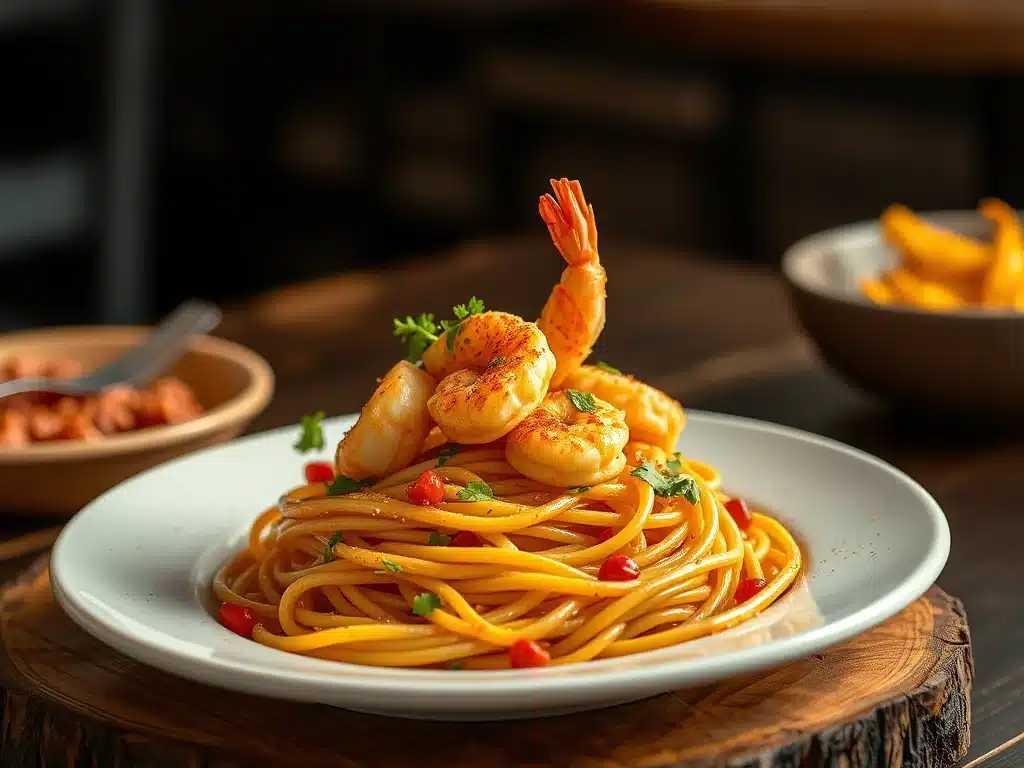
Bang bang shrimp pasta is a distinct sauce-led idea in the image collection. The supplied article does not include a verified ingredient list for this version, so no sauce formula or heat level is invented here.
Shrimp pesto pasta
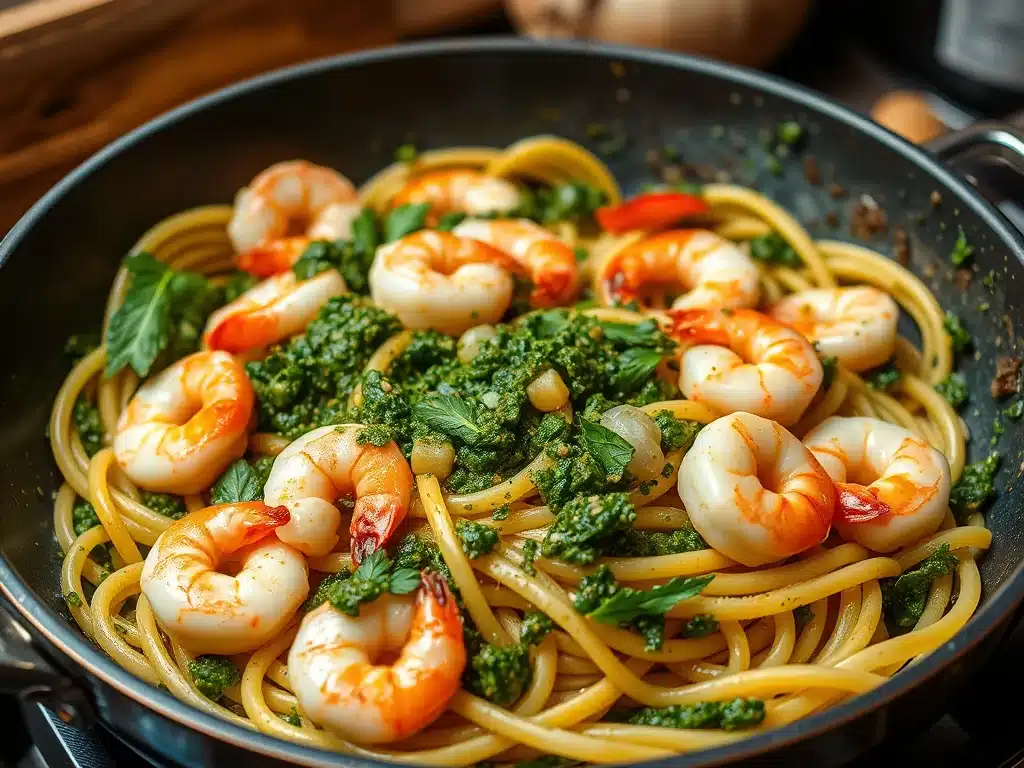
The photograph shows shrimp pesto pasta being finished in a pan. Pesto can be loosened with a little reserved pasta water; add it gradually so the sauce coats rather than pools around the pasta.
Lemon pappardelle with shrimp

This image pairs shrimp with broad pappardelle and a lemon-led direction. It is a useful variation to compare with the lighter spaghetti and linguine styles in the collection.
Spicy tomato and garlic shrimp pasta

A spicy tomato and garlic sauce is another direction shown in the original image set. The amount and type of chilli are not specified in the supplied article, so adjust heat only in a separately tested version.
Shrimp scampi and fra diavolo

The asset name combines shrimp scampi and fra diavolo. They are related shrimp-pasta directions but not the same sauce: keep the garlic-led scampi idea distinct from a tomato-and-chilli fra diavolo when developing a full recipe.
Pesto zucchini noodles with prawns

Pesto zucchini noodles with prawns offer a vegetable-noodle alternative to wheat pasta. The supplied material provides the photograph but not a full measured formula.
Squid-ink pasta with prawns and cherry tomatoes

Squid-ink pasta with prawns and cherry tomatoes gives the collection a visually distinctive seafood option. The supplied material does not include a complete recipe formula for this dish.
Which pasta shapes work well with shrimp?
There is no single correct pasta for shrimp. The shape changes how the sauce sits on the dish, so choose it to suit the preparation rather than treating one pairing as a rule.
| Pasta shape | Good direction | Why choose it |
|---|---|---|
| Spaghetti or linguine | Lemon, garlic, olive oil, marinara or pesto | Long strands are easy to toss through a loose sauce. |
| Fettuccine | Alfredo and other creamy sauces | The broad ribbon carries a richer coating. |
| Pappardelle | Chunkier tomato or seafood sauces | The wide ribbons make a substantial base for a fuller sauce. |
| Zucchini noodles | Pesto and lighter shrimp preparations | A vegetable-noodle alternative to dried wheat pasta. |
| Squid-ink pasta | Prawns, shrimp and tomato | A distinctive dark pasta for a seafood-led plate. |
How to cook shrimp for pasta
The reliable approach is to cook the pasta and sauce in a controlled sequence, then add the shrimp only for the time needed to cook it through. Avoid a universal seconds-per-side instruction: shrimp size, pan heat and whether the shrimp are fresh or thawed all affect cooking time.
- Thaw frozen shrimp safely. Thaw overnight in the refrigerator. For quicker thawing, seal the shrimp in a plastic bag and immerse it in cold water, following the FDA’s seafood guidance.
- Prepare the pasta. Cook it according to the packet instructions. Before draining, reserve a small cup of the cooking water.
- Build the sauce. Prepare the garlic-and-oil, lemon, cream, tomato or pesto base for the style you have chosen.
- Cook the shrimp until done. The FDA’s specific visual guidance is that shrimp flesh becomes firm, pearly and opaque. Do not remove shrimp at 120–130°F and rely on carry-over cooking as the old draft instructed.
- Finish the pasta. Toss the drained pasta through the sauce. Add reserved pasta water a little at a time if the sauce needs loosening, then fold in the cooked shrimp.
Starchy pasta water can help a sauce coat the noodles rather than sit separately in the bottom of the bowl. Serious Eats explains how concentrated pasta water and finishing pasta in the sauce can help create a cohesive coating. Read the pasta-water technique.
Three ingredient outlines retained from the original draft
The supplied article included three formula outlines. They are preserved here using the quantities actually present in that draft. Missing amounts, cooking times and serving yields have not been invented; these are starting outlines, not complete tested recipe cards.
Lemon garlic shrimp pasta
The earlier draft specifies shrimp, linguine, sliced garlic, olive oil, lemon and red pepper flakes. The full quantities for the lemon and chilli were not recorded.
Ingredients recorded in the source
- 1 lb large shrimp, peeled and deveined
- 1 lb linguine
- 6 cloves garlic, thinly sliced
- 4 tbsp olive oil
- Fresh lemon juice — quantity not recorded
- Red pepper flakes — quantity not recorded
- ½ cup reserved pasta water, as stated in the original method
Method outline
- 01Cook the linguine according to its packet instructions and reserve ½ cup of pasta water before draining.
- 02Warm the olive oil and gently cook the sliced garlic until aromatic, taking care not to burn it.
- 03Cook the shrimp until the flesh is firm, pearly and opaque. The FDA’s visual doneness guidance should take precedence over the old draft’s 45-second-per-side instruction.
- 04Add lemon juice and a little reserved pasta water, toss with the linguine, then adjust the chilli to the intended heat level.
Creamy shrimp Alfredo fettuccine
The supplied outline gives quantities for shrimp, fettuccine, cream, butter and Parmesan. It lists garlic without specifying an amount.
Ingredients recorded in the source
- 1 lb large shrimp
- 1 lb fettuccine
- 1 cup heavy cream
- 4 tbsp butter
- 1 cup freshly grated Parmesan
- Garlic — quantity not recorded
Method outline
- 01Cook the fettuccine according to the packet instructions.
- 02Cook the shrimp until firm, pearly and opaque, then set aside while finishing the sauce.
- 03Warm the butter and cream together and allow the sauce to reduce gently. The original outline does not specify the garlic quantity or its exact point of addition.
- 04Take the pan off the heat before folding in the Parmesan, then combine with the fettuccine and cooked shrimp.
Mediterranean shrimp pasta
The earlier text names San Marzano tomatoes, Kalamata olives, capers and basil. It specifies pappardelle, although the associated image filename refers to linguine; the intended pasta shape needs confirmation.
Ingredients recorded in the source
- 1 lb shrimp
- 1 lb pappardelle, as specified in the supplied text
- 1 can San Marzano tomatoes — can size not recorded
- Kalamata olives — quantity not recorded
- Capers — quantity not recorded
- Fresh basil — quantity not recorded
Method outline
- 01Cook the pasta according to the packet instructions.
- 02Simmer the tomatoes and capers to form the tomato base described in the source.
- 03Add the shrimp and cook until firm, pearly and opaque.
- 04Finish with the olives and basil, then combine with the cooked pasta.
Thawing, cooking and storing shrimp safely
Cooking: The FDA says most seafood should reach 145°F, and gives a specific visual test for shrimp: the flesh should become firm, pearly and opaque. Do not use the previous draft’s instruction to remove shrimp at 120–130°F and rely on carry-over cooking.
Thawing: Thaw frozen seafood gradually in the refrigerator overnight. For quicker thawing, seal it in a plastic bag and immerse it in cold water. The FDA also permits microwave defrosting when the seafood will be cooked immediately afterwards, stopping while it is still icy but pliable. FDA seafood safety guidance.
Leftovers: USDA FSIS says cooked fish and other seafood can be safely refrigerated for 3–4 days. Keep the refrigerator at 40°F (4.4°C) or below. Refrigerate leftovers within two hours, or within one hour when the surrounding temperature is above 90°F (32°C). USDA FSIS storage guidance.
Use a shallow, covered container for prompt chilling and reheat leftovers thoroughly. A glass container is optional; the source guidance does not require glass or prohibit plastic.
How to use this collection
This page brings together twelve pictured shrimp-pasta styles and three partial ingredient outlines retained from the previous draft. It is not a claim that twelve full recipes have been independently tested. Where a complete ingredient quantity, timing or yield is absent from the source material, it remains unclaimed until it has been confirmed.
Shrimp pasta questions
What are some good shrimp pasta combinations?
Good shrimp pasta combinations include creamy garlic, shrimp Alfredo, Mediterranean-style tomato and olive pasta, lemon-garlic spaghetti, marinara linguine, bang bang shrimp pasta, shrimp pesto, lemon pappardelle, spicy tomato and garlic pasta, shrimp scampi or fra diavolo, pesto zucchini noodles and squid-ink pasta with prawns. Choose the sauce and pasta shape together: lighter oil- or tomato-based sauces work well with long pasta, while richer sauces can suit ribbons such as fettuccine.
How do you cook shrimp for pasta without making it rubbery?
Cook shrimp only until the flesh becomes firm, pearly and opaque, which is the FDA’s specific visual guidance for shrimp. Avoid relying on a universal pan time: shrimp size, starting temperature and pan heat vary. Add the cooked shrimp back to the pasta near the end so it is not left simmering in the sauce.
Can you use frozen shrimp in pasta?
Yes. Thaw frozen shrimp overnight in the refrigerator. For quicker thawing, seal the shrimp in a plastic bag and immerse it in cold water. The FDA also describes microwave defrosting for seafood that will be cooked immediately afterwards; stop while it is still icy but pliable.
Does pasta water help shrimp pasta sauce?
A little starchy pasta water can help loosen and bring a sauce together so it coats the pasta. Reserve some before draining, then add it gradually while tossing the pasta with the sauce. It does not replace the sauce ingredients; use only enough to reach the consistency you want.
How long can cooked shrimp pasta stay in the refrigerator?
USDA guidance says cooked fish and other seafood can be refrigerated for 3 to 4 days. Keep the refrigerator at 40°F (4.4°C) or below, and refrigerate perishable food within 2 hours, or within 1 hour when the temperature is above 90°F (32°C).
Enjoying our content? Make Mangoes & Palm Trees a preferred source on Google.