Editorial policy: our editorial standards · affiliate disclosure

Chicken and shrimp · Skillet, rice pan and tray bake
Chicken and Shrimp Recipes: Five Ways to Cook Both
Five dinner ideas, from a coconut skillet and paella-inspired rice to a wok stir-fry, Mediterranean tray bake and Creole-seasoned skillet. Chicken and shrimp need different cooking times, so the method matters as much as the seasoning.
Chicken and shrimp served over pasta with tomato sauce.
How do you cook chicken and shrimp together safely?
Cook the chicken first and check that its thickest part reaches 165°F (74°C). Move it to a clean plate, cook the shrimp separately until firm, pearly and opaque, then return the chicken briefly to the pan to heat through. Chicken and shrimp cook at different rates, so do not add them at the same time and rely on appearance alone for the chicken.
Chicken and shrimp cooking guide
- Chicken safety: 165°F (74°C) at the thickest point, measured with a food thermometer.
- Shrimp doneness: firm, pearly and opaque; size affects cooking time.
- Best sequence: cook chicken fully, transfer it to a clean plate, cook shrimp, then combine briefly.
- Five supplied concepts: coconut skillet, paella-inspired rice, basil stir-fry, Mediterranean tray bake and Creole-seasoned skillet.
Why chicken and shrimp need separate cooking stages
Chicken needs to cook through to a measured safe temperature, while shrimp cooks much more quickly. Cooking them in stages gives each protein the attention it needs: finish the chicken first, set it aside on a clean plate, cook the shrimp, then bring both together at the end. This also makes it easier to avoid leaving shrimp in a hot sauce or pan longer than necessary.
The five combinations take different routes: a coconut-lime skillet, a saffron rice pan, a sauce-led wok stir-fry, a roasted tray and a Creole-seasoned skillet. In each method, the chicken is cooked through before the shrimp is added.
The food-safety checks to follow
- Chicken: Cook all pieces to 165°F (74°C), checking the thickest part with a food thermometer. Colour and browning do not confirm a safe internal temperature.
- Shrimp: FDA guidance describes cooked shrimp as firm, pearly and opaque. Do not treat the chicken temperature as a required shrimp temperature.
- Keep raw and cooked food separate: Use clean plates and utensils for cooked chicken; wash hands, boards and equipment after handling raw poultry or seafood.
- Frozen shrimp: Thaw overnight in the refrigerator, or seal it in a leak-proof bag and immerse it in cold water when it will be cooked immediately. Pat dry before searing.
Sources: USDA FSIS poultry temperature guidance, FDA seafood safety guidance and USDA FSIS guidance on separating raw and cooked foods.
Cajun-Seasoned Coconut Chicken and Shrimp Skillet
Chicken, shrimp and a coconut-lime sauce bring together Cajun seasoning, garlic, fish sauce and fresh basil. The name describes the flavour combination; it is not presented as a traditional regional dish.
Yield stated in the supplied draft: 4.
Ingredients
| Ingredient | Quantity |
|---|---|
| Chicken breast, thinly sliced | 1 lb |
| Large shrimp, peeled and deveined | 1 lb |
| Cajun seasoning | 1 tablespoon |
| Garlic, minced | 2 cloves |
| Shallot, finely sliced | 1 |
| Coconut milk | 1 can (14 oz) |
| Fish sauce | 2 teaspoons |
| Lime | 1, zest and juice |
| Thai basil, chopped | ¼ cup |
| Neutral vegetable oil | 2 tablespoons |
| Salt and black pepper | To taste |
| Jasmine rice and lime wedges | For serving, optional |
Method
- Season the chicken. Season the chicken with salt, black pepper and half of the Cajun seasoning.
- Cook the chicken through. Heat the oil in a large skillet over medium-high heat. Add the chicken in a single layer, working in batches if needed. Turn as it cooks and check the thickest pieces with a food thermometer; chicken must reach 165°F (74°C). Transfer the cooked chicken to a clean plate.
- Build the sauce. Lower the heat to medium. Add the shallot and garlic and cook until fragrant. Stir in the remaining Cajun seasoning, coconut milk, fish sauce, lime zest and lime juice. Simmer gently for about 3 minutes.
- Cook the shrimp. Add the shrimp and cook, turning once, until the flesh is firm, pearly and opaque. Avoid relying on a fixed time because shrimp size and pan heat vary.
- Finish and serve. Return the cooked chicken to the skillet and turn it through the sauce just long enough to heat. Fold in the Thai basil and serve with jasmine rice and lime wedges, if using.
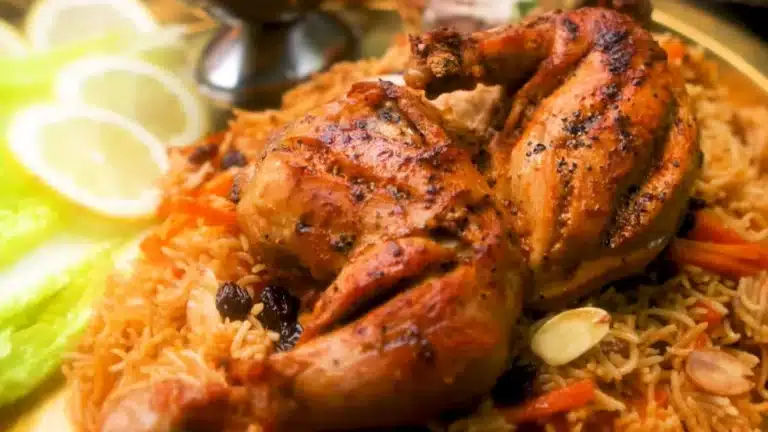
Paella-Inspired Chicken and Shrimp Rice
A home-style rice-pan idea with chicken, shrimp, saffron, paprika, peas and red pepper. “Paella-inspired” describes the rice-pan format; this is a home-style variation, not a claim of culinary authenticity.
Yield stated in the supplied draft: 6 (as supplied; verify portions during testing).
Ingredients
| Ingredient | Quantity |
|---|---|
| Bone-in chicken thighs | 2 (size not specified) |
| Large shrimp, shell-on | 12 |
| Bomba rice | 1½ cups |
| Onion, finely diced | 1 |
| Red bell pepper, diced | 1 |
| Garlic, minced | 2 cloves |
| Smoked paprika | 1 teaspoon |
| Saffron threads | A pinch |
| Chicken stock, warmed | 4 cups (verify rice texture during testing) |
| Fresh peas | 1 cup |
| Olive oil | 2 tablespoons |
| Salt and black pepper | To taste |
| Fresh parsley and lemon wedges | For serving |
Method
- Prepare and cook the chicken. Season the chicken with salt and pepper. Heat the olive oil in a wide, heavy pan and brown the thighs on both sides. Continue cooking the chicken until the thickest part reaches 165°F (74°C), checking with a food thermometer. Transfer to a clean plate. Do not rely on browning alone as proof that chicken is cooked.
- Soften the vegetables. In the same pan, cook the onion and red pepper until beginning to soften. Add the garlic and smoked paprika and stir briefly.
- Add rice and stock. Stir in the Bomba rice. Add the saffron and warmed stock, then add the peas. Bring to a gentle simmer and cook according to the rice instructions, adjusting the heat to maintain a steady simmer. The supplied 4-cup stock quantity must be checked in a real kitchen test for the rice brand and pan size.
- Add the shrimp. When the rice is nearly tender, add the shrimp and cook until the flesh is firm, pearly and opaque. Keep the chicken separate until the shrimp is cooked.
- Finish. Return the cooked chicken to the pan and heat through. Rest briefly, then finish with parsley and lemon. Check that the rice is tender and the chicken remains at a safe temperature before serving.
Thai-Style Chicken and Shrimp Basil Stir-Fry
Oyster sauce, soy, chilli paste, palm sugar and fresh greens create a savoury-sweet stir-fry. The description is based on the listed ingredients, not a claim of street-vendor provenance.
Yield stated in the supplied draft: 4.
Ingredients
| Ingredient | Quantity |
|---|---|
| Chicken tenderloin, thinly sliced | 1 lb |
| Shrimp, peeled and deveined | 1 lb |
| Oyster sauce | 2 tablespoons |
| Soy sauce | 1 tablespoon |
| Thai chilli paste | 1 tablespoon |
| Palm sugar | 1 teaspoon |
| Red chilli, thinly sliced | 1 |
| Asian greens, such as bok choy | 2 cups |
| Neutral vegetable oil | 3 tablespoons |
| Jasmine rice | For serving, optional |
Method
- Mix the sauce. Stir together the oyster sauce, soy sauce, Thai chilli paste and palm sugar.
- Cook the chicken fully. Heat the oil in a wok or large skillet. Stir-fry the chicken in batches so the pan is not crowded. Check the thickest pieces with a food thermometer and cook to 165°F (74°C). Transfer to a clean plate.
- Cook the shrimp. Add the shrimp to the hot pan and cook, turning once, until firm, pearly and opaque. Transfer to a separate clean plate.
- Cook the vegetables. Add the red chilli and greens and stir-fry until the greens are just tender.
- Combine. Add the sauce, then return the cooked chicken and shrimp. Toss briefly until everything is hot. Serve with jasmine rice, if desired.
Mediterranean Chicken and Shrimp Tray Bake
Chicken thighs, shrimp, potatoes, tomatoes, red onion, oregano, lemon and feta make a Mediterranean-style tray-bake combination. The name describes the ingredient combination rather than a place-specific family recipe.
Yield stated in the supplied draft: 4.
Ingredients
| Ingredient | Quantity |
|---|---|
| Bone-in chicken thighs | 4 |
| Shrimp, peeled | 1 lb |
| Cherry tomatoes | 1 pint |
| Red onion, cut into wedges | 1 |
| Medium potatoes, cubed | 2 |
| Olive oil | ¼ cup |
| Lemon juice | 1 tablespoon |
| Dried oregano | 1 tablespoon |
| Feta cheese, crumbled | ½ cup |
| Salt and black pepper | To taste |
| Crusty bread | For serving, optional |
Method
- Heat the oven. Heat the oven to 425°F (220°C).
- Start the vegetables. Toss the potatoes, red onion and tomatoes with half of the olive oil. Spread them on a large tray and roast until the potatoes are beginning to soften.
- Roast the chicken. Season the chicken with oregano, salt, pepper, lemon juice and the remaining oil. Add it to the tray and roast until the thickest part of each thigh reaches 165°F (74°C). Timing depends on thigh size and the oven; use a thermometer rather than the draft’s fixed 15-minute estimate.
- Add the shrimp. Once the chicken is safely cooked, add the shrimp to the tray. Return it to the oven and cook until the shrimp is firm, pearly and opaque.
- Finish. Scatter over the feta and serve with crusty bread, if desired.
Creole-Seasoned Bourbon Chicken and Shrimp Skillet
Bell peppers, onion, celery, Creole seasoning and a little bourbon make a richly flavoured skillet. The draft avoids lighting alcohol in the pan; bourbon is added off the heat and simmered gently.
Yield stated in the supplied draft: 4.
Ingredients
| Ingredient | Quantity |
|---|---|
| Chicken breasts, cubed | 2 (size not specified) |
| Shrimp, peeled | 1 lb |
| Bourbon | ½ cup (optional; see method) |
| Red and yellow bell peppers, sliced | 2 |
| Onion, sliced | 1 |
| Celery stalk, chopped | 1 |
| Creole seasoning | 1 tablespoon |
| Garlic, minced | 2 cloves |
| Butter | 2 tablespoons |
| Chicken stock | 1 cup |
| Salt and black pepper | To taste |
| Green onions | For garnish |
| Cooked rice | For serving |
Method
- Season and cook the chicken. Season the chicken with Creole seasoning, salt and pepper. Melt the butter in a large skillet and brown the chicken. Continue cooking until the thickest pieces reach 165°F (74°C) on a food thermometer. Transfer to a clean plate.
- Cook the vegetables. Add the bell peppers, onion, celery and garlic to the skillet. Cook until beginning to soften.
- Deglaze without a flame. Turn off the burner and move the skillet away from direct heat. Carefully add the bourbon, keeping the bottle away from the pan. Return the skillet to low heat and simmer gently. Never set the alcohol alight. For a non-alcohol option, omit the bourbon and use a little additional stock.
- Make the sauce. Add the chicken stock and simmer until the sauce has reduced slightly.
- Cook the shrimp and finish. Add the shrimp and cook until firm, pearly and opaque. Return the cooked chicken and toss briefly to heat through. Garnish with green onions and serve over cooked rice.
Explore the MPT recipe library
Browse the relevant collections for more ideas from the kitchen archive.
- Mangoes & Palm Trees recipe archive — the wider collection of recipes.
- Chicken recipes — poultry dishes from the recipe library.
- Fish and seafood recipes — seafood dishes and cooking ideas.
Chicken and shrimp FAQs
Should I cook chicken or shrimp first?
How can I tell when shrimp is cooked?
Can I use frozen shrimp?
Can chicken and shrimp cook in the same pan?
How long can I keep chicken and shrimp leftovers?
Enjoying our content? Make Mangoes & Palm Trees a preferred source on Google.