Editorial standards: editorial policy · Affiliate disclosure: affiliate disclosure · Family-tested archive — updated July 2026.
Mirasol dried chile guide
Guajillo Peppers
Mexico’s fruity mirasol dried chile — selection, paste, and mole routing we refined from Oaxaca stalls through Bangkok and Hua Hin rental kitchens, July 2026.
What are guajillo peppers?
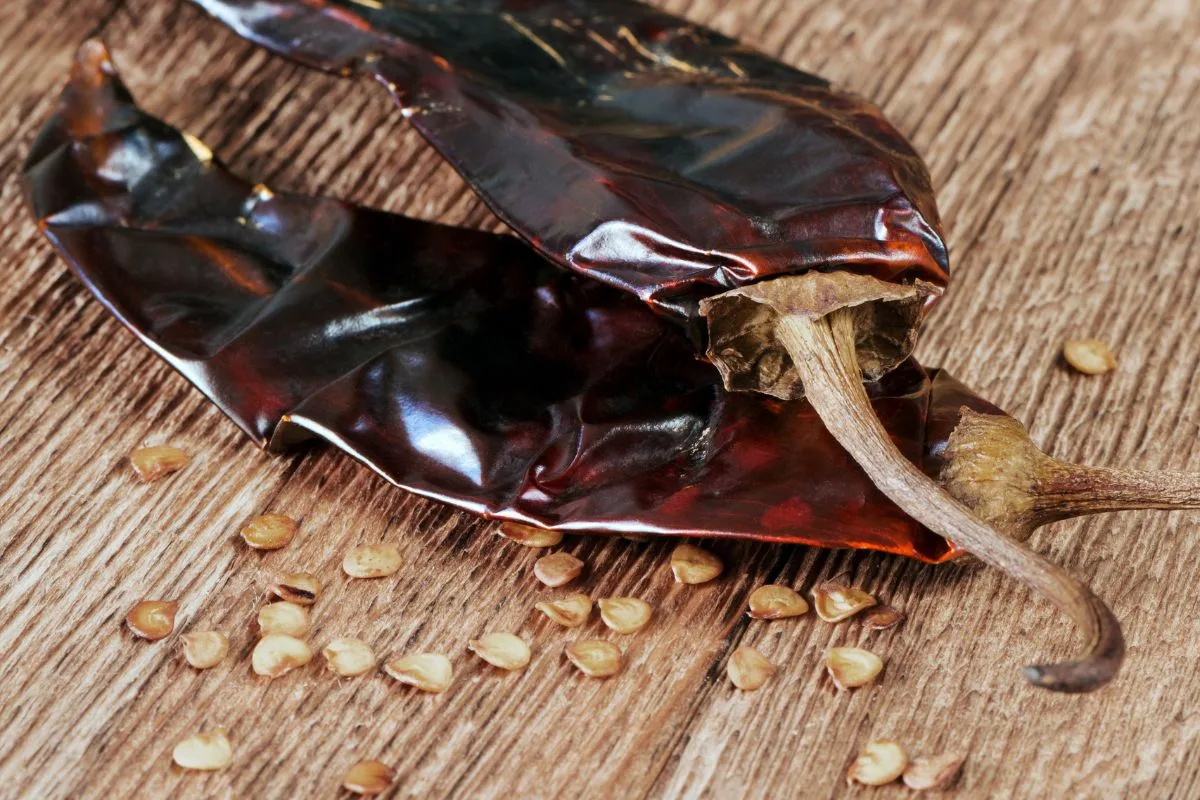
Guajillo peppers are dried mirasol chiles—thin-walled reddish-brown pods with fruity berry notes and 2,500–5,000 SHU mild-to-medium heat. Toast, seed, soak twenty minutes, then blend into paste for moles, enchilada sauce, and marinades. Mayerhoffer field notes, July 2026.
Oliver writes from Southeast Asia fieldwork through July 2026; Natalia reviews safety and nutrition notes; Victor is the final vote on family plates.
Key takeaways
- Heat band: Plan for 2,500–5,000 SHU—fruitier and milder than árbol, sharper than ancho. Compare on guajillo vs ancho and the chili pepper pillar.
- Prep rhythm: Toast pliable pods, stem and seed, soak twenty minutes, then blend to paste—Victor-tested soak times from July 2026 rental kitchens.
- Cluster routing: Pair with dried guajillo chiles, guajillo substitutes, and California vs guajillo when markets label chiles differently.
Keep exploring after this guajillo pepper guide
More guides we reach for in Mexican, Thai, and weeknight kitchens—grouped so you can compare heat, swap dried chiles, or jump to a family recipe.
- Start here: Chili pepper library · Ultimate guides hub · Recipes archive
- Compare & swap: California vs guajillo · Guajillo substitutes · Serrano vs jalapeño · Thai chili guide · Árbol chili
- Cook tonight: Guajillo beef tacos · Ancho pepper recipes · Chipotle in adobo · Pad kra pao
- Who we are: Oliver Mayerhoffer · Natalia Mayerhoffer · Editorial policy · Affiliate disclosure
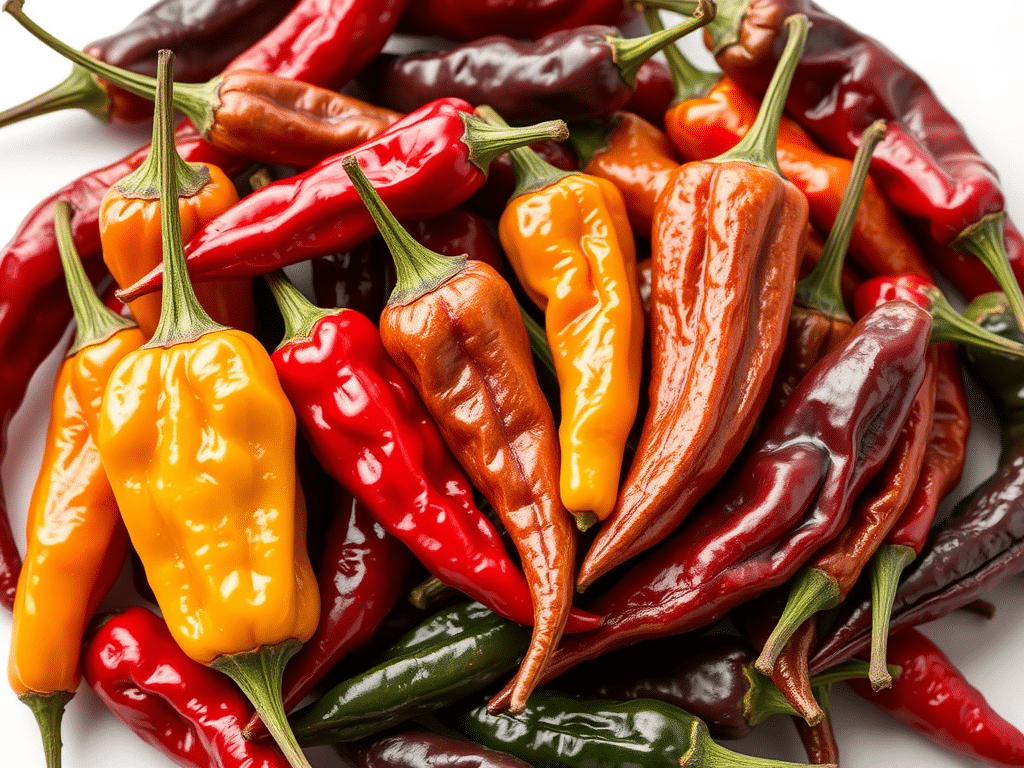
What Are Guajillo Peppers? Understanding Mexico’s Fruity Chile
The guajillo (pronounced gwah-HEE-yoh) is the dried form of the Mirasol chile, one of Mexico’s most beloved peppers. According to Specialty Produce’s family guide, its name—meaning “looking at the sun” in Spanish—reflects how the fresh pepper grows pointing upward. Once dried, the guajillo pepper transforms into a complex ingredient vital to authentic Mexican dishes, particularly moles and sauces.
Chili Pepper Madness documents that guajillo peppers are part of the famed “Holy Trinity” of Mexican chiles, alongside Ancho and Pasilla varieties. Wikipedia confirms that this guajillo chile serves as the foundation for countless mole sauces and traditional stews. The thin-walled structure of the guajillo pepper makes it ideal for both grinding into paste and simmering in complex sauces.
How to Select and Store Guajillo Peppers
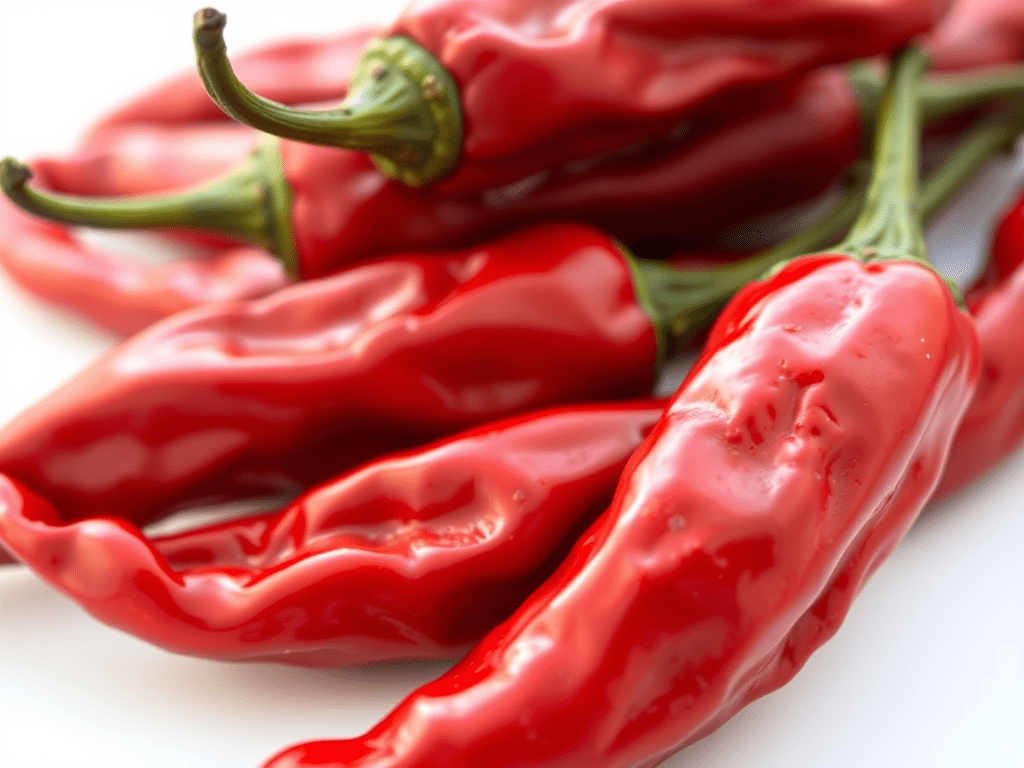
When shopping for guajillo peppers, look for chiles that are pliable and flexible. Specialty Produce recommends selecting guajillo peppers with a deep, reddish-brown color and slight sheen—avoid any that are brittle, cracked, dusty, or have blemishes. Brittle or cracked guajillo peppers indicate age and flavor loss.
What mistakes waste good guajillos?
- Unstemmed blend: Tough caps clog the blender—stem first.
- Over-soaking: Twenty minutes is enough; mushy skins dilute flavor.
- Confusing pasilla and guajillo: Check the bag—names swap in some markets.
- When markets run short: See substitute-for-guajillo-chili before you swap blindly.
How should you store dried chiles?
Airtight containers in a cool, dark pantry; freeze backup bags in humid kitchens. See our evidence vault for FDA produce storage context.
“Guajillo sauce on tacos is my favorite red—not too spicy when Mom strains it. I still get the smoky taste.”
— Victor Mayerhoffer, age 9
Diversivore’s storage guide recommends keeping guajillo peppers in an airtight container in a cool, dark pantry. Cozymeal confirms that properly stored guajillo peppers retain their flavor for 6-12 months . Keep guajillo peppers away from moisture, direct sunlight, and heat sources.
Many home cooks store their guajillo peppers in sealed mason jars or vacuum-sealed bags for maximum longevity and flavor preservation.
Flavor & Heat Profile: What Makes Guajillo Peppers Special
The guajillo pepper‘s appeal lies in its nuanced flavor profile, not just its heat level. Chili Pepper Madness describes guajillo peppers as offering sweet, fruity flavor with notes of berries and green tea, balanced by light smokiness. This complexity makes guajillo peppers incredibly versatile in the kitchen.
The heat level of guajillo peppers is mild-to-medium, measuring approximately 2,500-5,000 Scoville Heat Units (SHU) on the Scoville scale—similar to a mild jalapeño. Specialty Produce confirms this moderate Scoville rating, making guajillo peppers ideal for adding depth to dishes without overwhelming spice. The drying process actually intensifies the fruity and sweet characteristics of the guajillo pepper while mellowing the heat, making it one of the most approachable dried Mexican chiles.
How to Prepare Dried Guajillo Peppers: Video Guide
Before making our guajillo paste, it’s essential to understand the fundamentals of rehydrating and preparing guajillo peppers. This video from Chili Pepper Madness shows exactly how to unlock the full flavor potential of guajillo peppers:
Guajillo Sauce Recipe – Chili Pepper Madness
Video courtesy of Chili Pepper Madness – “Guajillo Sauce Recipe”
How to Make Guajillo Pepper Paste: Step-by-Step Recipe
This simple guajillo paste is the foundation for countless recipes, from authentic tacos to rich moles and enchilada sauces. Unlocking the guajillo pepper‘s complex flavor is straightforward with these key steps.
Ingredients for Guajillo Paste
- 6-8 dried guajillo peppers
- 2 cloves garlic, unpeeled
- ½ white onion, cut into wedges
- 2 cups hot water
- ½ teaspoon salt
Instructions for Guajillo Paste
- Toast the Chiles: Wipe the guajillo peppers clean with a dry cloth. In a dry cast iron skillet over medium heat, toast the guajillo peppers for 30-60 seconds per side until fragrant and slightly color-darkened. Add the unpeeled garlic and onion wedges; toast for another 2-3 minutes until lightly charred.
- Seed and Stem the Guajillo: Let the guajillo peppers cool for one minute. Remove stems and slice open to scrape out seeds and veins. The garlic skin should peel off easily at this point.
- Rehydrate the Guajillo Peppers: Place toasted guajillo peppers, onion, and garlic in a bowl; cover with 2 cups hot water. Let soak 20-30 minutes until guajillo peppers are soft and pliable.
- Blend into Paste: Transfer the rehydrated guajillo peppers, onion, garlic, and about 1 cup soaking liquid to a high-speed blender. Add salt and blend until completely smooth. Add more soaking liquid if needed to reach thick, sauce-like consistency.
Your guajillo paste is now ready! Store in an airtight container in the refrigerator for up to one week, or freeze for up to three months. Use this guajillo paste as the base for authentic enchilada sauce, mole, or as a marinade for tacos.
Substitutes & Comparisons: When You Can’t Find Guajillo Peppers
While nothing perfectly replaces a guajillo pepper, Diversivore provides excellent substitution guidance when guajillo peppers are unavailable. Here are my top recommendations:
| Substitute | Flavor Profile | Heat (SHU) | Best For |
|---|---|---|---|
| Ancho Chile | Sweeter, smokier, less fruity | 1,000-2,000 | Mole, enchilada sauce |
| Pasilla Chile | Earthy, fruity, less spicy | 1,000-2,500 | Sauces, moles |
| Puya Chile | Fruitier, much hotter | 5,000-8,000 | Spicy salsas |
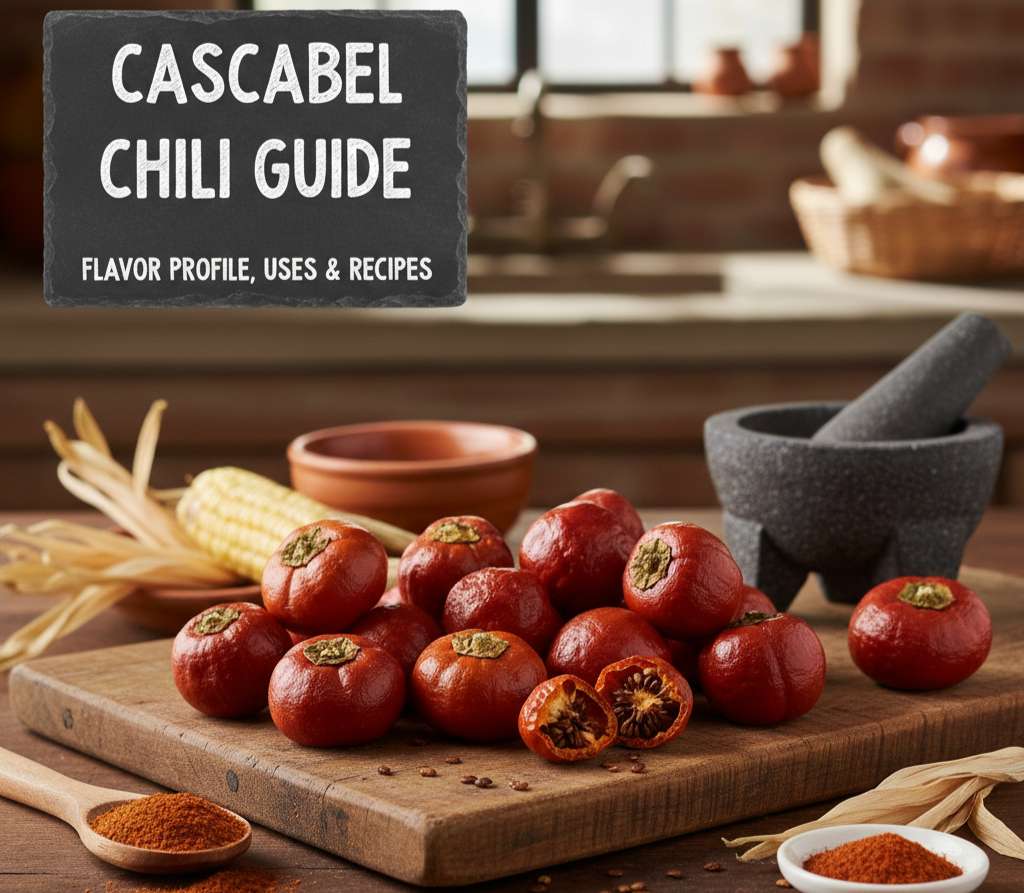
| Cascabel Chile | Nutty, slightly smoky | 2,000-3,000 | Sauces, salsas |
Mastering Guajillo Peppers: Your Culinary Journey
Guajillo peppers represent far more than just a dried ingredient—they’re a gateway to authentic Mexican cuisine and centuries of culinary tradition. Whether you’re just discovering guajillo peppers or you’re already incorporating them into daily cooking, understanding their flavor profile, heat level, and culinary applications elevates your Mexican cooking to professional levels.
At Mangoes and Palm Trees, we’ve explored authentic ingredients—including guajillo peppers —across 50+ countries over 15+ years of culinary adventure. From traditional markets in Puebla to family kitchens across Mexico, Asia, and Europe, guajillo peppers continue to inspire and transform dishes. Ready to explore further?
Check out our guajillo sauce guide, guajillo beef tacos, or the chili library. Once you master guajillo peppers , they become an essential and irreplaceable element of your culinary toolkit.
Questions we hear often
What is the heat level of guajillo peppers?
What do guajillo peppers taste like?
What substitutes work for guajillo peppers?
How should you store guajillo peppers?
Meet the Mayerhoffers
“Free-spirited food adventurers, culture-seekers, and the guardians of 15 years of global memories.”

Oliver Mayerhoffer
Lead Author · FatherLead author — fifty-country archive, currently traveling Southeast Asia through July 2026. Oliver brings field-tested recipe structure and honest weeknight notes from family kitchens abroad.

Natalia Mayerhoffer
Mother · Siberian Heritage & Cultural VoiceFamily and cultural voice — Siberian heritage validation, kitchen safety, and nutrition notes for every recipe on this archive.
“Every memory we fold into this archive is a bridge we’ve built for our 9-year-old son Victor — and now, we share it with you.”
Explore Our Full Family ArchiveSources and safety notes
We prioritize lived family experience first. When food safety or heritage context matters, we cross-reference field notes with official references listed below.
USDA Food Safety
safe food handling reference
Read sourceHarvard T.H. Chan School of Public Health
nutrition source notes
Read sourceHealthline — chili peppers
capsaicin and metabolic notes
Read sourceWikipedia — Scoville scale
heat measurement reference
Read sourceWikipedia — Guajillo chili
dried mirasol pepper profile
Read sourceNMSU Chile Pepper Institute
cultivar heat reference
Read sourceUSDA FoodData Central
pepper nutrition reference
Read sourceEditorial field notes
Family field notes — Mayerhoffer guajillo cluster tests, July 2026 Southeast Asia season
Enjoying our content? Make Mangoes & Palm Trees a preferred source on Google.
Explore next


Guajillo substitute routing
Guajillo routing linked to chili pillar, dried guajillo guide, substitute matrix, and sauce hub.