Asia travel guides · South Korea
Quiet Retreats in South Korea Away From the Crowds
Mountain temples, old villages and bamboo forests: South Korea at the pace of a long walk.
Where can you find quiet retreats in South Korea?
The quietest retreats in South Korea sit outside Seoul and Busan: a temple stay in the mountains, the old village of Hahoe in Andong, the bamboo forest at Damyang and the wetlands of Suncheon. Most are reachable by train plus a local bus or taxi, and they reward an extra night.
At a glance
- The quieter side of South Korea lies beyond Seoul and Busan: a temple stay, Andong, Damyang and Suncheon.
- Take the train to a regional hub, then a local bus or taxi for the final stretch.
- Allow two or three nights outside the major cities to feel the slower pace.
Why I’m writing this
We spent a long weekend in Seoul. A local there gave me advice that stayed with me: the quieter side of South Korea is worth the extra travel, and it lies beyond the big cities. I haven’t been to these places yet, so this guide is not a report from the road. It is that advice, checked against official and published sources, for the kind of trip that swaps a second landmark for a slow afternoon. We have also written about food we met in South Korea: the shishito peppers we first noticed there, and a street vendor’s fried tofu.
South Korea’s busiest destinations have plenty to recommend them, from Seoul’s lively shopping streets to Busan’s waterfront districts, but the country’s quieter corners often leave a different kind of impression. Beyond the familiar city breaks are bamboo forests, traditional villages, mountain temples and coastal landscapes where the pace of travel feels noticeably slower. These places reward visitors who are happy to spend an extra night, take a scenic detour or trade a packed sightseeing schedule for a long walk and a leisurely meal. Finding a peaceful escape does not necessarily mean heading somewhere remote. Several of South Korea’s most appealing retreats are accessible by public transport, although reaching the final destination may require a local bus or taxi. A little planning can open the door to a more relaxed side of the country.
Travel Between Quiet Destinations at a Slower Pace
Getting to South Korea’s quieter regions is often easier than expected, although the final stretch may take a little patience. The country’s rail network connects major cities with regional centres, while buses provide access to smaller towns and rural attractions. Travellers planning longer journeys can compare KTX train tickets for fast connections between major destinations. High-speed services are particularly useful when travelling from Seoul towards cities such as Busan or other regional transport hubs. From there, local trains, buses or taxis can take you closer to the countryside.
Temple Stays Offer a Different Pace of Travel
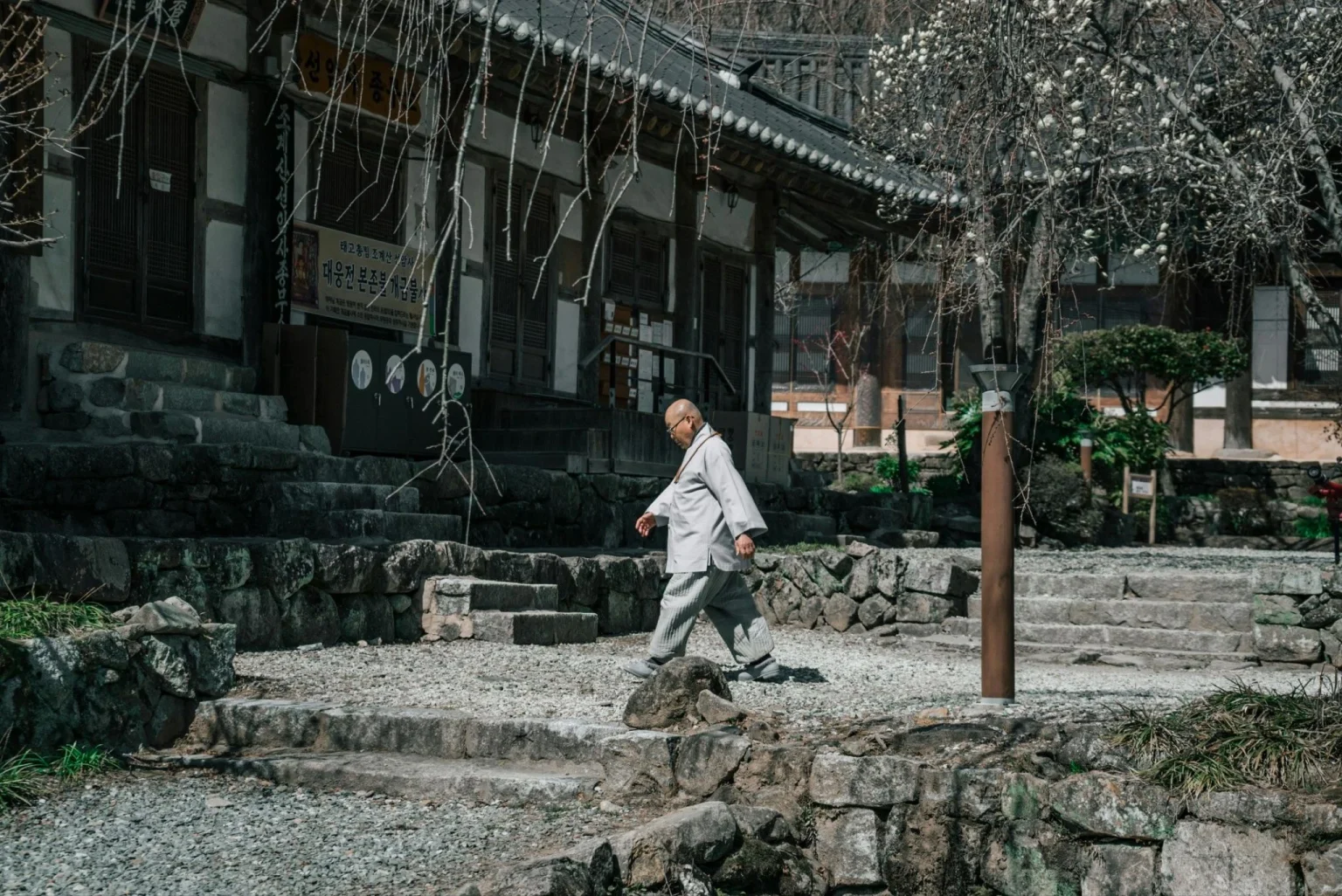
Some of the country’s most peaceful retreats can be found in Buddhist temples set among forested mountains. A temple stay offers visitors the chance to experience a quieter routine, often including meditation, traditional meals, tea ceremonies and time spent walking around the grounds. For journeys where time is less important, Mugunghwa train tickets are worth considering. These slower services stop at more stations and can make the journey itself part of the experience. They are not always the most convenient option for reaching remote attractions, but they suit travellers who prefer a more relaxed itinerary. Bongjeongsa Temple near Andong is a particularly atmospheric place to visit, with historic wooden buildings and wooded surroundings. Further south, temples in the mountains around Gyeongsang and Jeolla provinces offer similar opportunities to step away from busy sightseeing routes. Programmes vary, so check what is available before arranging an overnight stay. Temple accommodation is usually simple, and visitors are expected to respect the religious environment. That is part of the appeal. Rather than treating the experience as another hotel night, approach it as an opportunity to slow down, observe local traditions and spend time somewhere shaped by a very different rhythm of life.
Andong Brings Traditional Korea Into Focus
Andong is an excellent starting point for travellers interested in history, architecture and rural scenery. Its best-known attraction, Hahoe Folk Village, is a traditional settlement recognised for its preserved houses, thatched roofs and setting beside a broad bend in the Nakdong River. Unlike a purpose-built attraction, it remains a lived-in village, so visitors can see how traditional buildings form part of an everyday community. The quietest time to explore is early in the morning, before day-trippers arrive. Narrow lanes lead past old residences and courtyards, while the surrounding countryside provides a beautiful backdrop for a slow afternoon. Across the river, Buyongdae Cliff offers a panoramic view of the village and its distinctive setting. Staying overnight makes the experience even more rewarding. Some traditional guesthouses allow visitors to sleep in a hanok, a Korean wooden house with a courtyard and heated floors. Once the tour groups have departed, the village takes on a much calmer atmosphere, particularly in the evening when there is little to distract from the surrounding landscape.
Damyang Is Made for Unhurried Walks
Damyang, in South Jeolla Province, is an appealing destination for anyone who finds peace in nature. The town is particularly well known for Juknokwon, an extensive bamboo forest with walking paths that wind between tall green stems. The filtered light, rustling leaves and cooler air create a welcome break from the noise of larger cities. The experience is best enjoyed without rushing. Follow the paths through the forest, stop at one of the resting areas and take time to appreciate the changing atmosphere as sunlight moves through the bamboo. Nearby, the Metasequoia-lined road provides another pleasant place for a walk, with rows of towering trees creating a striking corridor. Damyang is also associated with traditional gardens and local food. Soswaewon, a historic garden arranged around a stream and small pavilions, offers a more intimate experience of Korean landscape design. Afterwards, try the area’s bamboo rice, traditionally cooked inside bamboo, or visit a local restaurant for a meal featuring regional ingredients.
Suncheon Combines Wetlands With Traditional Villages
Suncheon is often overlooked by international visitors, despite having some of the most interesting natural landscapes in southern Korea. Suncheon Bay Wetland Reserve is the main attraction, with extensive reed beds, tidal flats and wooden walkways that make it easy to explore the area on foot. The landscape changes with the light, and late afternoon is a particularly atmospheric time to visit. Birdwatchers will appreciate the opportunity to observe migratory species, while other visitors can simply enjoy the open views and peaceful walking routes. The nearby Suncheon Bay National Garden provides another reason to stay, with landscaped areas and themed gardens spread across a large site. For a glimpse of traditional rural life, make time for Naganeupseong Folk Village. Its stone walls surround a settlement of traditional houses, where thatched roofs and narrow lanes create a strong sense of the past. Arriving earlier in the day gives you more time to wander before the busiest visiting hours.
Finding Space to Enjoy South Korea
The most rewarding quiet retreats in South Korea are not necessarily places where there is nothing to do. They are destinations where the experience comes from paying attention to the surroundings, whether that means walking through a bamboo forest, watching the light change over tea plantations or spending an evening in a traditional village. Andong, Damyang, Boseong and Suncheon each offer a different perspective on the country, while a temple stay adds another dimension to a slower itinerary. Allowing two or three nights outside the major cities can transform the feel of a trip. South Korea’s quieter side is well worth making room for, particularly for travellers who want to return home with memories that go beyond its famous urban landmarks.
The advice to look beyond the big cities came from a local in Seoul, and I have not yet visited the places described, so nothing here is presented as first-hand. The two ticket links in the text go to independent guides, not to Korail, which runs the trains, so use Korail for official timetables and fares. Timetables, opening times and temple stay programmes change, so check before you travel. Our editorial policy explains how we separate what we have done from what we have read.