Editorial standards: editorial policy · Affiliate disclosure: affiliate disclosure · Family field notes — updated August 2026. Home quantities pending kitchen confirmation.
175–185°C shallow fry · extra-firm tofu
Fried Tofu Recipe: How to Make It Seriously Crispy
Extra-firm tofu, a dry surface, a thin cornstarch coat, and 2–3 cm of oil at 175–185°C until the crust is deep gold and the edges feel rigid when tapped. This is the cook-now fried tofu recipe — street memories from Bangkok 2016 and a Korea 2024 stall, with honest home quantities until we cook the plate again.
How do you make a fried tofu recipe crispy?
A fried tofu recipe that stays crispy starts with extra-firm tofu, a dry surface, a thin cornstarch coat, and oil at 175–185°C. Fry in small batches until the crust is deep gold and the edges feel rigid when tapped. Drain on a rack, not a steaming plate, and sauce just before eating.
I lead the shallow-fry method from our Bangkok and Korea stall memories; Natalia flags leftover storage; Victor has not kitchen-tested this plate. Jump to full recipe
Key takeaways
- Extra-firm, dry face — press 10–20 minutes; you are not extracting every drop of water.
- Thin cornstarch coat — matte dust, not paste. Potato starch is the closest swap.
- 175–185°C, small batches — deep gold, rigid edges. Minutes alone are not the cue.
- Rack, then sauce — steam softens crust; sauce at the table keeps crunch.
Serving scaler
Scale this fried tofu recipe
Adjust servings — tofu weight, cornstarch, and salt update in your browser. Oil depth stays pan-based.
How does the fried tofu serving scaler work?
Choose two, four, six, or eight servings in the scaler above. Tofu weight, cornstarch, and salt update instantly for our four-serving extra-firm base — nothing leaves your browser, and oil depth stays at 2–3 cm. Screenshot scaled weights when frying for a larger table.
A fried tofu recipe you can cook tonight
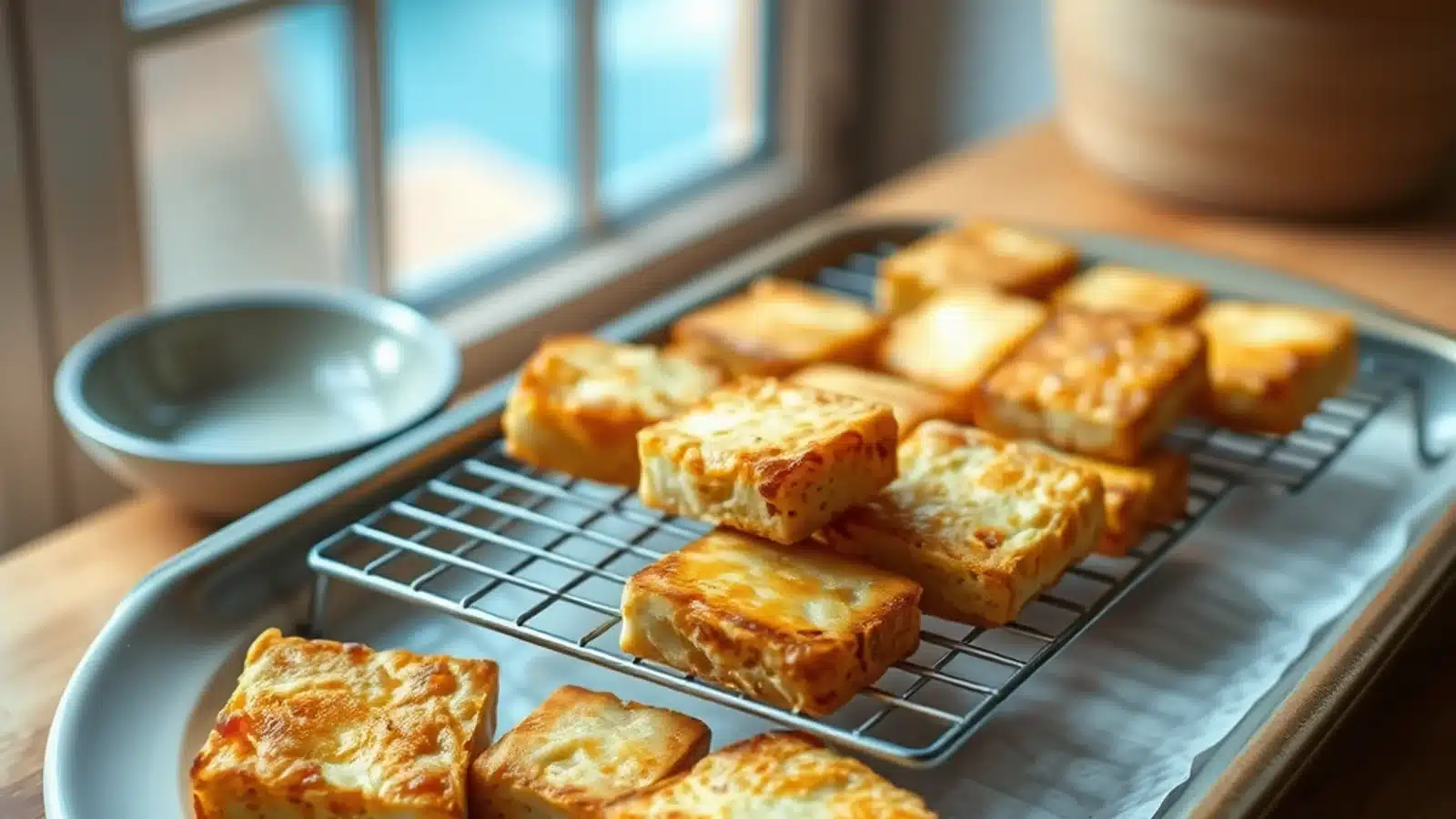
This page is the cook-now fried tofu recipe: extra-firm tofu, a dry face, a thin starch coat, and hot oil in a skillet. Street tofu in Bangkok (2016, two nights before Koh Samui) and a Korea stall in 2024 set the texture we chase — deep gold, rigid edges, sauce on the side.
It is not a chemistry essay. Shallow-fry is the master method because it is the closest home match to that crunch without a dedicated fryer. Deep-fry, pan-fry, air-fryer, and oven are variations with different crusts — not the same plate.
Why this fried tofu recipe works
Crisp tofu is a dry surface plus hot fat: extra-firm tofu holds shape while a thin starch coat dries as moisture flashes off. Oil at 175–185°C browns before the interior steams the crust soggy. Crowding drops temperature, so sauce the tofu after frying if you want the crust to stay dry.
Fried tofu recipe — master shallow fry
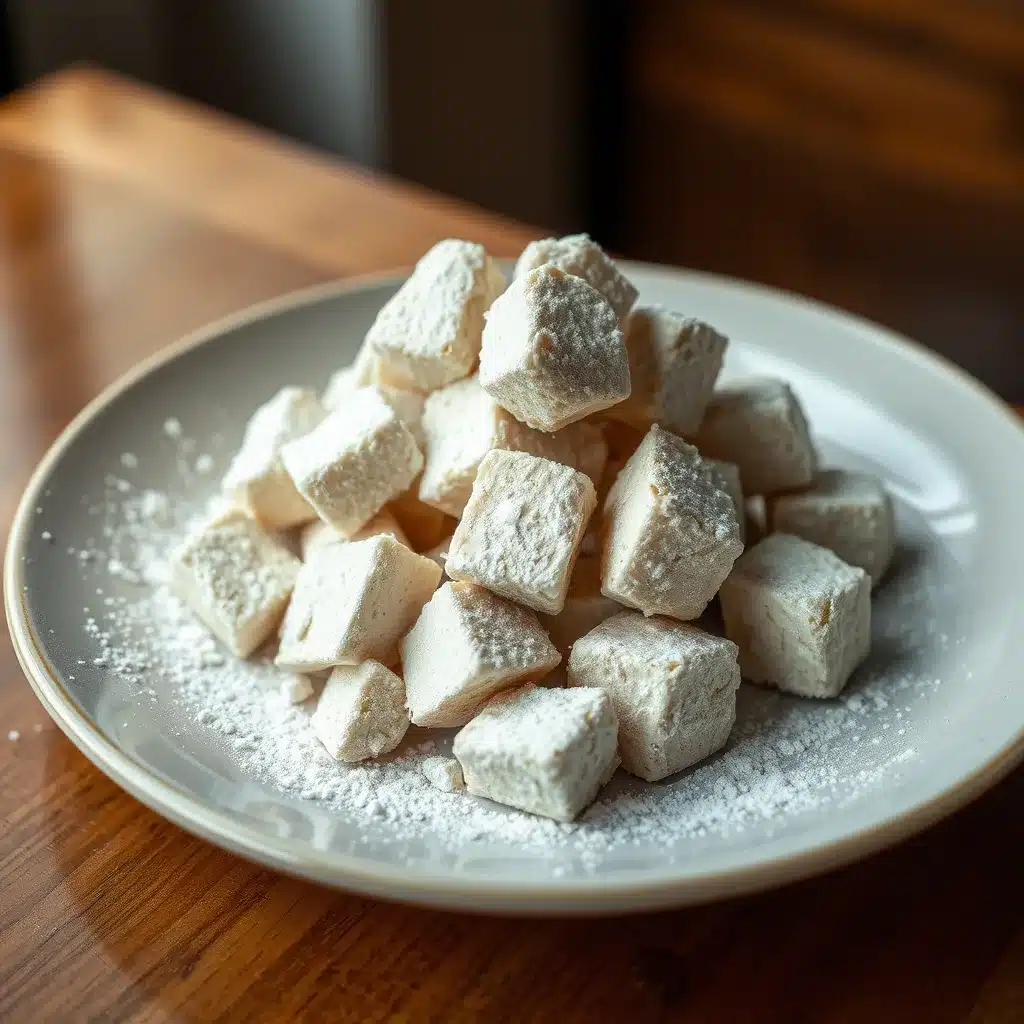
Kitchen-draft quantities: one 400 g extra-firm block, a thin cornstarch coat, and 2–3 cm oil at 175–185°C. Street tofu in Bangkok and Korea taught the texture we want. These numbers wait on a family cook confirmation before we call the plate tested.
Ingredients
Tofu
- 400 g extra-firm tofu, drained
- 3 tbsp cornstarch
- 0.5 tsp fine sea salt
- Optional: 1 tsp soy sauce after pressing
Frying
- Neutral high-smoke oil, 2–3 cm depth (pan-based; does not scale)
Optional dip (MPT adaptation)
- 2 tbsp sweet chili sauce
- 1 tbsp lime juice
- Lime wedges and herbs
Step-by-step method
- Drain and press. Wrap the block in a clean towel. Set a board and a kettle on top for 10–20 minutes until the face feels dry, not wet. You are reducing surface moisture so starch can brown — not wringing the block dry.
- Tear or cube. Tear bite-size pieces with ragged edges, or cut 2 cm cubes for even cooking. Optional: toss with 1 tsp soy sauce and wait two minutes so the salt sinks in before starch.
- Coat thin. Toss with salt and cornstarch until every face is a thin matte dust. Shake off clumps. Pasty wet starch fries gummy; dusty starch fries crisp.
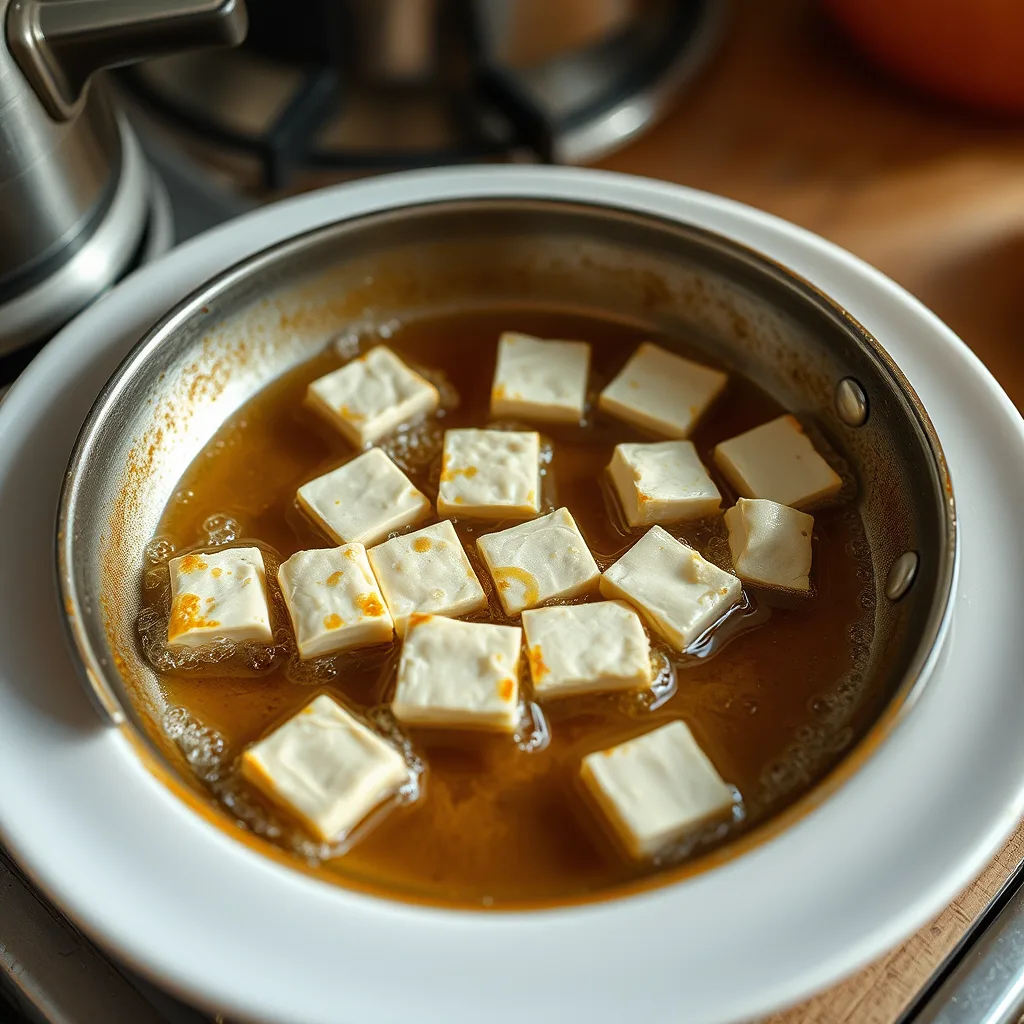
- Heat the oil. Pour 2–3 cm neutral oil into a heavy skillet. Heat to 175–185°C (350–365°F). A dry tofu corner should sizzle at once without the oil smoking.
- Fry in batches. Lower a single layer. Fry 2–4 minutes per side until deep gold and the edges feel rigid when tapped. Turn only when the first face releases. Keep uncooked pieces off the steam.
- Rack, then sauce. Lift onto a wire rack over a tray. Rest one minute so steam leaves the crust. Stir optional sweet chili and lime. Sauce at the table — or serve the dip alongside.
Written by Oliver Mayerhoffer from family field notes. Home quantities pending kitchen confirmation.
What tofu should I buy for fried tofu?
Buy extra-firm tofu, about 400 g, for this fried tofu recipe. Extra-firm keeps its shape in hot oil and needs less pressing than firm tofu, while silken and soft break apart in the master fry. Frozen-thawed extra-firm is spongier and soaks sauce better than it crisps.
Tofu types for frying
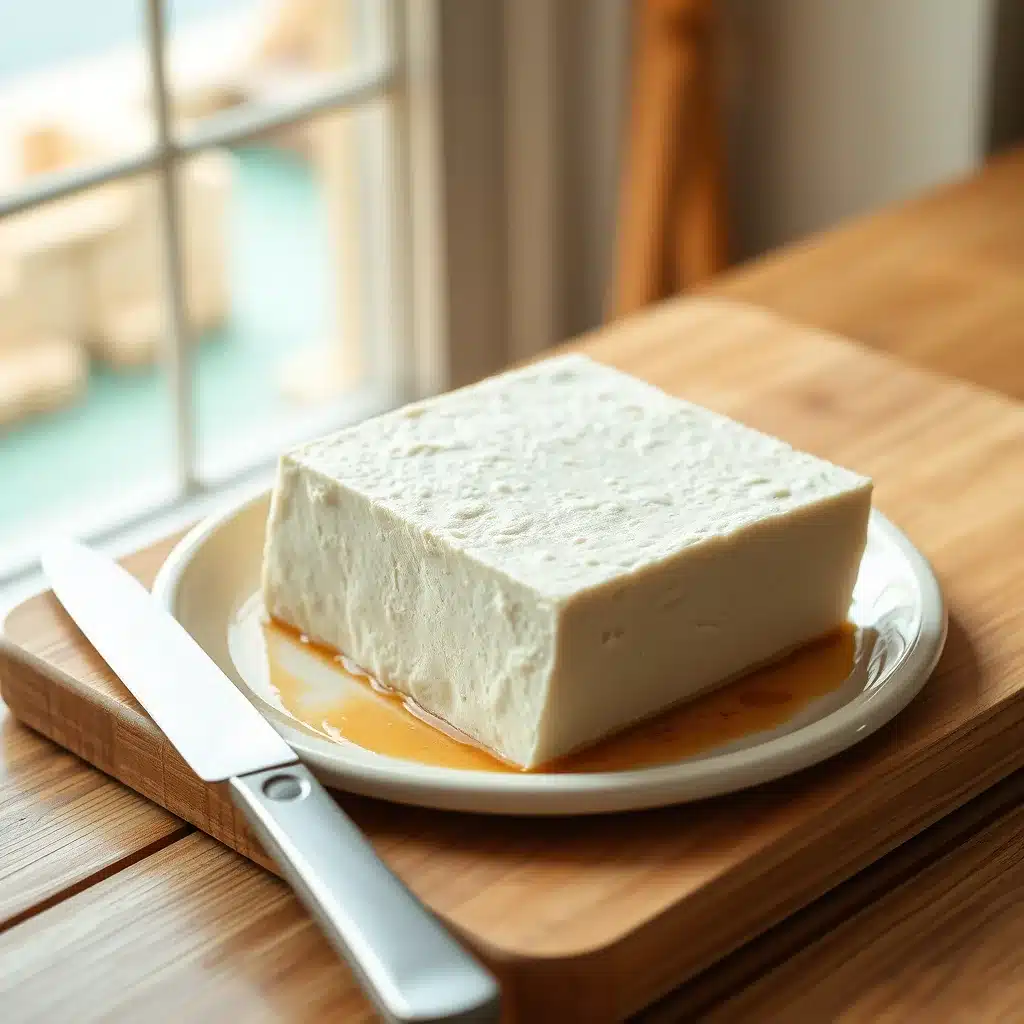
Firmness is water and protein packed differently — not a moral ranking. The master method needs a block that survives tongs.
| Type | Best for | In this fried tofu recipe |
|---|---|---|
| Extra-firm | Shallow-fry, pan-fry, air-fryer | Master pick — shape holds, crust sets |
| Firm | Stir-fries, pan-fry if well pressed | Usable; press longer; more breakage |
| Soft | Braises, soups | Skip for the master fry |
| Silken | Soups, dressings, gentle steam | Do not shallow-fry |
| Frozen-thawed | Sauce-soaked chewy tofu | Variation — spongier, less tight crust |
Do you need to press tofu before frying?
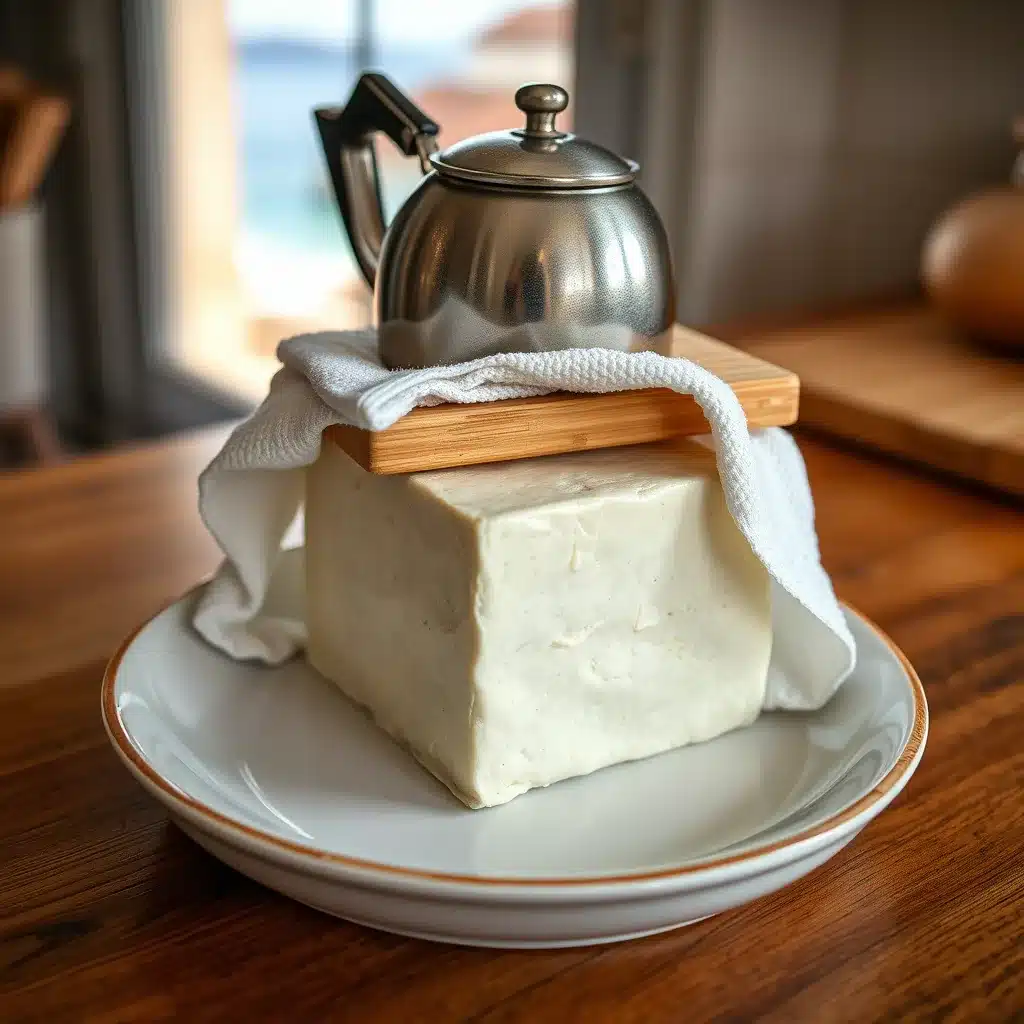
Press packaged extra-firm 10–20 minutes so the surface feels dry enough for starch to cling. You are reducing excess moisture, not creating a vacuum or removing all water. Super-firm vacuum packs often need only a blot, because wet tofu steams, sticks, and sheds coating.
Pressing options
- Standard: towel, board, kettle — 15–20 minutes.
- Fast: two towels and firm palm presses, then a 5-minute weighted rest.
- Matters more: watery firm tofu, thick wet batter, crowded pans.
- Matters less: labeled super-firm; very thin slices that dry in air.
Should you tear or cube tofu?
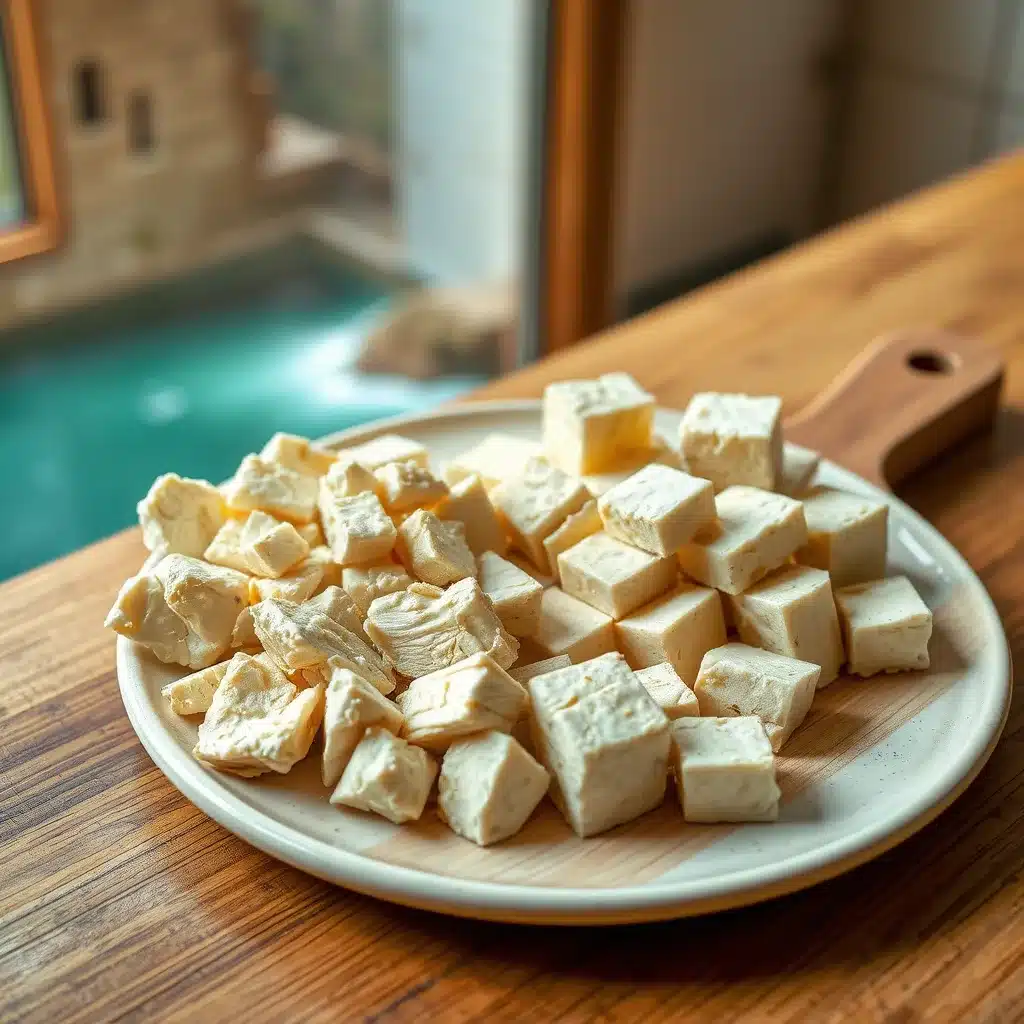
Tearing makes irregular edges, corners, and mixed thicknesses so starch has more places to cling and brown. Cubes cook more evenly and look cleaner in a bowl. Tearing does not magically multiply surface area — tear for mixed crunch, cube for even pieces in sauce.
Cornstarch, rice flour, or potato starch?
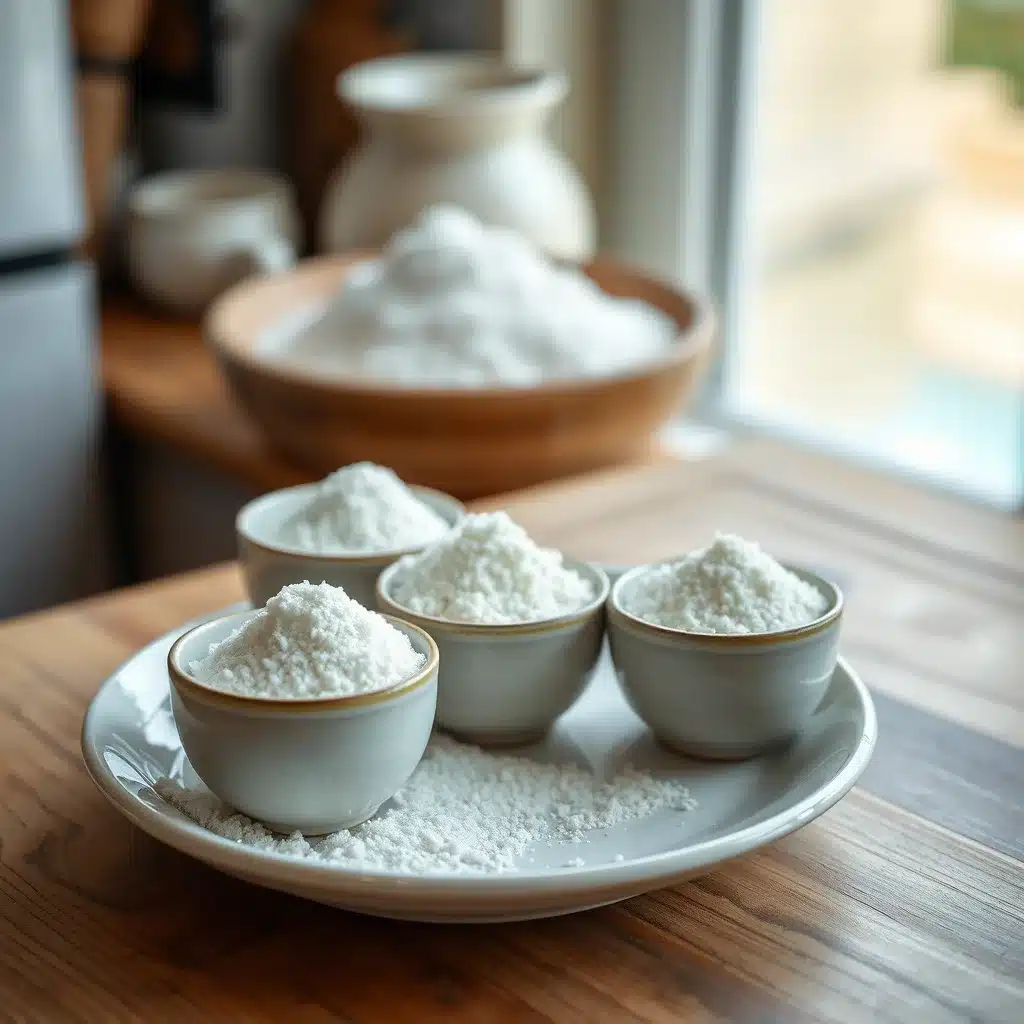
Cornstarch is the master coat: light, gluten-free, and crisp when thin, with potato starch the closest snappier swap. Rice flour browns a little paler, and arrowroot can turn slick if overheated in sauce. No starch is universally best, so keep the coat dusty, not wet.
| Coat | Texture | Sauce hold | Gluten-free |
|---|---|---|---|
| Cornstarch | Light, brittle when thin | Fair if sauced late | Yes |
| Potato starch | Snappy, slightly glassier | Similar to cornstarch | Yes |
| Rice flour | Paler, a little sandy | Soaks faster | Yes (check blend) |
| Arrowroot | Delicate; can go slick | Weaker once wet | Yes |
| 50/50 cornstarch + rice flour | In-between crunch | Fair | Yes |
| Wet batter | Thicker shell, more oil | Better for heavy glaze | Depends on flour |
How do you shallow-fry tofu so it stays crispy?
Heat 2–3 cm oil to 175–185°C and fry a single layer until deep gold, 2–4 minutes a side, turning when the crust releases. The done cue is colour plus rigid edges, not the timer alone. Drain on a rack so steam escapes, because overcrowding drops heat and greases the crust.
Method finder — pick the crust you can cook
These are not interchangeable. Use the row that matches your pan and the crunch you want.
| If you have | Use | Expected texture |
|---|---|---|
| Skillet and 2–3 cm oil | Master shallow-fry | Blistered gold, rigid edges — closest to stall crunch at home |
| Deep pot and thermometer | Deep-fry variation | Most even crunch; more oil to manage |
| Nonstick and a few tablespoons oil | Pan-fry variation | Patchy gold, softer sides, less oil |
| Air fryer | Air-fryer variation | Drier, thinner crust |
| Oven only | Oven variation | Chewy-crisp; not fried |
Deep-fry variation
Best for maximum even crunch: heat oil to 175–185°C with tofu fully submerged in small batches, 3–5 minutes until deep gold, then drain on a rack. The limitation is more oil to cool and store. This is a texture choice, not a lighter version of shallow-fry.
Pan-fry variation
Best for weeknights with little oil: film a nonstick pan, medium-high, and brown each face 2–3 minutes. Texture is gold where it touches the pan and paler on the sides. Press and coat anyway, or the faces steam — this is not stall crunch.
Air-fryer variation
Best for less oil: toss coated tofu with 1–2 tsp oil and air-fry at 200°C, shaking once, 10–14 minutes until edges brown. Texture is a drier crunch with no blistered fried shell. Sauce still goes on last.
Oven variation
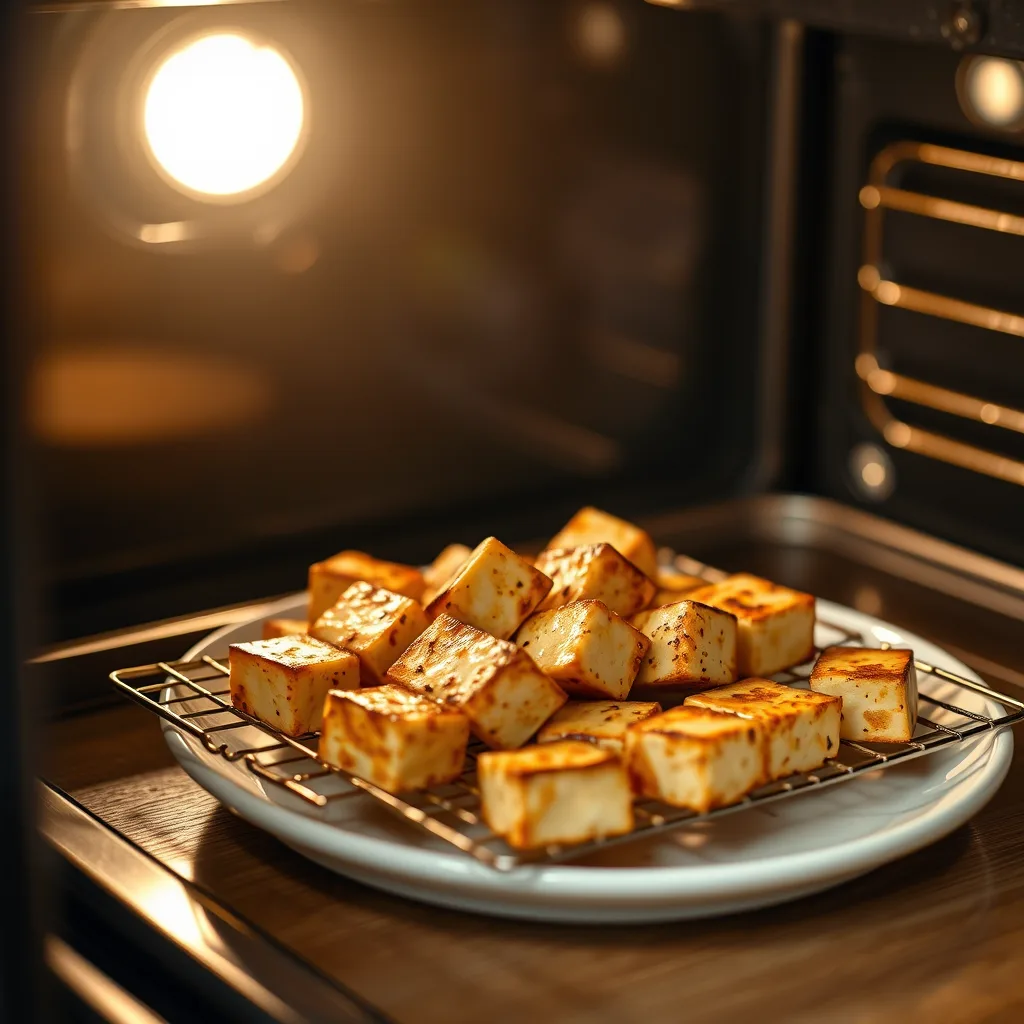
Best for hands-off batches: 220°C on a rack over a tray, 20–25 minutes, turning once, until the corners brown. Texture is chewy-crisp, not fried, and it will not match 175°C oil. Call it baked tofu when you serve it.
How do you keep fried tofu crispy?
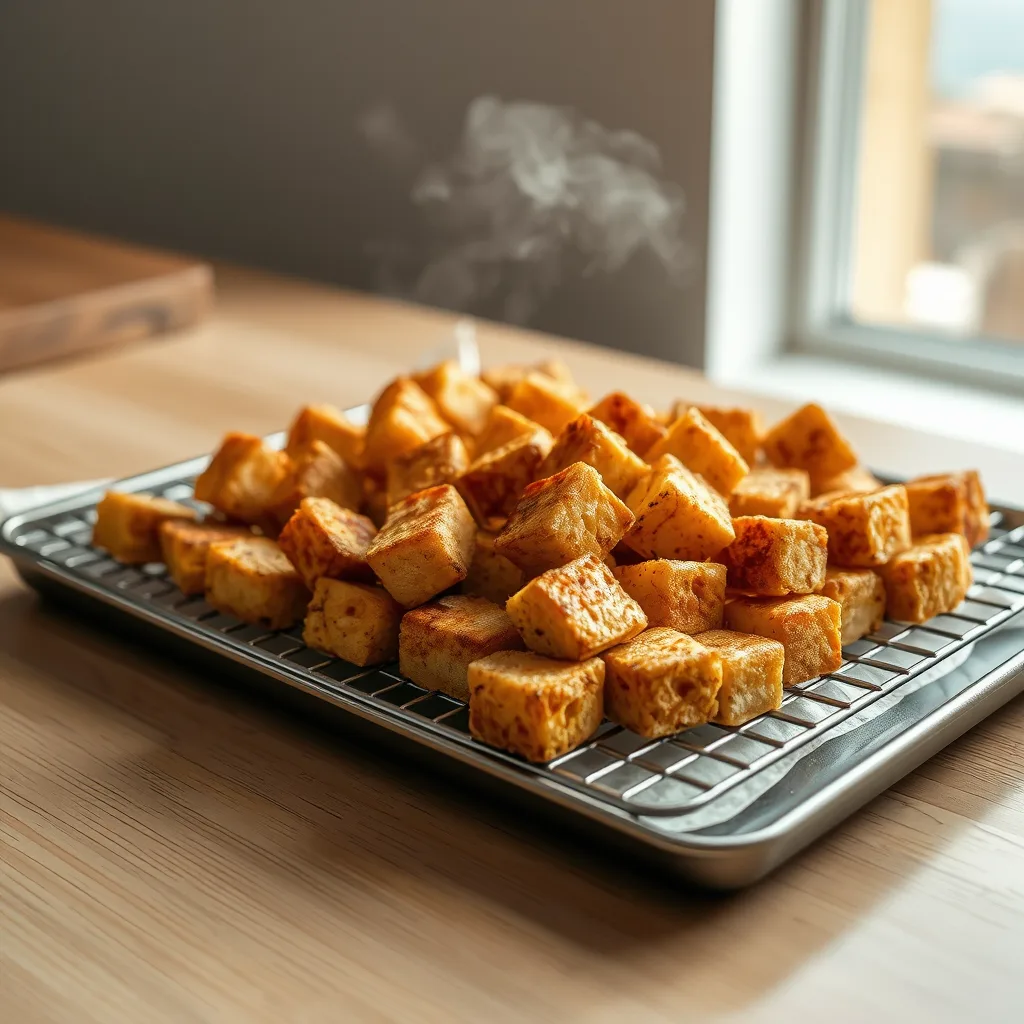
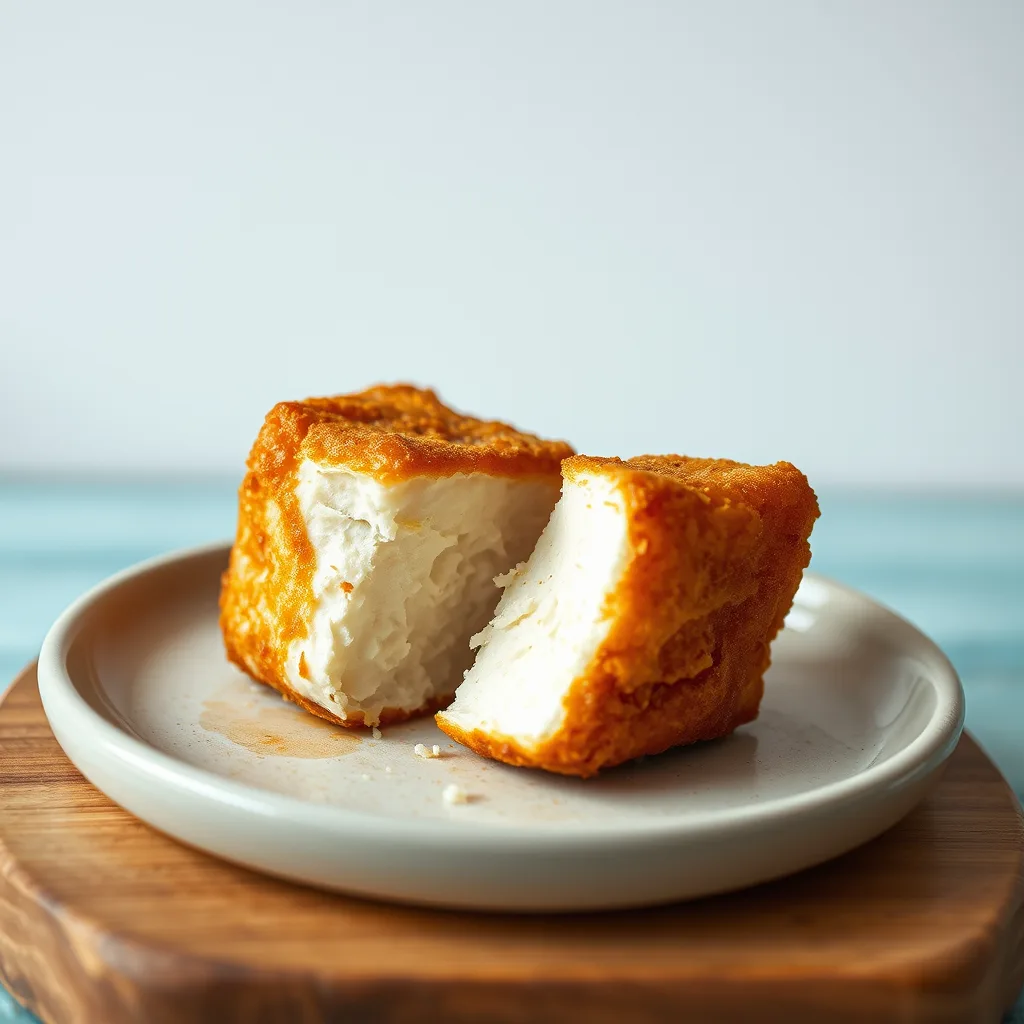
Do not crowd the pan, and hold finished tofu on a wire rack so steam can leave. A tight lid, stacked plate, or paper-towel pile traps moisture and softens the underside. Sauce immediately before eating, or keep sauce in a bowl.
What sauce goes with this fried tofu recipe?
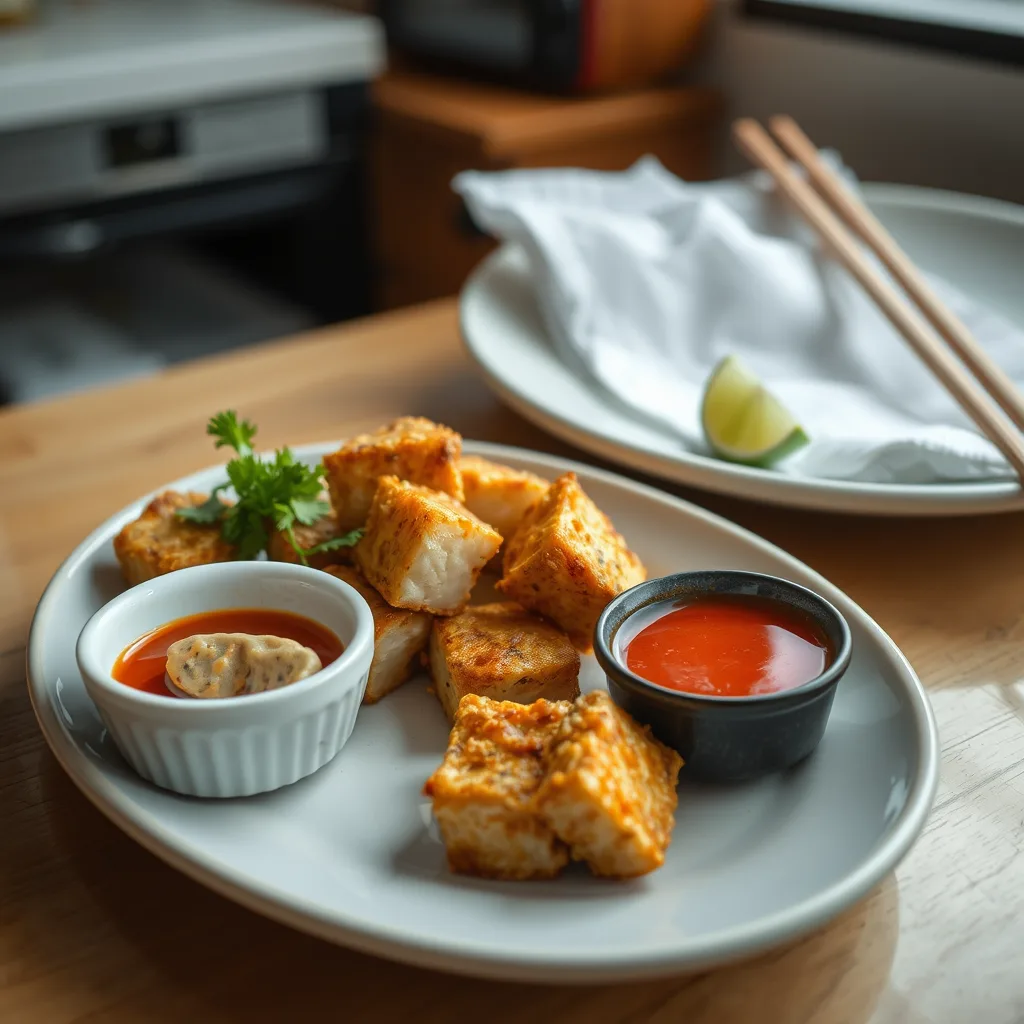
Serve sauce beside the tofu, or toss at the table. A simple MPT dip is sweet chili plus lime. Thai, Indonesian, Malaysian–Singaporean, and Vietnamese-inspired ideas below are labeled traditional context or Mangoes & Palm Trees adaptation — none copy a named stall.
| Direction | Label | How we use it |
|---|---|---|
| Thai sweet chili, lime, herbs | MPT adaptation | Weeknight dip; chili heat from the Thai chili pepper guide |
| Thai street fried tofu | Traditional context | Often sweet-chili or peanut on the side — we do not name a Bangkok stall |
| Indonesian tahu goreng | Traditional context | Fried tofu with sweet soy, chili, shallot — not our master coating |
| Malaysian / Singaporean tauhu goreng | Traditional context | Often peanut-tamarind and cucumber — different plate, related crunch |
| Vietnamese-inspired lime-soy-chili | MPT adaptation | Sharp dip; pair with Vietnamese pho recipe nights, not a claim of a canonical tofu dish |
For a wider Thai table see authentic Thai recipes for families, massaman curry, and pad kra pao. Bangkok stall rhythm lives on the Bangkok street food guide.
Tomato-umami glaze — Mangoes & Palm Trees adaptation
This is not a traditional fried-tofu sauce. Bloom a spoon of tomato paste in a little oil until brick-red, loosen with water and soy, and simmer until it coats a spoon, then toss fried tofu at the table — see tomato paste for tomato sauce for the paste method.
We are not claiming measured glutamate levels or a guaranteed flavour multiplier. It is a pantry glaze for nights when sweet chili is not in the fridge.
Substitution matrix
| If you are out of | Best substitute | Closest | What changes |
|---|---|---|---|
| Cornstarch | Potato starch, same volume | Arrowroot | Arrowroot can go slick in hot sauce — coat dry, sauce late |
| Rice flour | Cornstarch | 50/50 blend | Colour paler with rice flour |
| Soy sauce | Tamari, same volume | Coconut aminos | Aminos sweeter — drop optional sugar in dips |
| Fish sauce in a dip | Mushroom soy or extra tamari | — | Less funk; add lime for brightness |
| Palm sugar | Light brown sugar | White sugar + pinch molasses | Flavour rounder with brown |
| Fresh chili | Chili flakes, start with ¼ tsp | Sweet chili sauce heat | Flakes need a minute in the dip |
| Lime | Rice vinegar, ¾ volume | Lemon | Vinegar is sharper, less aromatic |
| Peanut | Cashew, same weight | Sunflower seed | Allergy routing; texture less sticky |
| Sesame oil | Neutral oil + pinch toasted sesame | Neutral oil alone | Aroma drops without toasted seeds |
| Extra-firm tofu | Firm, pressed 20–30 min | Super-firm, blot only | Firm breaks more; do not use silken |
Troubleshooting fried tofu
| Problem | Cause | Fix |
|---|---|---|
| Soggy tofu | Wet block, crowded pan, lid on, sauce too early | Press, small batches, rack, sauce at the table |
| Greasy tofu | Oil too cool; overcrowding | Return to 175–185°C; fry fewer pieces |
| Burnt coating | Oil smoking; sugar in the coat; thin shards | Lower heat; keep coat unsweetened; pull dark gold pieces |
| Coating falling off | Wet surface; paste-thick starch; flipping too soon | Dry, dust thin, wait for release |
| Sticking | Cold pan; wet tofu; stainless without enough oil | Heat oil first; do not move until the crust sets |
| Bland tofu | No salt; no dip; under-browned crust | Salt the coat; soy after press; fry to deep gold |
| Dry interior | Tiny cubes; over-frying; extra-firm left too long | Larger pieces; pull at rigid-gold, not mahogany |
| Uneven browning | Mixed sizes; cool spots in the pan | Sort sizes; fry a single layer; rotate the pan |
| Sauce makes it soggy | Glaze sitting on hot tofu | Dip, do not drown; toss at the table |
| Tofu breaking apart | Soft tofu; rough tongs; too-thin tears | Extra-firm; spatula turn; thicker pieces |
Storage and reheating
Cool fried tofu, then refrigerate in a shallow container within two hours. USDA FSIS guidance for cooked leftovers is 3–4 days in the fridge.
Reheat on a rack at 200°C until the surface feels dry. Do not leave rice and tofu out on a warm table “to stay crispy.”
Southeast Asian fried tofu is not one dish
Thai street fried tofu, Indonesian tahu goreng, and Malaysian–Singaporean tauhu goreng share a fried block and different sauces, cuts, and meals. Chinese-influenced tofu traditions are another family again. This recipe is a home shallow-fry with SEA dips labeled as context or adaptation — not a claim that one plate stands for the region.
We do not collapse those kitchens into “Asian fried tofu.” When we cook Thai-leaning plates at home we reach for the Thailand food travel 2026 notes and the family Thai cluster, not a single invented “authentic” sauce.
Our Southeast Asian food experience
The first fried tofu we remember as a couple was in Bangkok in 2016. We had two nights in the city before continuing to Koh Samui. Natalia was pregnant, so she ate a few pieces rather than a full plate.
Victor was not born yet. We are not naming a stall or a dish we cannot honestly recall.
The other plate that still sits in the memory is South Korea in 2024. We had returned to Thailand and the visa window was running down, so we took a short weekend with Victor already in the family.
A street vendor sold Korean-style fried tofu with fried chicken. We had not eaten that combination before and have not seen it again. We do not know the name, and we are not guessing one.
Those two meals are why this fried tofu recipe cares about crunch you can hear and sauce you can control. They are not kitchen tests of the 400 g method above. When we cook the home plate, we will update the card.
Keep exploring after fried tofu
Thai table routing, vegetarian protein, and the recipe archive.
- Thai: Thai recipes for families · Massaman curry · Pad kra pao
- Plant plates: Vegetarian recipes · Plant-based protein · Recipe index
- Who we are: Oliver Mayerhoffer · Natalia Mayerhoffer · Editorial policy
Questions we hear often
What tofu is best for a fried tofu recipe?
Do you need to press tofu before frying?
Should you tear or cube tofu for frying?
Can you air-fry this fried tofu recipe?
Why does fried tofu turn soggy?
How do you reheat fried tofu?
What sauce goes with fried tofu?
Is oven-baked tofu the same as fried tofu?
Why does the coating fall off?
Can you use silken tofu in this fried tofu recipe?
Not yet Victor-tested — here is the honest note.
Not yet at the table
Victor was not born for the Bangkok 2016 fried-tofu night. We have no recorded reaction from the Korea 2024 stall.
The home shallow-fry has not been kitchen-tested at our table in 2026 — we publish the method without a child verdict.
Oliver's honest note
I keep the Bangkok transit memory and the unnamed Korea tofu-and-chicken stall as the reason crunch and separate sauce matter. When we cook the 400 g skillet plate, we will update this block.
Meet the Mayerhoffers
“Free-spirited food adventurers, culture-seekers, and the guardians of 15 years of global memories.”

Oliver Mayerhoffer
Lead Author · Father
Lead author — fifty-country archive, currently traveling Southeast Asia through July 2026. Oliver brings field-tested recipe structure and honest weeknight notes from family kitchens abroad.

Natalia Mayerhoffer
Mother · Clinical & Family Safety Validator
Clinical and family safety validator — Siberian heritage context and kitchen safety notes in labeled interrupt blocks only, not lead narrative.
“Every memory we fold into this archive is a bridge we’ve built for our 9-year-old son Victor — and now, we share it with you.”
Sources and method notes
Tofu composition, leftover storage, fry technique references, and family field notes. Home quantities remain a kitchen draft.
USDA FoodData Central
Tofu nutrient profiles by style — firm vs silken
USDA FSIS — leftovers and food safety
Refrigerate cooked leftovers within two hours; use within 3–4 days
Serious Eats
Starch-coating and shallow-fry technique reference
Editorial field notes
Bangkok 2016 transit fried tofu (two nights before Koh Samui; Natalia pregnant) and South Korea 2024 unnamed fried-tofu-and-chicken stall — family field notes, August 2026. Home quantities are a kitchen draft.
Enjoying our content? Make Mangoes & Palm Trees a preferred source on Google.
Explore next
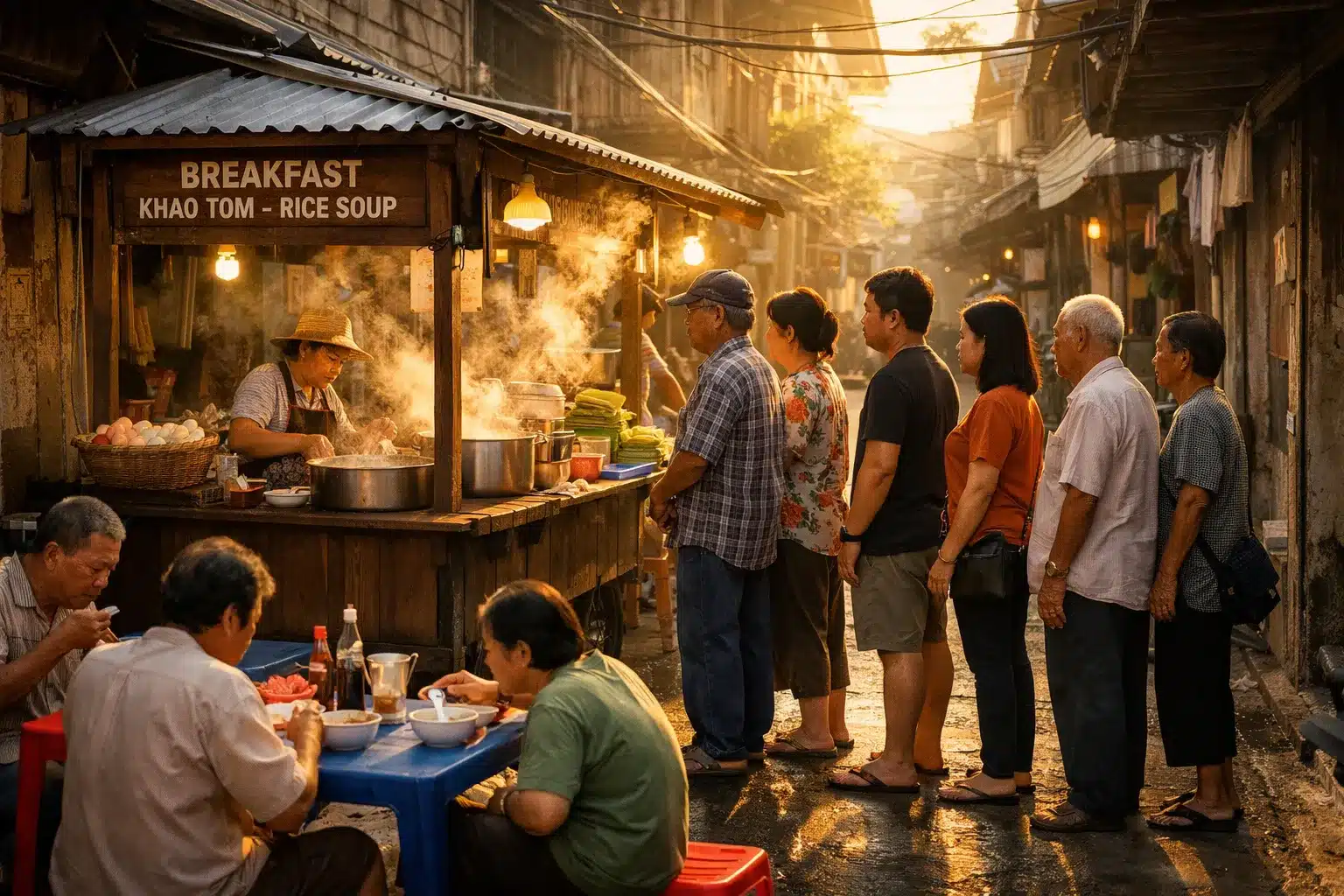

Fried tofu and Southeast Asian routing
Crispy tofu linked to Thai family recipes, vegetarian protein, Bangkok street food, and the recipe index.