Editorial standards: editorial policy · Affiliate disclosure: affiliate disclosure · Family-tested archive — updated 2026-08.
Cyprus · Mediterranean family guide 2026
Cyprus Travel Guide 2026: Family Holidays, Food, Beaches & Getting Around
School-holiday rhythm on an island I first knew between ages nine and fourteen — meze lunches, rented cars on village lanes, and warm-sea swims rebuilt for 2026 family routing.
How should families plan a Cyprus holiday in 2026?
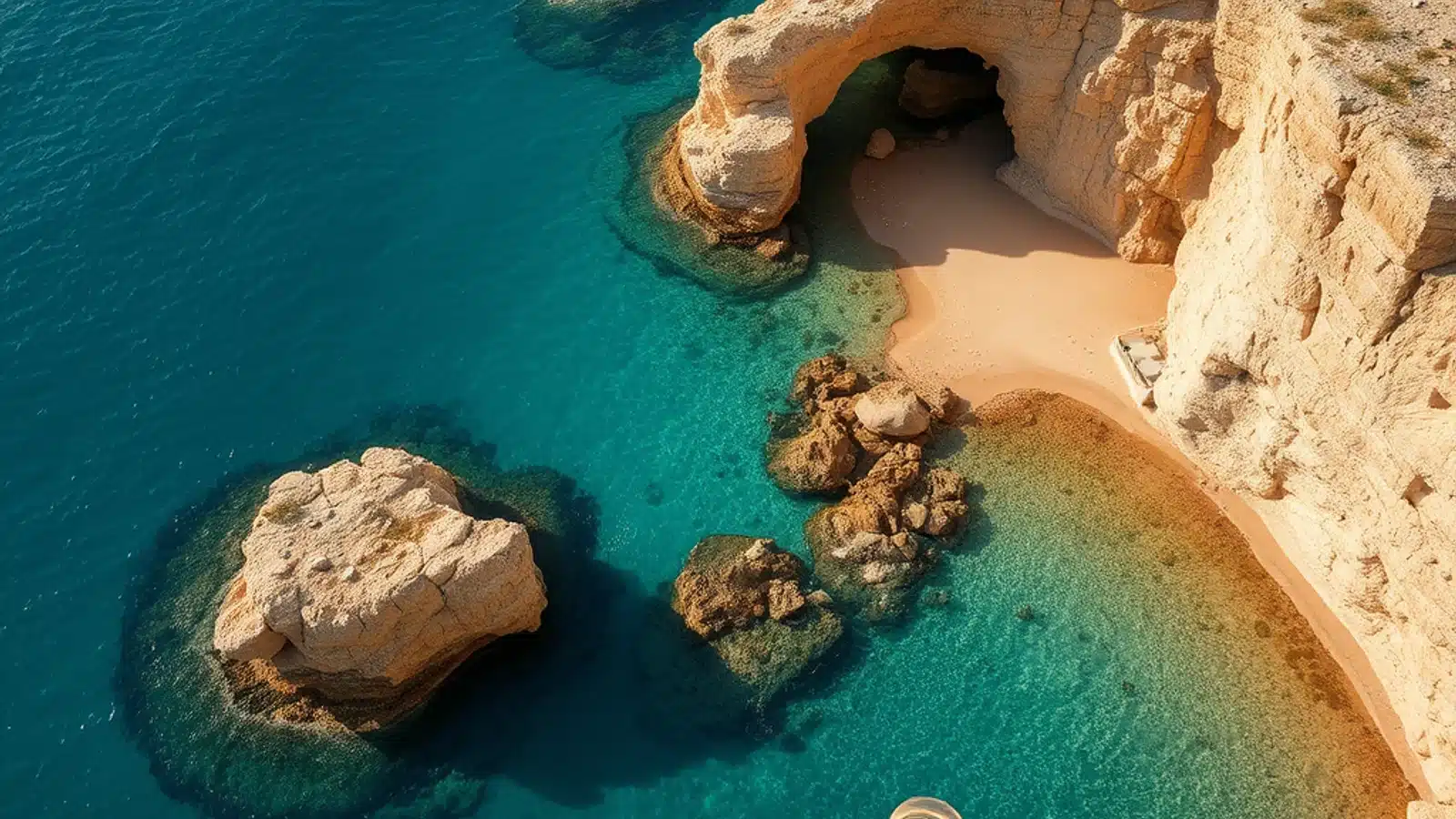
Plan Cyprus around Larnaca or Paphos bases, book licensed airport transfers ahead, and pace meze lunches with afternoon beach time. Split the week between coast and Troodos villages. Oliver’s 2026 routing pairs official Visit Cyprus guidance with childhood Mediterranean memories and verified transport options for the east coast.
Oliver writes from childhood Mediterranean holidays and 2026 archive routing — cross-checked against official Visit Cyprus and UK FCDO guidance before publication.
How should families get around Cyprus without stress?
Use a rental car for Troodos villages and west-coast coves; buses cover major towns; pre-book licensed taxis or minibus transfers for airport arrivals and late resort hops. Cyprus has no train network — mobility is car, bus, or taxi on left-hand roads.
Key takeaways
- Cyprus bases: Plan 2026 around Larnaca or Paphos — pre-book licensed airport transfers for east-coast weeks.
- Meze lunches: Pace long midday plates; save heavy evenings for cooler Troodos air.
- Beaches: Read Visit Cyprus Blue Flag listings; swim first, then explore in heat.
- Transport: Hire a car for villages and coves; buses for towns; licensed taxis for arrivals.
- Entry checks: Read current UK FCDO and EU guidance before booking — rules change faster than coasts.
- Pacing: One Troodos morning per coastal week; two heritage mornings keep children willing.
Mediterranean school holidays I still measure every island against
I was somewhere between nine and fourteen when Cyprus first entered my travel imagination — not as a checklist of sights, but as a rhythm. Mornings that started slowly, afternoons that smelled of salt and grilled halloumi, and evenings when adults ordered one more plate of olives because nobody wanted the table to break up yet.
The best childhood holidays on this island were not the busiest days — they were the tables that refused to break up.
We moved through other Mediterranean and European holiday coasts in those years too — Spain, Turkey, hillside villas where the sea looked like brushed metal from the terrace — but Cyprus stayed distinct because the island felt both familiar and slightly foreign at once.
My parents usually arranged airport pickups before we left home; today that same discipline is easier online, including Protaras airport transportation through TheQTaxi for east-coast arrivals.
English was widely spoken in the places we passed through, yet village lanes still felt properly local. My parents favoured self-catering weeks with a hire car, which meant I learned early that the best meal might not be on the seafront promenade at all, but in a hillside square where old men played backgammon and the bread arrived still warm.
I do not name specific hotels or restaurants from those childhood trips — the point is the pattern, not a nostalgia trap tied to places that may have changed owners three times since. What I carry forward into this 2026 guide is that pattern: shared tables, short driving distances, and the permission to do nothing ambitious until after lunch.
Cyprus rewards families who treat heat as a scheduling constraint rather than an inconvenience. When I rebuilt this route for the archive, I cross-checked practical claims against official Visit Cyprus beach and region pages and the UK FCDO entry baseline — then layered my own memory of how a school-age kid actually experiences the island.
Why Cyprus works for family holidays in 2026
Cyprus is compact enough that you can breakfast by the sea, reach mountain villages before lunch, and still be back for a sunset swim — without the ferry logistics that complicate Greek island hopping or the motorway sprawl that drains energy on larger Mediterranean coasts. Official tourism messaging from the Deputy Ministry of Tourism emphasises outdoor culture, heritage sites, and accessible beaches; in practice, that translates into family-friendly infrastructure along the south and east coasts where most holiday flights land.
The island also sits at a useful cultural crossroads. Food draws on Greek, Turkish, and Levantine traditions without asking children to navigate extreme spice or unfamiliar formats — grilled meats, flatbreads, yoghurt, and abundant fruit are easy wins. History is visible without feeling like homework: mosaic floors that look like giant pixel art, crusader castles that invite imaginative play, and Bronze Age tombs that spark questions rather than yawns.
For British and northern European families, flight times stay manageable and left-hand driving matches the UK — one less cognitive load at the rental counter. I still recommend reading current entry guidance before booking, because administrative details change faster than coastal landscapes. Pair this guide with our wider Europe travel guides hub when you are stitching Cyprus into a longer heritage route — a Europe return sits on our own cards as Southeast Asia fieldwork winds down.
Sideways from Cyprus: Italy travel guides for rail-and-food arcs · Thailand food travel 2026 for our current field hub · travel guides archive for the fifty-country map.
Larnaca and the east coast: airports, bays, and arrival discipline
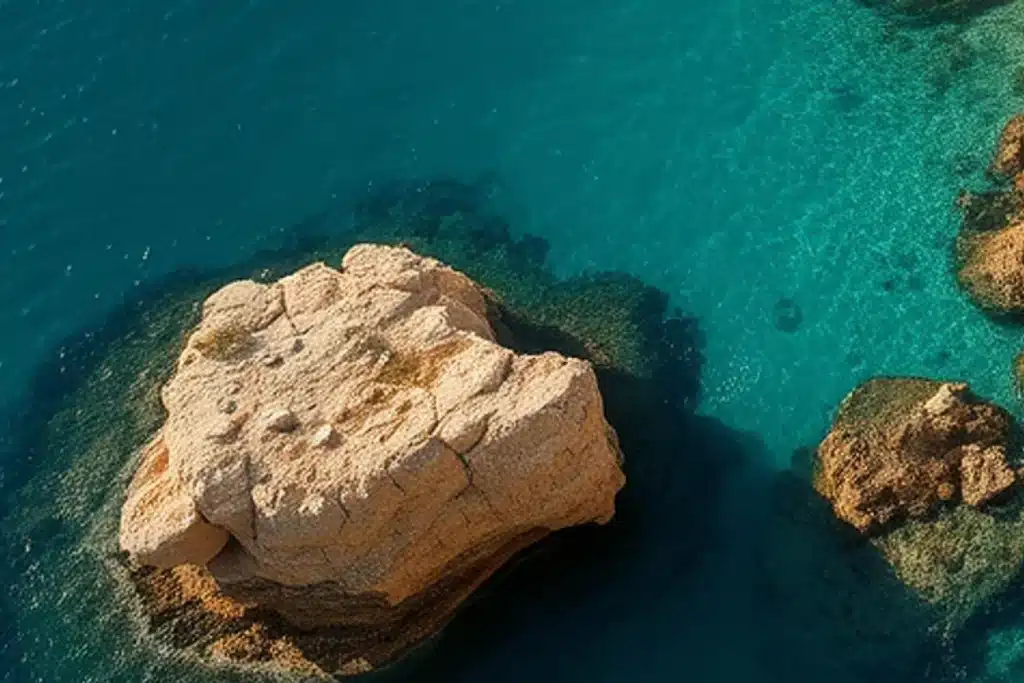
Larnaca International Airport is the practical gateway for families targeting the east coast — Protaras, Ayia Napa, and the quieter coves between them. The mistake I see repeatedly is treating arrival day like a sightseeing day.
After a flight, children need food, shade, and a short transfer — not an ambitious castle loop. Book licensed airport transport before you land; TheQTaxi lists licensed taxis and drivers, Larnaca Airport transfers, minibus hire for groups, payment online or in cash, and twenty-four-hour English-language support on their public site.
Arrival discipline: Pre-book licensed transfers before you fly. Tired families should not negotiate curbside fares with luggage and jet lag — especially on east-coast arrival days.
Larnaca town itself deserves at least one unhurried morning. The seafront Finikoudes promenade is stroller-friendly, and the salt lake flamingo season — typically winter into early spring — rewards early risers with colour you do not expect beside an airport city. The Church of Saint Lazarus anchors the old quarter with a calm courtyard that helps reset overstimulated children after travel.
Heading east, Protaras and Fig Tree Bay offer shallow, sandy entries that suit nervous swimmers. Ayia Napa carries louder resort energy; families who want sleep before midnight often prefer Protaras as a base and day-trip to busier beaches.
Cape Greco at the peninsula tip delivers cliff walks and clear water without the full party-town volume. Pace these days slowly — east-coast heat builds fast, and the childhood lesson I still trust is simple: swim first, explore second.
Paphos: mosaics, mythology, and west-coast pacing
Paphos is where Cyprus feels most like an open-air museum — and where official region guidance gives parents credible leverage when children ask why they are walking on more stones. The Visit Cyprus Paphos region page covers archaeological parks, harbour strips, and Tombs of the Kings routing; treat mosaic floors as a treasure hunt rather than a lecture. Morning visits beat afternoon glare, and comfortable shoes matter more than fashion.
The harbour strip pairs ice cream logistics with sunset views, while the Tombs of the Kings — a misnomer, as they housed officials rather than royalty — offer shaded paths and dramatic rock-cut chambers that feel adventurous without genuine risk if you supervise edges. Coral Bay to the north remains a reliable family beach with services nearby.
Paphos works beautifully as a one-base week if your children tolerate history in small doses. Rent a car for Akamas Peninsula day trips if you want nature over nightlife — the west rewards early starts and packed picnics. I prefer Paphos when the trip goal is culture with swimming, not club volume.
Limassol: city energy between two coasts
Limassol splits the difference between resort strip and working port city. Families use it as a transit hub or a single urban day rather than a full-week beach base — the seafront promenade is long and lively, and the old town castle anchors a compact wander zone. If your children enjoy watching real harbour life — cranes, ferries, fishermen sorting nets — Limassol delivers authenticity without a long detour.
Curium ancient theatre, a short drive west, is one of the island’s most dramatic heritage stops: Greco-Roman ruins above the sea, with acoustics that invite whisper tests and badly sung hymns from overexcited kids. Pair it with a beach afternoon nearby so the morning’s history has a physical outlet.
Limassol also connects logically to Troodos day trips — the motorway climb into the mountains starts here, which matters when you are planning one cool-weather escape from coastal heat.
Troodos villages: mountain air and painted churches
The Troodos range is Cyprus’s temperature reset button. When coastal afternoons feel oppressive, drive upward into pine scent and village squares where coffee comes in small cups and time moves differently. UNESCO-listed painted churches — tiny buildings with vivid fresco interiors — reward respectful visits with stories children remember longer than any single beach afternoon.
Platres and Kakopetria are practical lunch stops with riverside walks that cool bare feet in summer. Winter snow on Mount Olympus — the Cypriot peak, not the Greek mythic namesake — surprises families who assumed the island was only beaches. Check road conditions if you travel between December and March.
Schedule Troodos days mid-week if possible. Weekend domestic traffic from Nicosia and Limassol fills car parks at popular trailheads. One mountain morning per coastal week is usually enough; over-scheduling turns charm into car sickness.
Nicosia: capital context without a full-week base
Nicosia is worth a deliberate day, not a rushed drive-by. The walled old city contains museums, mosques, and churches that explain Cyprus’s layered history better than any single coastal resort can. Ledra Street crossing points remind adults that the island’s political division is present tense, not distant past — read current guidance before planning crossings with children.
Families typically park outside the medieval walls and walk in. Shaded alleys, artisan shops, and lunch courtyards provide natural breaks. I do not recommend Nicosia as a primary beach holiday base, but as a cultural counterweight on a two-base itinerary it sharpens the trip’s educational texture without feeling like punishment.
If you visit, choose a cooler month or a morning start. Summer capital heat is real, and children engage more willingly with history before noon.
Cyprus food: meze rhythm, halloumi, and family pacing

Cypriot eating is social by design. Meze — many small plates arriving in waves — mirrors how I remember childhood holidays: nobody committed to one main course, and picky eaters could negotiate.
Halloumi grilled until squeaky, souvlaki skewers, hummus, tahini, village salad, and bread for soaking olive oil are reliable family anchors. Commandaria, the island’s ancient sweet wine, stays for adults; children get fresh orange juice or water with lemon.
Breakfast tends toward simple: eggs, cheese, fruit, and strong coffee for parents. Lunch is the main event in heat.
Meze pacing: Order one round, eat it, then decide on the next. Children negotiate better when plates arrive in waves rather than all at once.
Dinner can be lighter if you have eaten properly at midday — resist the northern European instinct to starve all day then feast at nine p.m. when children are melting.
Market visits teach more than restaurants alone. Seasonal fruit — figs, grapes, pomegranates depending on month — gives children ownership over the meal.
Ask vendors what is local; Cypriot pride in produce is genuine. For broader Mediterranean cooking context back home, browse our recipe index after you return.
Beaches: flags, bays, and realistic expectations
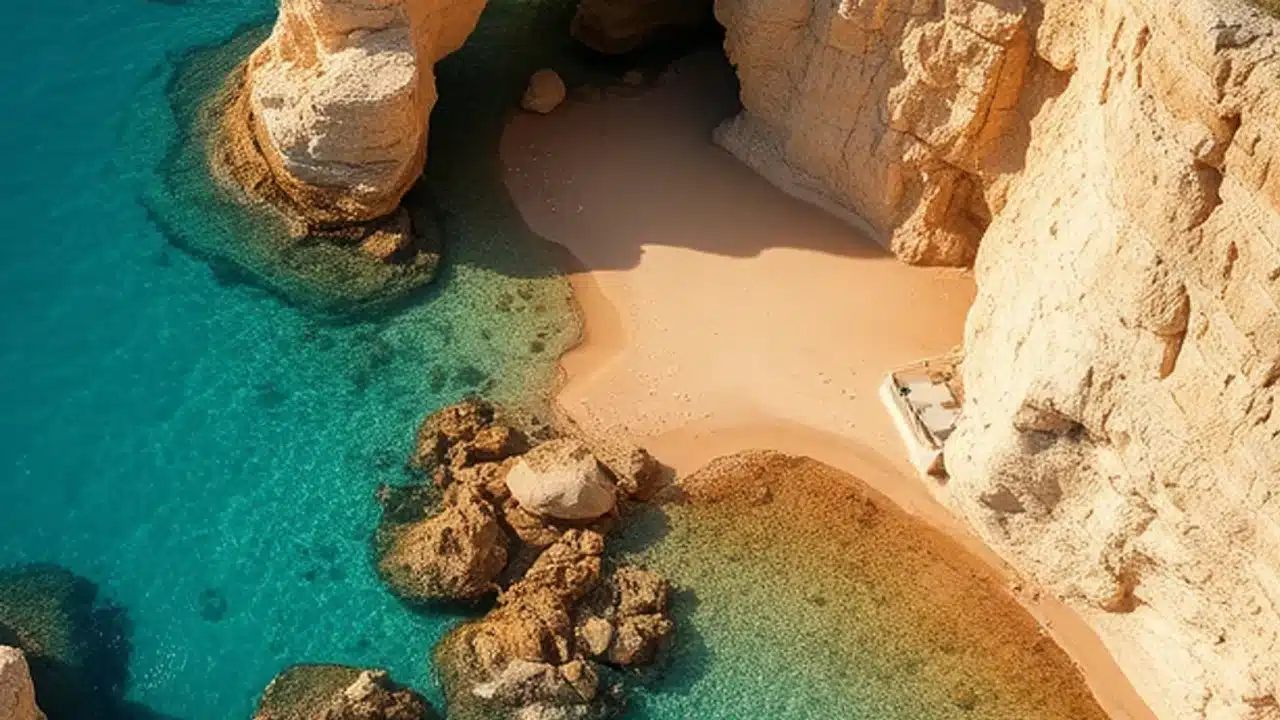
Cyprus beaches range from organised strips with sunbeds and lifeguards to quiet coves you reach down rough paths. The official Visit Cyprus beaches page lists Blue Flag listings and municipal facilities — teach children to read flag colours before they sprint to the water. East-coast bays like Fig Tree Bay and Nissi Beach are famous for shallow entry; west-coast coves near Akamas feel wilder.
Rock shoes help on pebbly entries. UV protection is non-negotiable — Mediterranean sun reflects off limestone and water with deceptive intensity. Pack rash guards for long swim days; reapplying cream on sandy, wriggling children is its own Olympic event.
Beach flags: Teach children flag colours before they sprint to the water — the official Visit Cyprus beaches page lists Blue Flag facilities and municipal services.
Respect turtle nesting zones where marked; night lighting restrictions protect hatchlings on quieter beaches. Environmental rules are not abstract ethics — they keep the beaches you remember available for the next generation.
History that children can actually absorb
Cyprus carries ten thousand years of human story in a footprint smaller than many single countries. That density can overwhelm — so I filter for sites that reward curiosity without demanding silence for hours. Paphos mosaics, Kourion theatre, Choirokoitia Neolithic settlement, and crusader castles like Kolossi give varied textures: art, performance, domestic life, and military imagination.
Link stories to things children already know. Roman mosaics connect to video-game pixels; medieval castles connect to every film they have watched; Bronze Age tombs connect to archaeology units at school. The official Paphos region routing provides authoritative context if adults want depth after bedtime.
Do not attempt every site in one trip. Two heritage mornings per week keeps enthusiasm intact. The island will still exist for a return visit — childhood holidays taught me that repetition deepens love more than exhaustion does.
Getting around: cars, buses, taxis, and urban mobility
| Mode | Best for | Family note |
|---|---|---|
| Hire car | Troodos villages, Akamas coves, flexible mealtimes | Left-hand drive; plan stops on winding mountain roads |
| Bus | Town-to-town hops with light luggage | Airport, interurban, urban, and rural services — less ideal with beach gear |
| Taxi / transfer | Airport arrivals, late resort hops, old-town parking friction | Pre-book licensed transfers; verify vehicle size for your party |
Transport makes or breaks Cyprus with children. The island has no train or metro network, so mobility is a mix of hire cars, scheduled buses, licensed taxis, and short walking legs in heat. Larnaca Airport serves most east-coast packages; Paphos Airport suits west-base weeks.
Official tourism guidance groups buses into airport, interurban, urban, and rural services — useful for town-to-town hops if you travel light, less ideal for families hauling beach gear between resorts. A rental car remains the clearest tool for Troodos villages, Akamas coves, and flexible mealtimes. Cyprus drives on the left; automatic transmissions are common in tourist fleets.
Taxi and private transfer cover the mobility gaps cars and buses leave open: airport arrivals with luggage, late-evening resort hops, and days when parking near old-town cores is the real friction.
Pre-book arrival transfers rather than negotiating curbside after a long flight. For east-coast weeks, Protaras airport transportation through TheQTaxi lists licensed taxi and minibus services, pay-online-or-cash options, and round-the-clock English support — verify pricing and vehicle size for your party at booking time.
Within resort strips, distances look walkable on maps and feel longer in August glare. Schedule a taxi backup for afternoon meltdown hours even if you pride yourself on pedestrian holidays. Mountain roads are winding — if your child is prone to motion sickness, plan stops and carry bags.
A balanced seven-day family itinerary
Day 1 — Arrive Larnaca, transfer east: Pre-booked transfer to Protaras or Pernera. Supermarket stop, early swim, simple dinner.
Day 2 — Beach rhythm: Fig Tree Bay morning; rest afternoon; harbour stroll at sunset.
Day 3 — Cape Greco: Short coastal walk, picnic, optional boat viewing from shore.
Day 4 — Troodos day: Drive up via Limassol corridor; village lunch; one painted church visit; descend before dark.
Day 5 — Paphos transfer: Relocate west with mosaic park stop if energy allows — otherwise split across two mornings.
Day 6 — Tombs of the Kings and Coral Bay: Heritage morning; beach afternoon.
Day 7 — Akamas or harbour buffer: Flexible nature morning or souvenir walk; pack for departure.
This loop assumes one east-coast and one west-coast base — the combination I would choose if I were rebuilding a childhood-style week with school-age children today. Adjust driving days downward if your group tolerates less car time.
Best time to visit Cyprus with children
| Season | Coast feel | Family fit |
|---|---|---|
| Apr–Jun | Warming sea, manageable heat | Strong shoulder-season choice |
| Jul–Aug | Hot days, busy resorts | Beach-first weeks with siesta afternoons |
| Sep–Oct | Warm sea, quieter beaches | Excellent balance for first trips |
| Dec–Mar | Mild coast; Troodos snow possible | Culture + villages over swimming |
Late April through early June offers warm sea temperatures without peak-summer intensity. September through October delivers similar balance with quieter beaches. July and August suit families who prioritise guaranteed sun and can structure siesta afternoons — heat is real, and midday sightseeing frustrates everyone.
Winter coastal stays are mild compared with northern Europe but not reliable beach swimming for children accustomed to summer holidays. Troodos snow season is its own niche — magical if you pack layers, surprising if you expected only sandals.
Orthodox Easter and local festival weekends can shift opening hours; check municipal calendars when you book. Shoulder seasons remain my recommendation for first-time family trips.
Accessibility and practical family notes
Organised beaches with ramps and accessible toilets exist along major resort strips — confirm Blue Flag and municipal listings for current facilities. Visit Cyprus highlights family-friendly bays including Pyla with calm shallow water and disabled access, and Agia Thekla where assisted sea access may be available during lifeguard service — verify current facilities on official beach listings before you travel.
Old towns and archaeological sites often include uneven stone, steps, and limited shade; plan mobility aids and timing accordingly.
Pharmacies are well stocked; carry familiar paediatric medicines from home to avoid label stress. Tap water safety varies by municipality — when uncertain, bottled water for drinking is the conservative choice. Sun and hydration management matter more than almost any sightseeing decision.
Read the latest UK Foreign Travel Advice for Cyprus for entry, health, and regional context before travel — not as fear, but as responsible framing for family decisions.
What we learned routing Cyprus with children
- Pre-book airport transfers on east-coast arrival days — heat and luggage beat curbside negotiation.
- Pace meze lunches as the main meal; keep heavy sightseeing before noon or after the sea cools.
- One Troodos morning per coastal week resets temperature without turning the trip into a driving marathon.
- Left-hand hire cars unlock villages and coves buses rarely match with beach gear in tow.
- Official Visit Cyprus beach and region pages beat generic resort hype for flag colours, facilities, and routing.
Why I still route families to Cyprus
Cyprus is not the loudest Mediterranean destination, and that is precisely why it works for families who want warmth without chaos. The island rewarded my childhood self with permission to be bored between meals — to float in calm water, to learn that history could be tactile, and to understand that the best travel days often contain no photograph at all.
Rebuilding this guide in 2026, I wanted the same gift for other parents: honest pacing, verifiable sources, and no invented luxury claims. Base smart, eat slowly, drive carefully, and let the island breathe between activities. A Europe return sits on our own cards as Southeast Asia fieldwork winds down — if Cyprus sits inside a wider European arc, continue through our travel guides archive.
I will update this page when official guidance or transfer options shift. Until then, treat it as a working map — childhood rhythm first, checklist second.
What do families ask about Cyprus in 2026?
Is Cyprus a good family holiday destination in 2026?
Which airport works best for Protaras and Ayia Napa?
When is the best time to visit Cyprus with children?
Do families need a rental car on Cyprus?
Is Cyprus in the European Union?
What food is Cyprus famous for?
Are the Tombs of the Kings actually royal tombs?
Are there accessible beaches in Cyprus for families?
About Oliver Mayerhoffer
Lead author on the fifty-country archive — childhood Mediterranean holidays rebuilt for 2026 family routing.

Oliver Mayerhoffer
Lead Author · Father
Lead author — fifty-country archive, currently traveling Southeast Asia. Cyprus routing pairs childhood Mediterranean memory with official Visit Cyprus and FCDO cross-checks for 2026 family holidays.
“Every memory we fold into this archive is a bridge between generations — and now, we share it with you.”
What sources back this Cyprus travel guide?
Routing and safety context come from official references below — paired with Oliver Mayerhoffer childhood Mediterranean field memory and 2026 archive cross-checks.
Visit Cyprus — beaches
Official beach routing and Blue Flag listings
Visit Cyprus — Paphos region
Official region routing and heritage context
UK Foreign Travel Advice for Cyprus
Entry and safety baseline — not legal advice
TheQTaxi — Cyprus airport transfers
Licensed taxi and minibus · online or cash · 24-hour English support
WHO travel and health
International travel health context — not medical advice
Editorial field notes
Oliver Mayerhoffer childhood Mediterranean memory — 2026 routing rebuild
Enjoying our content? Make Mangoes & Palm Trees a preferred source on Google.
Explore next


Where should Cyprus 2026 routing go next?
Europe hub, travel archive, and family trust magnets.