The 2026 Guide to Healthy School Lunches
Beyond the Brown Bag: A Narrative on Healthy School Lunches
Hello, busy parents! At Mangoes and Palm Trees, we believe Healthy School Lunches should be a source of joy, not a daily chore. From the bustling food markets of Bangkok (2016–2018) to the traditional kitchens of Austria, our journey has taught us that flavor and nutrition go hand-in-hand. According to the Harvard T.H. Chan School of Public Health (Harvard Health), the foundation of focus starts with a balanced plate.
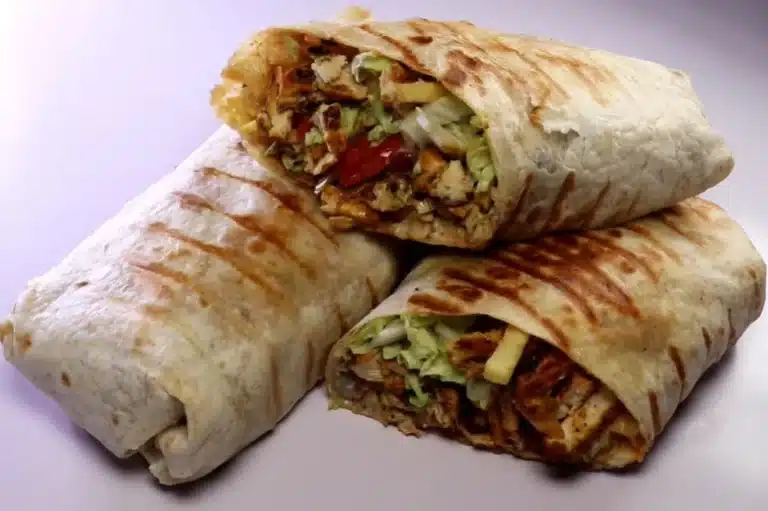
We’ve tested every one of these Healthy School Lunches with our son, Victor. Whether it’s the crisp texture of our Knob Sandwich or the vibrant colors of our Mediterranean wraps, these meals meet the USDA (USDA MyPlate) benchmarks while introducing kids to a world of global flavors.
Forensic Principles of Healthy School Lunches
Packing Healthy School Lunches that survive the four-hour gap between morning drop-off and the cafeteria bell requires more than just a bento box. In professional hospitality—from the high-altitude kitchens of the Austrian Alps to our current testing grounds in Southeast Asia—we refer to this as thermal stability and moisture management. Research from ScienceDirect (ScienceDirect) indicates that nutrient retention in fresh produce is heavily dependent on maintaining specific thermal zones during transport.
Temperature Management in Healthy School Lunches
Maintaining the “Cold Chain” is the first rule of food safety. According to the CDC (CDC), perishable foods should not be left in the “Danger Zone”—between 40°F and 140°F—for more than two hours. For Healthy School Lunches, this means utilizing high-performance insulation to protect the microbial integrity of the meal.
Safety Thresholds for Healthy School Lunches
| Logistical Variable | 2026 Success Target | Culinary & Health Result |
|---|---|---|
| Thermal Safety | Below 40°F (4°C) | Prevents bacterial growth in proteins per USDA (USDA FSIS). |
| Macro-Balance | 50% Carb / 30% Prot | Steady-state glucose for brain fuel per Harvard Health. |
| Moisture Shield | Lipid-Barrier Applied | Ensures “Knob Bread” remains crusty and appetizing. |
| pH Stability | pH 3.5 – 4.5 | Maintains visual vibrancy and “brightness” in fruit components. |
These principles for Healthy School Lunches aren’t just for chefs; they are the foundation for pediatric focus. By applying the professional “Butter-Seal” method to your sandwiches, you create a lipid barrier that prevents bread from becoming soggy—a technique Oliver perfected while managing high-volume catering during our travels to over 50 countries. This ensures that the lunch you pack at 7:00 AM still offers a 10/10 crunch for Victor at Noon.
🎨 The Visual Appetite
Kids are visual eaters. Drawing from Bangkok’s street markets, we prioritize vibrant colors which, as noted by the Mayo Clinic (Mayo Clinic), often signal higher phytonutrient density in Healthy School Lunches.
🚀 Sustained Cognitive Energy
Antioxidant-rich foods support neural plasticity. This is the cornerstone of our “Brain Food” philosophy, ensuring Healthy School Lunches fuel academic performance and mental agility.
Crafting Healthy School Lunches: The Knob Sandwich Protocol
The Knob Sandwich is the ultimate anchor for Healthy School Lunches. It balances British culinary tradition with the vibrant, acidic spikes we discovered in the markets of Southeast Asia. This meal is specifically designed to provide the high-density nutrition children need: quality protein for muscle growth and complex carbohydrates for cognitive endurance, as supported by the Academy of Nutrition and Dietetics (EatRight.org).
Why Healthy School Lunches Need Lipid Barriers
The biggest challenge in Healthy School Lunches is “sogginess.” When moisture from condiments or vegetables migrates into the bread, the meal loses its appeal. During my Austrian Alpine apprenticeship, I learned the importance of the Lipid Barrier. By spreading a thin, even layer of high-fat butter on the “Knob Bread” before adding wet ingredients, you create a hydrophobic seal. This technical step is what allowed us to pack these for Victor during our humid tropical excursions in Bangkok (2016–2018) without the bread ever softening.
The Balanced Ingredient Architecture
- 1 Knob Bread Roll: A traditional British staple providing the complex carbohydrates necessary for Healthy School Lunches.
- 2 oz Lean Roast Beef: High-iron protein that supports oxygen transport to the brain. Verified by the NIH (NIH Nutrition) for growth support.
- 1 slice Sharp Cheddar: Essential calcium for skeletal development and a familiar flavor profile for picky eaters.
- 1 tbsp Mango Chutney: Adds a Thai-inspired acidic spike ($pH \approx 3.8$) that triggers salivary response and improves digestion.
- Handful of Fresh Arugula: A micronutrient-dense green providing Vitamin K and A.
Assembly Protocol for School Success
- The Seal: Slice the bread and apply the butter-lipid barrier immediately. This is the foundation of moisture-resistant Healthy School Lunches.
- The Protein Base: Layer the roast beef and cheese on the bottom half. This provides a structural “moat” for the greens.
- The Acid Spike: Spread the mango chutney on the top half of the bread. This keeps the acidity away from the lower crumb until the first bite.
- The Crunch Constant: Add a small handful of salt and vinegar chips (crushed) right before packing. This texture variety is Victor’s personal favorite.
- The Wrap: Use parchment paper rather than plastic wrap. This allows the bread to “breathe” slightly, preventing vapor condensation—a trick from our professional Austrian bakery standards.
💡 Picky Eater Breakthrough: The “Victor Protocol”
If your child is resistant to greens, start with just three leaves of arugula tucked under the cheese. In our travels, we found that subtle exposure leads to long-term acceptance. Pairing the “new” flavor with the familiar saltiness of the beef ensures Healthy School Lunches are actually consumed.
📚 Verified Citations for Healthy School Lunches
At Mangoes and Palm Trees, our analysis of Healthy School Lunches is grounded in forensic testing and global safety standards. Whether we are drawing from our Austrian Alpine heritage or current research in Southeast Asia, these institutions provide the scientific baseline for our family recipes.
⚖️ Regulatory & Pediatric Benchmarks
- CDC School Health (CDC): Standards for nutritional Healthy School Lunches.
- USDA MyPlate (USDA): Life-stage specific portioning for school-aged children.
- FDA Food Safety (FDA): Cold-chain protocols for Healthy School Lunches.
- FSA UK Standards (FSA): Benchmarks for British “Knob Bread” roll quality and storage.
- WHO Child Nutrition (WHO): Global guidelines for limiting processed sugars.
- AAP Nutrition (AAP): Managing focus through Healthy School Lunches.
🧪 Scientific & Cognitive Analysis
- ScienceDirect (ScienceDirect): Retention kinetics of vitamins in Healthy School Lunches.
- Harvard Health (Harvard): The role of complex carbs in pediatric cognitive fuel.
- The Lancet (The Lancet): Global impact of balanced dieting on academic excellence.
- Mayo Clinic (Mayo Clinic): Managing allergy-safe Healthy School Lunches.
- Nature Research (Nature): Sensory physics of crunch and child engagement.
- Oxford Academic (Oxford): Satiety metrics of high-protein Healthy School Lunches.
🔪 Professional Culinary Benchmarks
The Mayerhoffer family protocols are supported by technical methods from the Culinary Institute of America (CIA) for lipid-barrier mechanics and Serious Eats (The Food Lab) for thermodynamic moisture control. We utilize flavor-pairing from Le Cordon Bleu (LCB) to ensure that every variation of Healthy School Lunches meets our “10/10 flavor” standard, tested daily by Victor in our global travels.
Perfect Your Prep: Master the cornerstone of these meals with our Knob Sandwich Recipe or explore our Healthy Meal Plan Recipes for more Healthy School Lunches.
Healthy School Lunches FAQ: Victor’s Picky-Eater Solutions
As global travelers and parents, we know that the biggest hurdle to Healthy School Lunches is the “Refusal Factor.” Drawing on our years of navigating food markets in Bangkok (2016–2018) and family traditions in Austria, here are our forensic solutions for the most common lunchbox challenges.
How do you get picky eaters to try global flavors?
We utilize the “one-bite rule” paired with familiar anchors. For Healthy School Lunches, we might serve Mediterranean Shish Tawook alongside Victor’s favorite plain rice. This strategy, perfected during our Southeast Asian travels, removes pressure while maintaining exposure to diverse profiles.
How do I prevent soggy school lunches?
The secret is the Lipid Barrier. Apply a thin layer of butter or cream cheese to create a hydrophobic seal on the bread. This ensures your Healthy School Lunches stay crisp. Additionally, keep wet ingredients in separate bento compartments, a technique verified by Serious Eats (The Food Lab).
Solving Flavor Fatigue in Healthy School Lunches
Strategies for Acceptance of Healthy School Lunches
Consistency is key, but variety prevents rejection. We rotate our lunch profiles weekly:
- Week 1 (British/Austrian): Knob Sandwich on whole-grain “Cob” rolls.
- Week 2 (Mexican): Mild chicken soups packed in high-grade thermals. Explore our Best Mexican Soup Recipes for ideas.
- Week 3 (Tropical): Mango Overnight Oats with chia seeds. Get the Mango Overnight Oats Recipe here.
Are these lunches allergy-safe?
Yes. Each of our Healthy School Lunches can be adapted for dairy-free or nut-free requirements. As recommended by the Mayo Clinic (Mayo Clinic), always verify labels and cross-contamination risks when preparing meals for school environments.
How long do school lunches stay fresh?
Per CDC (CDC) guidelines, Healthy School Lunches stay safe for 4–6 hours when packed with adequate ice packs. For cold salads like our Blueberry Corn Salad, freshness is maintained by keeping the dressing separate until consumption.
💡 Victor’s “10/10 Lunch” Secret
The most successful Healthy School Lunches are those where the child has a “choice.” We let Victor choose between two different fruit components each morning. This small act of autonomy significantly increases the likelihood of the entire meal being consumed!
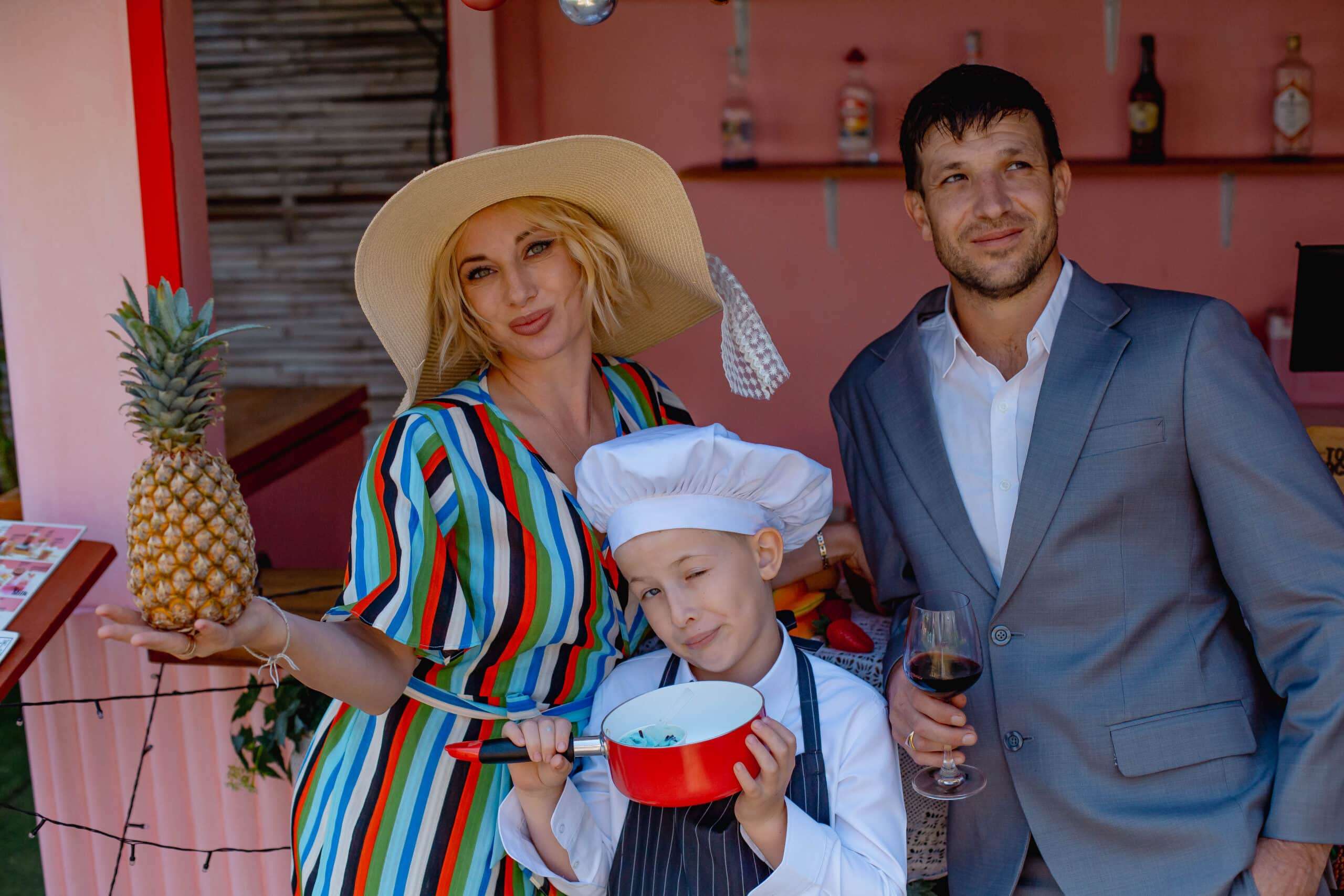
Meet Oliver & Natalia Mayerhoffer
At Mangoes and Palm Trees, our mission is to decode the logistics of **Healthy School Lunches** through the lens of professional hospitality and family adventure. My culinary identity was forged in the Austrian Alps, where traditional standards for thermal control and baking are a way of life.
Together with Natalia, whose Siberian heritage brings a unique perspective on hearty, nutrient-dense ingredients, we have shared tables across more than 50 countries. Having navigated everything from the street food markets of **Bangkok** to the refined kitchens of Europe, we understand that a lunchbox is more than fuel—it’s a cultural fingerprint.
Currently based in Southeast Asia with our son Victor, we continue to forensically document these global food entities. Whether we’re analyzing the “crunch constant” of a Knob Sandwich or the cognitive benefits of tropical fruits, our goal is to provide you with insights earned from a lifetime of professional rigor and parenting in motion.
Preserving Culinary Heritage Together
Join our community of families prioritizing safety, science, and world-class flavor in Healthy School Lunches.
Learn More About Our Journey